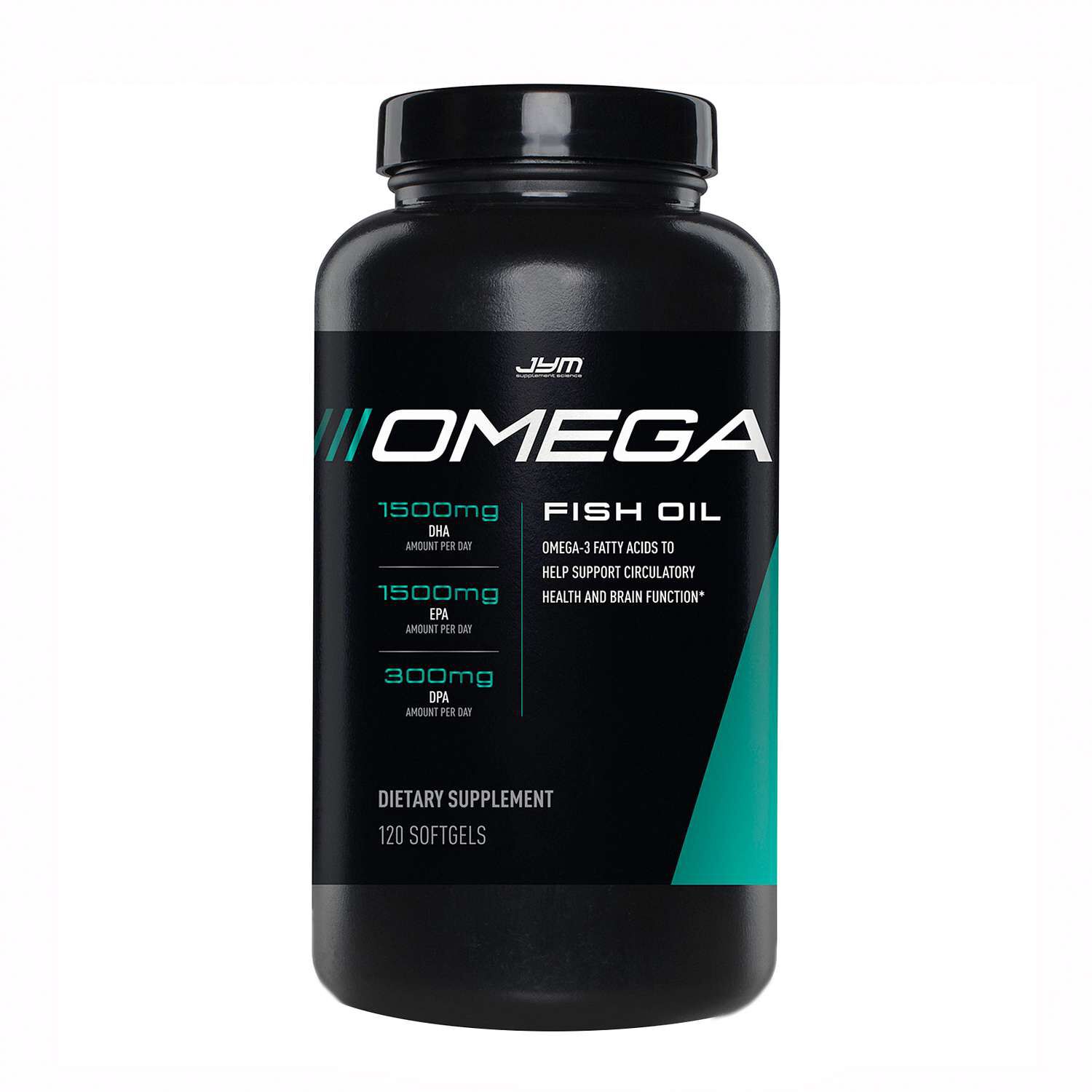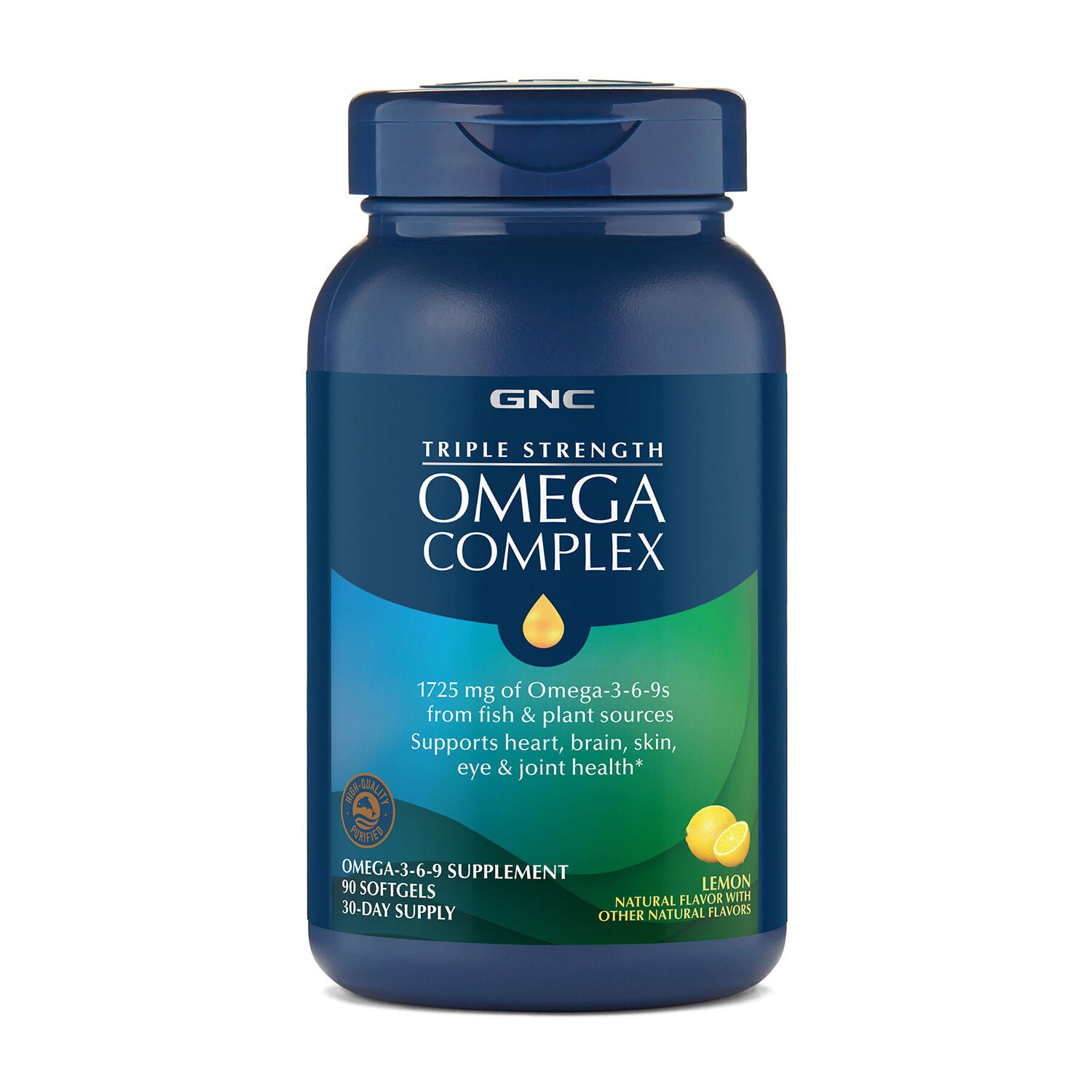


Easy To Swallow Fish Oil
(0 Results)
Looking to boost your omega-3 intake without any hassle? Our selection of easy-to-swallow fish oil supplements is here to help! Packed with essential fatty acids, these softgels are designed for smooth ingestion, making it simple to incorporate this vital nutrient into your daily routine. Say goodbye to large capsules that are hard to swallow and hello to a convenient way to support your overall health and well-being. Dive into our range of fish oil supplements today and experience all their benefits without any added stress.
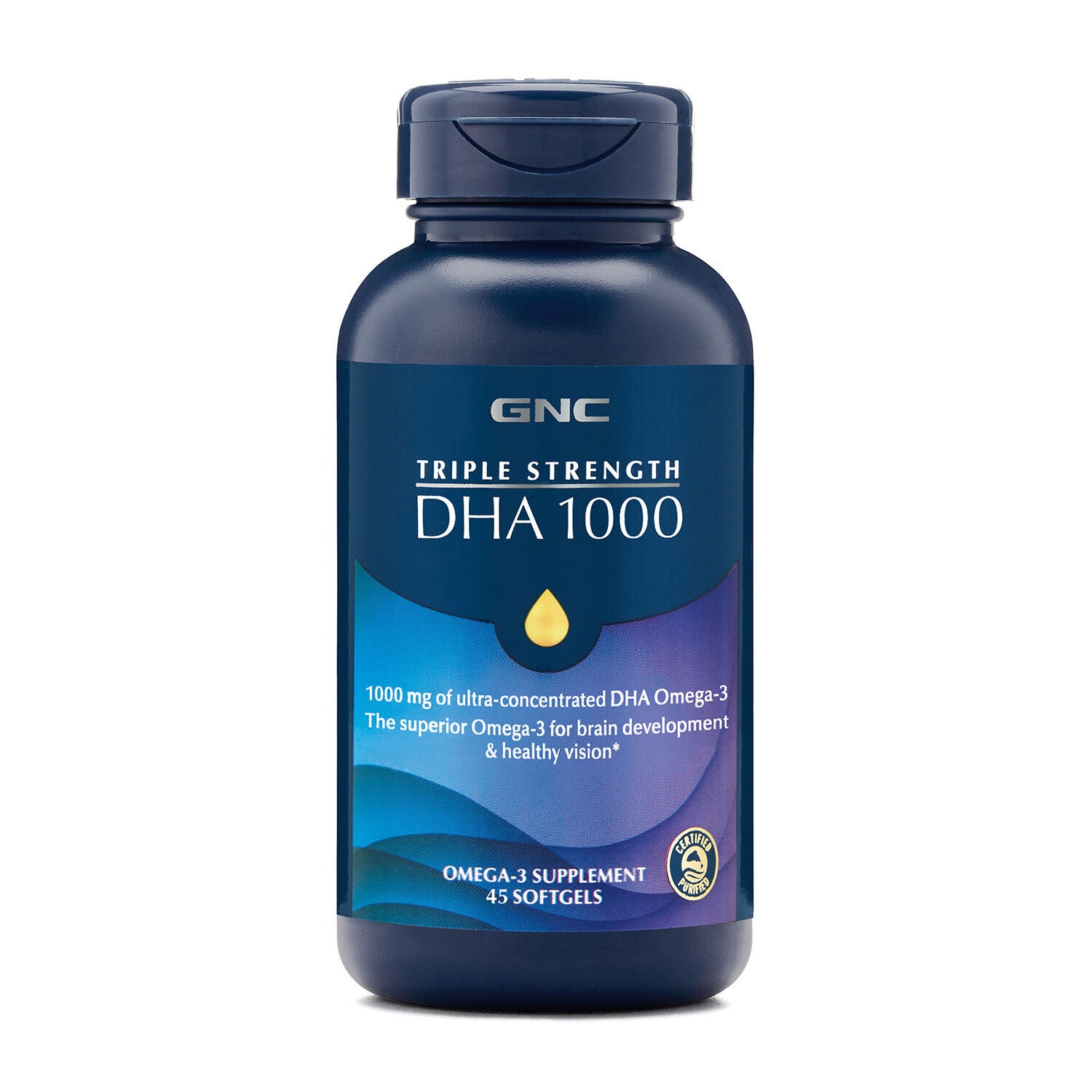


Easy-to-swallow fish oil supplements are fish oil formulas offered in smaller softgels or other formats that may feel more manageable than larger capsules. Mini and micro softgels are common options, while liquids and chewable formats offer a different way to include fish oil in a daily routine. The main distinction is the delivery format: a smaller capsule does not necessarily contain the same amount of fish oil or omega-3s as a larger one, and a serving may include more than one softgel. Fish oil contains omega-3 fatty acids, including EPA, short for eicosapentaenoic acid, and DHA, short for docosahexaenoic acid. These names appear on supplement labels alongside quantities expressed in milligrams. The amount of fish oil listed on a label is not interchangeable with the amount of EPA and DHA, because fish oil contains other fatty acids as well. That distinction matters when comparing a compact softgel with a larger capsule. A concentrated formula contains a greater proportion of omega-3s within its oil, which may allow a smaller format to provide an amount of EPA and DHA comparable to a larger, less concentrated softgel. Actual amounts depend on the formula and serving size. For shoppers who prefer capsules but find larger sizes unappealing, Mini Fish Oil Softgels are a closely related format to explore. Their appeal is practical: a smaller shape, a familiar capsule format, and a serving that fits personal preferences. Someone who already keeps a daily supplement organizer may favor compact softgels, while someone who dislikes capsules altogether may be more interested in a measured liquid. Neither format is automatically the better match for every routine. The most useful comparison brings together capsule dimensions, serving size, EPA and DHA amounts, and the experience of taking the supplement as directed. “Mini” describes a format rather than a universal measurement, so dimensions can differ even when two labels use similar wording.
Size is only one part of what makes fish oil easy to swallow for a particular person. Shape, shell texture, flavor, and the number of softgels in a serving also influence personal preference. An elongated softgel and a rounder capsule can feel different despite holding similar quantities of oil. A smooth shell may feel more comfortable for some shoppers, but a photograph alone does not establish how a capsule will feel or show its actual dimensions. Softgel shells commonly contain gelatin, glycerin, and water; the gelatin source can vary and may matter to shoppers with ingredient preferences. The oil source and the shell source are separate details, so a fish-derived oil does not necessarily mean the capsule shell is made from fish gelatin. Other ingredients may include flavorings, colorings, or coatings, depending on the formula. Lemon or other citrus flavoring may make the taste or aroma more appealing, although a flavored softgel is not necessarily intended for chewing. Some fish oil softgels have specialized coatings that may help limit noticeable fishy aftertaste. Coated, flavored, and smaller-sized formats describe different features, and one does not automatically imply the others. A shopper who mainly dislikes large capsules may prioritize dimensions, while someone who notices fish flavor may give greater weight to flavoring and coating information. Chewable options have their own texture and taste considerations, and liquid fish oil involves measuring a portion rather than counting capsules. The Supplement Facts panel provides the clearest basis for comparing these formats because it identifies the serving size and listed nutrient amounts. When a serving contains two or more softgels, the amounts shown generally apply to that serving rather than to each individual capsule. The number of servings per container is also different from the capsule count. Those distinctions help explain why a bottle with many small softgels may represent fewer daily servings than its capsule count initially suggests, especially when compared with a format intended to be taken one capsule at a time.
Easy-to-swallow fish oil is a category for shoppers who want to consider omega-3 content alongside the practical details of their supplement routine. Adults who prefer smaller capsules, people who pay close attention to ingredient sources, and those who favor a particular flavor or texture may each approach the assortment differently. A preference for compact softgels does not establish age suitability, however; a smaller capsule is not automatically formulated for children. Intended users and directions belong on the label, along with ingredient information and storage requirements. Fish oil may come from fish such as anchovies, sardines, or other species, and sourcing details vary by formula. For shoppers interested in manufacturing transparency, clearly described testing and named independent certifications provide more specific information than broad statements about quality. Testing descriptions may address composition, purity, or freshness, but their scope depends on the testing program. Packaging and care matter, too. Fish oil is sensitive to light and air, and storage directions can differ between softgels and liquids, particularly after a container has been opened. The original packaging carries the expiration date, lot information, and handling instructions that remain relevant throughout use. Keeping the closure secure and following the stated storage directions are practical parts of caring for the supplement. For someone who uses a weekly organizer or carries supplements in a work bag, those handling details deserve consideration alongside capsule size. For someone who prefers a bottle on a kitchen shelf, the labeled storage requirements still determine whether that location is appropriate. There is no single capsule shape, concentration, or flavor that defines the category for everyone. A thoughtful comparison focuses on the features that are visible and documented: softgel dimensions when provided, serving size, EPA and DHA quantities, shell ingredients, flavoring, coating, and intended use. Together, these details offer a grounded picture of easy-to-swallow fish oil, with attention to both what is inside the supplement and how its format may fit everyday preferences.
Best Sellers
-
 Nordic Naturals
 -
 Nordic Naturals
 -
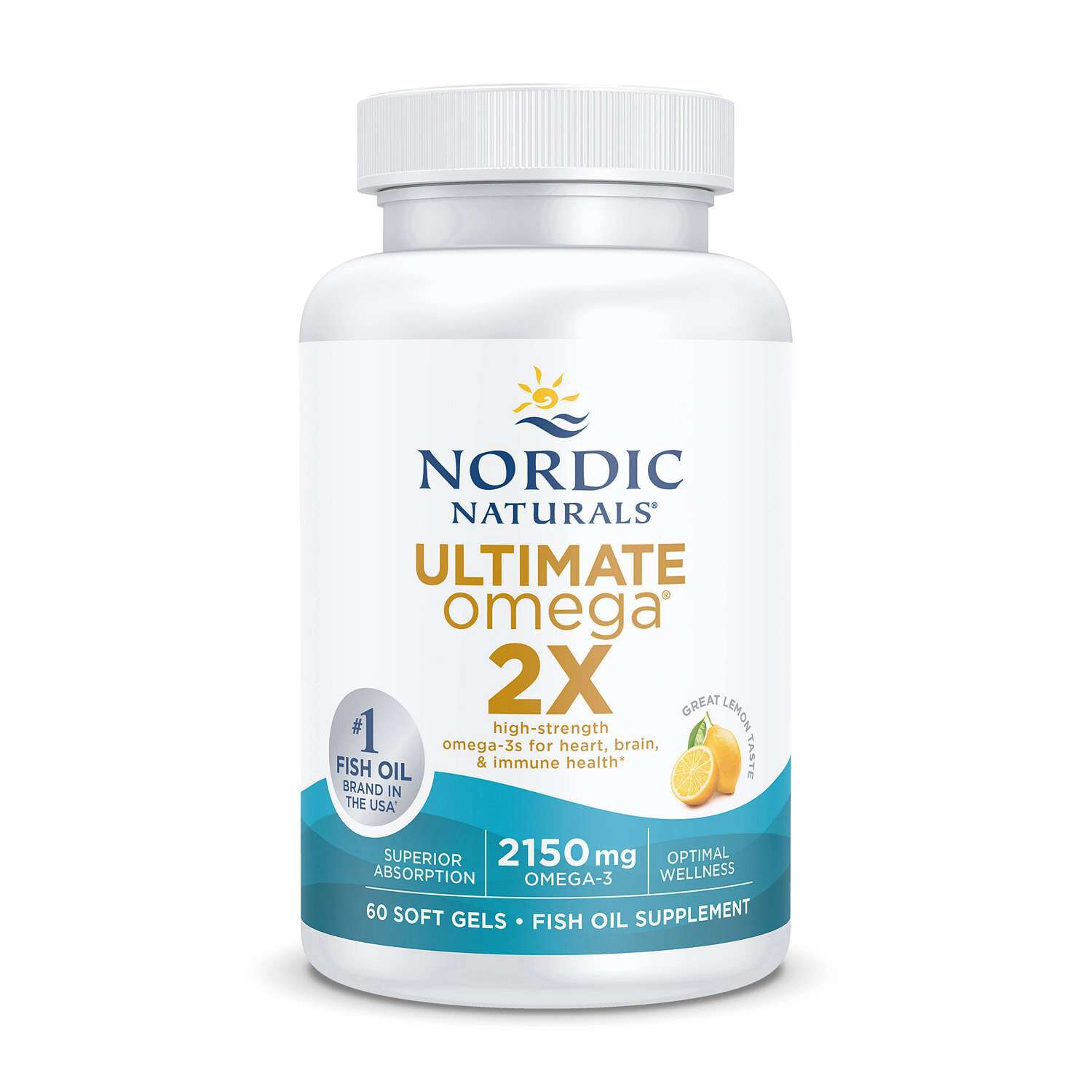 Nordic Naturals