





Wild Fish Oil Omega 3 Softgels
(0 Results)
Wild fish oil omega-3 softgels offer a convenient way to incorporate beneficial fatty acids into your daily routine. Sourced from wild fish, these softgels are designed to fit seamlessly into a variety of lifestyles and wellness goals. With easy-to-swallow capsules, wild fish oil omega-3 softgels may be an ideal addition for those looking to support their overall nutrition. Explore options that could complement your balanced diet and help you stay on track with your wellness journey.
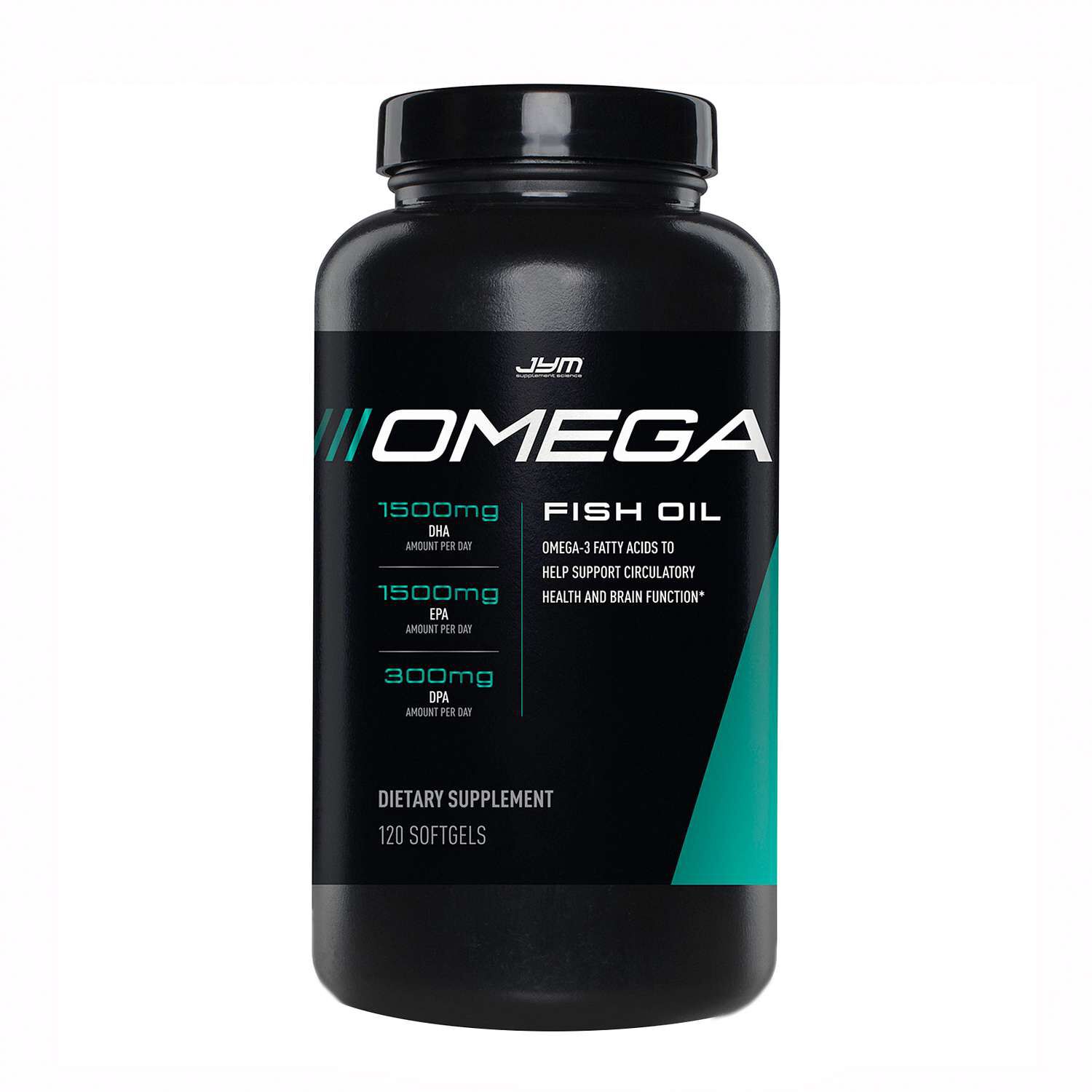


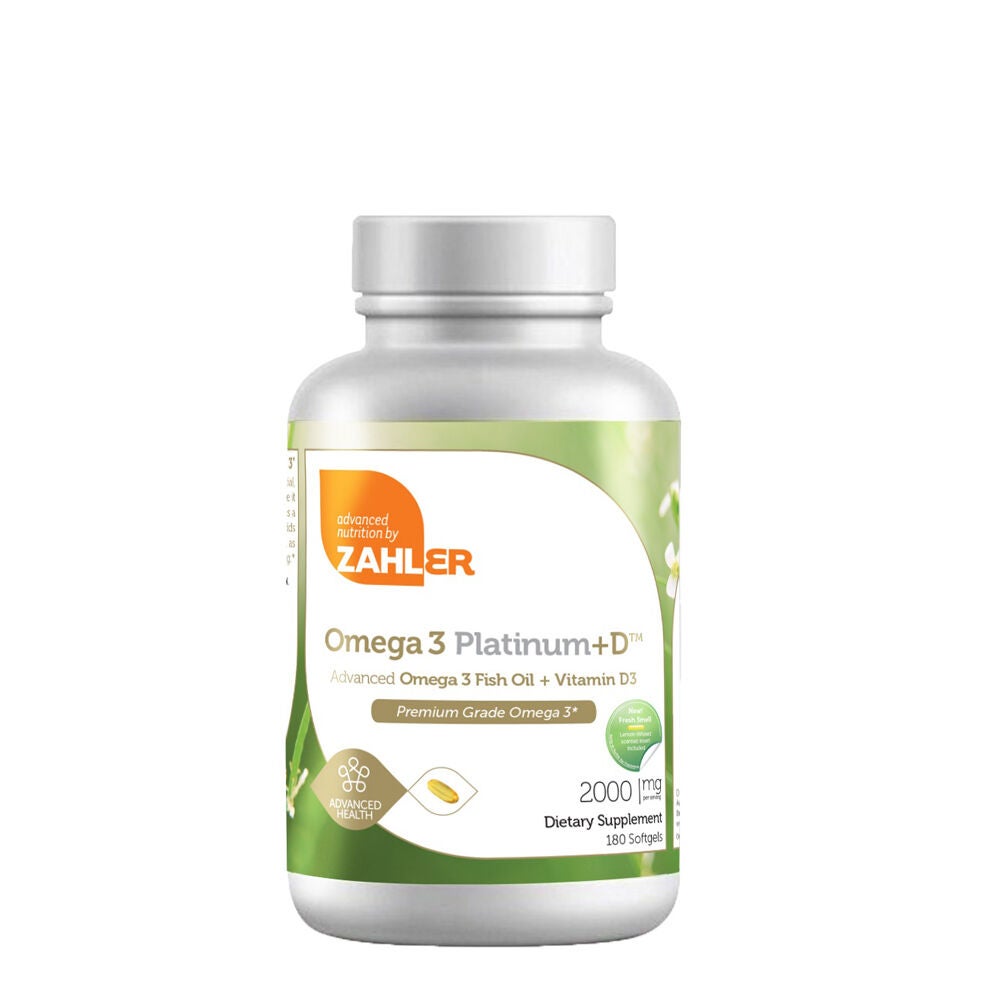
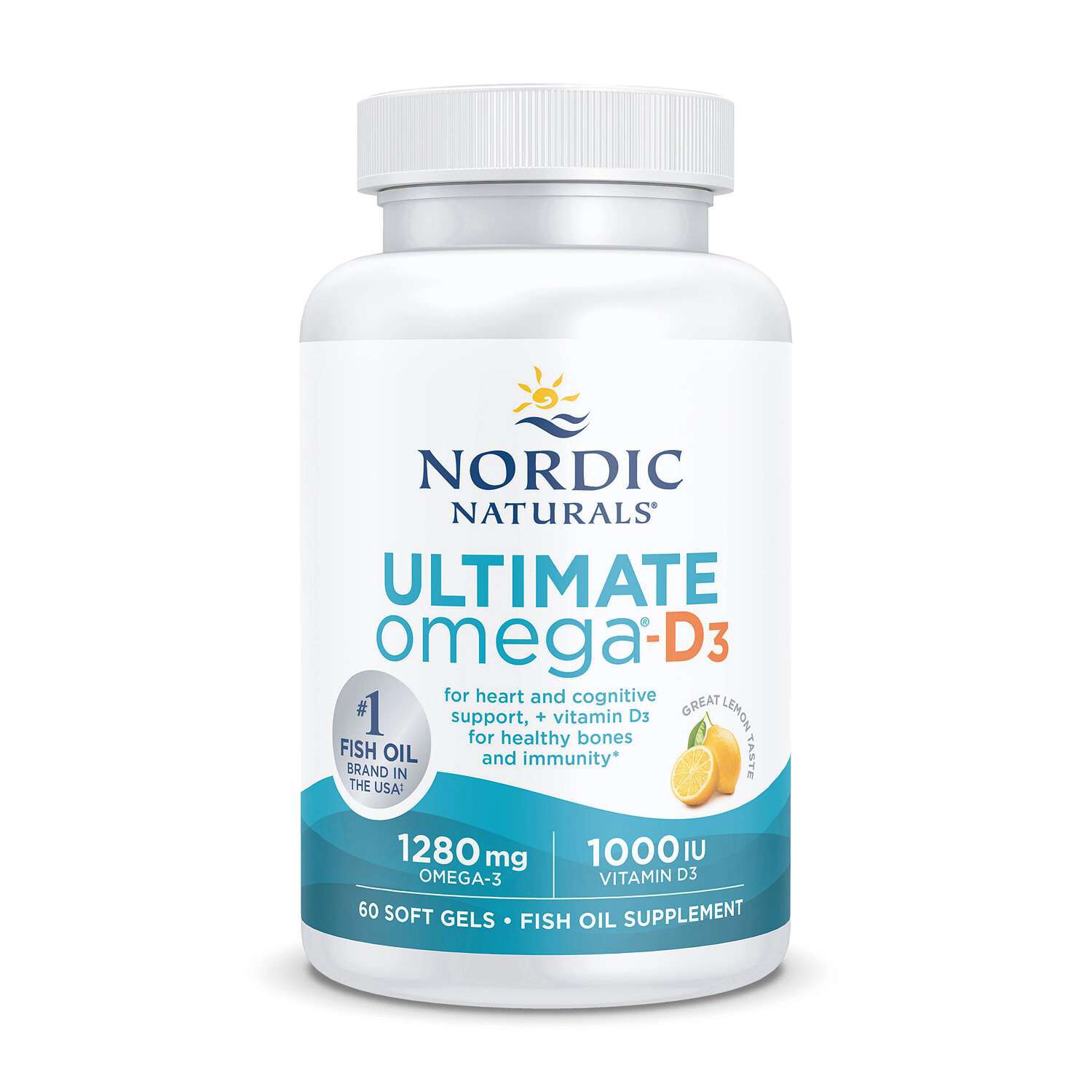

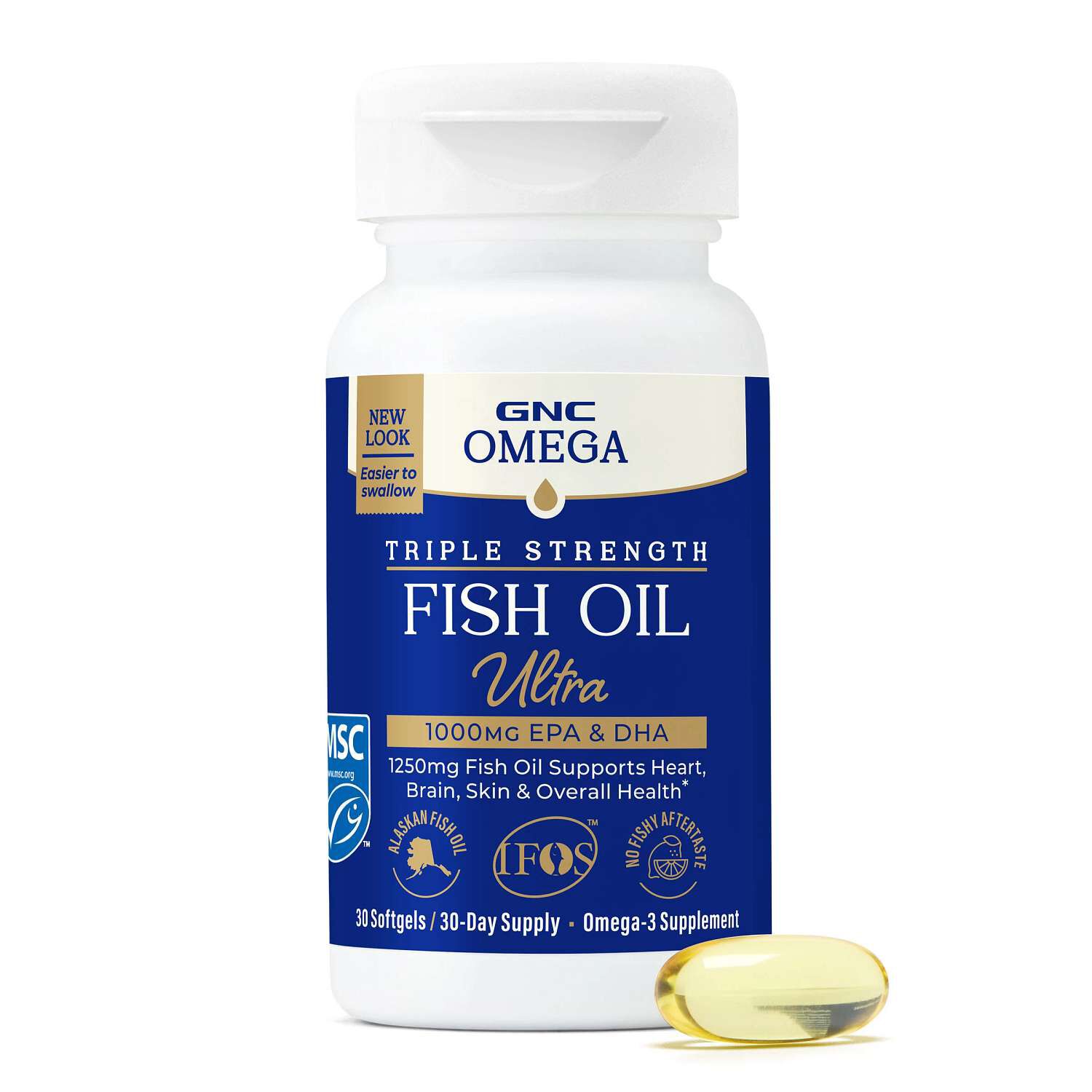
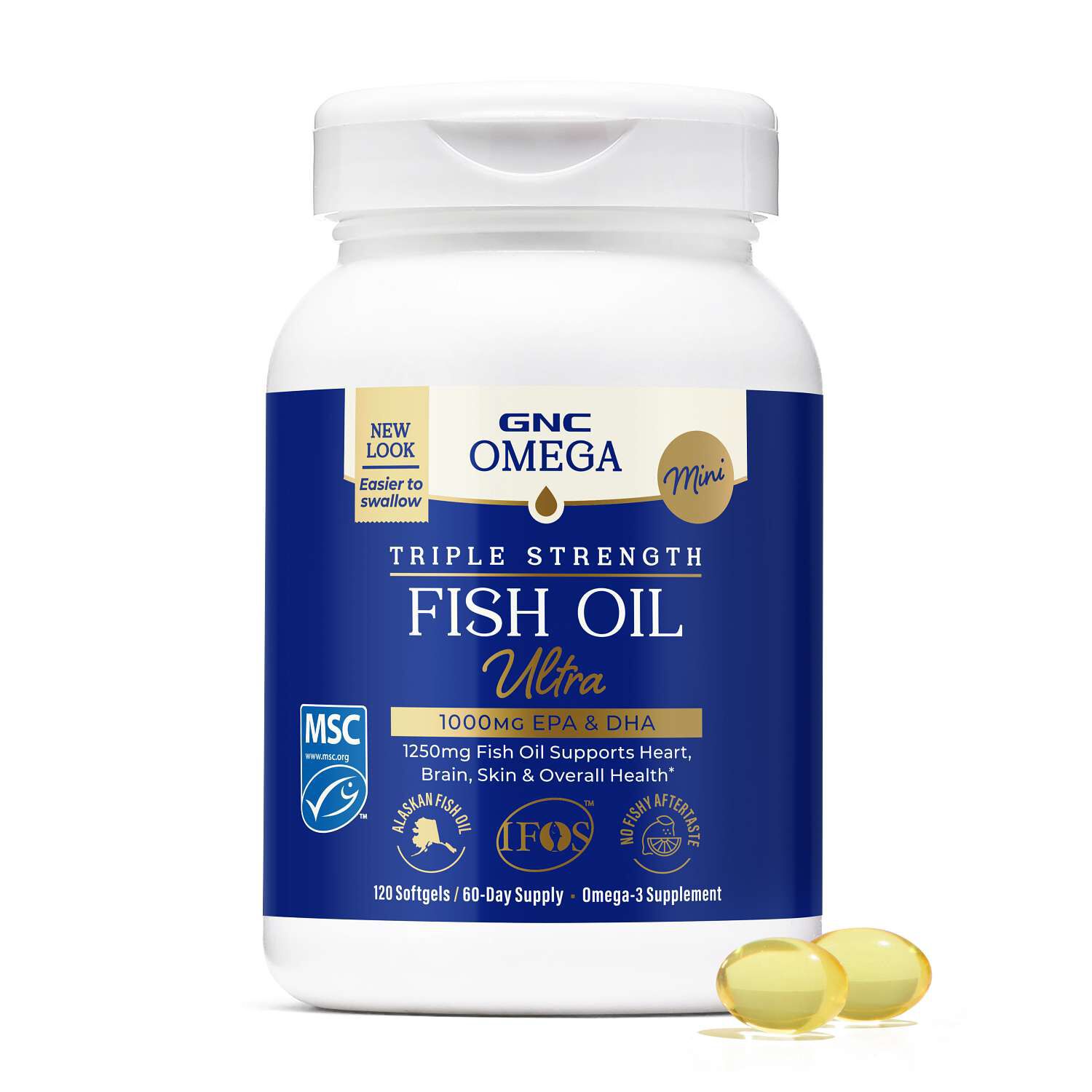


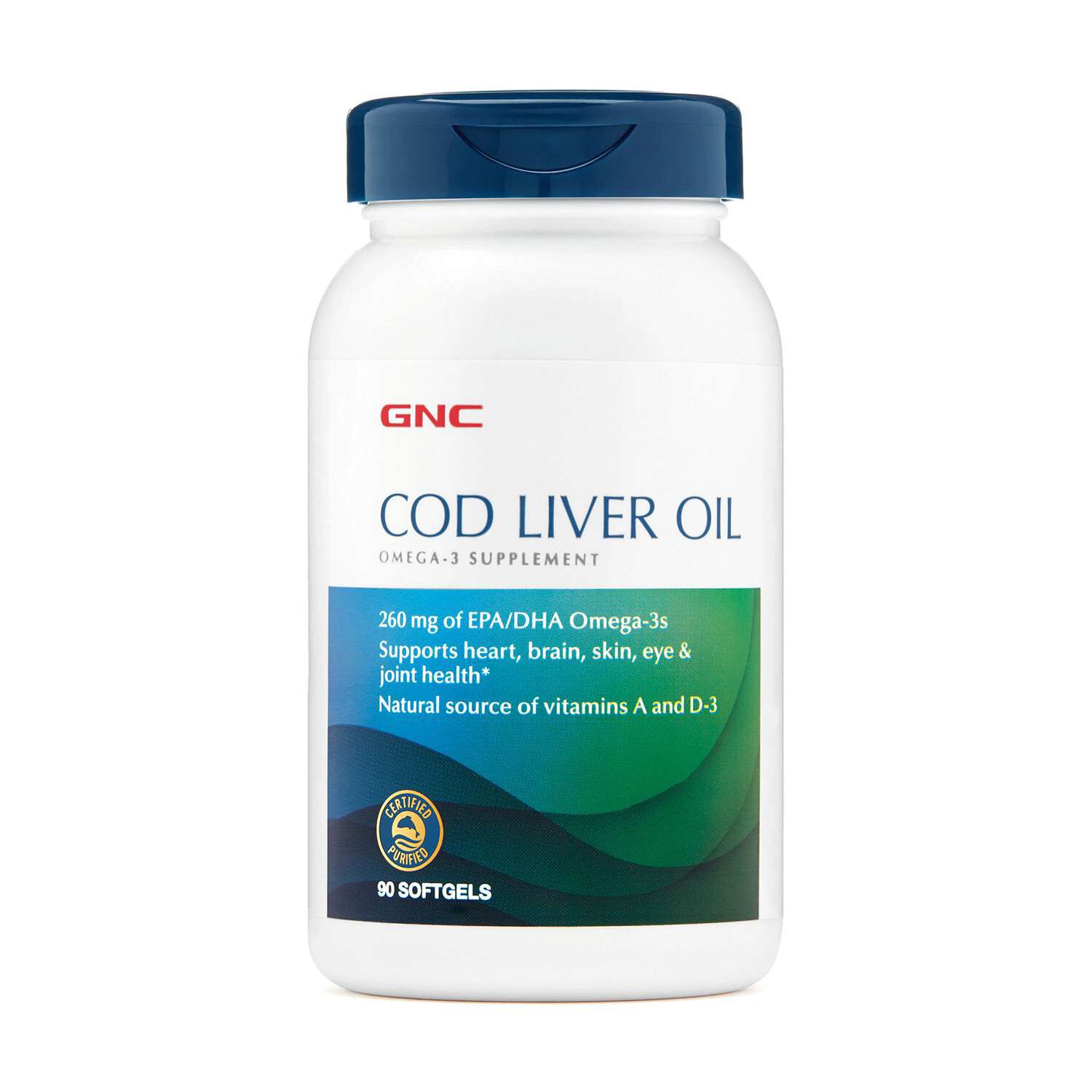


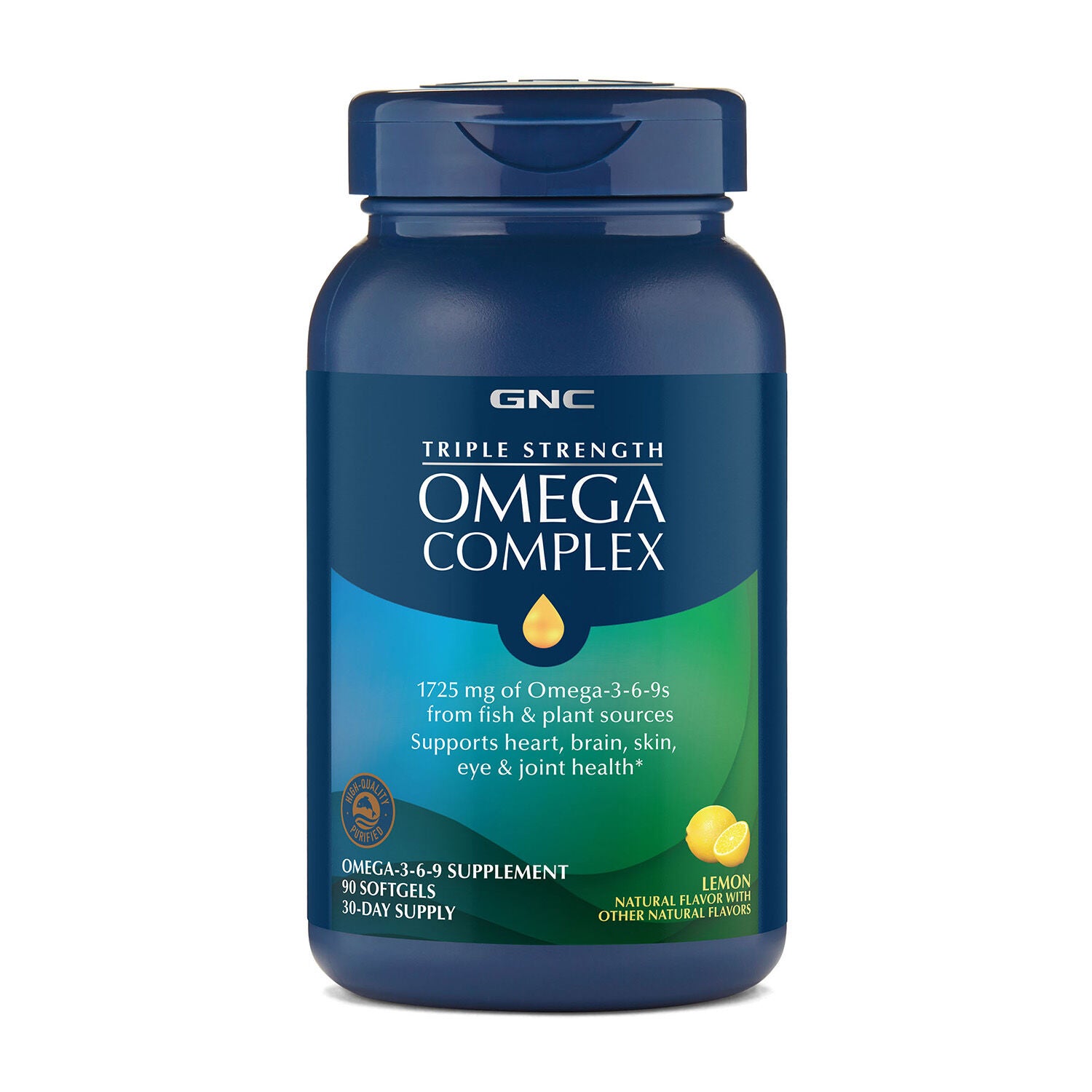


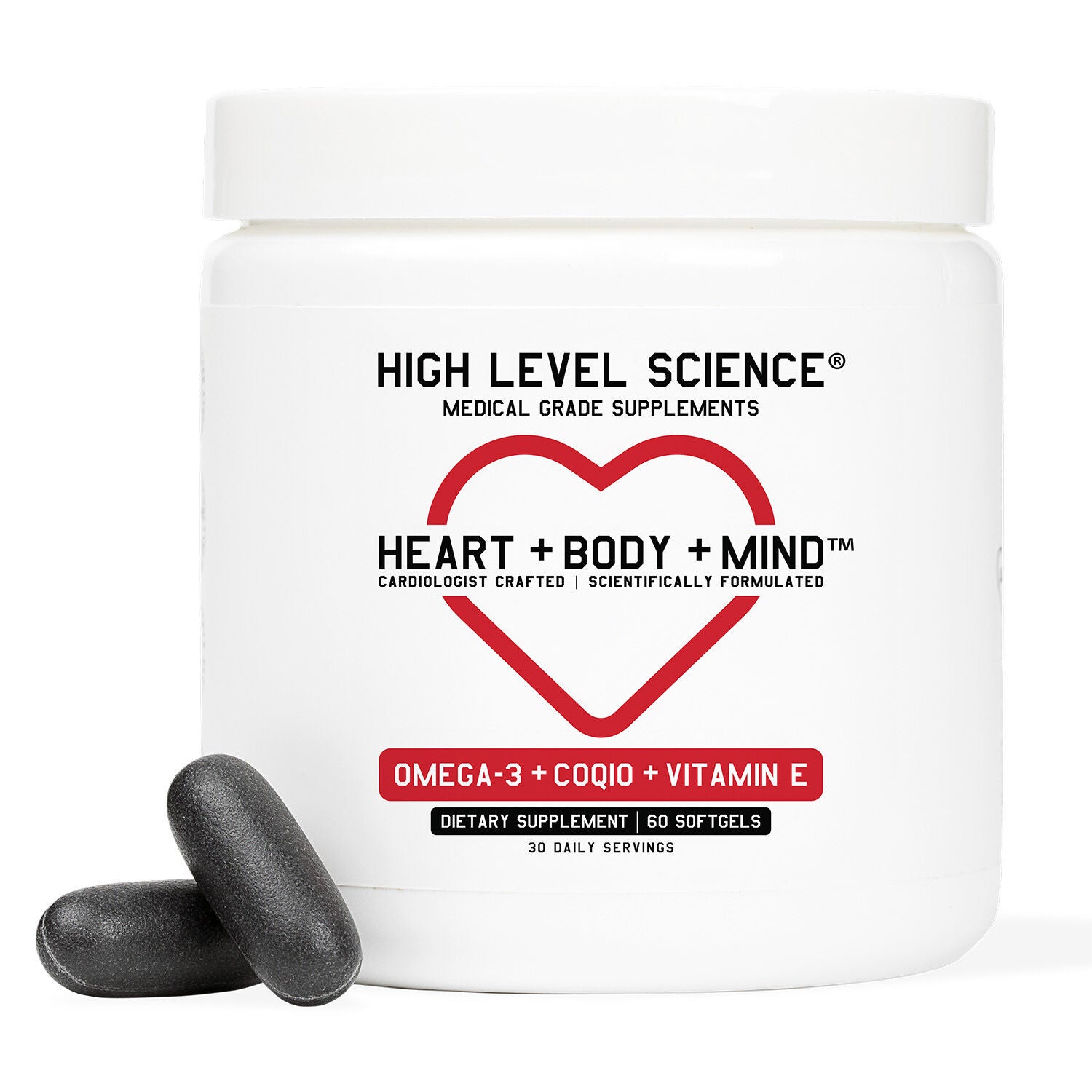
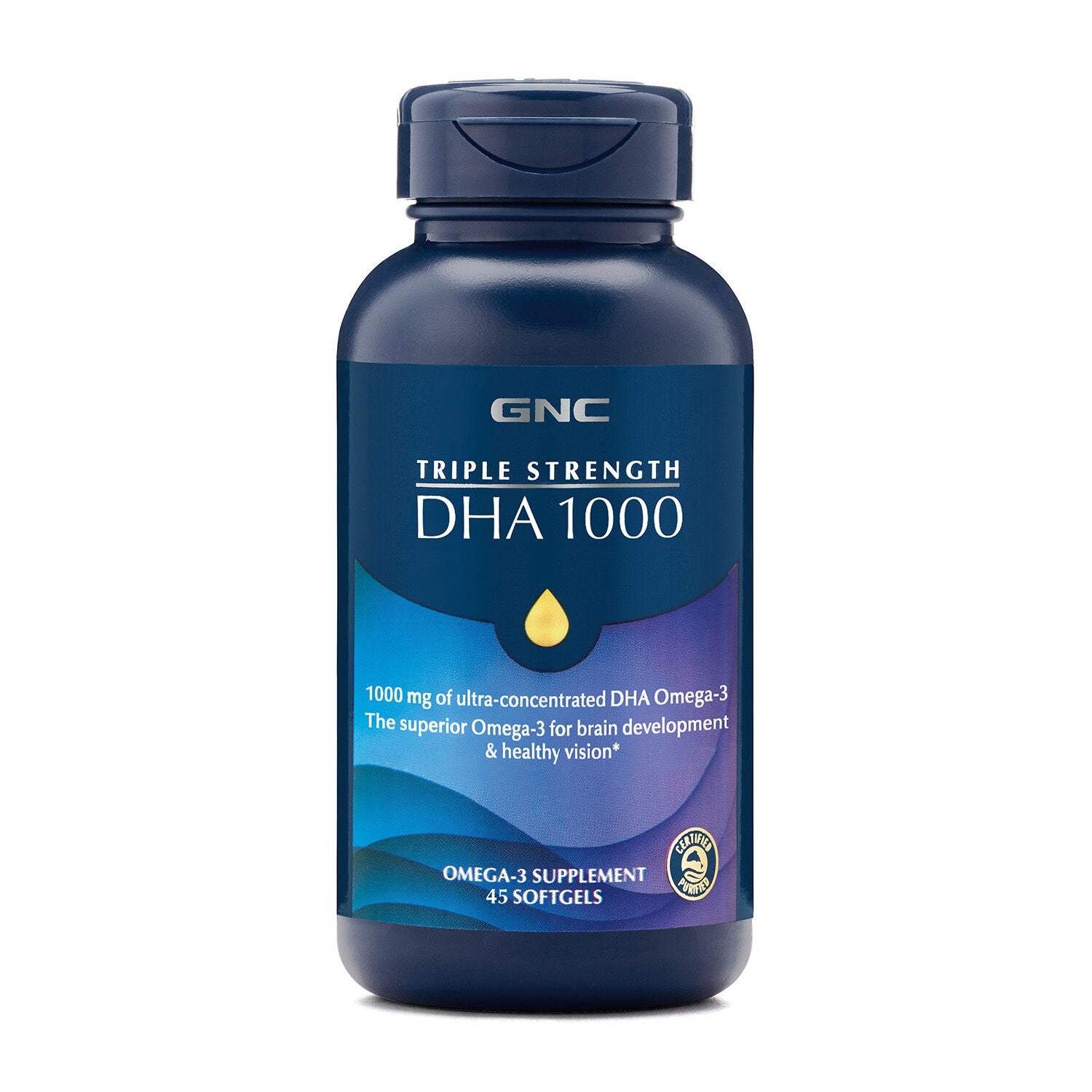

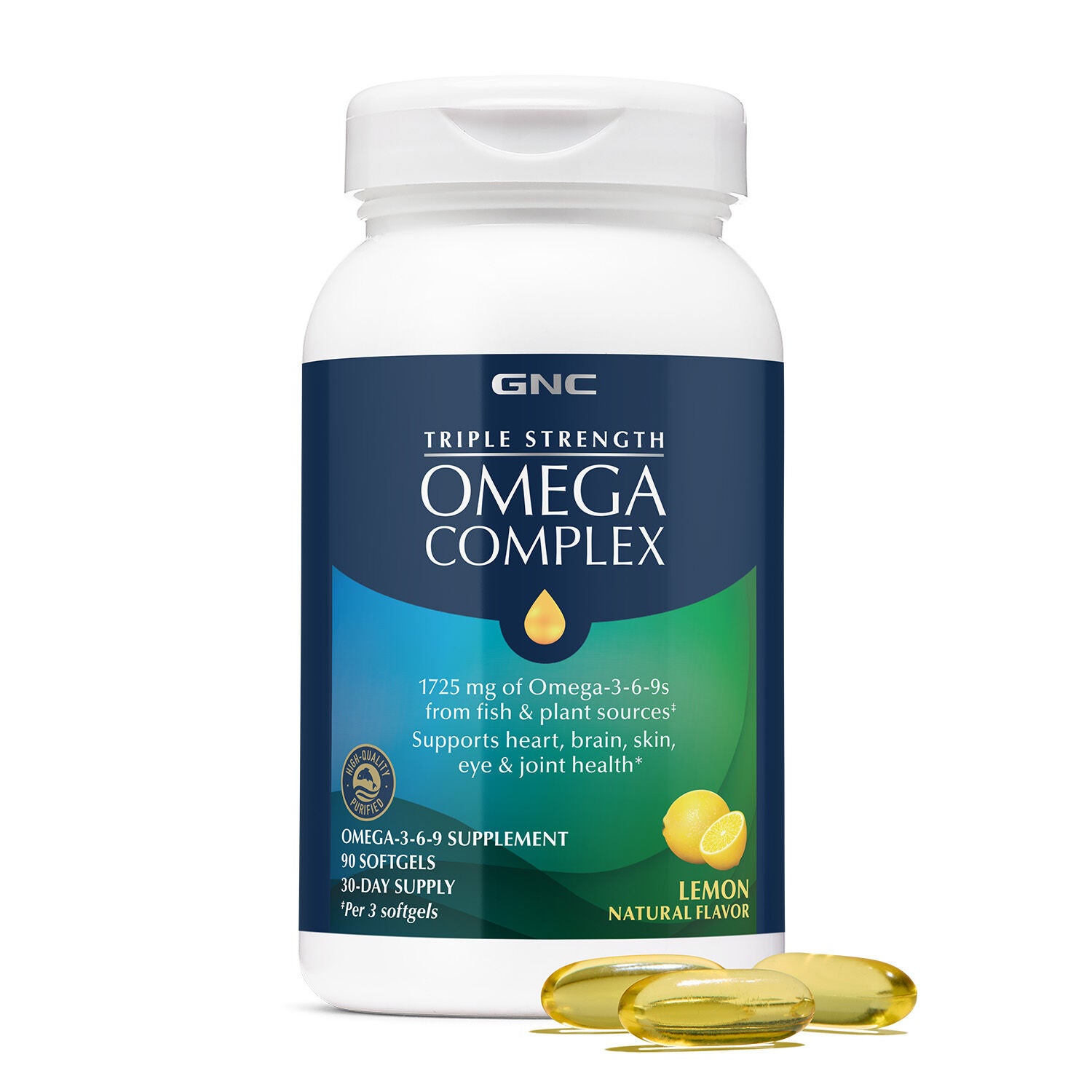
Wild fish oil omega-3 softgels are dietary supplements made with oil from wild-caught fish, enclosed in a soft capsule shell. These products contain omega-3 fatty acids, including EPA, or eicosapentaenoic acid, and DHA, or docosahexaenoic acid. Common marine sources include pollock, anchovies, sardines, and salmon, although the fish used will depend on the formula. For shoppers comparing wild fish oil supplements, the most useful distinctions are often the fish source, the amounts of EPA and DHA, the serving size, and the capsule ingredients. The word “wild” describes the source of the fish; it does not, by itself, establish the concentration of omega-3s, the testing performed, or the sourcing practices behind the finished supplement. Likewise, the amount of fish oil printed on the front of a bottle is not necessarily the amount of EPA and DHA inside. A serving labeled as containing 1,000 milligrams of fish oil can contain a smaller combined amount of those two fatty acids because fish oil also contains other fats. The Supplement Facts panel separates these details, making it a better comparison point than a large number on the front label alone. Serving size matters just as much: one formula may list its nutrient amounts for a single softgel, while another lists them for two or more. Comparing the same serving basis gives those numbers meaningful context. Some formulas have a higher proportion of EPA, others emphasize DHA, and others contain more similar amounts of both. These differences describe the composition of the supplement rather than making one formula the right choice for every person. Wild fish oil omega-3 softgels may appeal to adults who prefer a measured capsule format when adding marine-derived omega-3s to their nutrition routine. They may also interest shoppers who do not regularly include fish in their meals, although a fish oil supplement is not a substitute for the variety of nutrients found in food.
The softgel itself deserves attention alongside the oil inside. A typical shell contains gelatin, glycerin, and water, but the source of the gelatin and the additional ingredients can vary. Fish-derived gelatin and gelatin from other animal sources are not interchangeable for shoppers with particular dietary preferences. Wild fish oil softgels are animal-derived products, so their marine origin is an important consideration for anyone who follows a vegetarian or vegan eating pattern. The ingredient list can also identify flavorings, colors, coatings, and ingredients such as tocopherols that are included to help preserve the oil. A short ingredient list is easy to read, but length alone does not explain the purpose or quality of a formula. Each ingredient has a role worth understanding. Capsule dimensions, shape, and serving count may also influence how well a product fits into an everyday routine. A larger softgel may contain more oil per capsule, while a smaller format may require several capsules to reach the labeled serving. Neither the bottle photograph nor the fish oil amount alone reliably describes capsule size. When dimensions or a size illustration are provided, those details offer a more practical reference. Someone who prefers fewer capsules may prioritize a different format than someone who prefers a smaller capsule, even when the listed EPA and DHA amounts are similar. Flavor and finish provide another point of distinction. Some softgels include citrus flavoring, while others use specialized coatings; these are separate formulation features, not interchangeable descriptions. Shoppers interested in that aspect can compare Fish Oil Softgels With No Fishy Aftertaste, while checking each formula’s own description rather than assuming all softgels share the same characteristics. Labeled directions also matter because coated capsules can have different handling requirements from uncoated versions. The bottle’s directions are the appropriate reference for serving instructions and whether a capsule should remain intact. Fish-source disclosures and allergen statements deserve the same careful reading as the nutrient panel, particularly when dietary restrictions influence the choice.
Sourcing, testing, and packaging round out a thoughtful comparison of wild fish oil omega-3 softgels. A label that identifies a fish species or harvest region provides more specific information than a broad reference to marine oil. Some formulas use oil from a single species, while others combine oil from several fish sources. Fish oil can also be processed into different forms, including triglyceride and ethyl ester forms; when disclosed, that information describes how the oil is formulated and offers another detail for comparison. It should be considered alongside the actual EPA and DHA amounts rather than treated as a standalone measure of quality. Sustainability statements are most informative when they name a certification program or explain the fishery and supply chain involved. Wild-caught sourcing alone does not establish responsible harvesting practices. Similarly, a reference to third-party testing is more useful when the company explains what was evaluated. Testing may address fatty acid content, oxidation, or selected environmental contaminants, and a report tied to a particular batch offers more detail than an unexplained testing badge. Oxidation refers to changes that can occur when oils are exposed to oxygen over time, making packaging and storage relevant to the condition of the product. A securely closed bottle, an intact seal at purchase, and storage according to the label are practical considerations. The original container also keeps the ingredient list, lot information, and best-by date together for later reference. Bottle count is another detail that benefits from a closer look: a container holding 120 softgels represents 120 servings only when the labeled serving is one softgel. For someone comparing a smaller bottle with a larger one, the number of servings better describes how long each container is intended to last when used as directed. Taken together, these details create a clearer picture of the product: where the oil comes from, what each serving contains, how the capsule is made, and how the bottle fits into a personal routine. The strongest comparison rests on those specific, readable facts rather than broad wording on the package.
Best Sellers
-
 Nordic Naturals
-
 Nordic Naturals
-
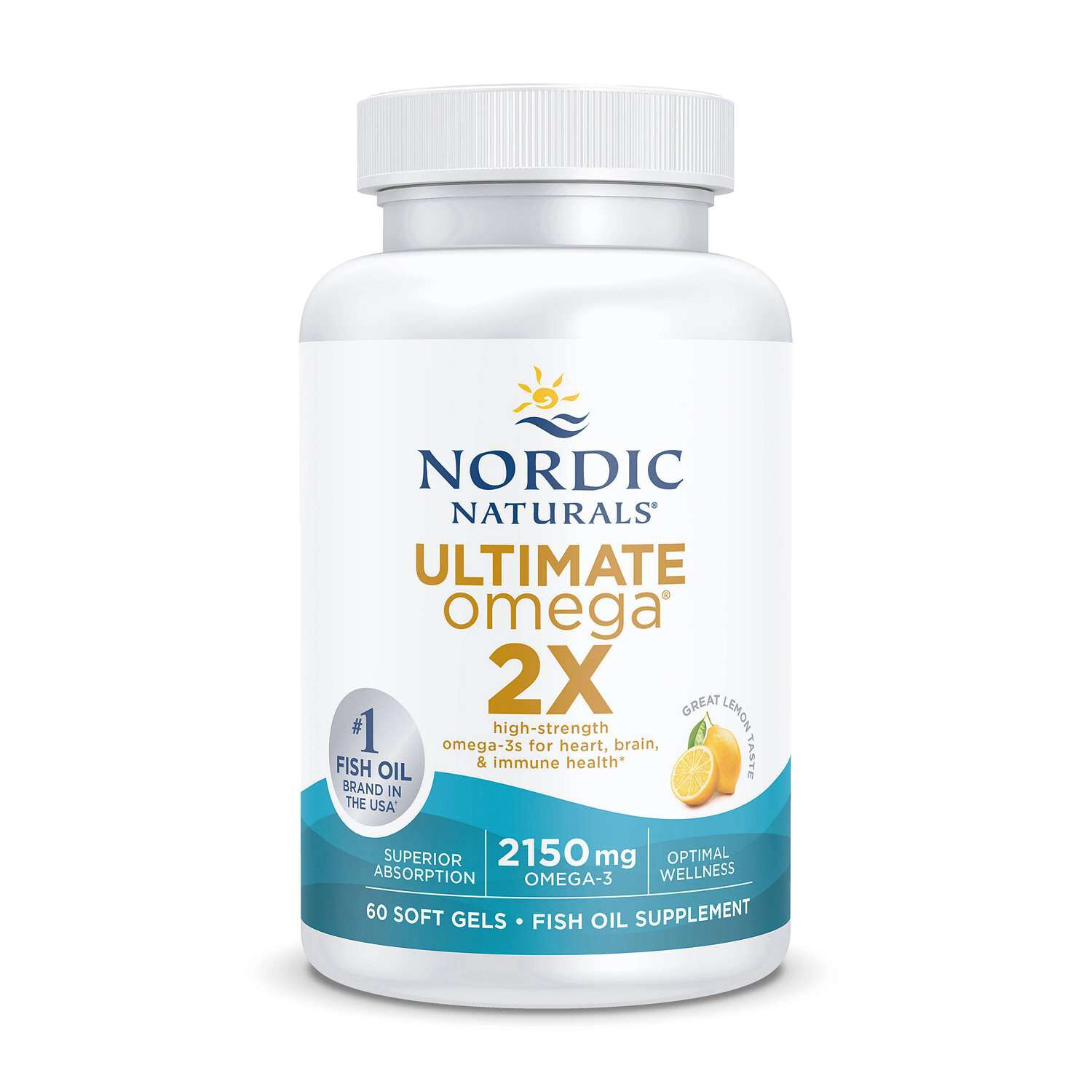 Nordic Naturals