





Fish Oil Softgels With No Fishy Aftertaste
(0 Results)
Discover how fish oil softgels with no fishy aftertaste could fit seamlessly into your daily wellness routine. These convenient supplements may offer a simple way to support your nutritional goals without the lingering taste often associated with traditional fish oil products. Explore options designed for those seeking an easy and enjoyable way to incorporate omega-3 fatty acids into their lifestyle.
-
-

-

-
-

-
-

-
-

-
-
-
-

-

-
 $24.99
-
 Portions Master$25.99
-

-
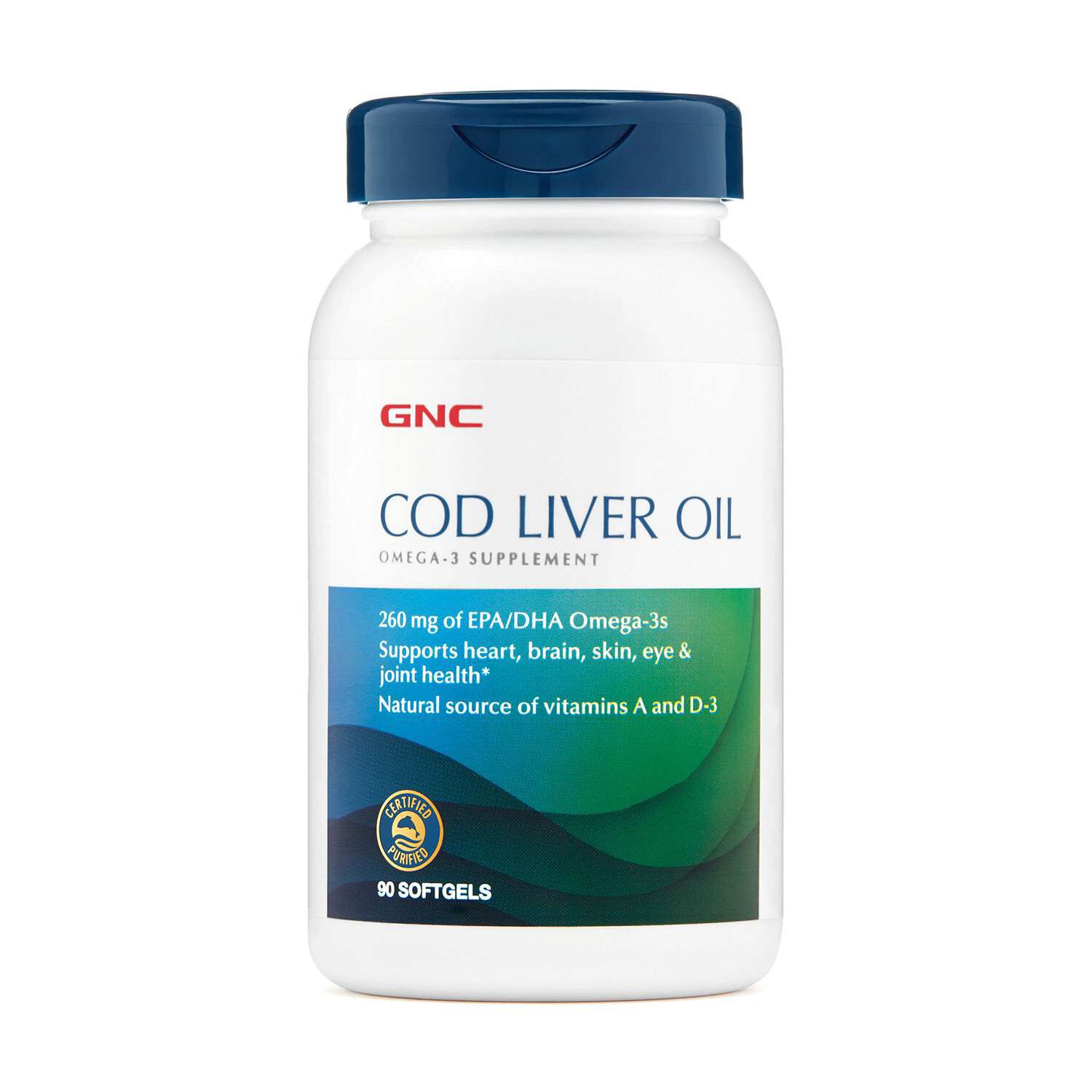


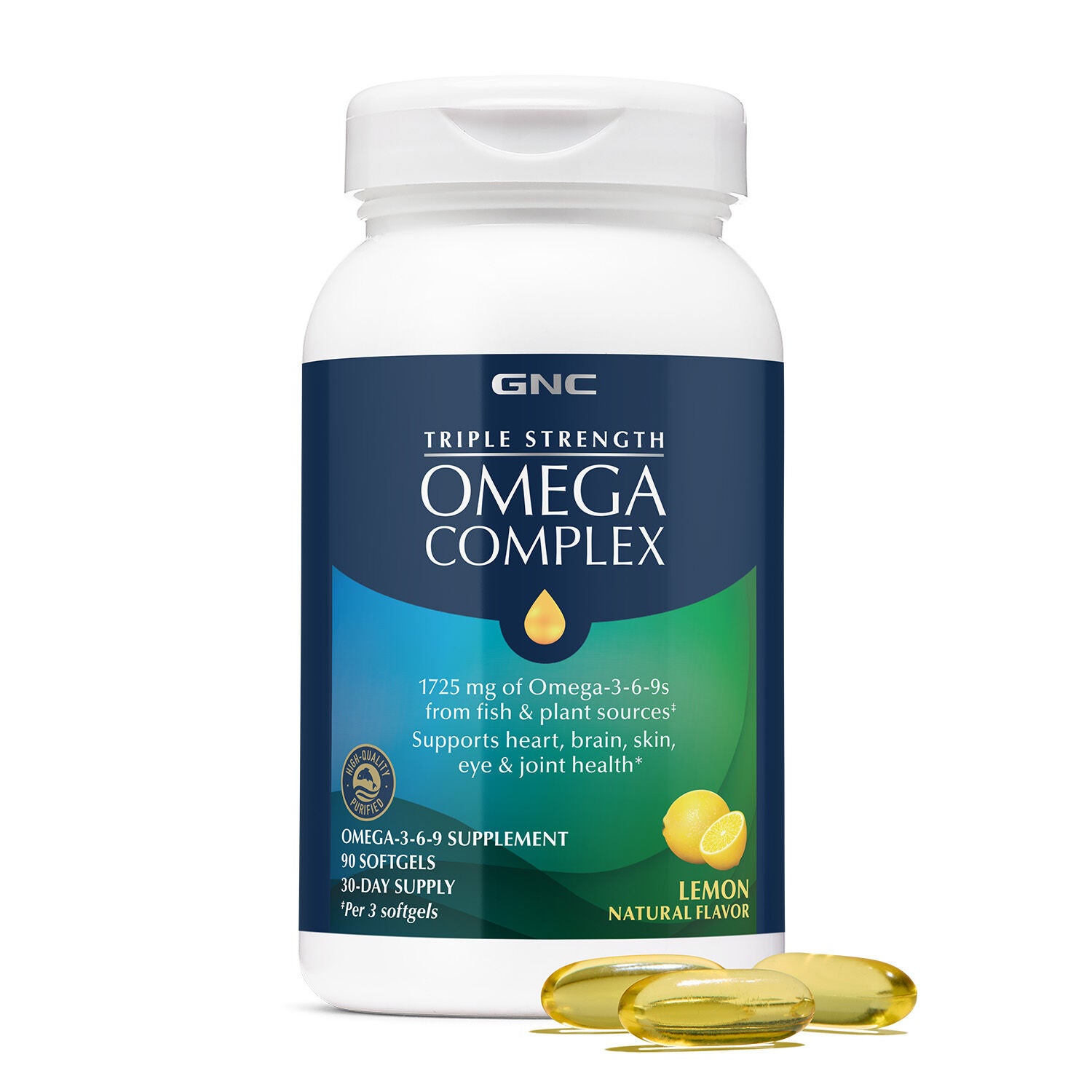

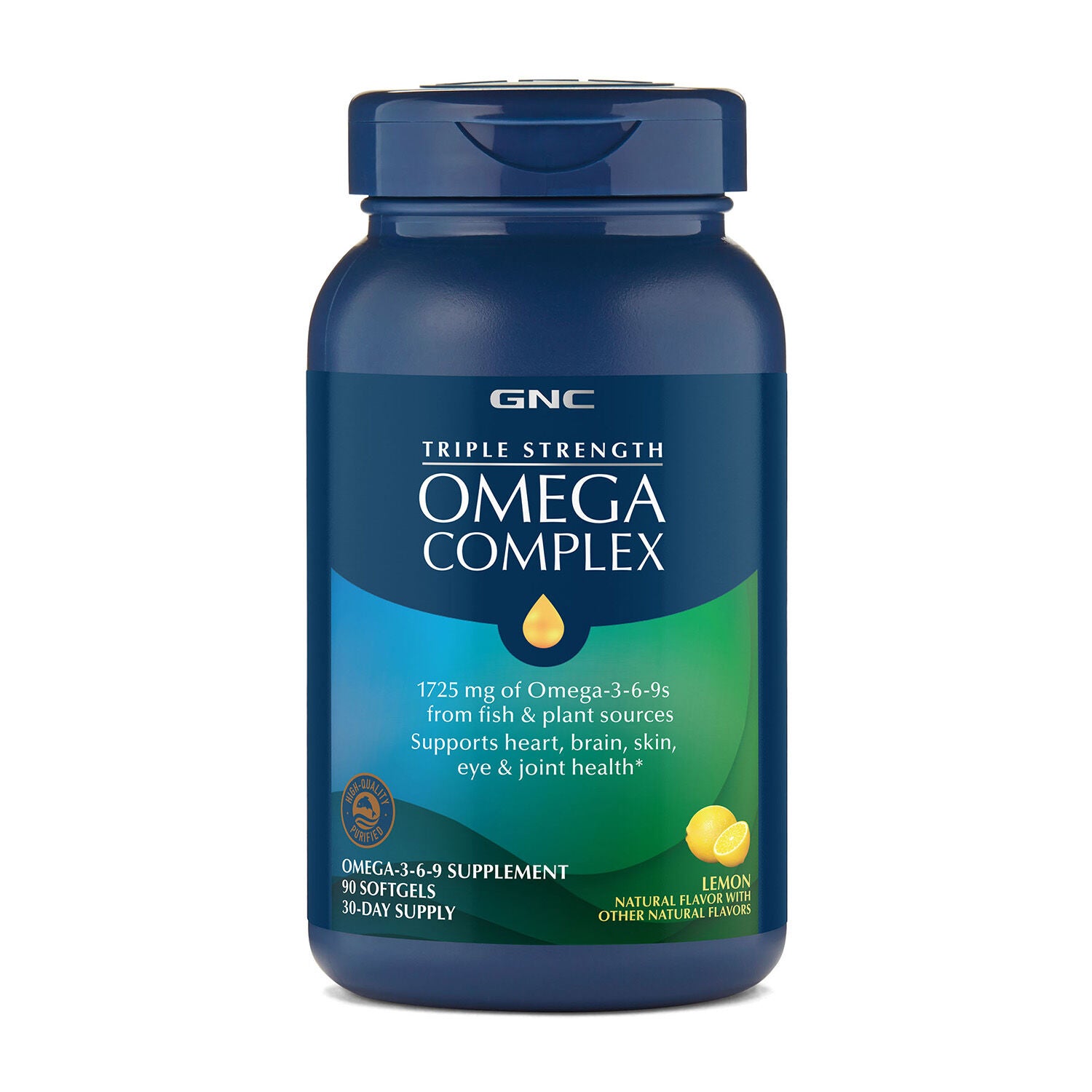
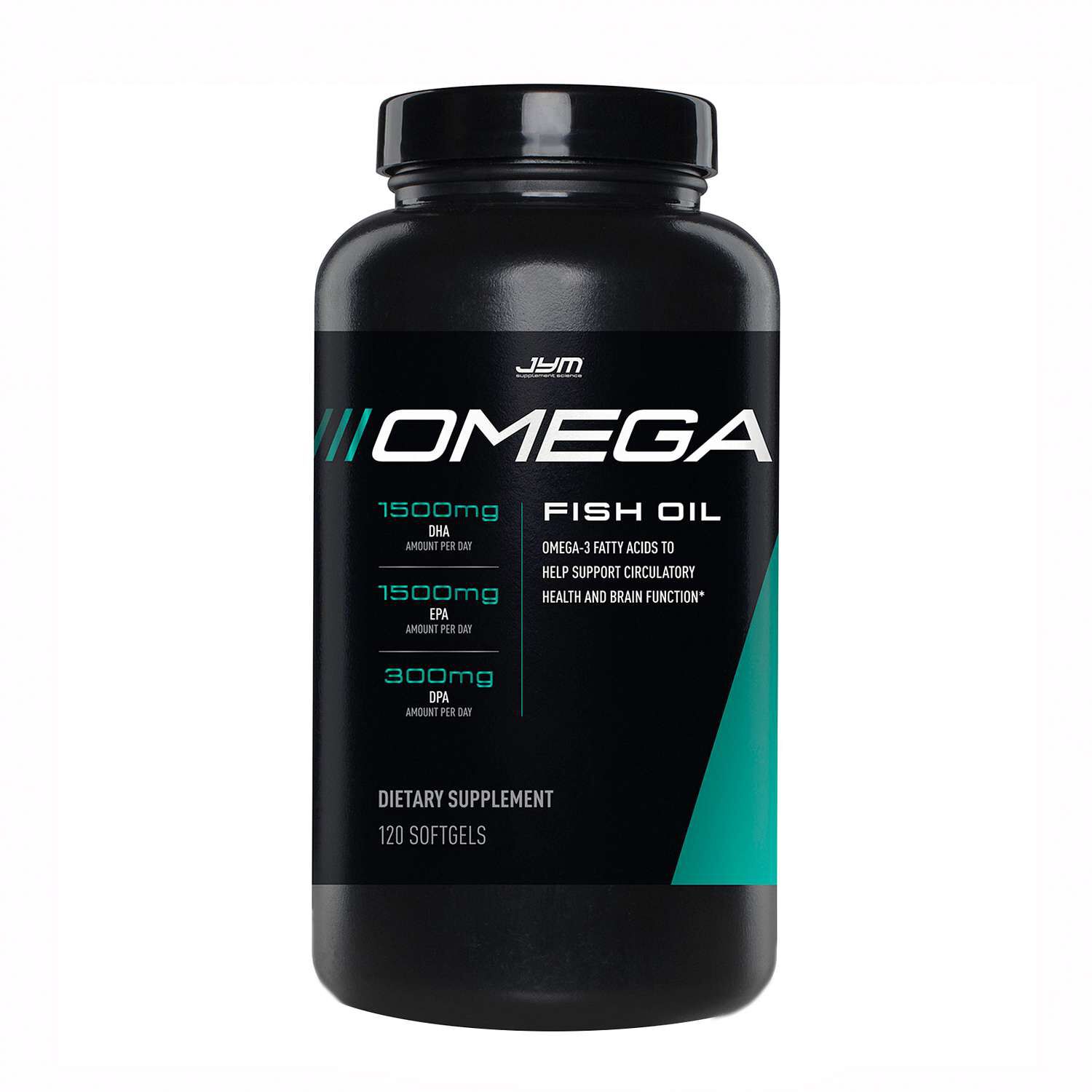
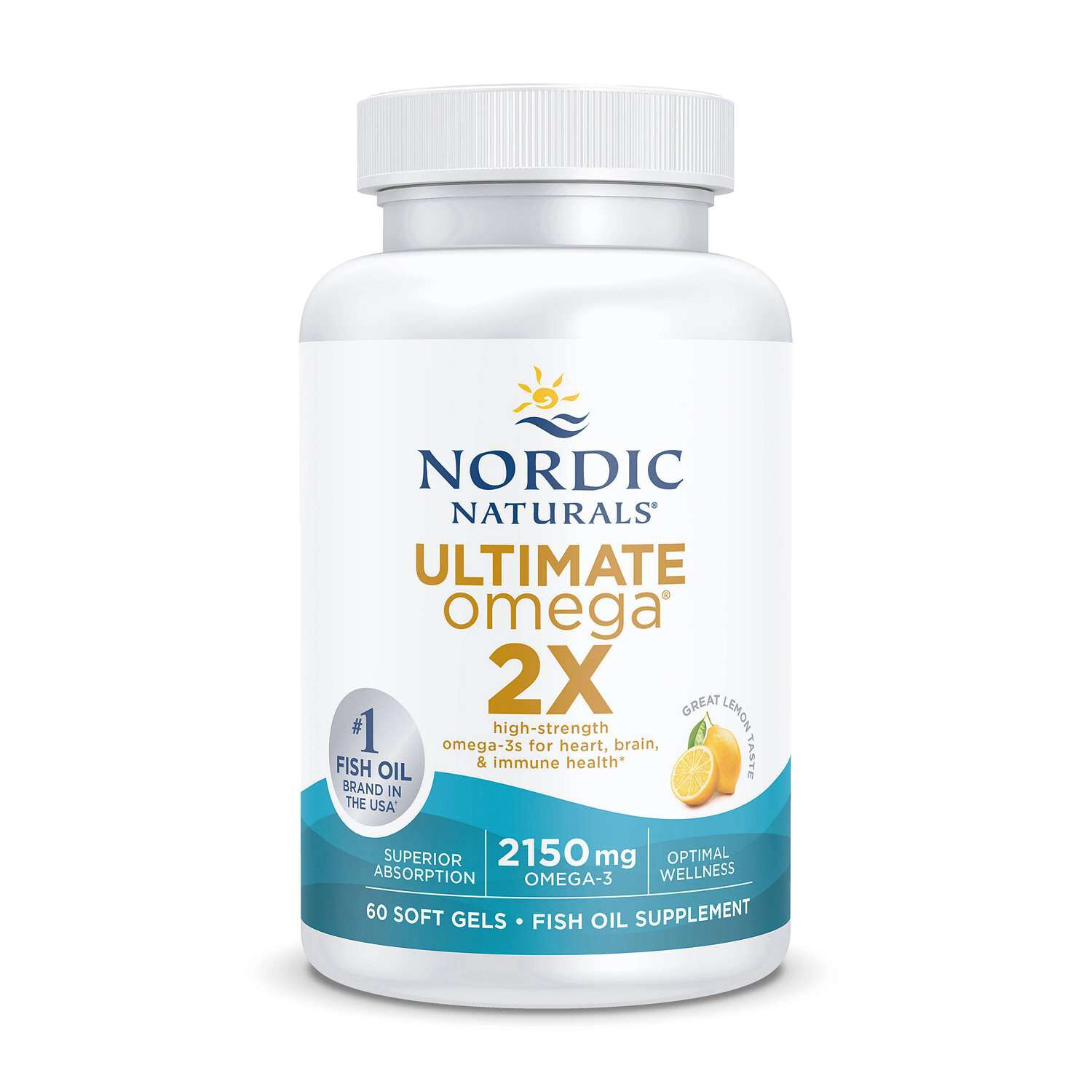
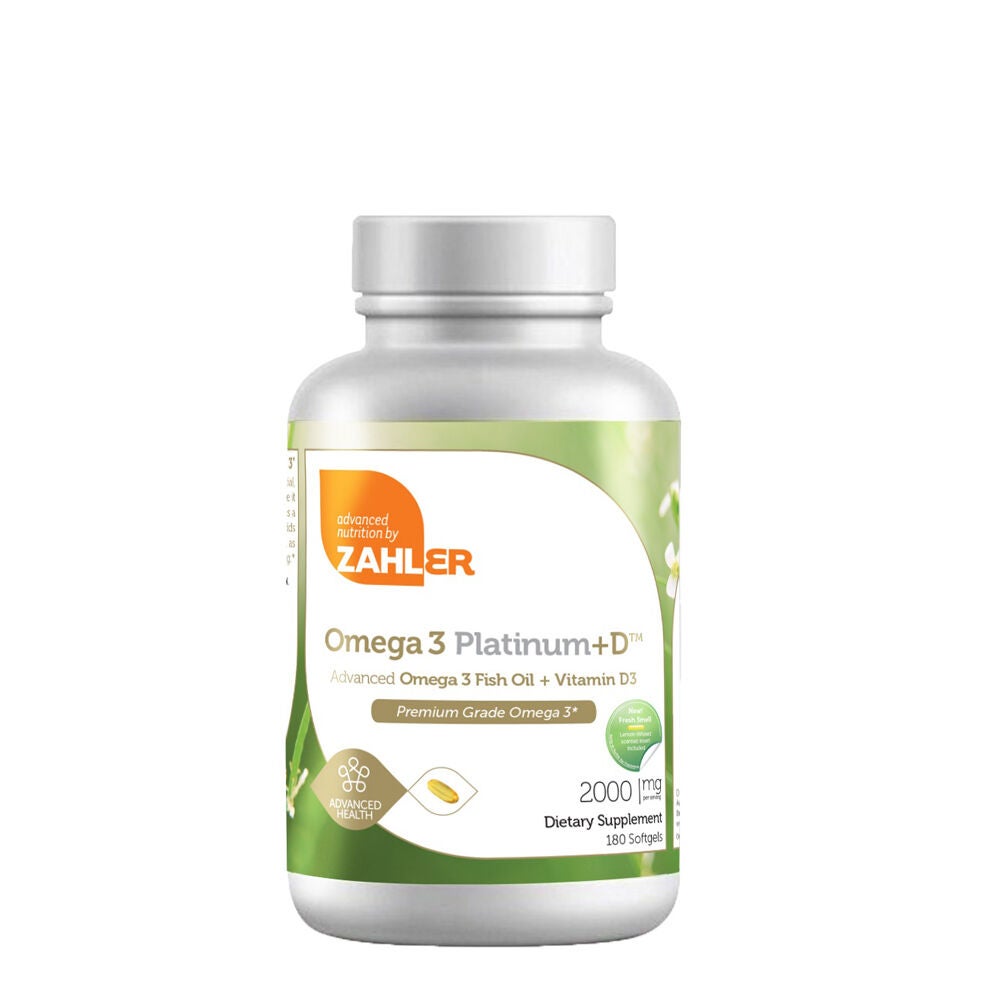
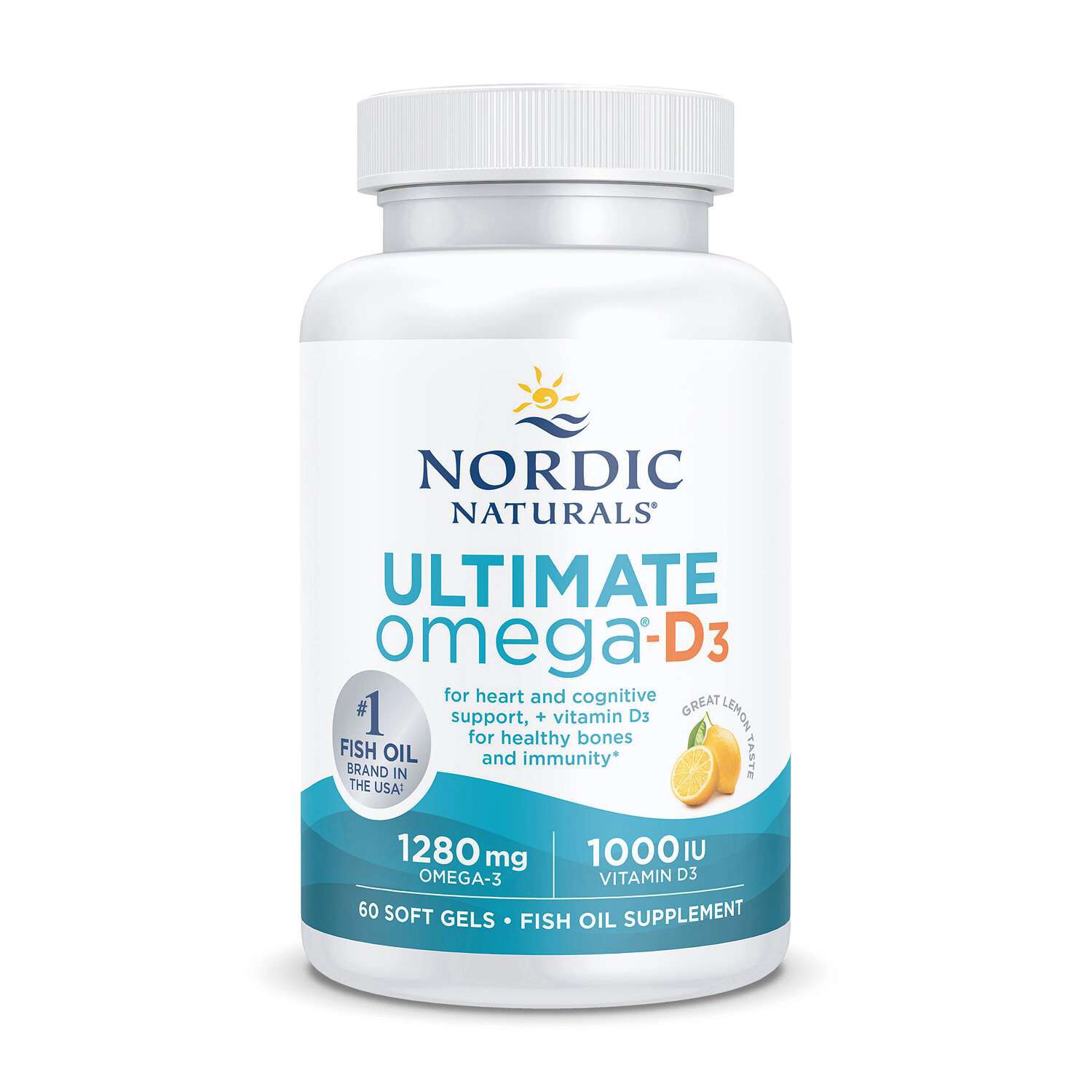
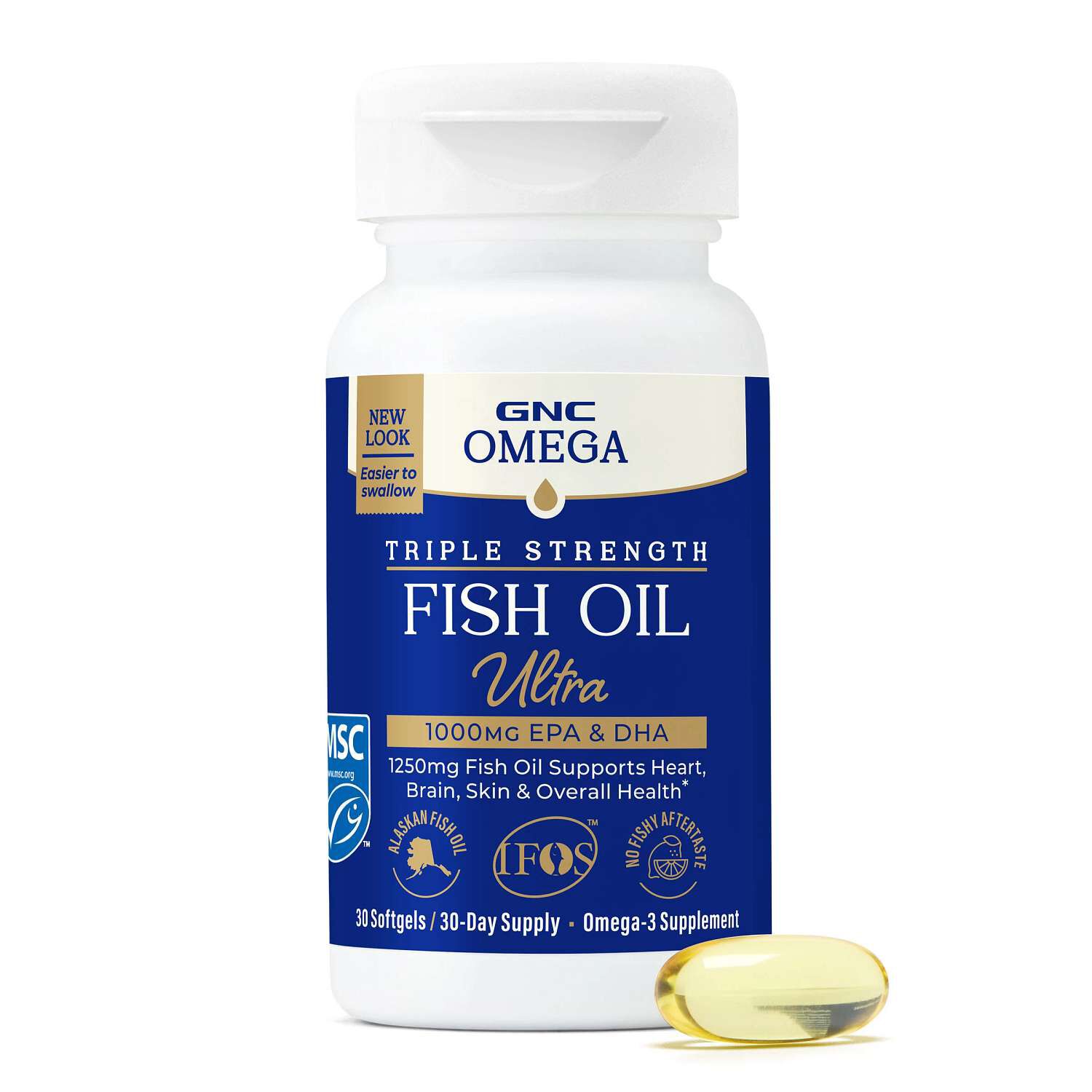
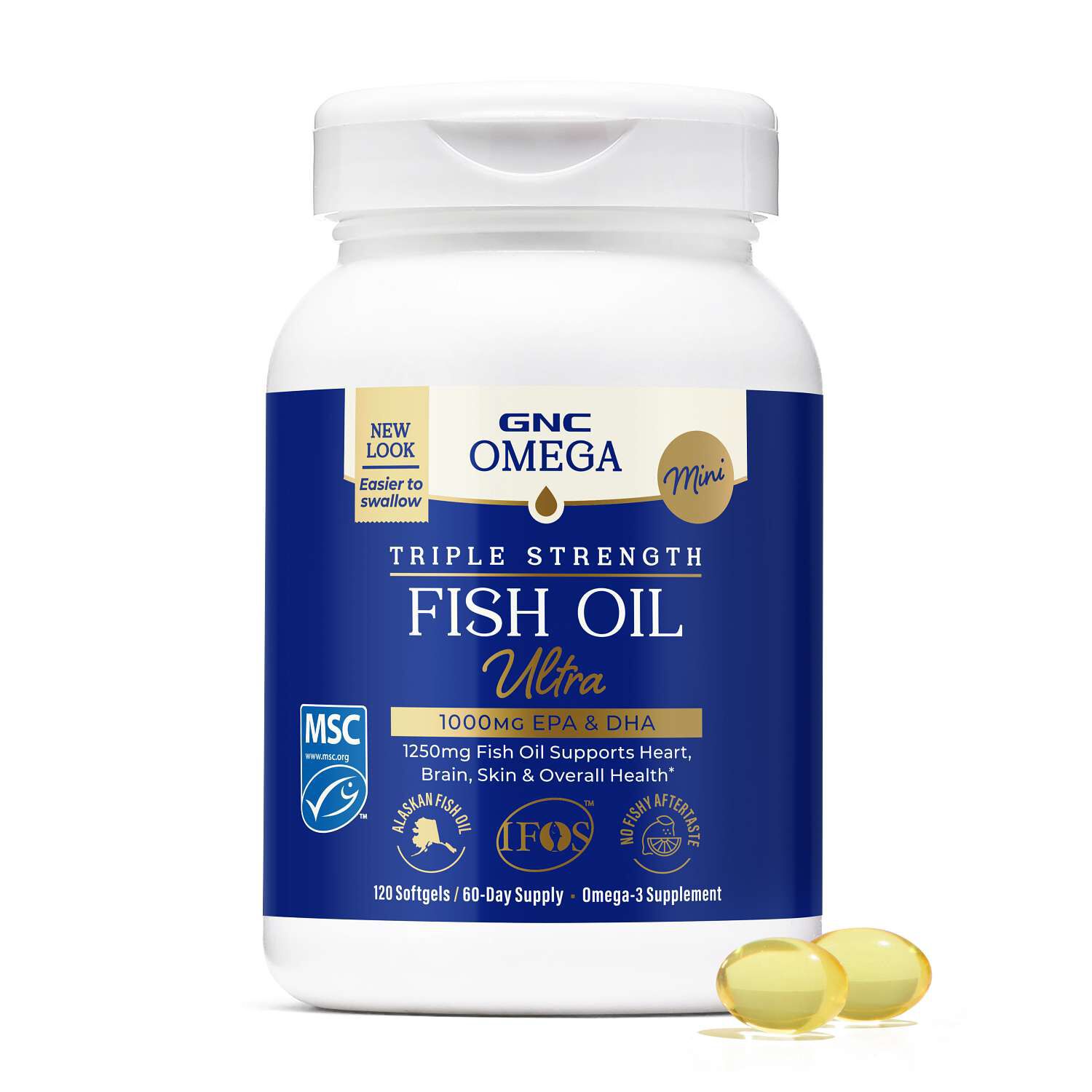
Fish oil softgels with no fishy aftertaste appeal to shoppers who prefer capsules to liquid oil and want less lingering seafood flavor. Formulas in this category may use citrus flavoring, refined fish oil, an enteric coating, or a combination of these features to make the experience more pleasant. Each approach addresses a different part of the experience. Lemon or other citrus flavoring may soften the taste noticed when taking a softgel, while an enteric coating may delay the capsule’s release until farther along the digestive tract. Molecular distillation is a refining process used in some fish oils; it is not the same feature as a flavored shell or a delayed-release coating. A reference to distillation alone does not establish how a softgel will taste afterward. Likewise, a lemon-flavored formula is not necessarily enteric-coated. Reading those descriptions separately gives a clearer picture of what a formula offers, particularly for someone who has previously noticed an oily taste after taking fish oil. Individual experiences with flavor and burps may vary, even among capsules with similar label descriptions. The oil itself comes from fish, with anchovies, sardines, and other species appearing on ingredient labels. Two commonly listed omega-3 fatty acids are EPA, short for eicosapentaenoic acid, and DHA, short for docosahexaenoic acid. Their amounts differ among formulas, so the fish oil quantity on the front of a bottle tells only part of the story. The shell, flavoring, oil source, and serving size all contribute to the comparison. For an adult who already includes fish oil in a daily routine, the practical appeal may be straightforward: a measured capsule format rather than a spoonful of oil, with features that may make lingering flavor less noticeable. The most useful description is one that explains those features clearly rather than relying on taste-related wording alone.
Comparing fish oil softgels also means looking beyond the largest milligram number on the package. Fish oil weight, combined omega-3 content, and the separate amounts of EPA and DHA describe different things. A larger quantity of fish oil does not automatically mean a larger amount of either EPA or DHA. The Supplement Facts panel identifies the serving size and the quantities associated with that serving, which may consist of one softgel or several. That distinction matters when comparing bottles side by side: an amount listed for two capsules is not an amount per capsule. Capsule dimensions deserve similar attention. A smaller softgel may suit someone who dislikes larger capsules, but a serving made up of several smaller softgels may involve a different daily routine than a single larger one. An elongated shape, a smooth shell, and the number of capsules per serving are separate considerations rather than interchangeable signs of quality. Product descriptions sometimes provide capsule measurements or images that offer more context than a bottle photograph alone. Shell ingredients matter as well. Many softgels contain gelatin, glycerin, and water, while other shell components depend on the formula. Gelatin may come from different animal sources, so anyone with dietary preferences can compare the full ingredient list rather than assuming that every fish oil capsule uses fish-derived gelatin. Citrus flavoring and coating ingredients belong in that same review. A citrus-flavored softgel is generally a swallowable capsule, not a chewable candy, unless the package specifically describes another format. Directions may specify taking a serving with food; the package directions are the reference for how that particular formula is intended to be used. For someone fitting a supplement into a breakfast or lunch routine, serving count and package instructions may matter just as much as the flavor description. Together, these details make it easier to compare formulas on the same basis without confusing capsule size, oil quantity, and omega-3 content.
Care and packaging are another part of choosing fish oil softgels for everyday use. Oil and capsule shells have storage requirements, and the bottle’s instructions should remain the reference for where and how to keep them. Heat, light, and moisture are relevant considerations, especially when deciding between a kitchen cabinet, a bathroom shelf, and a bag that travels throughout the day. The original container carries the ingredient information, directions, lot identification, and expiration date, making it useful beyond the first purchase. Keeping the closure secure and leaving any included storage insert in place, as directed, are practical parts of following the package’s care instructions. Refrigeration or freezing should not be assumed appropriate simply because a capsule contains fish oil; storage directions differ, and a coated softgel may have requirements that are not obvious from its appearance. Before transferring capsules into a travel organizer, checking those directions preserves an important distinction between convenience and the conditions specified for the formula. A citrus scent is also different from a change in the condition of the oil or shell, so flavoring alone is not a measure of freshness. Source information and clearly described testing can provide additional context when available, particularly when the documentation identifies what was evaluated rather than offering only broad quality language. Shoppers comparing marine-oil formats may also want to explore Krill Oil Softgels With No Fishy Burps. Krill oil comes from small crustaceans rather than fish, and its ingredient profile, shell composition, and serving information deserve their own review. It is a related category, not an identical substitute based solely on similar aftertaste wording. Within fish oil softgels, a thoughtful comparison brings the details back together: clearly stated EPA and DHA amounts, an understandable serving size, a suitable capsule format, transparent ingredient sourcing, and a specific explanation of any flavoring or coating. Those concrete features offer a more useful basis for choosing than an expectation that every softgel will produce the same sensory experience for every person.
Best Sellers
-
Nordic Naturals
-
Nordic Naturals
-
Nordic Naturals
Related Pages
Top Collections
- GLP 1 Support For Adults
- Joint Mobility Supplement Packs
- Supplements For Balance
- Supplements For Yoga Joint Flexibility
- Zinc Supplements | Top Brands at Great Prices | GNC
- Capsule Supplements For Energy And Stamina
- Supplements For Anxiety Relief Support
- Iron Supplements
- Vitamins For Hair Loss
- Cortisol Supplements