





Krill Oil Softgels With No Fishy Burps
(0 Results)
Krill Oil Softgels With No Fishy Burps
Krill oil softgels with no fishy burps are a popular choice for those looking to add omega-3s to their daily routine without the aftertaste sometimes associated with traditional fish oils. Sourced from tiny crustaceans found in cold ocean waters, krill oil is known for its unique nutrient profile. Whether you’re seeking to support your wellness goals or simply prefer a more pleasant supplement experience, krill oil softgels with no fishy burps may be a convenient addition to your regimen. Explore options that could fit seamlessly into your lifestyle.
-

-
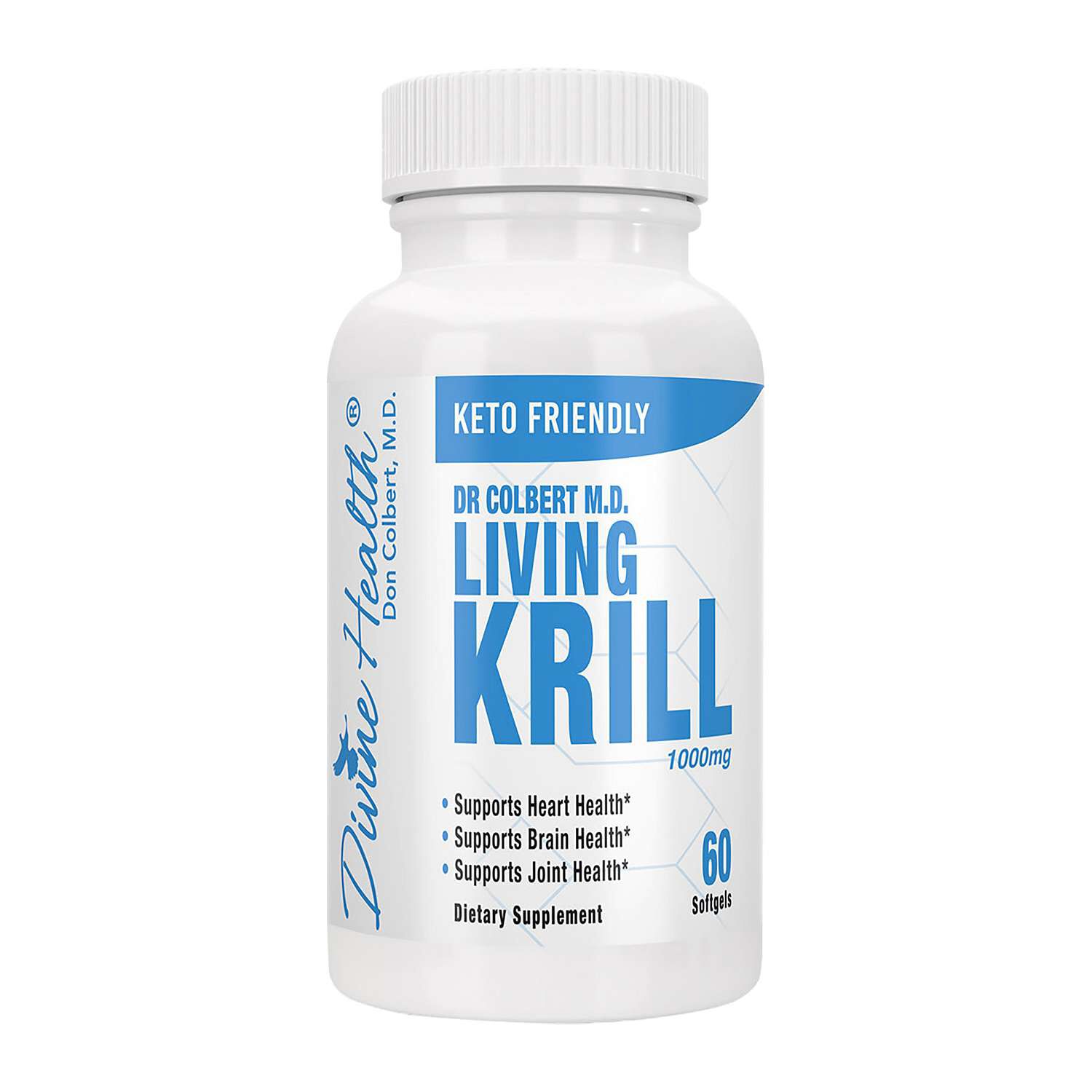 Divine Health$34.99
-

-

-
 $23.99


Krill oil softgels with no fishy burps appeal to shoppers who want a marine omega-3 supplement without a lingering seafood taste interrupting the day. These formulas may offer a more pleasant experience for people who notice an aftertaste from other oil-based supplements, although the experience can vary by formula and individual. Krill are small marine crustaceans, and their oil contains the omega-3 fatty acids EPA and DHA. A portion of those fatty acids is associated with phospholipids, molecules with both water-attracting and oil-attracting components. This structure may help the oil disperse in digestive fluids, but it does not establish that every krill oil softgel will prevent fishy burps. The finished formulation, serving size, capsule design, and how the supplement is taken may also influence the experience. That distinction matters when comparing descriptions such as “no fishy burps” or “no fishy aftertaste”: they describe a sought-after feature, not an identical outcome for everyone. Krill oil also contains naturally occurring astaxanthin, a pigment associated with its reddish color. Color alone does not reveal the amount of EPA or DHA in a serving, and a darker-looking softgel is not automatically a better match for a particular preference. For someone who dislikes strongly flavored liquids, an enclosed oil format may be more appealing than measuring a spoonful of oil. For someone who already uses capsules, the familiar format may fit neatly into an established routine. The practical appeal is the combination of a marine oil source, a measured serving, and a capsule intended to limit direct contact with the oil’s taste. A smooth outer shell may make the experience feel less like taking an oil supplement, while clear ingredient and serving information provides a firmer basis for comparison than taste-related language alone. The most useful distinction is between what a formula contains and how it may feel to take it; both matter, but neither tells the whole story by itself.
The details on a krill oil supplement label help distinguish formulas that otherwise look very similar. The stated amount of krill oil is not necessarily the same as the combined amount of EPA and DHA, so those figures represent different parts of the serving. A serving may also consist of more than one softgel. That makes the number of capsules per serving just as relevant as the amount printed prominently on the bottle. Someone looking for a compact addition to a morning routine may place more importance on capsule dimensions and serving count, while someone comparing marine omega-3 sources may focus on the separately listed fatty acid amounts. Softgel size can vary, and the weight of the oil alone does not describe the capsule’s shape or dimensions. An elongated capsule and a rounder capsule can feel different to handle, even when their contents are similar. Shell materials matter, too. Many softgels use gelatin with ingredients such as glycerin and water, while the precise composition depends on the formula. The gelatin source, added colors, flavorings, and other ingredients belong alongside the oil source in any comparison of dietary preferences. Because krill are crustaceans, shellfish source and allergen labeling are particularly relevant. A marine origin also means that krill oil does not fit a vegan eating pattern. Some formulations may use flavoring or a specialized capsule design to address the tasting experience, but a flavor name alone does not establish that burps or aftertaste will be absent. Likewise, an exterior coating does not tell the entire story about how a capsule is intended to release its contents; the label’s description provides the relevant context. Clear sourcing information and documented testing, where provided, can add useful detail about the oil and finished supplement. None of these characteristics needs to overshadow the basics: a clearly described serving, recognizable ingredient information, and a format that suits the person using it.
Everyday use gives these details a practical setting. A bottle kept beside breakfast dishes has different handling demands from one carried regularly in a work bag, even though the supplement itself serves the same purpose. Krill oil softgels are dietary supplements intended to add specified amounts of marine-derived omega-3s to an eating routine, rather than replace the variety of foods in a meal. The bottle’s directions establish the intended serving and whether food is part of those instructions. When directions call for use with a meal, taking the serving alongside breakfast or dinner may fit more naturally into an existing habit than adding a separate occasion to the day. Packaging also matters for an oil-filled format. Intact softgel shells and a securely closed container help keep the contents contained, while the original label preserves the ingredient list, storage directions, and date information. Protection from light and moisture is relevant to maintaining the condition of the oil and capsule, with the stated storage instructions taking priority. A tightly packed bag, a damp bathroom shelf, or a loosely closed lid can create handling concerns that have little to do with the formula’s nutritional description. Container design, readable labeling, and enough room to remove a serving comfortably can therefore make a meaningful difference in day-to-day convenience. For shoppers comparing marine sources, Fish Oil Softgels With No Fishy Aftertaste offers a related category centered on a similar taste preference. Krill oil and fish oil have different source materials and fatty acid profiles, so a comparison is more useful when it considers EPA and DHA amounts, serving size, shell ingredients, and the stated approach to aftertaste. Neither the source name nor capsule color alone determines the experience. Krill oil softgels may suit people who value a measured marine oil format and want less noticeable seafood taste, with the strongest match resting on clear formulation details and practical preferences rather than an absolute expectation about burps.
Best Sellers
-
Nordic Naturals
-
 Nordic Naturals
-
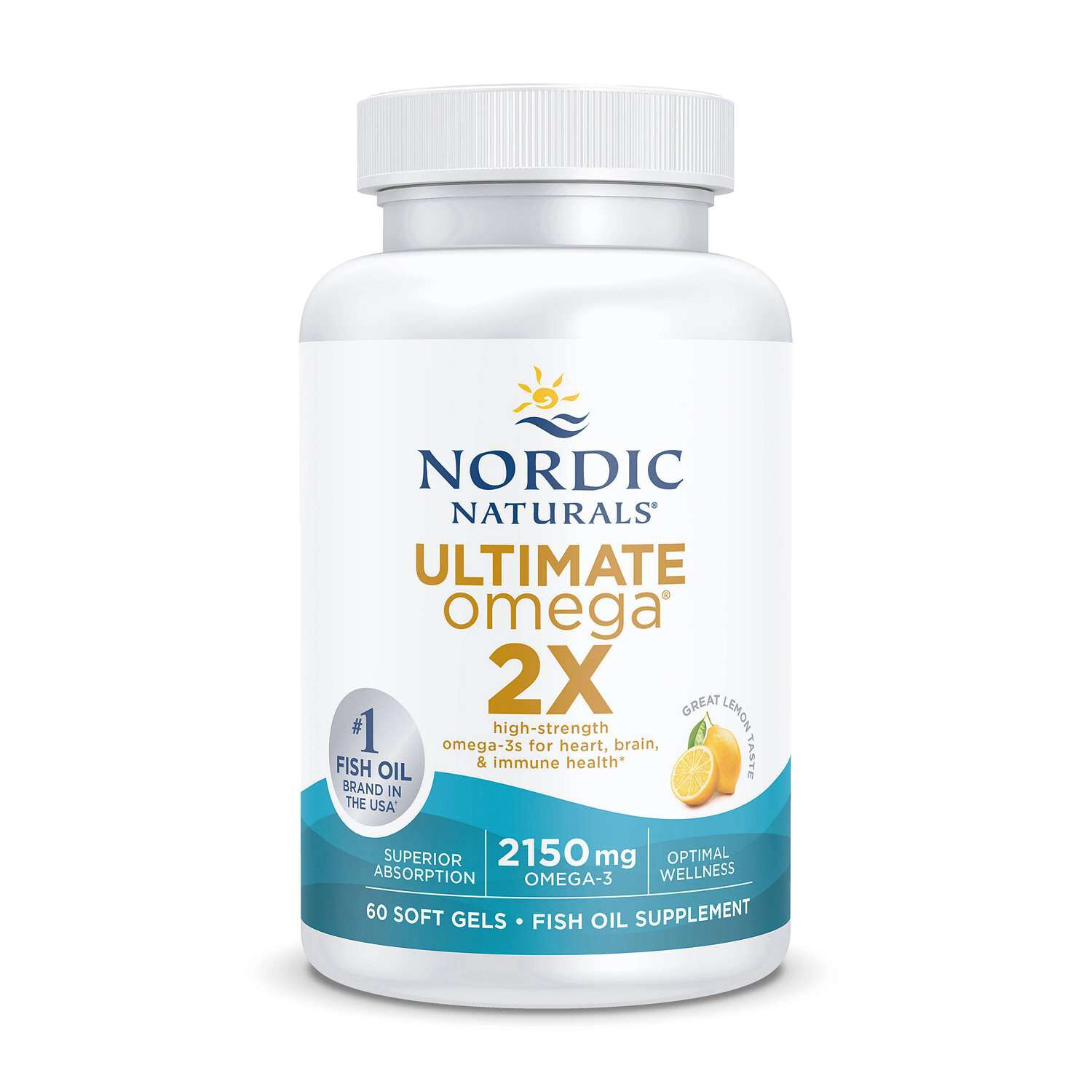 Nordic Naturals
Related Pages
Top Collections
- Chronic Fatigue Supplements
- Vitamins For Hair Loss
- Capsule Supplements For Energy And Stamina
- Supplements For Yoga Joint Flexibility
- Zinc Supplements For Men
- Best Brand of Magnesium Glycinate
- Cortisol Supplements
- Supplements For Energy And Wellness
- Joint Mobility Supplement Packs
- Peptide Supplements