Krill Oil Softgels
(0 Results)
Krill oil softgels could be a beneficial addition to your daily wellness regimen. Sourced from small crustaceans found in the pristine waters of the Antarctic, krill oil is known for its potential to support overall health. These softgels are designed to provide an easy and convenient way to incorporate krill oil into your diet. Explore our selection of krill oil softgels and discover how they might help you maintain a balanced and healthy lifestyle.
-

-

-
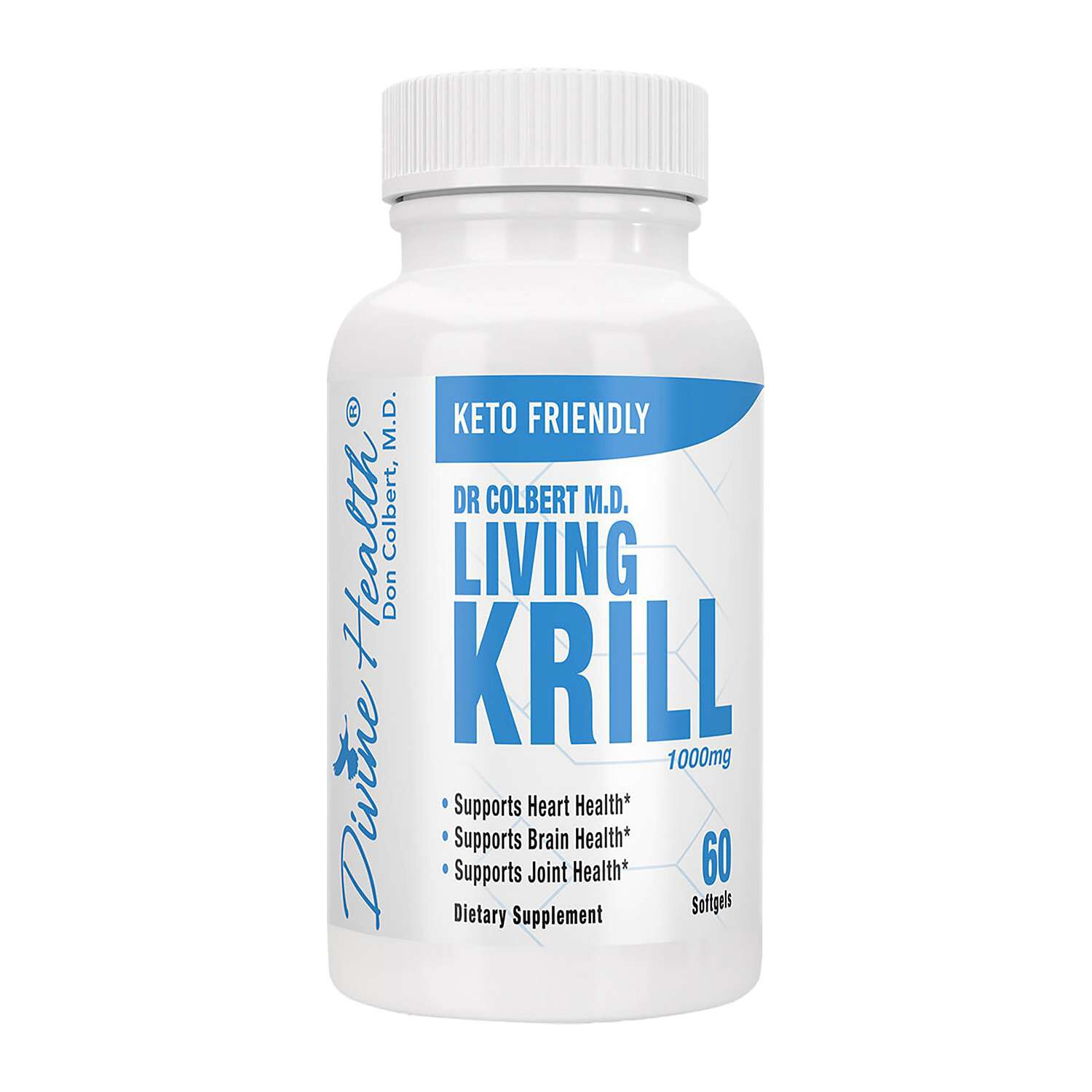 Divine Health$34.99
 -

-
-
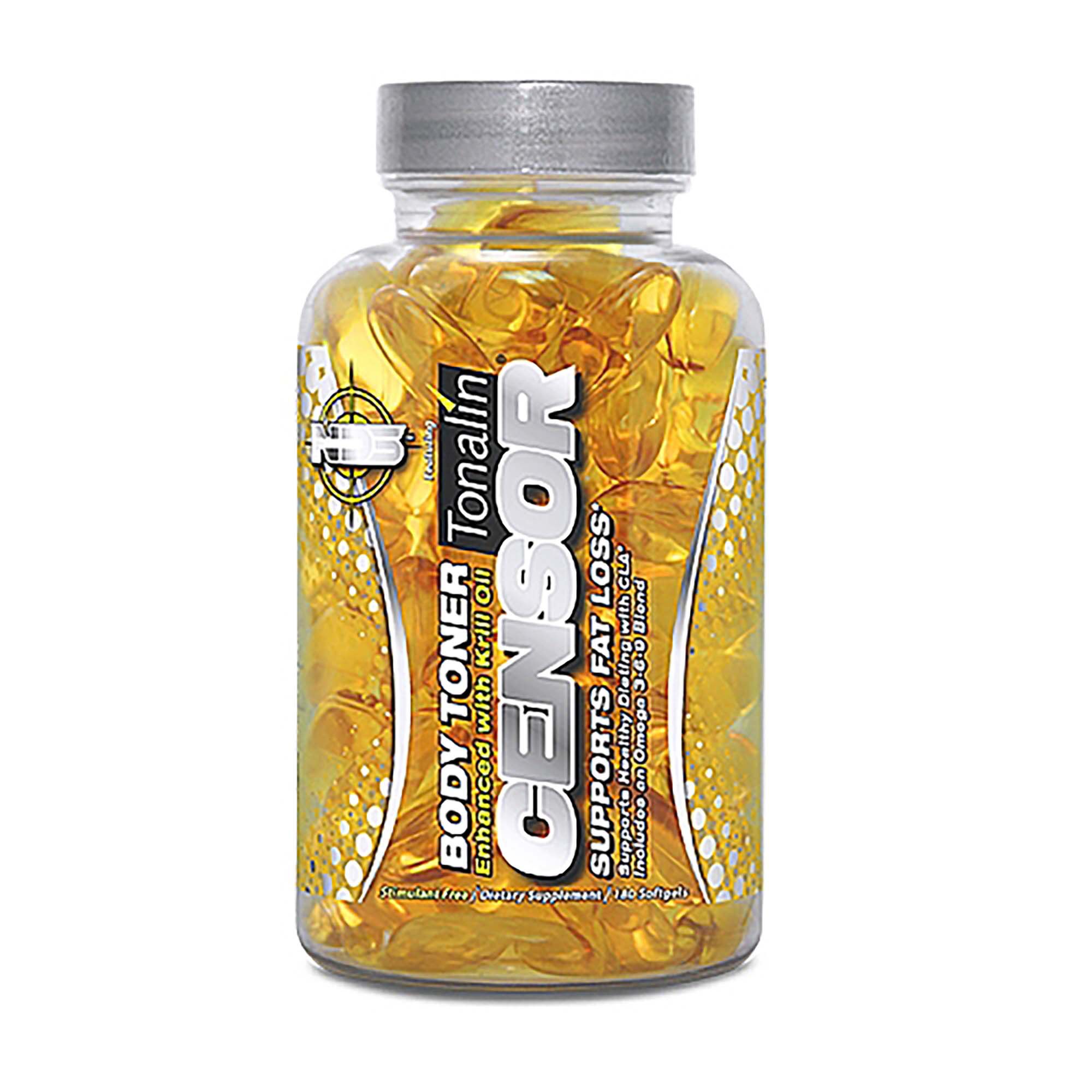
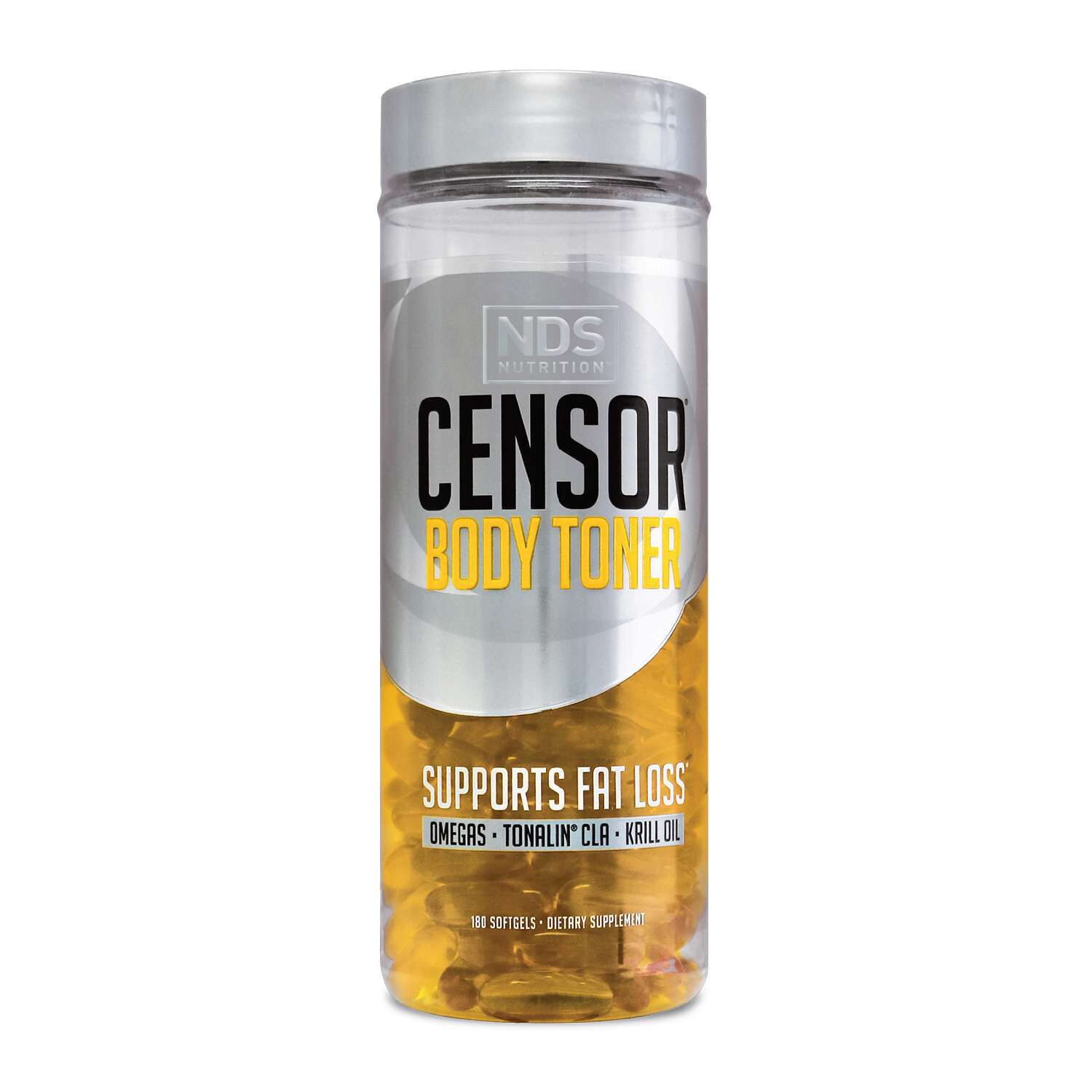 NDS Nutrition$84.99
 -
 NDS Nutrition$49.99
 -
 NDS Nutrition$109.99


Krill oil softgels are dietary supplements made with oil from small marine crustaceans called krill. The oil contains the omega-3 fatty acids EPA and DHA, along with phospholipids and naturally occurring astaxanthin, a pigment associated with its reddish color. EPA stands for eicosapentaenoic acid, and DHA stands for docosahexaenoic acid; these names often appear beside their respective amounts on supplement labels. Phospholipids are fat-containing molecules that form part of cell membranes, and some of the omega-3s in krill oil are carried in this form. That composition is one distinction between krill oil and other marine oil supplements, but it does not mean every formula has the same nutrient profile. The amount of oil, the quantities of EPA and DHA, and the phospholipid content can differ from one formula to another. Astaxanthin content can differ as well, and the color of a softgel is not a reliable way to judge its composition or quality. For shoppers comparing krill oil supplements, the most useful information is the measured content listed on the label rather than the appearance of the capsule or the size of the bottle. Softgels package the oil inside a sealed, flexible shell, offering a premeasured format without the need to pour liquid from a bottle. This format may appeal to adults who already prefer capsules for their supplement routine or who want an alternative to liquid marine oils. Krill oil comes from an animal source, so it is not a plant-based omega-3 option. Its shellfish origin also matters when assessing whether the ingredients match personal dietary requirements. Although krill oil and fish oil both contain EPA and DHA, they come from different sources and should not be treated as interchangeable based solely on the amount of oil printed on the front label. A closer look at the composition gives the category more context than a single prominent milligram number.
Comparing krill oil softgels starts with separating the amount of krill oil from the amounts of individual nutrients within it. A label that lists a certain weight of krill oil is describing the oil as a whole, not an equivalent weight of EPA and DHA. Those fatty acids are components of the oil and may be listed separately in the Supplement Facts panel. Serving size is just as important: the listed amounts might apply to one softgel or to a serving made up of two or more. Looking at the serving size beside the ingredient amounts creates a consistent basis for comparison. Bottle count and servings per container describe different things, too. A bottle with more softgels does not necessarily represent more servings when the suggested serving sizes differ. Shoppers interested in more concentrated formulas can explore High Potency Krill Oil Supplements, while keeping the same attention on EPA, DHA, and the labeled serving size. Potency language alone does not explain every aspect of a formula, and a larger oil amount does not automatically establish a better match for an individual routine. Capsule dimensions deserve their own consideration, separate from concentration. A smaller softgel may suit someone who prefers a compact capsule, while a formula with a different concentration may have a different suggested number of softgels per serving. When dimensions are provided, they offer a clearer picture than a product photograph, which may not show actual size. The ingredient list also describes the softgel shell, which commonly includes gelatin, glycerin, and water. Gelatin can come from different animal sources, so any stated source is relevant to dietary preferences. Some formulas also include flavorings or other ingredients beyond krill oil and the shell materials. Claims about taste or an aftertaste should be read as formula-specific details rather than assumed characteristics of the entire category. The same care applies to statements about sourcing and testing. A named certification, a clearly identified testing program, or an explanation of what was measured offers more useful context than broad quality language. Details about harvesting practices and traceability may also matter to shoppers who want to understand where the marine ingredients originate.
The practical fit of krill oil softgels includes how they are packaged, stored, and incorporated into an existing supplement routine. Their intended use is as dietary supplements, not as a substitute for meals or a varied eating pattern. For someone who organizes supplements alongside breakfast, the relevant details include the package directions, the serving size, and whether the label specifies taking the softgels with food. For someone who travels often, a bottle with legible directions and a secure closure may be more convenient than loose capsules separated from their identifying information. Original packaging keeps the ingredient list, lot information, and date marking together, which is useful when checking a bottle later. Softgels contain liquid oil inside a shell, so their condition depends in part on appropriate handling. Storage directions on the package take priority; moisture, direct sunlight, and excessive heat are common considerations for this format. A tightly closed container stored as directed is a more suitable arrangement than an open bottle beside a steamy sink or a container left in a parked car. The shell is designed to hold the oil until use, not to withstand rough handling, and leaking or visibly damaged capsules merit attention rather than being treated as ordinary wear. Packaging integrity matters before the first serving as well, including any tamper-evident features described on the container. Beyond these practical details, the best category comparisons remain grounded in what a label actually states. Krill source, EPA and DHA amounts, phospholipid information when provided, shell ingredients, serving size, and storage directions each answer a different shopping question. No single characteristic tells the whole story. A compact softgel is not necessarily a more concentrated one, a darker color is not a measure of nutrient content, and a larger bottle does not explain the amount in each serving. Bringing those details together makes it easier to distinguish krill oil softgels by their composition and everyday format, with attention to personal preferences rather than assumptions about what all marine oil supplements contain.
Best Sellers
-
 Nordic Naturals
 -
 Nordic Naturals
 -
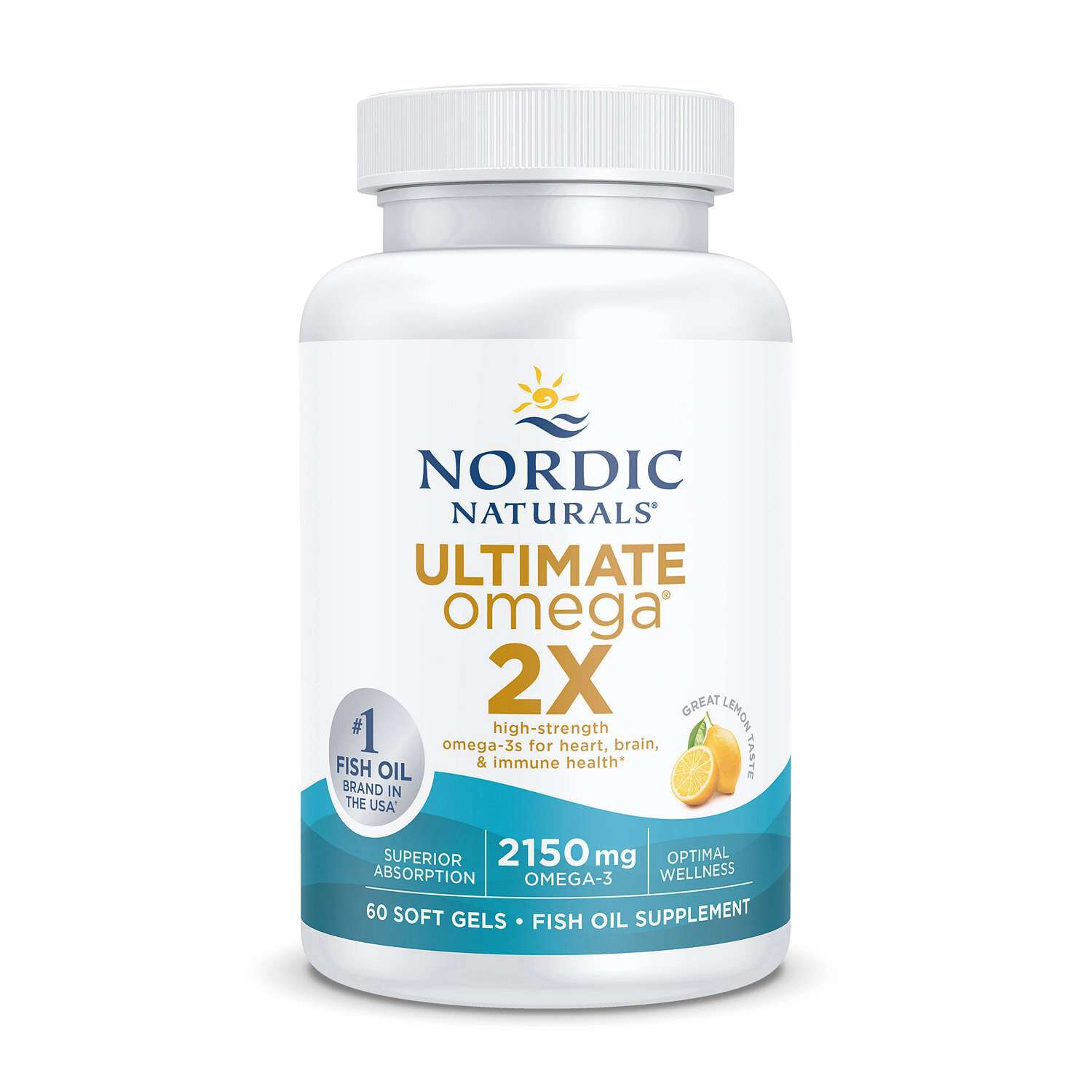 Nordic Naturals