Krill Oil Softgels For Normal Response To Inflammation
(0 Results)
Krill oil softgels for inflammation may offer a convenient way to support your wellness routine. Sourced from tiny crustaceans found in ocean waters, krill oil is known for its naturally occurring omega-3 fatty acids and antioxidants. Many people choose krill oil softgels for inflammation as part of their daily supplement regimen. Explore a variety of options that could fit seamlessly into your lifestyle and help you take steps toward your wellness goals.
-

-

-

-
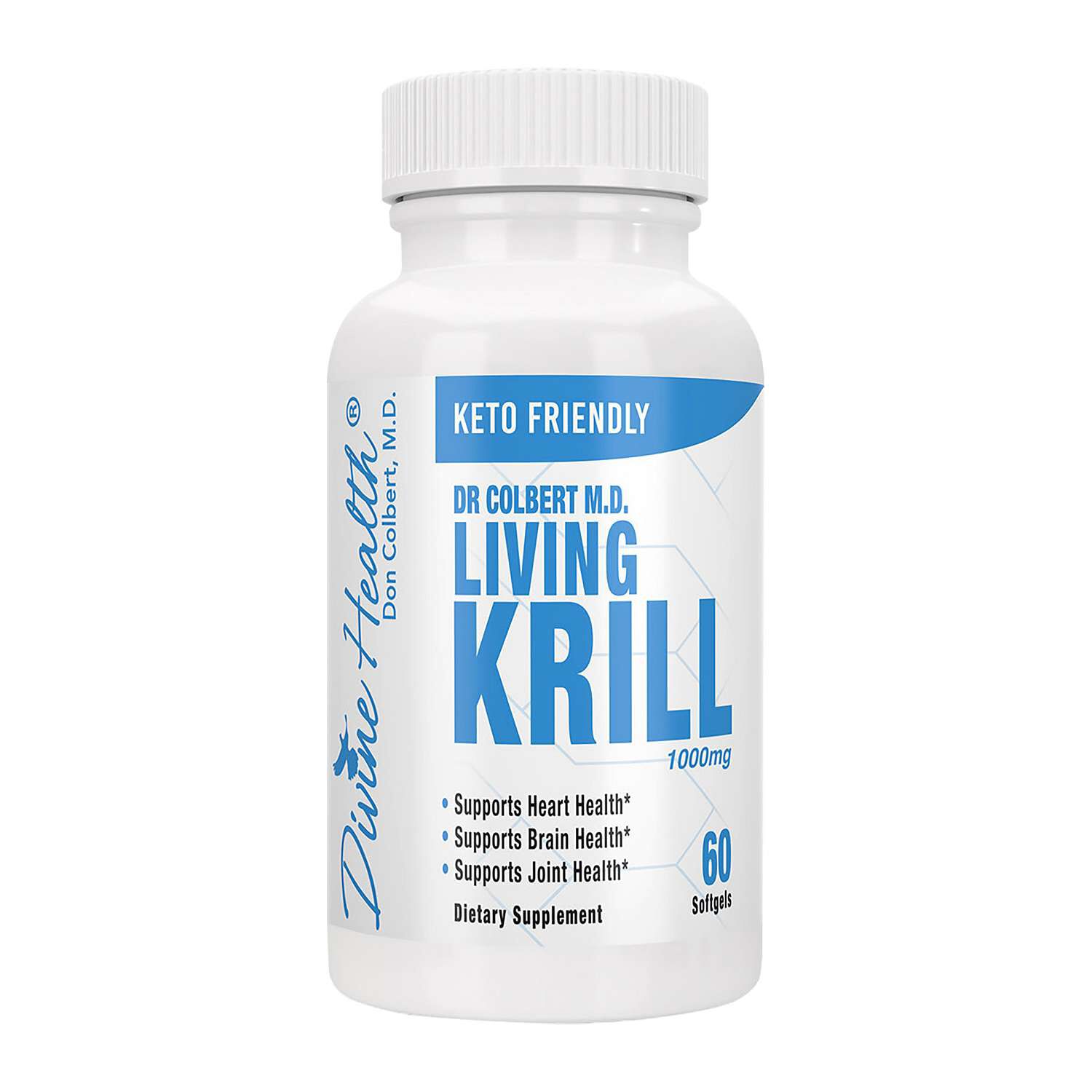 Divine Health$34.99


Krill oil softgels are marine-derived supplements that contain omega-3 fatty acids, including EPA and DHA, in a measured capsule format. Krill are small ocean crustaceans, and their oil contains fats associated with phospholipids, along with naturally occurring astaxanthin. For shoppers exploring krill oil softgels in the context of a normal response to inflammation, those ingredients provide useful background for understanding the category without treating every formula as interchangeable. EPA stands for eicosapentaenoic acid, while DHA stands for docosahexaenoic acid; both appear on supplement labels as distinct components of the oil. Phospholipids are a type of fat found in cell membranes, and some of the omega-3s in krill oil are carried in this form. That composition distinguishes krill oil from many conventional fish oil formulas, though it does not establish that every krill oil supplement is better absorbed or better suited to every person. Astaxanthin is a naturally occurring carotenoid pigment associated with krill oil’s reddish color. Its amount can differ between formulas, so color alone is not a reliable measure of composition. The softgel itself is a sealed shell surrounding the oil, offering an alternative to pouring a liquid supplement. This format may appeal to adults who prefer a counted serving and a bottle that fits alongside other everyday nutrition products. Unlike a flavored drink or chewable, a softgel is intended to be swallowed according to its label directions, making capsule dimensions and serving size practical details to compare. Browsing Omega 3 Krill Oil Softgels can help organize that comparison around the format and ingredient source rather than broad front-label language. The most meaningful distinctions usually come from the Supplement Facts panel, the other ingredients list, and the stated serving directions, which together describe what is inside each serving and how the formula is packaged.
A close look at the label starts with separating the amount of krill oil from the amounts of EPA and DHA. A larger milligram figure on the front of a bottle may refer to the krill oil itself, not to its omega-3 content. Two formulas with the same stated amount of krill oil can therefore provide different amounts of individual fatty acids. The Supplement Facts panel may list omega-3s, EPA, DHA, phospholipids, and astaxanthin separately, although the detail provided varies. Serving size matters just as much: a listed amount may apply to one softgel or to a serving made up of several softgels. Comparing the same serving basis keeps those differences visible. Bottle count is another distinct measurement, since the number of capsules does not necessarily equal the number of servings. For someone organizing a small kitchen shelf or a daily supplement container, the difference between a one-softgel serving and a multiple-softgel serving can shape how convenient a format feels. Softgel size also deserves attention, and the amount of oil printed on the label does not always reveal the capsule’s dimensions. Shell materials vary and may include gelatin, glycerin, and water, with additional ingredients used in some formulas. Krill oil is animal-derived and comes from shellfish, so its source is relevant to dietary preferences and allergen considerations. A gelatin shell can introduce another animal-derived ingredient whose source may be identified separately. Some formulas contain added flavoring or other oils, while others have shorter ingredient lists; neither list length nor flavor alone describes the amount of EPA and DHA. These details make the back label more informative than capsule appearance. A clearly presented ingredient list allows shoppers to distinguish the marine oil, the softgel shell, and any added components without assuming that all capsules in this category have the same composition.
Sourcing, packaging, and everyday handling round out the comparison. Krill oil labels may identify a harvest region, a traceability program, or a third-party certification related to sourcing or product testing. Each statement has a particular scope: a sourcing certification concerns different attributes than testing for identity or composition. A named standard with an explanation is more informative than an unsupported description of quality. The same distinction applies to processing language, which may describe how an oil was extracted or prepared without establishing a particular nutritional effect. Packaging deserves a similarly practical look. A tightly closing bottle, readable directions, and a clearly marked expiration date are useful features for a supplement that may be handled every day. Oil-filled softgels are not intended to be durable in the way a reusable container is; their condition depends in part on appropriate storage and handling. Storage directions on the package provide the relevant instructions for keeping the contents in their intended condition. A dry location away from direct sunlight is commonly specified, and retaining the original bottle keeps the ingredient information, lot code, and expiration date together. A bathroom shelf exposed to moisture or a container left open beside a sink introduces handling conditions worth considering when choosing a storage spot. For travel, the original packaging also keeps serving directions and ingredient details close at hand. Krill oil softgels are generally positioned for adult supplement routines, with intended use defined by the individual label rather than by a capsule’s color or size. They are also a personal purchase: shellfish sourcing, shell ingredients, and preferences about swallowing capsules make this category less straightforward as a surprise gift than a shaker bottle or other nutrition accessory. Whether comparing a first bottle or reviewing a familiar format, the clearest selection process centers on the same concrete information: the amount of EPA and DHA per serving, the number and dimensions of the softgels, the ingredients surrounding the oil, and the documentation behind sourcing statements. Those details provide a grounded picture of the product without relying on sweeping claims.
Best Sellers
-
 Nordic Naturals
-
 Nordic Naturals
-
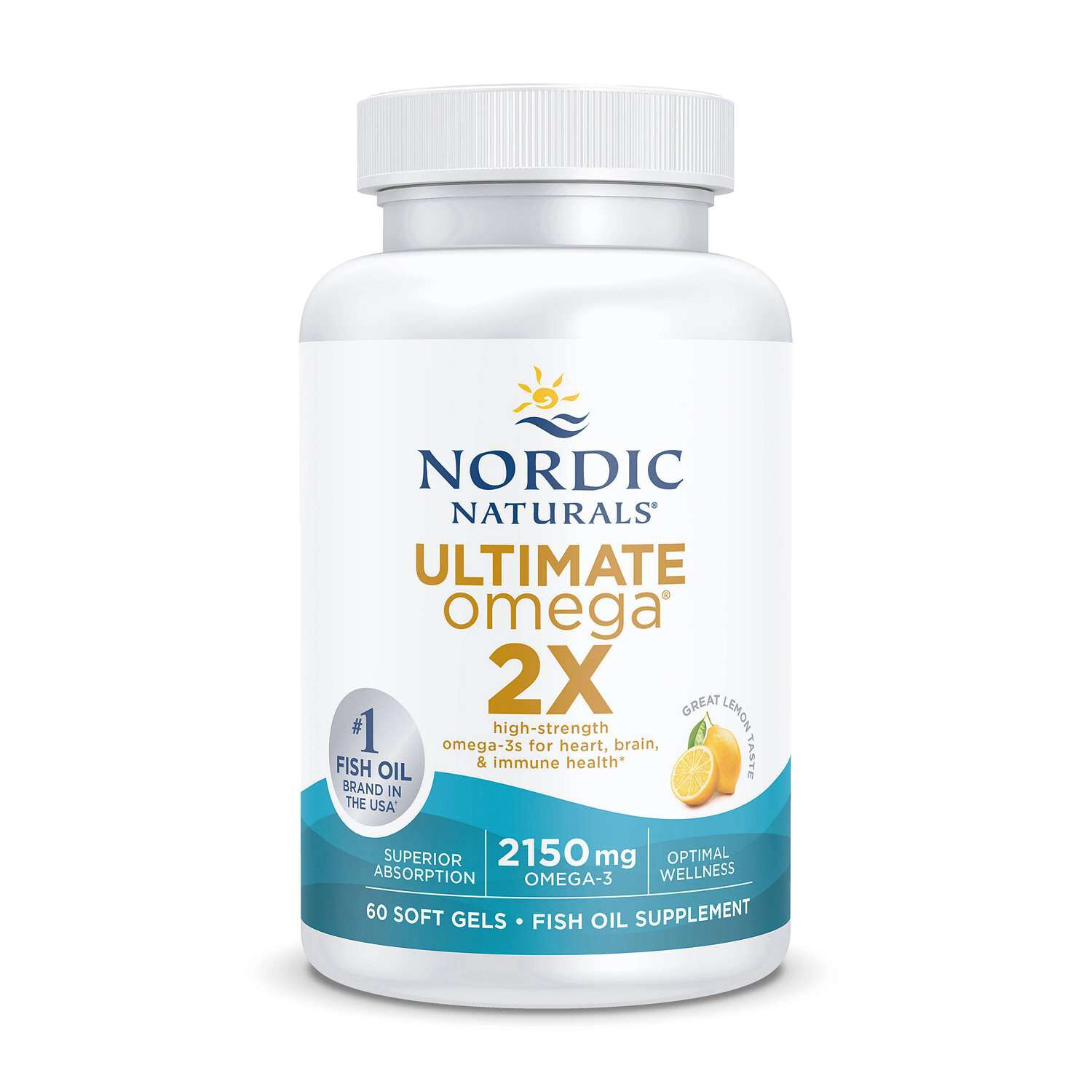 Nordic Naturals