

High Potency Krill Oil Supplements
(0 Results)
High potency krill oil supplements may be a popular choice for those looking to support their daily wellness routine. Sourced from tiny crustaceans found in the ocean, these supplements are known for their rich content of omega-3 fatty acids and other beneficial nutrients. With a variety of options available, high potency krill oil supplements could be an easy addition to your supplement regimen. Explore different formulations to find the one that might fit your lifestyle and nutritional goals.
-

-

-
-

-
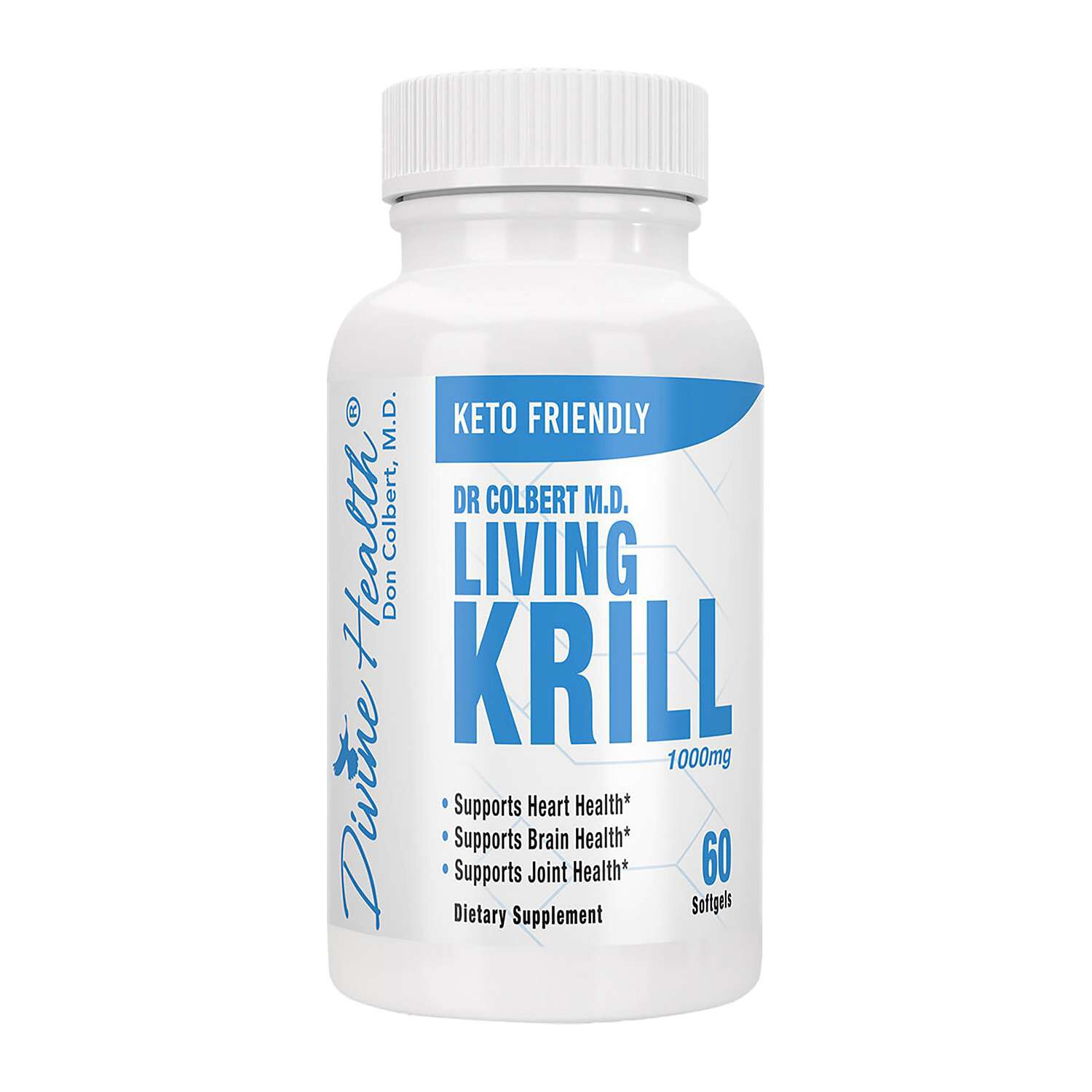 Divine Health$34.99
 -
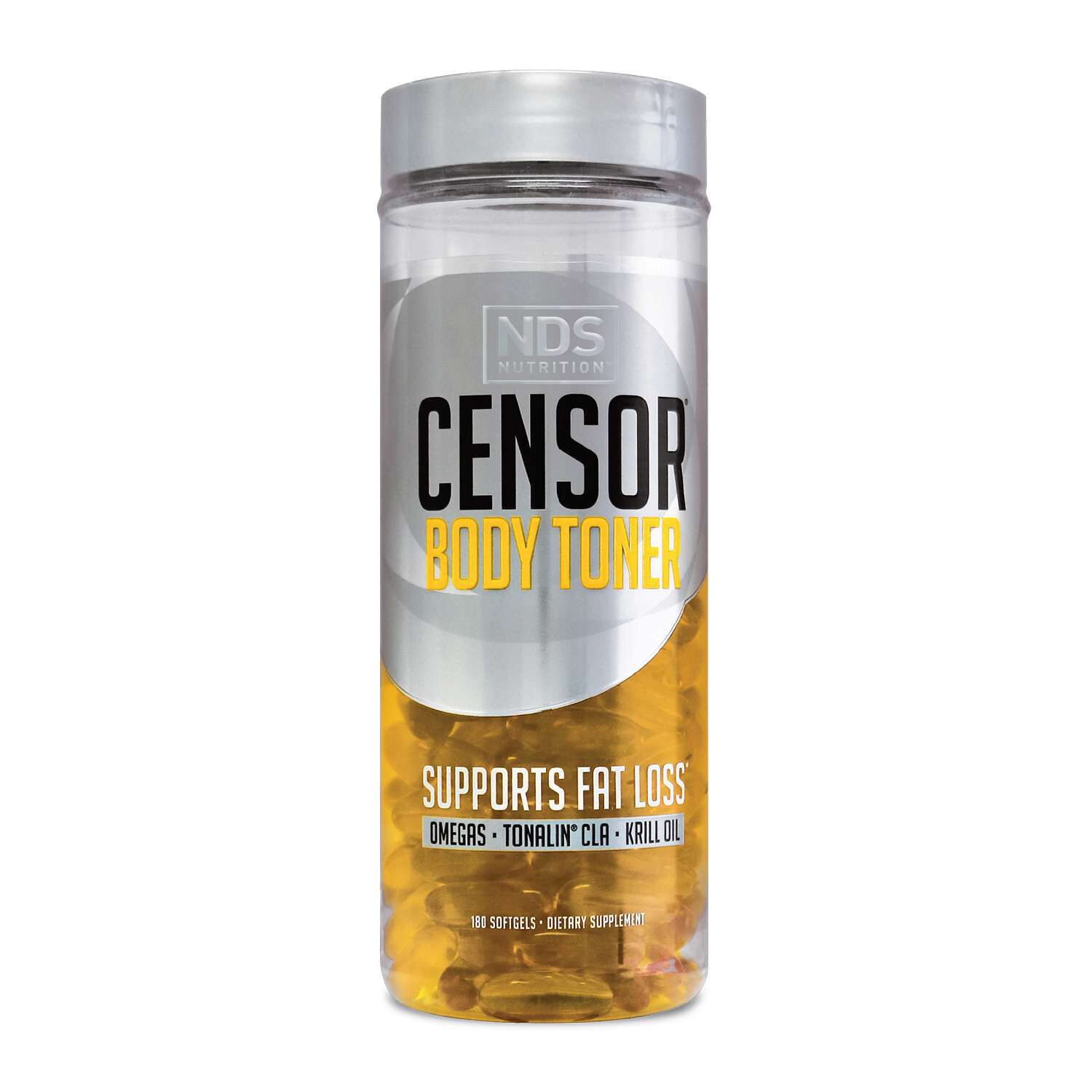 NDS Nutrition$84.99
 -
 NDS Nutrition$109.99
 -
 NDS Nutrition$49.99


High potency krill oil supplements offer a concentrated format for shoppers comparing marine sources of omega-3 fatty acids. Krill are small ocean crustaceans, and their oil contains the omega-3s EPA and DHA, along with phospholipids and naturally occurring astaxanthin, a pigment associated with the oil’s reddish color. EPA stands for eicosapentaenoic acid, while DHA stands for docosahexaenoic acid; both names commonly appear in the Supplement Facts panel. Many krill oil formulas come in softgels, with a flexible outer shell enclosing a measured amount of oil. The phrase “high potency” generally describes a more concentrated formula, but it does not identify one consistent amount of EPA or DHA across every label. A prominent krill oil amount on the front of a bottle represents the oil itself, not necessarily the combined amount of these two omega-3s. For a meaningful comparison, look at the serving size, the krill oil amount per serving, and the separately listed EPA and DHA amounts together. Two formulas with similar krill oil quantities can have different omega-3 profiles, and a serving may consist of one softgel or several. A concentrated formula might fit a preference for fewer softgels, although the label—not the potency wording alone—establishes how many make up a serving. These distinctions matter to adults comparing krill oil with other marine oil supplements, as well as those looking for a format that fits an established daily routine. Intended use is another part of the comparison: krill oil is a dietary supplement rather than a food replacement, and its ingredients and serving directions deserve the same attention as its concentration. A clear label makes it easier to understand what the formula contains without relying on broad descriptions or assuming that a larger number on the bottle means more EPA and DHA. Reading those details side by side gives the category’s concentration language a practical, measurable context.
The composition of high potency krill oil also helps explain how these supplements differ from other omega-3 formats. A portion of the omega-3 fatty acids in krill oil is associated with phospholipids, while the exact proportions depend on the formula. Phospholipids are a type of fat with a structure distinct from triglycerides, another form associated with marine oils. That distinction describes composition; it should not be treated as proof that every krill oil formula performs the same way or that a more concentrated serving is automatically a better match for every shopper. Some labels state a phospholipid amount separately, giving another concrete point of comparison alongside EPA and DHA. Astaxanthin content can also vary, and any declared amount is more informative than the appearance of the softgel. Color alone does not establish concentration or quality. Shoppers comparing formats can also explore High Absorption Krill Oil Capsules, keeping ingredient composition and serving information at the center of the comparison. Beyond the oil, the capsule shell and other ingredients influence whether a supplement fits personal preferences. Softgel shells often contain gelatin, glycerin, and water, but the source of gelatin and the presence of additional ingredients differ among formulas. Krill oil is animal-derived, making that origin relevant to vegetarian and vegan preferences. Krill are also crustacean shellfish, so the allergen statement is an important part of the label rather than a detail to overlook. Flavoring, added oils, and other ingredients should be evaluated individually instead of assumed from the category name. Capsule dimensions deserve a separate look, too: high potency does not necessarily mean a smaller softgel. For someone organizing several supplements in a daily case, the physical size and number of softgels per serving can matter as much as the concentration printed on the front. A formula’s fit comes from that combination of contents, format, and clearly stated directions, not from a single headline feature.
Everyday handling and sourcing information round out the comparison of concentrated krill oil supplements. Picture a bottle kept in its original packaging beside a regularly used supplement organizer: the serving directions remain easy to check, and the ingredient list stays accessible when questions about the formula arise. The original container also preserves the lot code, date marking, and storage instructions, details that can be lost when softgels are transferred into an unmarked jar. Follow the package’s storage directions, close the container securely after use, and protect it from moisture and direct sunlight. Softgels are flexible containers for oil rather than rigid tablets, so packaging condition and careful handling matter. For travel or a busy commuting routine, retain access to the label instead of depending on memory for serving information. Serving count is another useful consideration. A bottle’s capsule count and its number of servings are not always the same, particularly when the labeled serving includes more than one softgel. Dividing the capsule count by the number used per serving provides a straightforward way to compare how a bottle fits a routine without confusing individual capsules with servings. Sourcing deserves similarly specific attention. Some krill oils identify Antarctic origin or name the harvested species, while others provide additional information about traceability or harvesting practices. When a label includes an independent certification, check what the certification actually covers; sourcing standards, ingredient identity, and manufacturing assessments address different questions. A certification relating to harvesting does not establish the amount of EPA or DHA in a serving, just as concentration alone does not explain where the oil came from. For adults purchasing their own supplements, these details help distinguish formulas beyond familiar front-label language. They also underscore why supplements are a personal purchase: ingredient preferences, capsule size, and an existing routine are difficult to infer when choosing a gift. The most useful comparison of high potency krill oil brings these practical details together—declared omega-3 amounts, phospholipid information when provided, shell materials, serving size, origin, and storage requirements—so the choice reflects the actual formula and how it fits into daily life.
Best Sellers
-
 Nordic Naturals
 -
 Nordic Naturals
 -
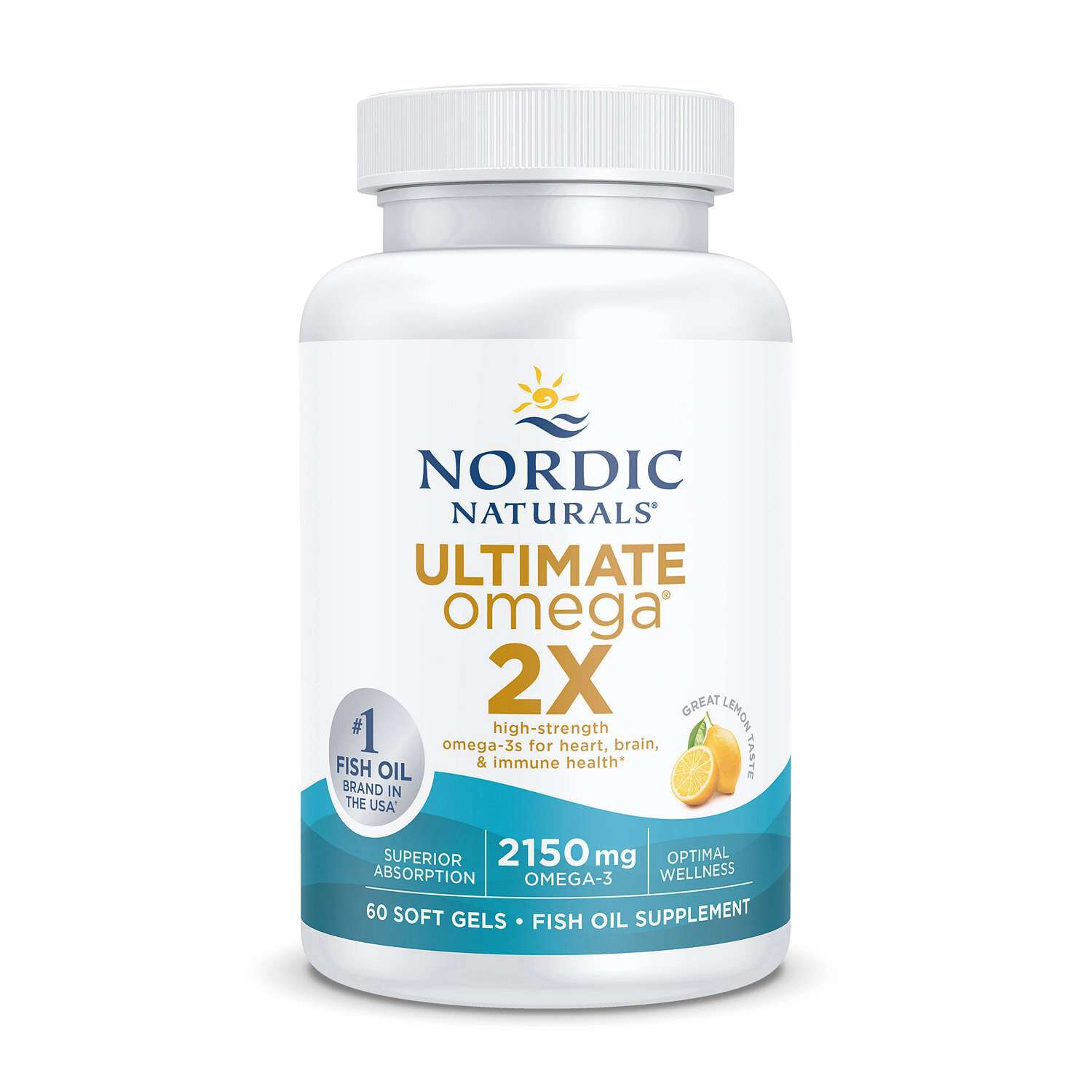 Nordic Naturals