Krill Oil Supplements For Vitality
(0 Results)
Krill oil supplements for vitality are a popular choice for those looking to support their overall wellness routine. Sourced from small crustaceans found in the ocean, krill oil is known for its unique nutritional profile and may be a valuable addition to your daily regimen. Whether you’re seeking to complement an active lifestyle or simply looking for new ways to care for your well-being, explore a variety of krill oil supplements for vitality that could fit your needs and preferences.
-

-
-

-

-
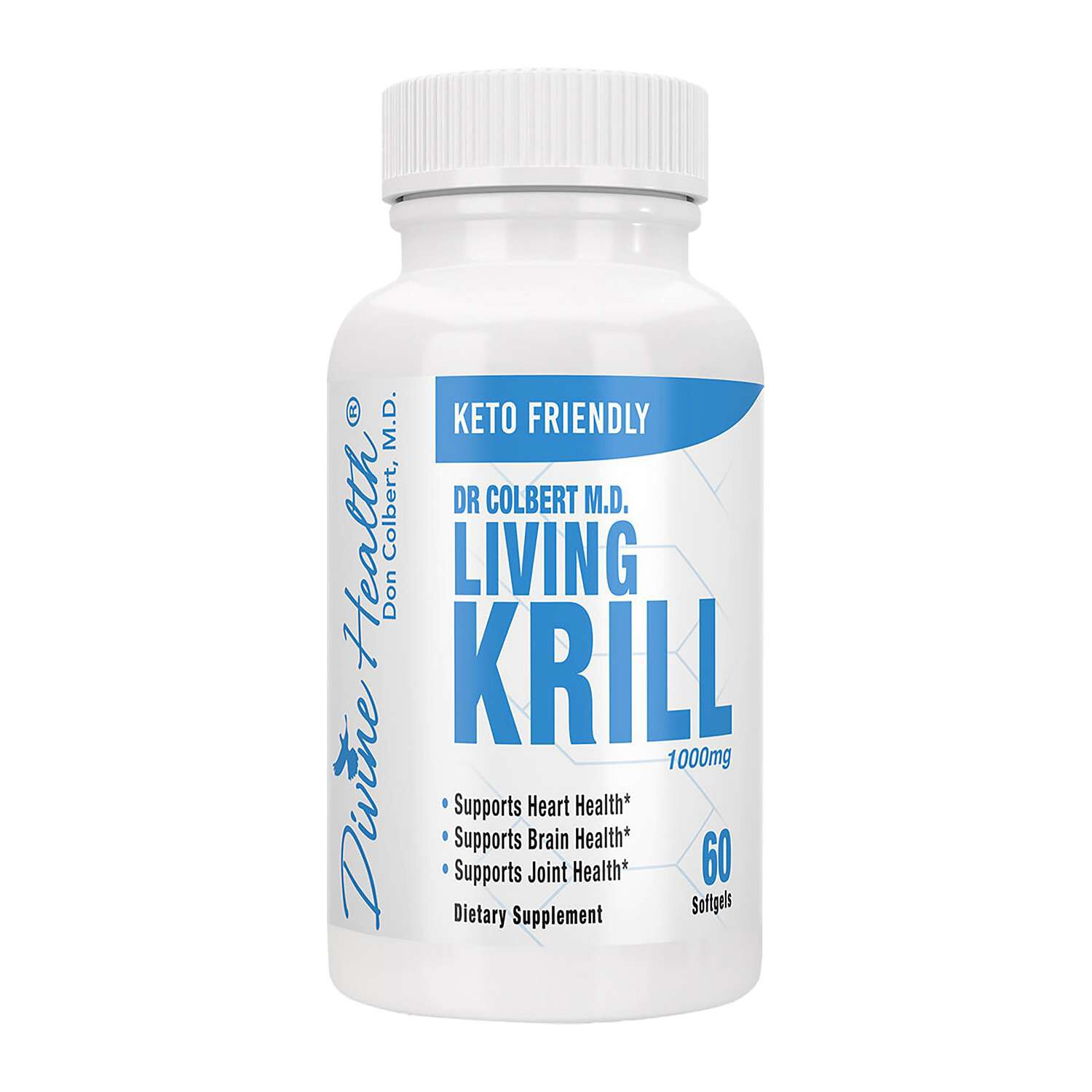 Divine Health$34.99
 -
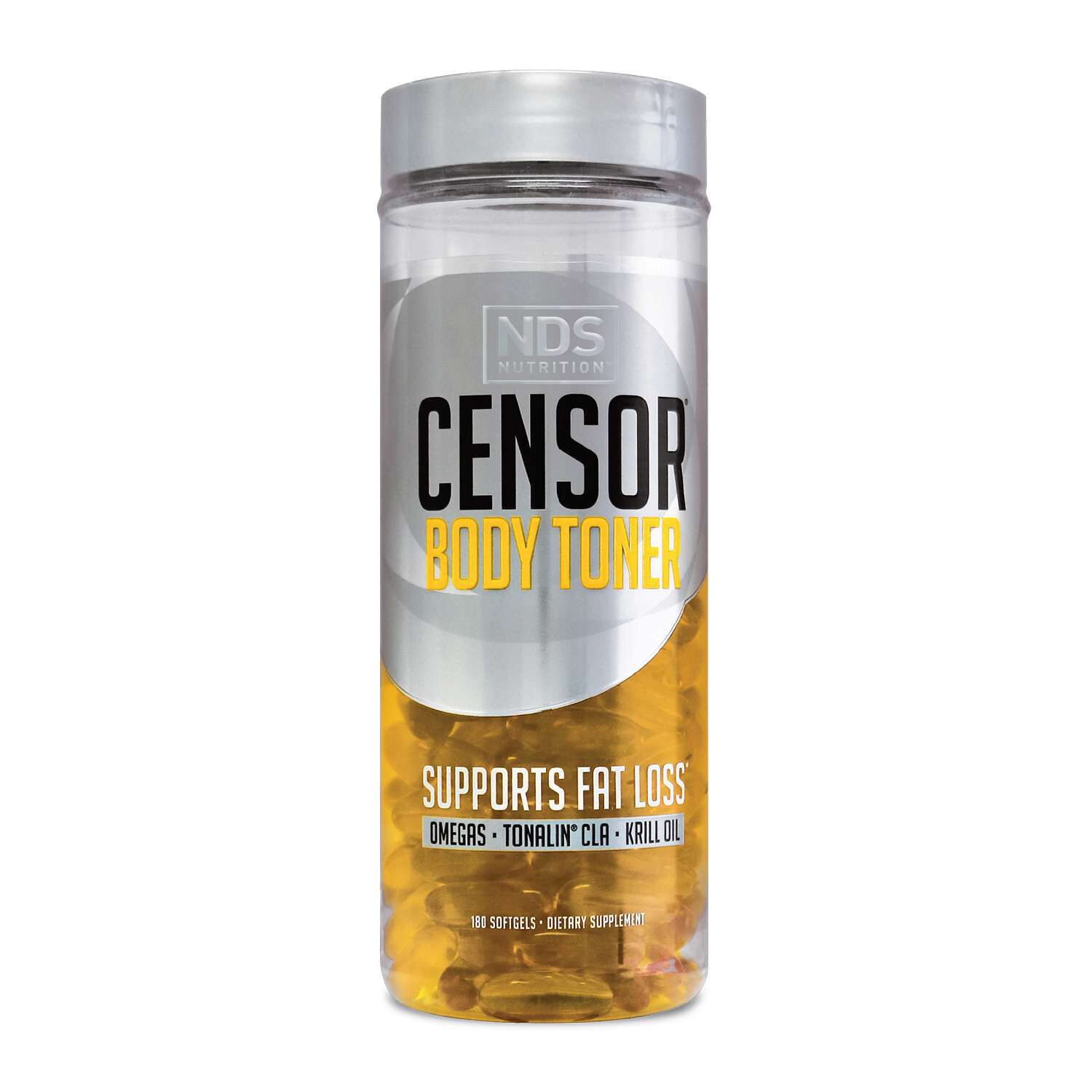 NDS Nutrition$84.99
 -
 NDS Nutrition$109.99
 -
 NDS Nutrition$49.99


Krill oil supplements for vitality bring a marine source of omega-3 fatty acids into a daily nutrition routine. Krill are small ocean crustaceans, and their oil contains eicosapentaenoic acid, commonly called EPA, and docosahexaenoic acid, or DHA. These are the same two omega-3s commonly associated with fish oil, although the oils differ in their composition. In krill oil, a portion of the omega-3 content is attached to phospholipids, a type of fat also found in cell membranes. Krill oil also contains astaxanthin, a naturally occurring pigment associated with its reddish color. Those characteristics describe the ingredient; they do not establish that every formula performs the same way or that one marine oil is the right match for every shopper. For someone browsing this category, the most useful starting point is the distinction between the amount of krill oil and the amount of EPA and DHA in a serving. A prominently displayed krill oil amount refers to the oil itself, not just its omega-3 content. The Supplement Facts panel offers a closer look at the nutrients a formula supplies, along with the serving size used for those amounts. That distinction matters when two bottles look similar on the shelf but list different quantities of EPA, DHA, or phospholipids. Some labels also specify astaxanthin content, which is separate from the omega-3 amount. Comparing those details creates a clearer picture than judging a formula by capsule color or a large number on the front label. In this setting, vitality is a broad wellness theme rather than a measurable result supplied by a bottle. Krill oil belongs in a conversation about everyday nutrition, alongside varied meals, enjoyable activity, and regular rest—not as a substitute for those habits. Adults interested in marine-source omega-3s might explore this category as one option within that broader routine, with attention to what each serving actually contains.
The physical format deserves as much attention as the ingredient name. Krill oil is commonly packaged in softgels, which enclose liquid oil inside a capsule shell. Softgel dimensions, shell ingredients, and serving size can differ, so a bottle with more capsules does not necessarily represent more servings. A serving might consist of one softgel or several, and that difference shapes how the format fits into an existing routine. Someone who keeps a supplement organizer beside a breakfast place setting may value a different capsule size or serving arrangement than someone who leaves the original bottle in a kitchen cabinet. The label provides the basis for that comparison, including directions for use and any instructions about taking the serving with food. Beyond the oil, the other-ingredients list describes the capsule shell and additional components. Gelatin source, glycerin, flavoring, and other formulation details may matter to shoppers with particular dietary preferences. Because krill are crustaceans, krill oil is animal-derived, and shellfish allergen information is an important part of the packaging. A marine source should not be mistaken for a plant-based ingredient, even when a bottle emphasizes its omega-3 content. Clear labeling also matters for blended formulas: the ingredient list identifies whether krill oil appears alone or alongside another oil. Neither the front label nor the appearance of the softgel tells that whole story. Practical comparisons therefore center on the named ingredients, stated amounts, serving directions, and dietary disclosures rather than assumptions about what the category always includes. The oil’s phospholipid content is another point of distinction, but its presence alone does not establish a particular absorption advantage for every finished formula. Likewise, a deeper red softgel is not a dependable way to judge EPA or DHA content. For shoppers who enjoy understanding the details behind a daily habit, these small packaging distinctions make the category more approachable without turning a simple purchase into a search for the biggest number.
Sourcing and handling add another layer to choosing krill oil supplements. Many formulas identify Antarctic krill as their source, while others provide additional information about harvesting practices, traceability, or independent certifications. Specific, documented sourcing details are more informative than broad language about ocean purity or environmental responsibility. A certification applies to the standards described by its issuing organization; it does not automatically describe every aspect of the finished supplement. Similarly, a statement about testing is most useful when it explains what was evaluated rather than relying on an unspecified quality claim. Packaging offers practical information, too. An intact seal, a legible lot code, and a clearly printed expiration date help shoppers identify and manage the bottle they bring home. For an oil-based supplement, care is less about durability in the usual sense and more about following the labeled storage directions, keeping the closure secure, and retaining the original product information. Leaving softgels loose in an open dish or transferring them to an unmarked container separates them from those details. A bottle size that matches the labeled serving and the intended routine may be a more convenient choice than a larger container selected by capsule count alone. That kind of fit is personal: one shopper may be comparing marine omega-3 formats for the first time, while another may be looking more closely at EPA and DHA amounts after using a different oil. Adults considering how their supplement preferences relate to different stages of life can also browse Krill Oil Supplements for Healthy Aging for a related category perspective. Across those interests, the most meaningful distinctions remain concrete: the source of the oil, the composition of each serving, the capsule format, and the clarity of the label. A thoughtful selection is one whose contents and intended use are easy to understand, with a format that fits naturally alongside established daily habits.
Best Sellers
-
 Nordic Naturals
 -
 Nordic Naturals
 -
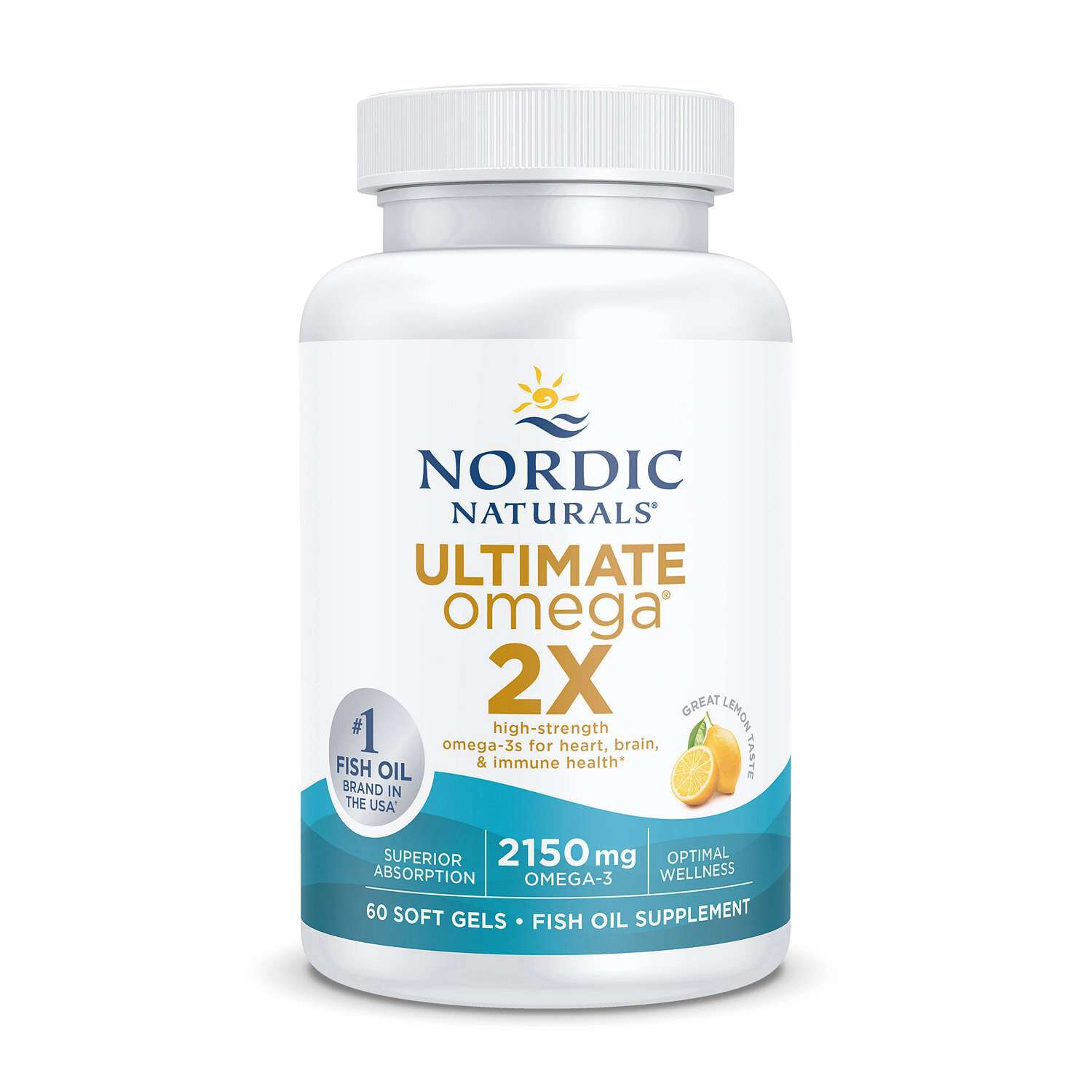 Nordic Naturals