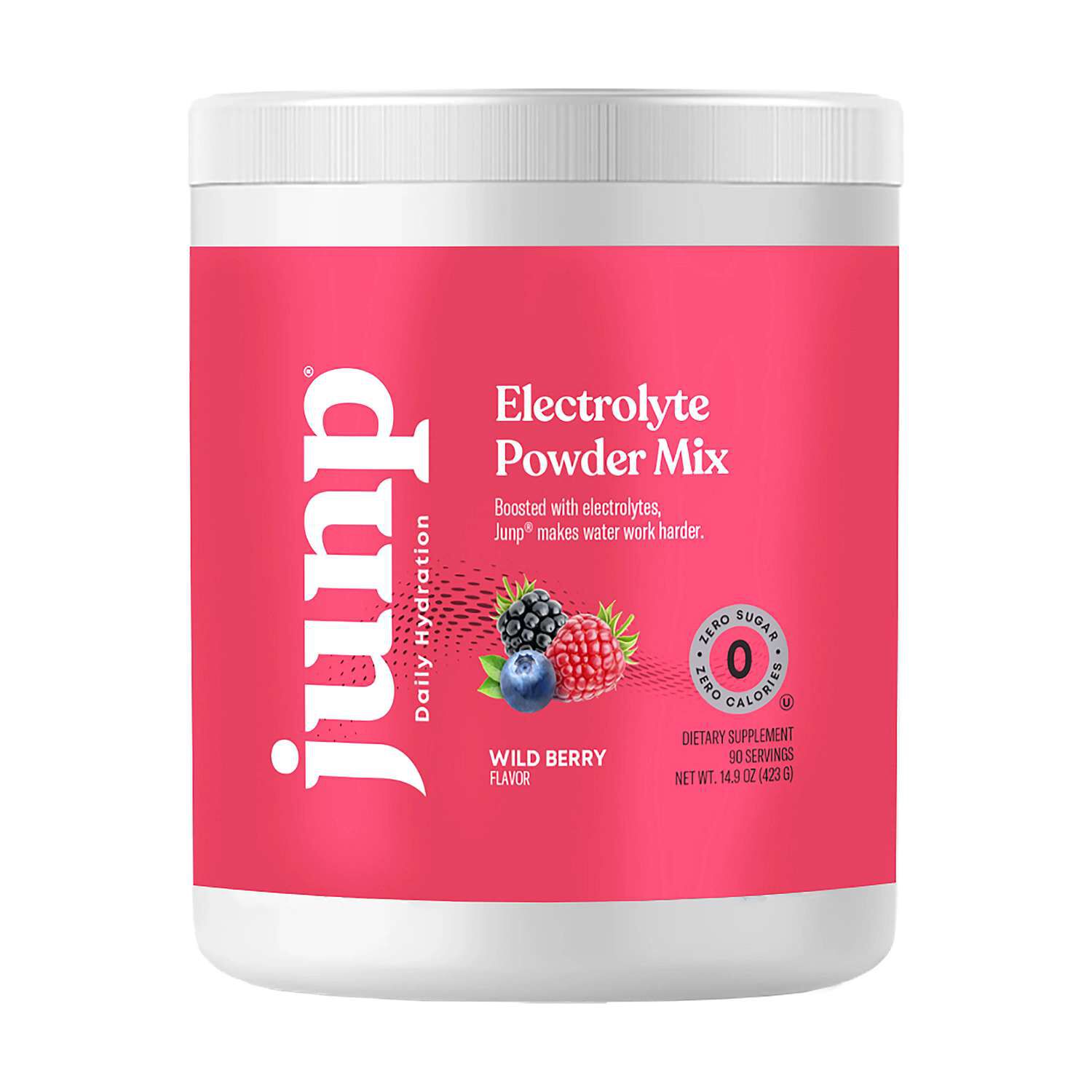
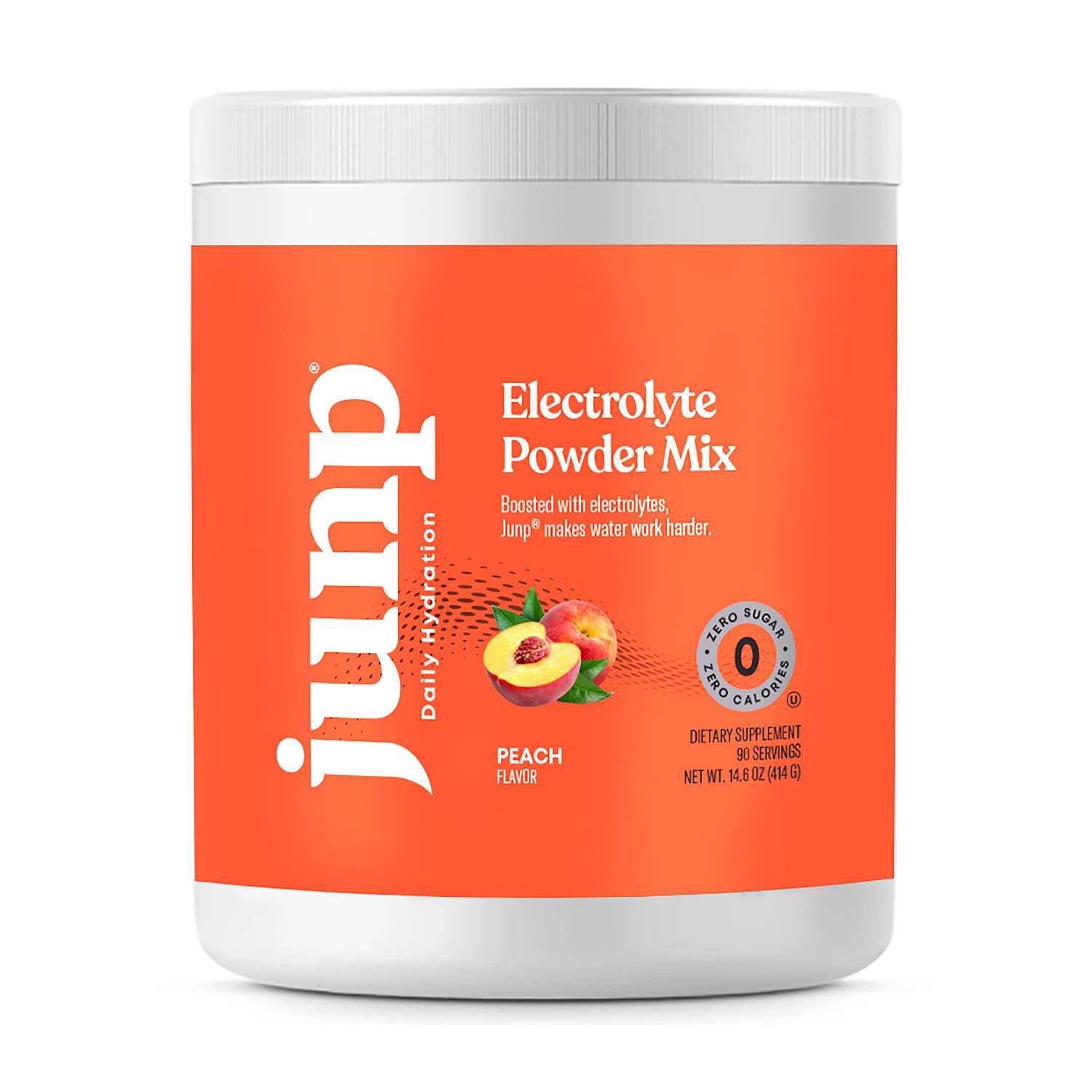
Fitness Hydration Products
(0 Results)
Staying hydrated is a crucial aspect of any fitness routine, and fitness hydration products might be the key to enhancing your performance and recovery. Whether you're hitting the gym, running a marathon, or engaging in intense training sessions, these products could help maintain optimal hydration and support your overall well-being. Explore a variety of options designed to keep you refreshed and energized throughout your workouts.
-

-

-
-
-
-
-

-
-
 Axe & Sledge Supplements$29.99
 -

-

-
 $34.99
 -
-

-
 $34.99
 -
-

-

-

-

-
 Beyond Raw$24.99
 -

-
 $24.99
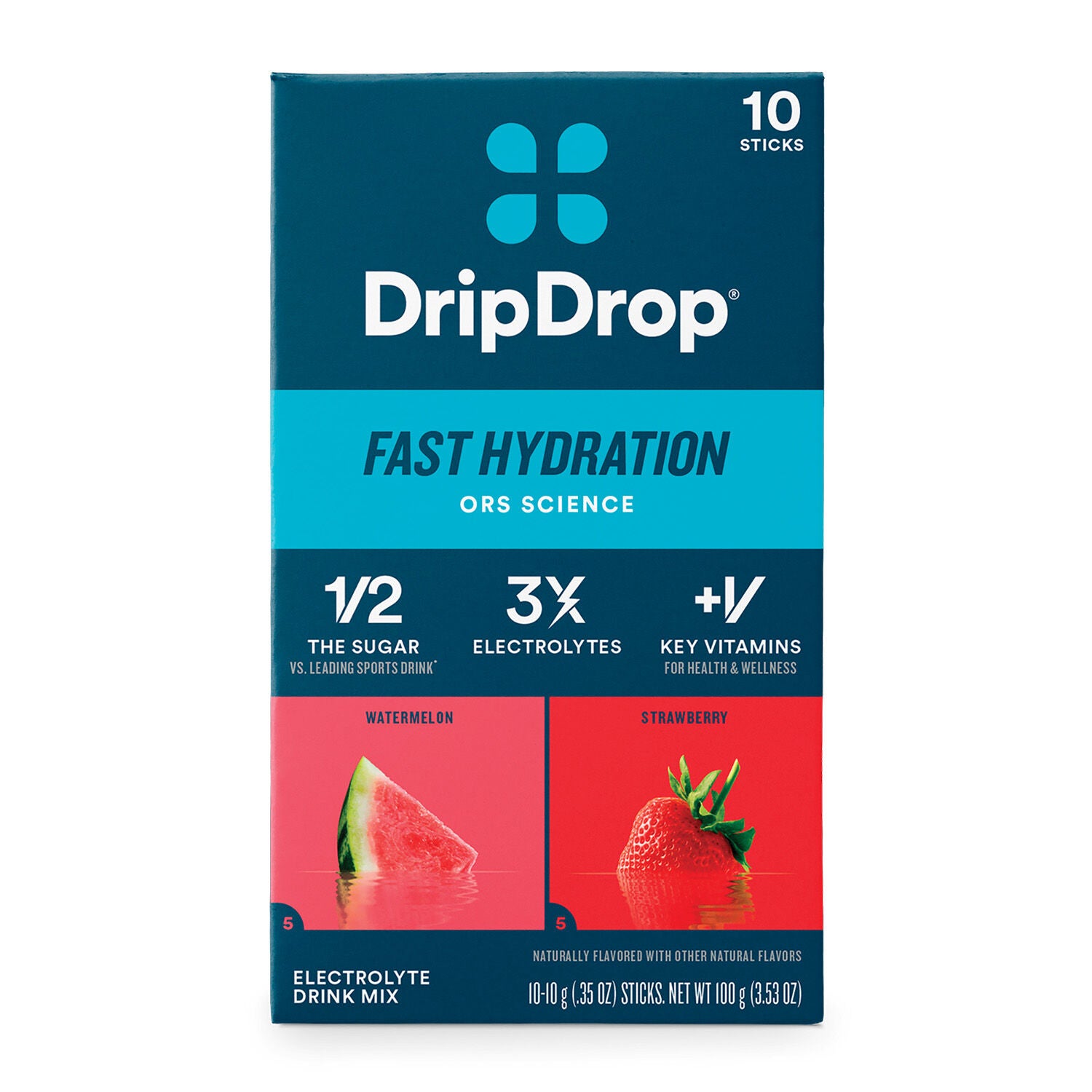
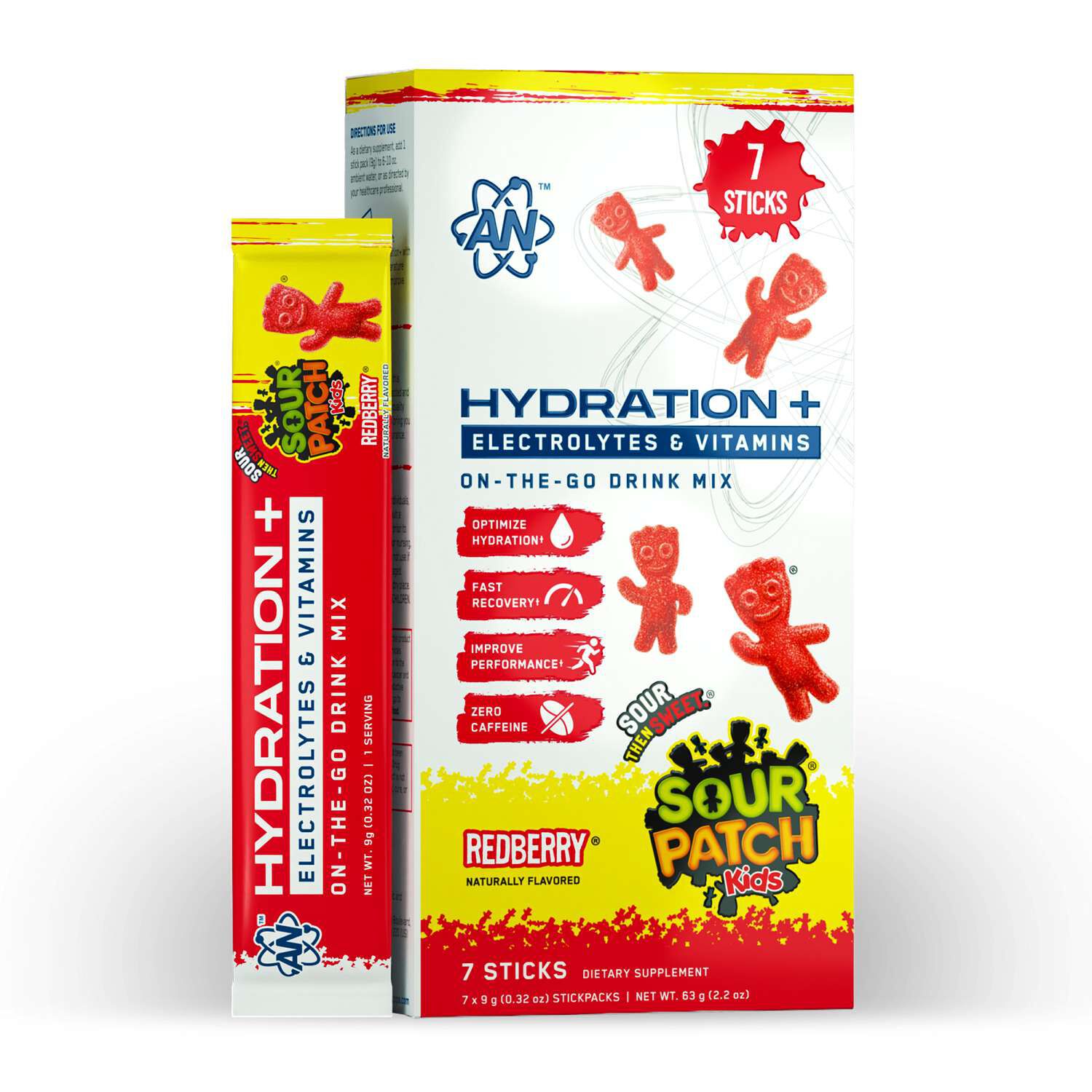
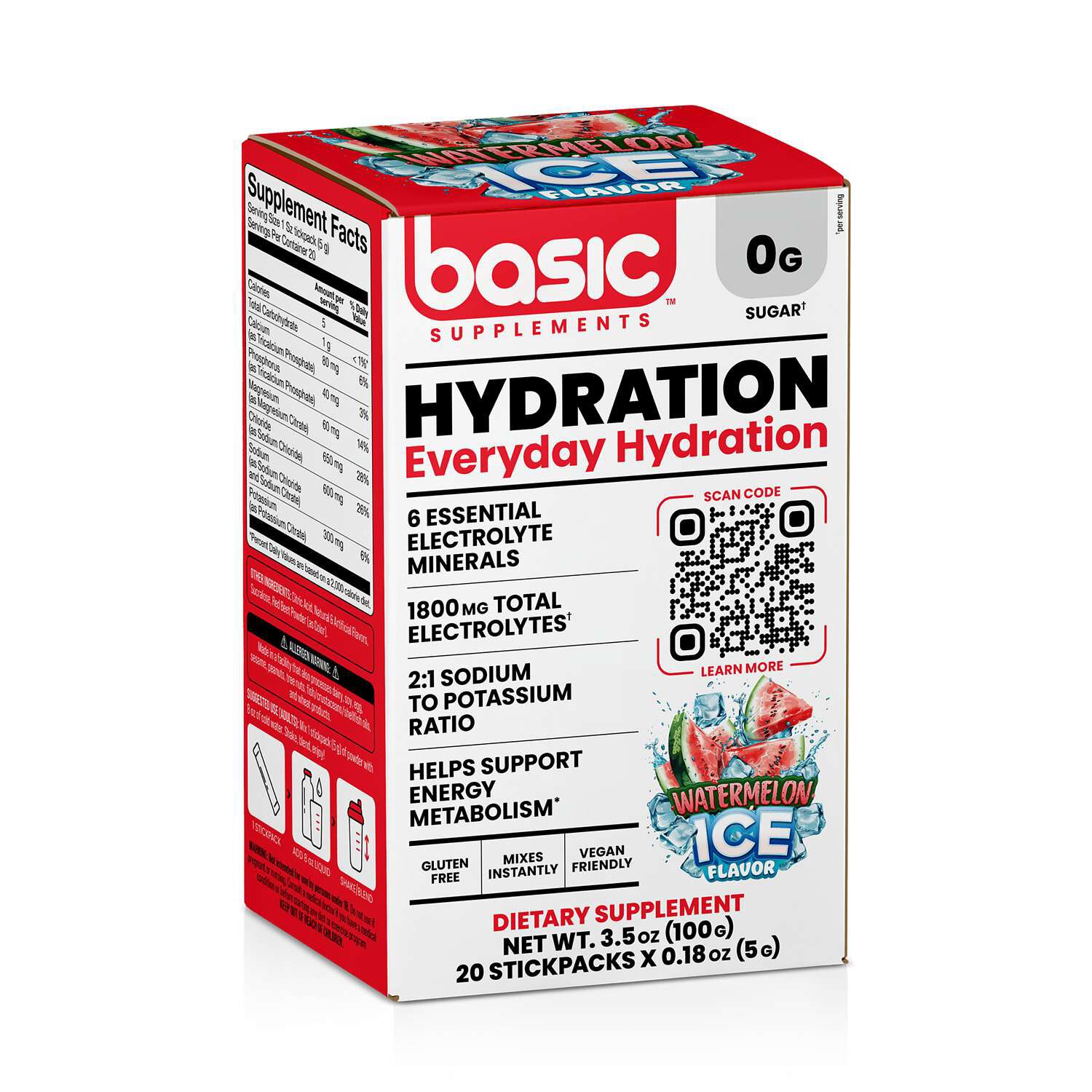
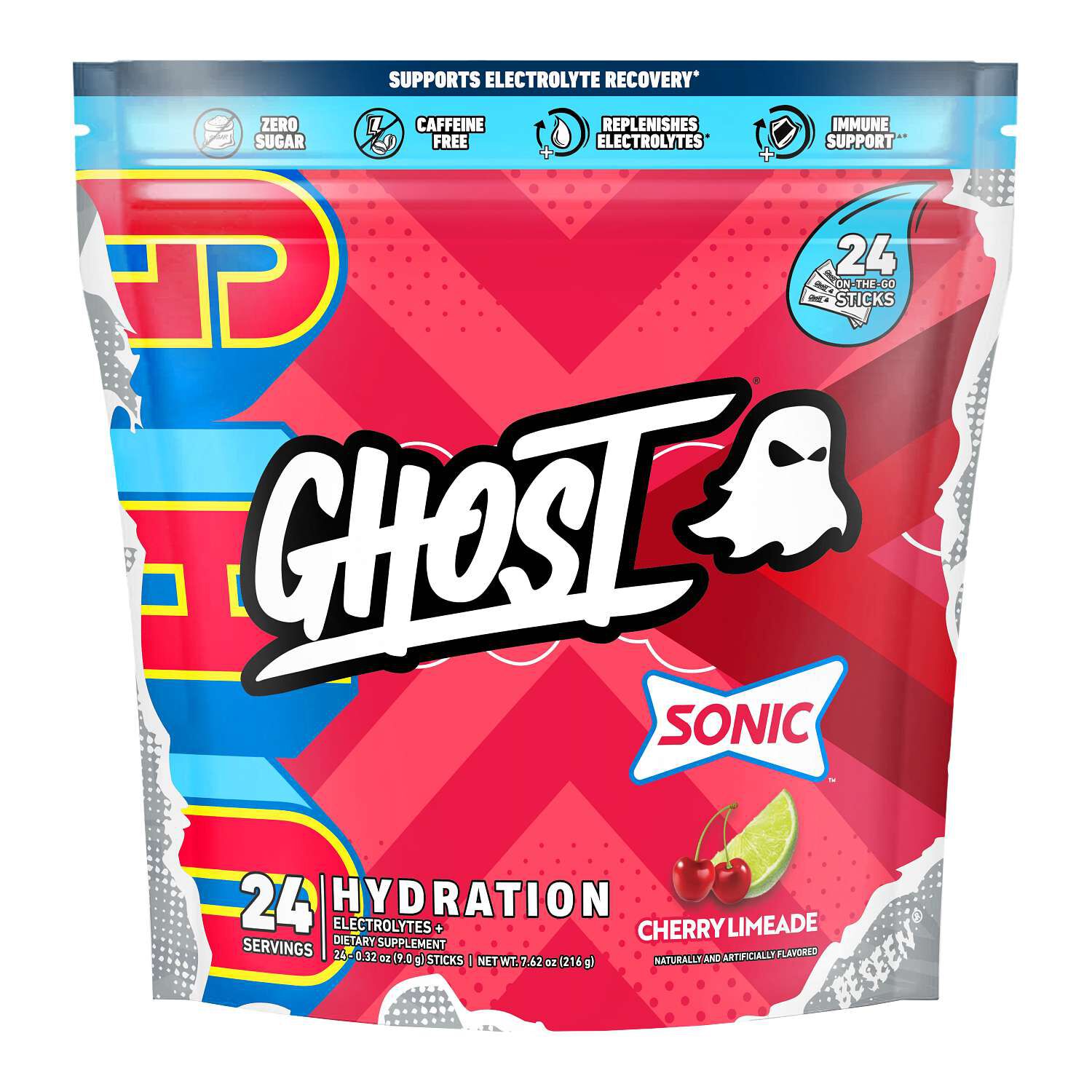
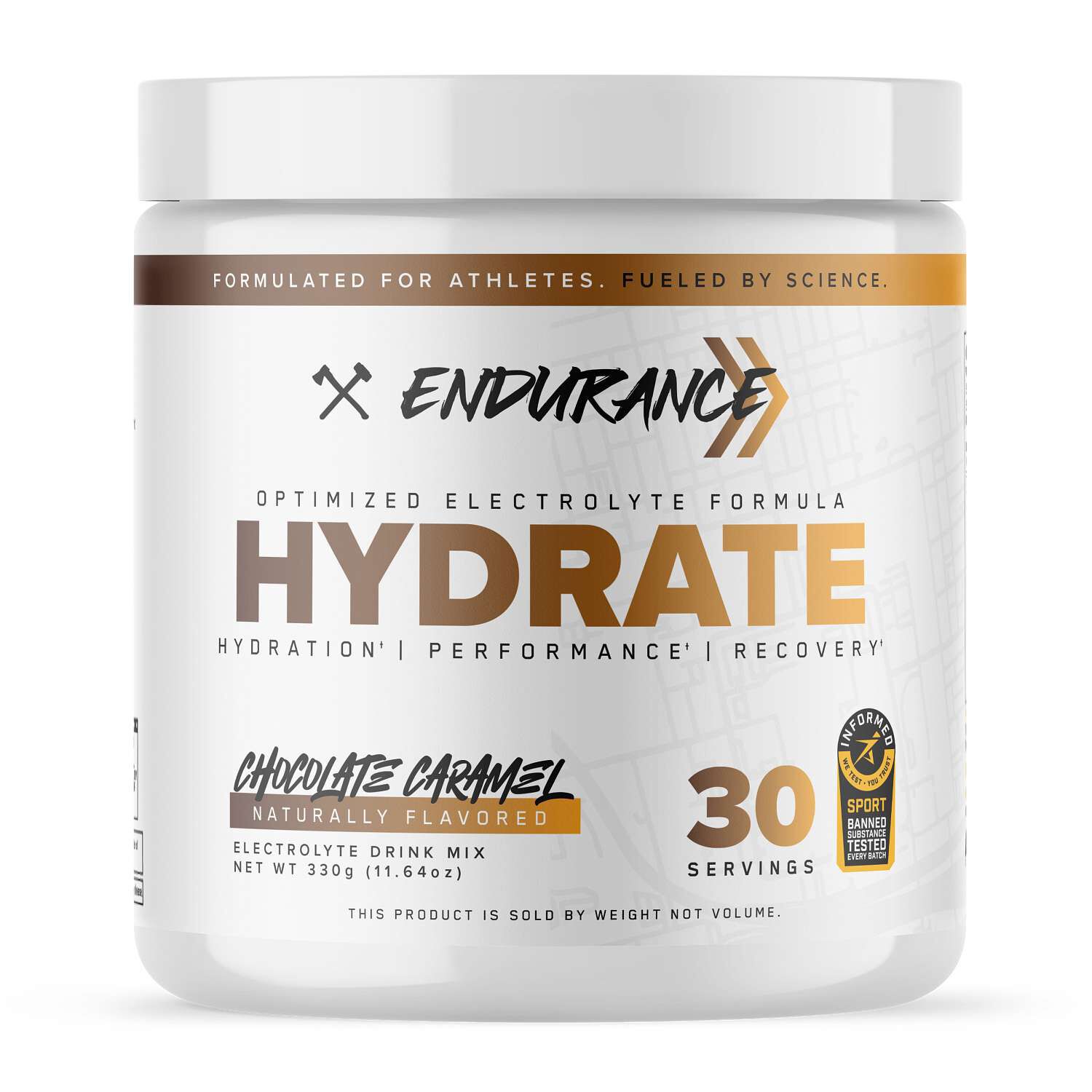
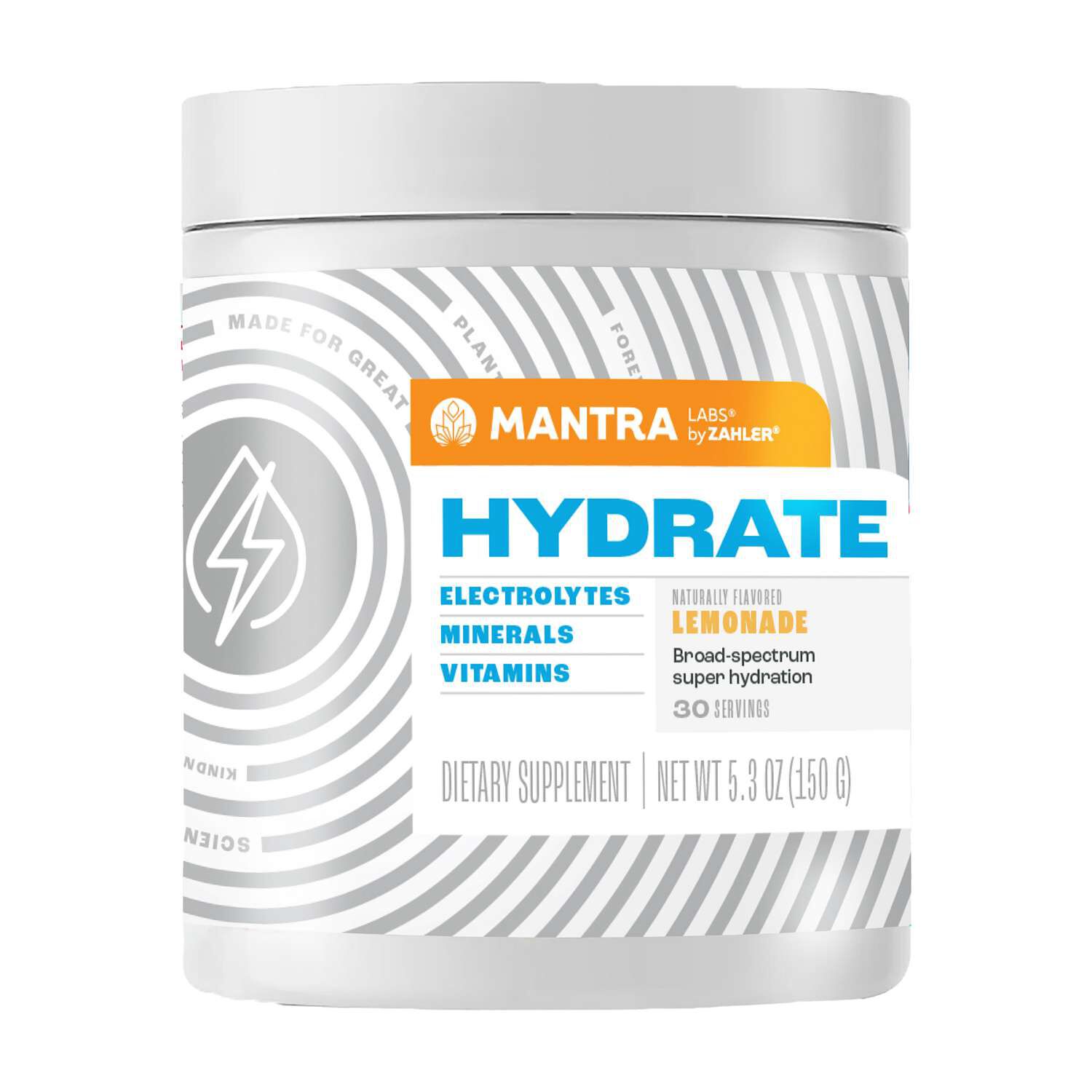
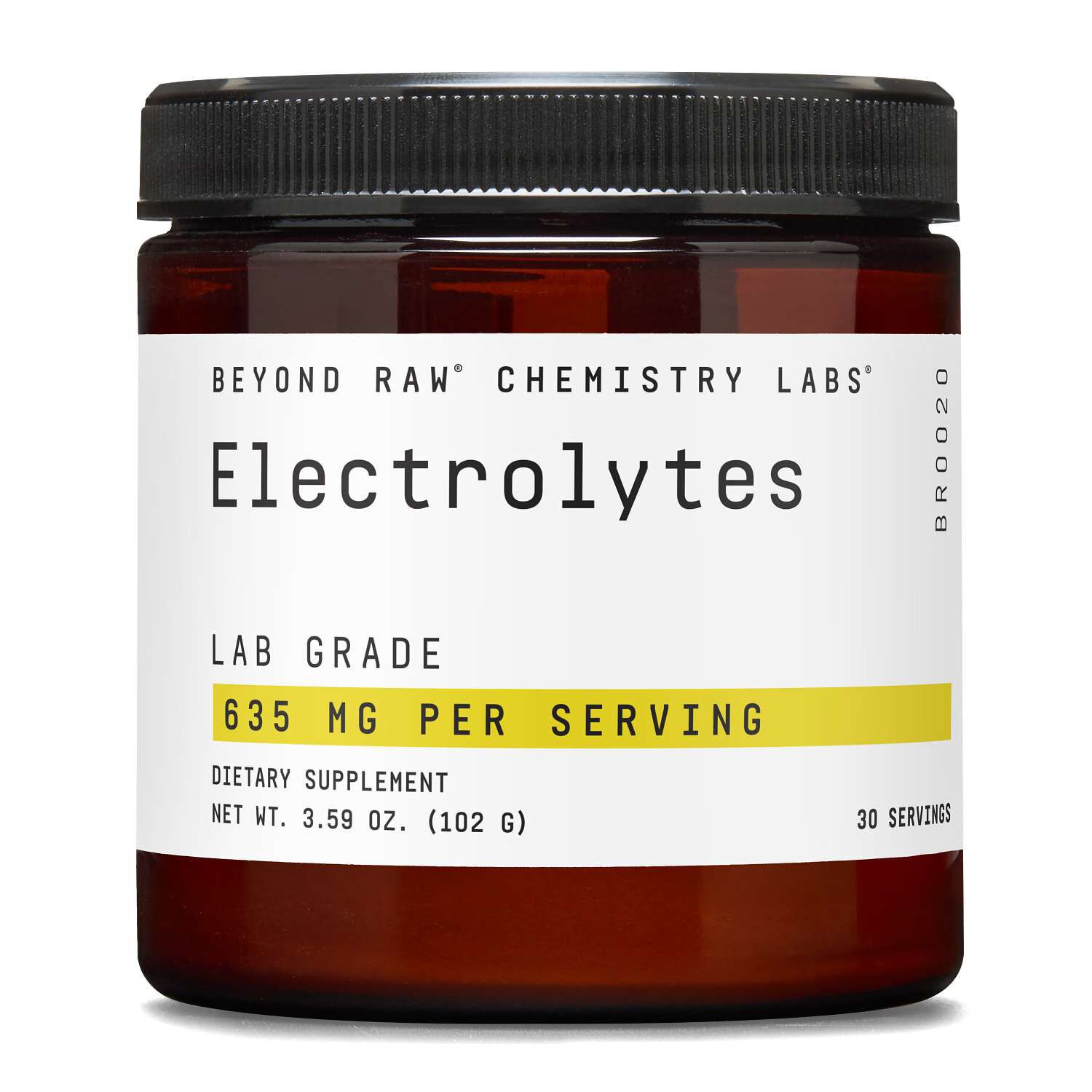
Fitness hydration products include electrolyte drink powders, individual serving packets, dissolving tablets, and ready-to-drink beverages intended for active routines. The category spans everything from a flavored drink mixed before a gym visit to a portable packet tucked beside a towel for an afternoon on the court. Electrolytes are minerals, including sodium, potassium, magnesium, and calcium, that appear in different combinations and amounts across hydration formulas. Sweat contains water and electrolytes, and drinks formulated with these minerals may support hydration around exercise. Not every formula contains the same ingredients, and an electrolyte drink is not necessarily the same as an energy drink or a pre-workout supplement. Some hydration mixes contain carbohydrates, some contain little or no sugar, and others include caffeine or additional ingredients. Those distinctions matter when comparing a drink for a relaxed training session with one intended for a longer ride or a demanding outdoor workout. Carbohydrate-containing drinks may provide fuel during extended activity, while options without added sugar have a different nutritional profile. The amount of sodium per serving, the carbohydrate content, and the suggested mixing volume provide more useful context than flavor names alone. A serving designed for a small bottle is not directly comparable to one intended for a much larger volume of water. Plain water also has a place in fitness routines; electrolyte products are another format to consider rather than a requirement for every workout. Workout duration, exercise intensity, weather, and individual preferences all shape what someone looks for in this category. During the cooler months, that setting might be a heated cycling studio, a neighborhood walking route, or a busy weight room rather than a sunlit trail. For shoppers comparing options with exercise in mind, Performance Hydration offers a related category to explore alongside the broader range of fitness hydration formats.
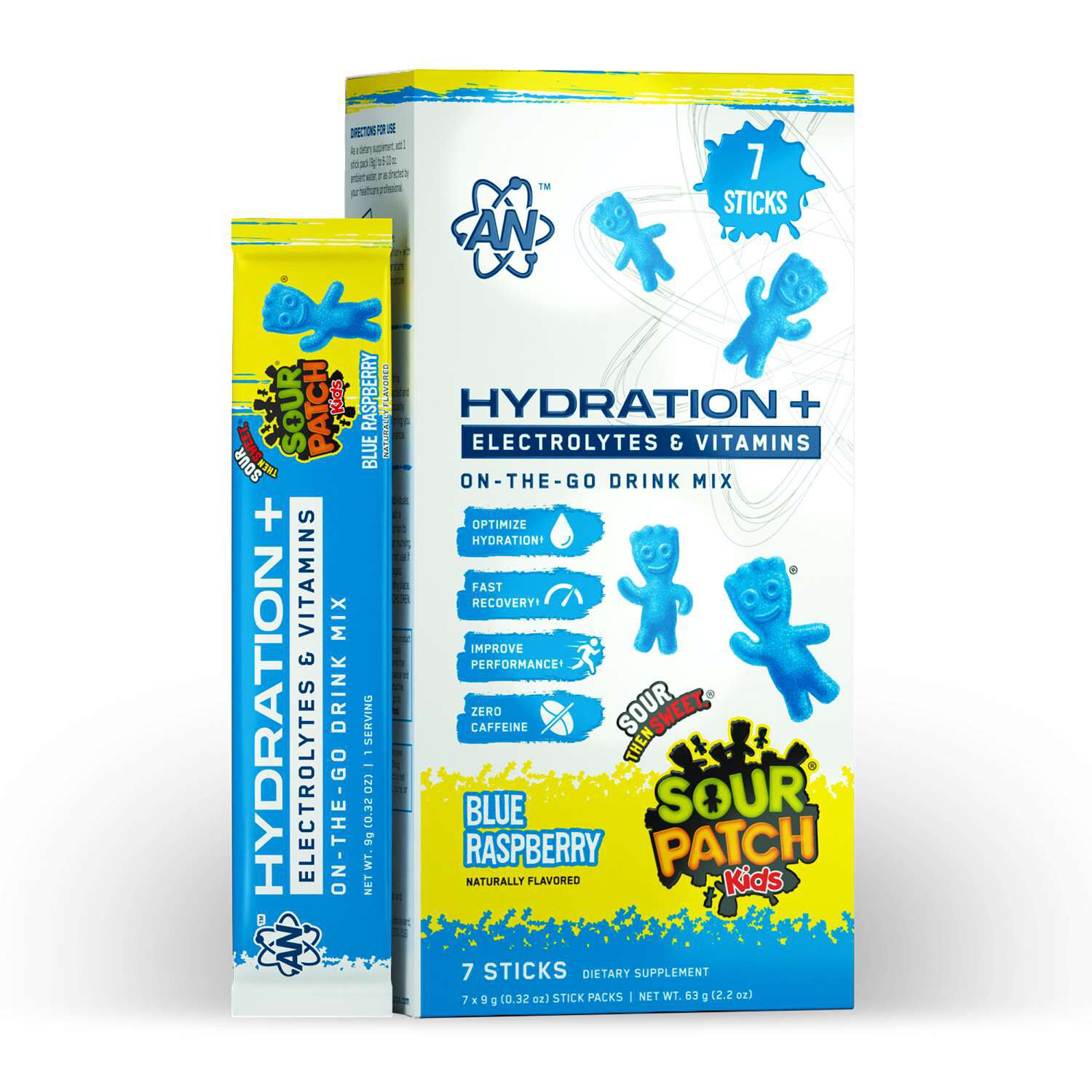
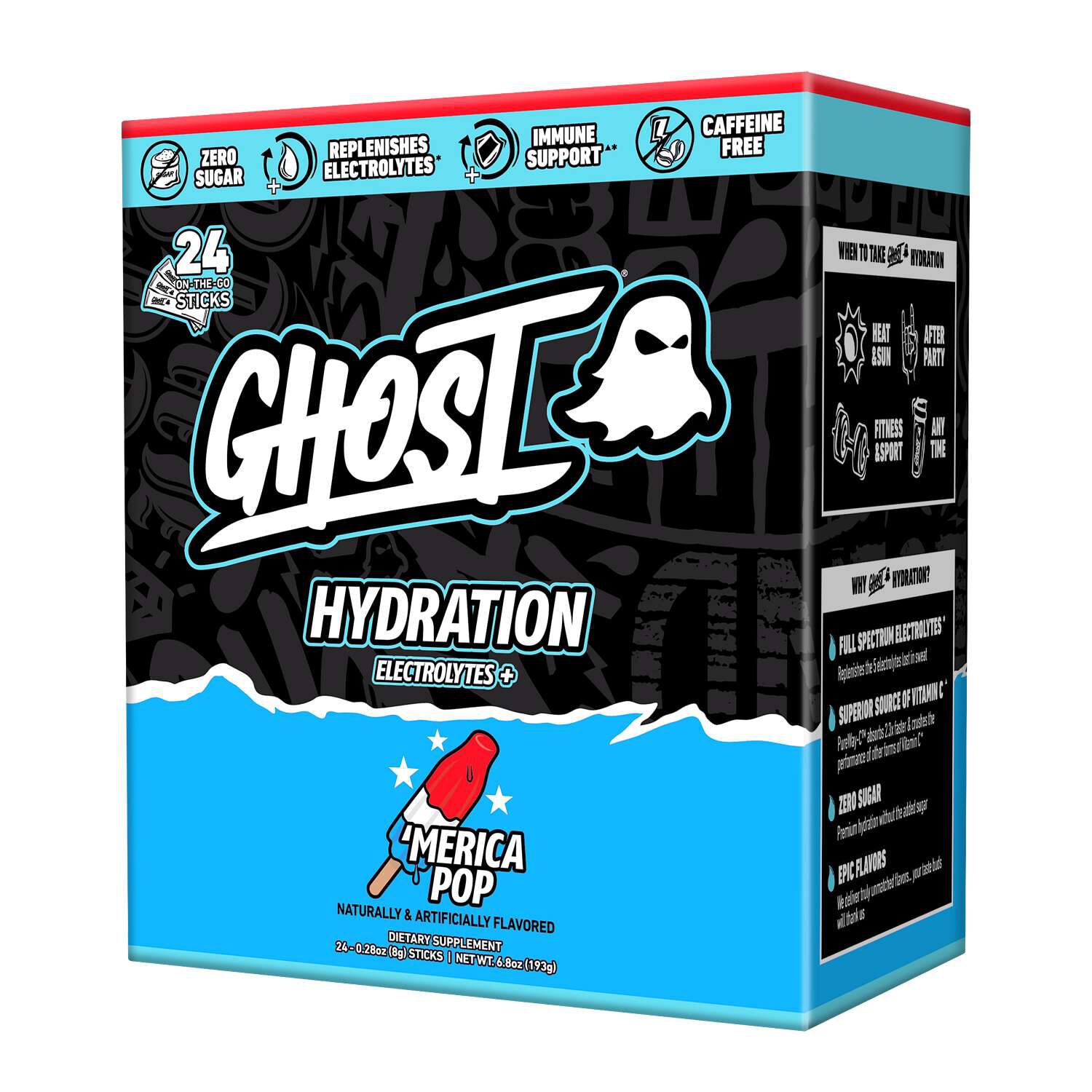
Format is often the clearest difference between products that otherwise sound similar. Powders in resealable containers involve measuring a serving and mixing it with water, while individual packets contain a portion intended for the amount of water stated on the label. Dissolving tablets also require water and time to dissolve, with some producing a lightly fizzy drink. Ready-to-drink beverages come already mixed, without a separate measuring step. Each format suits a different setting: a container beside the kitchen shaker, a packet in a zipped gym-bag pocket, or a prepared beverage packed for the trip from work to an evening workout. Serving count and serving size deserve separate attention because a single package does not always represent one serving. Mixing directions also vary, and the suggested water volume influences both concentration and flavor. Taste is a practical part of the comparison, especially for a drink intended to be sipped over a long session. Citrus, berry, and tropical flavor profiles range from mild to strongly sweet, and some electrolyte formulas have a noticeable salty note. Sweetener type, acidity, and texture contribute to that experience; a clear drink, a cloudy mixture, and an effervescent tablet can feel quite different to drink. Ingredient lists and nutrition information describe those differences more precisely than broad front-label descriptions. Caffeine content is another distinction for shoppers choosing between a morning workout beverage and something for an evening class. Ingredients derived from milk, soy, or other food sources may also matter to personal dietary preferences, so allergen statements belong in the comparison. For powders and tablets, the label’s mixing instructions are the appropriate reference rather than an assumed scoop size or bottle capacity. Product descriptions may also distinguish between formulas centered on electrolytes and those combining electrolytes with carbohydrates or other sports nutrition ingredients. Understanding that distinction may make the category easier to navigate without treating every colorful drink mix as interchangeable.
Packaging, storage, and compatibility with a drinking bottle round out the everyday details of fitness hydration products. For consumable powders and tablets, care centers on keeping the product in the conditions specified on its label, with closures secured between uses. Moisture is an important consideration for dry drink mixes, and a dry measuring scoop belongs alongside a properly closed container. Individual wrappers have seams and edges worth checking before they are packed into a bag full of keys, shoes, and training accessories. For a beverage carried already mixed, bottle material, lid design, and capacity are relevant to the intended use. Stainless steel, plastic, and glass have different weight and handling characteristics; an insulated vessel may keep a drink cool longer, while a lightweight bottle may suit a bag already filled with workout gear. Glass requires particular attention to the rules of a gym, pool, or studio. A wide opening may make adding powder and washing the interior easier, while a narrow opening has a different drinking feel during movement. Fit is practical rather than cosmetic here: the bottle’s dimensions should match the space in a bicycle cage, backpack pocket, or car cup holder. Cleaning directions depend on the vessel, and removable lids, seals, and mixing pieces have their own care requirements. Durability involves both the container material and the condition of the parts used each day. These details connect hydration products to the routines of runners, recreational cyclists, strength-training enthusiasts, group-fitness regulars, and people who spend weekends walking or playing sports. A compact format may suit someone moving between appointments, while a measured powder may suit someone who prepares a gym bag at home. As a gift, hydration mixes are most personal when the recipient’s preferred flavors, ingredients, and workout habits are already familiar. The strongest fit is not the most elaborate formula, but an option whose ingredients, preparation, taste, and packaging align with the way it will actually be used.