

Formulated Vitamins
(0 Results)
Formulated vitamins offer a tailored approach to meeting your nutritional needs. Designed with a blend of carefully selected ingredients, these vitamins may support various aspects of health and wellness. Whether seeking to fill dietary gaps or aiming for optimal vitality, formulated vitamins could be an excellent addition to your daily routine. Explore the range of options available and discover how formulated vitamins might help you achieve your health goals.


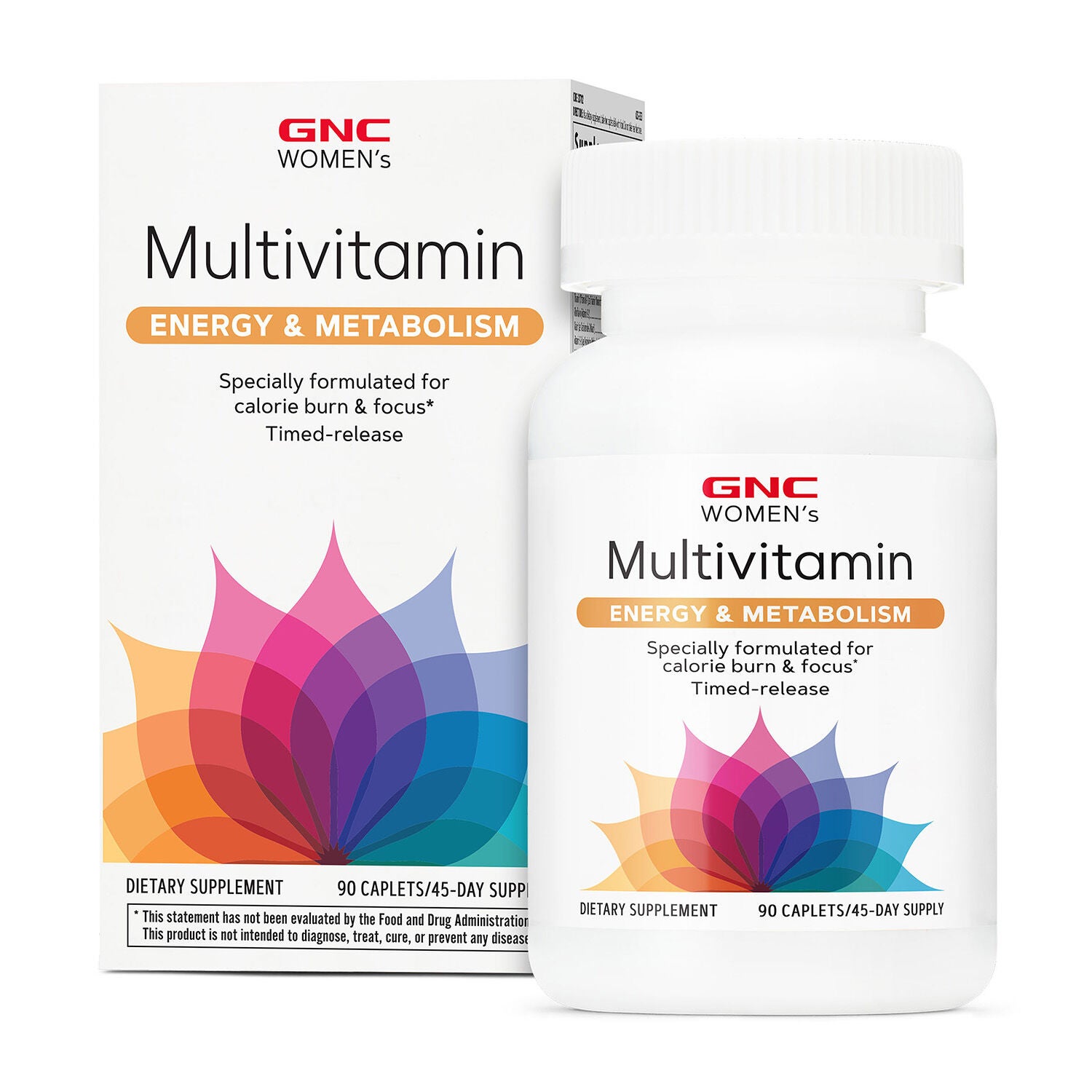
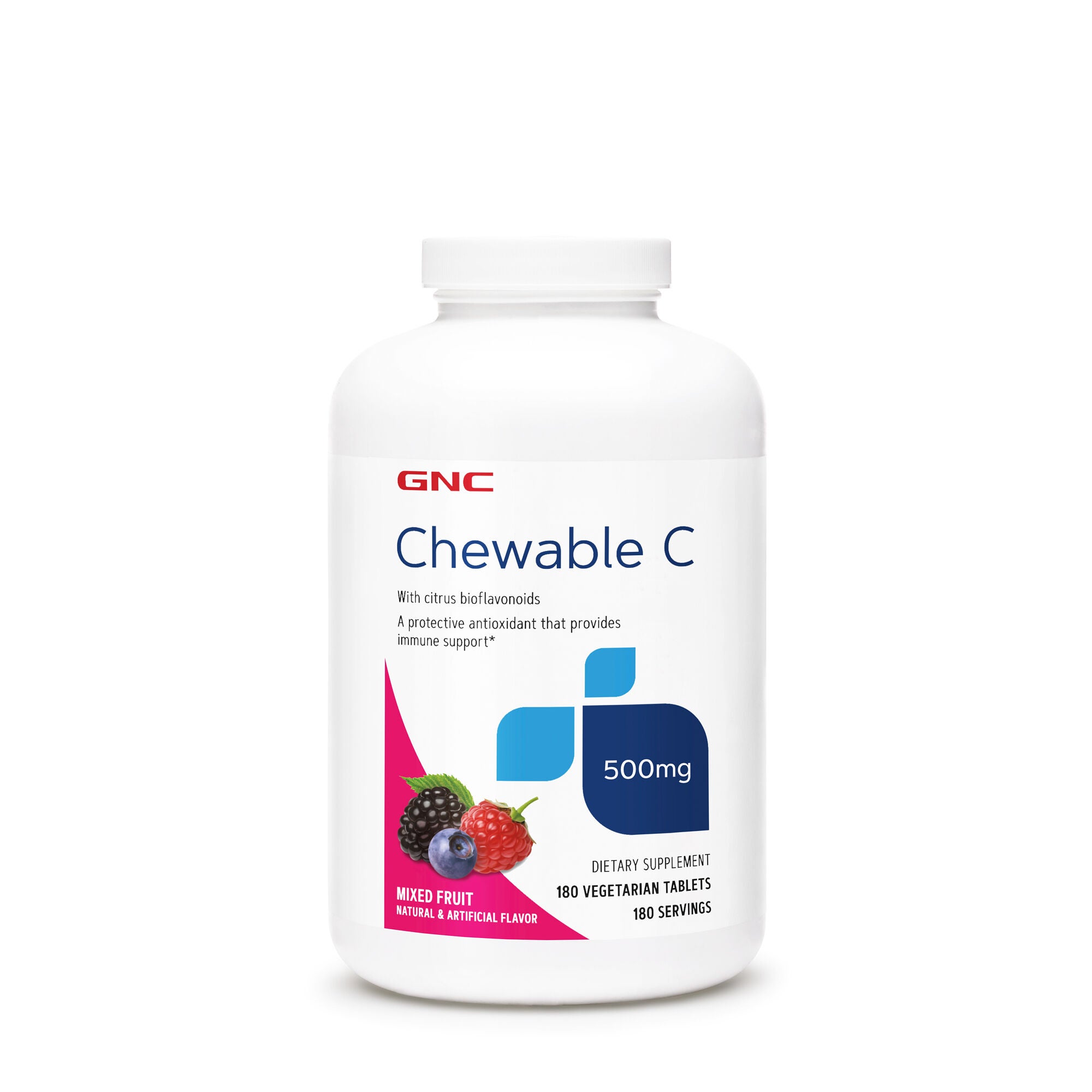
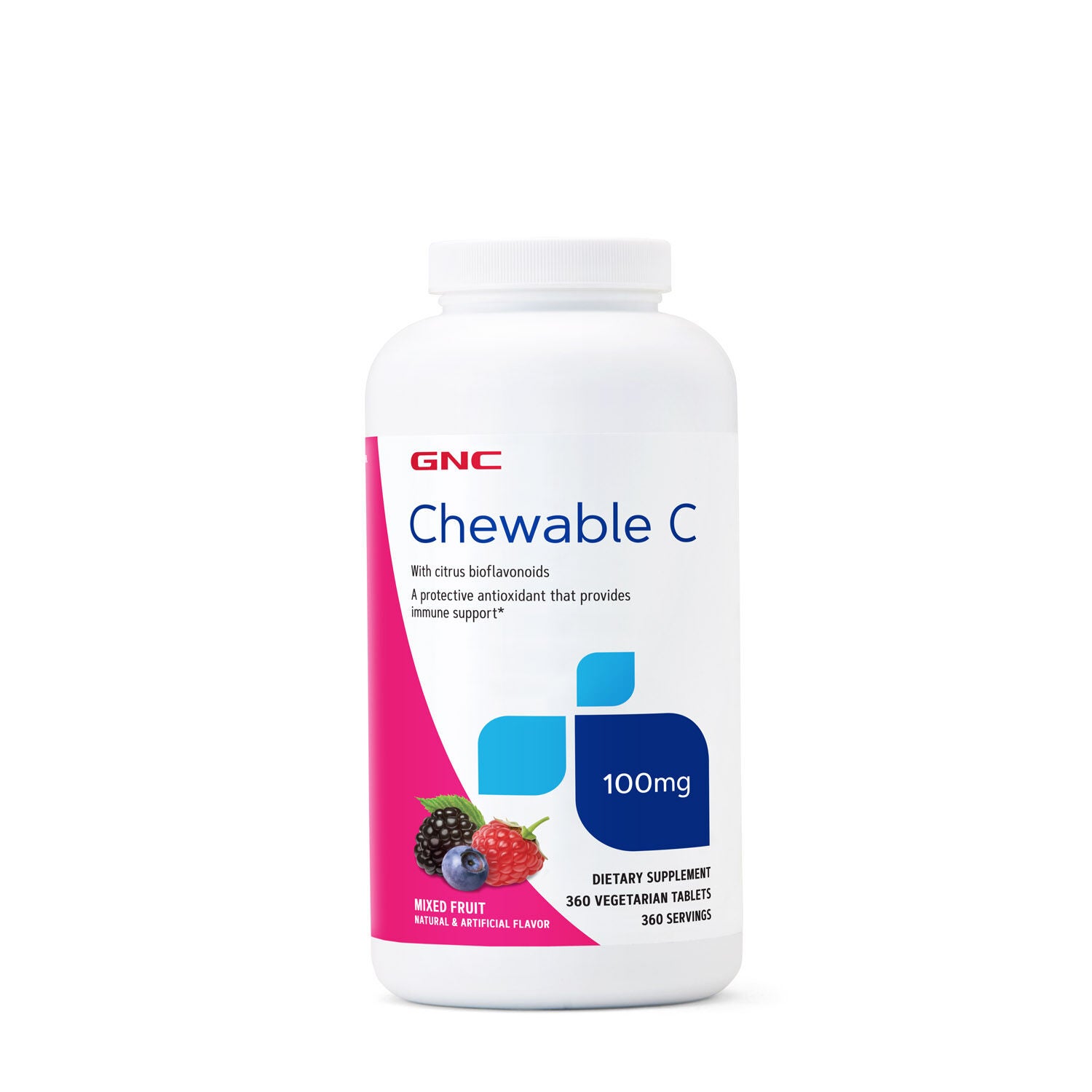







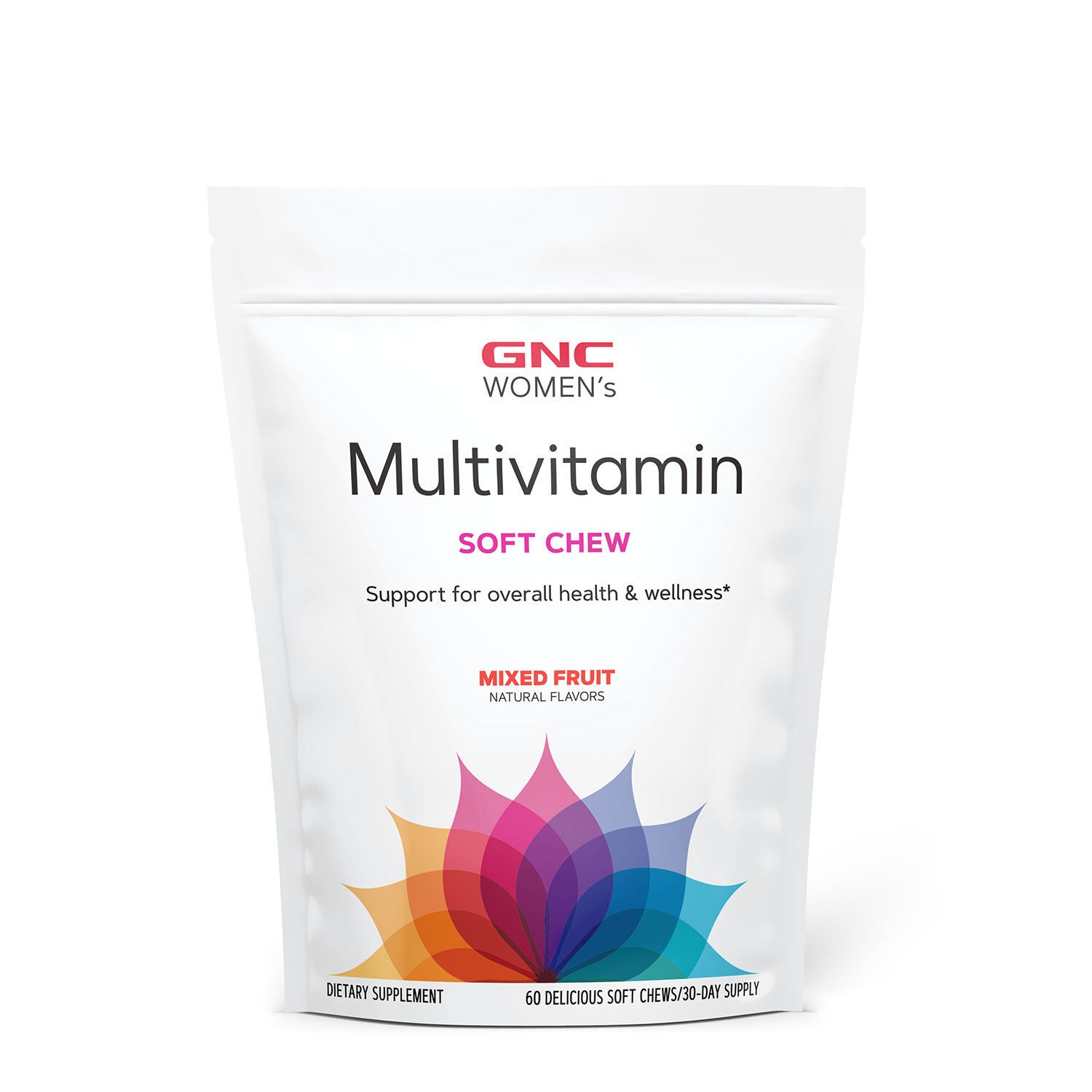

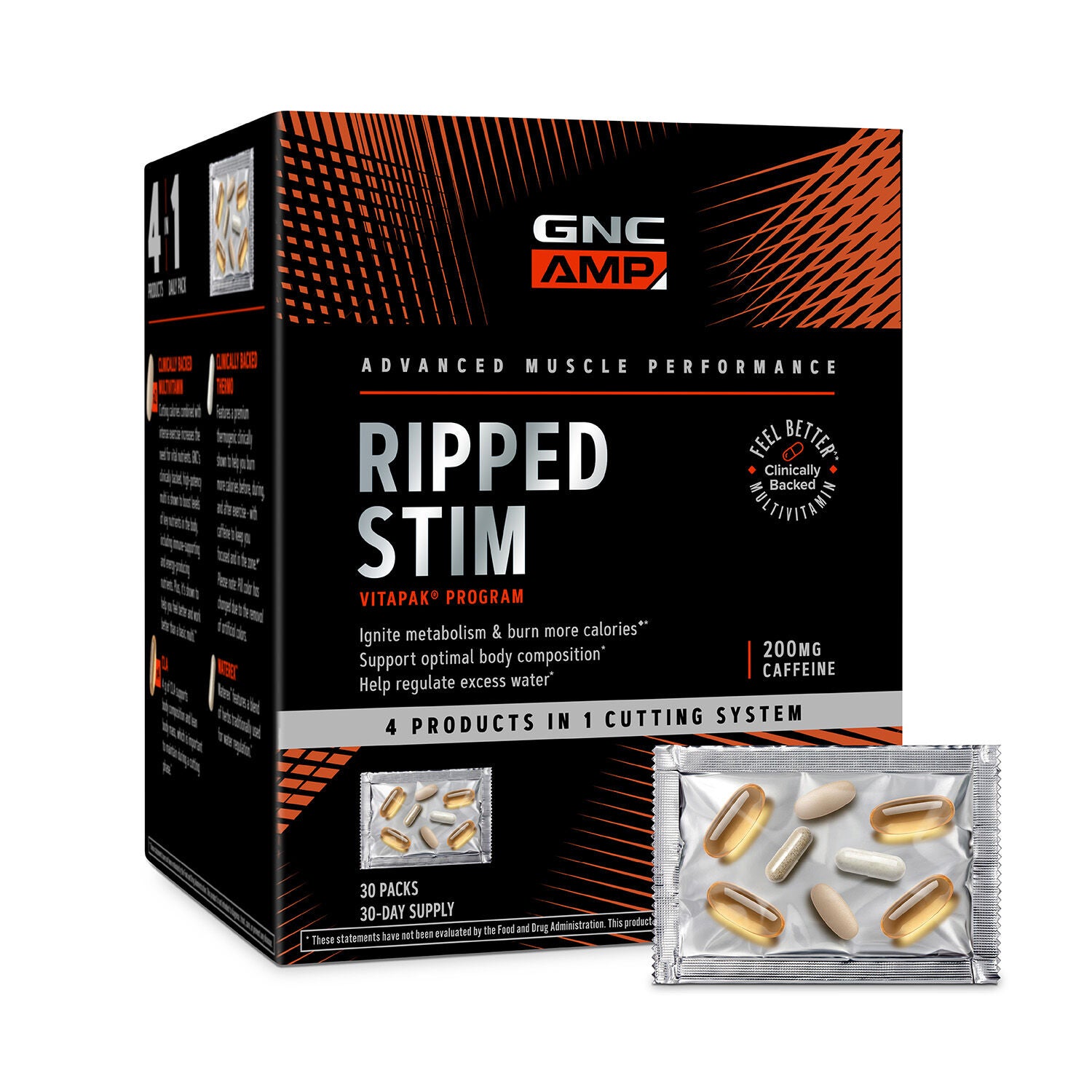

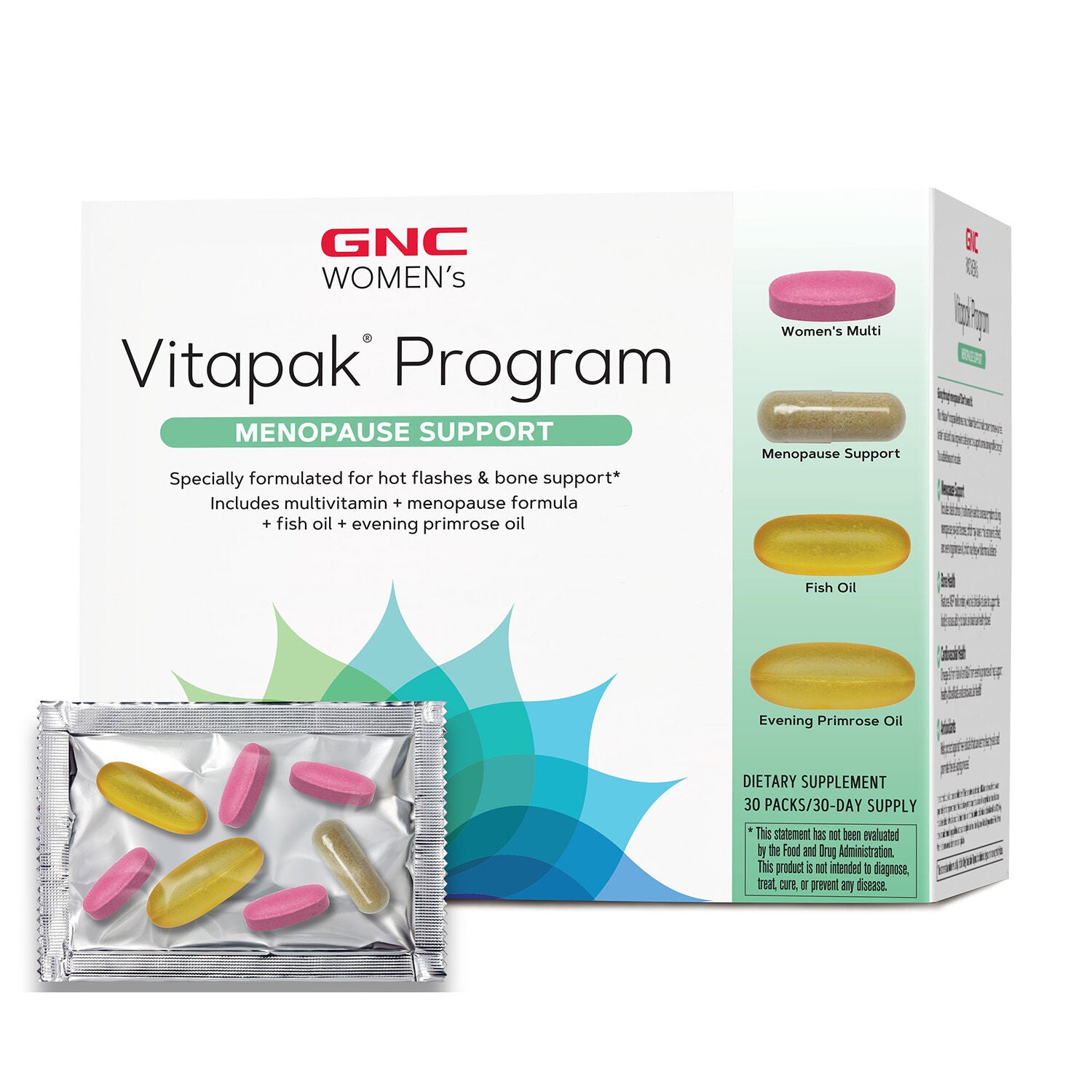

Formulated vitamins are designed with a particular audience, routine, or wellness focus in mind, offering an alternative to choosing a broad, one-size-fits-all supplement. Some formulas are organized around age or life stage, while others are created for men, women, active adults, older adults, or people who prefer a streamlined daily routine. You may also find formulas centered on areas such as everyday wellness, beauty, digestive support, prenatal nutrition, or activity-related routines. These categories can make browsing easier by bringing related nutrients together in one option, especially when your shopping list already includes several individual vitamins and minerals. A carefully selected formula may fit neatly beside breakfast, a packed lunch, or an evening wind-down ritual, depending on the directions on its label. Format matters, too. Capsules may suit someone who appreciates a familiar, compact option, while gummies, powders, liquids, and single-serve packets may work better for shoppers who prefer a different texture or a more portable routine. If capsules are your preferred format, explore Vitamin Capsules for additional options. Formulated vitamins may also make thoughtful gifts for a college student setting up a new routine, a busy parent organizing a crowded schedule, or a loved one who enjoys practical additions to a daily wellness basket. During warmer weather and into the cooler months, portable formats can be convenient for travel, workdays, school schedules, and weekends away, while clearly labeled daily formulas may help keep a cabinet or countertop more organized.
When comparing formulated vitamins, begin with the label rather than the front-of-package headline. Look for the serving size, ingredient list, nutrient amounts, directions, storage guidance, and any stated dietary preferences, such as vegetarian, vegan, or gluten-free positioning. A formula with a long ingredient list is not automatically the right choice, and a shorter list may be a better fit for someone who prefers a simpler routine. Certain formulas feature different forms of the same nutrient, such as magnesium glycinate or magnesium oxide; these forms can differ in how they are used in a product and how they fit individual preferences, so the ingredient panel deserves a close read. Shoppers may also compare tablets, capsules, powders, gummies, and liquids according to taste, texture, portability, and ease of use. Packaging details can matter when a product will travel in a gym bag or desk drawer, especially during days filled with errands and changing temperatures. Third-party testing or quality verification may offer additional product information, although shoppers may still wish to review the full label and serving guidance. Dietary supplements are not pre-approved by the FDA for efficacy or safety before they reach the market, making transparent labeling and reputable quality practices useful considerations. It can also help to keep a simple record of the vitamins and supplements already in your routine. Overlapping ingredients may lead to an intake that is higher than intended when several specialized formulas are combined, particularly when a multivitamin, fortified beverage, and formulated vitamin share similar nutrients. A qualified healthcare professional or pharmacist may help you review ingredients in light of your personal circumstances, dietary pattern, and any medications you use.
Personalized vitamin programs and standard formulated vitamins serve different shopping preferences. A personalized service may use a questionnaire, lifestyle details, or laboratory information to suggest a nutrient profile, while a standard formula typically offers a clearly defined blend created for a broad audience or a stated use. Custom options may appeal to someone who enjoys a tailored daily pack, while ready-made formulas may suit shoppers who want to compare ingredients in person and begin with a familiar serving format. Neither approach needs to replace thoughtful label reading: the best match may depend on your preferred format, dietary habits, age, activity pattern, schedule, and comfort with a longer or shorter ingredient list. Consider how the product would fit into an ordinary day, not an imagined perfect routine. A morning commuter may favor a small bottle that fits beside a travel mug; a person who spends weekends outdoors may prefer packets that slip into a tote; someone building a calmer evening ritual may select a formula that pairs naturally with dinner, following its label directions. Gifts can be chosen in much the same way, with attention to the recipient’s format preferences and existing routine rather than assumptions about what they need. During the transition from bright, warm days to cooler mornings and busier fall schedules, a well-chosen formulation may offer a convenient way to keep supplement shopping focused and organized. Review serving guidance, check for overlapping ingredients, and consider storage and portability before adding a new option to your cabinet. Formulated vitamins may support a more intentional wellness routine, while the right choice remains personal and best guided by the details printed on the label.
Best Sellers
-
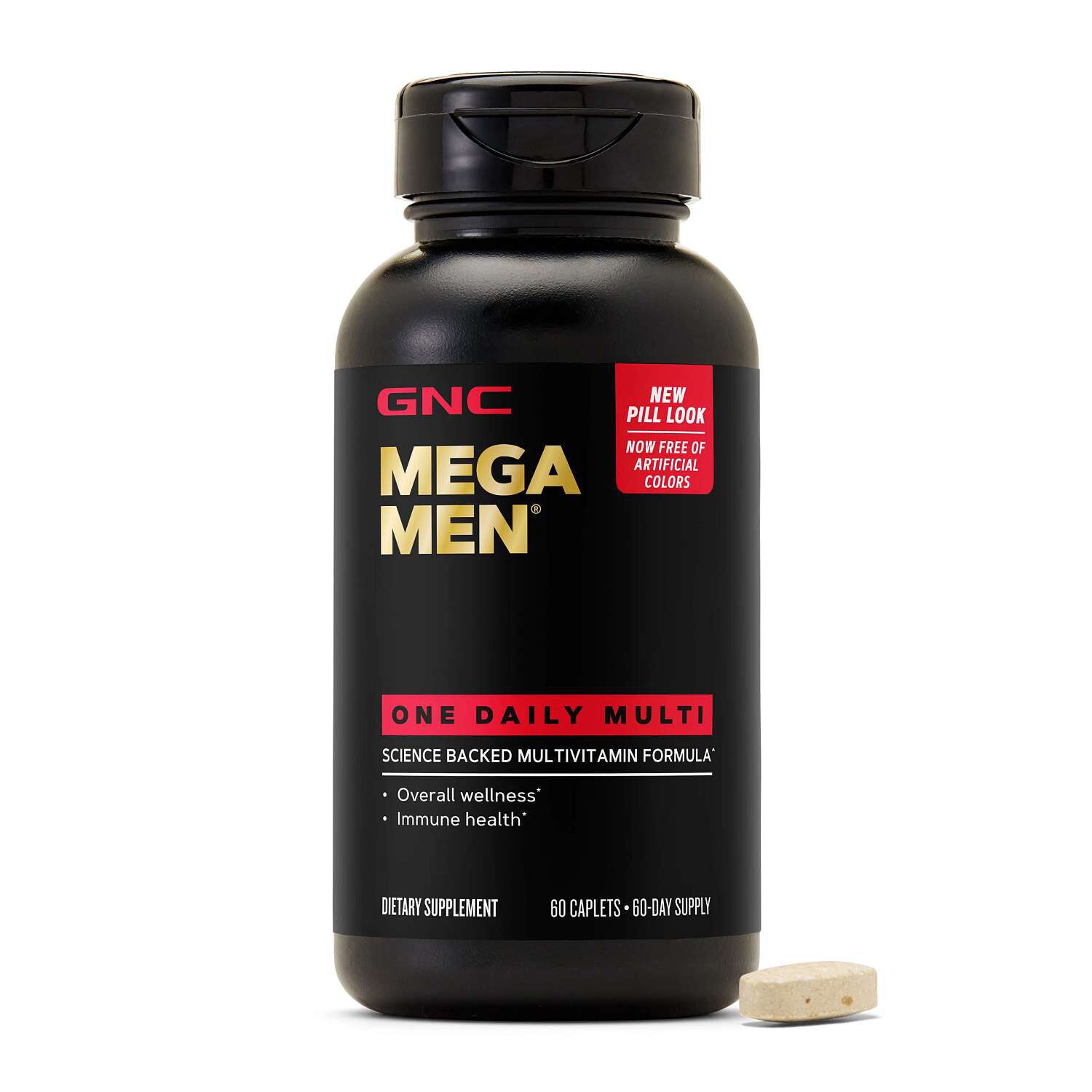
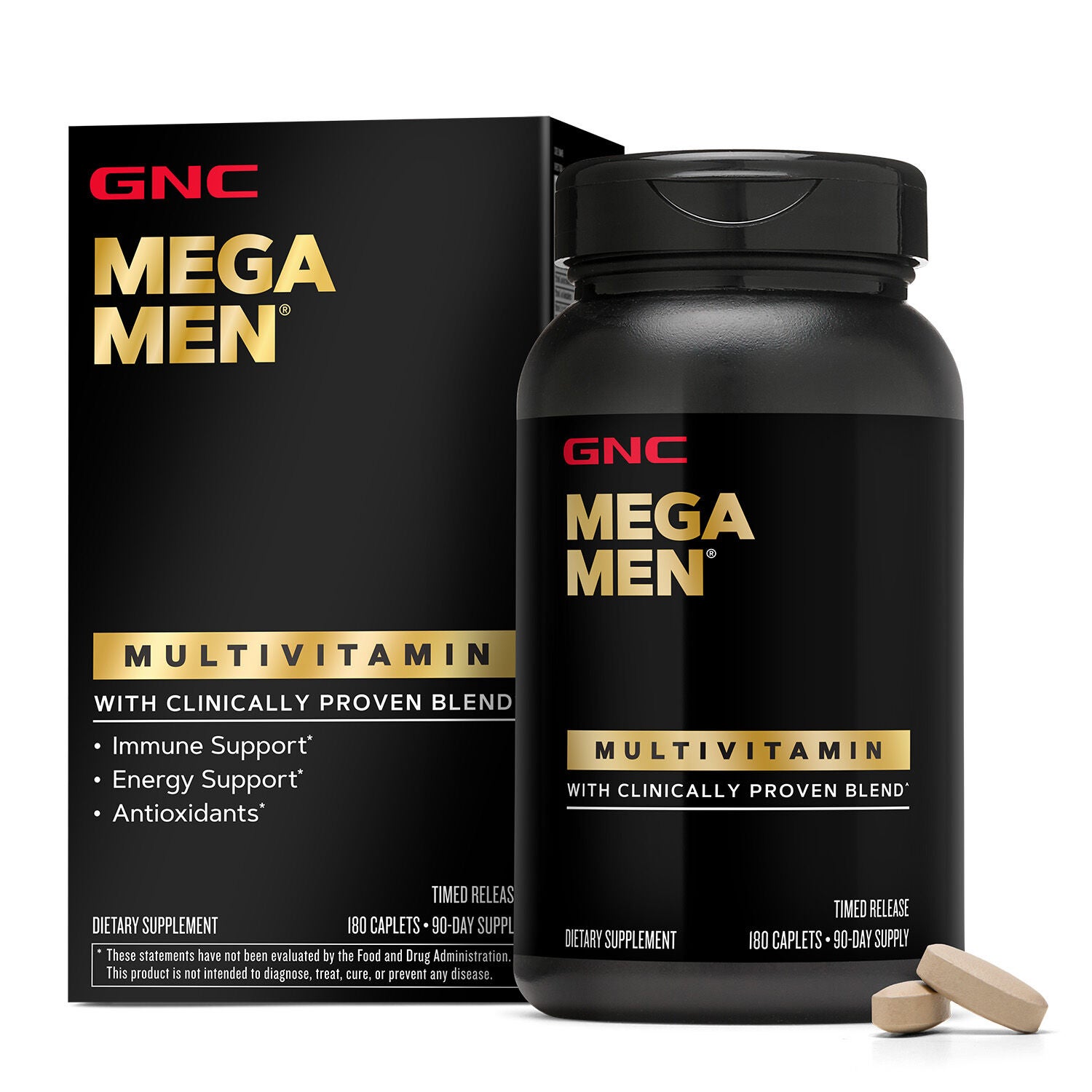 GNC Mega Men
 -
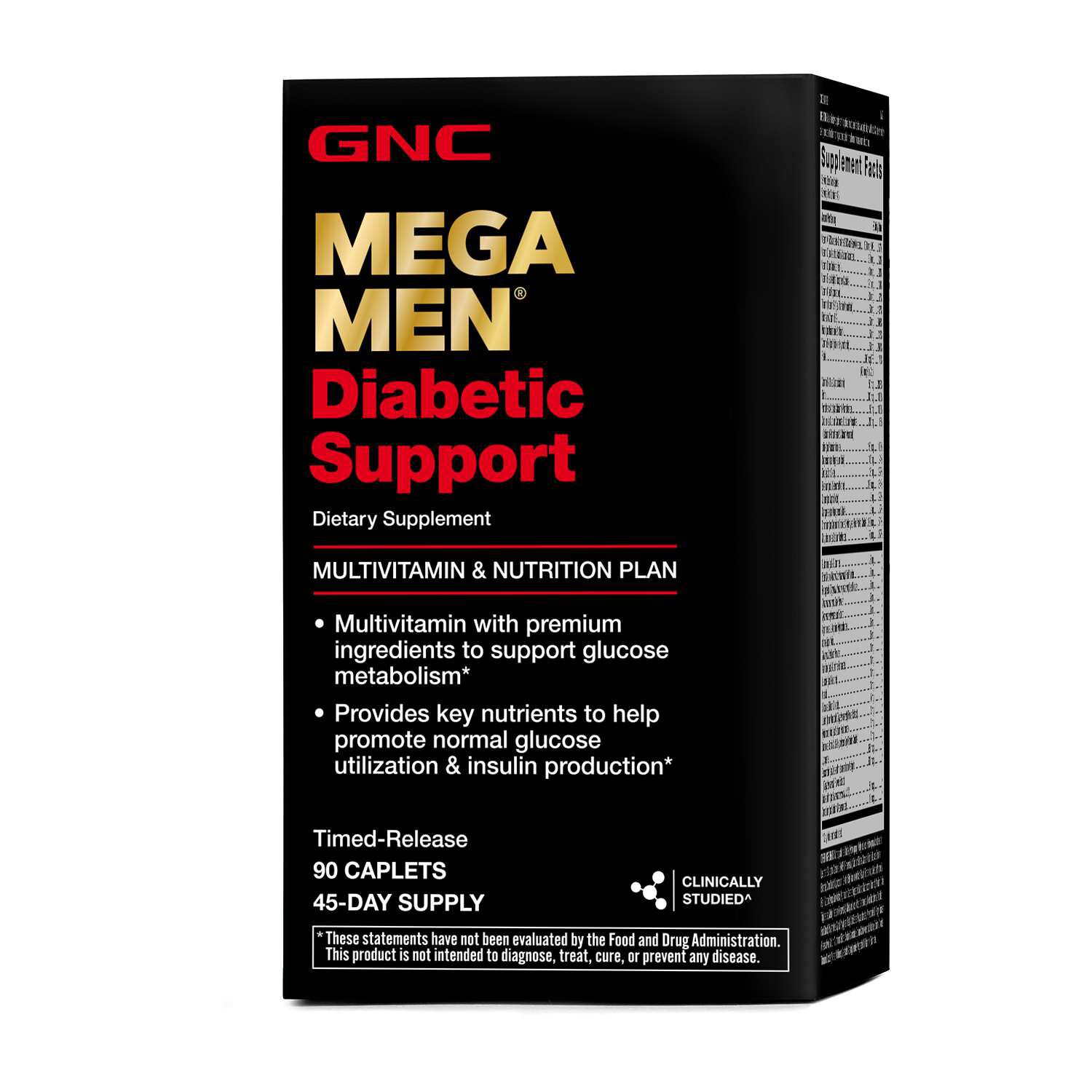
 GNC Mega Men
 -
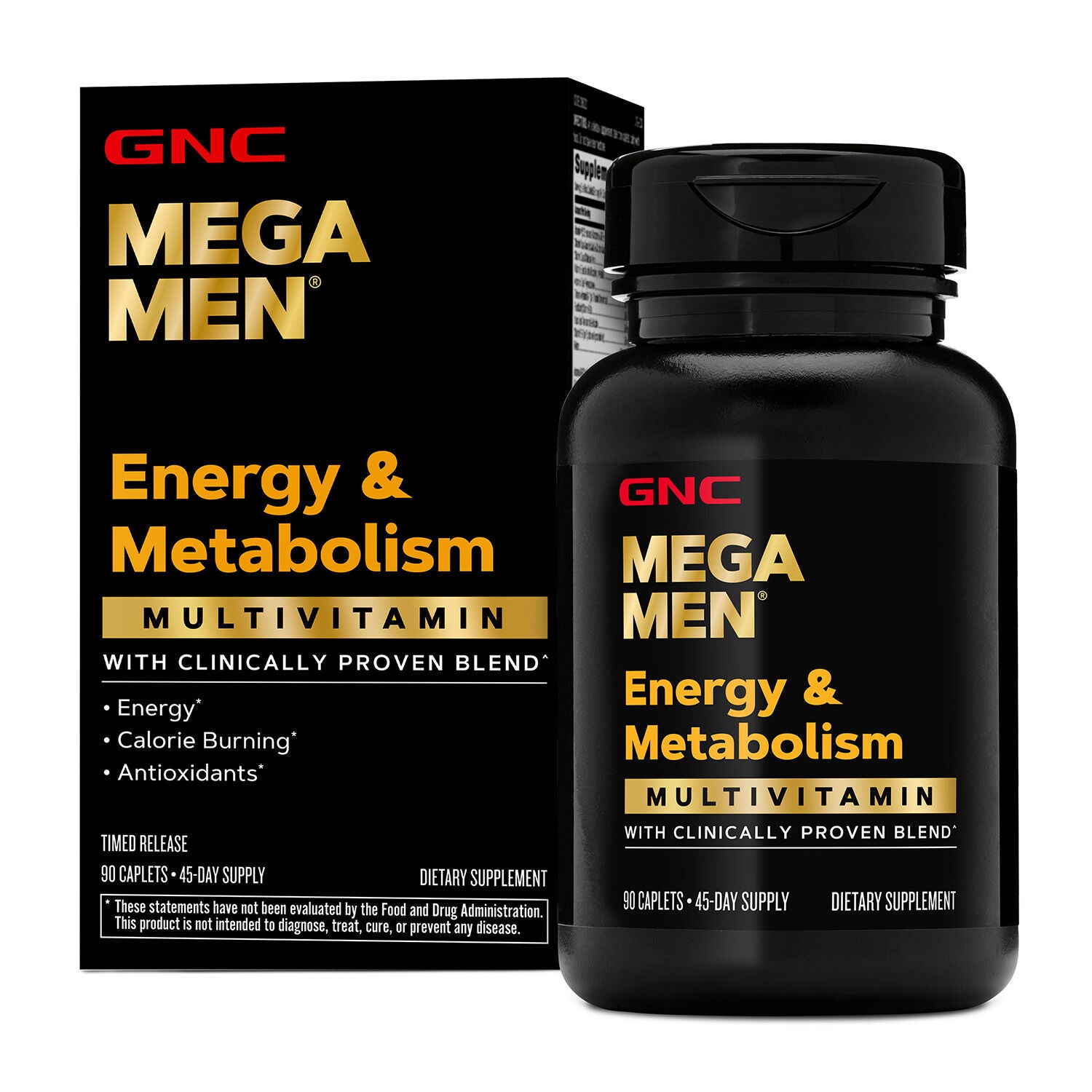
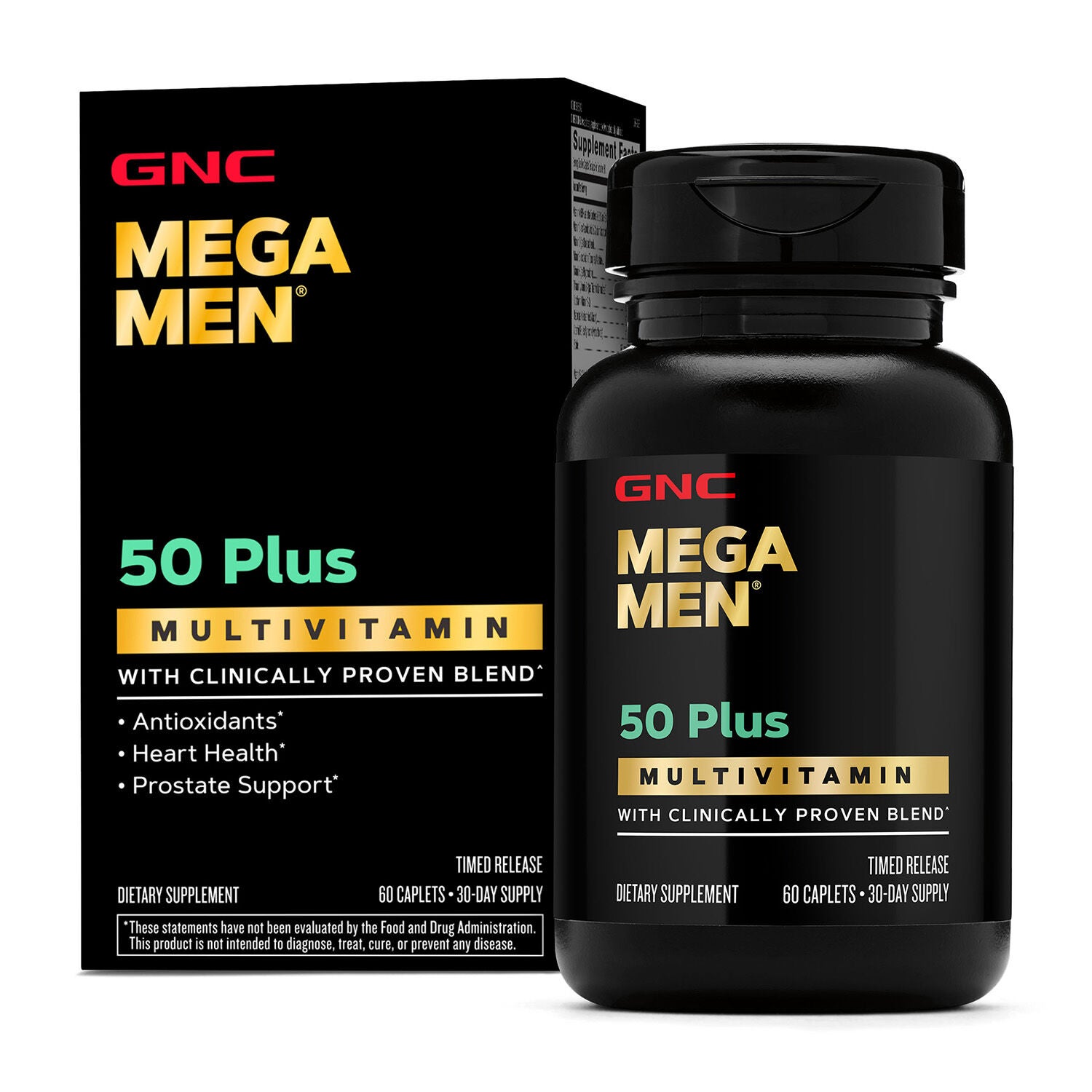 GNC Mega Men
 -
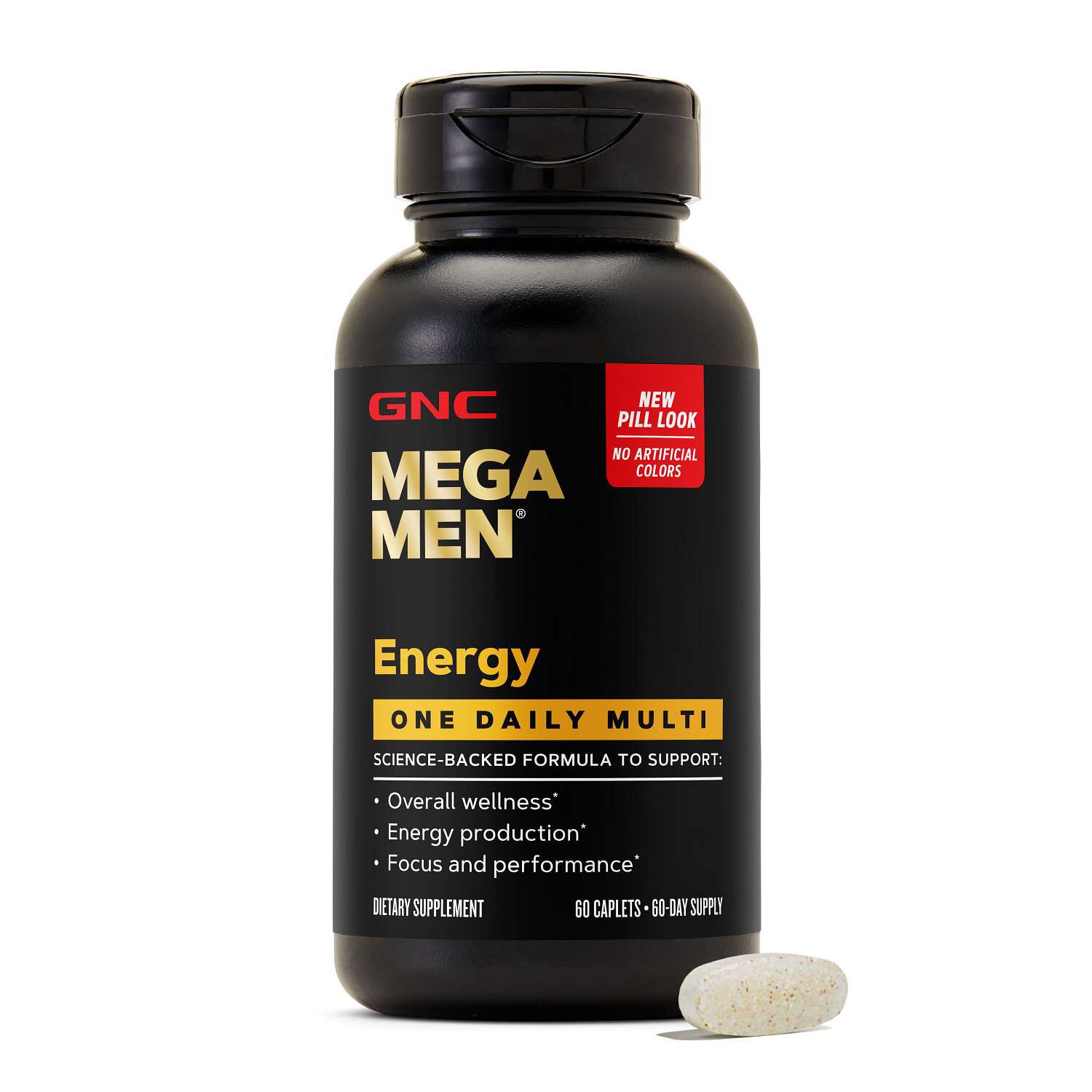 GNC Mega Men