Fruity Flavor Supplements
(0 Results)
Explore the vibrant world of fruity flavor supplements and discover a delightful way to support your wellness journey. Packed with the essence of your favorite fruits, these supplements offer a delicious twist on traditional health products. From tangy citrus to sweet berries, the variety of flavors ensures there's something for every palate. Enjoy the potential benefits of vitamins, minerals, and other nutrients while indulging in the refreshing taste of nature's candy. Dive into our selection of fruity flavor supplements and find your perfect match today.
-

-
-

-
-
-
-
-

-
-

-
-

-
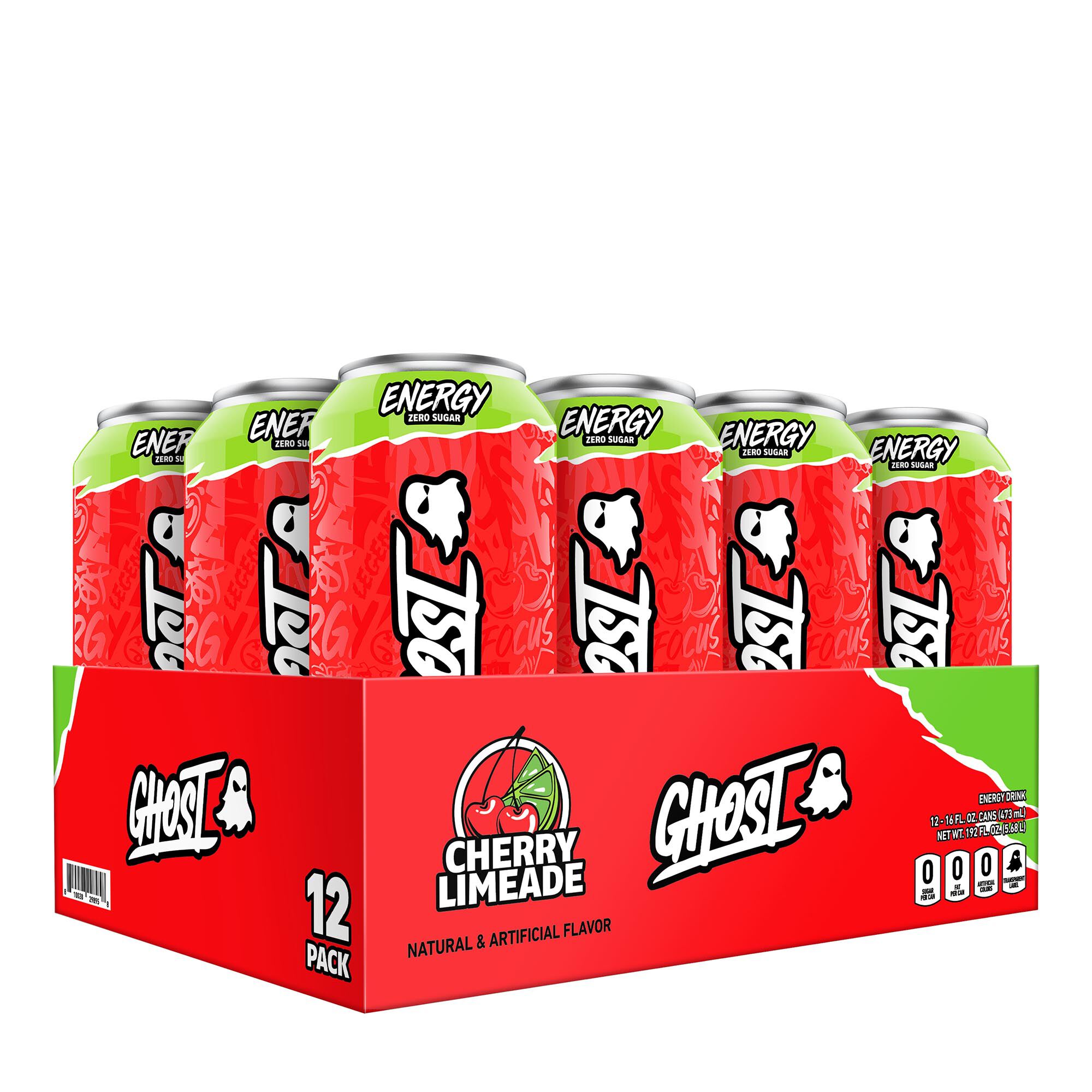
-
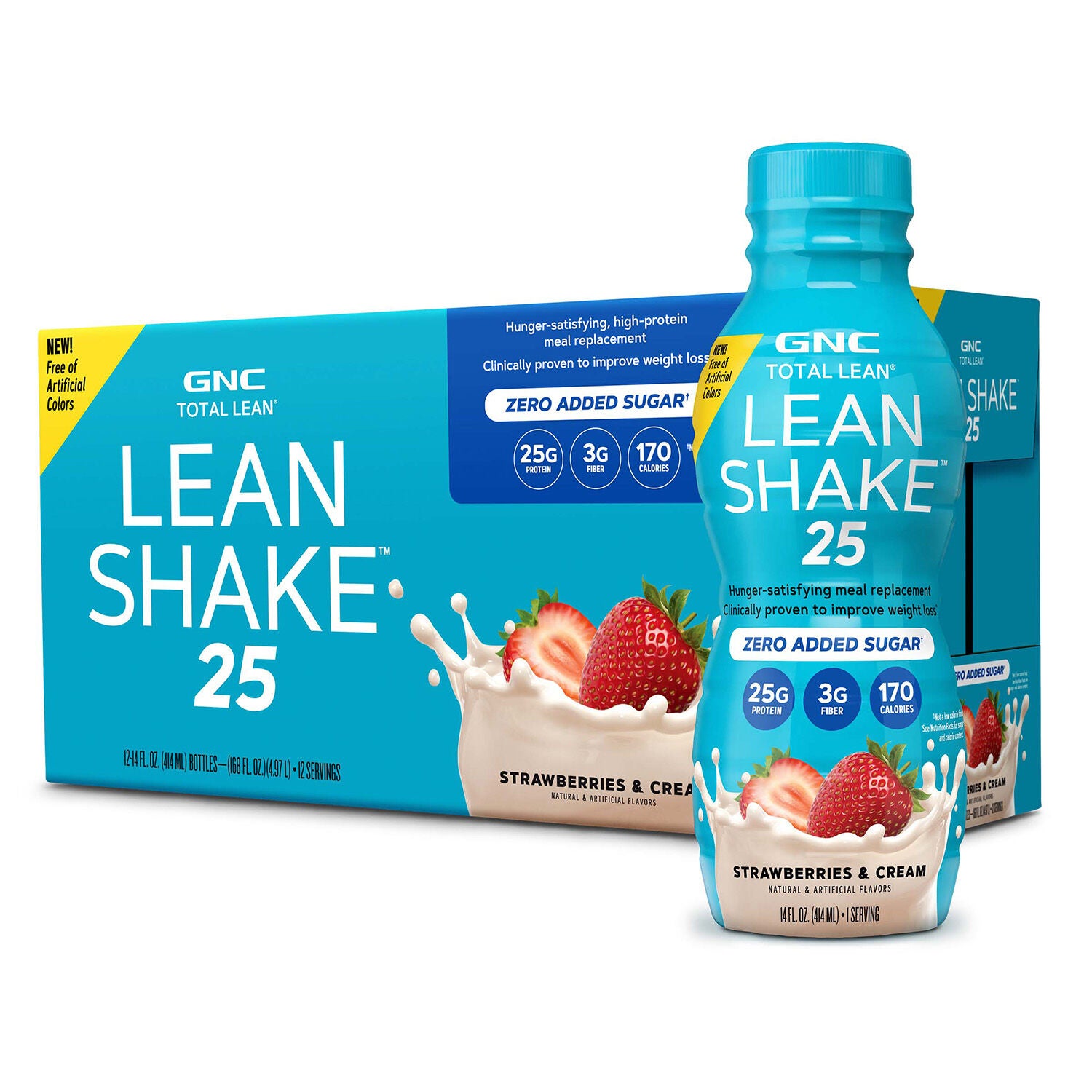
-
 Optimum Nutrition459$24.99
 -
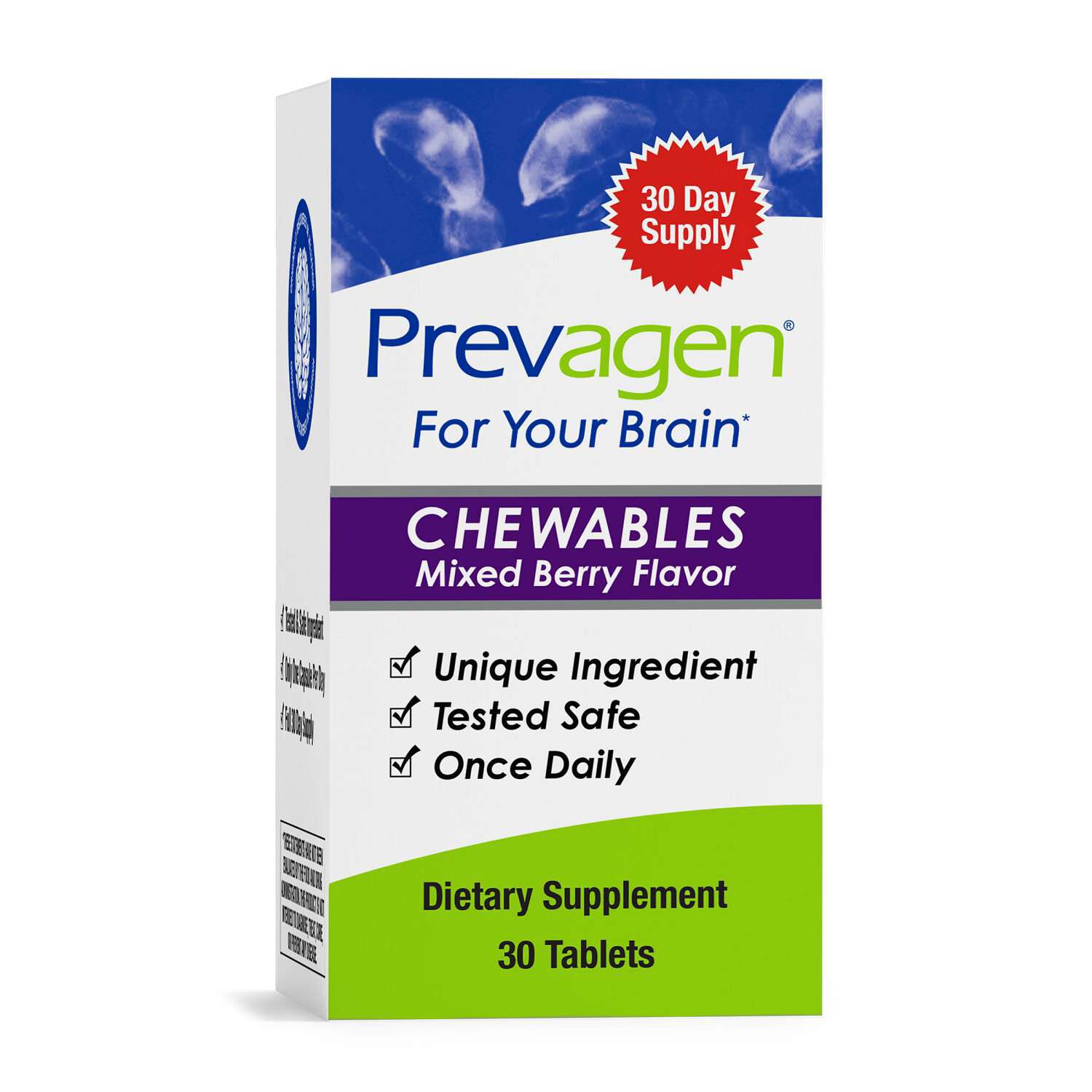
-

-
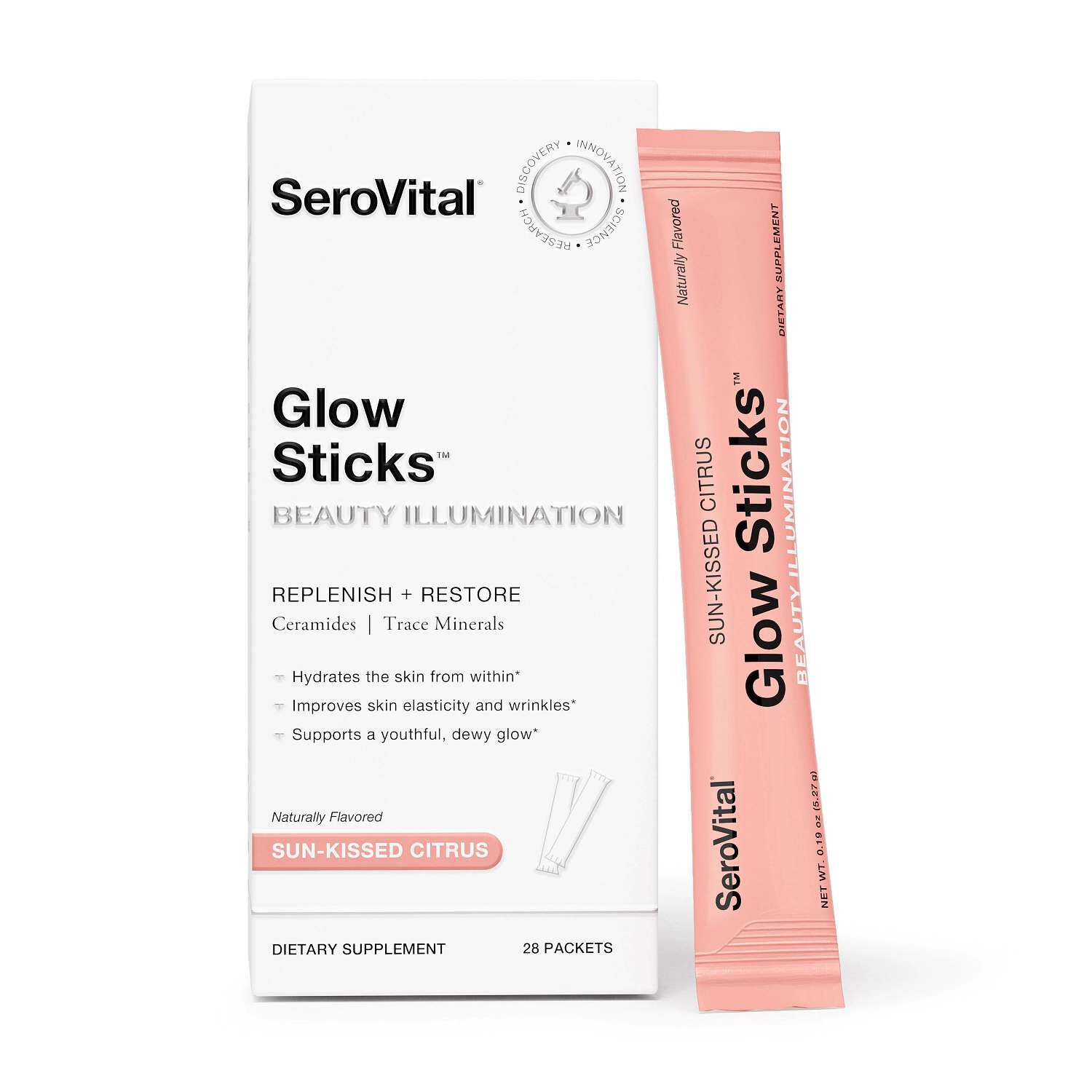
-
-

-

-

-
-
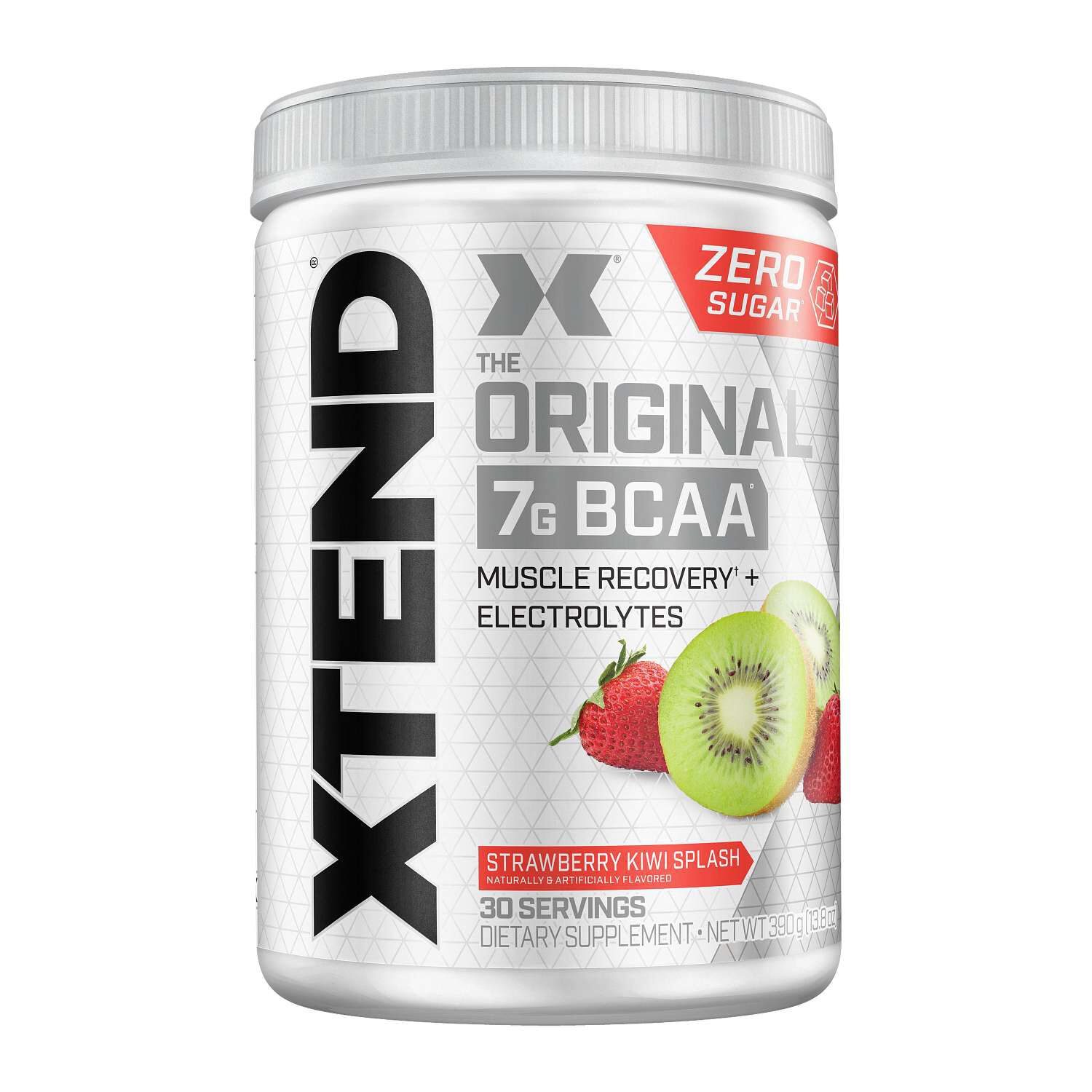
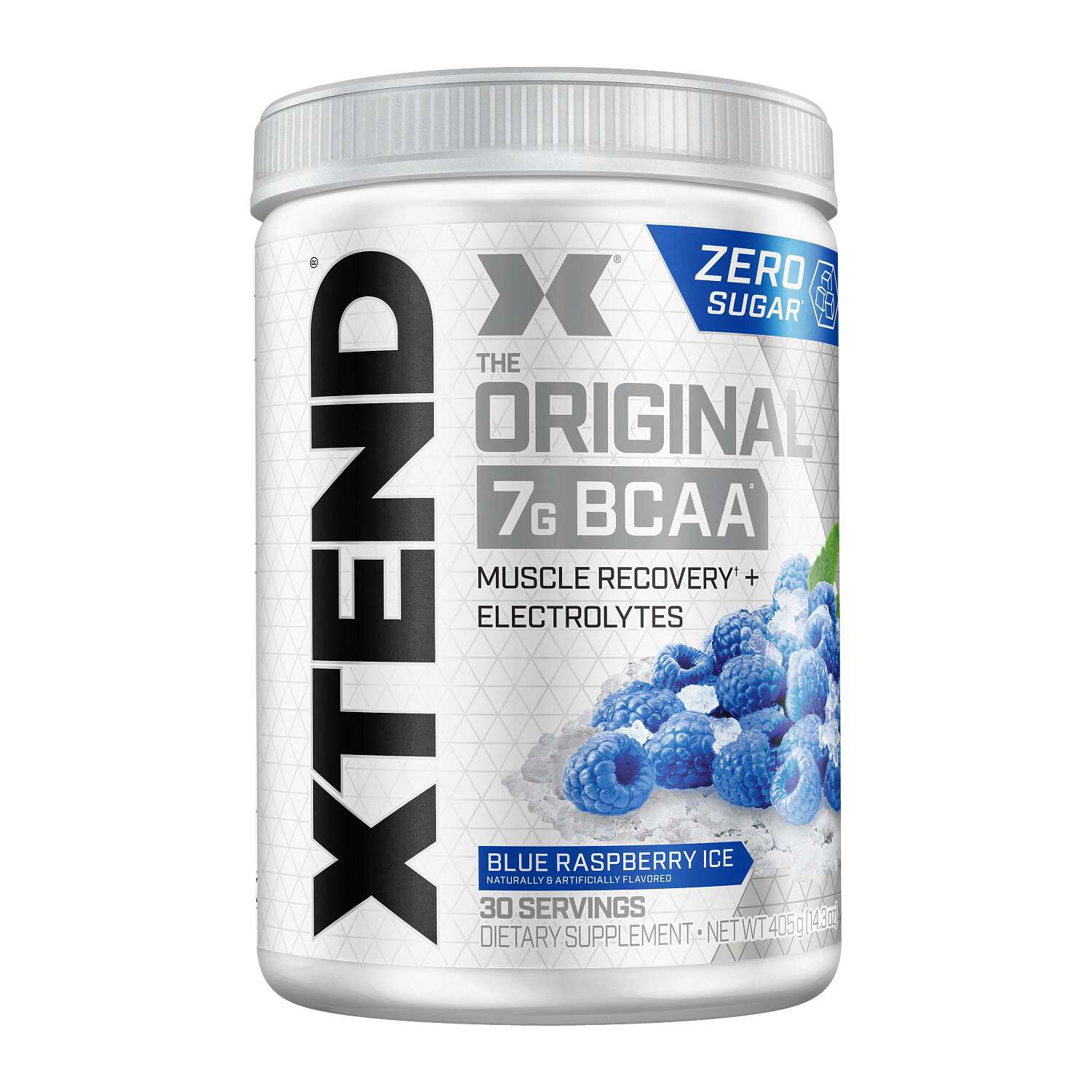
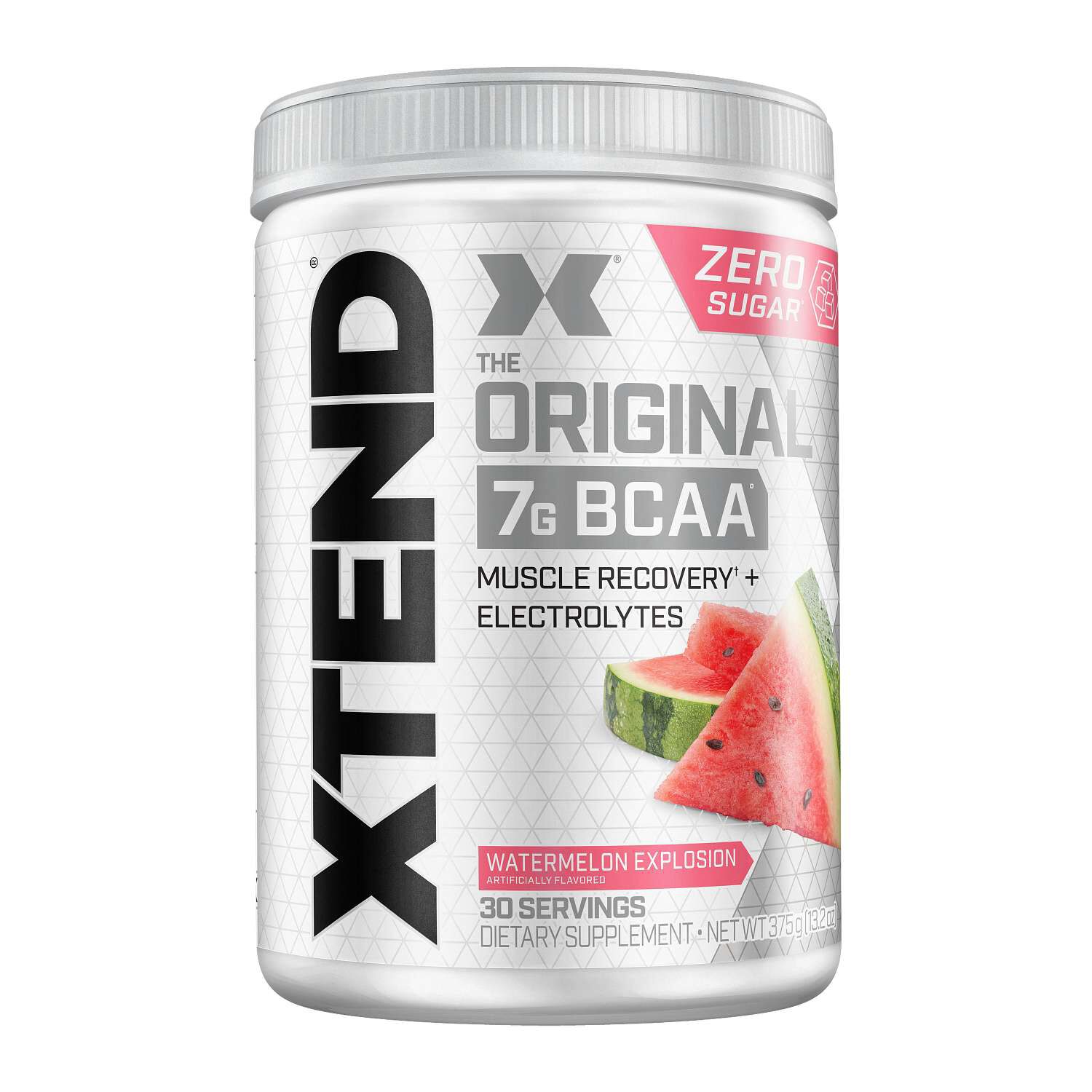
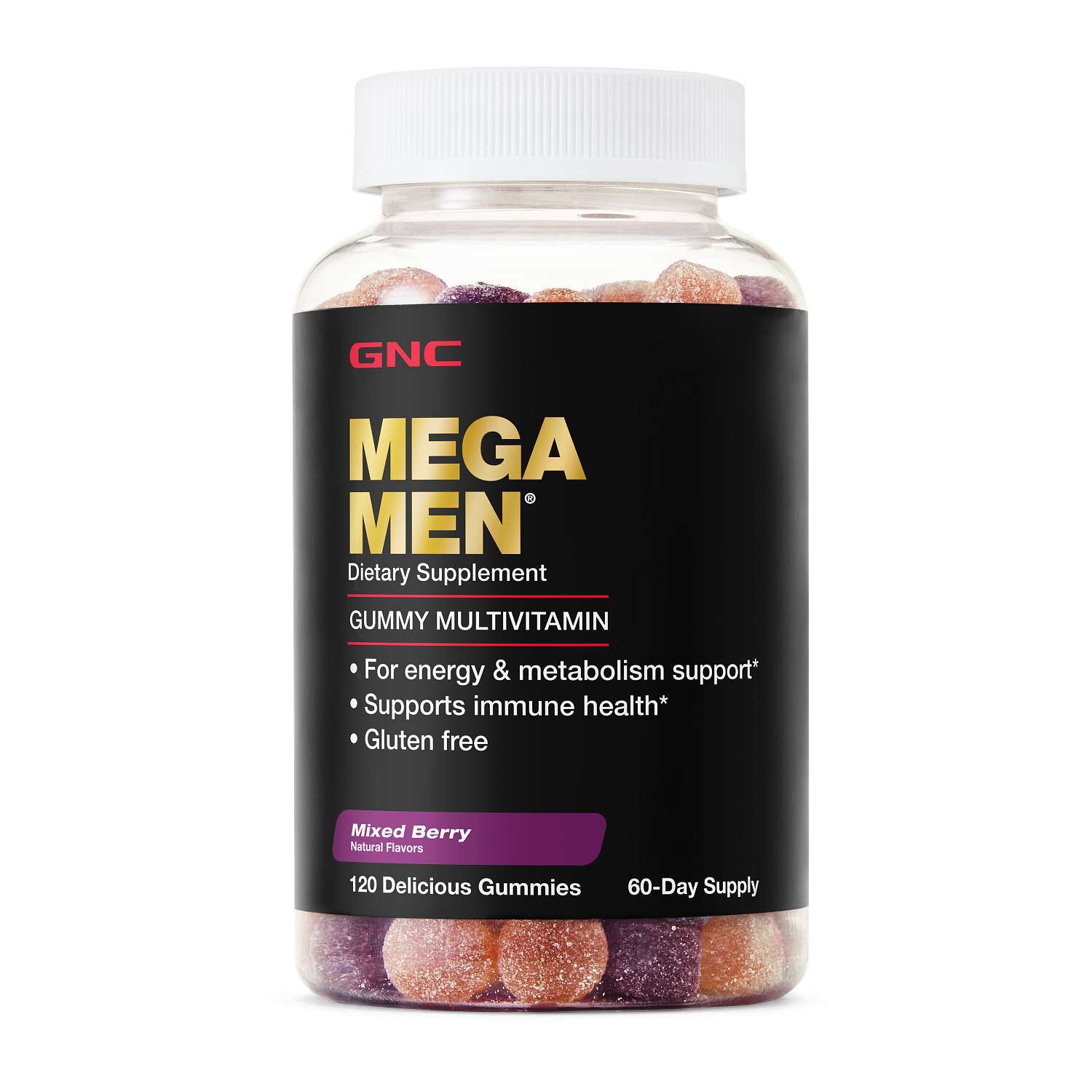
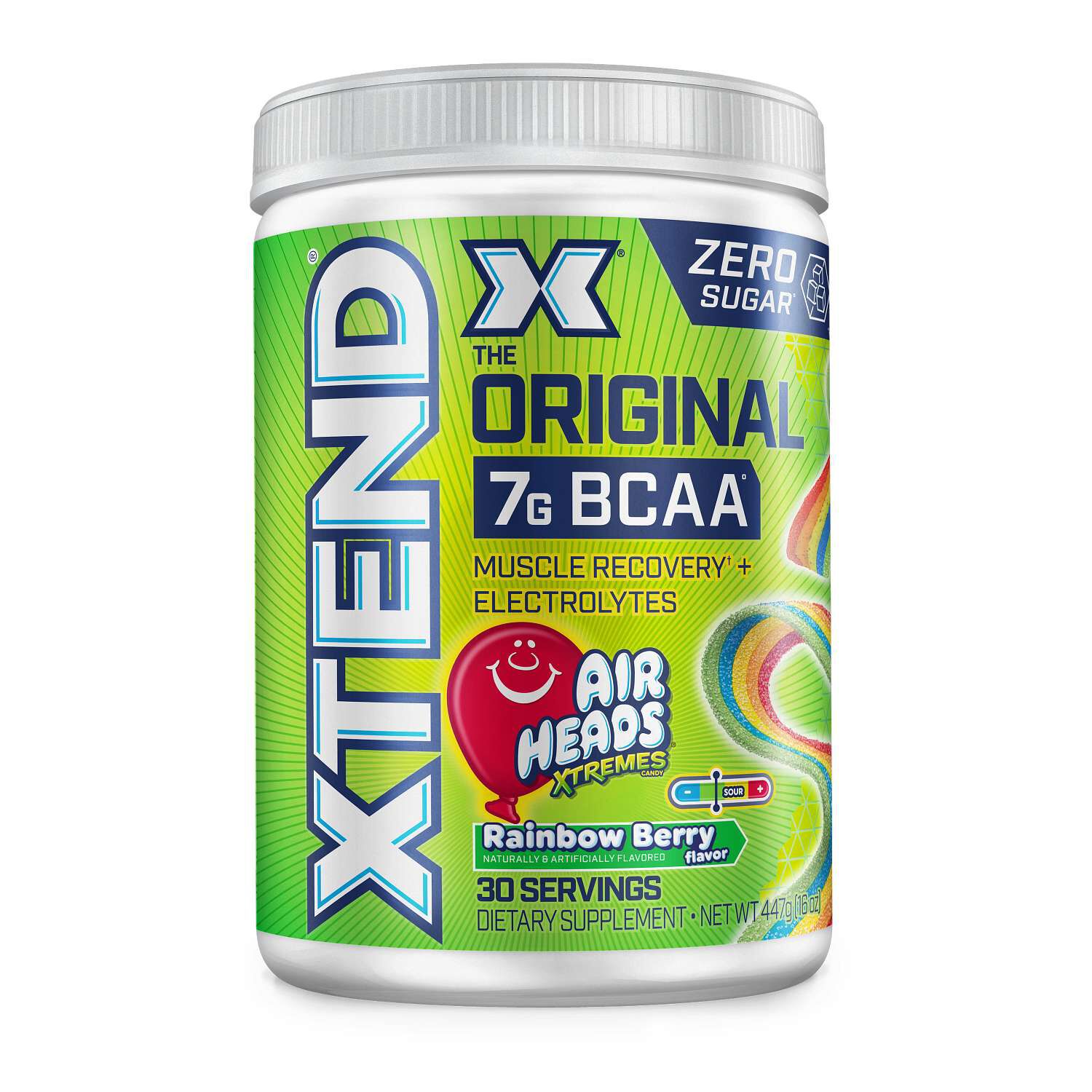
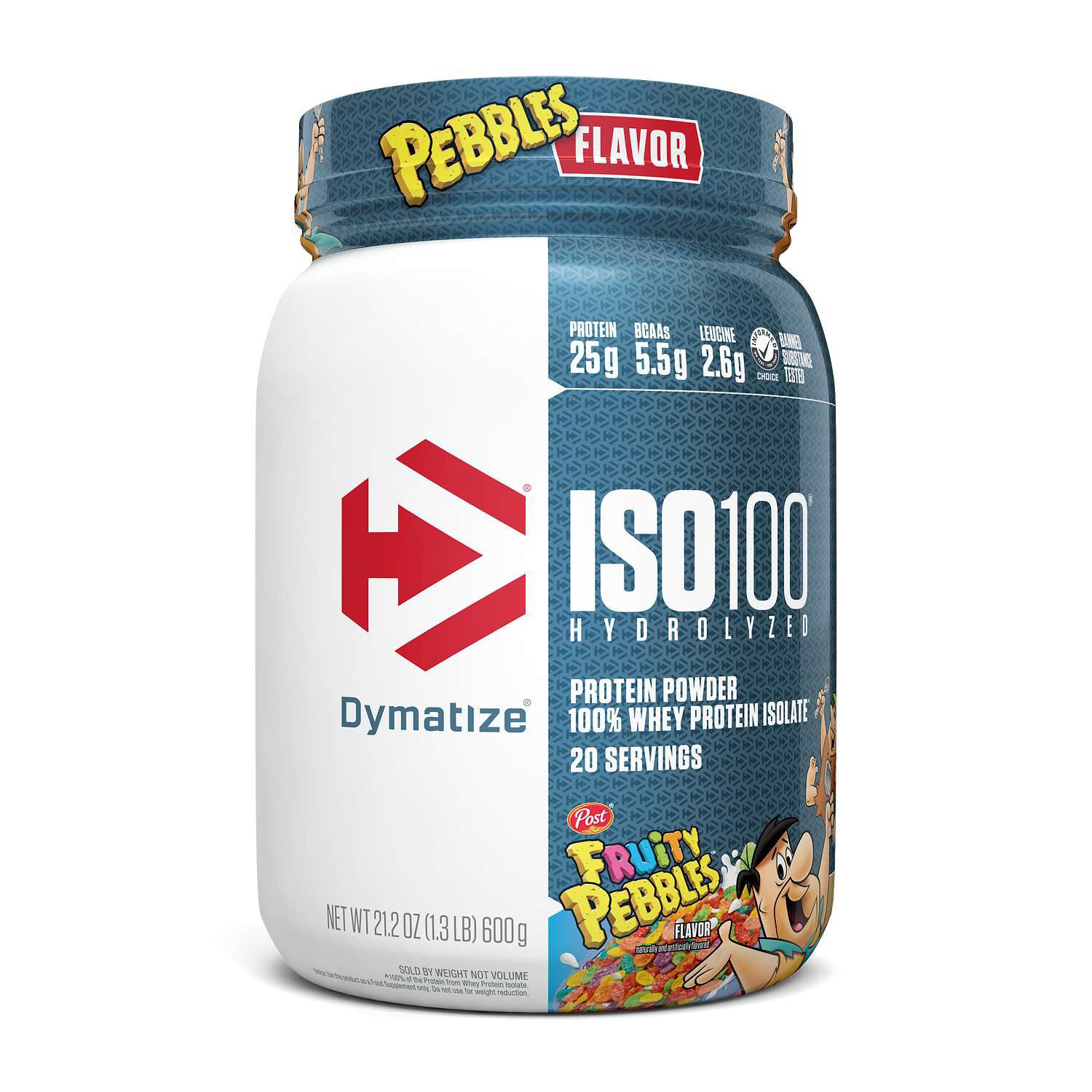
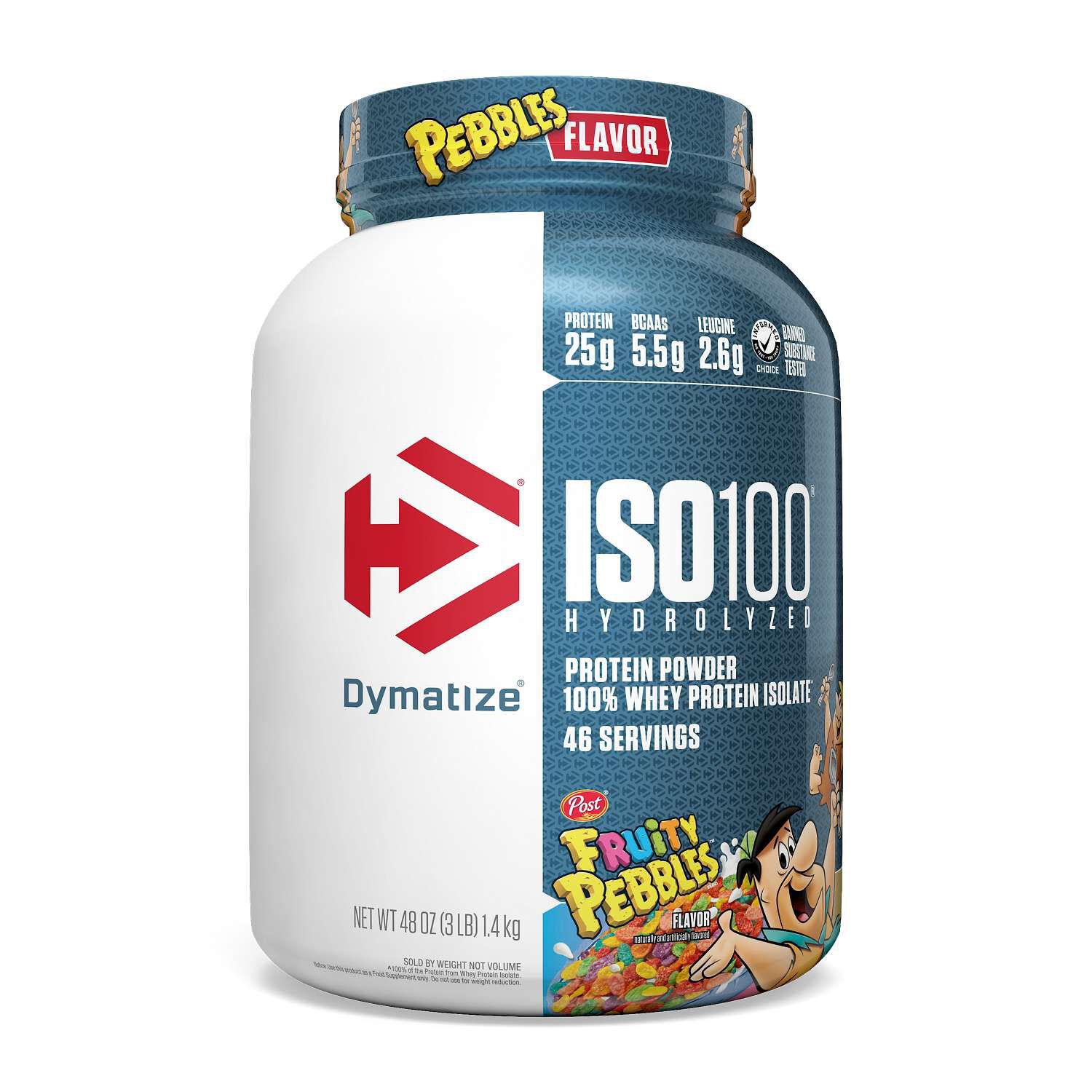
Fruity flavor supplements bring citrus, berry, tropical, and orchard-inspired tastes to categories such as protein powders, pre-workout blends, electrolyte drink mixes, greens powders, and chewable vitamins. The flavor describes the taste profile, not the nutritional purpose, so two supplements with a similar fruit punch name can have very different ingredients and intended uses. Lemonade-inspired powders often lean tart, while mango, peach, and pineapple profiles tend toward softer sweetness. Strawberry and mixed berry flavors can range from bright and juice-like to creamy, depending on the formula. Candy-inspired fruit blends take another direction, pairing pronounced sweetness with sour notes rather than trying to taste like freshly cut fruit. That variety gives fruit-flavored supplements a place alongside familiar chocolate and vanilla options, particularly for shoppers who prefer a lighter-tasting drink or want something different from a dessert-style shake. Texture matters just as much as the flavor name. A clear protein powder is formulated for a different drinking experience than a creamy protein blend, even when both feature citrus or berries. Some clear mixes need a little time after shaking for foam to settle, while other powders produce a thicker consistency or leave some sediment. The preparation directions provide the most useful reference for the expected liquid amount and mixing method. Fruit names also do not necessarily mean a supplement contains fruit juice, fruit pieces, or a meaningful amount of whole fruit. Flavorings, sweeteners, acids, and other ingredients help shape the taste, and the ingredient list distinguishes a fruit-inspired profile from a formula containing fruit-derived ingredients. For shoppers drawn to vivid, candy-style profiles, Blue Flavor Supplements offers a related flavor theme to explore. Across these flavor families, the most useful distinction remains the supplement category: a berry-flavored vitamin, a berry protein drink, and a berry pre-workout are not interchangeable simply because their names sound similar. Flavor is one part of the selection, alongside the serving format, ingredient composition, and directions for use.
The character of a fruity supplement often becomes clearer when considered alongside its base ingredients. Whey, casein, pea, and other protein sources have different textures and background tastes, which influence how a fruit profile comes across. Strawberry in a creamy shake can resemble a blended dairy drink, while citrus in a clear formula can have a sharper, more beverage-like character. Protein powders may suit adults looking for another way to add dietary protein within their existing eating patterns, but the amount per serving and the source deserve attention beyond the flavor description. Plant-based preferences, milk ingredients, soy ingredients, and other dietary considerations are matters for the label rather than assumptions based on a fruit name. Electrolyte drink mixes represent a separate category, with mineral ingredients that can contribute a salty edge beneath watermelon, orange, or tropical flavors. Their intended use and preparation amounts vary by formula. Pre-workout powders are generally intended for use around exercise, and some contain caffeine or other ingredients that warrant a careful look at the serving directions and label cautions. A bright lemonade taste says nothing about caffeine content, just as a mild peach flavor does not indicate a smaller serving. Greens blends can have grassy or earthy notes underneath pineapple, berry, or citrus flavoring, and their ingredient combinations vary considerably. They are supplements rather than substitutes for a varied eating pattern that includes fruits and vegetables. Gummies and chewables offer another format, with a soft or firm bite instead of a drink to mix. They should be treated according to their labeled serving directions, not as candy. In every category, the Supplement Facts or Nutrition Facts panel, as applicable, provides a clearer picture than color, aroma, or sweetness alone. Comparing serving sizes, nutrient amounts, sweeteners, and ingredient lists puts the flavor description in context without expecting taste to reveal what a formula contains. Shoppers with a specific ingredient preference can narrow their choices by composition first, then compare the fruit profiles within that category.
Everyday practicality also shapes how a fruity supplement fits into a routine. A powder mixed at home has different handling needs from a packet carried to the gym or a chewable kept in its original container. For someone packing a bag before an early workout, an individually portioned drink mix may be easier to carry than a large tub, although the packet still needs the amount of liquid specified on its label. At a desk, a citrus or berry drink may offer a welcome flavor change from a creamy shake, with the container size and mixing requirements determining how convenient preparation feels. Someone who enjoys thick smoothies may prefer a fruit-flavored protein powder intended for that style of mixing, while a shopper who dislikes dense textures may gravitate toward a clear formula. Cold water, milk, and plant-based beverages produce different results, and not every powder is intended for every liquid. Following the stated preparation method establishes a useful starting point for judging sweetness, consistency, and finish. A securely closing shaker or bottle matters when the drink travels, and prompt cleaning helps keep lingering aromas from carrying into the next serving. Storage is equally relevant to product quality. Dry powders generally need protection from moisture, with lids closed securely and scoops kept dry; the package instructions specify any additional requirements. Gummies and chewables can be sensitive to heat and humidity, so a parked car or steamy bathroom may not be a suitable storage spot. Original packaging keeps serving directions, ingredient information, and date markings together. During the cooler months, familiar berry and tropical profiles can still fit an indoor workout routine or an ordinary afternoon at home without needing a seasonal occasion. Supplements are a personal purchase, and gift selections call for familiarity with the recipient’s established preferences rather than a guess based on an appealing flavor name. Whether the preference is tart citrus, mellow peach, juicy berry, or sweet tropical punch, the strongest match brings together an enjoyable taste, an appropriate format, and a clearly understood ingredient profile.