





Ginseng Herbs
(0 Results)
Ginseng herbs have long been revered for their potential health benefits and natural healing properties. Known for their adaptogenic qualities, ginseng herbs are believed to help support energy levels, promote mental clarity, and boost overall well-being. Whether you're looking to enhance your vitality, combat stress, or simply incorporate a natural supplement into your daily routine, explore our selection of ginseng herbs to discover how they can complement your wellness journey.
-
 Purity Products$39.99
 -

-
-
-
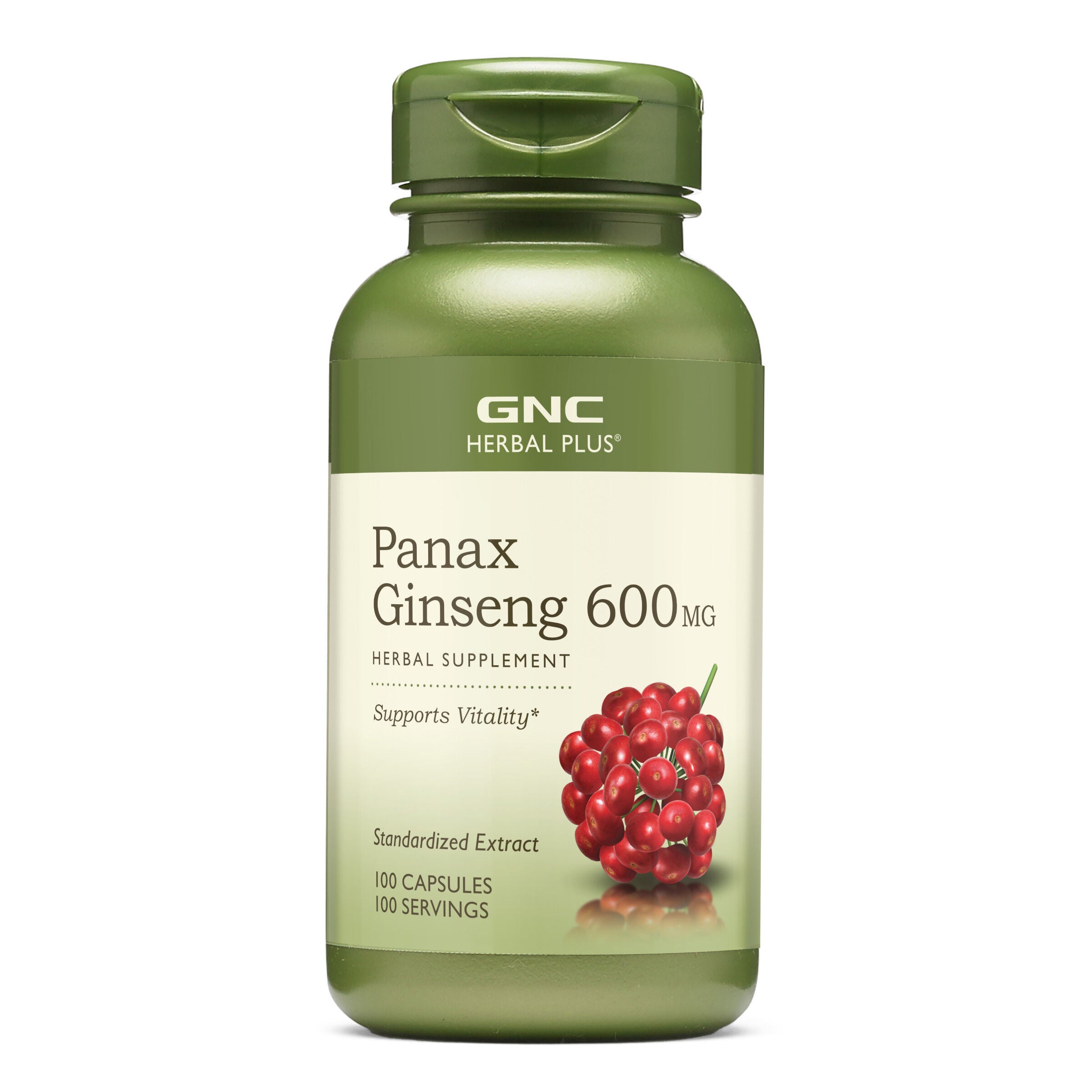
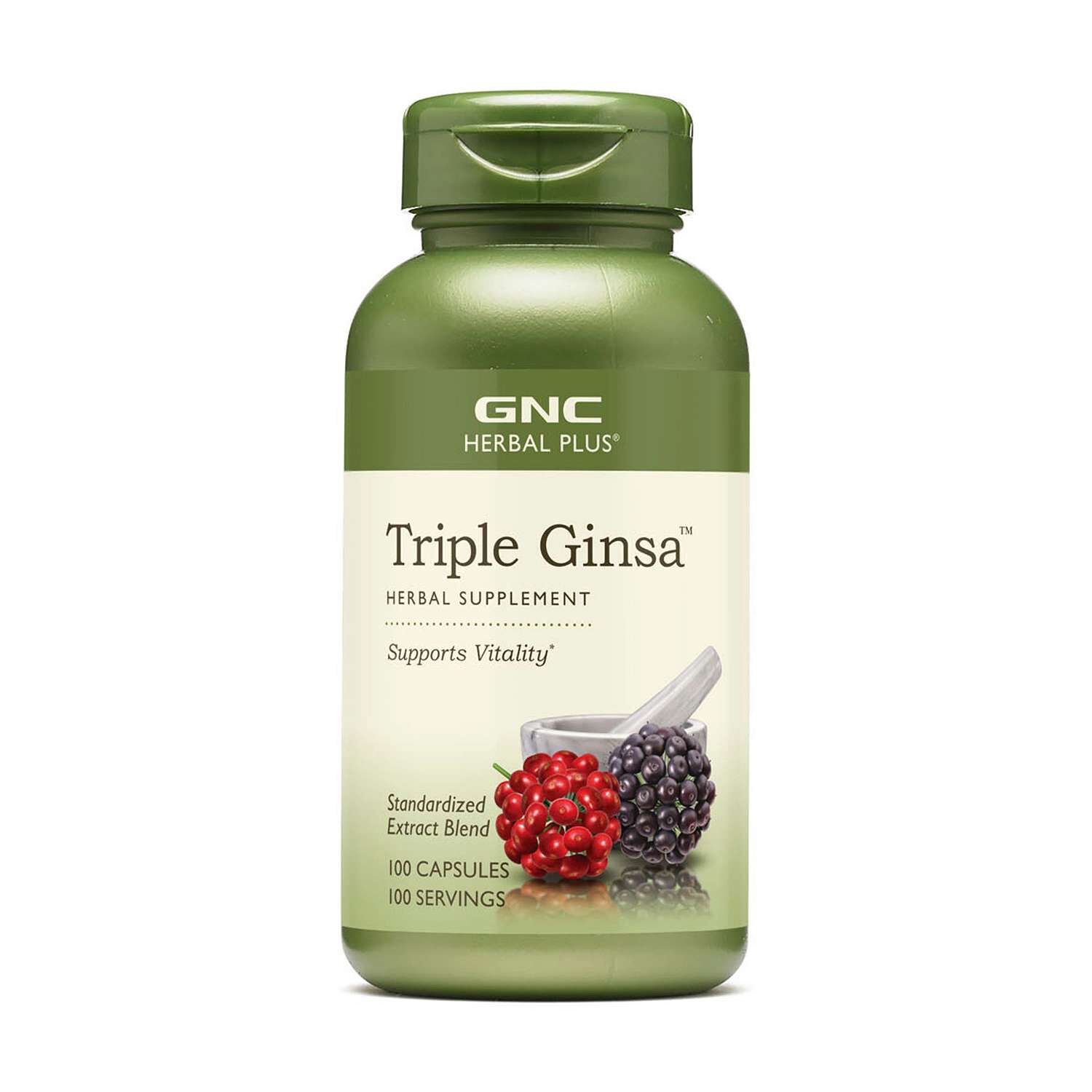
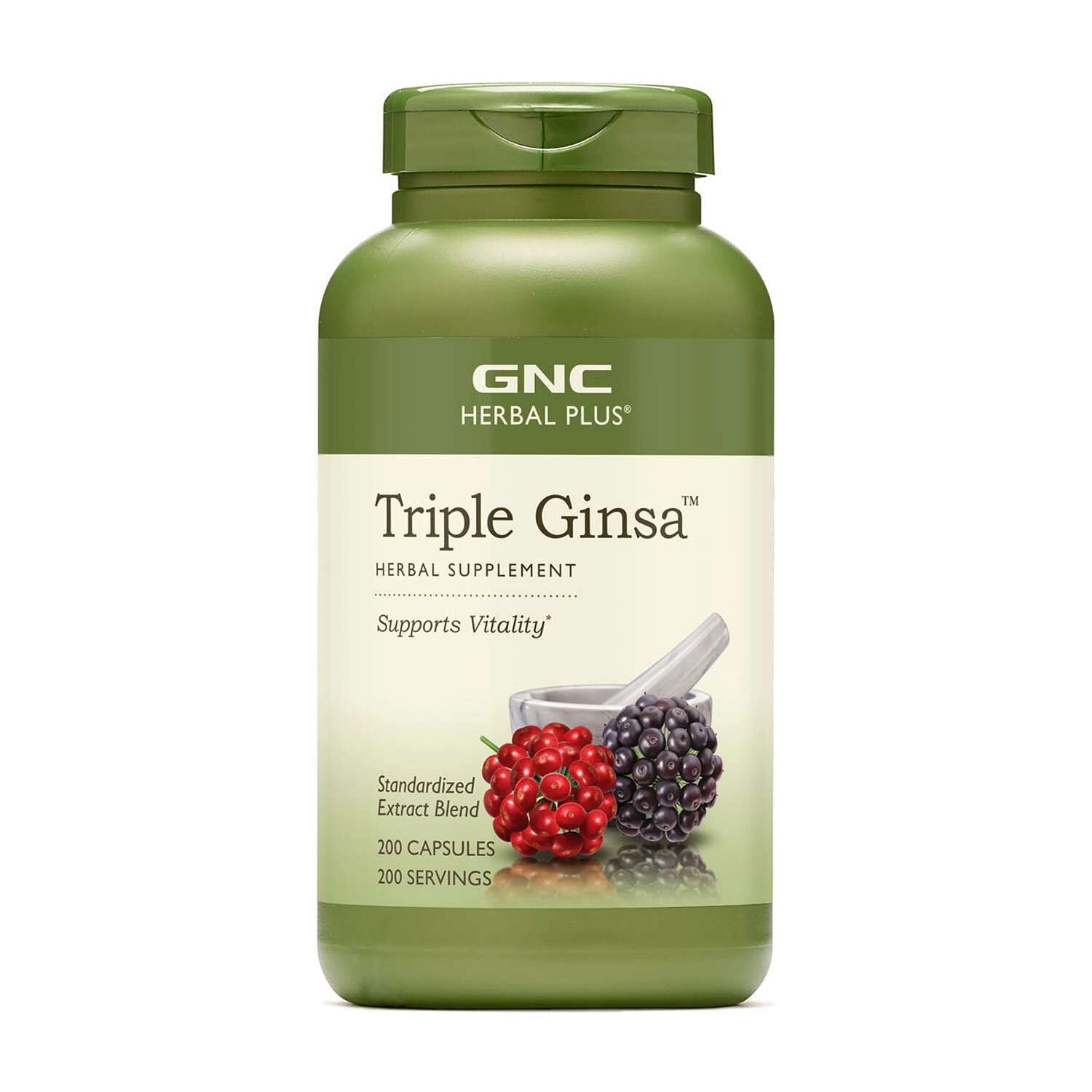
Ginseng herbs come from slow-growing perennial plants known for their fleshy roots and long history in traditional herbal practices. The name most often refers to plants in the Panax genus, including Asian ginseng, Panax ginseng, and American ginseng, Panax quinquefolius. Although these plants share a common name, they are distinct species, making the botanical name an important detail when comparing ginseng supplements. Their roots contain naturally occurring compounds called ginsenosides, which are often referenced on labels for ginseng extracts. Ginseng has been cultivated and used for centuries, and its identity reflects more than the familiar shape of its branching root. Species, growing conditions, the part of the plant used, and processing methods all contribute to differences between ingredients. Red and white ginseng generally describe preparation methods rather than separate species: red ginseng is typically steamed before drying, while white ginseng is generally dried without that steaming step. Color alone does not establish how one supplement compares with another. Another useful distinction concerns herbs that carry the ginseng name but belong to a different genus. Eleuthero, sometimes called Siberian ginseng, is not a Panax species and has a different botanical composition. These naming details give context to a category that can otherwise look uniform at a glance. Ginseng supplements take several forms, including capsules, tablets, powders, and liquid preparations. Some contain ground root, while others use an extract made through additional processing. A root powder and an extract are not interchangeable descriptions, even when the front labels feature similar imagery. For someone interested in traditional botanicals, the distinction helps connect the plant’s background with the ingredient inside the container. It also explains why comparing ginseng herbs involves more than checking the number of capsules or the amount printed prominently on a package. The most meaningful starting points are the botanical identity, ingredient form, and composition listed on the label.
A closer look at a ginseng label brings those differences into focus. The Supplement Facts panel identifies the serving size and declared ingredient amounts, while the ingredient list provides details about capsule shells, tablet binders, flavorings, and other components. The amount shown per serving may represent more than one capsule, so a side-by-side comparison works best when both serving size and ingredient amount receive attention. A single-herb formula centers on ginseng, whereas a blend combines it with other botanicals, nutrients, or ingredients. Neither format tells the whole story on its own; the full composition determines what is actually in each serving. For an extract, the label may state an extraction ratio or specify a percentage of ginsenosides. An extraction ratio describes a relationship between the starting botanical material and the resulting extract, but that number alone does not establish equivalent composition across different preparations. Standardization refers to a specified amount or proportion of a selected compound or group of compounds. It does not make different species identical, and it is not a substitute for knowing the plant part used. Root, leaf, and other plant materials should not be treated as matching ingredients simply because they come from the same species. For a shopper comparing two bottles at a kitchen counter, these details provide a more grounded comparison than package size or decorative root illustrations. Capsule material also matters to people with particular dietary preferences: some shells use gelatin, while others use plant-derived materials such as cellulose. Powders and liquids warrant the same attention to ingredient lists, especially when flavors or sweeteners are included. Information about sourcing, manufacturing, and independently verified testing, when provided, adds further context. A testing statement is most useful when it explains what was evaluated rather than relying on a broad quality description. Clearly identified ingredients, readable serving information, and specific processing details make the character of a ginseng supplement easier to understand without assigning meaning to claims that the label does not substantiate.
Everyday preferences help distinguish supplement formats once the botanical details are clear. Capsules contain a measured portion of an ingredient within a shell, while tablets compress ingredients into a solid form. Capsule dimensions and tablet shape can differ, so the format itself is worth considering alongside the serving information. Powders involve measuring and, when the label allows, mixing; their earthy, sometimes bitter character can be noticeable in a beverage. Liquids may come with a dropper or another measuring device, and their flavor depends on both the botanical preparation and the surrounding ingredients. Someone who prefers a short, straightforward ingredient list might be drawn to a single-herb preparation, while a person browsing combination formulas may want to compare every component rather than focusing only on the ginseng name. The related category of Ginseng Complex Energy Supplements offers another way to explore that distinction, with the composition of each formula remaining the important point of comparison. Intended use belongs in that evaluation as well: a supplement format is different from a culinary ingredient, even when both originate from the same root. Preparation and serving directions are specific to the labeled form, not to ginseng as a broad category. Packaging and storage deserve similar attention because botanical supplements are consumable goods, not durable accessories. Resealable closures, legible date markings, and clearly printed lot information are practical packaging details. The container’s storage directions provide the relevant reference for handling, including any instructions concerning moisture or light. Keeping the original packaging also preserves the botanical name, ingredient list, and serving information for later reference. A place among personal-care supplies that stays dry is a different setting from a steamy bathroom shelf, and a powder container has different handling needs from individually contained capsules. These small, tangible distinctions help make shopping for ginseng herbs a matter of botanical identity, thoughtful label comparison, and personal format preferences rather than a decision based on the name alone.
Best Sellers
-
GNC Herbal Plus
-
GNC Herbal Plus
-
GNC Herbal Plus
-
GNC Herbal Plus