

Gluten Free Omega 3 Supplements
(0 Results)
Gluten-free omega-3 supplements could be an excellent addition to your wellness routine, offering a convenient way to support overall health without the concern of gluten. These supplements may provide the benefits of omega-3 fatty acids, which are often found in fish oil and certain plant oils. Ideal for those with gluten sensitivities or celiac disease, gluten-free omega-3 supplements can fit seamlessly into various dietary lifestyles. Explore a range of options that might help you maintain a balanced diet while supporting your nutritional needs.
-

-

-
-

-
 Divine Health$34.99
Omega-3 supplements without gluten may offer a convenient way to include these fatty acids in a daily routine, especially for shoppers looking for products that fit a carefully planned diet. Omega-3 formulas commonly feature fish oil, algal oil, or flaxseed oil, with each source offering a different nutritional profile. Fish oil is often made from small, cold-water fish such as sardines or anchovies and commonly provides EPA and DHA. Algal oil may suit vegetarian or vegan preferences while also providing DHA and, in some formulas, EPA. Flaxseed oil supplies ALA, a plant-based omega-3 fatty acid that the body may convert only in limited amounts, making the source listed on the Supplement Facts panel an important part of the selection process. Some shoppers choose a fish-based formula for its familiar source, while others prefer algae because it fits a plant-forward routine. Softgels, liquid oils, gummies, and smaller capsules may all be available, allowing shoppers to consider taste, texture, serving size, and ease of use. A bottle kept beside a breakfast bowl, coffee mug, or evening glass of water may fit naturally into an established routine, while a liquid formula could work well for someone who prefers mixing an oil into a smoothie or cold dish. Always follow the serving directions on the label, and consider speaking with a qualified healthcare professional when personal nutrition needs, allergies, pregnancy, or prescription products are part of the shopping decision.
When choosing omega-3 supplements without gluten, label details can be just as important as the front of the package. A certified gluten-free statement may provide added reassurance for shoppers avoiding gluten, including people managing celiac disease, while an allergen panel and manufacturing statement may offer useful information about wheat and shared equipment. Pure omega-3 oils do not naturally contain gluten, yet processing, flavoring, capsule ingredients, or facility practices may affect whether a finished supplement fits a gluten-conscious routine. Look for clear wording about certification, source ingredients, and serving information rather than relying only on images or broad descriptions. Third-party testing marks may offer another point of comparison, with programs such as USP or IFOS associated with checks related to identity, quality, and contaminants. These designations do not make every formula identical, so shoppers may still want to review the oil amount per serving, the stated amounts of EPA and DHA, the form of the oil, and any added ingredients. A lemon flavor may be appealing for liquid oils, while an unflavored option may blend more easily into food. Enteric-coated or specially designed softgels may be preferred by some shoppers seeking a more comfortable experience, although individual preferences can vary. Storage instructions also deserve attention: some oils may call for refrigeration after opening, and exposure to heat, light, or air may affect freshness over time. During warmer weather, delivery and storage conditions may be especially worth considering, while cooler months may make pantry storage more convenient when the label permits it. Shoppers comparing a wider range of EPA-focused formulas may also browse Omega 3 Epa Supplements to explore additional formats and ingredient profiles.
These supplements may appeal to adults building a more consistent wellness routine, households looking for options that accommodate different eating patterns, and anyone searching for a practical addition to a pantry or travel bag. They may also make a thoughtful gift for a parent, partner, friend, or active family member who already enjoys organizing daily nutrition products, provided the selection matches that person’s dietary preferences and comfort with supplement formats. A vegan recipient may appreciate algae as the source, while a shopper who avoids fish may prefer plant-based ingredients. Someone who dislikes swallowing large softgels may favor a liquid, gummy, or smaller serving format, and a person who travels often may look for a compact container with clear storage directions. Packaging, expiration dates, serving size, and ingredient transparency can help narrow the choices without making the process complicated. It can be helpful to compare the amount of total oil with the amounts of EPA, DHA, or ALA, since the front label may highlight a larger oil number while the individual omega-3 amounts appear elsewhere in the Supplement Facts panel. Shoppers may also review capsule ingredients, flavorings, sweeteners, and fish source information to find a formula that fits their preferences. Whether placed in a kitchen cabinet as the weather warms or packed into a routine during the cooler months, an omega-3 supplement without gluten may serve as a simple, considered option for people who value clear sourcing, convenient formats, and dietary compatibility.
Best Sellers
-
 Nordic Naturals
 -
 Nordic Naturals
 -
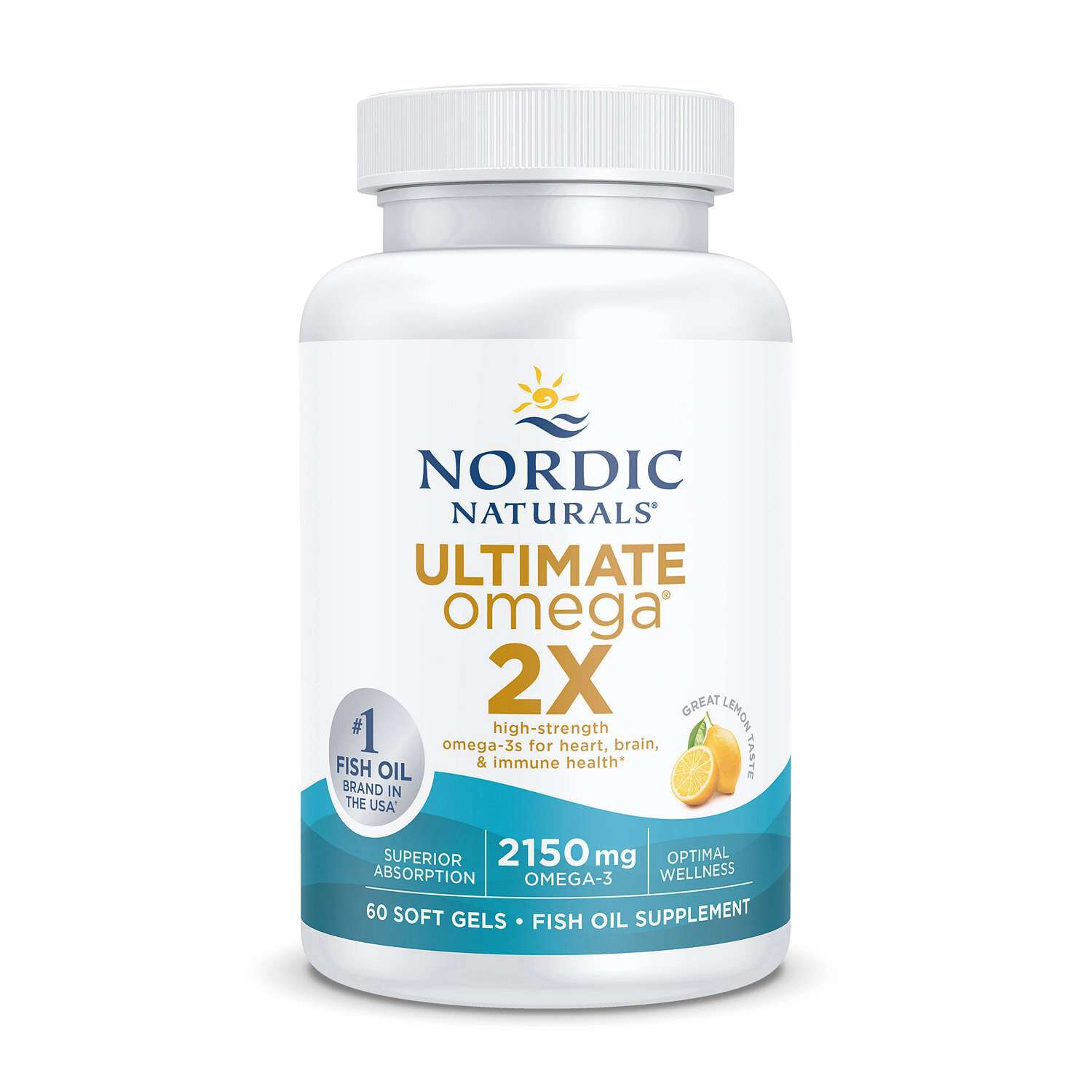 Nordic Naturals