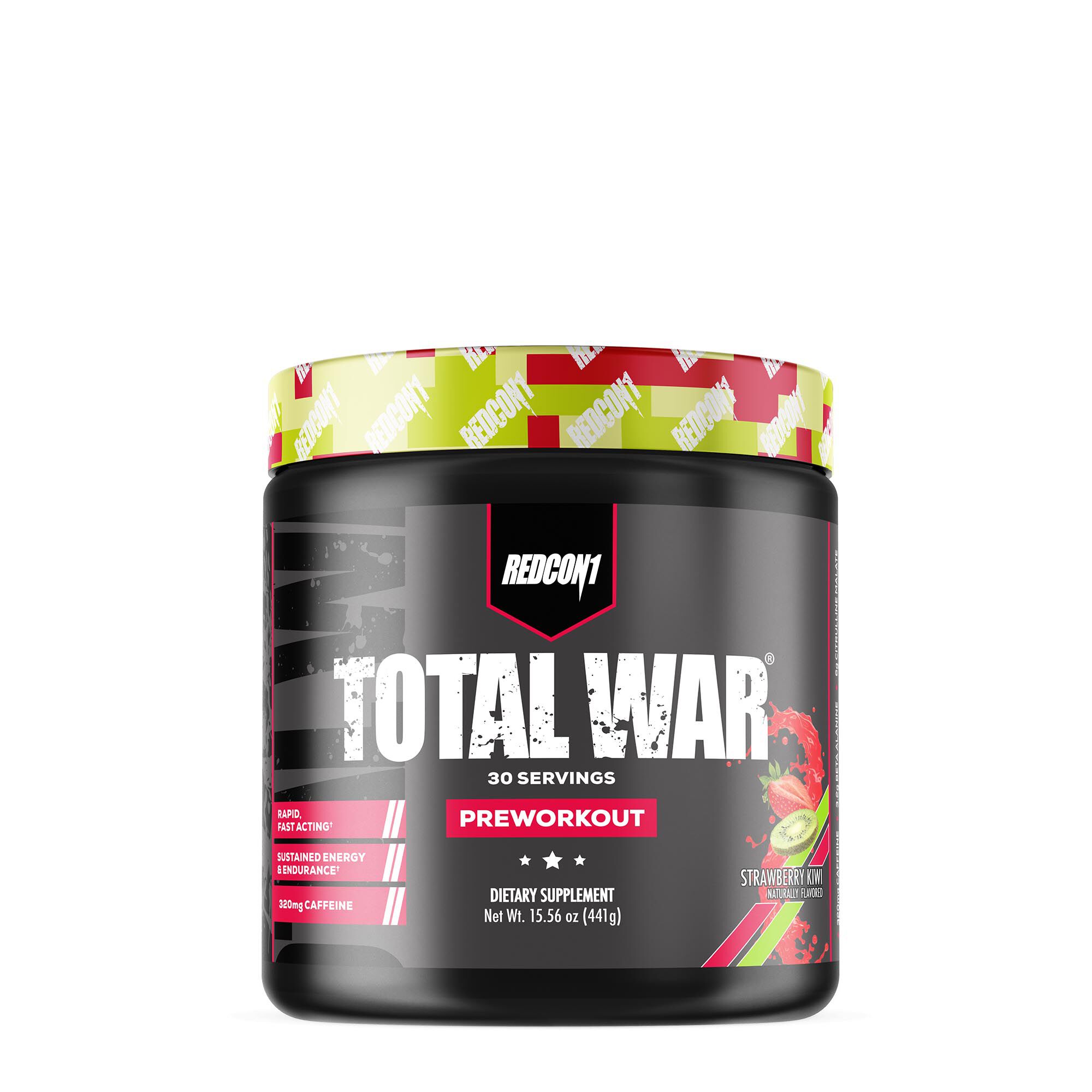
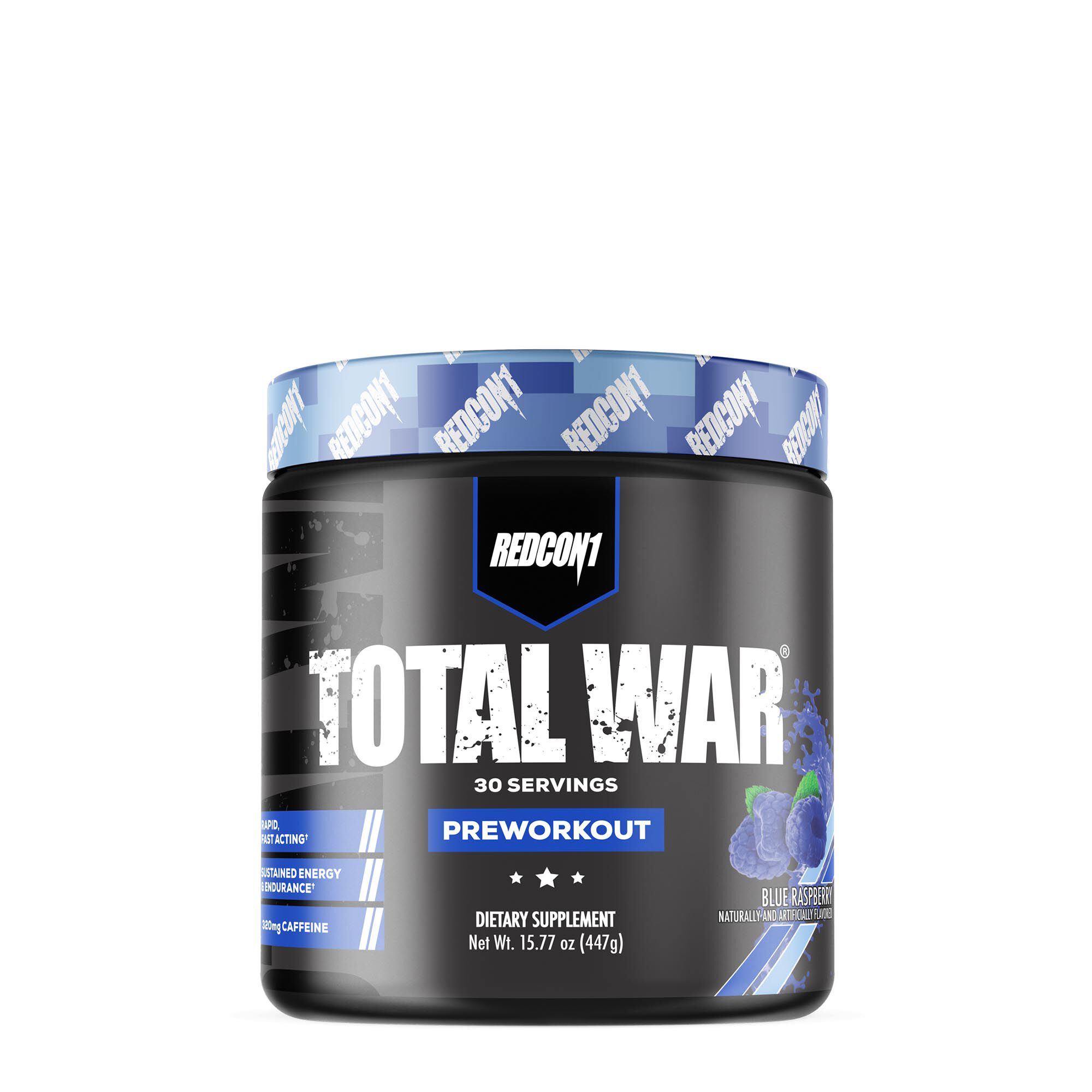
Gluten Free Pre Workout
(0 Results)
Looking to power up your workouts without gluten getting in your way? Our Gluten-Free Pre Workout selection is specially curated to provide you with a boost of energy and focus before hitting your fitness goals. Whether you have dietary restrictions or simply prefer to avoid gluten, our range of pre-workout supplements ensures that you can fuel your body effectively and efficiently. Say goodbye to gluten-induced discomfort and hello to enhanced performance with our gluten-free pre-workout options.
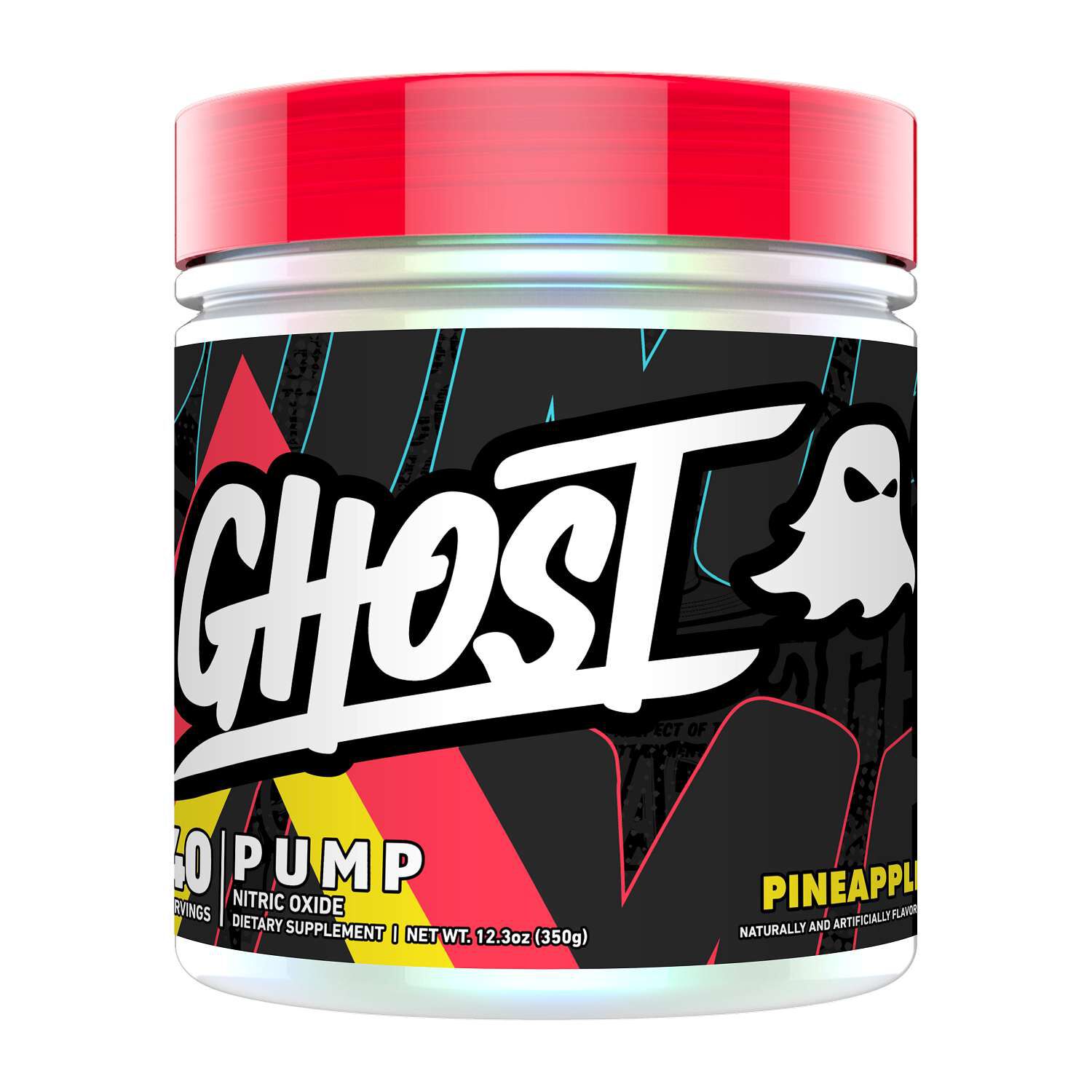

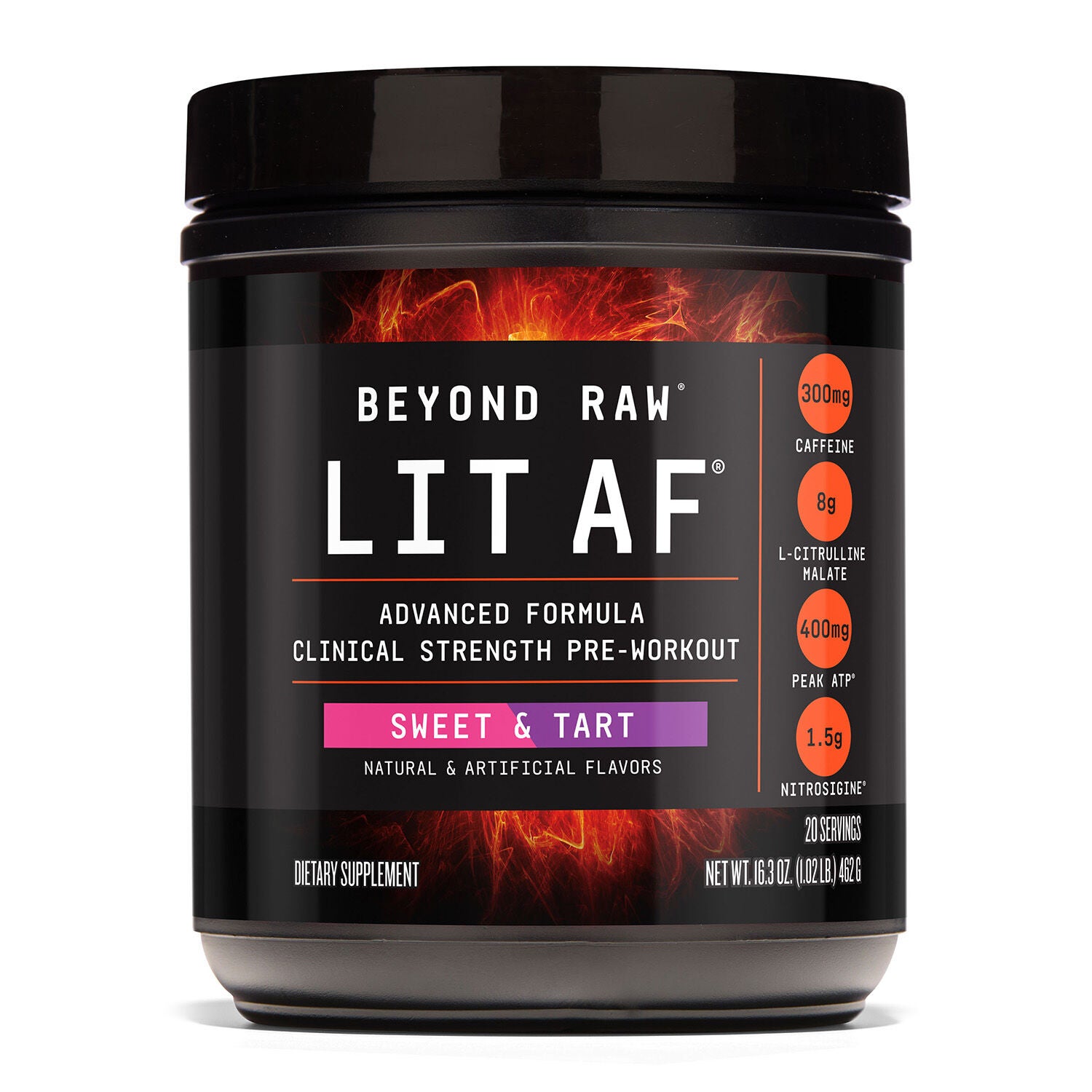
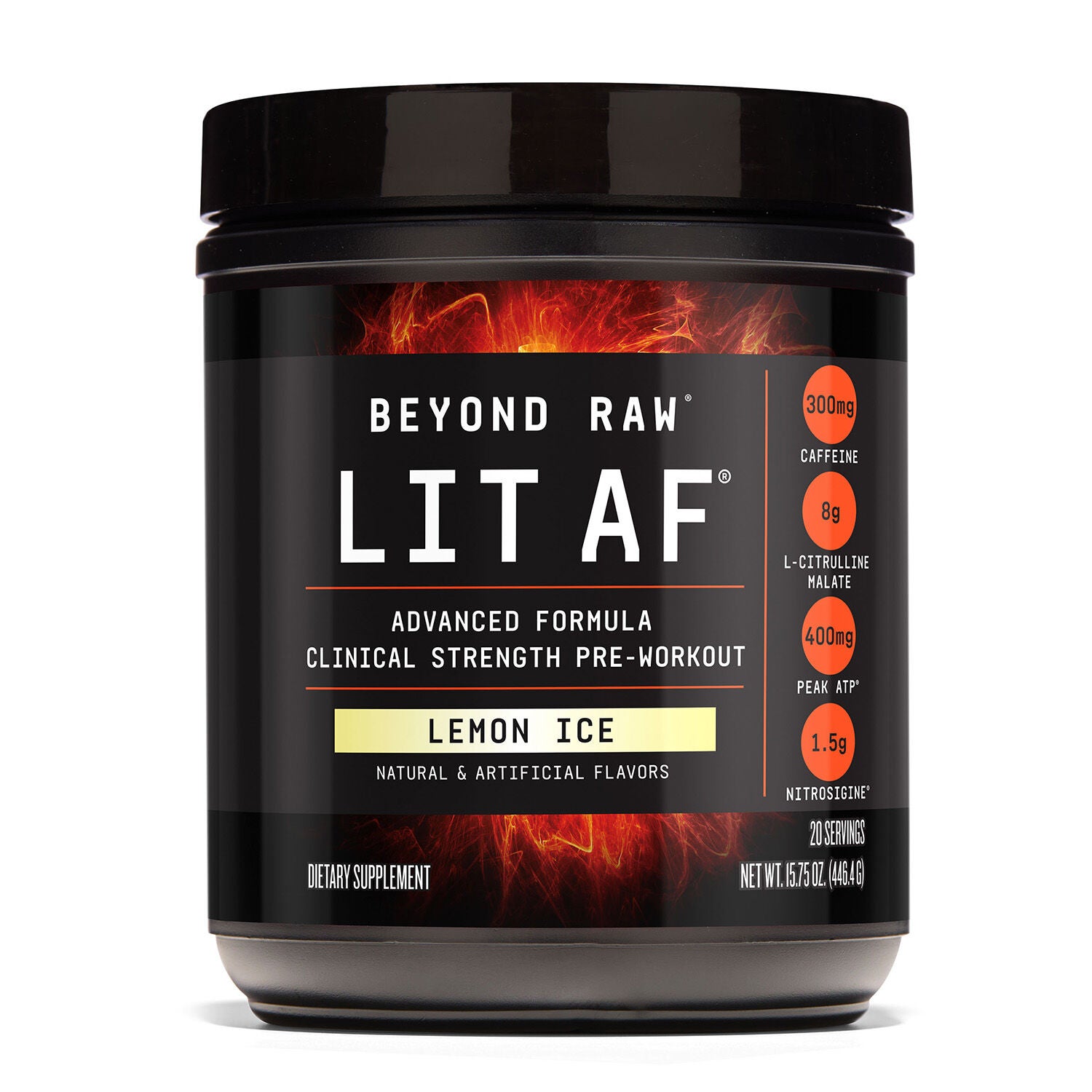

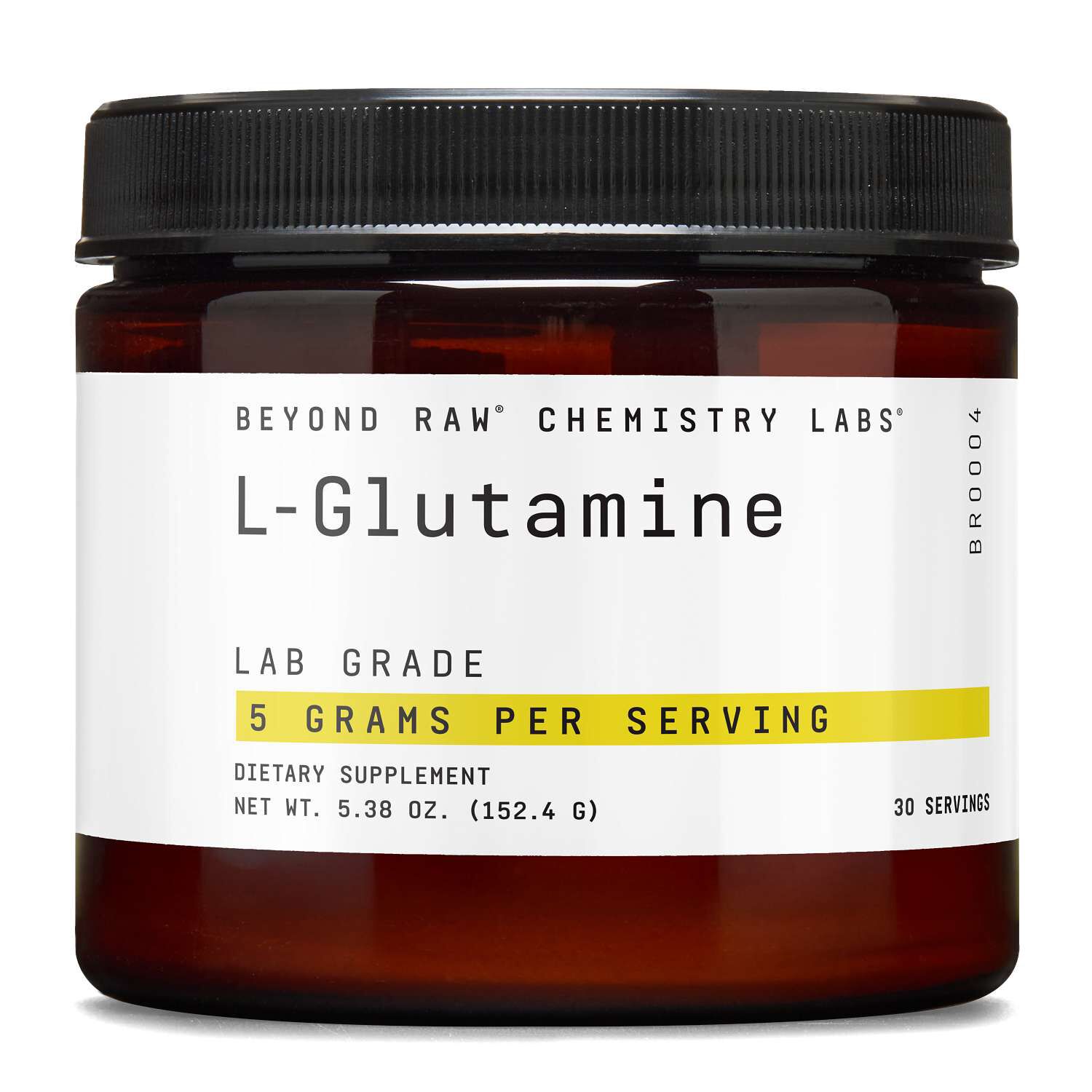
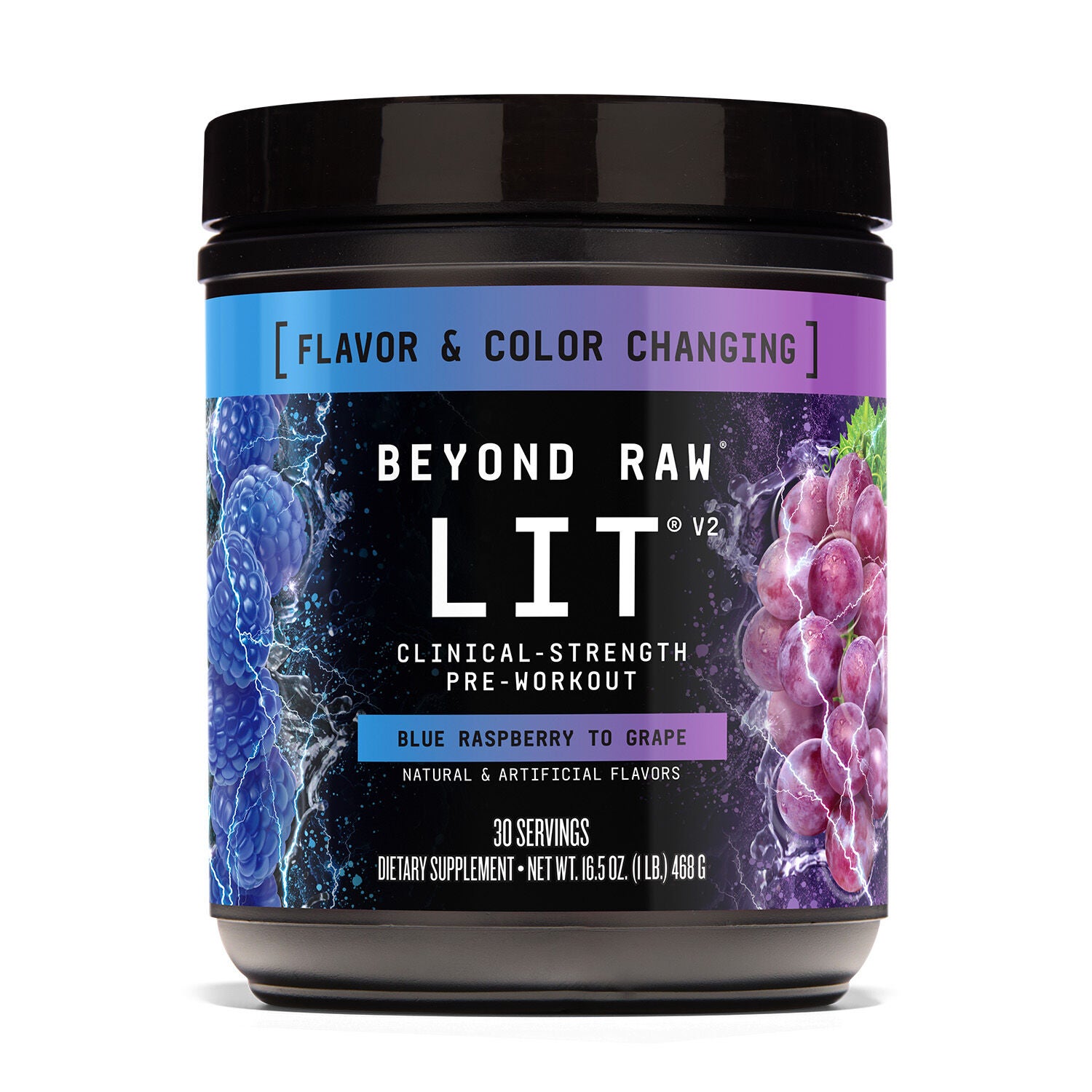
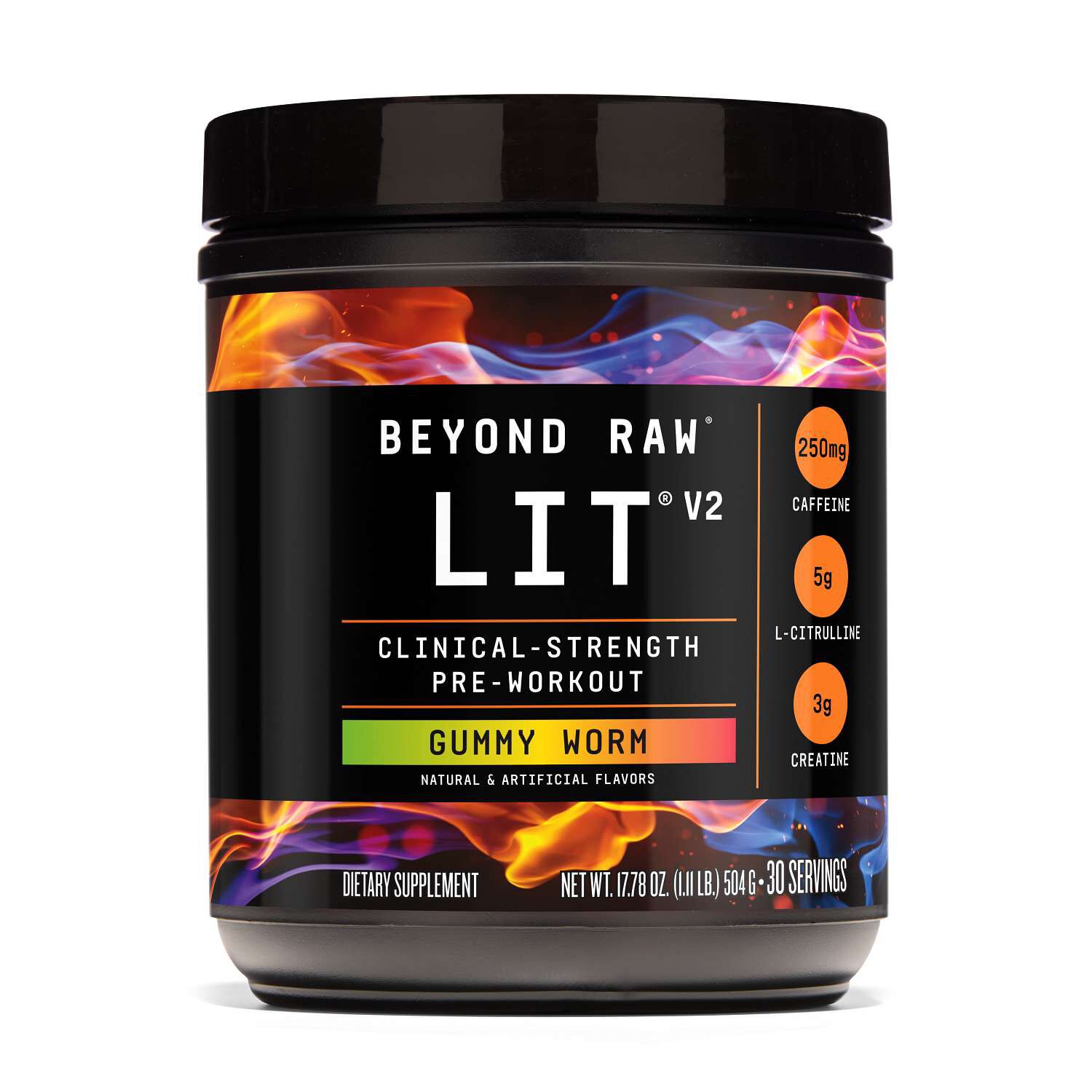


Pre-workout supplements made without gluten bring a dietary preference into a familiar part of the training routine: choosing what to mix, sip, or take before exercise. Gluten is a protein found in wheat, barley, and rye, so shoppers avoiding those grains often look beyond flavor and format to examine a formula’s ingredients and labeling. A short ingredient list does not, by itself, establish whether a finished supplement meets a particular gluten standard. Likewise, a plant-based description or the absence of an obvious wheat ingredient is not the same as a specific statement about gluten. Clear package labeling, identifiable third-party certification, and manufacturer information about production practices provide more useful context than assumptions based on a product’s name. Certification programs can have different requirements, making the certifying organization and its published criteria worth reviewing. Statements about shared equipment or facilities offer another piece of the picture, although they should not be treated as interchangeable with testing information. These distinctions matter when comparing pre-workout powders, capsules, and ready-to-drink formats, since the ingredients and manufacturing details can differ across formats and even across flavors within the same range. The most useful comparison starts with the exact formula under consideration rather than a broad reputation or a familiar flavor name. For an adult who keeps a shaker beside a gym bag, a powder might suit an established mixing routine; someone traveling directly from the office to a fitness class might prefer a format that requires less preparation. Neither format determines gluten suitability or the experience a formula might provide. Intended use, serving instructions, ingredient amounts, and dietary labeling each answer a different question. Keeping those details separate makes the category easier to navigate, whether the goal is a simple addition to a lifting routine or a convenient option for days built around a scheduled workout. A clearly labeled formula offers a stronger starting point for comparison than a long list of broad marketing descriptions.
Ingredient transparency is another meaningful distinction among pre-workout supplements made without gluten. Some formulas contain caffeine, while others are formulated without it, and that difference can matter as much as taste or package size. Caffeine may support alertness and focus during exercise, but the amount per serving deserves attention alongside coffee, tea, and other caffeinated beverages in the same routine. A morning training session and an evening gym visit can involve different preferences, particularly for someone who prefers to avoid caffeine later in the day. Botanical ingredients can also contribute caffeine, so the full label is more informative than the front panel alone. Other formulas include amino acids, creatine, electrolytes, carbohydrates, or combinations of these ingredients. Their presence does not make every pre-workout interchangeable, and a longer ingredient list is not automatically a better match for a particular activity. An electrolyte-focused blend has a different composition from a formula centered on caffeine and amino acids; a serving containing carbohydrates also differs nutritionally from one with little or none. Transparent amounts make those differences easier to compare. When ingredients appear in a blend without individual quantities, there is less detail for evaluating each component. Serving size adds another important distinction: scoop dimensions vary, and one container’s scoop should not be used as a measuring reference for another formula. Package directions establish the intended portion and preparation method. The Nutrition Facts or Supplement Facts panel, as applicable, also helps distinguish the amount in one serving from the contents of an entire container. Dietary preferences extend beyond gluten, too. Milk ingredients, soy, animal-derived components, sweeteners, colors, and flavoring ingredients may influence the selection. A formula made without gluten is not necessarily vegan or made without dairy ingredients. For shoppers comparing several dietary attributes at once, each claim deserves its own check rather than being inferred from another. That approach keeps the comparison grounded in the actual formulation, without treating a single dietary attribute as a description of everything inside.
Taste, texture, packaging, and storage can determine how comfortably a pre-workout fits into everyday use. Fruit-forward powders range from tart citrus profiles to sweeter berry blends, while some formulas have a more pronounced mineral note or lingering sweetener finish. Flavor names alone cannot describe sweetness or mouthfeel, so the ingredient list and mixing directions add useful context. The suggested amount of water is a practical starting point for understanding the intended concentration; changing the serving amount to adjust flavor is not equivalent to changing the dilution. Powders also vary in how they disperse, and some ingredients may leave sediment even after shaking. That appearance alone does not establish quality or suitability. A shaker with a secure lid suits preparation away from home, while a glass and spoon might fit a kitchen-counter routine when the package directions allow that method. For a gym bag that already holds shoes, a towel, and work clothes, individually portioned packaging can be more convenient than carrying a large tub, although the serving details still need to match the intended use. Storage instructions deserve the same attention as preparation. Keeping a container securely closed, using a clean, dry scoop, and following the labeled storage conditions may help preserve the powder’s intended texture. Package integrity and the printed date are useful checks, especially for a container carried between home and a locker. Pre-workout supplements and protein beverages serve different roles in a shopping routine: the former are formulated for use before exercise, while the latter provide protein in a drink format. Shoppers comparing both categories can explore protein drinks made without gluten while reviewing each beverage’s separate ingredient and dietary statements. One category does not stand in for the other, and neither needs to define every workout. The most relevant selection is one whose format, caffeine content, flavor, labeling, and preparation requirements fit the person using it. Those concrete details make for a more considered choice than dramatic packaging or an unusually complicated formula.