

Gluten Free Protein Drinks
(0 Results)
Explore the world of gluten-free protein drinks, where nutrition meets dietary needs without compromising on taste or quality. These beverages offer a convenient way to support your fitness goals while adhering to a gluten-free lifestyle. Whether you're looking for a post-workout recovery option or a nutritious snack on the go, gluten-free protein drinks might provide the perfect solution. Dive into a selection that caters to those seeking balanced nutrition with the assurance of being gluten-free.

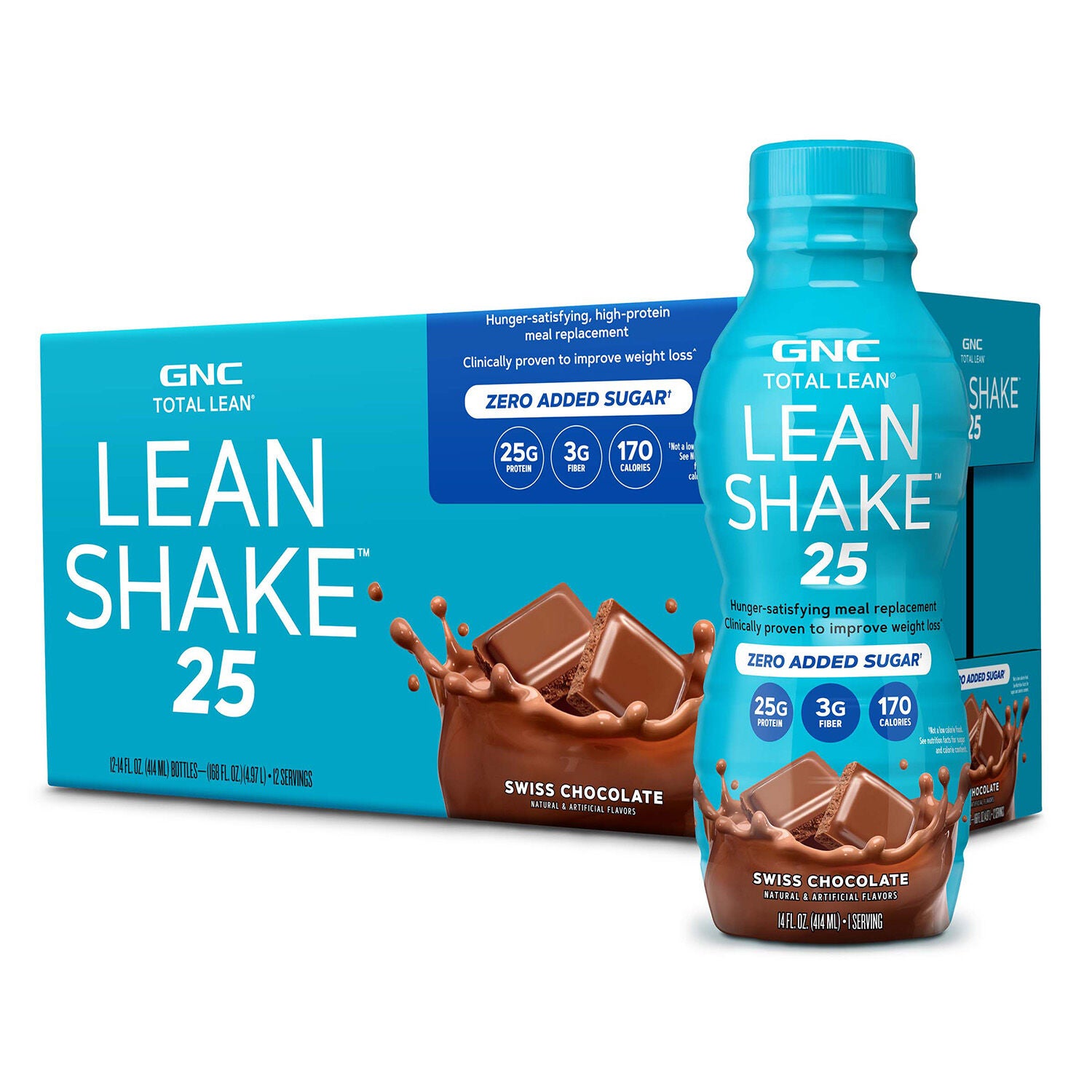
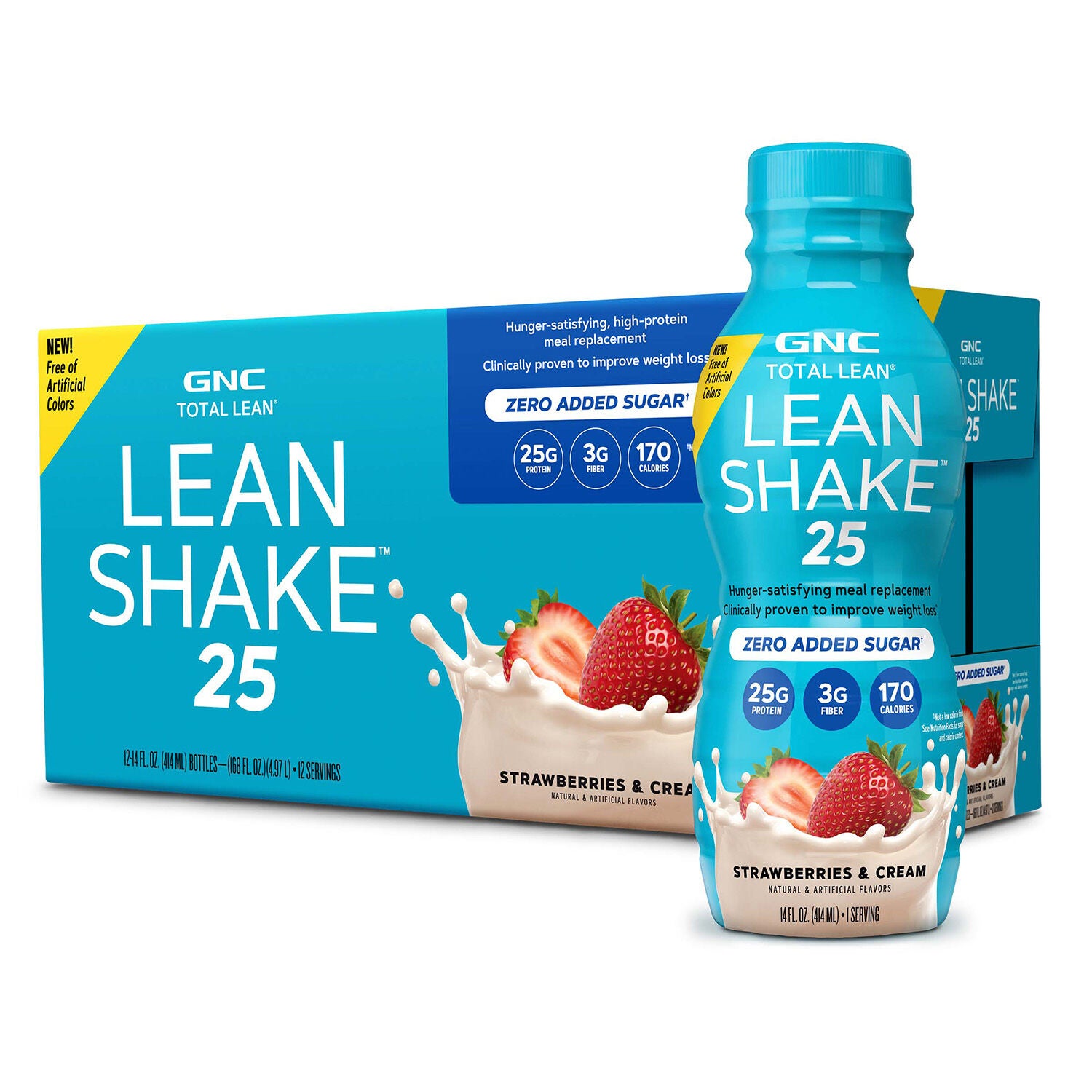
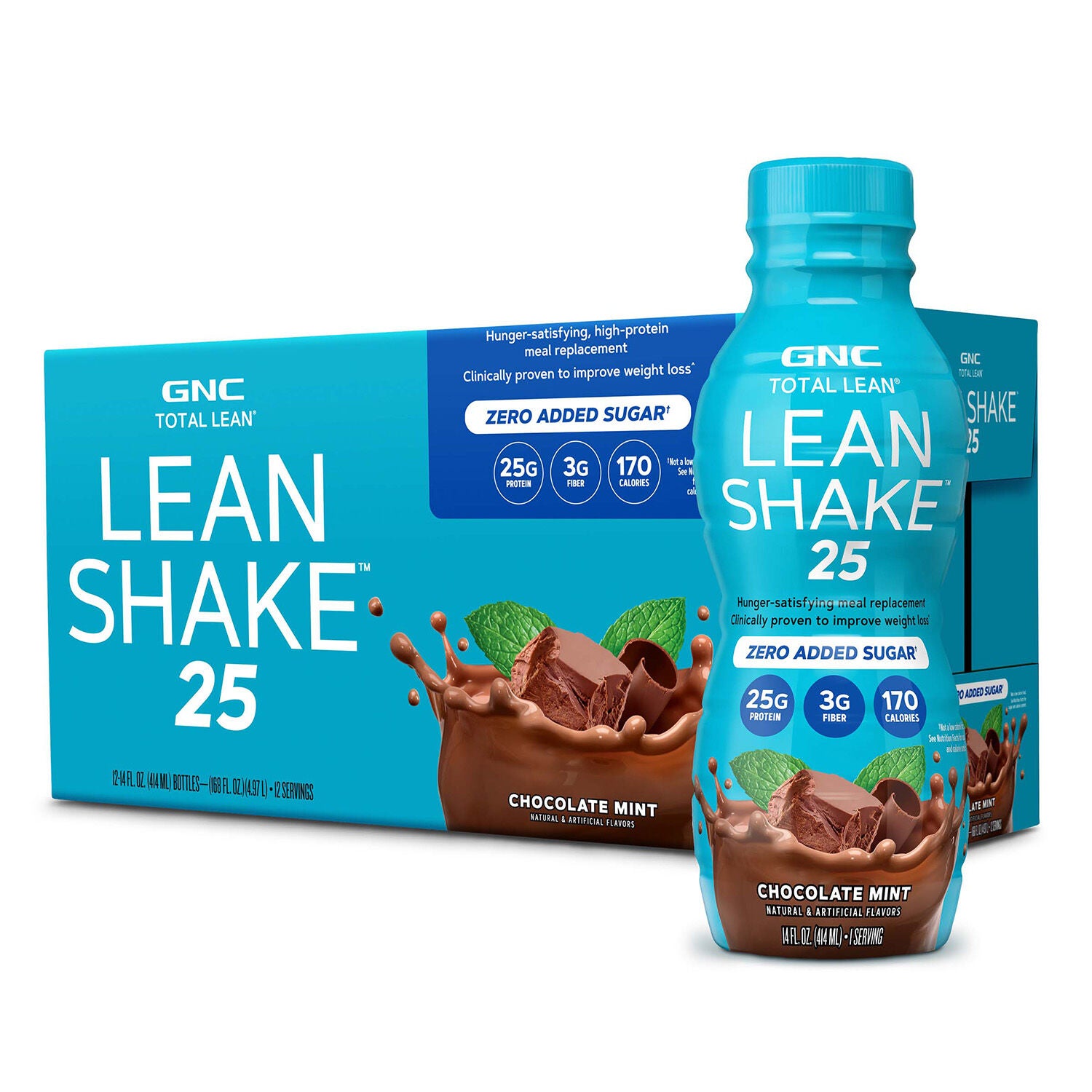
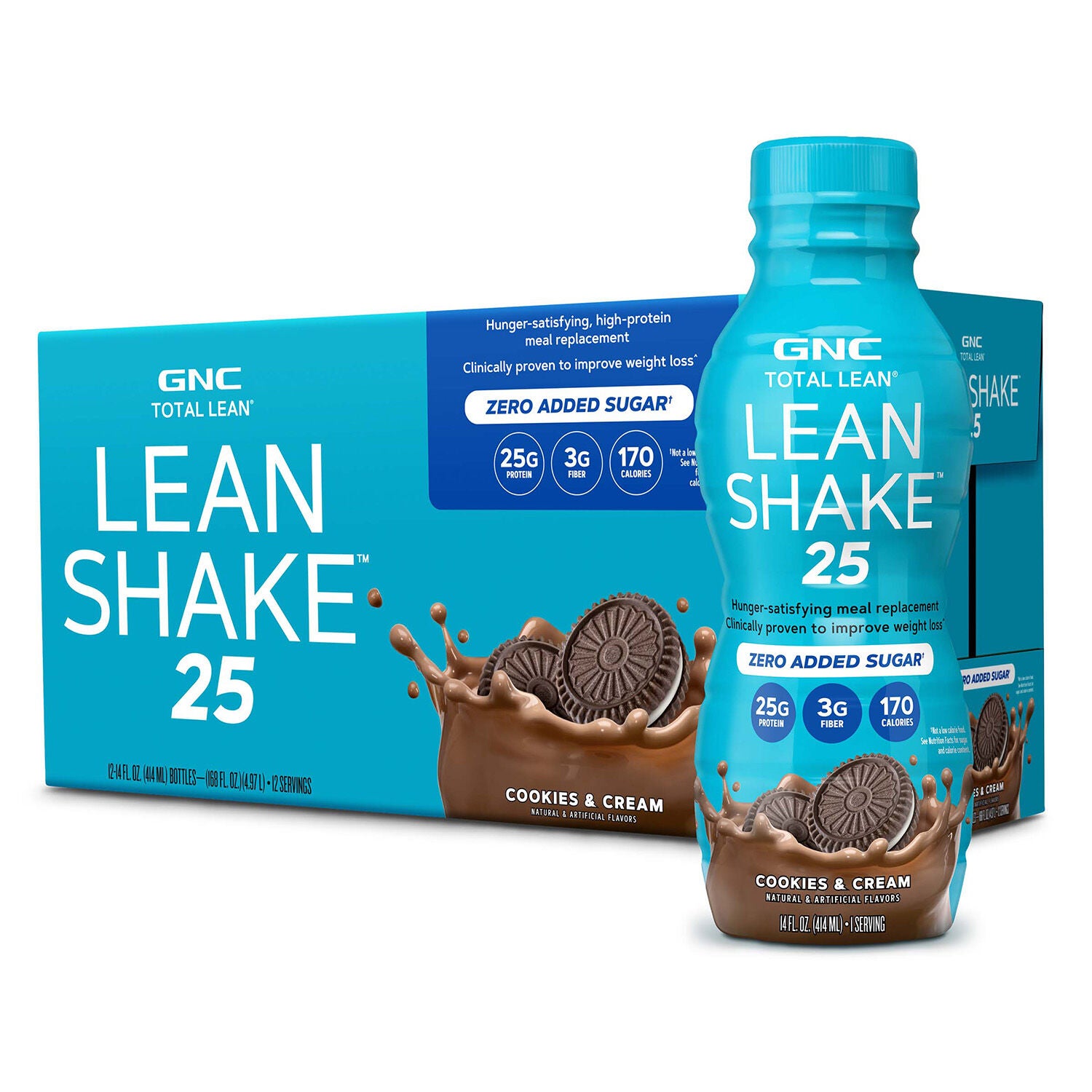
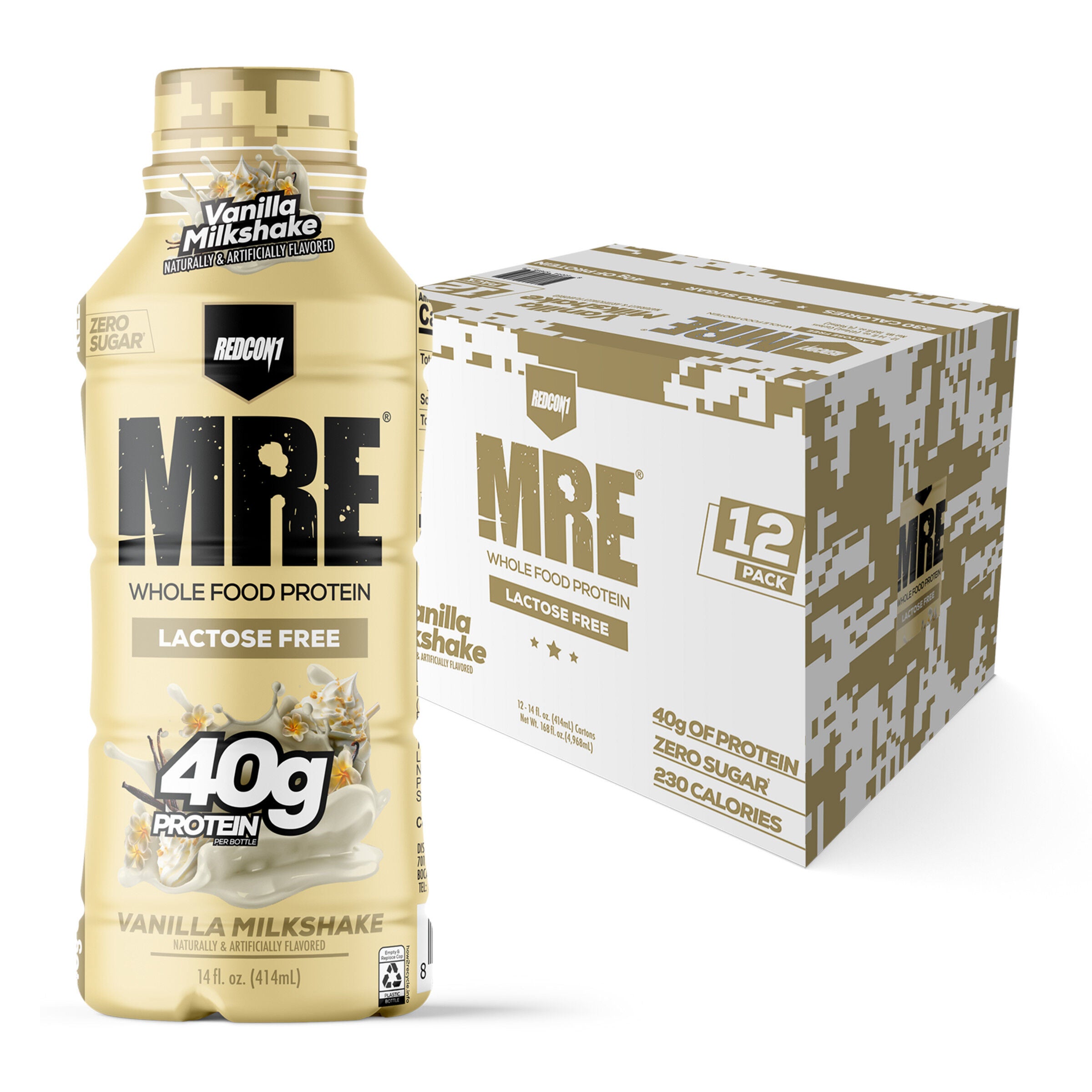
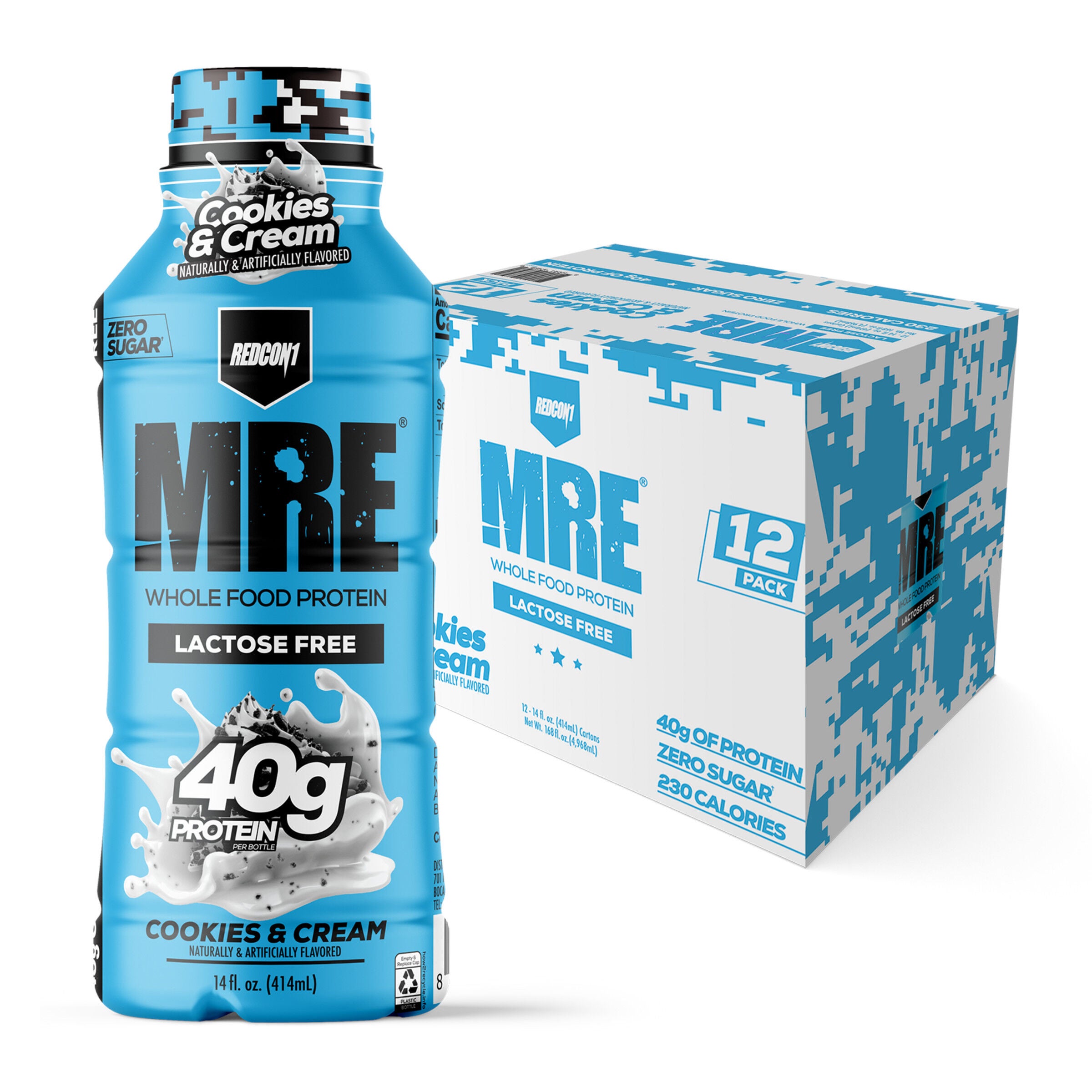


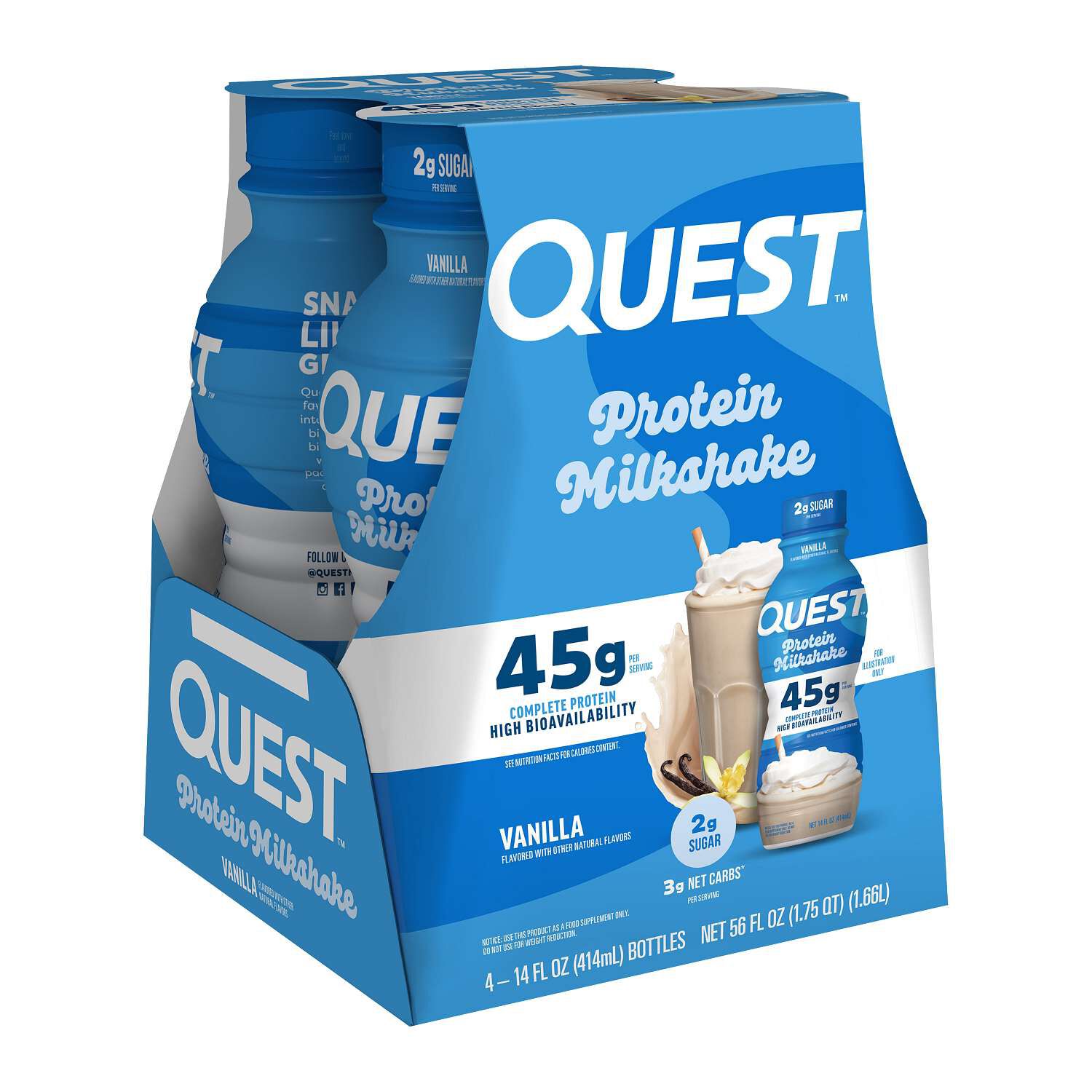
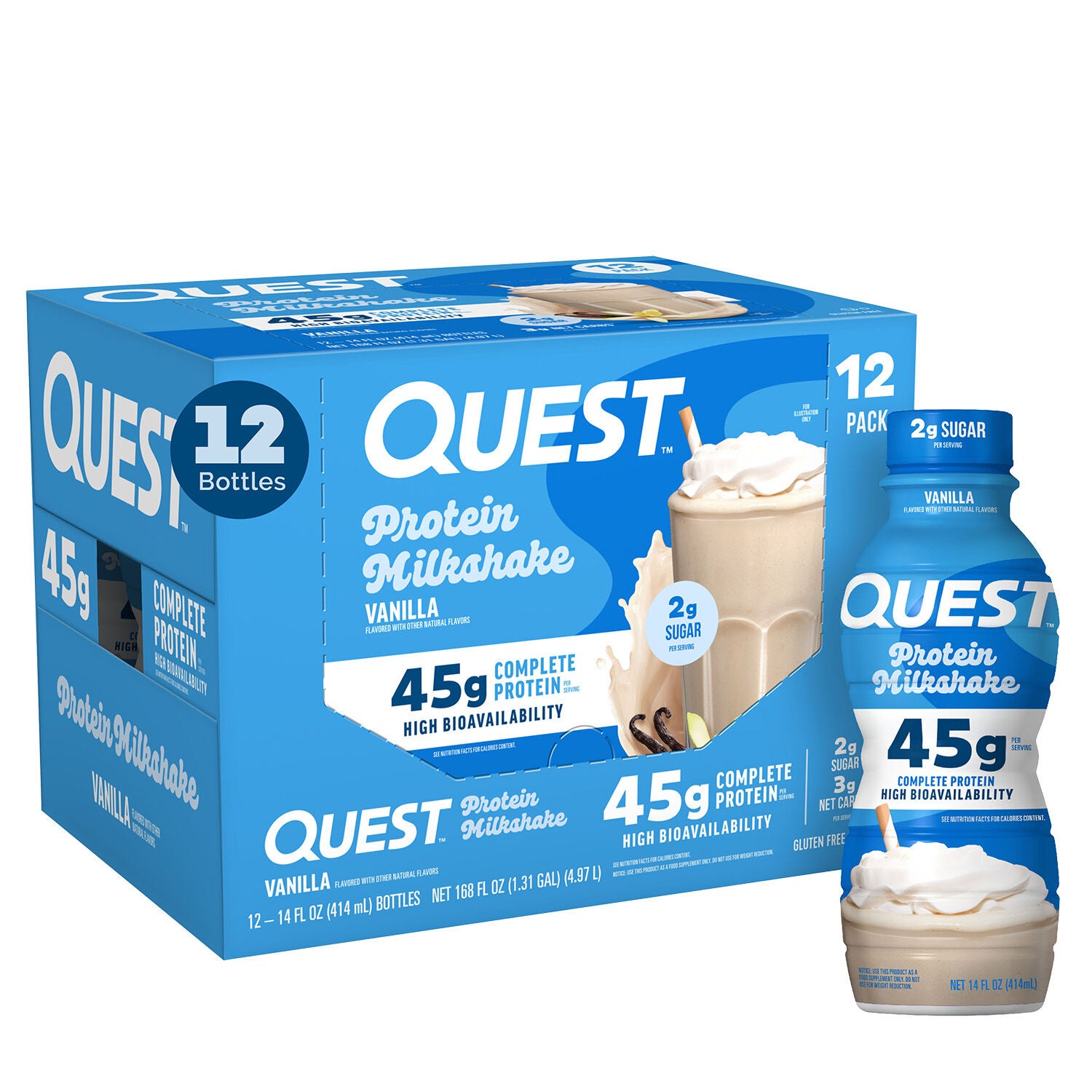
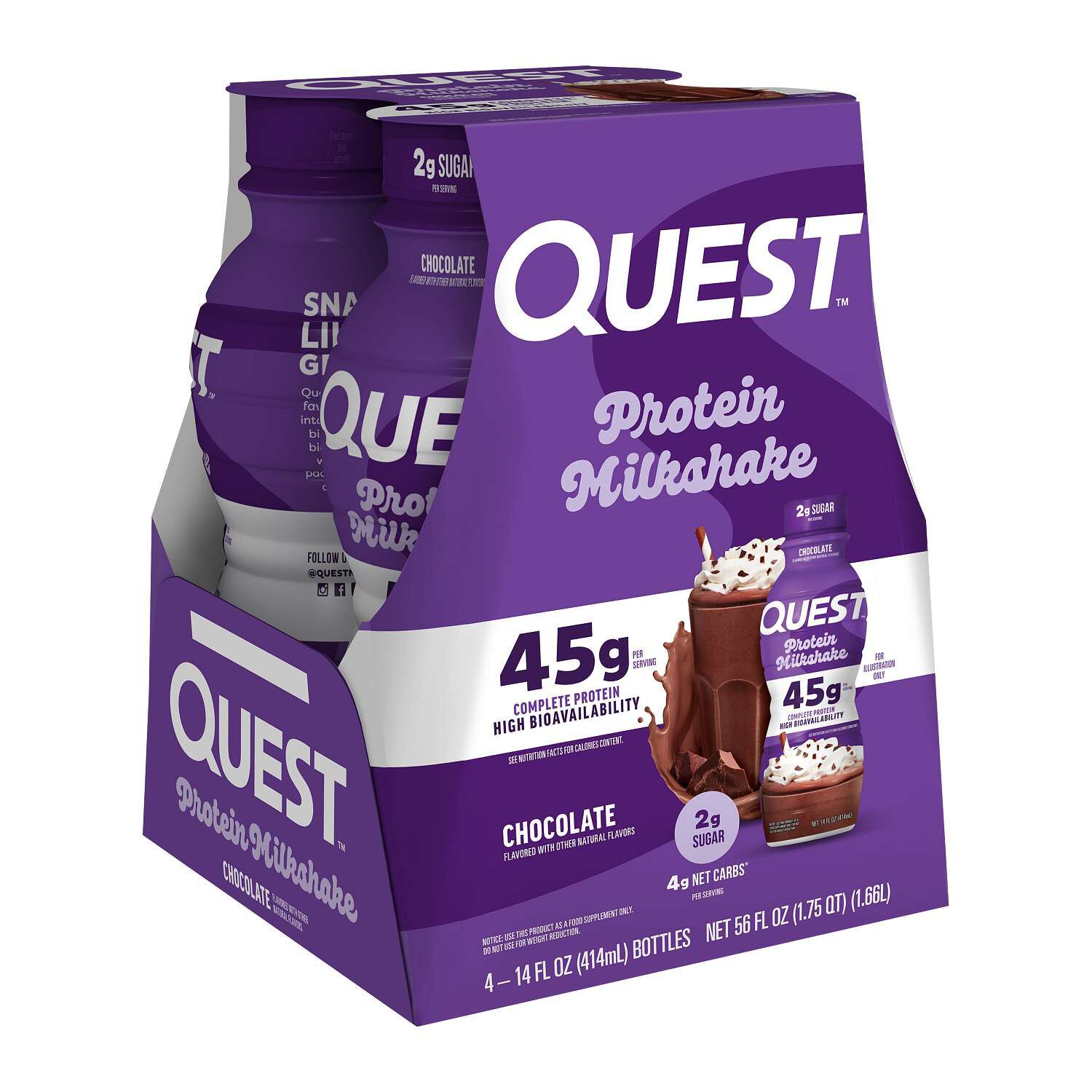
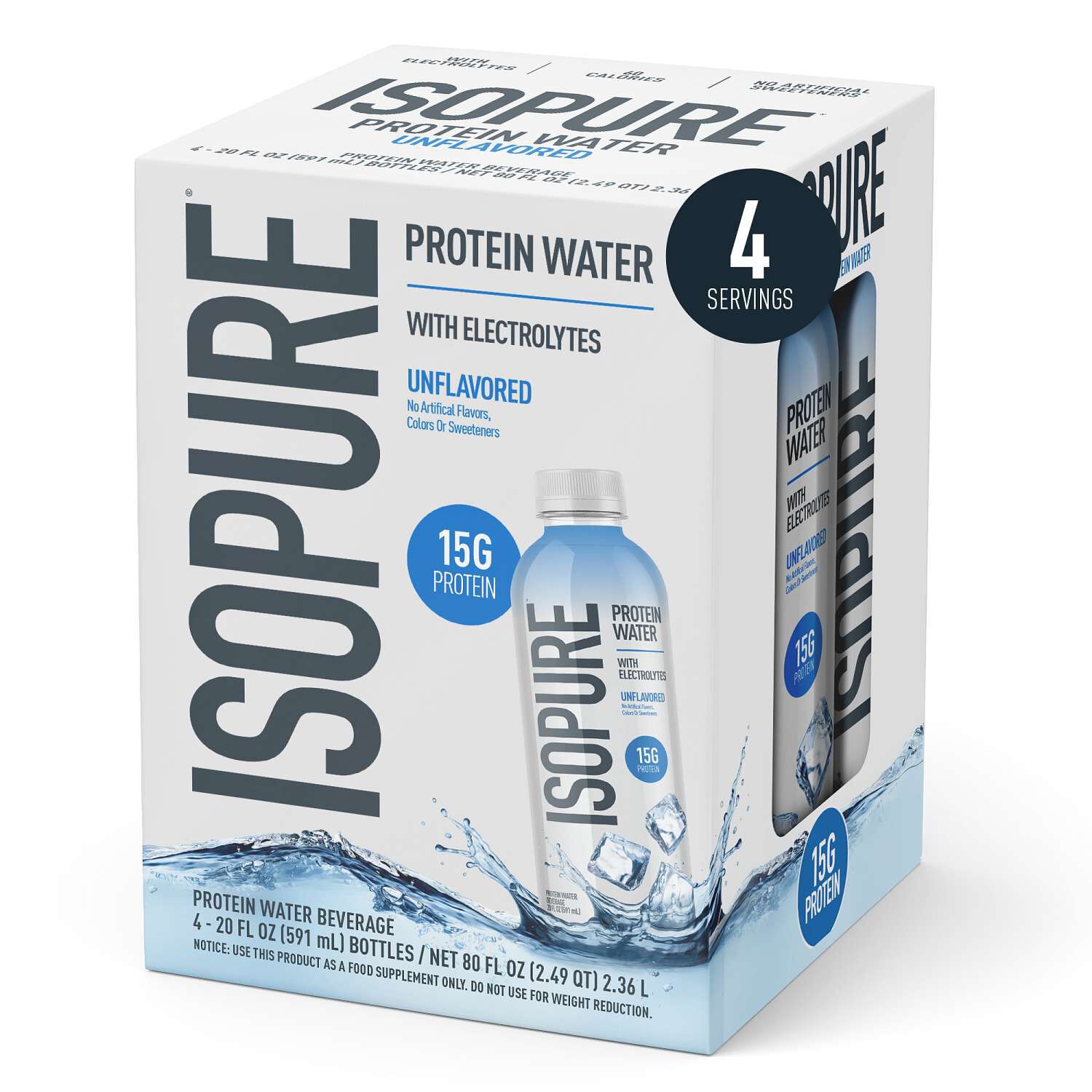
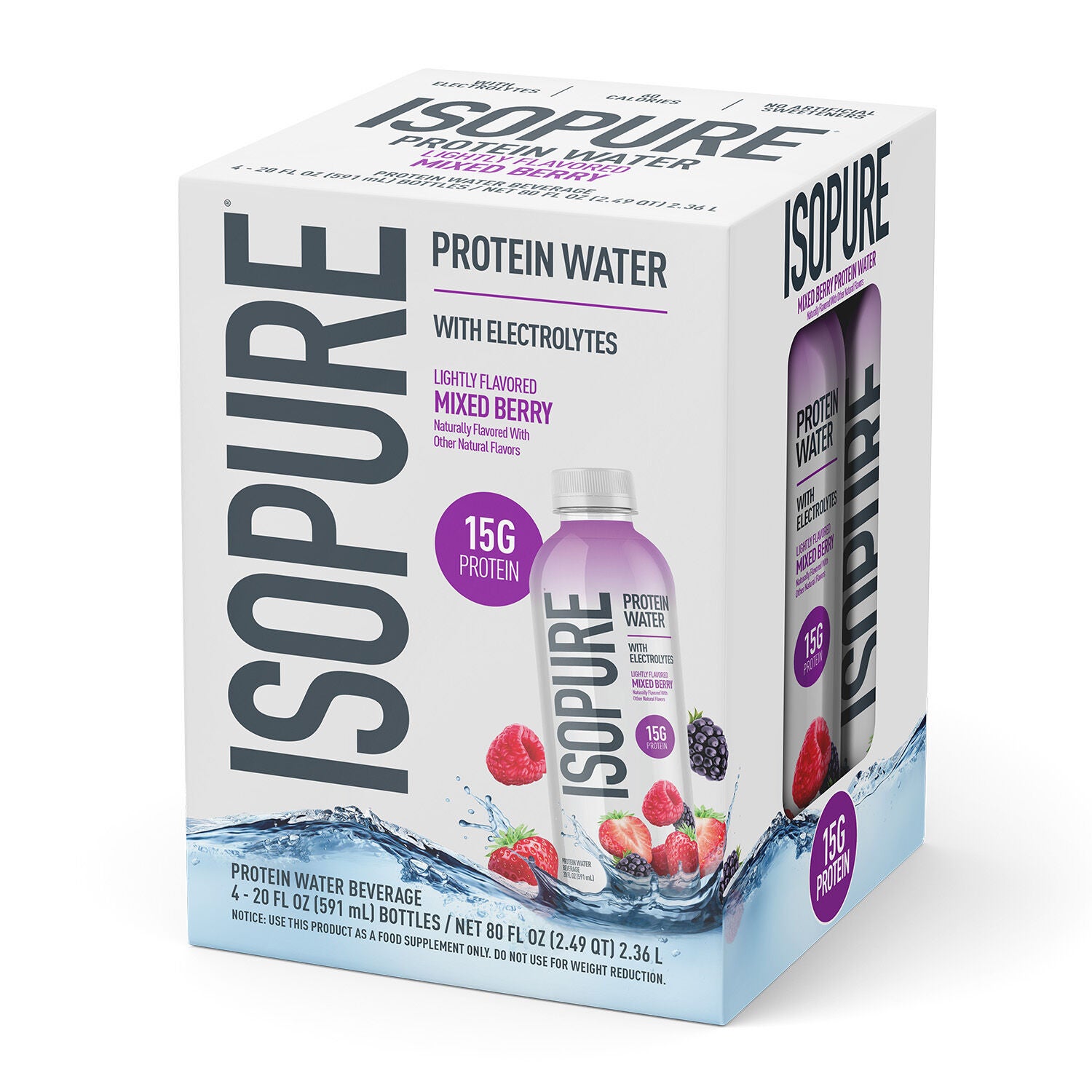

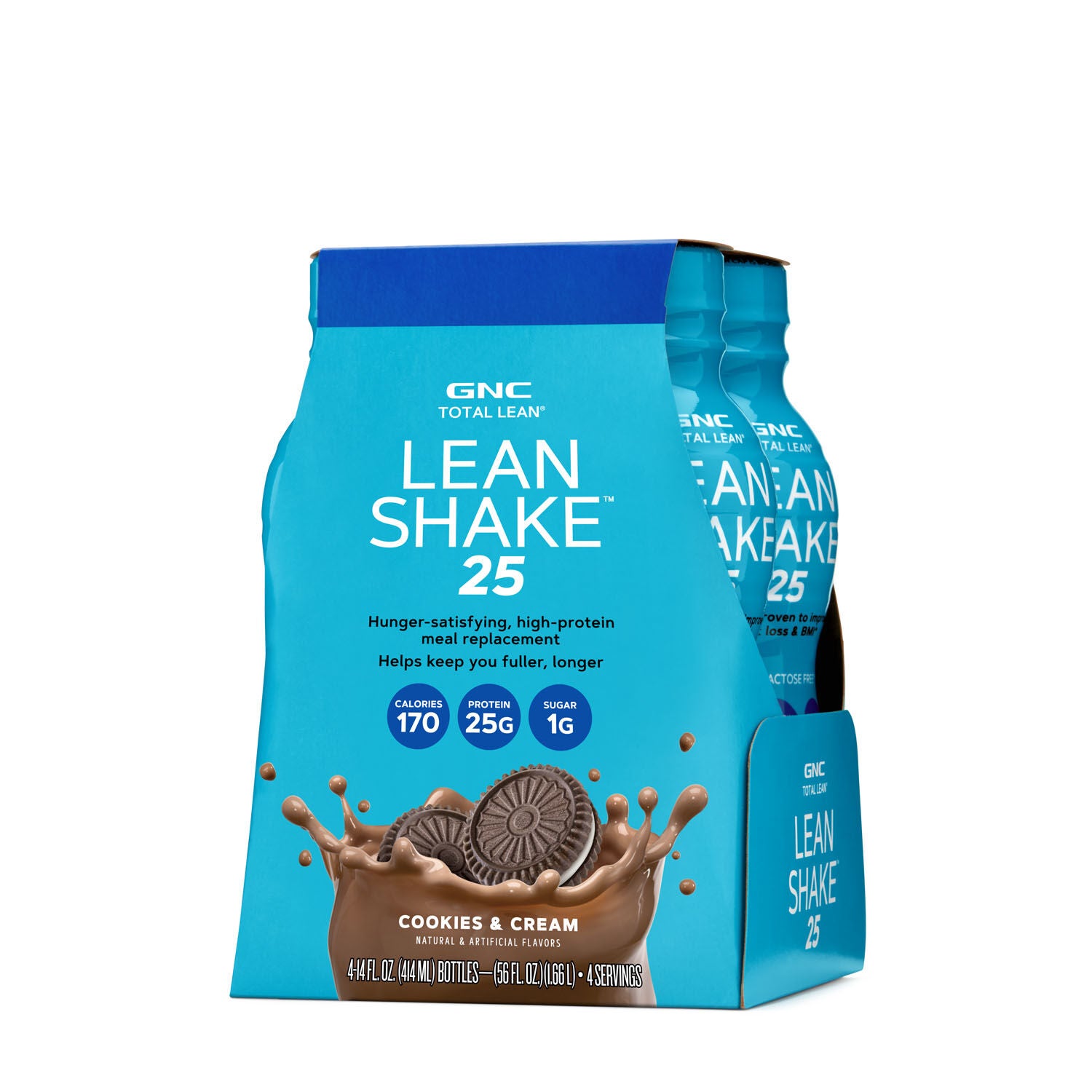
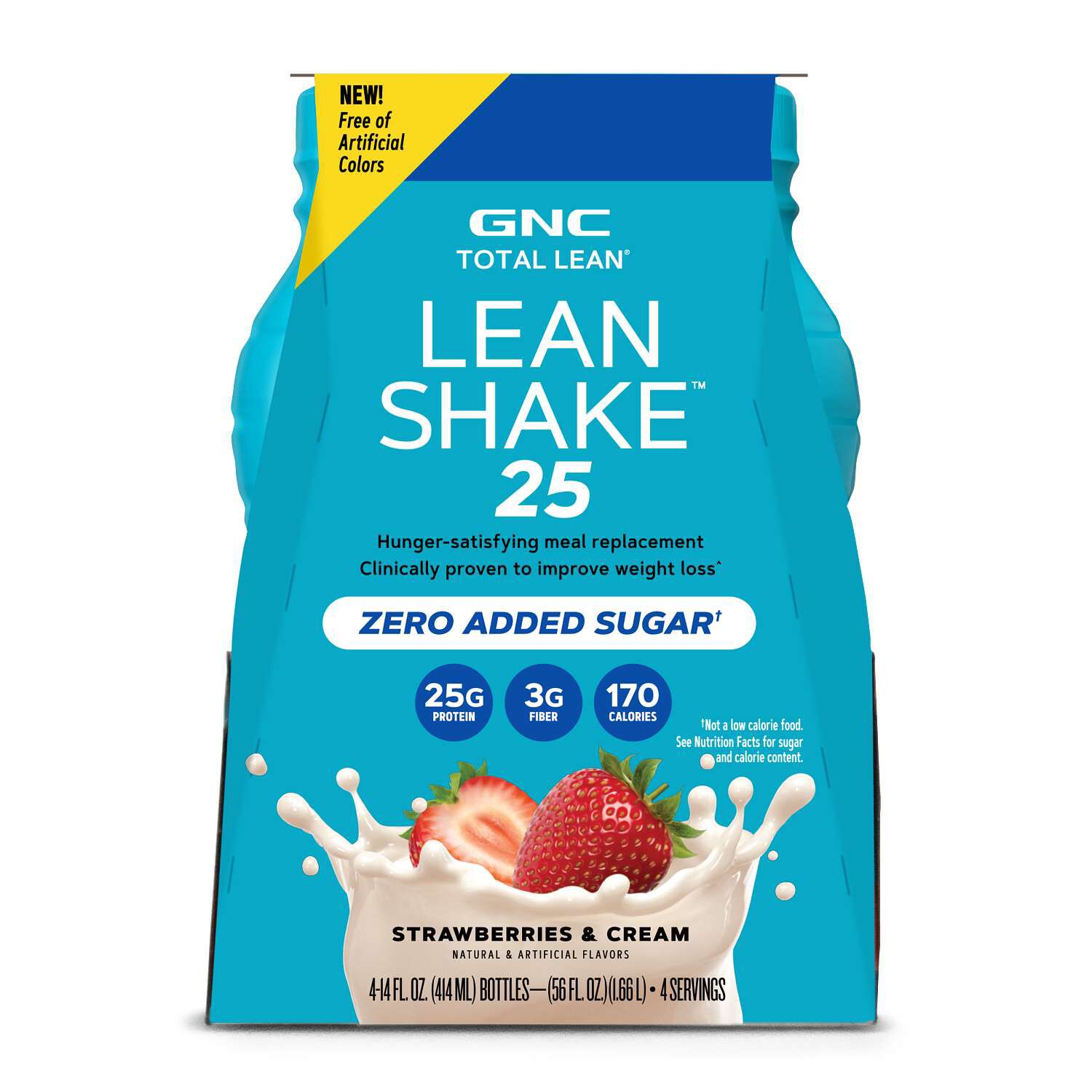
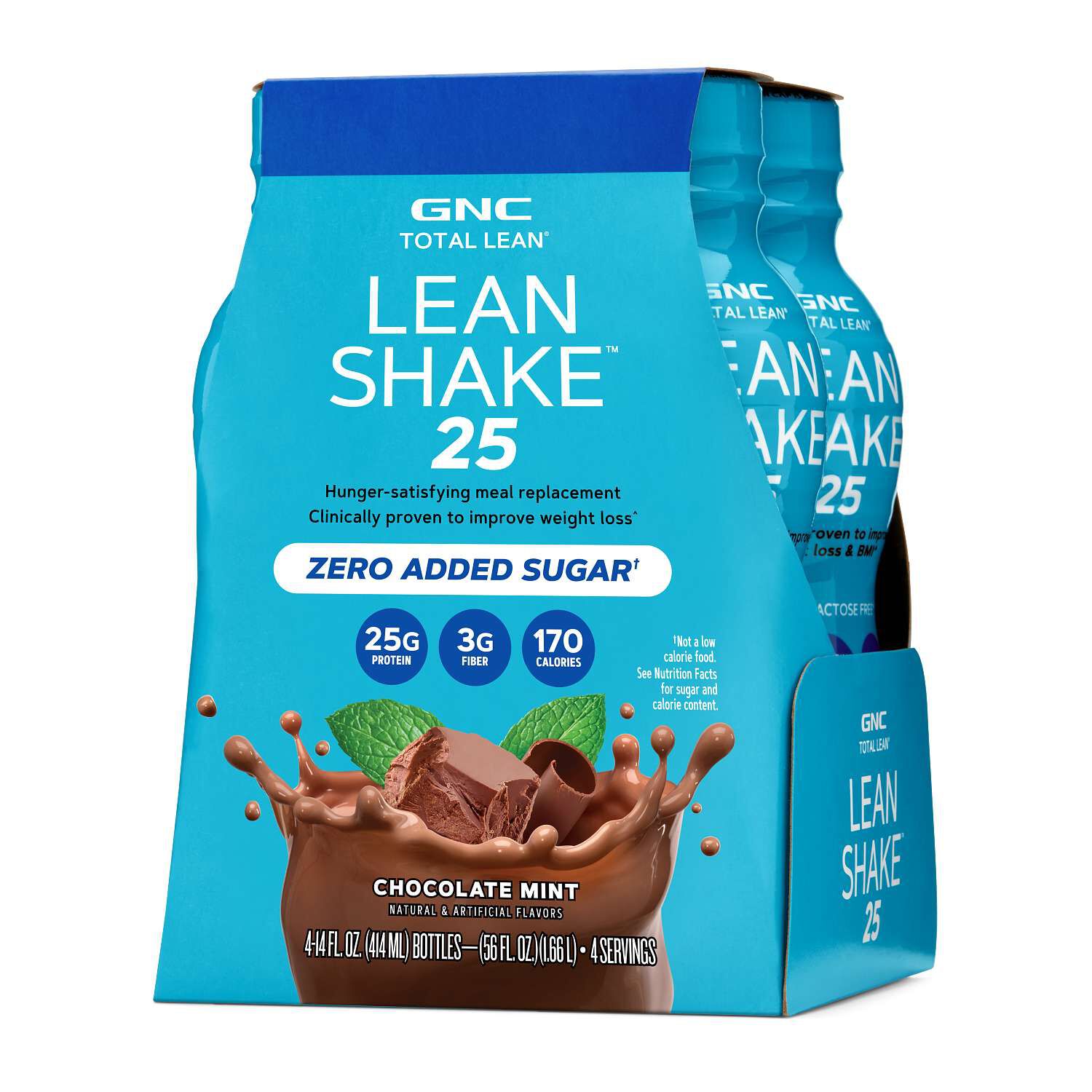
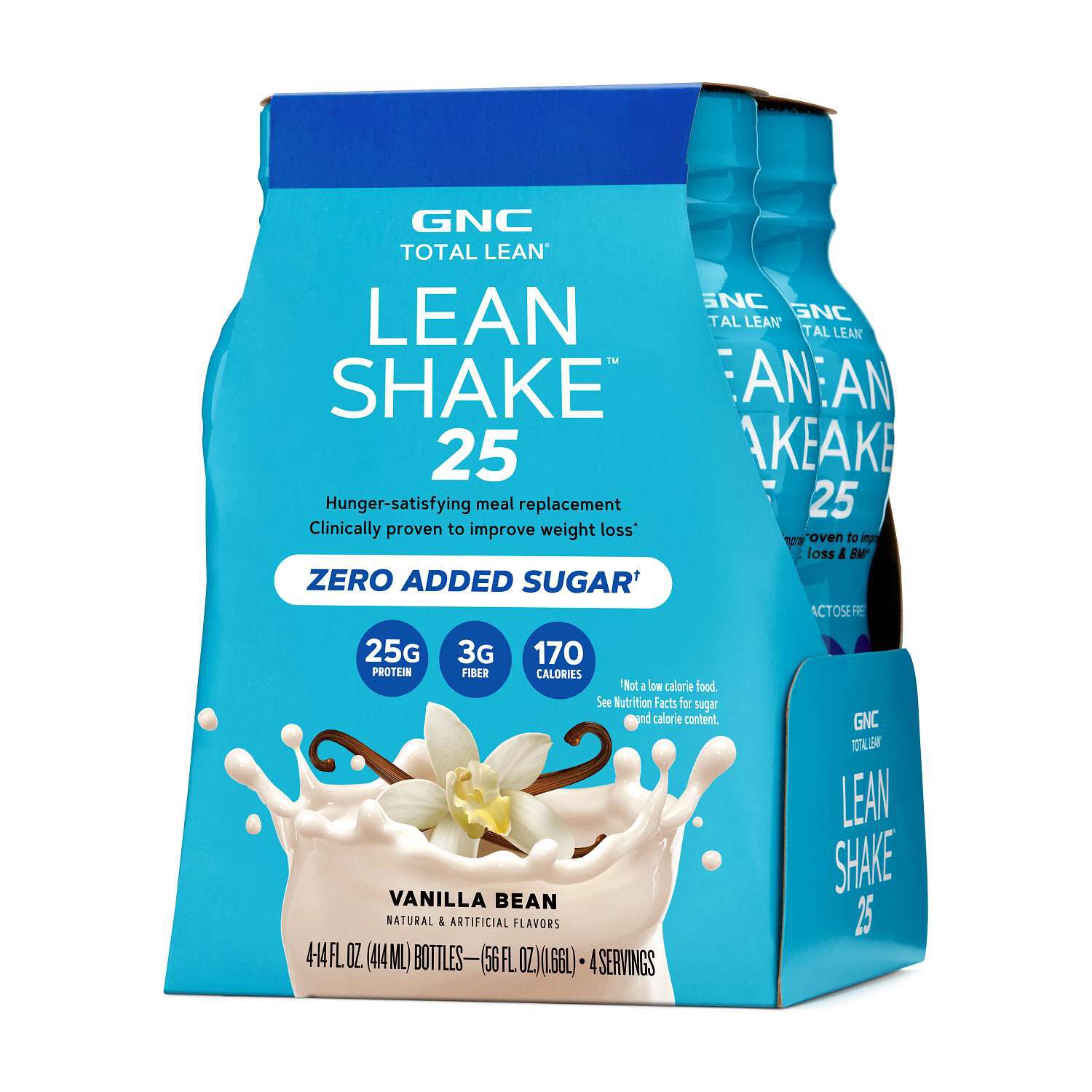
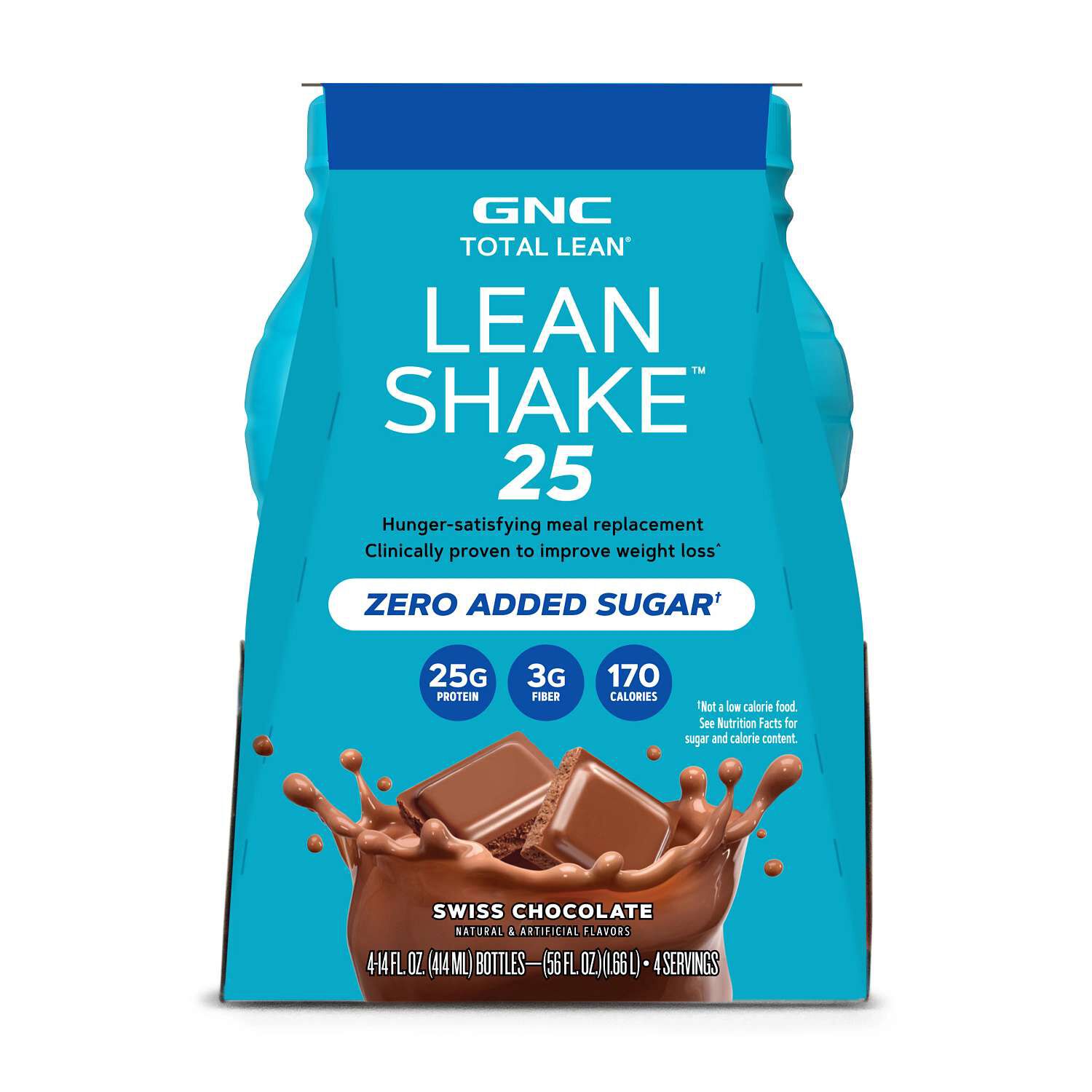

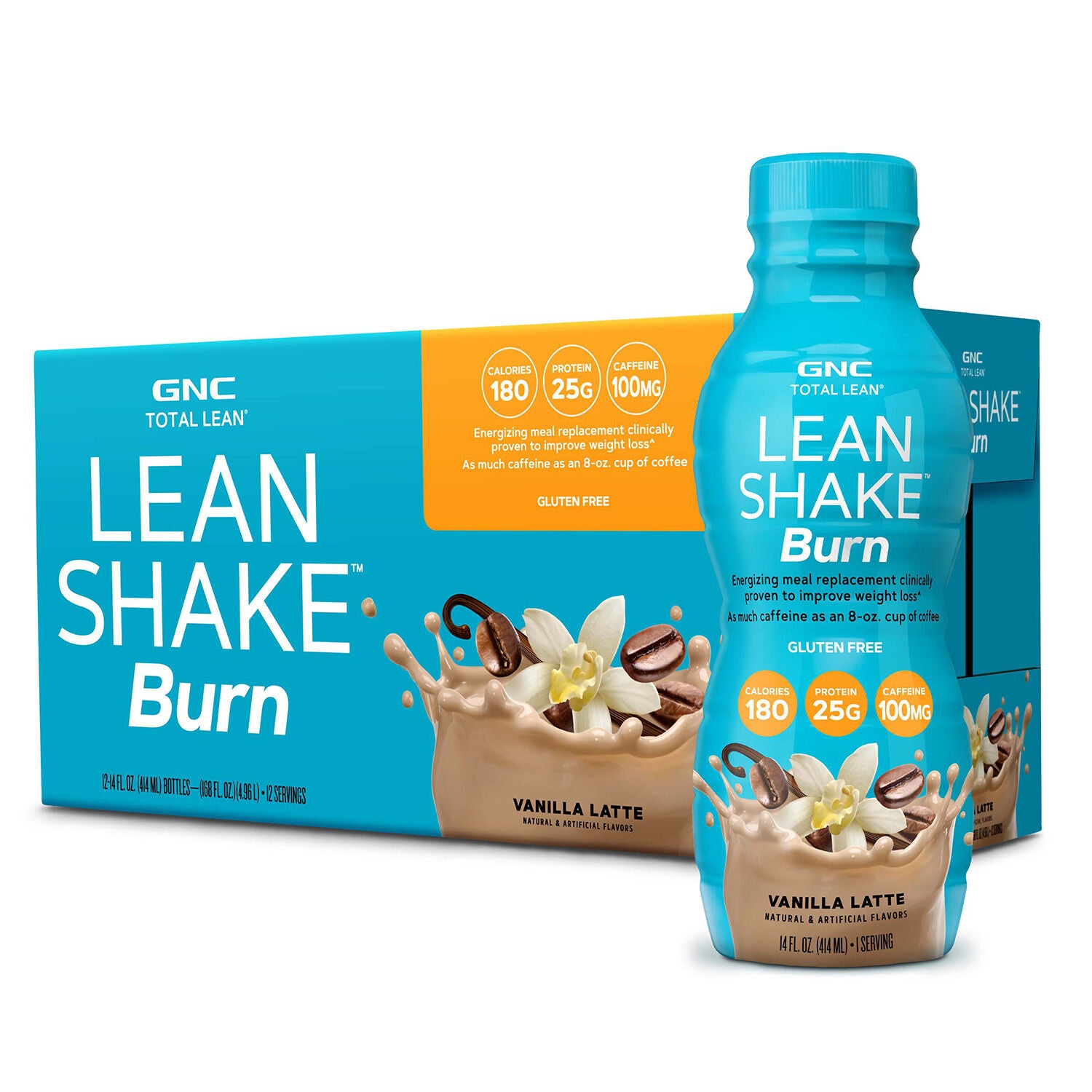

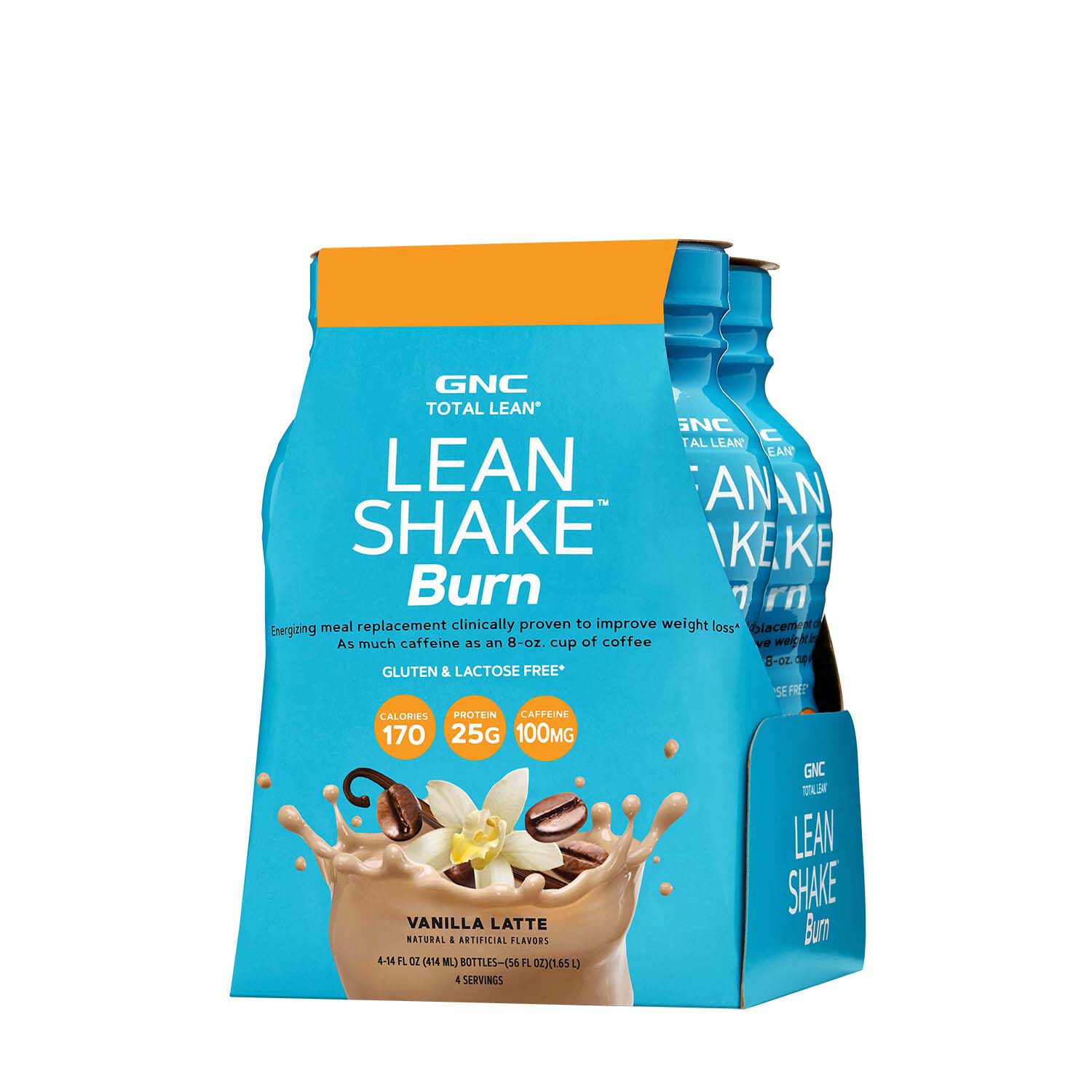
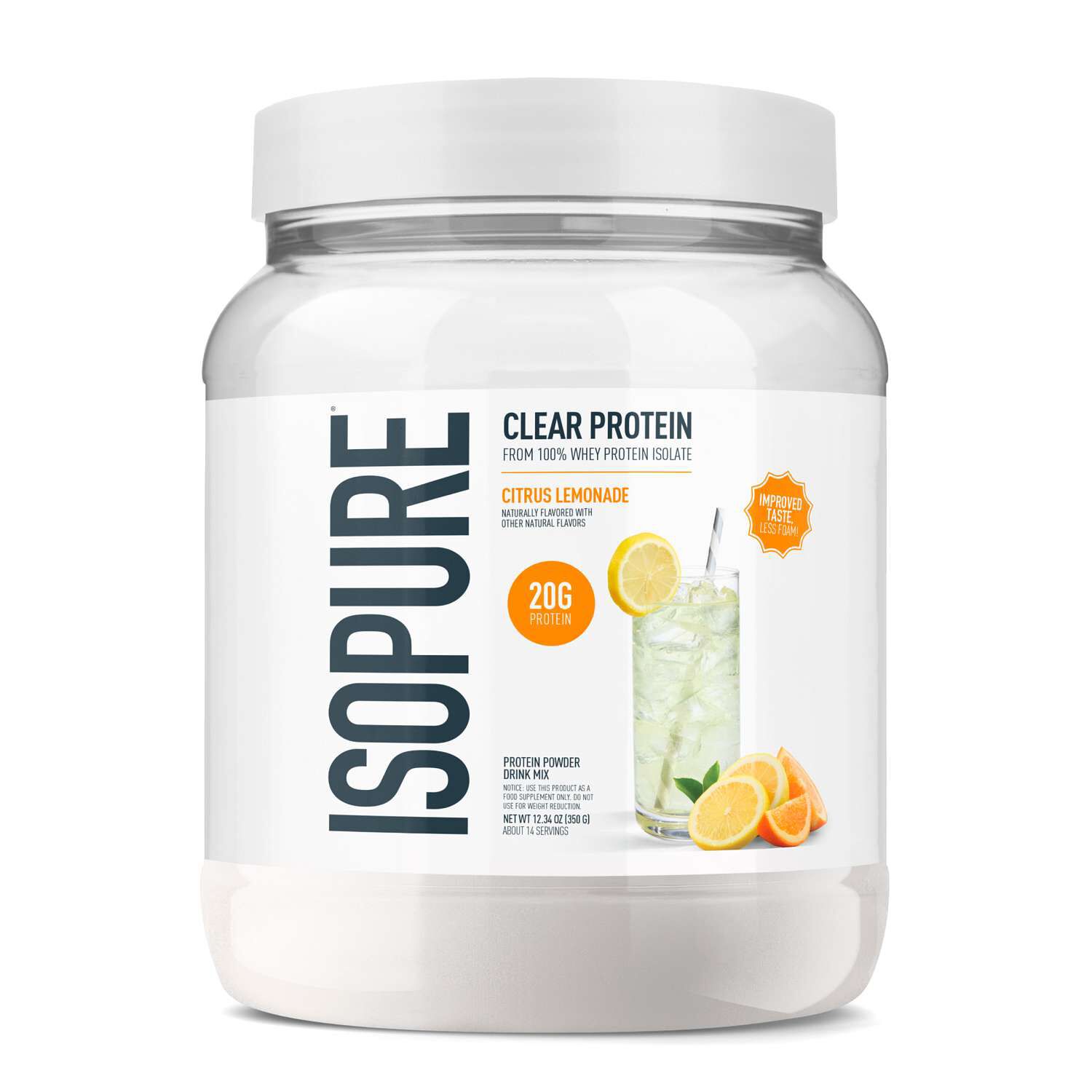
Protein drinks made without gluten bring together familiar shake flavors, a range of protein sources, and formats suited to everyday routines. The category includes ready-to-drink beverages in bottles or cartons as well as powders mixed with water, milk, or a plant-based beverage. Ready-to-drink options arrive already blended, while powders allow more choice over the liquid, portion, and consistency, within the preparation directions on the package. For shoppers avoiding gluten, the finished beverage matters more than the protein source alone. Whey, casein, pea, and rice are common protein ingredients, but flavorings, additional ingredients, and manufacturing practices also matter when evaluating a formula. A chocolate shake and a vanilla shake within the same product family can have different ingredient lists, so each flavor deserves its own label check. Packaging that specifically identifies a product as made without gluten provides more relevant information than a general description such as plant-based or organic. Third-party certification, when present, offers another detail to consider alongside the ingredient list and manufacturer information. Oat ingredients warrant particular attention because sourcing and processing can differ. Dairy content is a separate consideration: a beverage made without gluten can still contain milk-derived protein, and a plant-based beverage is not automatically made without gluten. These distinctions make the category relevant to shoppers with different food preferences rather than a single type of routine. Someone who enjoys dairy might prefer a whey-based shake, while someone choosing plant ingredients might look for pea protein or a blend of plant proteins. The useful comparison is between the actual formulas, including protein grams per serving, serving size, ingredients, and preparation requirements. Bottle size alone does not indicate protein content, and a larger drink is not necessarily more concentrated. With powders, the nutrition information usually describes a measured serving; adding milk or another beverage changes the nutrition of the prepared drink. Clear serving information makes it easier to compare a bottled shake with a powder on similar terms.
Flavor and texture are often what distinguish a drink that suits an occasional outing from one that fits a regular routine. Chocolate, vanilla, coffee-inspired, and fruit flavors offer different experiences, ranging from dessert-like shakes to lighter, juice-style beverages. A creamy chocolate drink served cold has a different character from a fruit-flavored powder shaken with water, even when the protein amounts are similar. Protein source, liquid choice, and the rest of the formula all contribute to that character. Some plant proteins have earthy or grain-like notes, while milk-derived formulas can have a more familiar dairy taste. Neither description applies to every formula, and sweetness can vary considerably within the same flavor family. Ingredients such as cocoa, vanilla flavoring, sweeteners, oils, and gums influence taste, body, and how the beverage stays blended. Added sugar and overall sugar content are separate entries worth distinguishing on the Nutrition Facts panel, especially when comparing a sweet shake with a less sweet alternative. Some formulas use sugar substitutes, and others combine different sweeteners to achieve a particular flavor. Coffee-inspired varieties may include caffeine, depending on their ingredients; the flavor name alone does not establish the amount. For powders, water generally lets the formula’s own flavor stand out, while milk or a plant-based beverage adds its own taste and texture. The package directions provide a starting ratio, with adjustments within those directions allowing a thinner or thicker drink. A shaker bottle suits many straightforward mixtures, while a blender accommodates additions such as ice or fruit when the preparation instructions allow them. Those additions also change the serving’s nutrition and ingredient profile. For shoppers who prefer plant ingredients and a mix-at-home format, vegan protein powder made without gluten offers a related category to explore. Across both bottled drinks and powders, the most meaningful details remain the labeled ingredients, serving information, flavor profile, and preparation method rather than broad descriptions on the front of the package.
Daily setting gives these formats much of their practical appeal. A ready-to-drink carton can fit neatly beside lunch in an insulated bag, while a bottle with a resealable cap offers a different drinking experience from a container intended for one sitting. A powder kept at home suits a kitchen-counter routine, with a measured serving mixed before heading out or enjoyed alongside breakfast. Individually packaged powder servings, where that format is used, reduce the need to carry a larger container, although they still require a suitable liquid and mixing vessel. For an office day, a chilled shake offers a different level of preparation from a powder that needs measuring and washing up afterward. For a gym visit, the distinction may be as simple as choosing between a sealed beverage and a shaker prepared according to its package directions. These drinks can accompany food, but a protein-focused formula is not automatically a meal replacement; the intended use and nutrient composition vary. Storage instructions are just as relevant as flavor when deciding how a format fits the day. Some sealed beverages are shelf-stable before opening, while others require refrigeration throughout storage. Once opened, the directions on the individual package determine refrigeration and how soon the drink should be consumed. A vehicle, desk drawer, or gym bag is not suitable for every beverage, particularly when temperatures vary. Powder containers typically need a dry storage location, a securely closed lid, and a clean, dry scoop, following the manufacturer’s directions. Prepared drinks have different storage needs from dry powder, so instructions for the unmixed product do not necessarily apply after blending. Reusable shakers also need attention around the lid, seal, and mixing insert, where residue can collect; cleaning and drying them according to their care instructions keeps preparation more practical. Whether the setting is a quiet breakfast, a commute, or an afternoon away from home, the relevant choice comes down to a format that suits the occasion, ingredients that match personal preferences, and a taste and texture worth returning to.