





Gluten Free Dairy Free Protein Powders
(0 Results)
Looking for a high-quality protein powder that fits your dietary needs? Our Gluten-Free Dairy-Free Protein Powder selection is perfect for those with specific dietary restrictions or preferences. Packed with essential nutrients and designed to support your fitness goals, these protein powders are free from gluten and dairy, making them suitable for individuals with sensitivities or those following a specialized diet. Whether you're looking to build muscle, recover after a workout, or simply increase your protein intake, our range of gluten-free and dairy-free options has you covered.


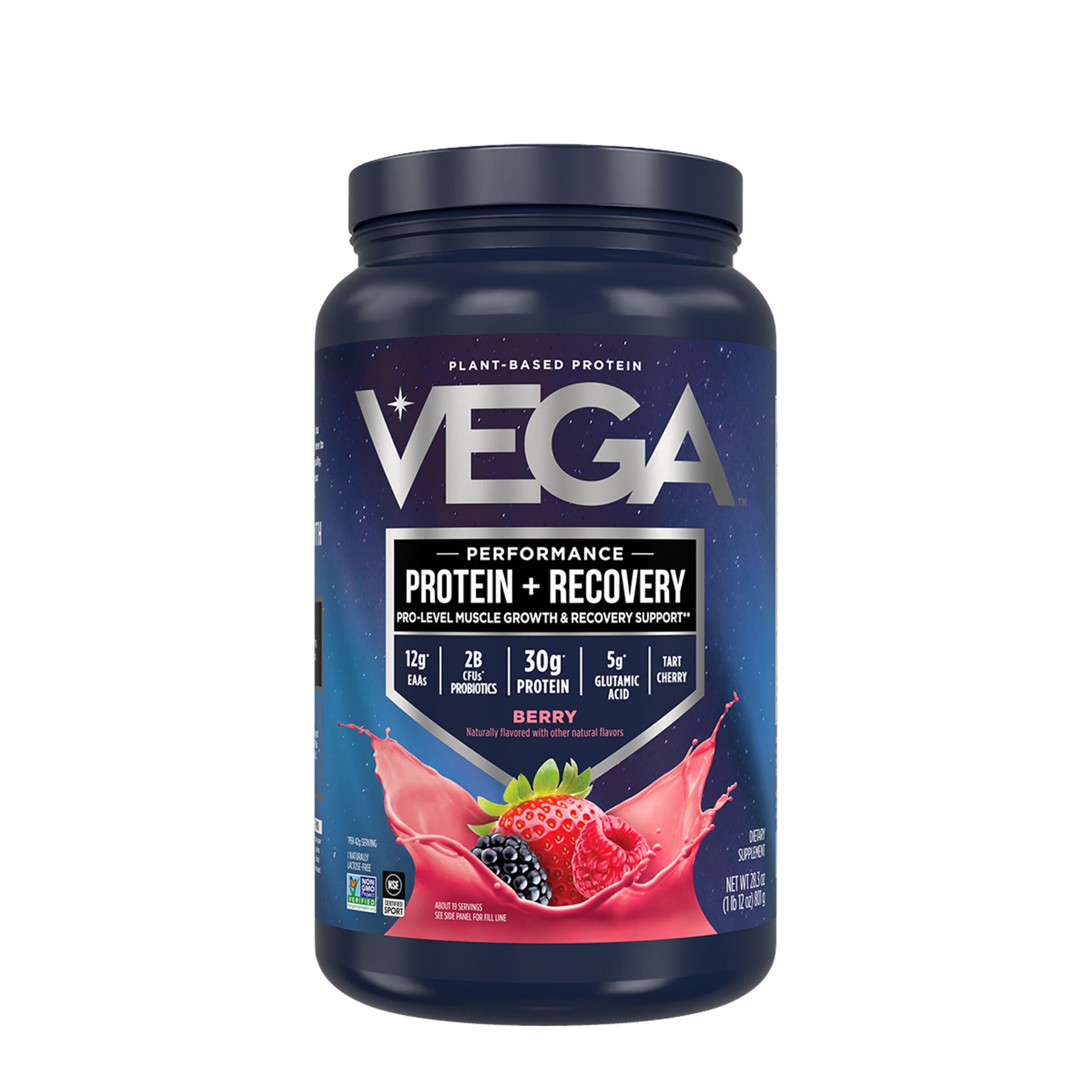
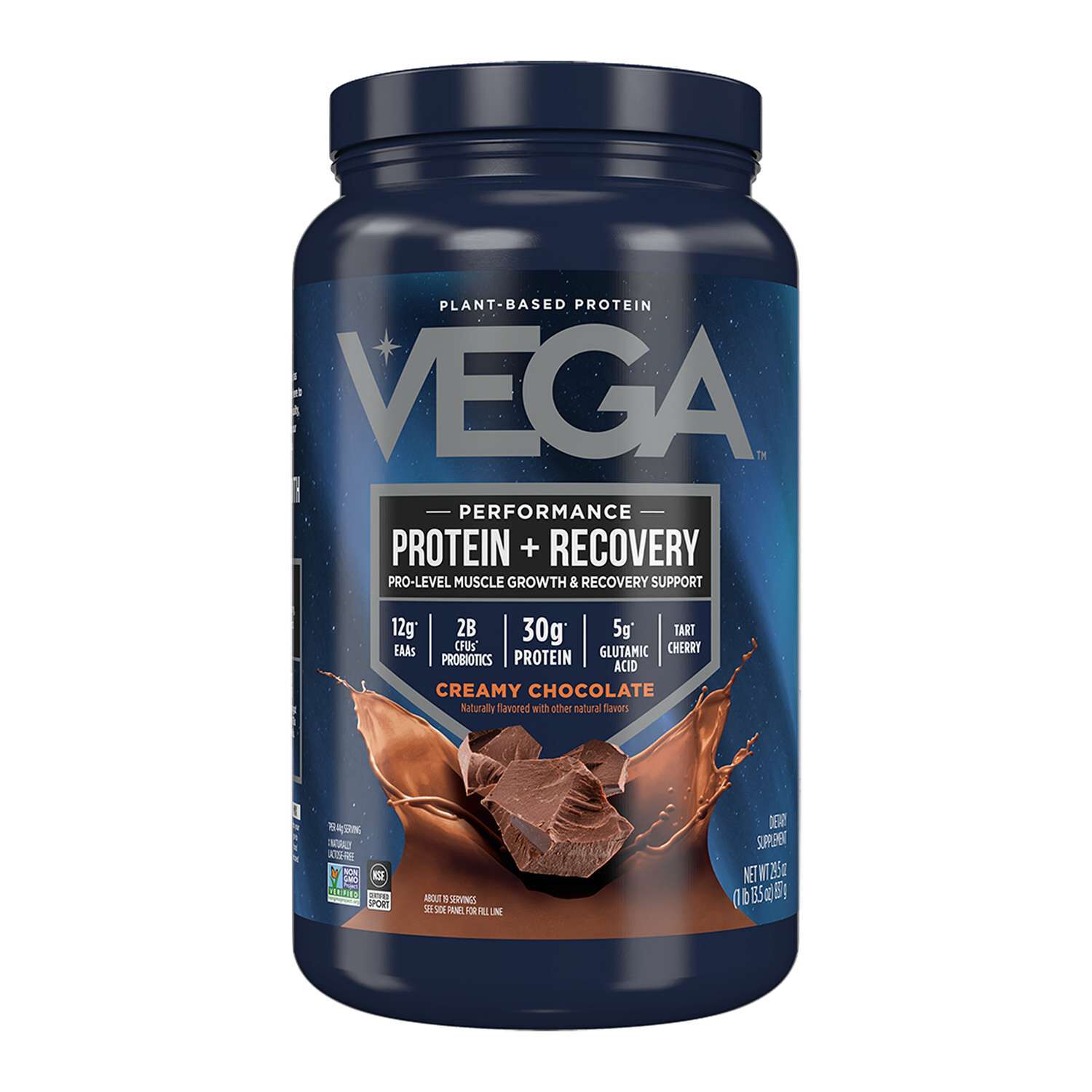

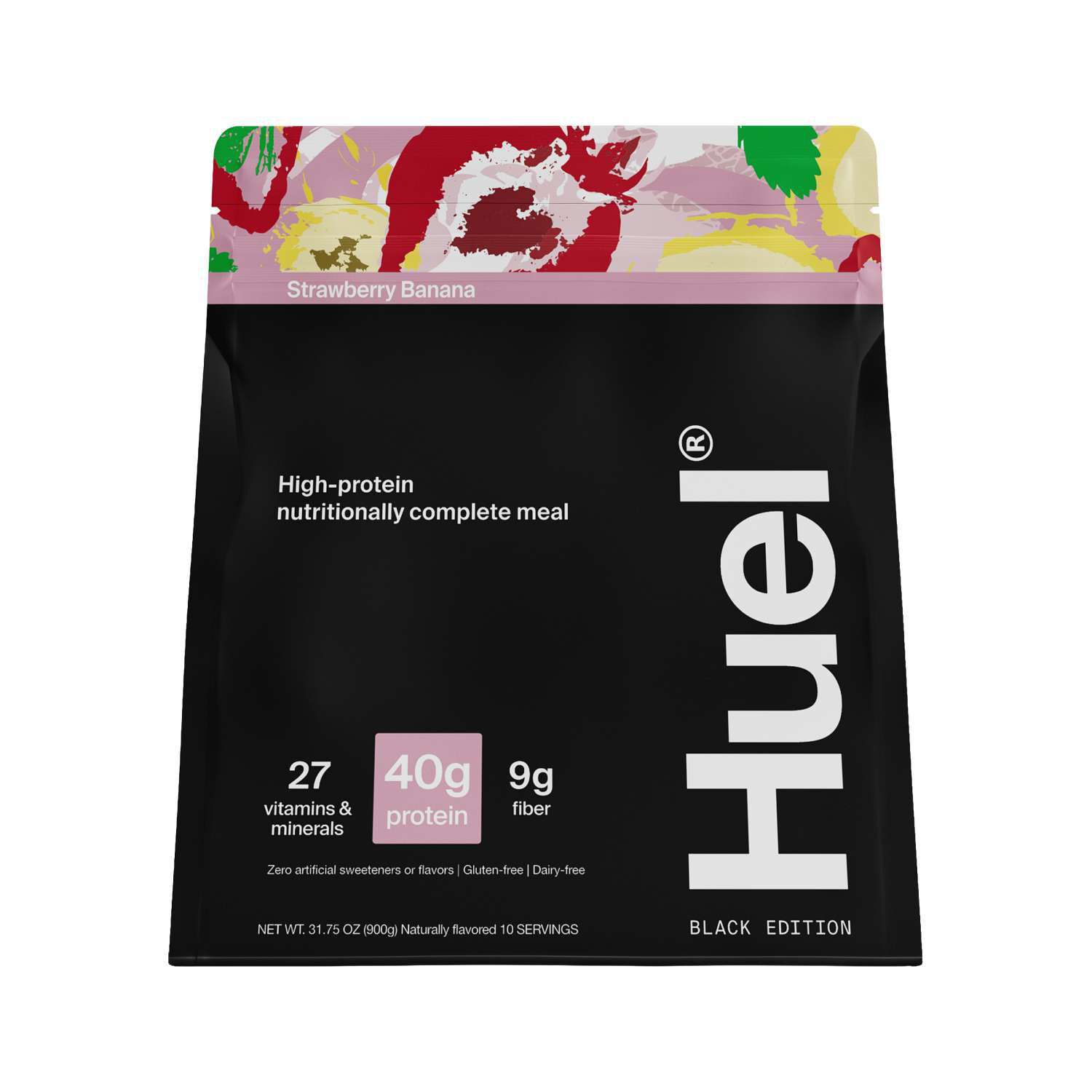
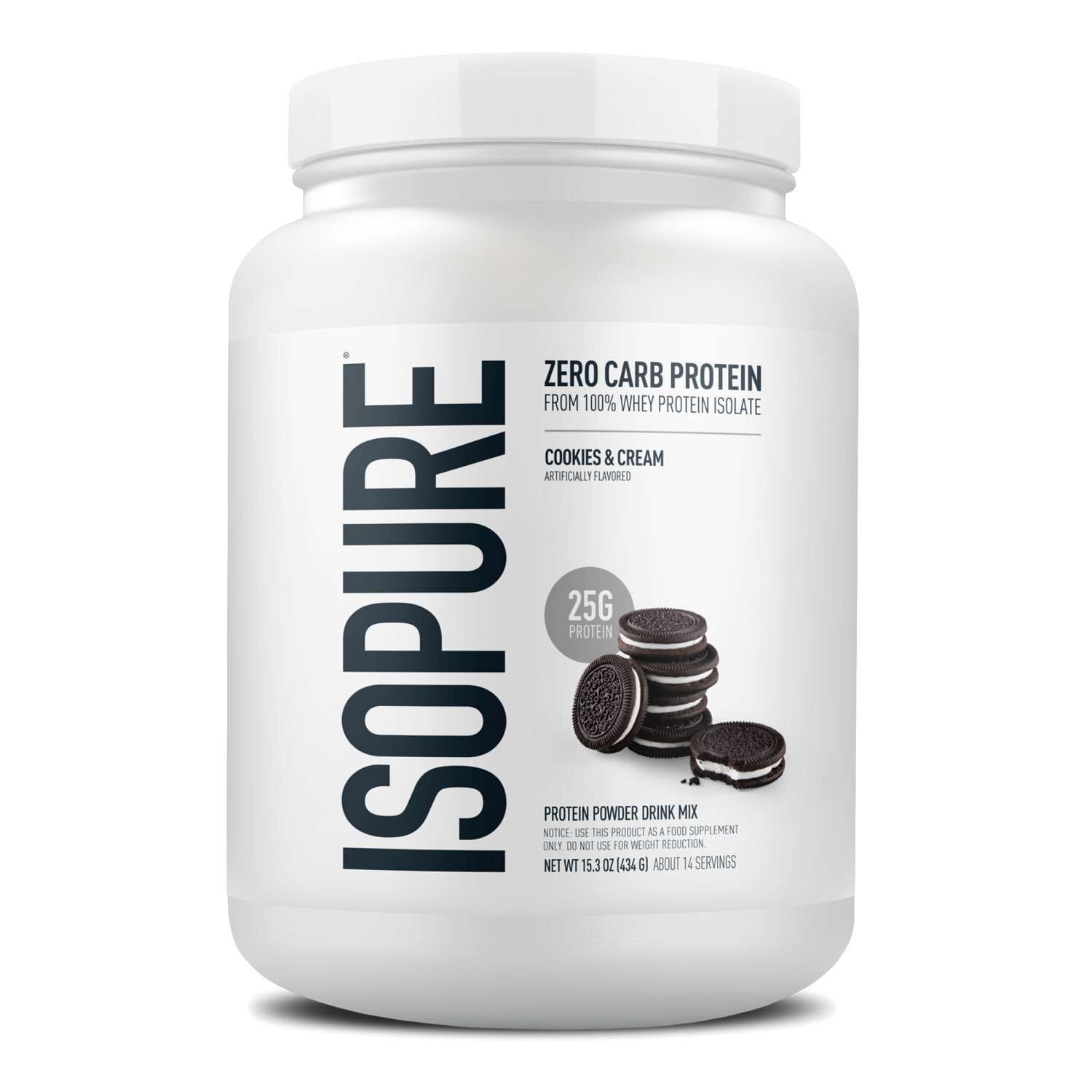
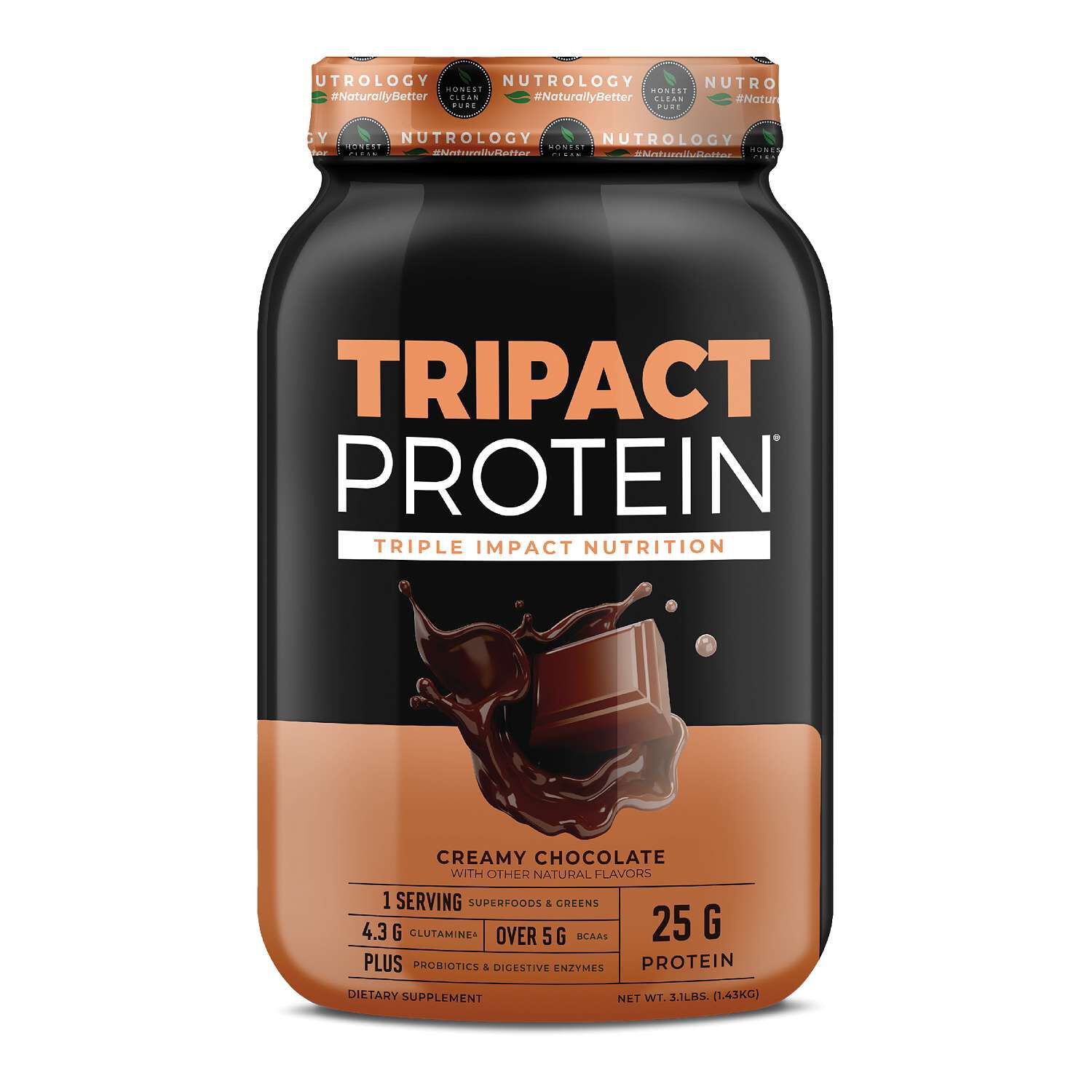


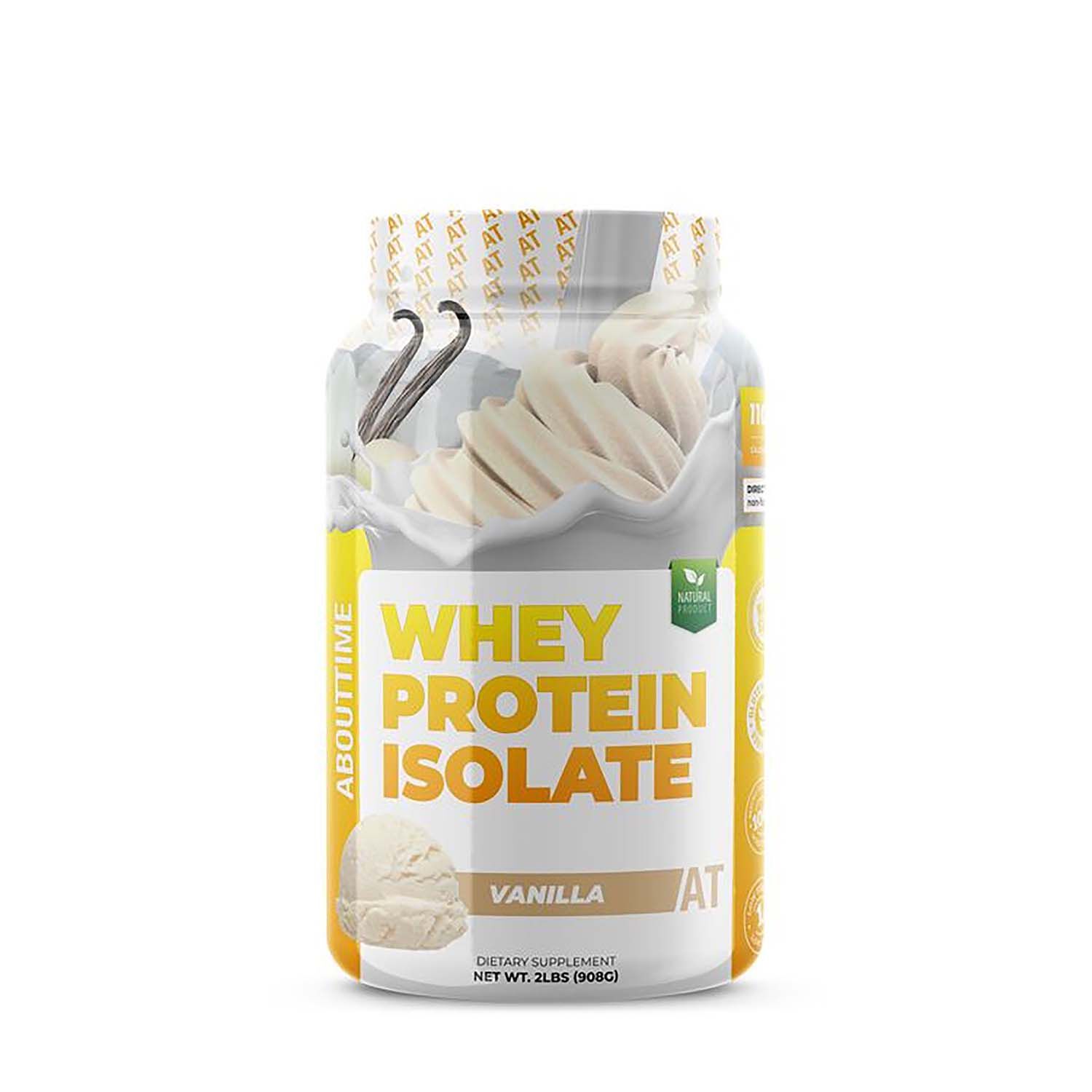
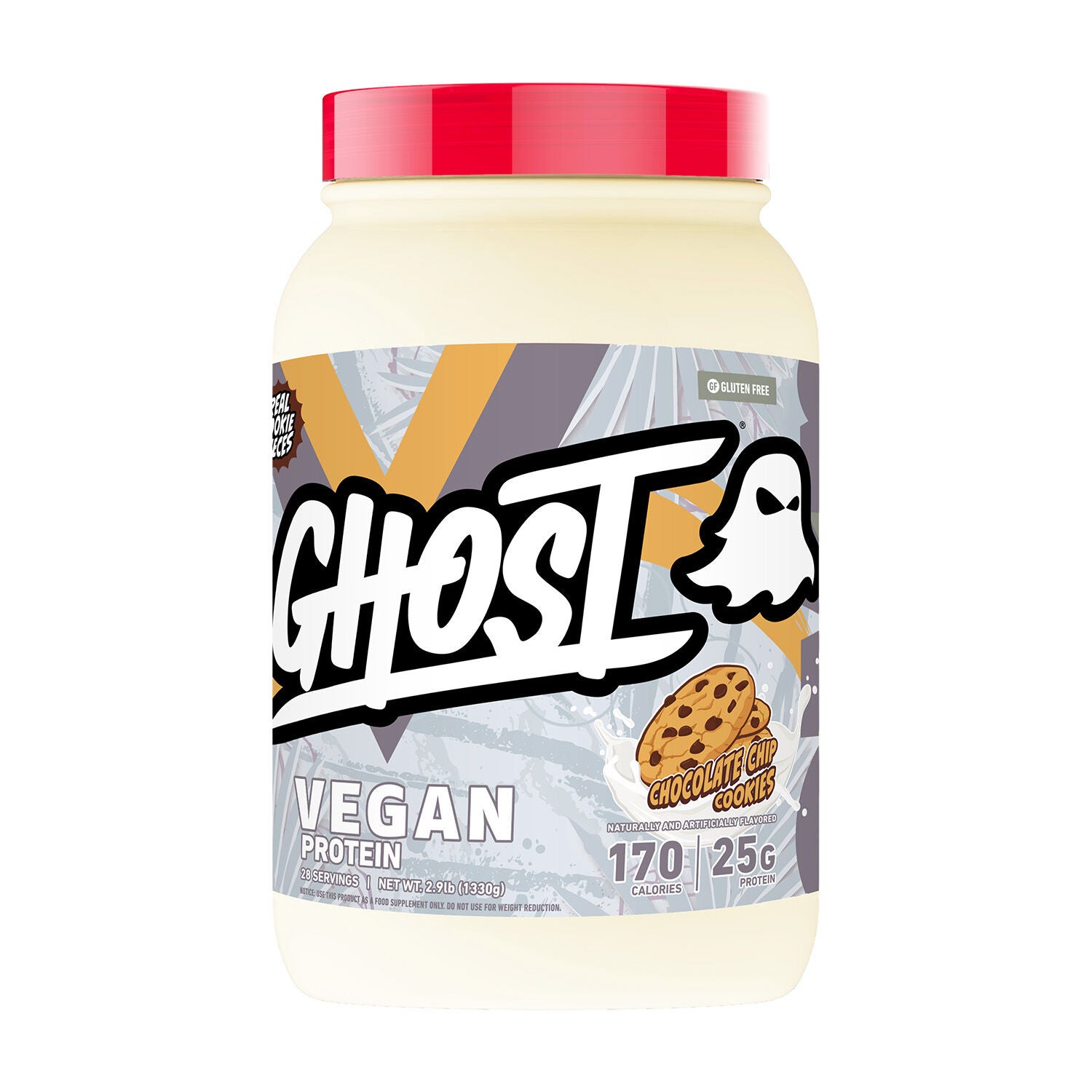


Protein powders made without gluten or dairy use sources other than milk-derived whey and casein, with options based on pea, brown rice, soy, pumpkin seed, sunflower seed, or egg white. Both the protein source and the remaining ingredients matter: a plant-based base alone does not establish whether a finished formula is made without gluten or milk ingredients. Flavorings, mix-ins, and other additions deserve the same attention as the protein named on the front of the package. Gluten comes from grains such as wheat, barley, and rye, while dairy ingredients originate from milk. These are separate considerations, so a statement about one does not establish the absence of the other. Lactose content is another distinction. Whey and casein remain milk-derived proteins even when a formula contains little lactose. Egg white, by contrast, is an animal-derived protein but is not dairy, making it a different choice from both milk-based and plant-based powders. Shoppers who avoid animal-derived ingredients altogether can explore vegan protein powders made without gluten as a related category. Single-source formulas center on one protein ingredient, while blends combine two or more sources in varying proportions. Neither format tells the whole story on its own; the serving size, protein amount, flavor profile, and preparation directions provide a more useful picture of the powder inside. These details are relevant for people who prefer plant-based eating, those who leave gluten and dairy out of their everyday meals, and households accommodating different ingredient preferences. A shake after a workout, a smoothie alongside breakfast, or a measured scoop stirred into a recipe represents a different intended use, and each puts different demands on flavor and texture. The most relevant comparison is between the label and the way the powder will actually be prepared, rather than between broad claims on the front of a container.
Taste and texture deserve close consideration because protein sources and supporting ingredients vary considerably. Pea protein often has an earthy character, rice protein sometimes has a grain-like note, and seed-based formulas vary with the seeds used. Cocoa, vanilla, fruit flavors, sweeteners, and salt shape the finished taste, while gums and other thickening ingredients may influence consistency. An unflavored powder is not necessarily tasteless, and an unsweetened powder is not always interchangeable with a flavored one in a recipe. Someone planning a simple water-and-powder shake may prefer a different formula from someone blending frozen berries, banana, and a plant-based beverage. Water leaves the powder’s own flavor more noticeable; other ingredients may change its sweetness, thickness, and aroma. Chocolate paired with banana may create a dessert-like flavor, while a subtler vanilla formula may suit a wider range of fruit combinations. For everyday comparison, look at grams of protein per serving alongside the serving’s weight, rather than assuming that equal scoops contain equal amounts. Scoop dimensions differ, and a larger scoop does not automatically mean a more concentrated protein formula. Calories, carbohydrates, sugars, fats, fiber, sodium, and added vitamins or minerals are additional points of comparison when present. Sweetener preferences matter as well, whether the plan is a lightly flavored drink or a richer blended shake. Package directions provide a starting point for the amount of liquid and the recommended mixing method. Some powders are intended for a shaker bottle, while others may produce a more uniform texture in a blender. A formula used in oatmeal or batter may change the recipe’s moisture needs, so recipe-specific quantities are more useful than assuming every powder behaves like flour. For a household that uses protein powder in several ways, a familiar flavor and clear preparation directions may matter more than an elaborate flavor name. For a dedicated smoothie routine, the ingredients already going into the blender offer a practical starting point for choosing a complementary powder.
Label details and everyday handling round out the comparison. A short ingredient list and a longer one describe different formulations, not automatic measures of suitability. Look for the protein sources, flavor ingredients, sweeteners, and any added components individually, then review the package’s gluten-related statements, milk allergen information, and manufacturing disclosures. Ingredient statements and shared-equipment notices provide different kinds of information; neither should be substituted for the other. Certification marks, when present, identify a particular standard, so the wording and the organization behind the mark matter. A vegan designation addresses animal-derived ingredients, but it does not by itself describe gluten content. Likewise, an organic designation addresses production standards rather than establishing the absence of gluten or dairy. Packaging is another practical consideration, particularly when a powder will be used several times a week. Resealable pouches and tubs have different storage footprints, and the opening needs to accommodate the scoop without making each serving awkward. Follow the package’s storage directions, keep the closure secure, and use a clean, dry scoop rather than introducing moisture into the container. Keeping the original packaging also preserves access to ingredient details, serving instructions, and date markings. For shakes taken outside the home, carrying the measured powder separately from the liquid may make preparation more convenient, subject to the package directions. Prepared drinks containing fruit or perishable beverages need storage appropriate to those ingredients. At home, a blender may suit a thicker breakfast smoothie, while a shaker bottle may suit a simpler drink with fewer additions. The powder itself is one part of that routine, not a substitute for considering the other ingredients in the glass or bowl. Comparing source, flavor, serving information, label statements, and preparation needs keeps the focus on practical differences. A thoughtfully chosen formula may offer a convenient way to add protein to familiar foods and drinks while respecting preferences around gluten and dairy.
Best Sellers
Related Pages


Top Collections
- GLP 1 Support For Adults
- Supplements For Yoga Joint Flexibility
- Joint Mobility Supplement Packs
- Supplements For Balance
- Zinc Supplements For Men
- Chronic Fatigue Supplements
- Capsule Supplements For Energy And Stamina
- Zinc Supplements | Top Brands at Great Prices | GNC
- Supplements For Anxiety Relief Support
- Adult Mobility Supplements