Wheat Free Protein Powders
(0 Results)
Looking for a protein powder that fits your dietary needs? Our selection of wheat-free protein powders is here to support your fitness goals without compromising on your dietary restrictions. Packed with high-quality protein sources, vitamins, and minerals, these powders are perfect for anyone looking to fuel their workouts or boost their daily protein intake. Whether you have a gluten intolerance or simply prefer to avoid wheat, our range of wheat-free protein powders offers delicious flavors and premium ingredients to help you reach your nutritional targets.

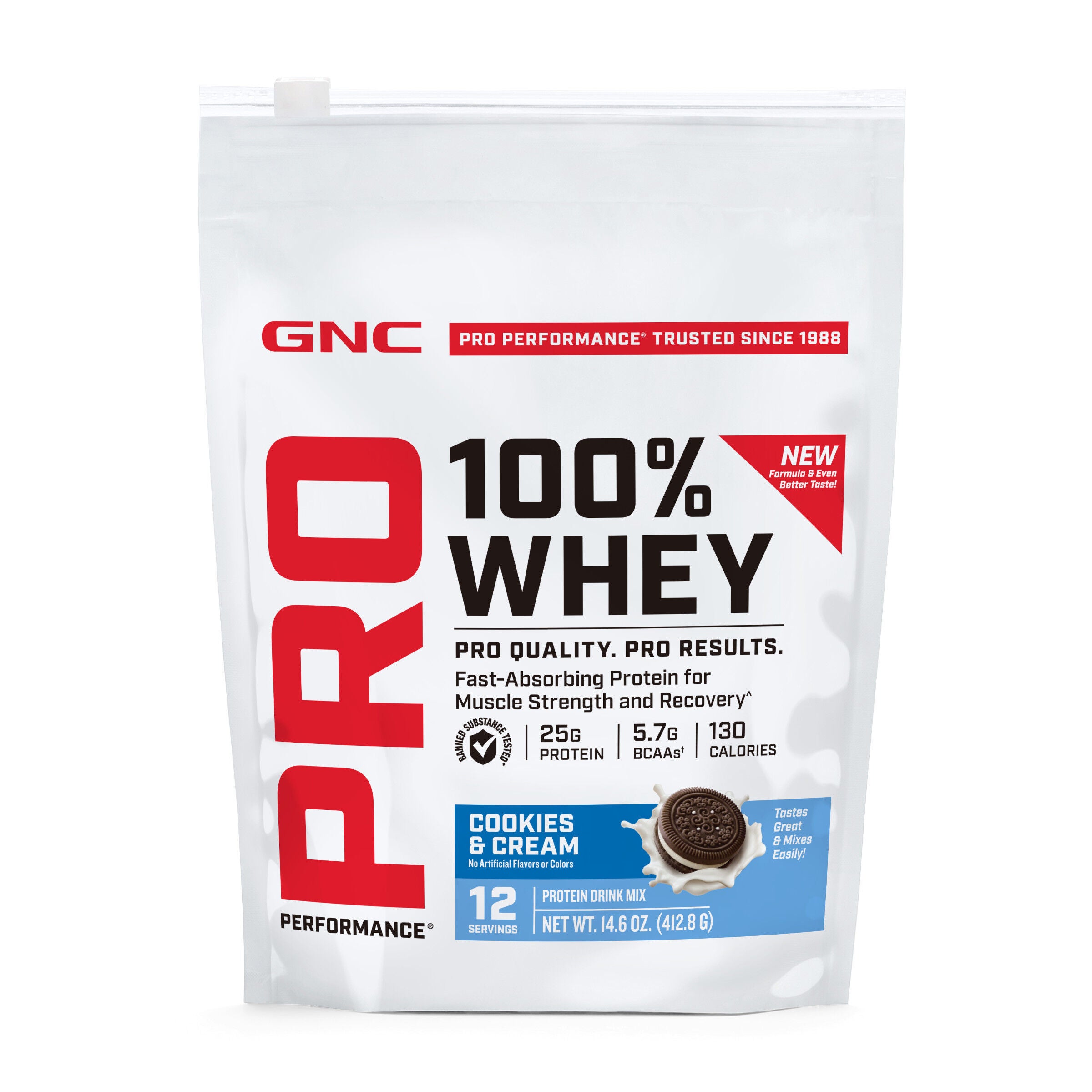
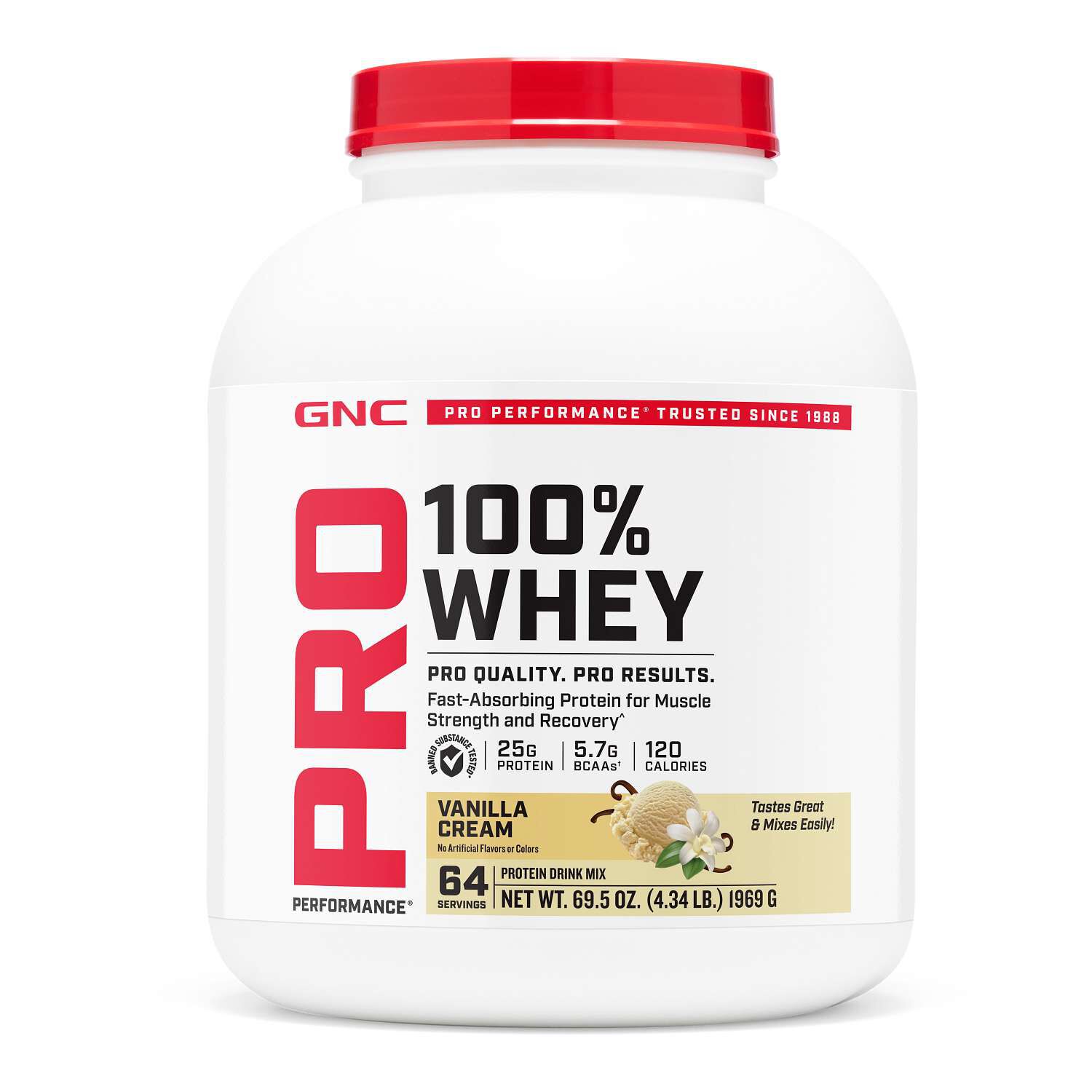

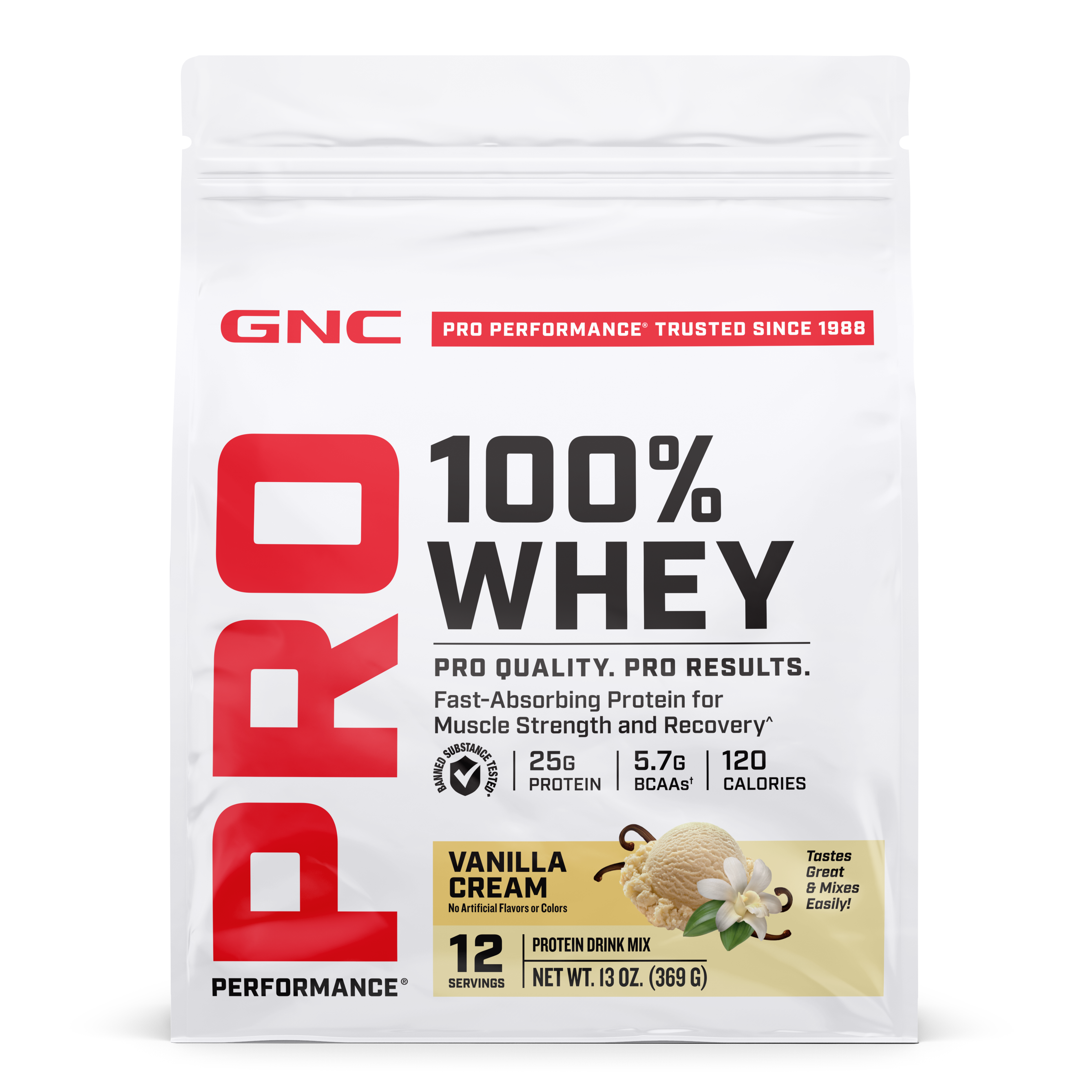
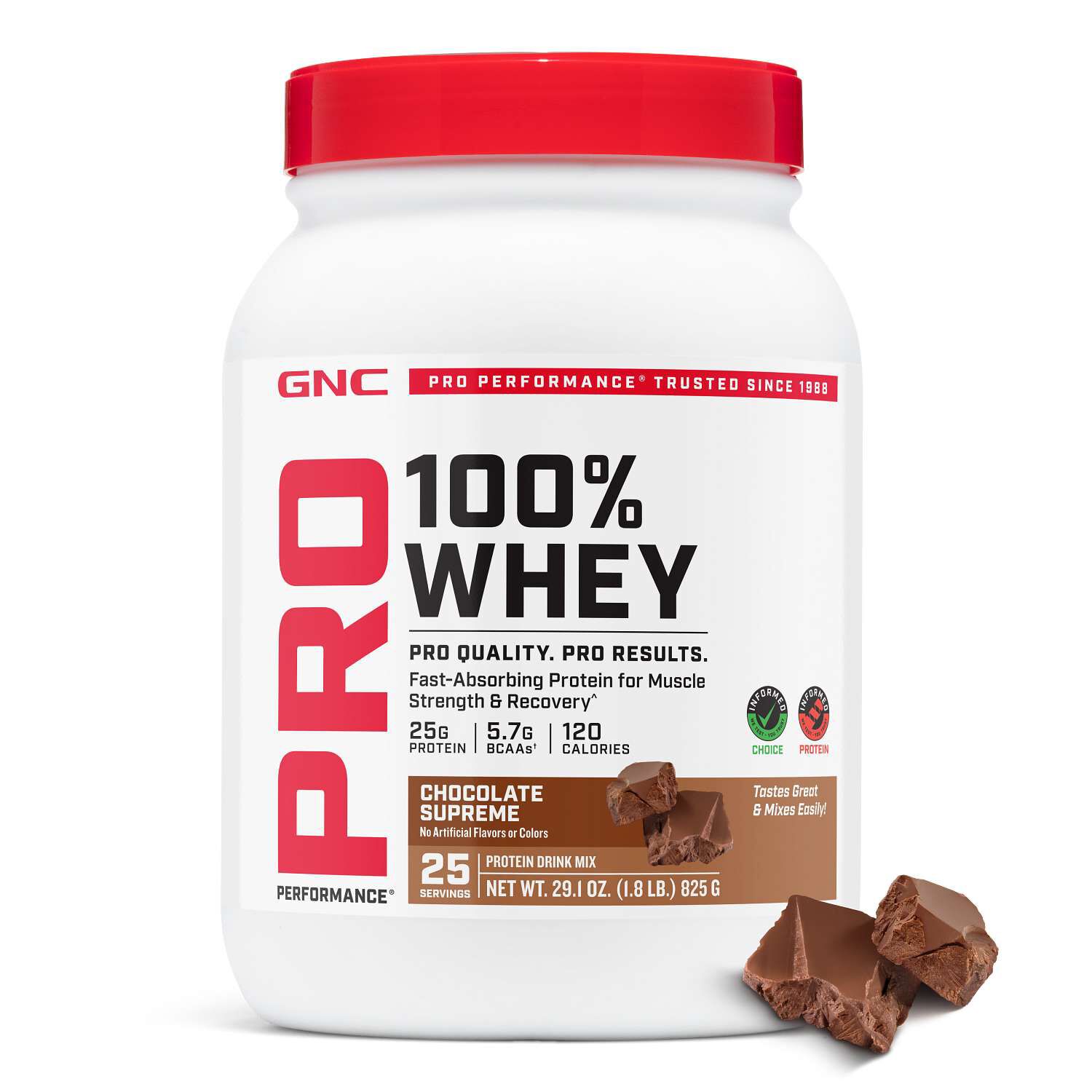


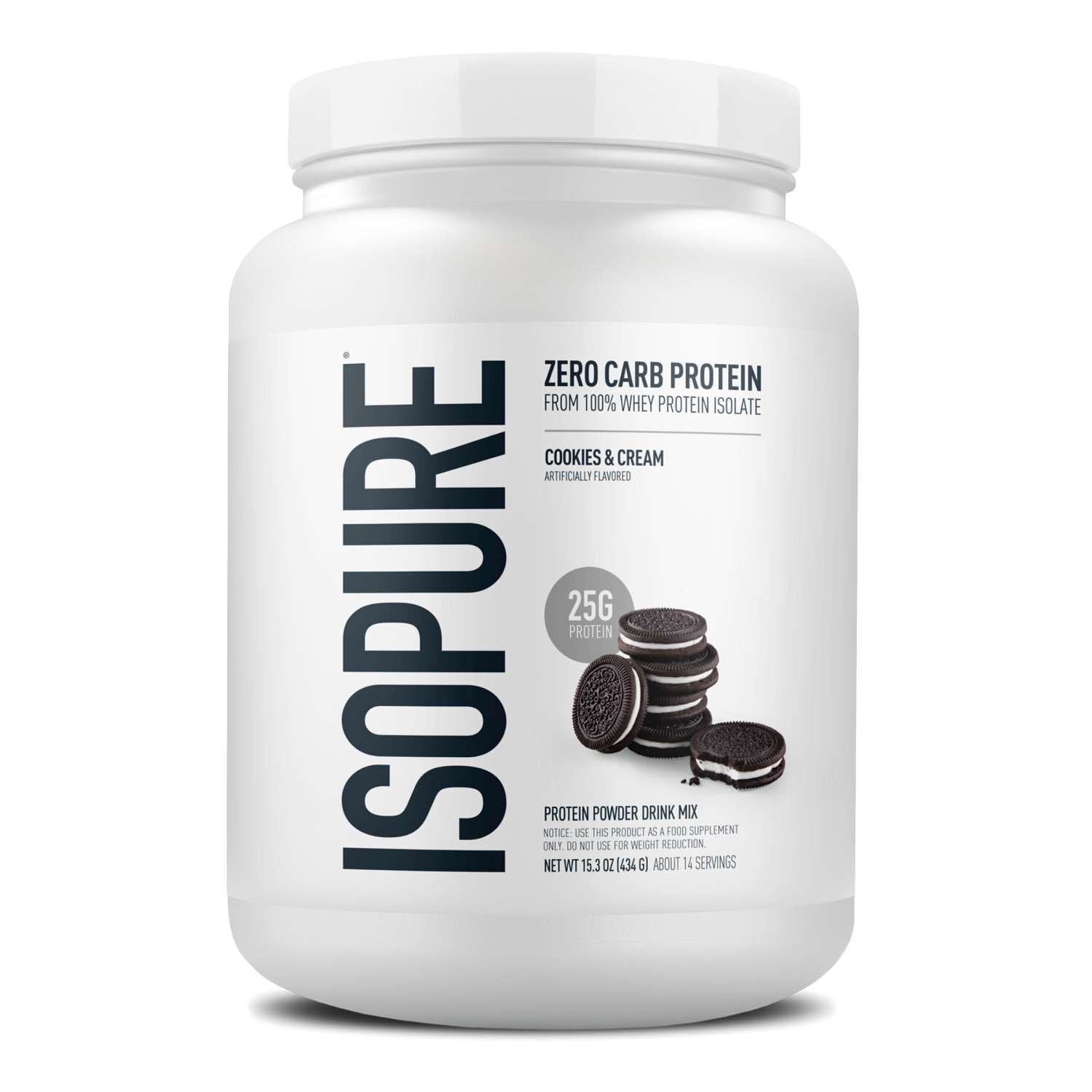

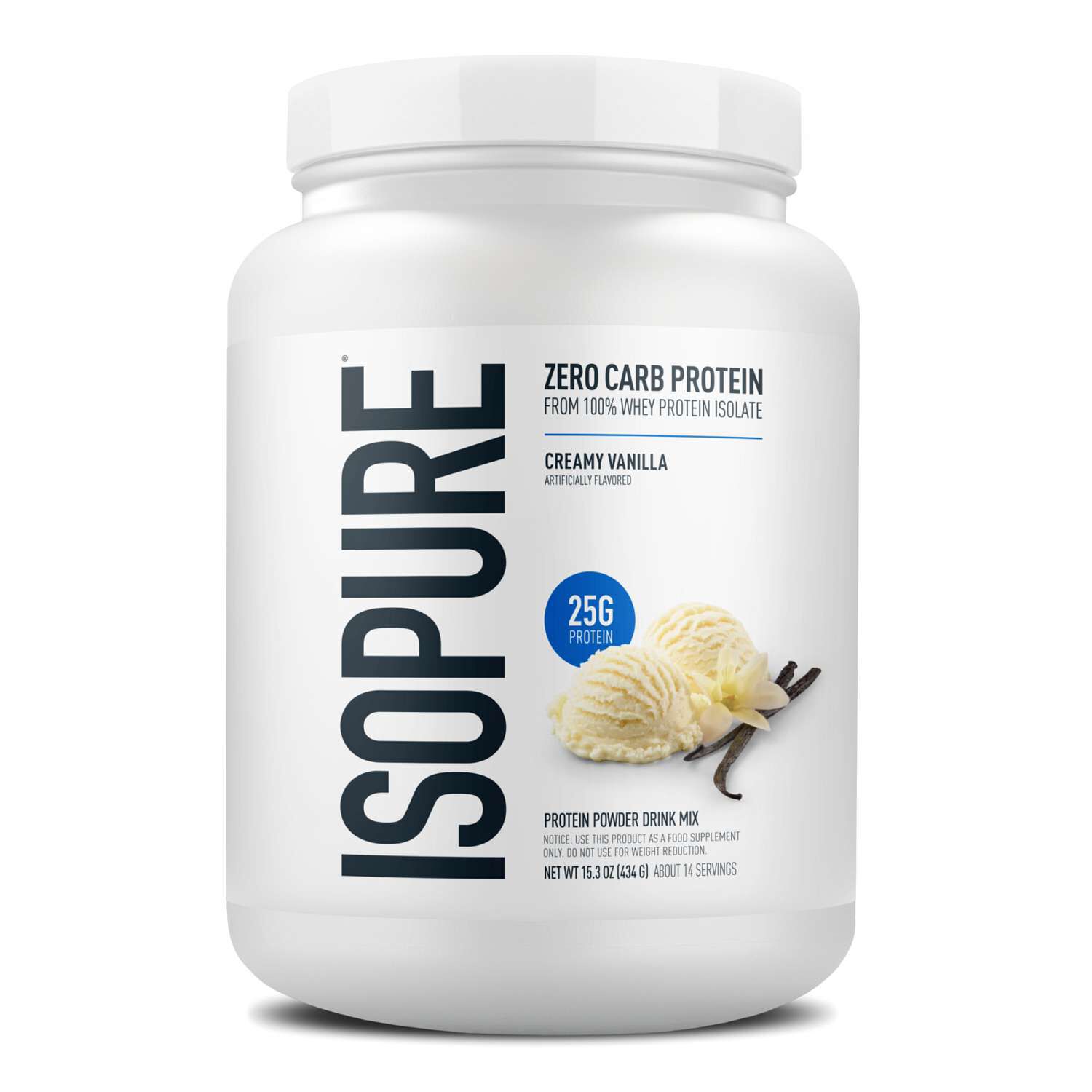
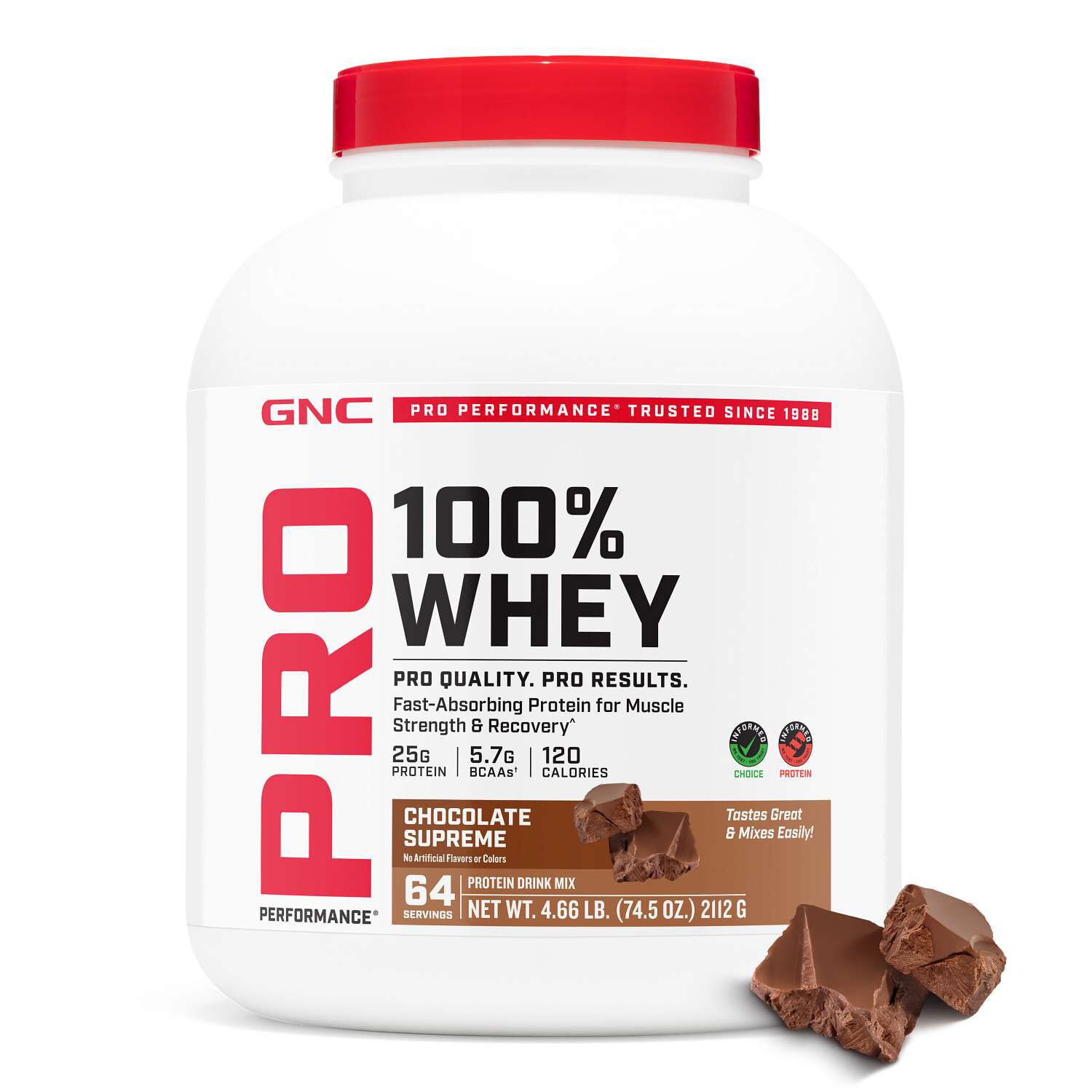
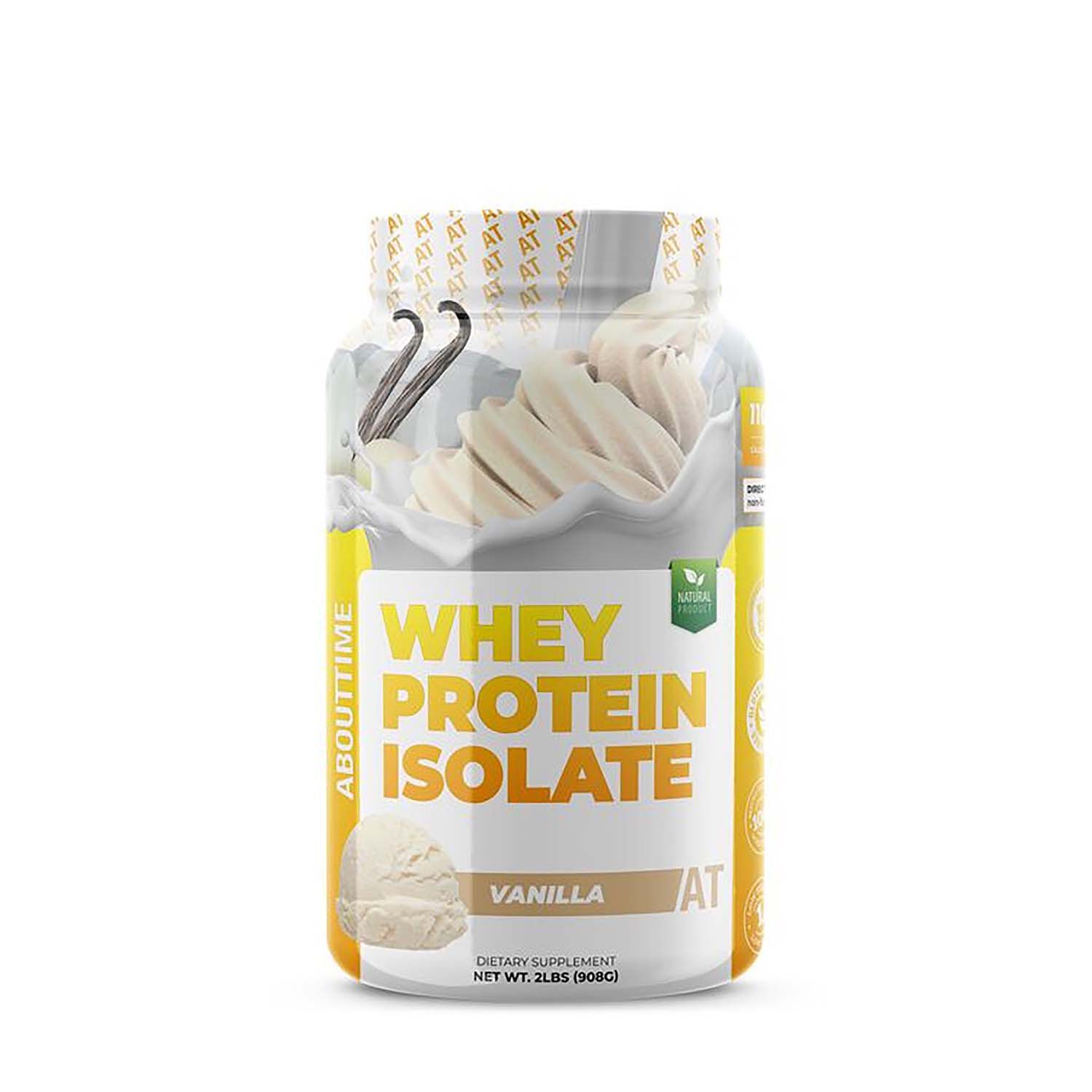

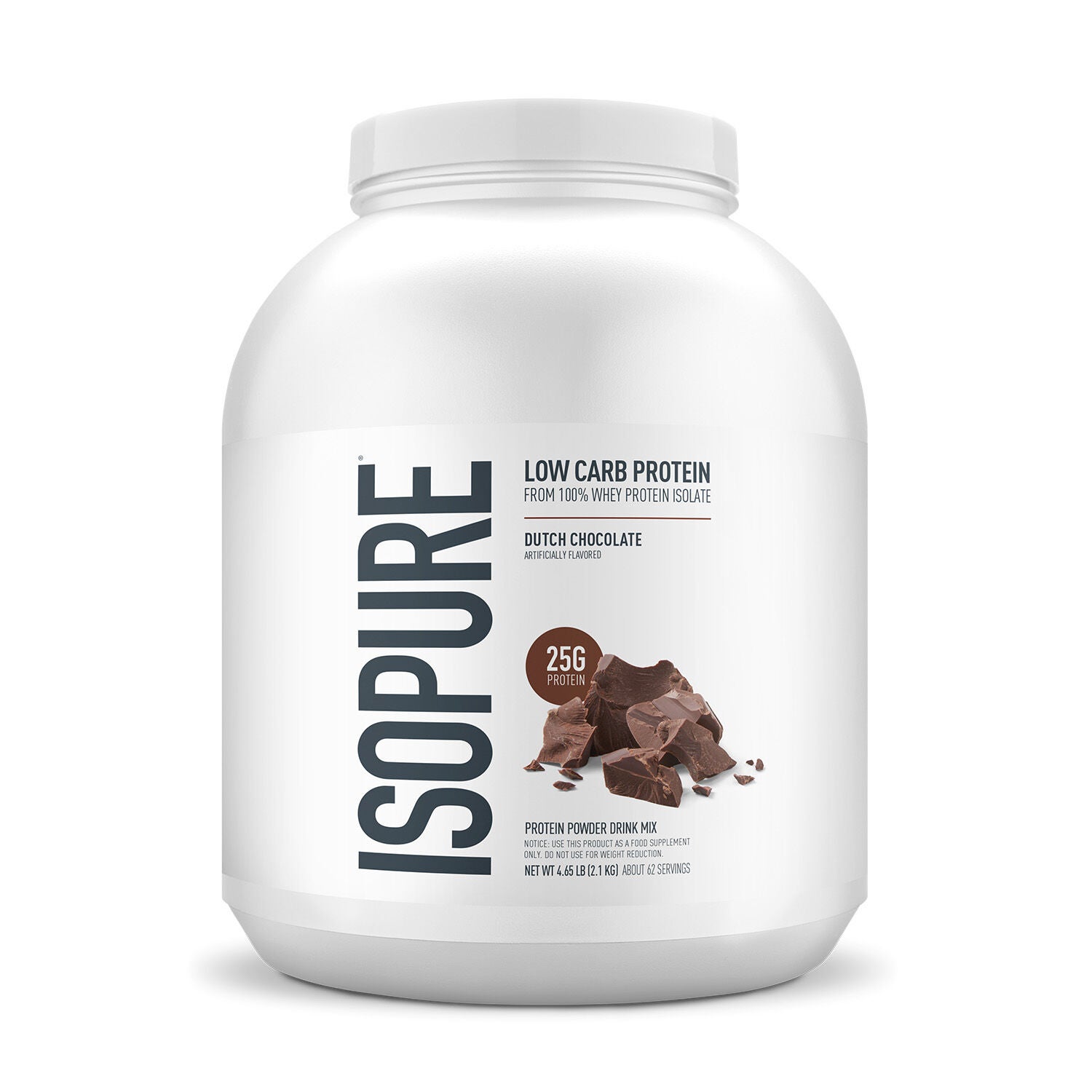
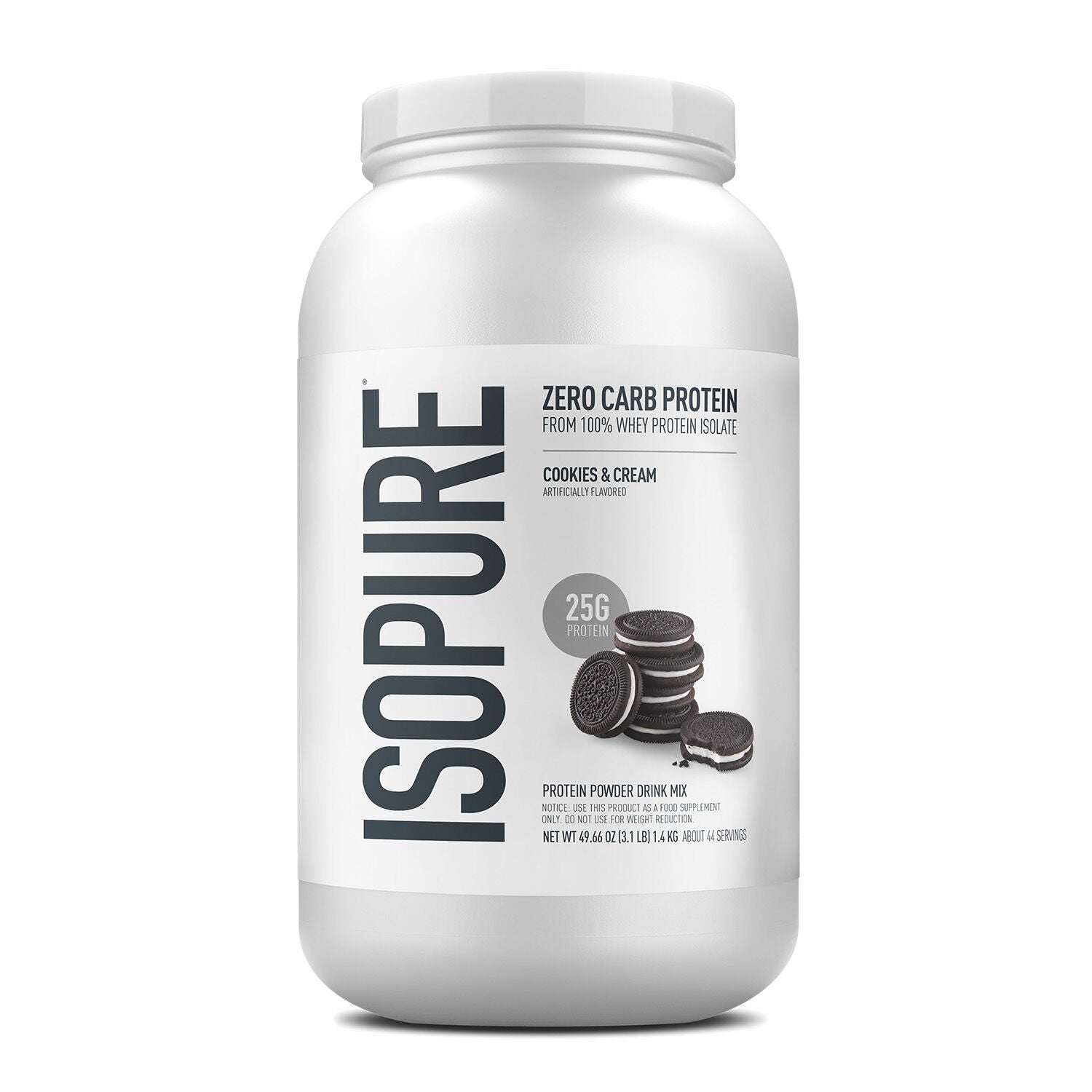
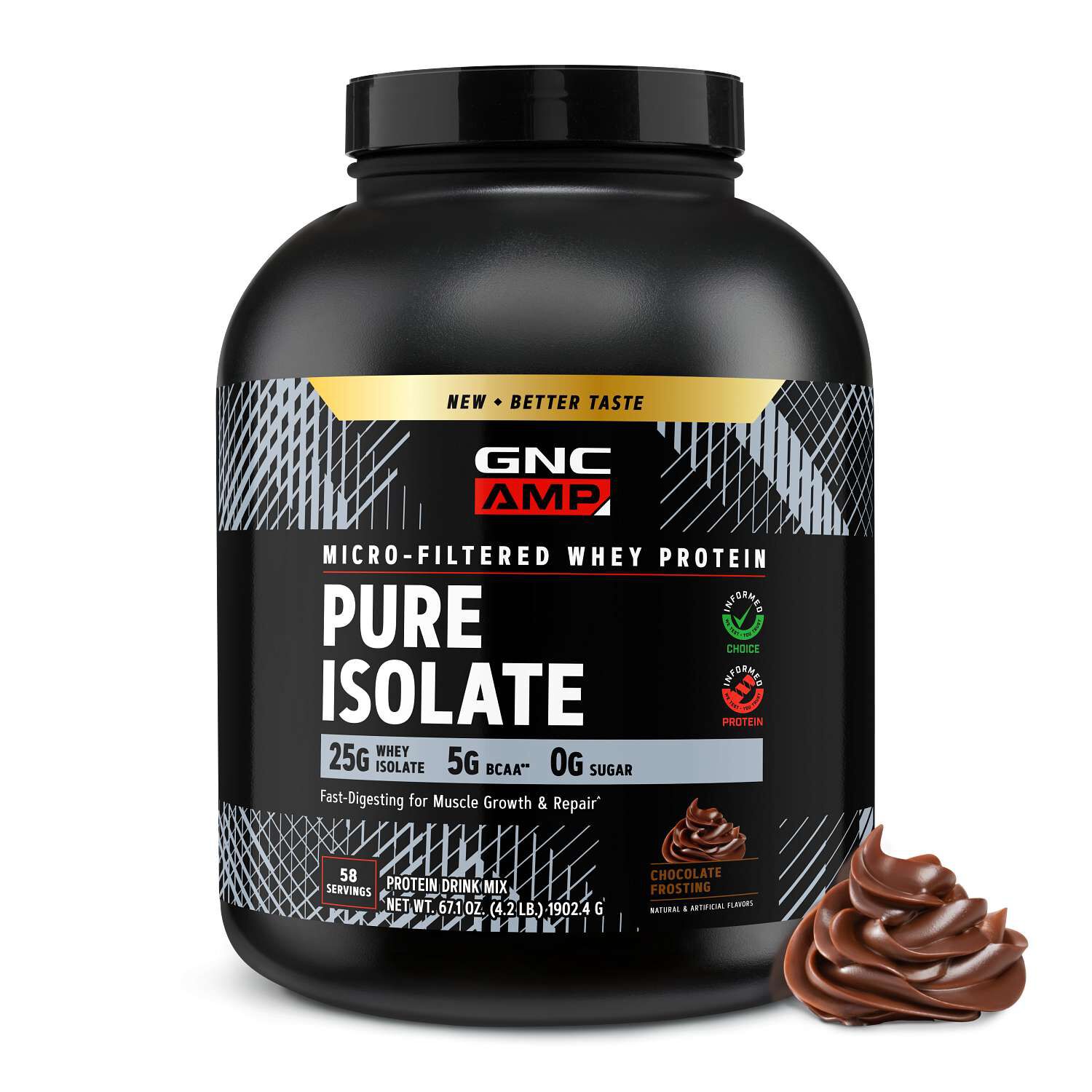
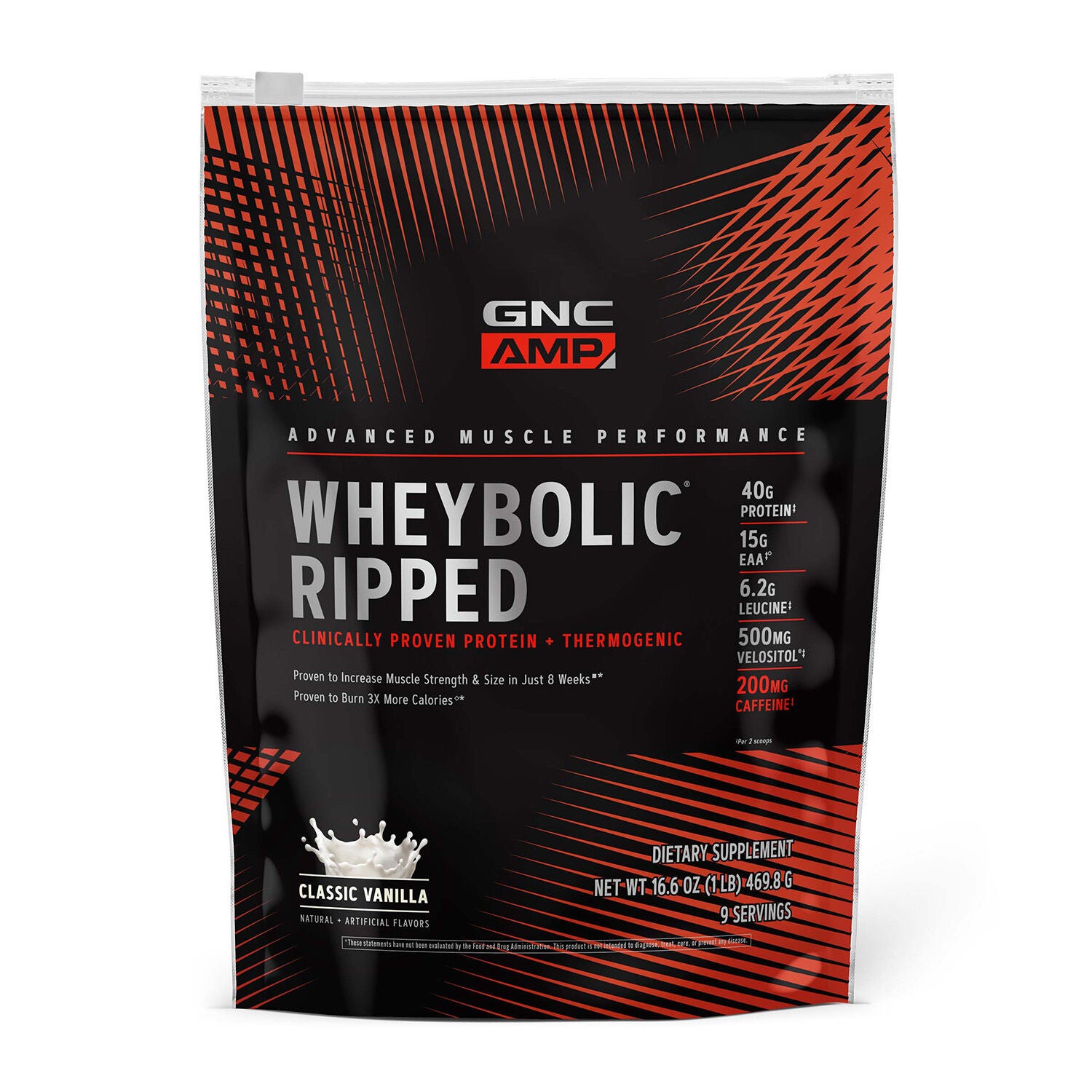


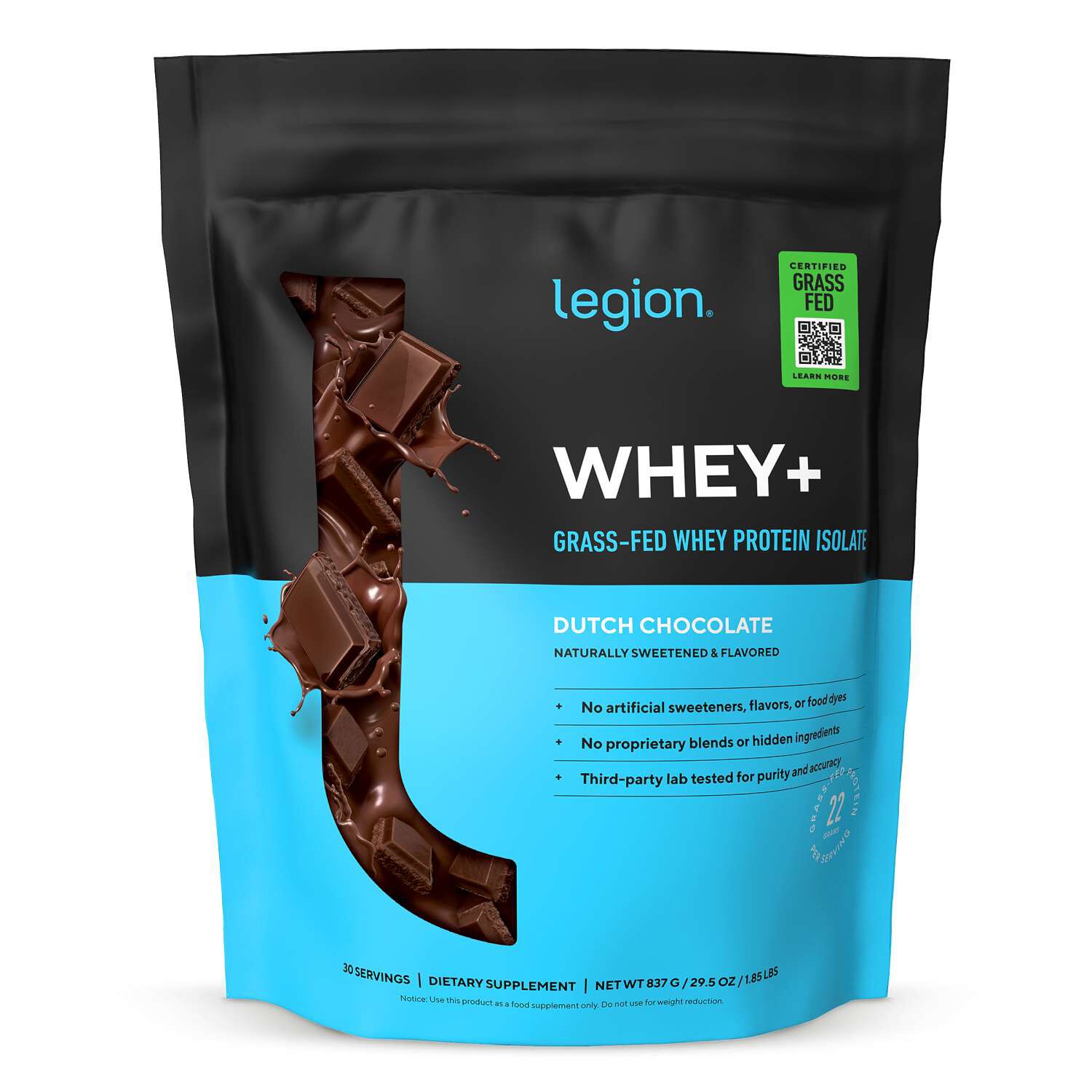
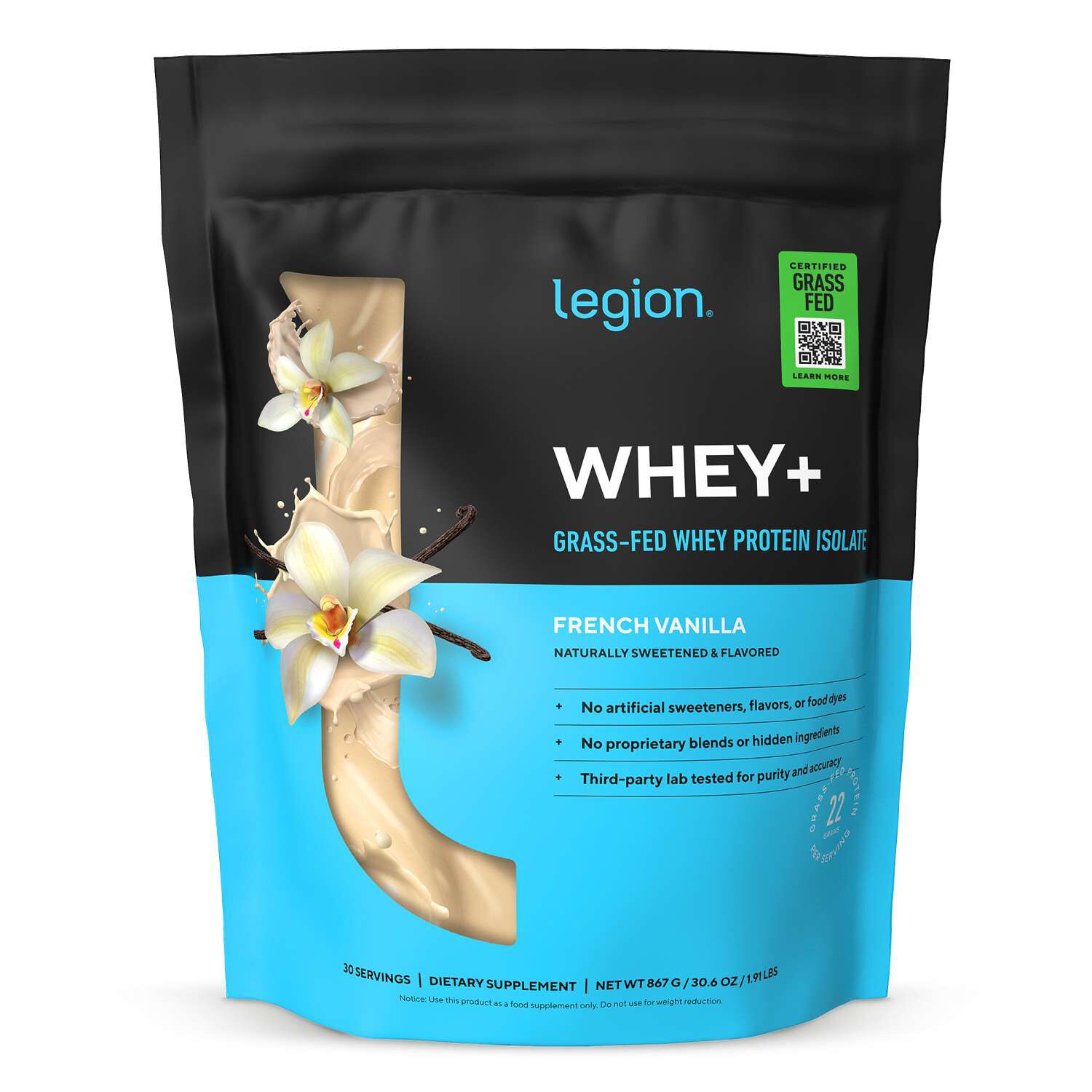
Protein powders made without wheat offer a range of dairy and plant protein sources, flavors, and ingredient combinations for shoppers who leave wheat out of their everyday food choices. The defining consideration is the finished formula, not simply the protein source named on the front of the package. Whey, casein, pea, brown rice, soy, and pumpkin seed proteins can all appear in powders formulated without wheat, but flavorings, other added ingredients, and manufacturing practices also matter. Whey and casein come from milk, while pea and rice proteins suit shoppers seeking plant ingredients. Some powders feature a single protein source; others combine two or more sources in one blend. A short ingredient list may appeal to someone who prefers a straightforward formula, while a flavored blend may suit someone who usually mixes a shake with water. Avoiding wheat is not the same as avoiding gluten: barley and rye contain gluten, and a powder without wheat is not automatically suitable for someone who also excludes those grains. Product labeling, allergen statements, and information about shared manufacturing equipment provide more context than the flavor name or protein source alone. A certification specifically addressing gluten offers information beyond a claim about wheat, although each certification has its own requirements. For shoppers whose preferences also exclude animal ingredients and gluten, vegan protein powders made without gluten represent a related category with additional dietary considerations. Plant-based wording alone does not establish whether a formula contains wheat, milk ingredients, or other ingredients a shopper wishes to avoid. The amount of protein per serving, serving size, and number of scoops in a serving are useful comparison points alongside the ingredient list. These details distinguish a powder designed around a concentrated protein serving from a broader blend containing carbohydrates, fats, or other added nutrients. For an adult building a breakfast routine, packing a gym bag, or choosing a simple afternoon shake, the best fit depends on the entire formula and how it will be used.
Flavor and texture are just as relevant as protein source when choosing a powder for regular use. Dairy proteins and plant proteins have different characteristics, and processing methods, sweeteners, and other ingredients influence the finished drink. Whey powders often have a lighter texture, while casein mixtures tend to be thicker; pea and rice blends can have a more noticeable grain texture or earthy flavor. These are general characteristics rather than a prediction for every formula. Chocolate pairs naturally with banana, coffee, or nut butter, while vanilla works with berries, cinnamon, and a wider range of smoothie ingredients. An unflavored powder leaves more room for the taste of the foods mixed with it, although unflavored does not necessarily mean tasteless or unsweetened. Sweetener preferences deserve their own consideration, particularly for someone who dislikes a lingering sweet finish. Sugar, stevia, monk fruit, and sugar alcohols each contribute different flavor characteristics, and the ingredient list identifies what a formula uses. A shake mixed with water will generally taste different from the same powder mixed with milk or an oat, almond, or soy beverage. The chosen liquid also changes the nutritional composition of the finished serving. For someone mixing a drink at a desk, how a powder combines with cold liquid and a shaker ball may matter more than its performance in a blender. A thicker blend may suit a spoonable smoothie with frozen fruit, while a lighter mixture may be preferable for a drink carried between errands. During cooler weather, familiar combinations such as cocoa and cinnamon can fit naturally into the routine without requiring a different protein source. Powders intended for shakes are not necessarily interchangeable in baking: moisture absorption and texture vary, so a recipe developed for a particular type of protein generally provides a better starting point than a direct substitution for flour. Wheat avoidance also extends to everything added to the serving, including cereal toppings, cookie pieces, flavored beverages, and baking ingredients. A suitable powder is only one part of the finished snack or drink.
Everyday practicality often determines whether a protein powder fits comfortably into a household routine. A large resealable container suits a kitchen where shakes are mixed regularly, while smaller packages may be more convenient for occasional use or travel. Package dimensions, closure design, and scoop storage are worth considering when pantry space is tight or the powder will be carried in a work bag. A secure lid and sturdy container matter for transport, but the original package remains useful for keeping preparation directions, allergen information, lot details, and the printed date together. Storage conditions also deserve attention: powders generally belong in a cool, dry place with the closure secured, following the package directions. A dry scoop and clean mixing equipment help limit moisture entering the container. A shelf near a steaming kettle or above a dishwasher is less suitable than a dry cupboard away from heat. For someone who rotates between flavors, package size should reflect how often each powder will actually be used rather than how much space the container occupies. Serving directions vary, and scoop sizes are not consistent across formulas, so the labeled measurement matters when comparing or preparing servings. A powder may offer a convenient way to add protein to an existing eating pattern, but a protein supplement is not automatically formulated to replace a meal. Someone planning a quick breakfast may prefer mixing it with familiar foods such as fruit, yogurt, or a chosen beverage, with each ingredient considered separately for dietary suitability. In shared kitchens, clean utensils and a separate preparation area can matter when household members use wheat-containing foods. For gifting, a recipient’s known protein-source preferences, favorite flavors, and ingredient exclusions are more useful than a guess based on exercise habits. Across these choices, a thoughtfully selected powder brings together clear ingredient information, an appealing taste, a workable serving size, and packaging suited to the way it will be stored and used.