Dairy Free Proteins
(0 Results)
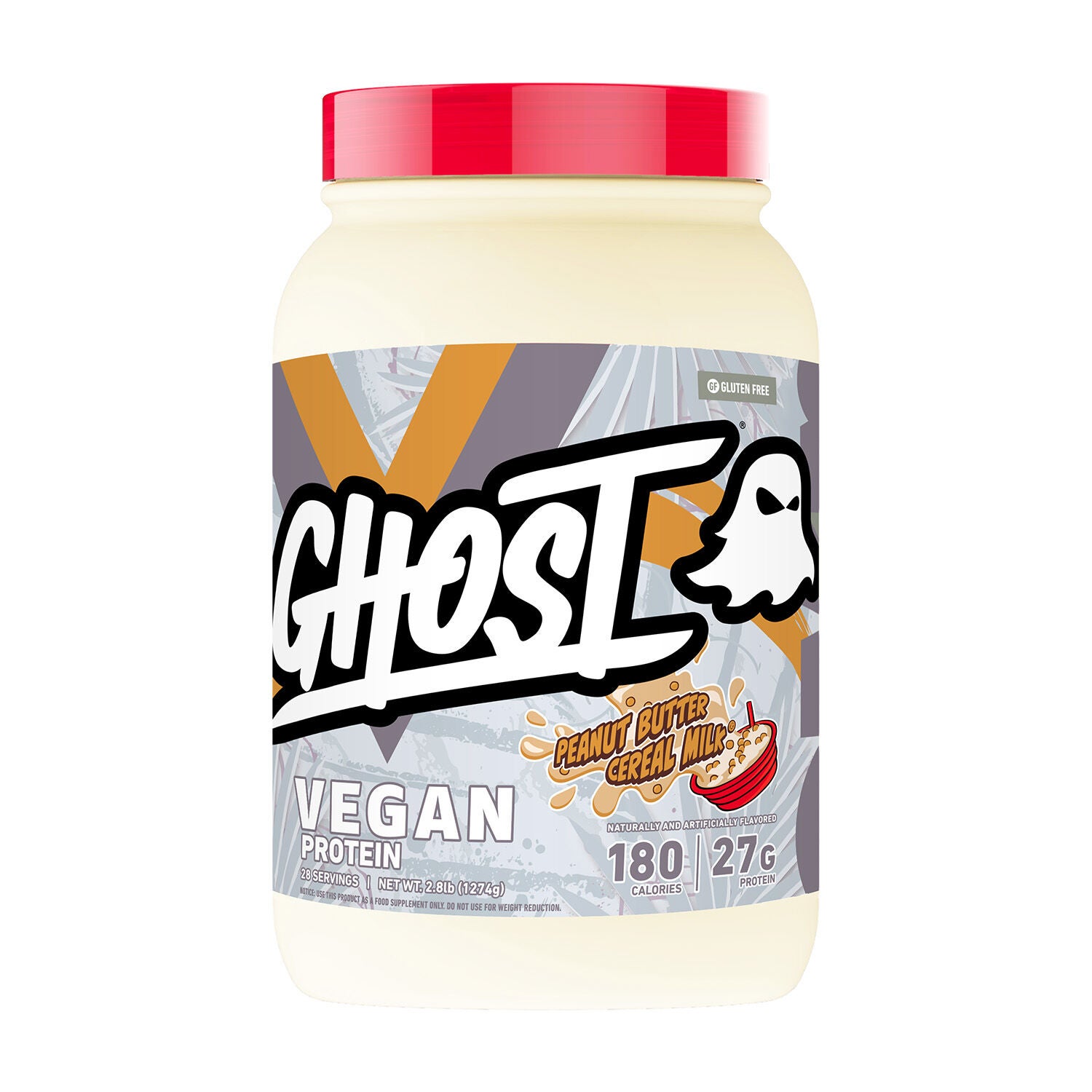
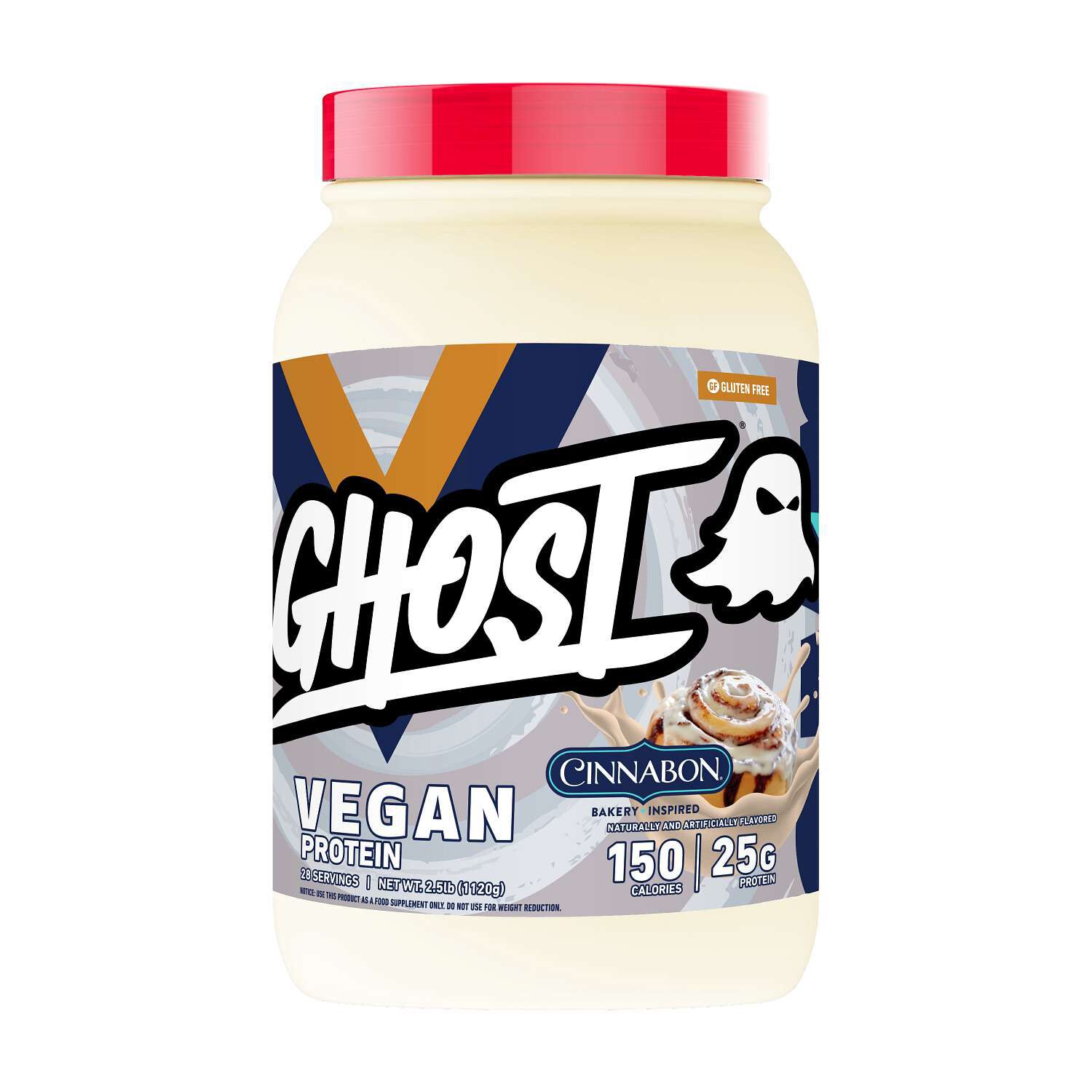
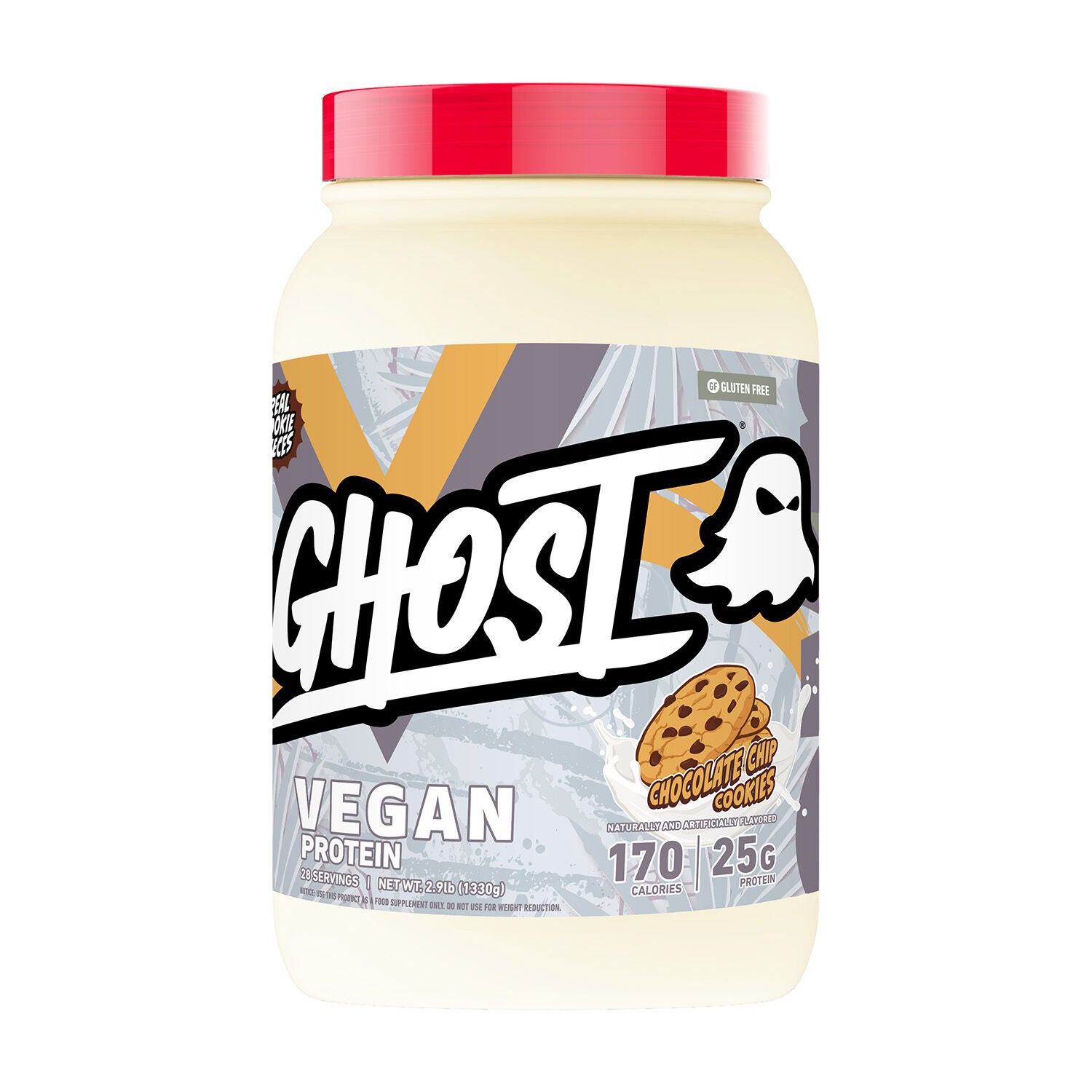
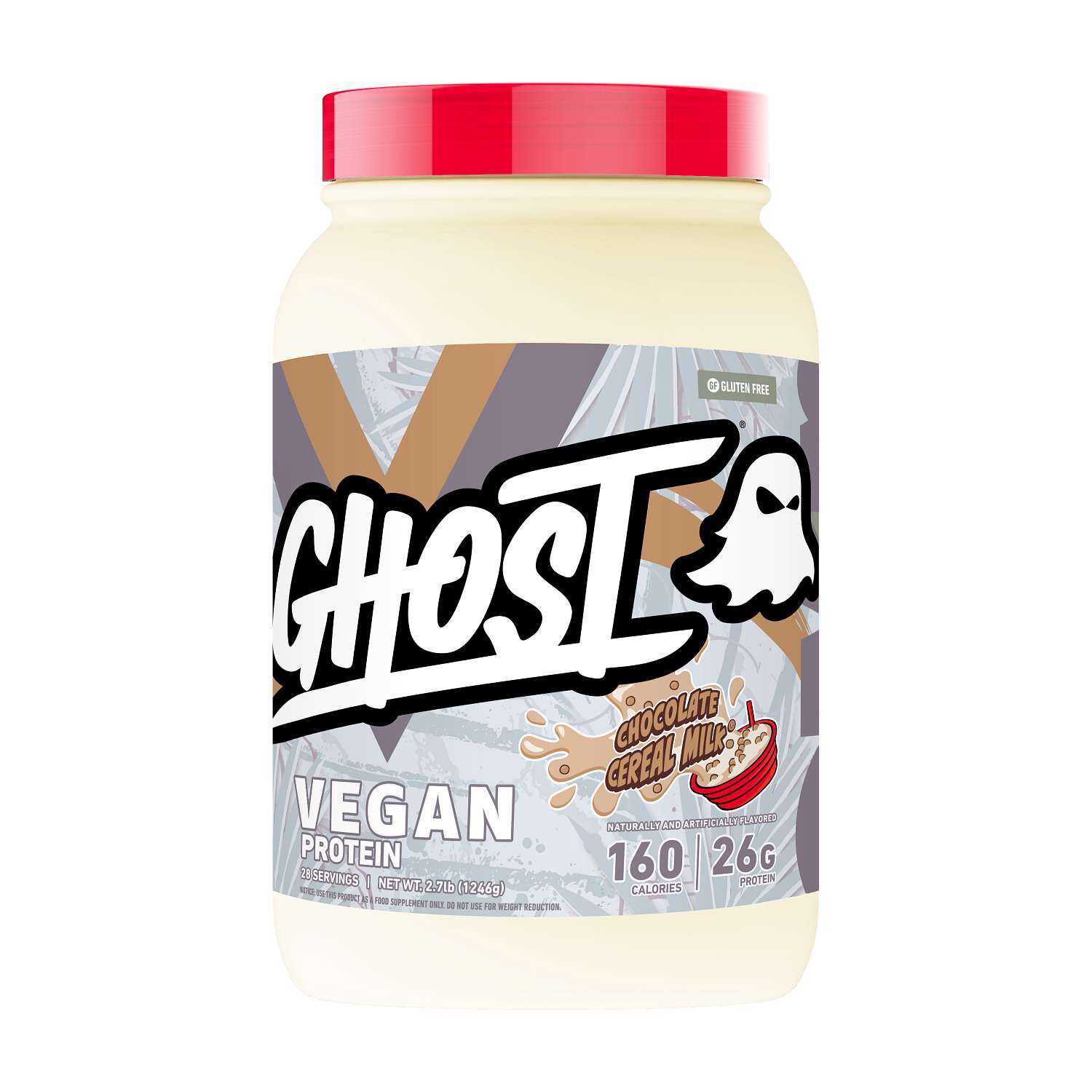
Looking for a protein boost without dairy? You're in luck! Our selection of dairy-free proteins offers a wide range of options to support your fitness and dietary goals. Whether you follow a vegan lifestyle, have lactose intolerance, or simply prefer to avoid dairy, these protein powders are packed with quality ingredients to help you refuel and recover post-workout. From plant-based blends to single-source alternatives, find your perfect match here at GNC.


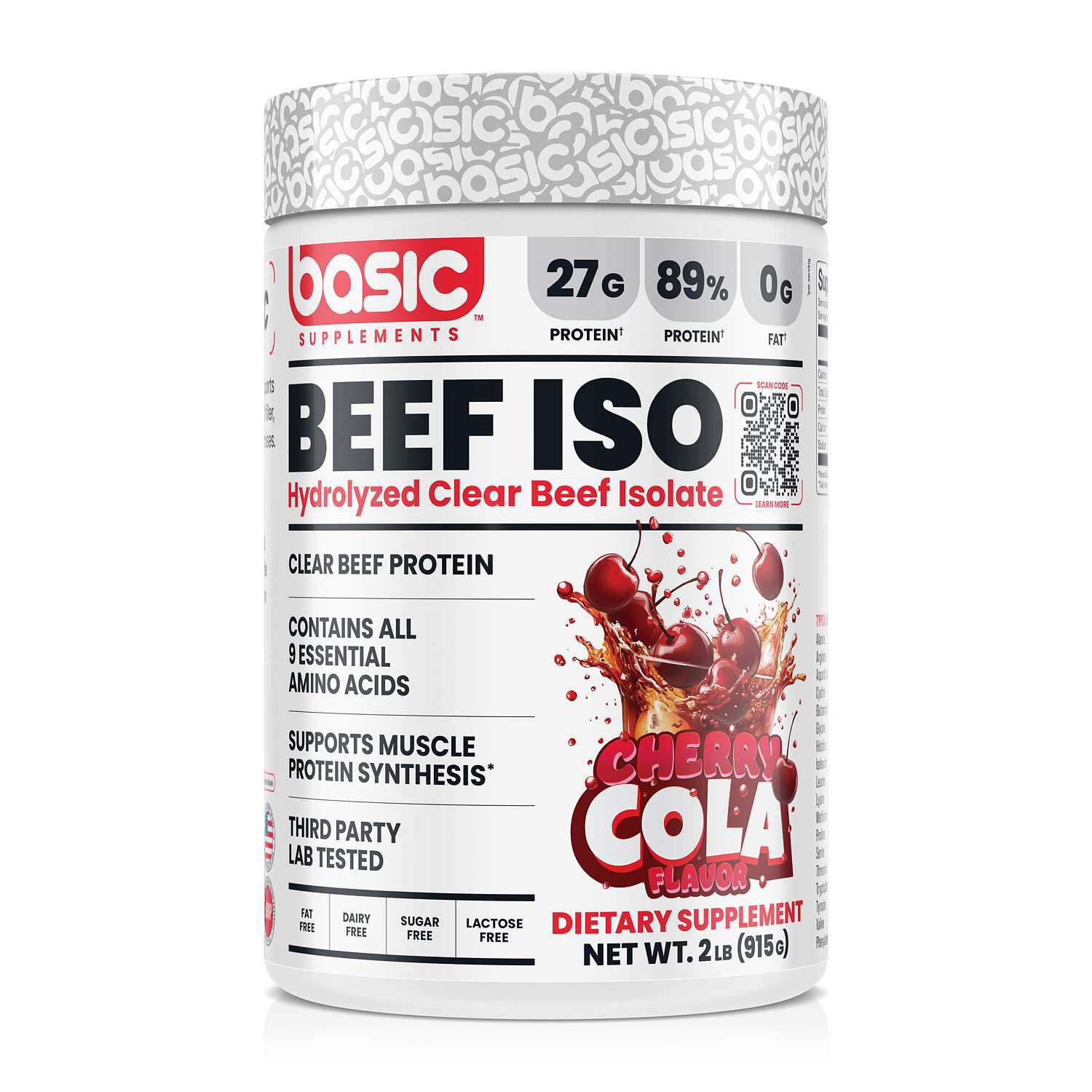


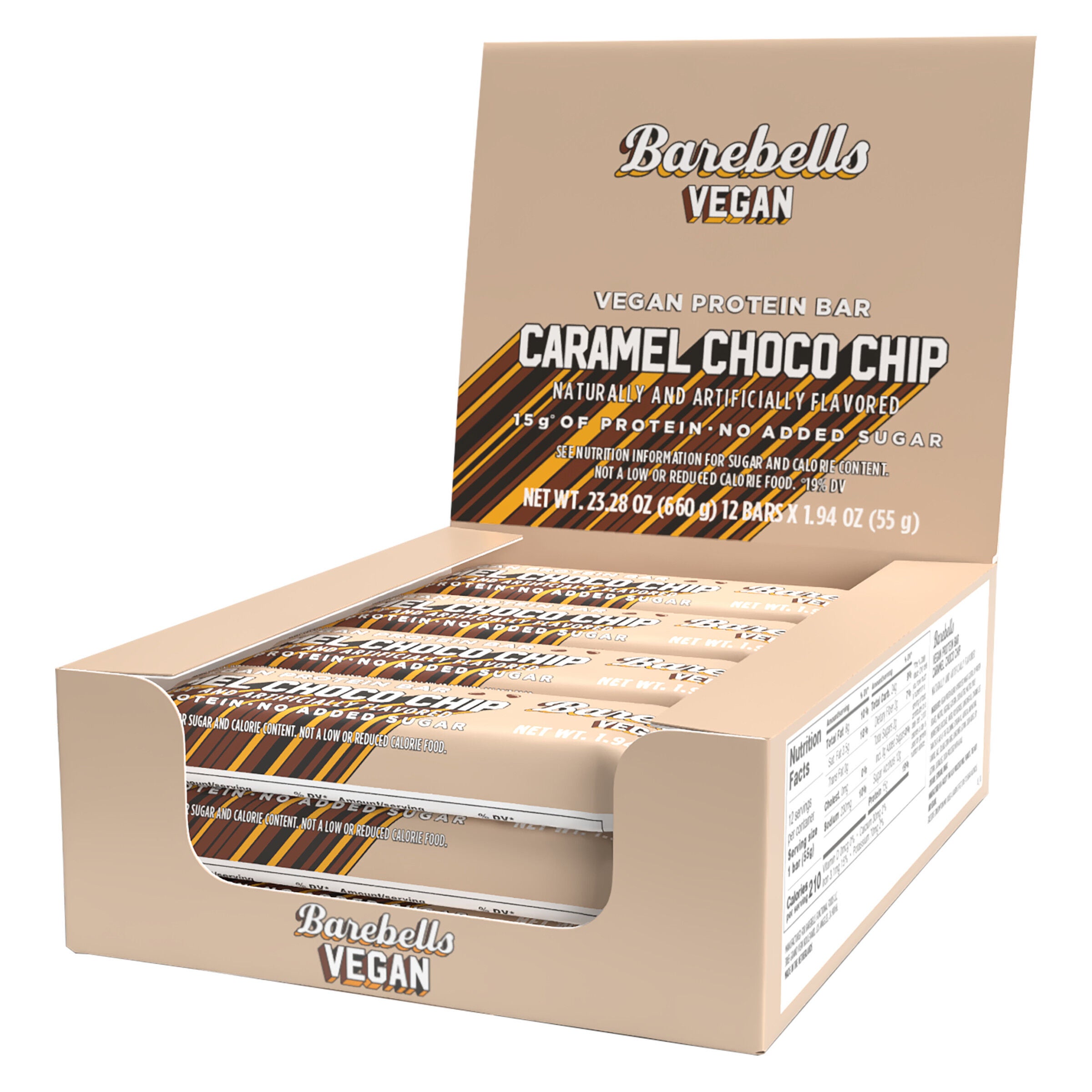
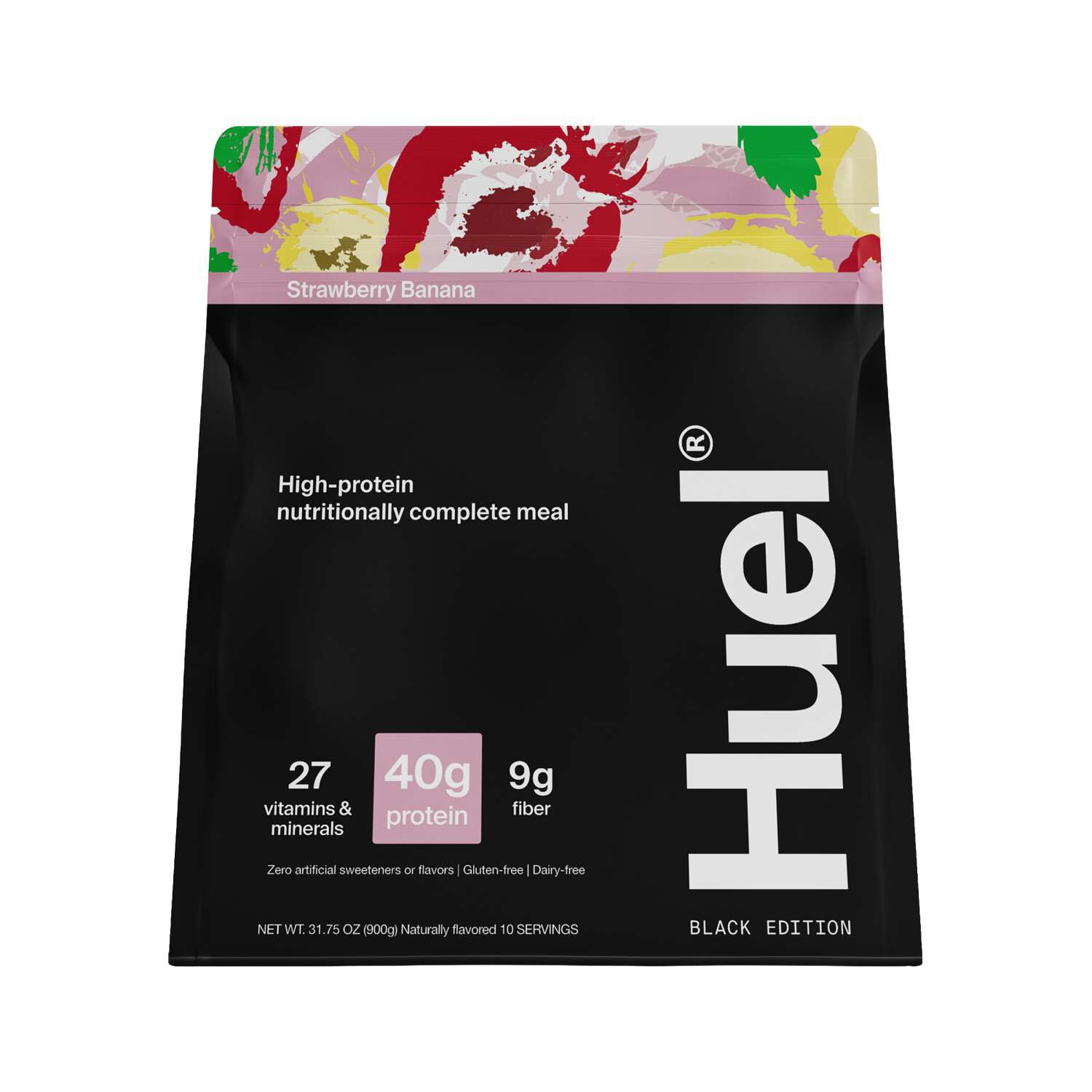
Non-dairy proteins offer alternatives to milk-based protein powders and drinks, with choices made from plants, eggs, or other animal sources. In this category, the defining distinction is the absence of milk-derived ingredients such as whey and casein—not a particular flavor, texture, or protein source. Plant-based varieties commonly feature pea, soy, brown rice, pumpkin seed, or blends of several ingredients. Egg white protein is another option made without dairy, though it is not vegan. That distinction matters when shopping: a product made without milk is not necessarily made entirely from plants, and a product with reduced lactose can still contain milk protein. Ingredient lists and allergen statements provide more useful detail than a flavor name or the imagery on the package. For someone who prefers plant-based eating, a vegan designation adds another point of comparison, while shoppers avoiding milk can review the full formulation and any shared-equipment disclosures. Protein content also varies by product, so grams per serving are worth considering alongside serving size, calories, carbohydrates, fats, and added sugars. A larger scoop does not automatically mean a more concentrated protein powder. Some formulas contain a short list of ingredients; others include sweeteners, flavorings, thickeners, or added vitamins and minerals. Neither style suits every preference. Someone mixing a simple shake with water may value a flavored formula, while a home cook might prefer an unflavored powder that leaves room for cinnamon, fruit, or cocoa. These products often appeal to active adults, people choosing fewer animal ingredients, and shoppers looking for a convenient addition to their usual food routine. They sit alongside everyday protein sources such as beans, lentils, tofu, eggs, fish, and poultry rather than making those foods unnecessary. The most relevant choice depends on what someone already eats, the ingredients they want to include, and the way they expect to use the product.
The differences among non-dairy protein sources become especially noticeable in the glass. Pea protein often has an earthy flavor and substantial body, while brown rice protein can have a slightly grainier texture. Soy protein has its own characteristic taste, and seed-based powders may bring nutty notes that suit oats or cocoa. Processing, flavoring, and the rest of the formula influence those qualities, so two powders made from the same source can mix quite differently. Blends combine protein sources with different amino acid compositions and may offer a texture or taste that better matches a shopper’s preferences. For someone comparing products for an exercise routine, protein grams and any disclosed amino acid information are useful details to weigh alongside flavor and serving size. Collagen belongs to a different branch of the category: it comes from animal sources and has a different amino acid profile from pea, soy, or egg protein. Shoppers interested in that format can also explore non-dairy collagen supplements, keeping the source and intended use in mind when comparing labels. Across the wider assortment, sweetness can be just as important as protein source. Cocoa and coffee flavors often suit a less fruit-forward shake, while vanilla pairs with berries, bananas, or a spoonful of nut butter. Unflavored does not necessarily mean tasteless; the underlying ingredient can still be noticeable in a mild recipe. The mixing liquid changes the result, too. Water keeps preparation simple, while oat, almond, or soy beverages contribute their own flavor, consistency, and nutritional content. A shaker bottle produces a different drinking experience from a blender filled with frozen fruit. Someone who likes a thin drink after a workout may choose differently from someone who wants a thick breakfast smoothie. Package directions offer a starting liquid amount, with personal preference shaping the final consistency. Choosing a flavor that fits an established routine is often more practical than buying a large container of something unfamiliar.
Everyday use is where format, package size, and preparation details start to matter. A tub of powder fits naturally into a kitchen routine: a scoop beside the blender, a banana on the counter, and a familiar glass ready before the morning commute. Individual packets take up less room in a work bag and make it easier to try a flavor before committing to a larger container. Ready-to-drink options remove the mixing step, although storage directions and refrigeration requirements vary. For shoppers comparing value, the price per serving and protein amount per serving provide more context than container size alone. A smaller package may be the more sensible purchase for occasional use, while a larger one may suit a household that makes shakes regularly. Resealable packaging, a readable serving measure, and enough cupboard space are practical considerations that can get overlooked beside flavor descriptions. During the cooler months, non-dairy protein powders may also fit into familiar kitchen habits beyond cold smoothies. Depending on the formulation, they can be stirred into oatmeal or incorporated into pancake batter, muffins, and other recipes. Protein powder absorbs liquid differently from flour, however, so a recipe developed for that kind of powder is a more dependable starting point than a one-for-one substitution. A cinnamon-scented bowl of oats or a cocoa smoothie can make the same ingredient feel quite different from day to day. Added ingredients matter here as well: nut butter, fruit, seeds, and the chosen beverage all change the finished serving’s nutrition and texture. A shake made with powder and water is not nutritionally interchangeable with a varied meal. For gifting, these products are most appropriate when the recipient’s preferred ingredients, flavors, and dietary needs are already known; an unfamiliar protein source is a less personal choice than a format they regularly enjoy. Whether purchased for a busy workday, an exercise routine, or home cooking, non-dairy proteins offer a broad range of ways to bring protein into familiar foods and drinks. Flavor, ingredient transparency, and ease of preparation help distinguish a product that merely fits a shopping list from one that fits everyday life.