

Glycerol For Workout Recovery
(0 Results)
Glycerol for workout recovery could be a game-changer in your fitness regimen. Known for its potential to aid in hydration and endurance, glycerol might help you bounce back faster after intense training sessions. Whether you're an athlete pushing limits or someone looking to improve overall fitness, incorporating glycerol into your post-workout routine may offer the support you need to optimize recovery and performance. Explore the benefits of glycerol for workout recovery and discover how it could fit into your health and wellness journey.


.jpg?sw=305&sh=305&sm=fit "Demo Day Carbohydrate Power - Big Cherries (30 Servings) | GNC")


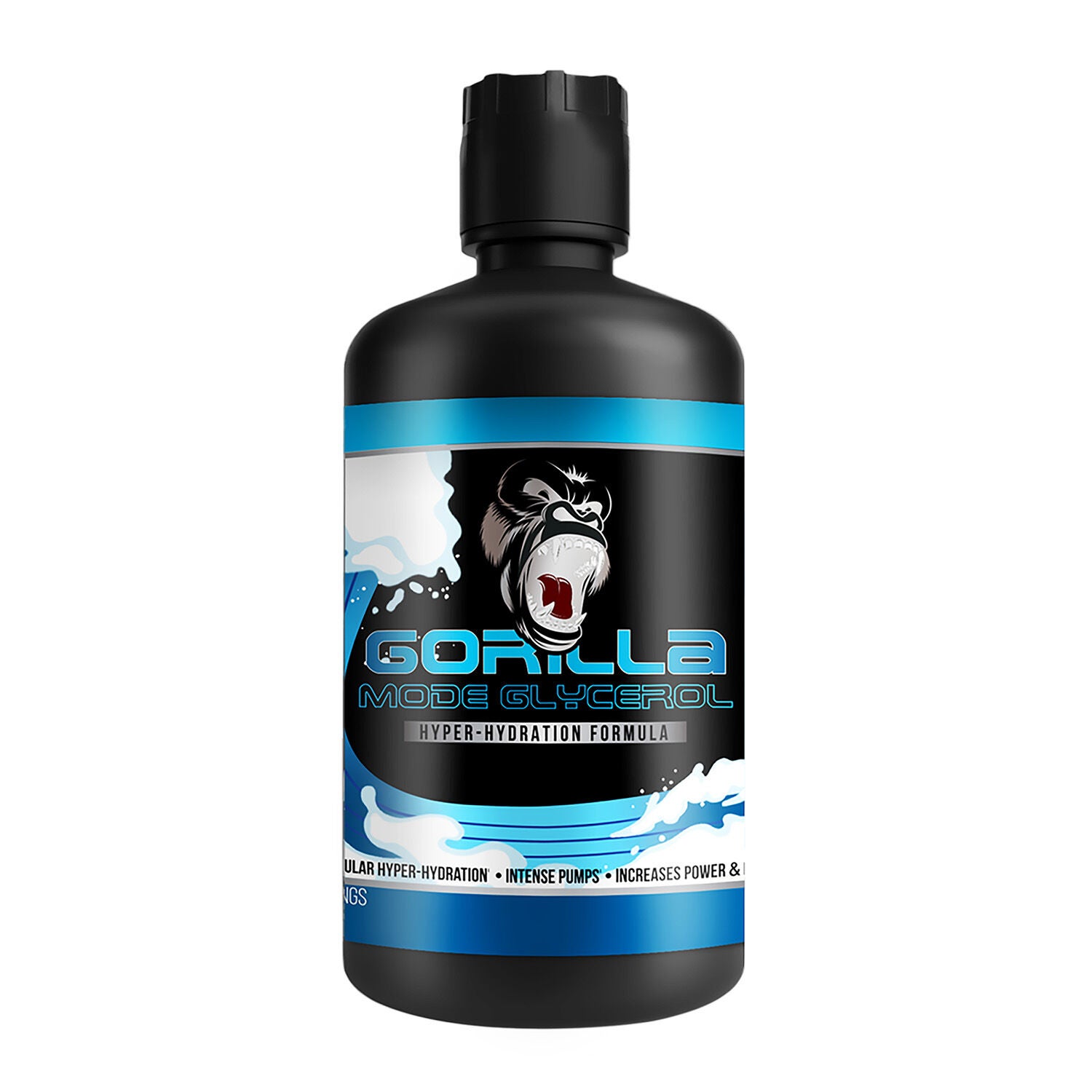
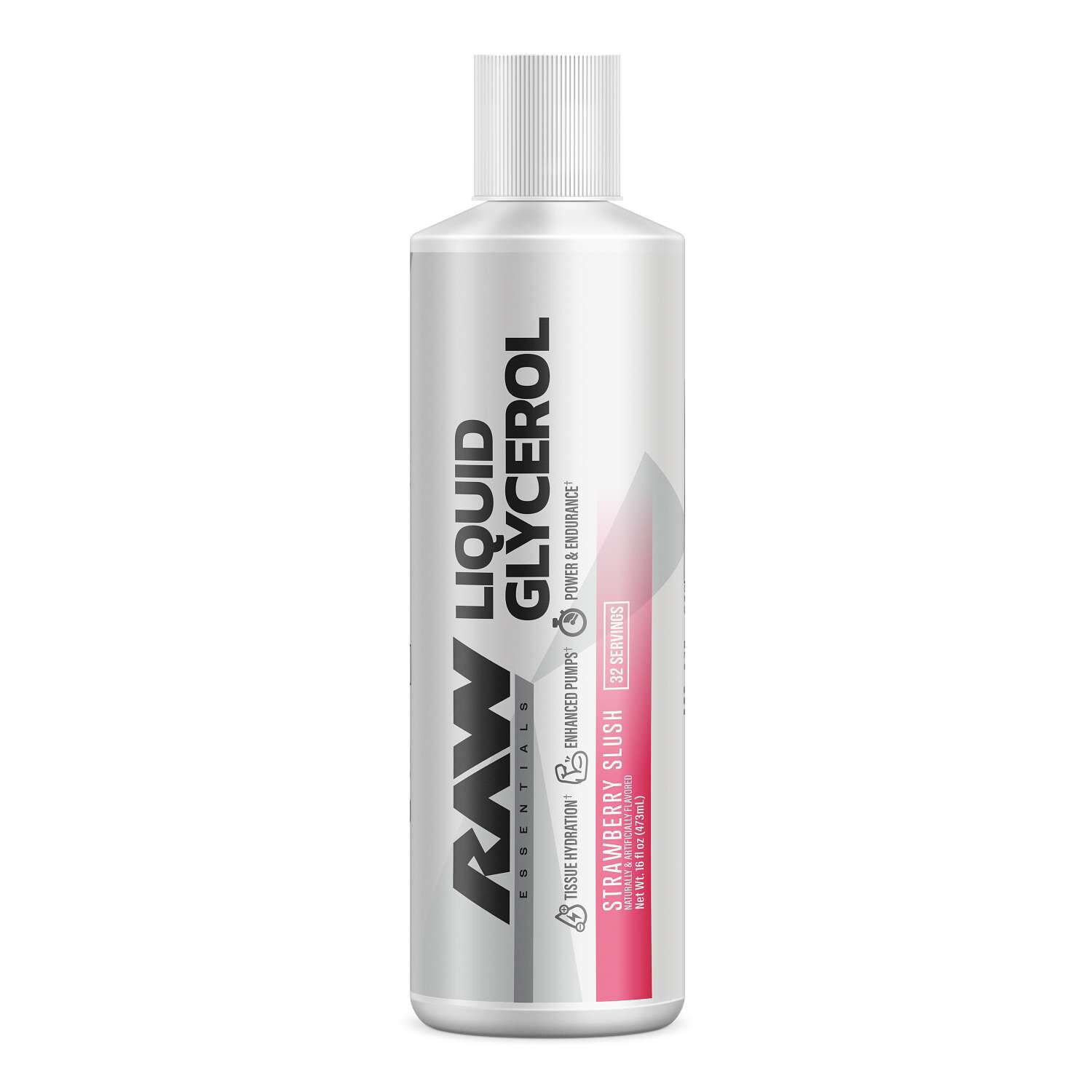
Glycerol for workout recovery may appeal to athletes who want to make hydration a more deliberate part of their training routine. Glycerol is a form of alcohol found in many foods and used in a range of nutrition products, where it is often paired with water to support fluid intake around demanding exercise. When consumed according to a product label, glycerol may help the body retain additional water for a period of time, which could be useful after sessions that involve heavy sweating, extended effort, or training in warm, dry conditions. Some athletes use it before lifting, running, cycling, team sports, or outdoor conditioning, while others prefer it after training as part of a broader rehydration routine. The goal is not to replace a balanced diet or ordinary water intake, but to complement the habits that already support a consistent workout schedule. A person finishing a long afternoon session with a dry mouth, damp shirt, and tired legs may appreciate a hydration option that fits easily into a gym bag, while someone training indoors during the cooler months may use glycerol around high-volume workouts that leave them feeling depleted. Because products vary in concentration, serving size, flavor, and format, shoppers may want to compare the label directions carefully and choose an option that suits the way they train. Powdered glycerol can be mixed into a beverage, while liquid glycerol may offer a simple approach for people who prefer a ready-to-measure format. Those considering Liquid Glycerol For Bodybuilders may find that liquid products fit naturally into pre-workout preparation or post-workout hydration, especially when convenience matters. Regardless of format, mixing and timing should follow the product label, and water remains an important part of the routine. Starting with a familiar training day rather than an unusually demanding event may make it easier to understand how a new supplement fits personal preferences. Some people may notice temporary bloating or stomach discomfort, particularly when trying a new product or using more than the label recommends, and glycerol may also contribute to temporary water weight. Anyone with a health condition, anyone taking prescription products, or anyone who is pregnant or nursing may wish to speak with a qualified healthcare professional before adding a new supplement.
Choosing a glycerol product for recovery often comes down to routine, training style, and personal convenience. A strength-focused athlete may look for a product that works well alongside water, electrolytes, protein, and a meal after a demanding session, while an endurance athlete may care more about portability and straightforward preparation during long days outside. People who train for recreational sports, early-morning classes, weekend hikes, or physically active jobs may also consider glycerol as part of a hydration plan, provided it fits the label directions and their usual nutrition habits. It can make a thoughtful gift for a dedicated lifter, distance runner, coach, or training partner who enjoys trying practical additions to a gym bag, especially when paired with a quality shaker bottle or insulated water container. A good gift choice may reflect the recipient’s habits: a powder could suit someone who measures ingredients at home, while a liquid may work well for someone who values quick preparation between work and the gym. Packaging, serving information, ingredient lists, storage instructions, and flavor preferences all deserve a close look before purchase. Shoppers may also want to consider whether the product includes other ingredients, since a simpler formula may be easier to fit alongside an existing nutrition routine. Glycerol may support a feeling of fuller hydration and could contribute to the familiar muscle fullness some people notice during resistance training, though individual experiences can differ. It may also be useful during cooler months, when indoor heating and layered clothing can make a workout feel warmer than expected, or during seasonal changes when outdoor training conditions shift from crisp mornings to milder afternoons. Recovery involves more than one supplement: regular meals, sufficient water, sleep, mobility work, and rest days may all play a role in how someone feels from one session to the next. For that reason, glycerol products are best viewed as one optional part of a broader routine rather than a substitute for everyday hydration or sound training practices. Keeping notes about timing, serving size, water intake, and how the body feels may help shoppers identify a comfortable approach over time. With clear label reading and a realistic view of individual needs, glycerol may offer a convenient way to organize hydration around workouts and make post-training routines feel more prepared, whether the setting is a busy commercial gym, a quiet home setup, or a chilly outdoor track.
Best Sellers
-
 SNAP Supplements
 -
 SNAP Supplements
 -
 Bucked Up