





Glycerol Muscle Pump Capsules
(0 Results)
Glycerol muscle pump capsules are a popular choice among fitness enthusiasts looking to support their workout routines. These capsules are designed for those who want an easy and convenient way to incorporate glycerol into their daily supplement regimen. With a focus on quality and consistency, glycerol muscle pump capsules may fit seamlessly into a variety of training goals. Explore options that could help you take your fitness journey to the next level.
-
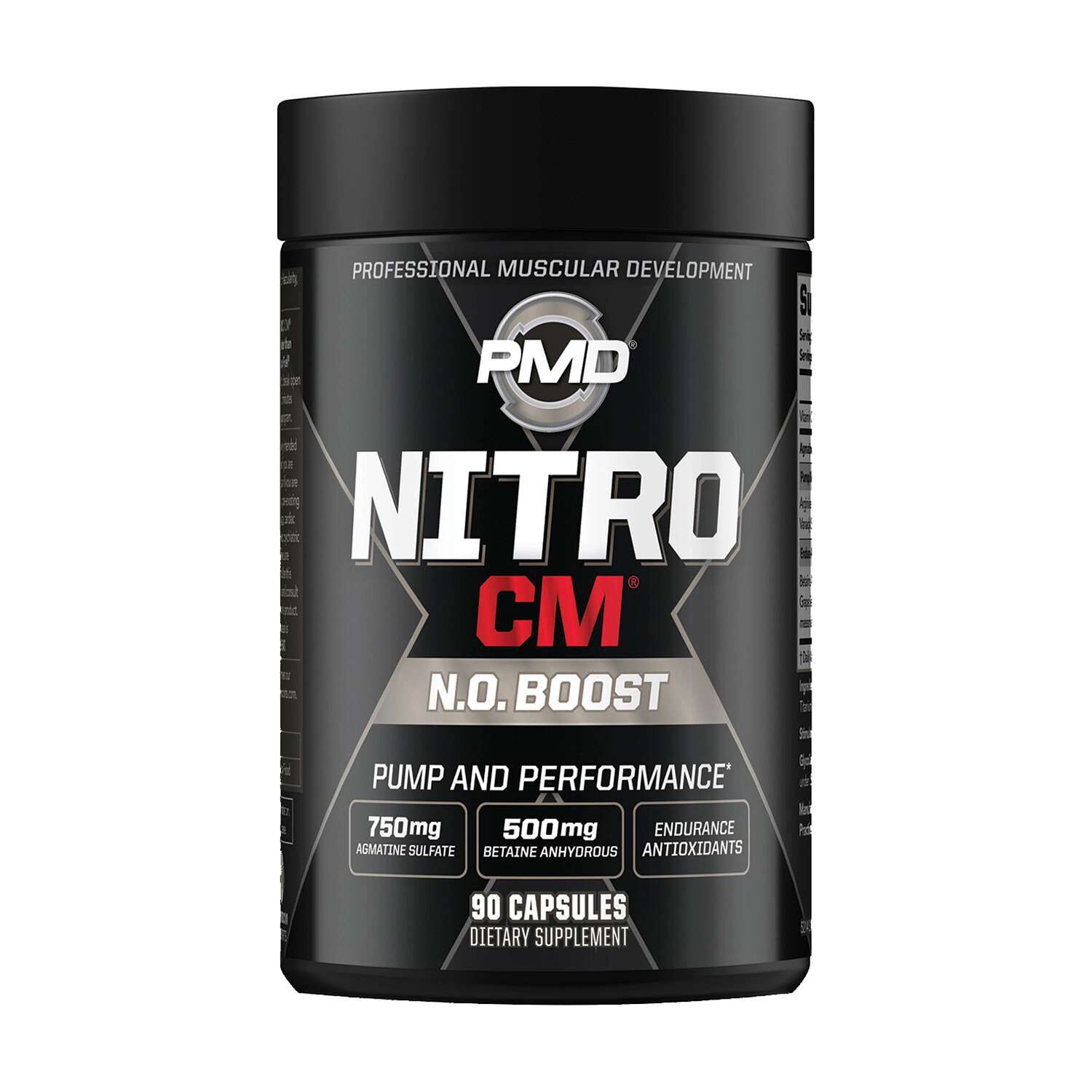
-
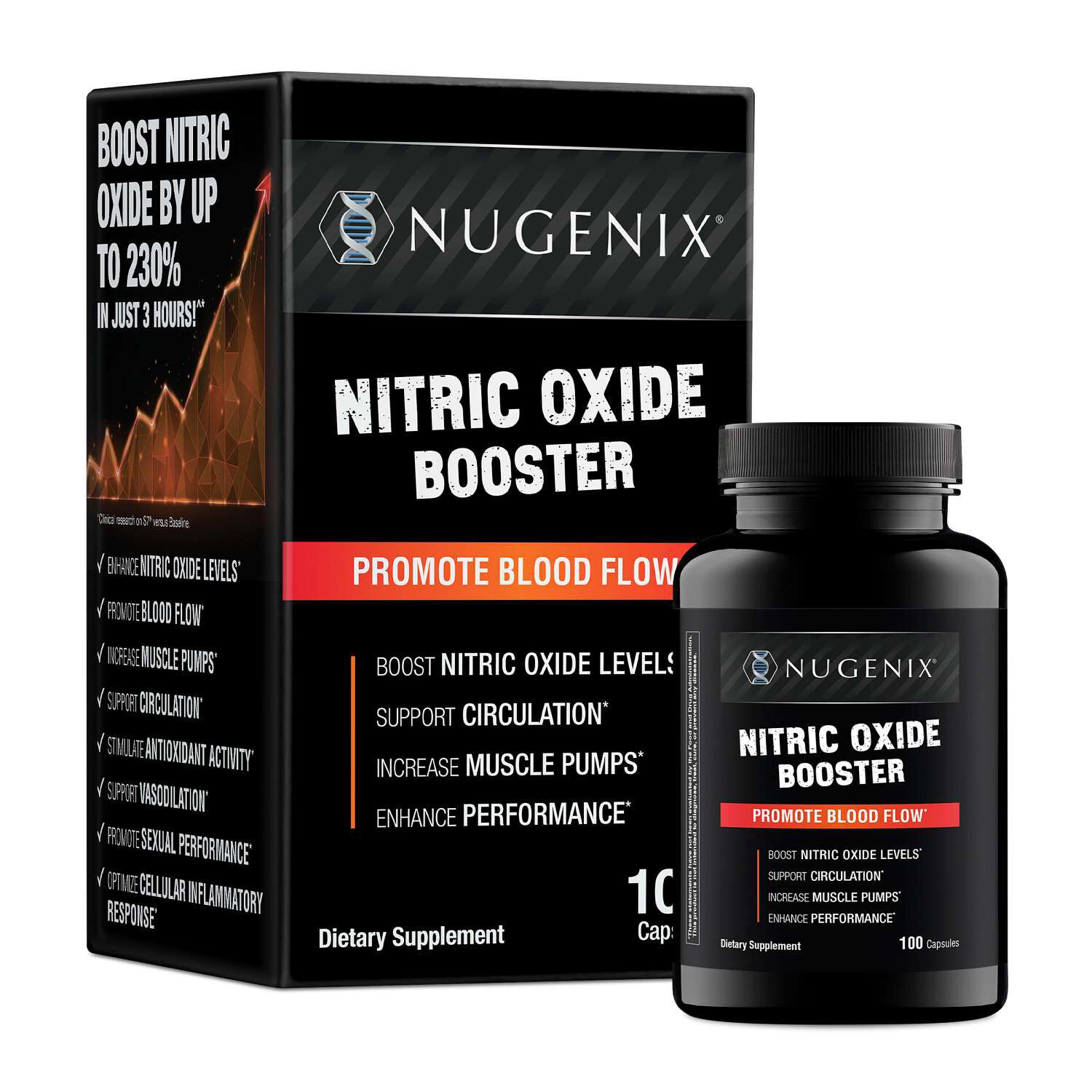
-

-
 $59.99
-
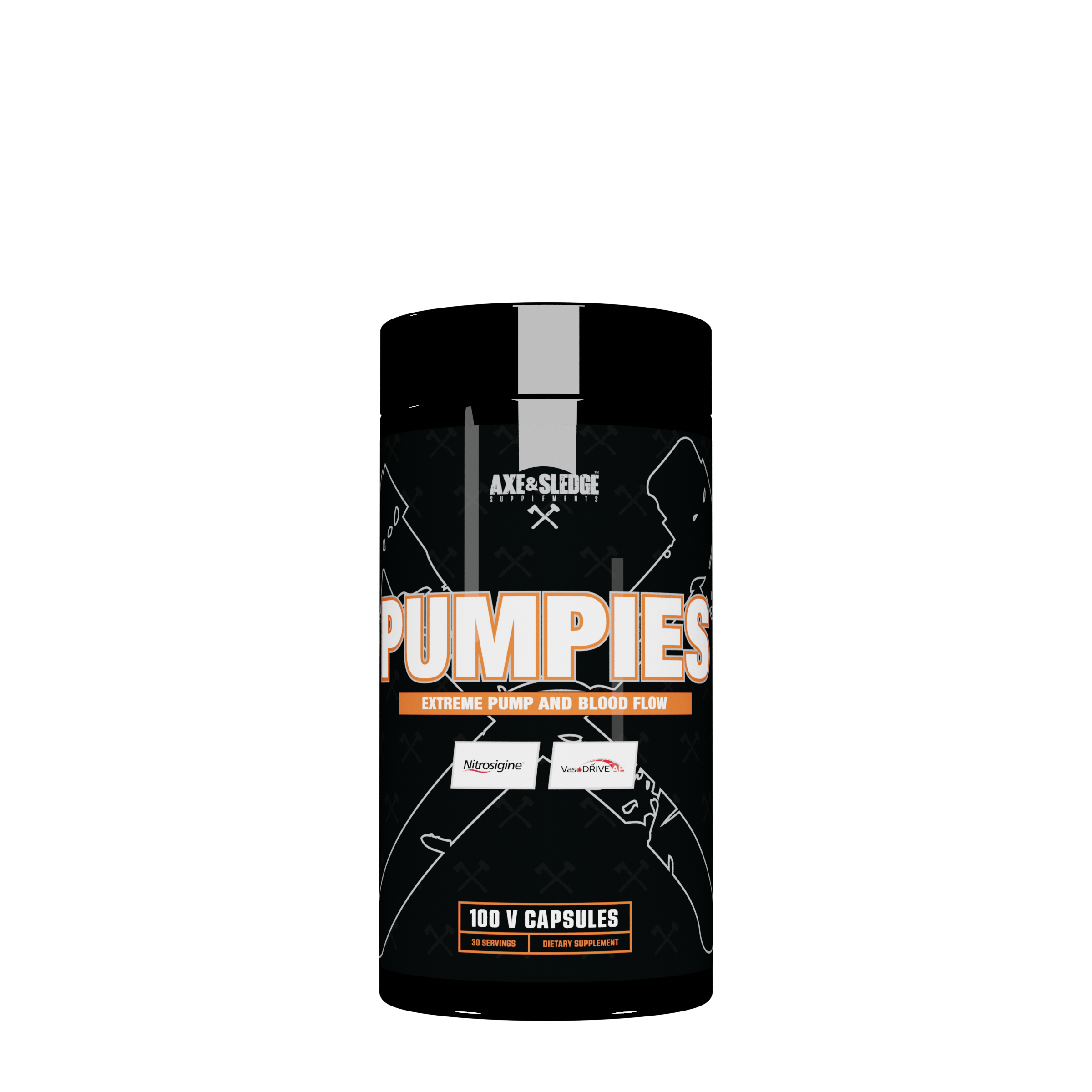 Axe & Sledge Supplements$49.99
-

Glycerol muscle pump capsules are sports nutrition supplements intended for use alongside resistance training, with formulas that may support hydration and temporary muscle fullness during a workout. Glycerol is a compound used in sports nutrition because of its relationship with water; in a supplement formula, it may help the body retain water during exercise. The term “muscle pump” describes the temporary feeling and appearance of fuller muscles that can accompany repeated muscular effort, such as a series of cable rows, leg presses, or dumbbell curls. A glycerol supplement may complement that experience, but a noticeable pump is not a measure of workout quality or lasting muscle development. Training consistency, food, water, and recovery remain separate considerations. Capsules may appeal to adults who prefer a supplement format without mixing another flavored drink before heading to the gym. For someone whose routine already includes a shaker bottle, a water bottle, and a packed gym bag, a capsule format may fit an established routine without adding another powder to measure. Unlike a flavored powder or liquid, a capsule encloses the formula within a shell, so flavor selection is generally not part of the shopping decision. The more relevant distinctions are the ingredient form, the amount listed per serving, the number of capsules in that serving, and the other ingredients included. Glycerol muscle pump capsules belong within the broader category of workout supplements, rather than serving as a substitute for water or a balanced eating pattern. Their intended use is especially relevant to shoppers interested in resistance exercise, whether that means a focused bodybuilding session, a strength-training program, or accessory exercises after heavier lifts. The most suitable format depends on personal preferences and the directions associated with the formula, not simply on how strongly the packaging describes a workout experience.
Label details matter because the amount of a glycerol-containing ingredient is not always identical to the amount of glycerol it supplies. A formula may list glycerol within a compound or blend, and those descriptions deserve attention when comparing servings. A clearly stated ingredient form and amount provide more useful context than a large number printed without an explanation of what it represents. Bottle count also differs from serving count: a container with many capsules may contain fewer servings than its front label initially suggests when several capsules make up one serving. That distinction can matter for shoppers who prefer a smaller capsule count or who organize supplements around a regular training schedule. Capsule dimensions and shell materials are additional considerations. Shells may contain gelatin or plant-derived materials such as cellulose, while other ingredients may help with manufacturing or maintain the capsule’s form. Vegetarian preferences and food-related ingredient requirements are best matched to the actual label rather than assumptions about the capsule’s appearance. Some formulas focus on glycerol, while others combine it with amino acids, minerals, or additional workout ingredients. The role of each ingredient is separate, and a combination formula should not be treated as interchangeable with a simpler one. For someone who already uses another workout supplement, overlapping ingredients can make the comparison more involved. Caffeine content is another meaningful distinction, particularly for shoppers who already drink coffee or prefer formulas without caffeine. A product described as a pump supplement does not, by that description alone, establish whether caffeine is present. Ingredient lists, serving directions, and any stated intended-use information offer a clearer picture. These details also help distinguish capsule convenience from formula composition: two bottles in the same category may have different ingredient amounts, serving sizes, and supporting ingredients even when their front labels use similar language. A smaller capsule or a shorter ingredient list may suit one shopper’s preferences, while another may prioritize a formula that fits alongside supplements already in the routine.
Everyday handling is part of choosing a capsule supplement, especially when the bottle travels between home, a work bag, and a gym locker. The container’s storage directions remain important, since moisture and unsuitable storage conditions may affect capsule condition. A tightly closed original bottle also keeps the ingredient information, serving directions, and identifying details together. A gym bag left in a damp locker is a different storage setting from a dry cabinet at home, and carrying supplements should not mean overlooking the conditions stated on the package. Capsule appearance, bottle size, and the ease of reading the label are practical details that can matter just as much as the format itself. Intended use deserves the same attention. Directions may specify when to take a serving and how to use it with water, and those instructions can differ between formulas. Adding more capsules is not a reliable way to judge whether a supplement suits a training routine. Comparisons with other formats can be useful without assuming that one form will produce a stronger workout experience. Shoppers considering liquids alongside capsules can explore Liquid Glycerol For Powerlifters as another format within the same broader sports nutrition category. Liquid and capsule formats involve different measuring and handling considerations, so serving amounts should be compared using their labels rather than treating a capsule as equivalent to a spoonful of liquid. Capsules may suit someone who prefers counting a labeled serving, while a liquid may suit someone comfortable measuring a portion. Neither format replaces the value of a clearly described formula and directions that fit the intended use. For resistance-training shoppers, the strongest comparison centers on what the supplement contains, how much is listed per serving, and whether its format fits the routine already in place. That perspective keeps the focus on a practical product choice rather than an expectation that a supplement alone will determine the quality of a training session.
Best Sellers
-
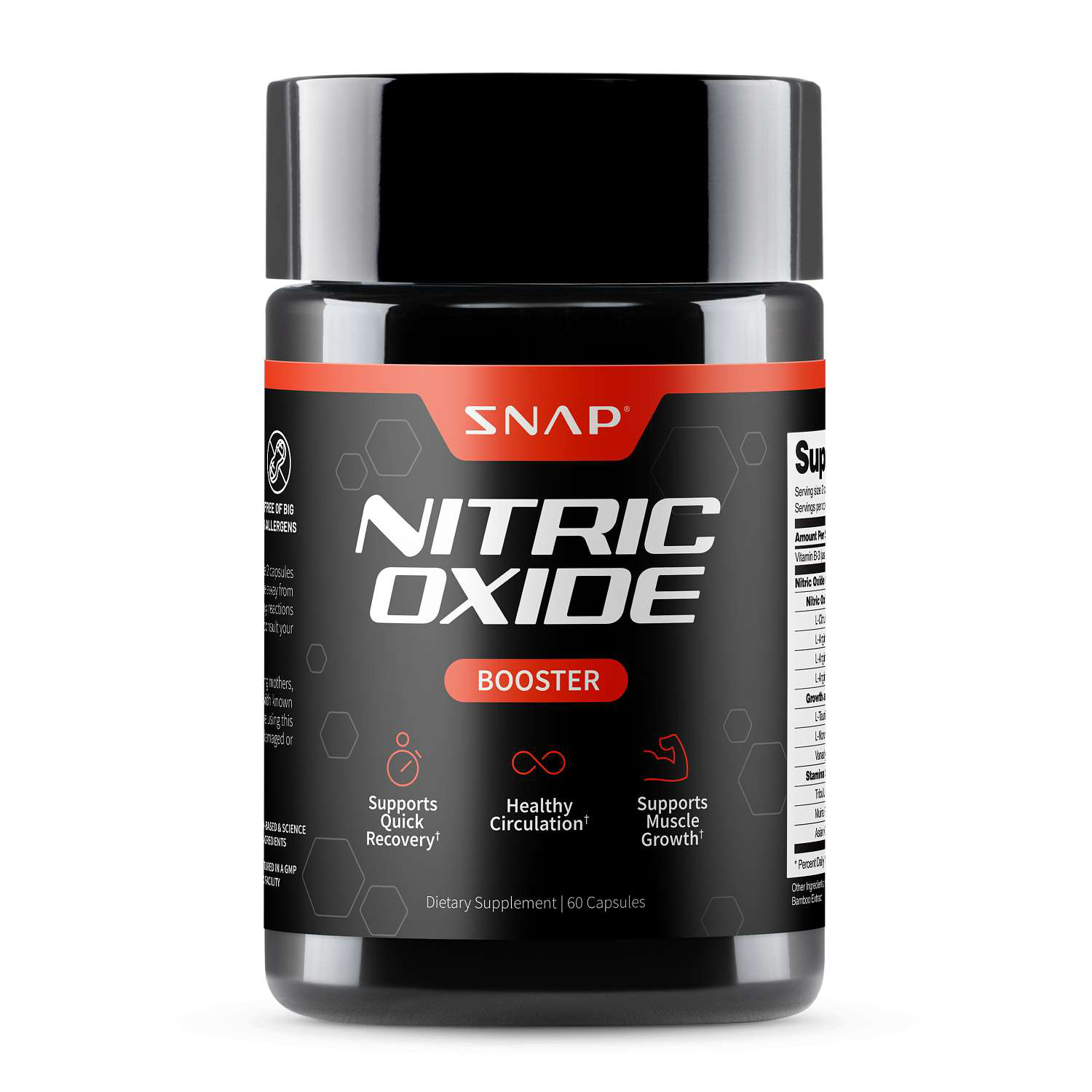 SNAP Supplements
-
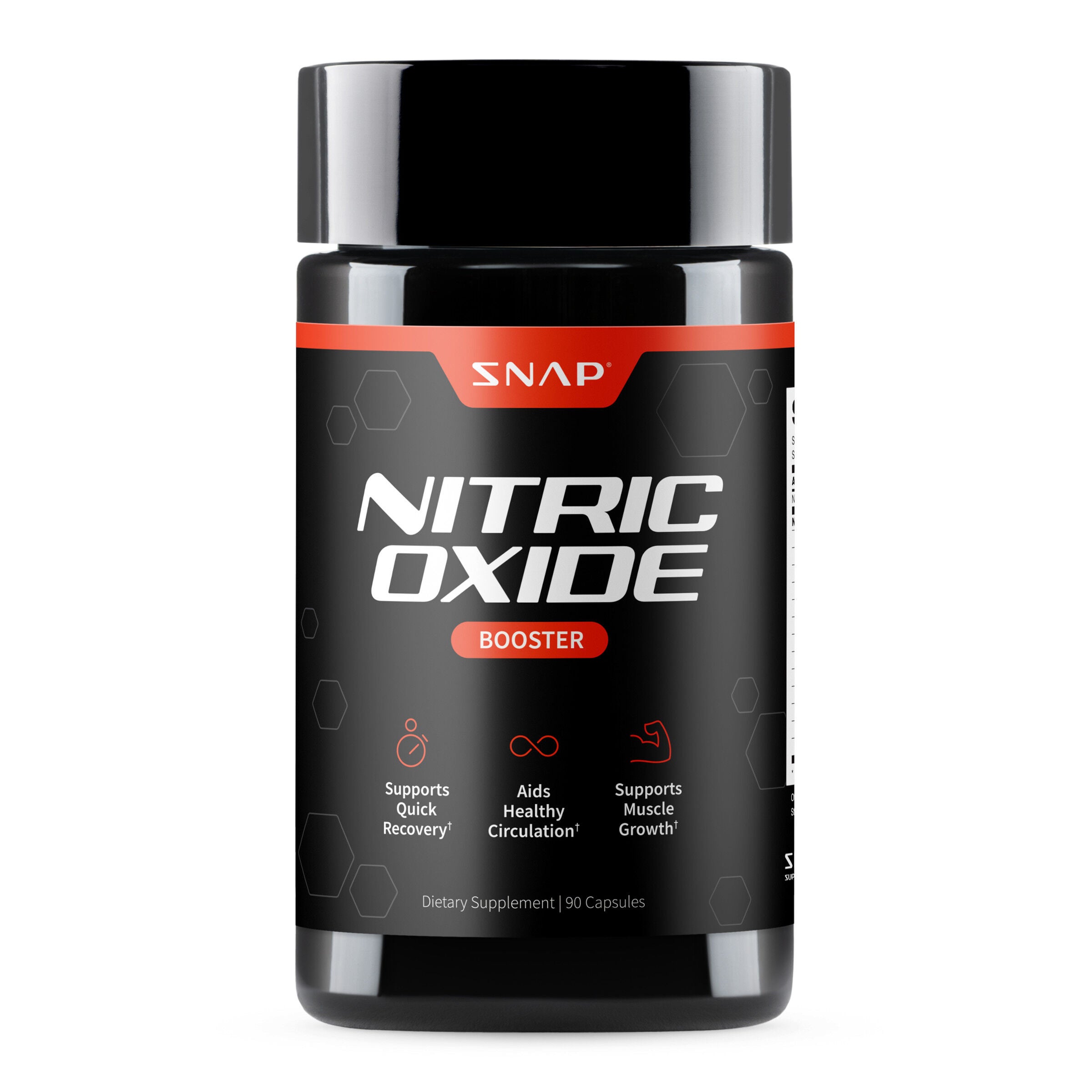 SNAP Supplements
-
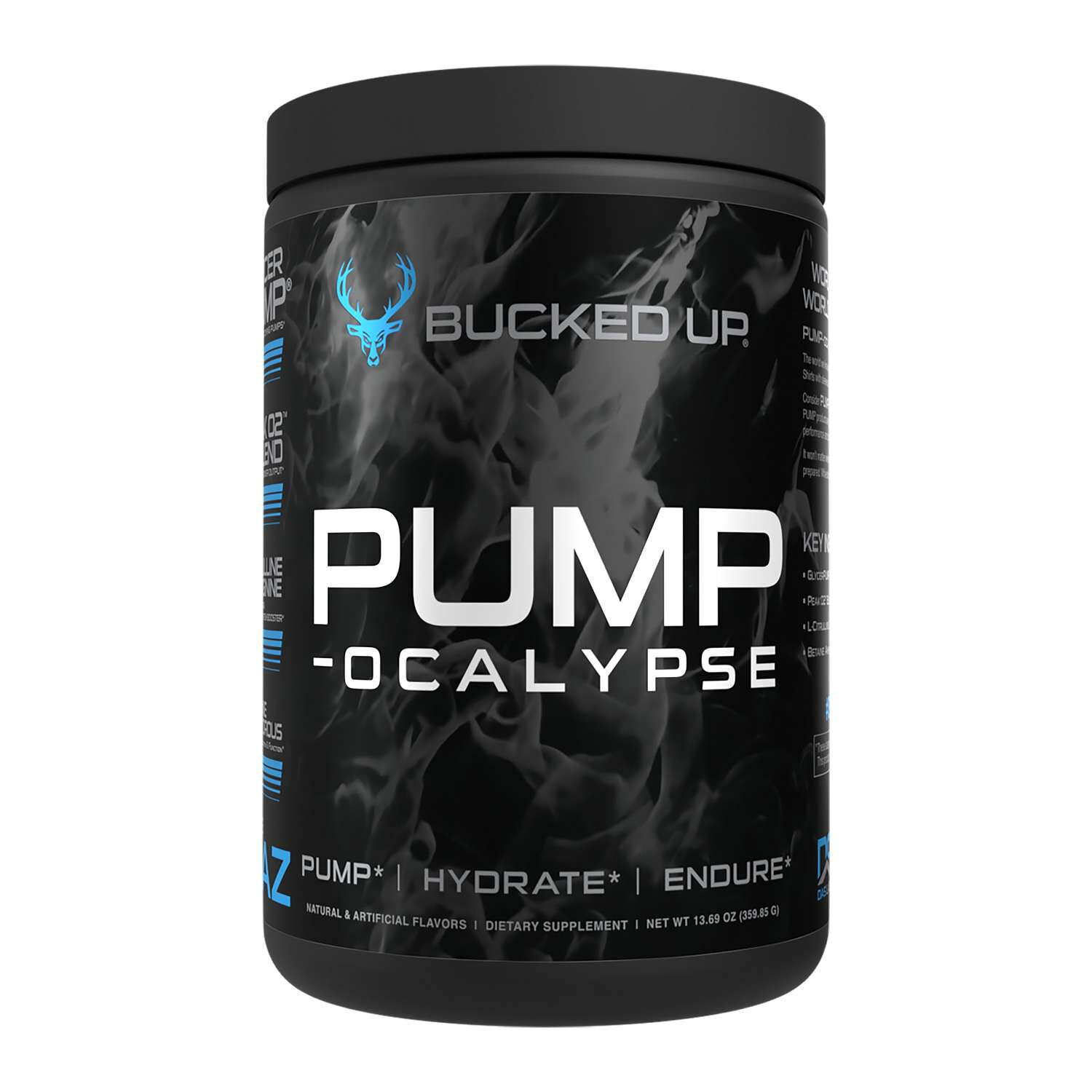 Bucked Up
-
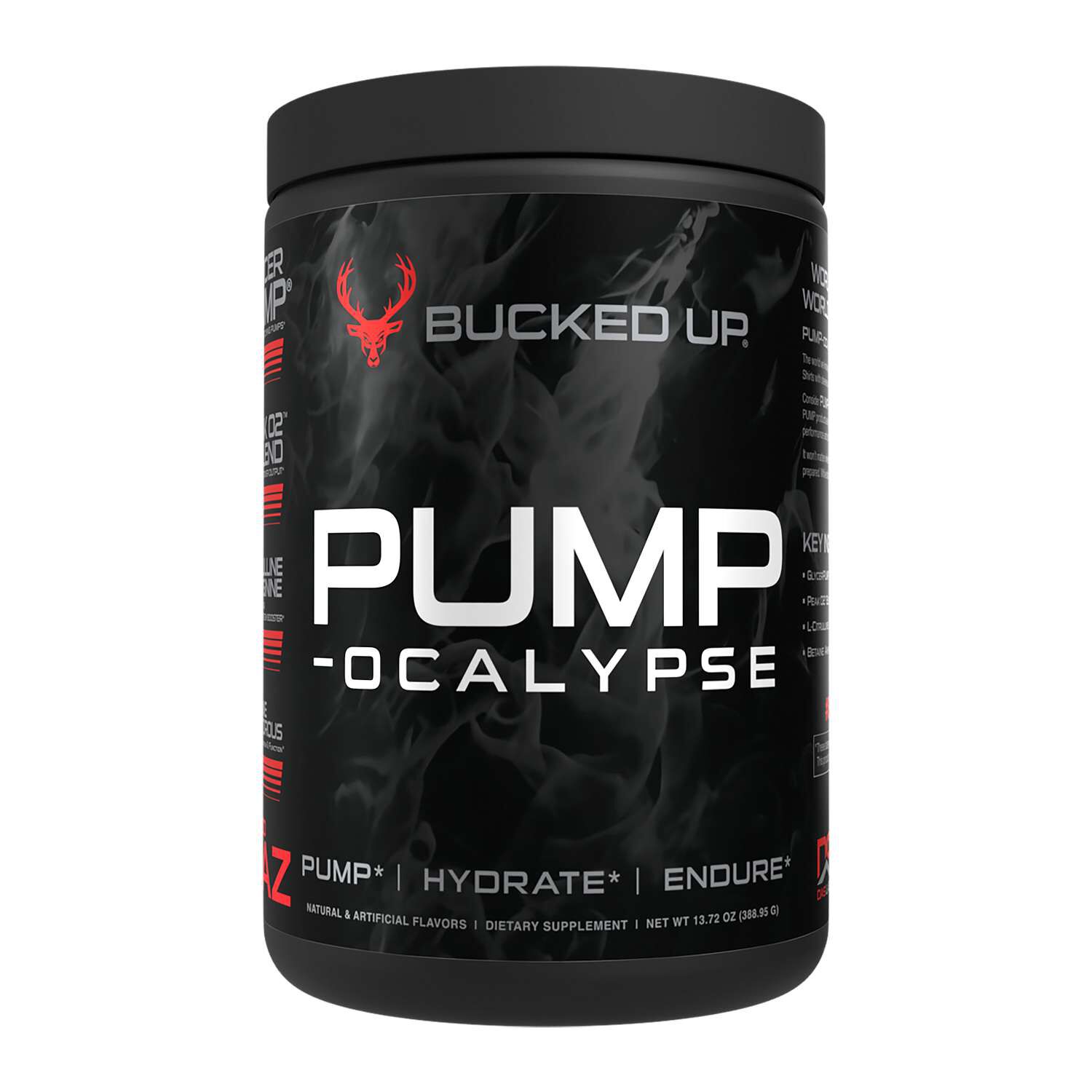 Bucked Up
Related Pages
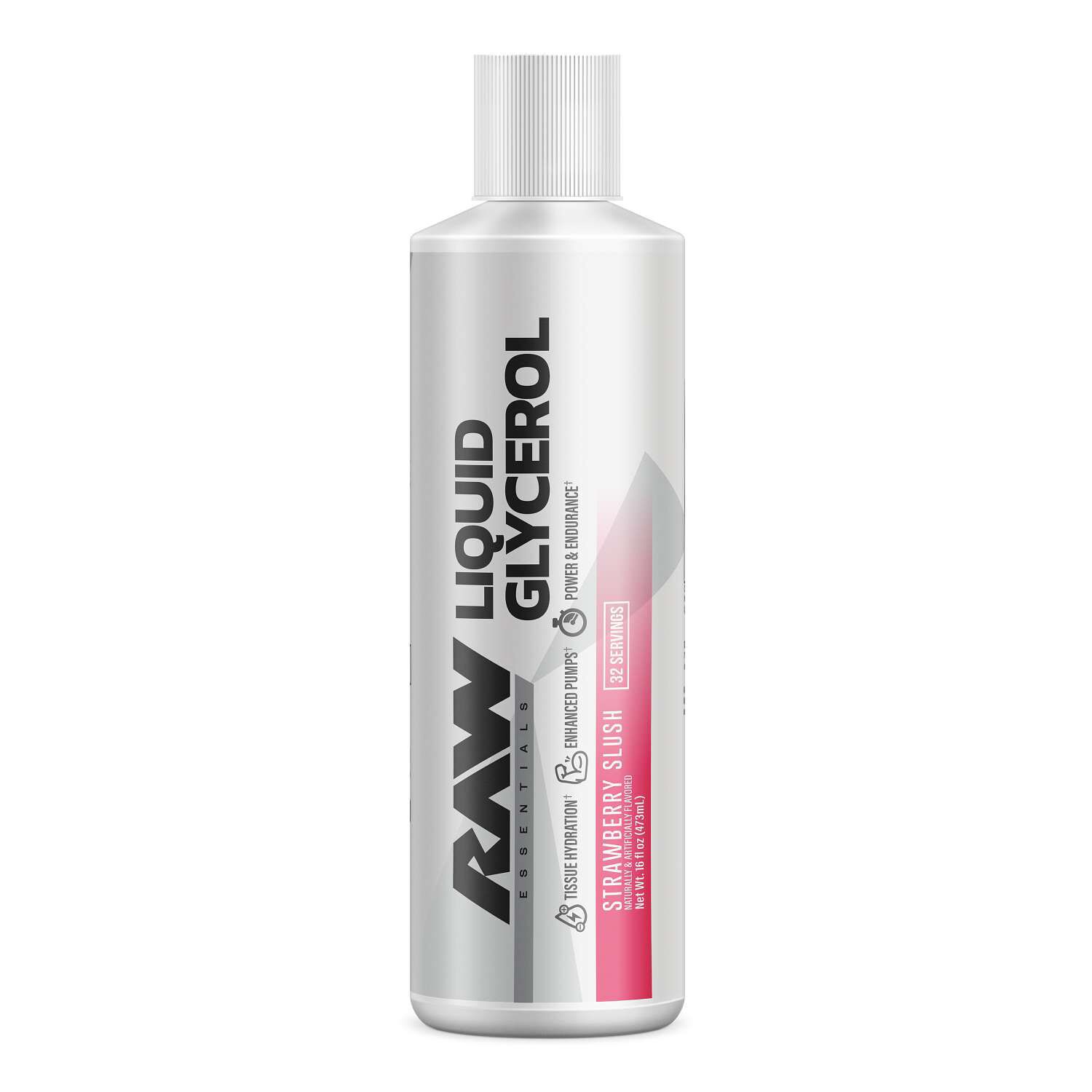

Top Collections
- Supplements For Yoga Joint Flexibility
- Chronic Fatigue Supplements
- Joint Mobility Supplement Packs
- Adult Mobility Supplements
- Active Supplements
- GLP 1 Support For Adults
- Zinc Supplements | Top Brands at Great Prices | GNC
- Supplements For Anxiety Relief Support
- Supplements For Balance
- Capsule Supplements For Energy And Stamina