





Muscle Energizing Capsules
(0 Results)
Looking to fuel your workouts and support muscle recovery? Muscle energizing capsules might be the perfect addition to your fitness routine. These supplements could help provide the necessary nutrients to keep you going strong, whether you're hitting the gym or engaging in any physical activity. Explore our selection of muscle energizing capsules that may assist in enhancing your performance and reaching your fitness goals.
-
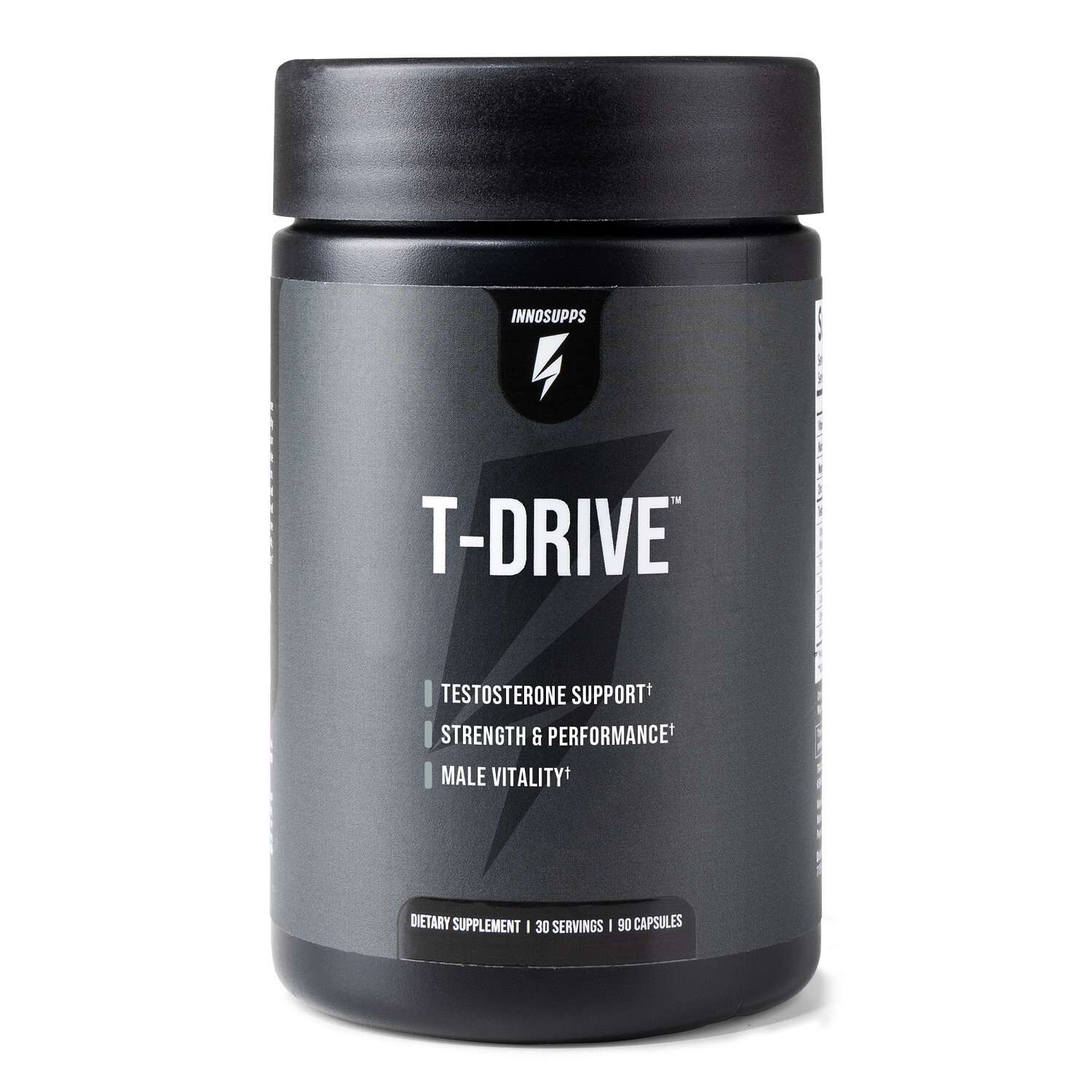
-
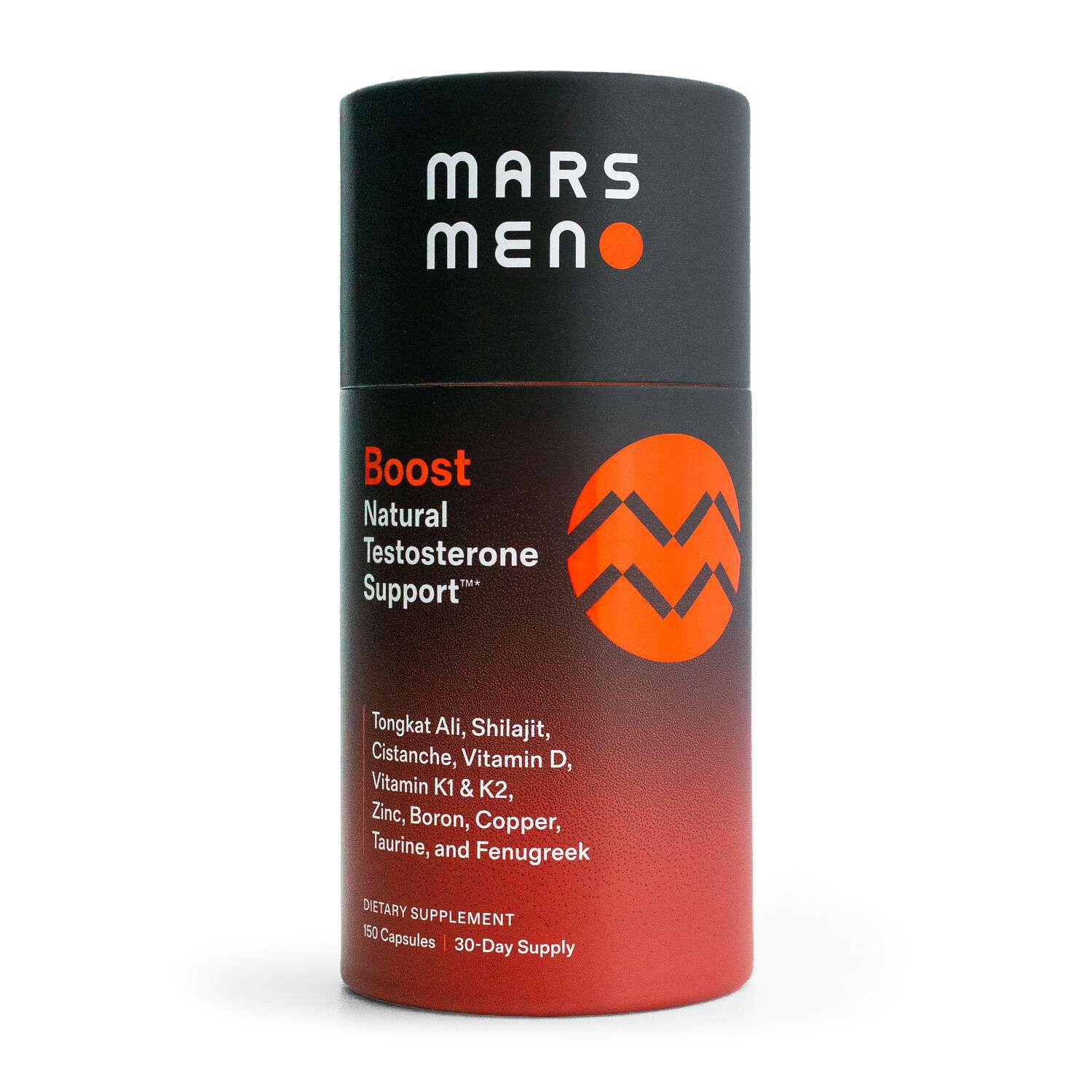
-
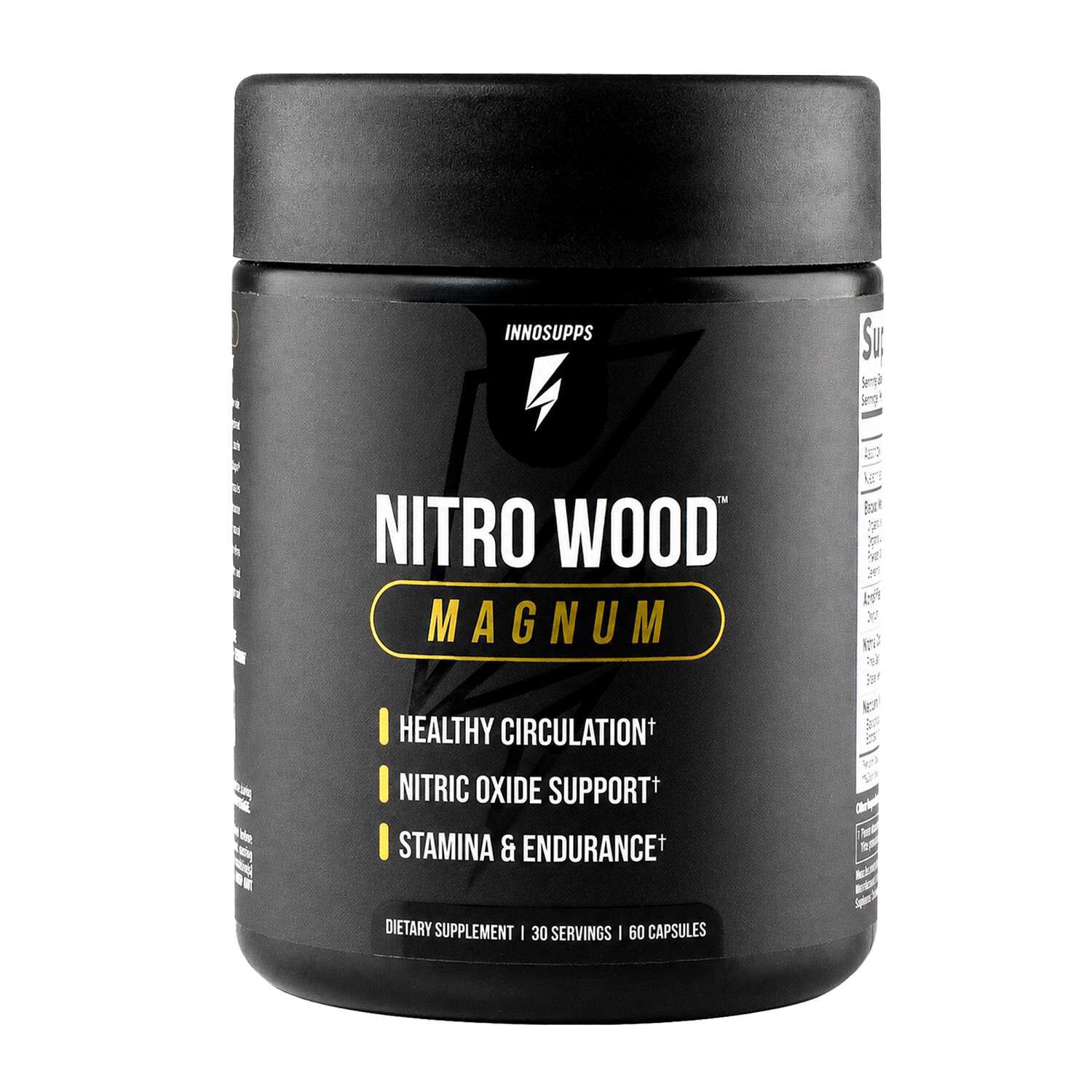
-
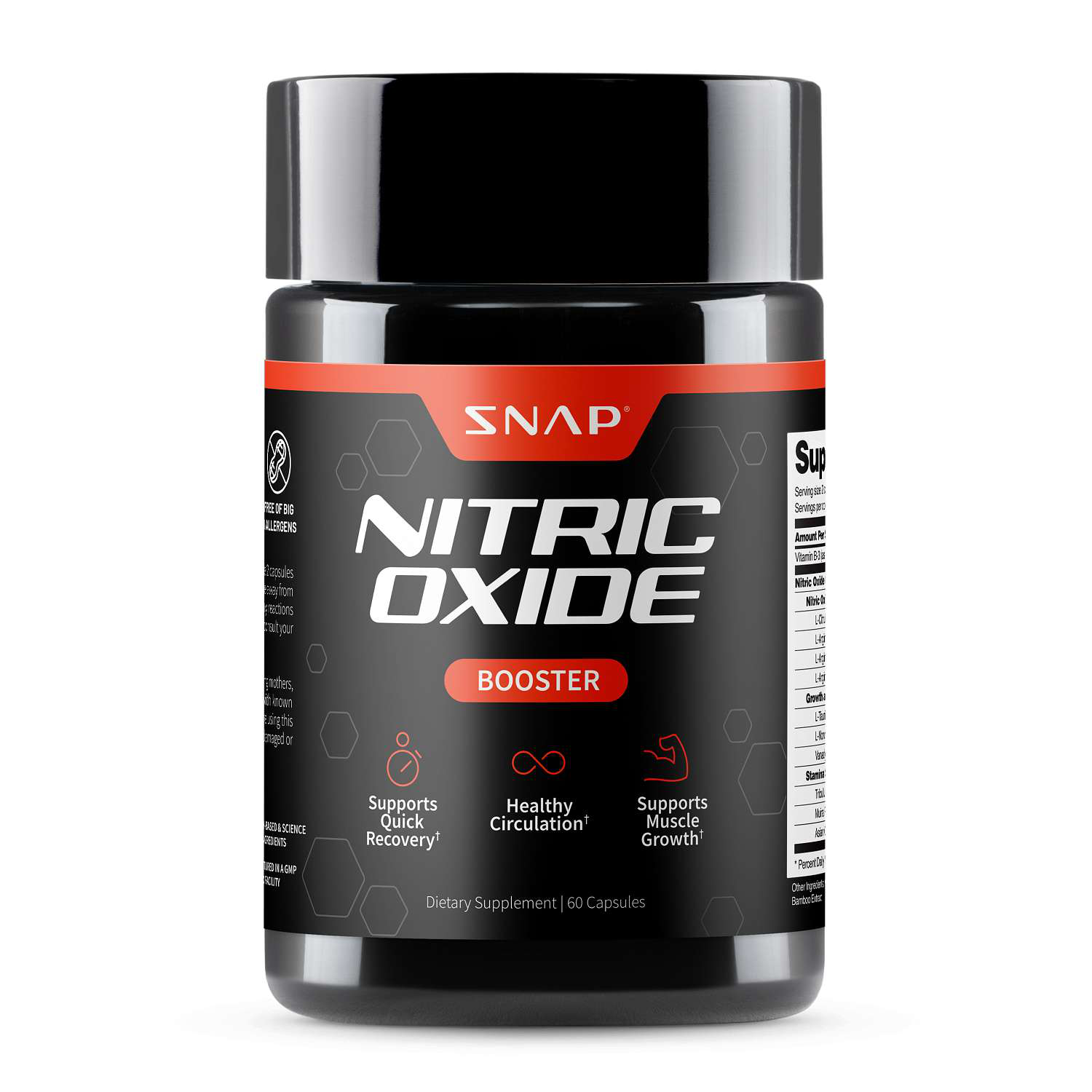
-
-

-
-
-

-
-
-

-
-
-
-
-

-
 185$24.99
 -
-

-
-

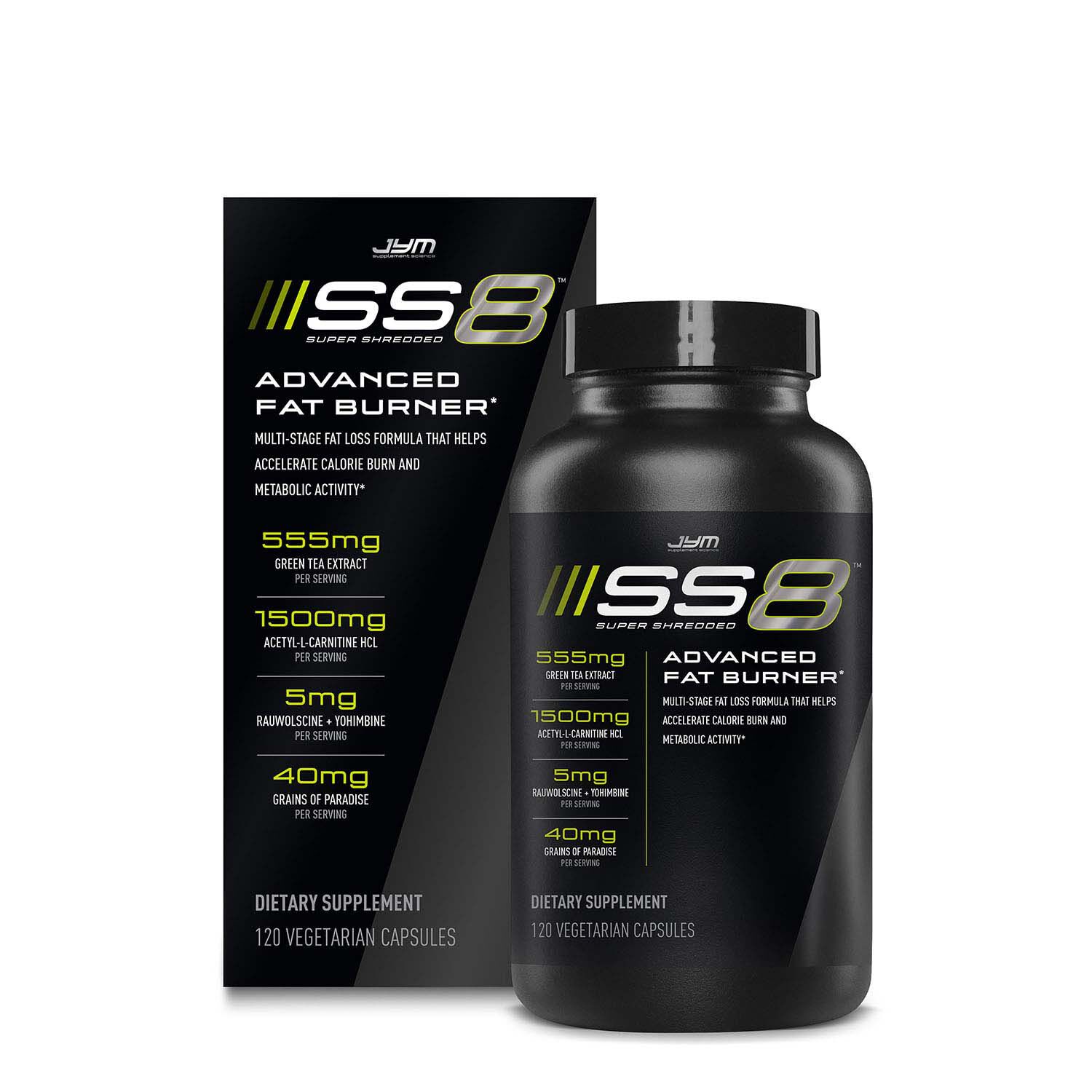
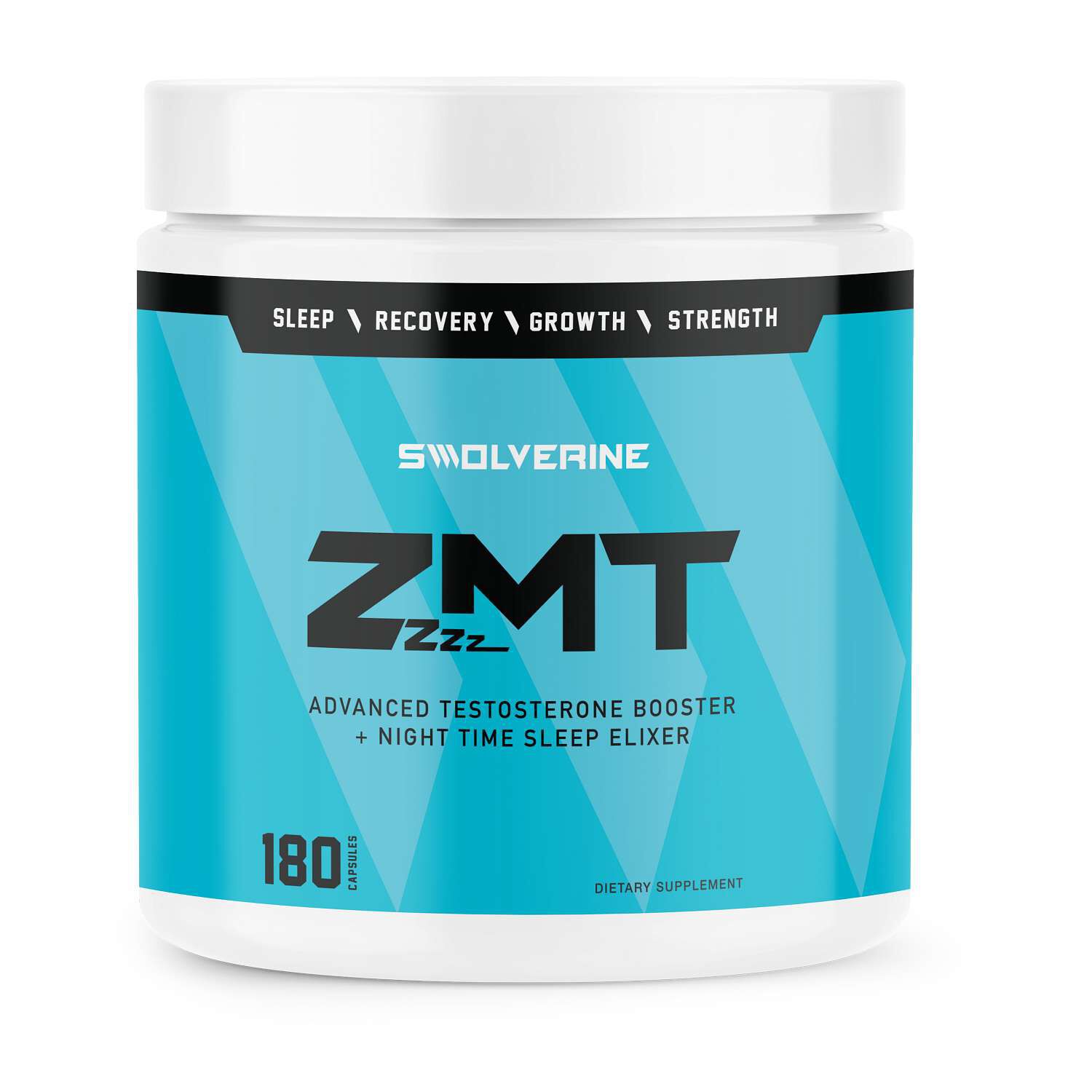
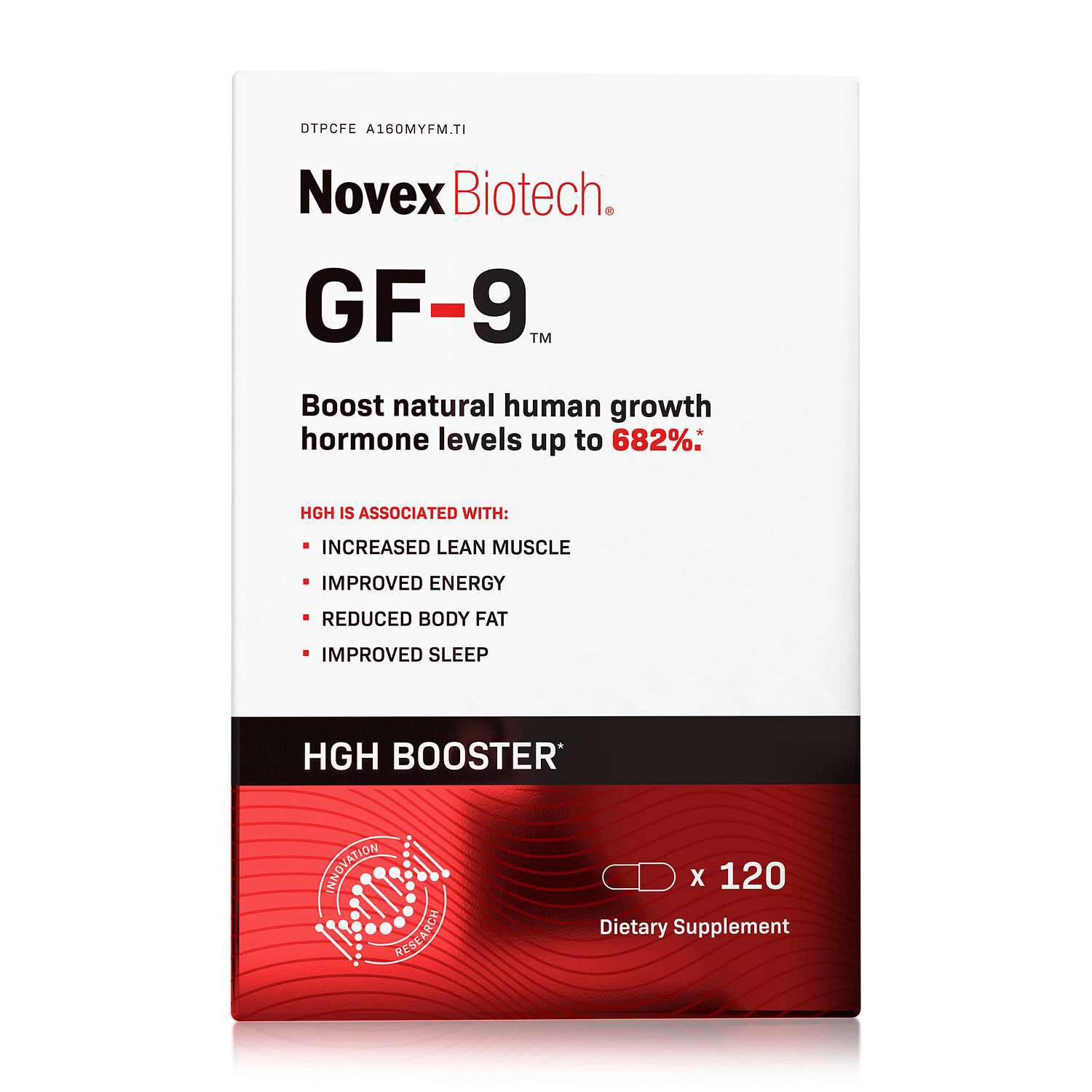
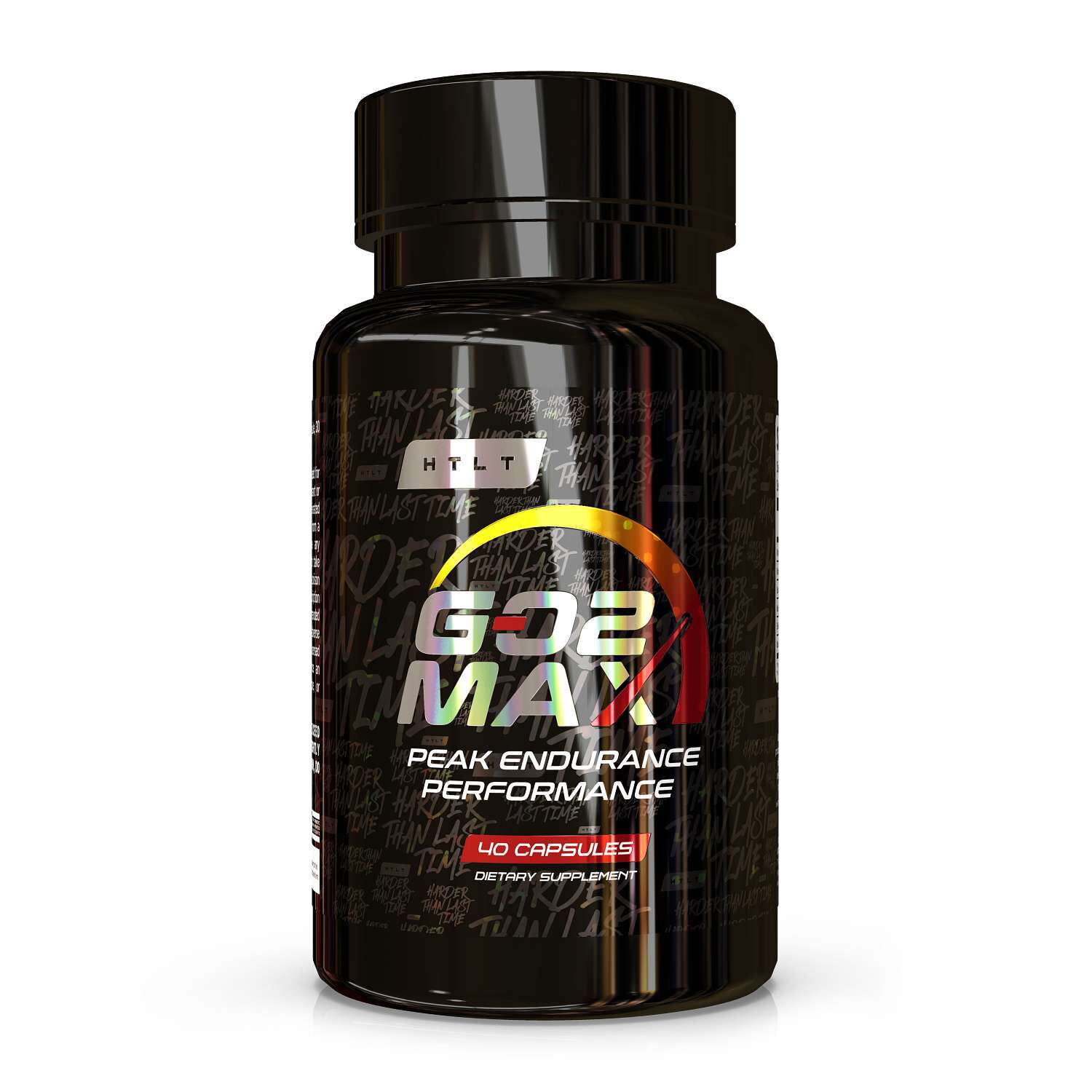
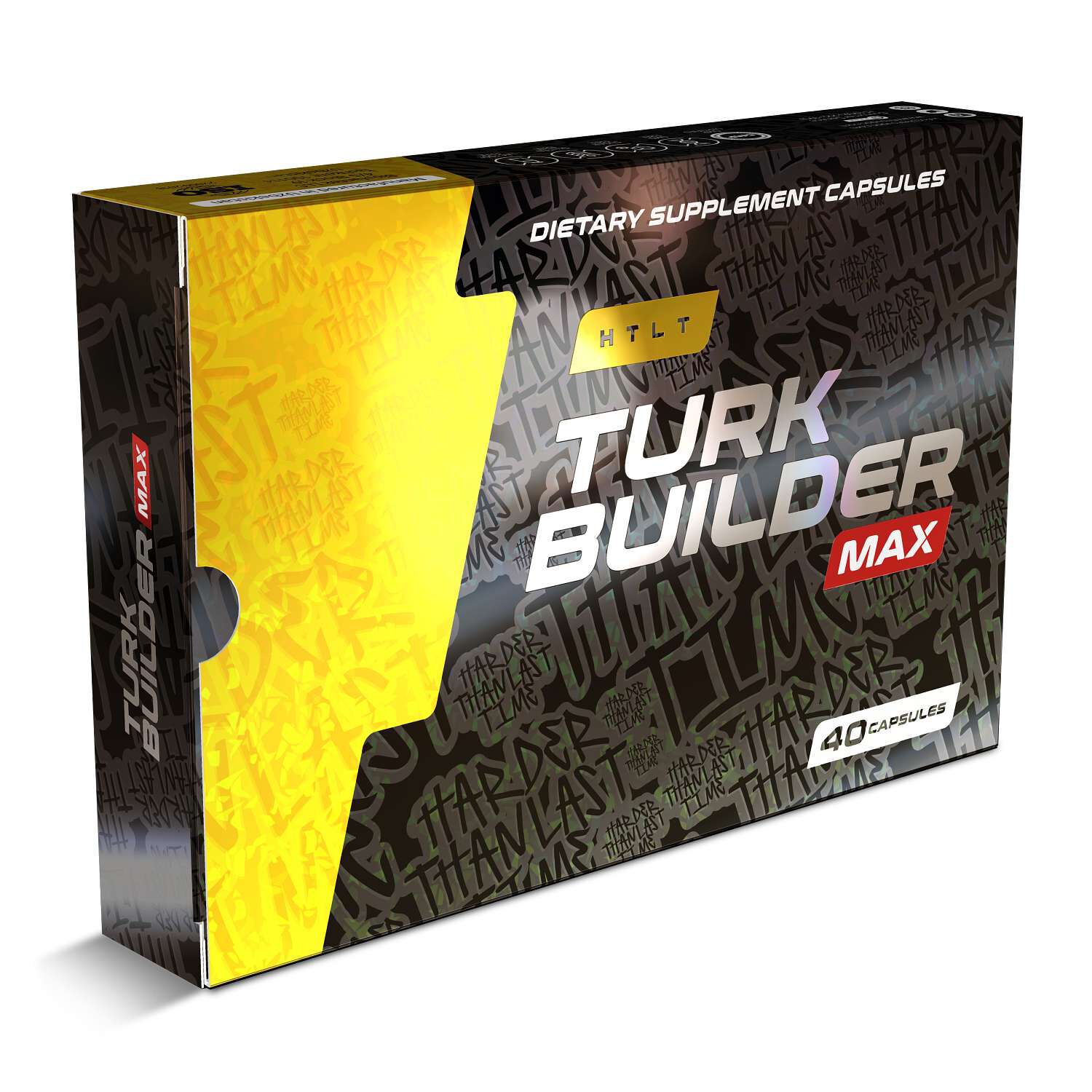
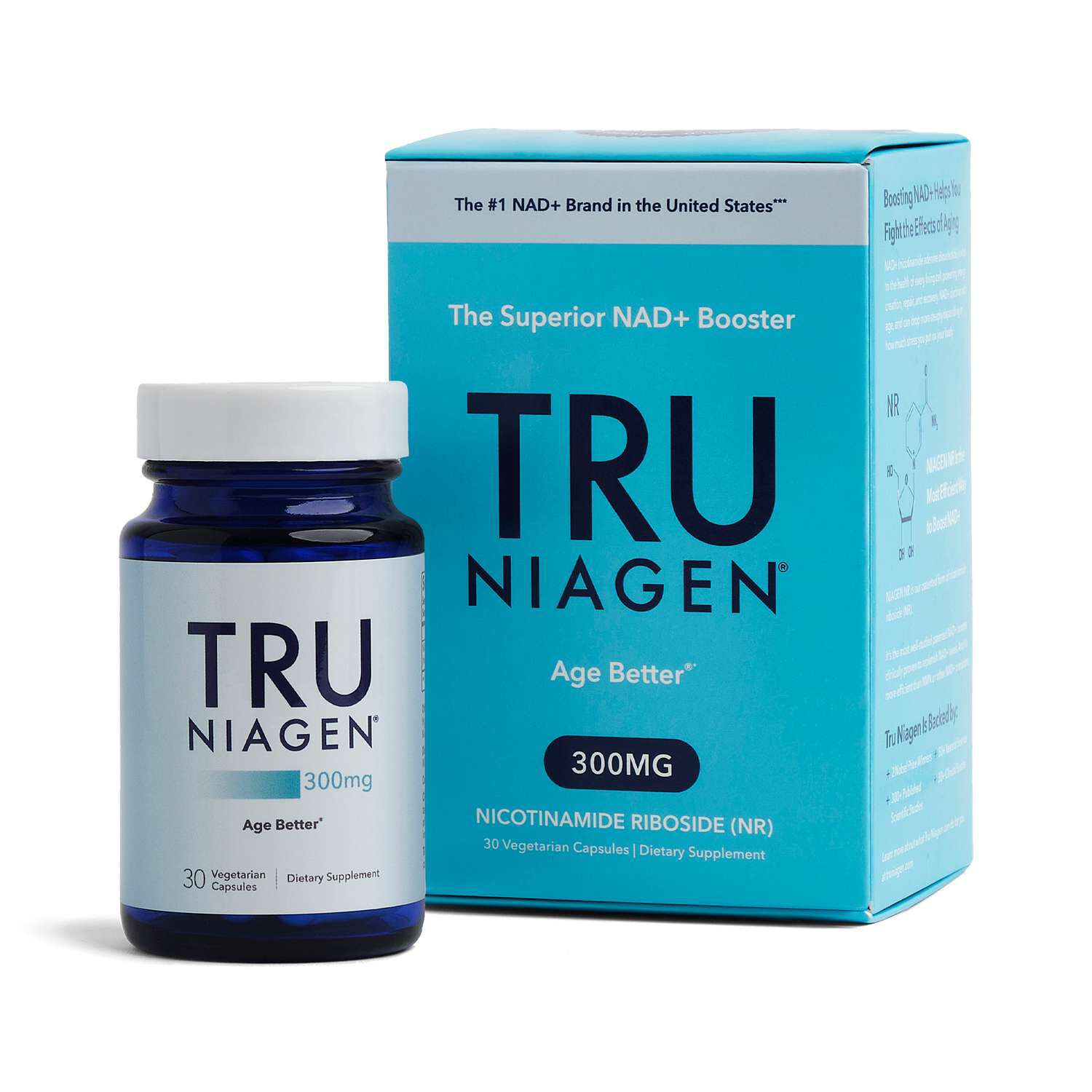
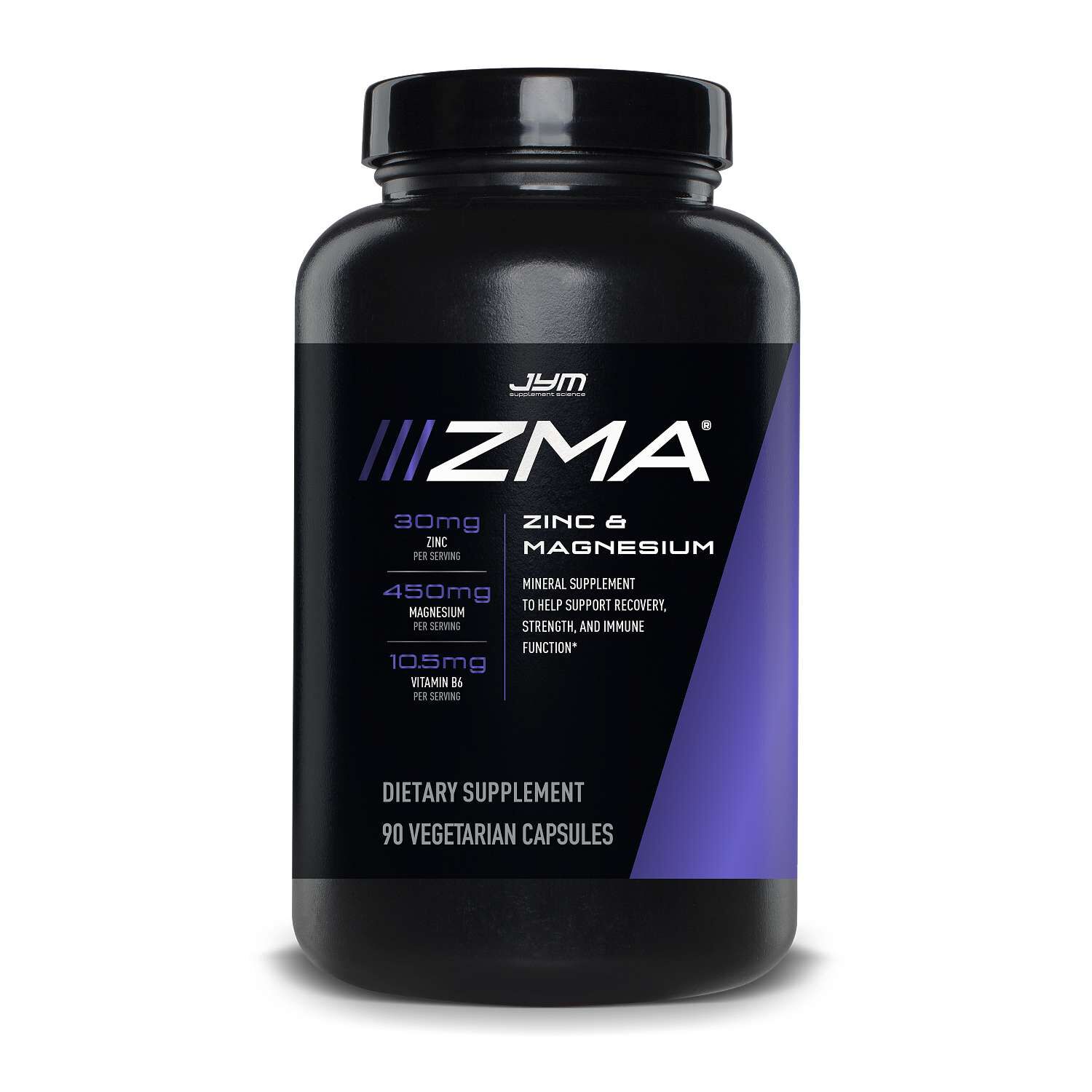
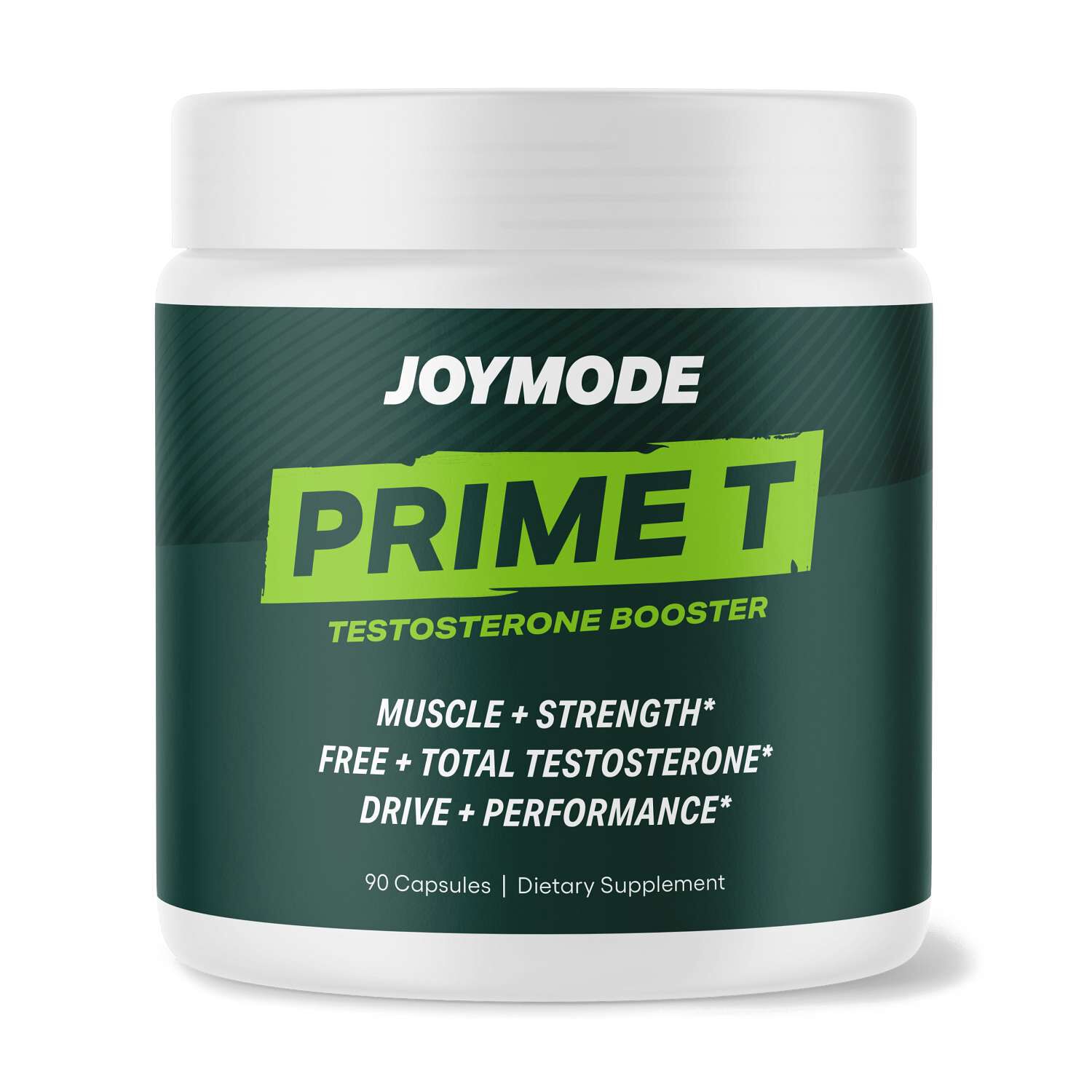
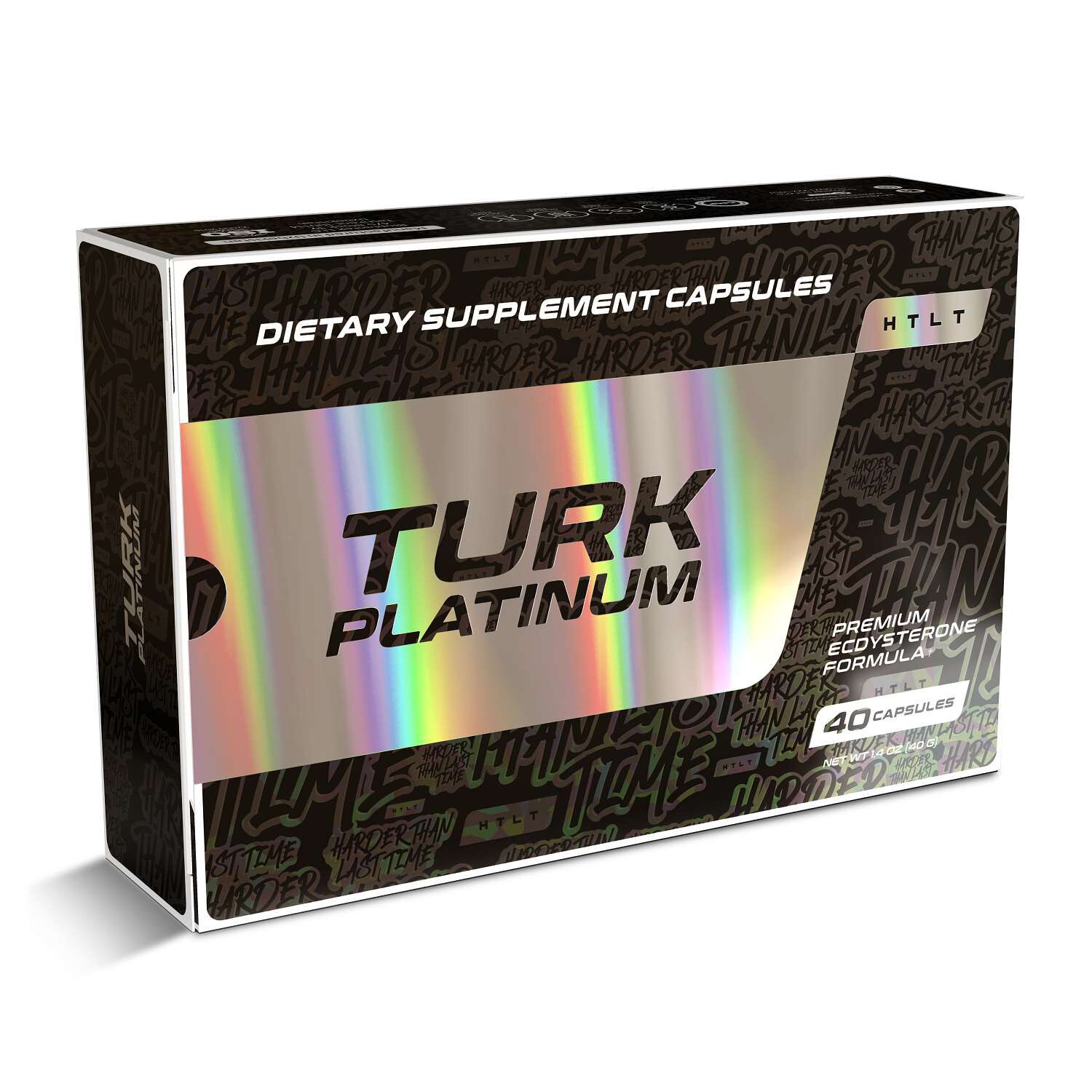
Muscle energizing capsules are dietary supplements intended for adults interested in nutritional support for exercise, muscle function, and workout performance. Depending on their ingredients and serving amounts, these formulas may support energy metabolism, exercise endurance, or focus during physical activity. The category name describes a broad purpose rather than a single ingredient recipe: a capsule centered on creatine differs from one featuring caffeine, amino acids, or a blend of vitamins and minerals. That distinction matters when comparing options for a strength session, a steady cycling workout, or a busy day that includes time at the gym. Creatine may support performance during repeated, short periods of high-intensity exercise, such as lifting weights or performing brief cycling intervals. Caffeine-containing formulas may support alertness and attention during a workout, while stimulant preferences remain an important part of the selection process. B vitamins and magnesium appear in some energy-oriented supplements because of their roles in normal energy metabolism and muscle function, but their inclusion does not mean every person will notice a change in workout energy. Branched-chain amino acids, often listed as BCAAs, include leucine, isoleucine, and valine; these ingredients may support muscle recovery in the context of exercise and dietary protein intake. Other formulas may feature coenzyme Q10, known as CoQ10, or botanical ingredients such as rhodiola and ashwagandha. A longer ingredient list does not necessarily make a formula more suitable for a particular routine. Ingredient identity, the amount in each serving, and the intended use on the label offer more useful context than an energetic name alone. For someone who wants a capsule format rather than a flavored drink, this category brings together a different way to incorporate supplements into an established fitness routine. Food, hydration, sleep, and consistent training remain the foundation of that routine, with capsules serving as an optional addition rather than a substitute for those everyday habits.
The capsule itself is an important part of the comparison, alongside the ingredients inside it. Shell materials commonly include gelatin or plant-derived cellulose, and that difference may matter to shoppers with dietary preferences. The label can identify the shell material as well as other ingredients used in manufacturing, such as fillers and flow agents. Capsule dimensions, the number required per serving, and the serving count per container are practical details that affect how a formula fits into daily life. A serving listed as several capsules is different from a single-capsule serving, even when the containers look similar. Likewise, an amount shown prominently on the front label may refer to an entire serving rather than each capsule. The Supplement Facts panel provides the context needed to understand that distinction. For formulas featuring a blend, individually disclosed ingredient amounts offer a clearer picture of the composition than a blend weight by itself. Shoppers comparing creatine capsules with other muscle energy supplements may also notice that the number of capsules needed for a labeled serving varies considerably. Caffeine deserves particular attention when coffee, tea, energy drinks, or a separate workout supplement already have a place in the day. The presence or absence of caffeine helps distinguish formulas aimed at different preferences, without making either approach the right choice for everyone. Someone who exercises after work may prioritize a different ingredient profile than someone heading to the gym before breakfast. Label directions, allergen statements, and any printed cautions are part of evaluating that fit; the category name alone cannot establish suitability. Packaging details can matter as well. A legible label, an intact closure, and a clearly printed expiration date are relevant to a supplement kept in a kitchen cabinet or carried in a gym bag. Storage conditions should match the package directions, with attention to moisture, light, and keeping the container securely closed. Capsules do not require flavor selection or mixing, though their format still calls for careful attention to serving instructions.
Intended use is another meaningful way to distinguish muscle energizing capsules, particularly when several ingredient profiles share similar language on their labels. A formula positioned for use before exercise may differ substantially from one intended for regular daily use or nutritional support after a session. Some ingredients may offer support associated with a particular workout, while others may be more relevant to consistent use over time; the directions and composition help explain that difference. An occasional gym visit, a structured lifting schedule, and a series of longer training sessions create different shopping contexts, even when each person is interested in muscle energy. For a recreational lifter, the main comparison might be a straightforward creatine formula versus a broader blend. For a shopper interested in workout focus, the caffeine amount and other ingredients may be more relevant. For someone already using a protein powder or multivitamin, ingredient overlap becomes another useful consideration. Combining several products with similar positioning does not necessarily make the routine more appropriate, and matching labels side by side can reveal repeated ingredients that are easy to overlook. Shoppers exploring a related exercise goal can also compare Muscle Stamina Capsules, while keeping the ingredient panel and intended use at the center of the comparison. Terms such as energy, endurance, stamina, and recovery describe different priorities, not interchangeable outcomes. A capsule that may support alertness is not automatically a source of the same nutritional support as an amino acid or mineral formula. Personal preferences matter, too: some adults favor a shorter ingredient list, while others prefer a combination formula with clearly stated amounts. For gift shopping, supplements are a more personal choice than a gym towel or shaker bottle, so a recipient’s stated preferences are particularly relevant. Across these situations, the most informative product details remain consistent: what each serving contains, how the capsule is made, how the label describes its use, and how those characteristics align with the shopper’s established routine.
Best Sellers
-
Inno Supps
-
Novex Biotech
-
SNAP Supplements