Glycinate Capsules
(0 Results)
Explore a wide selection of glycinate capsules designed to fit seamlessly into your daily wellness routine. Glycinates are popular choices for those looking to support their overall nutritional goals with convenient capsule options. Browse through various formulations and find the right glycinate capsules to complement your lifestyle and help you stay on track with your supplement regimen.
-

-

-

-
-

-

-

-
 $29.99
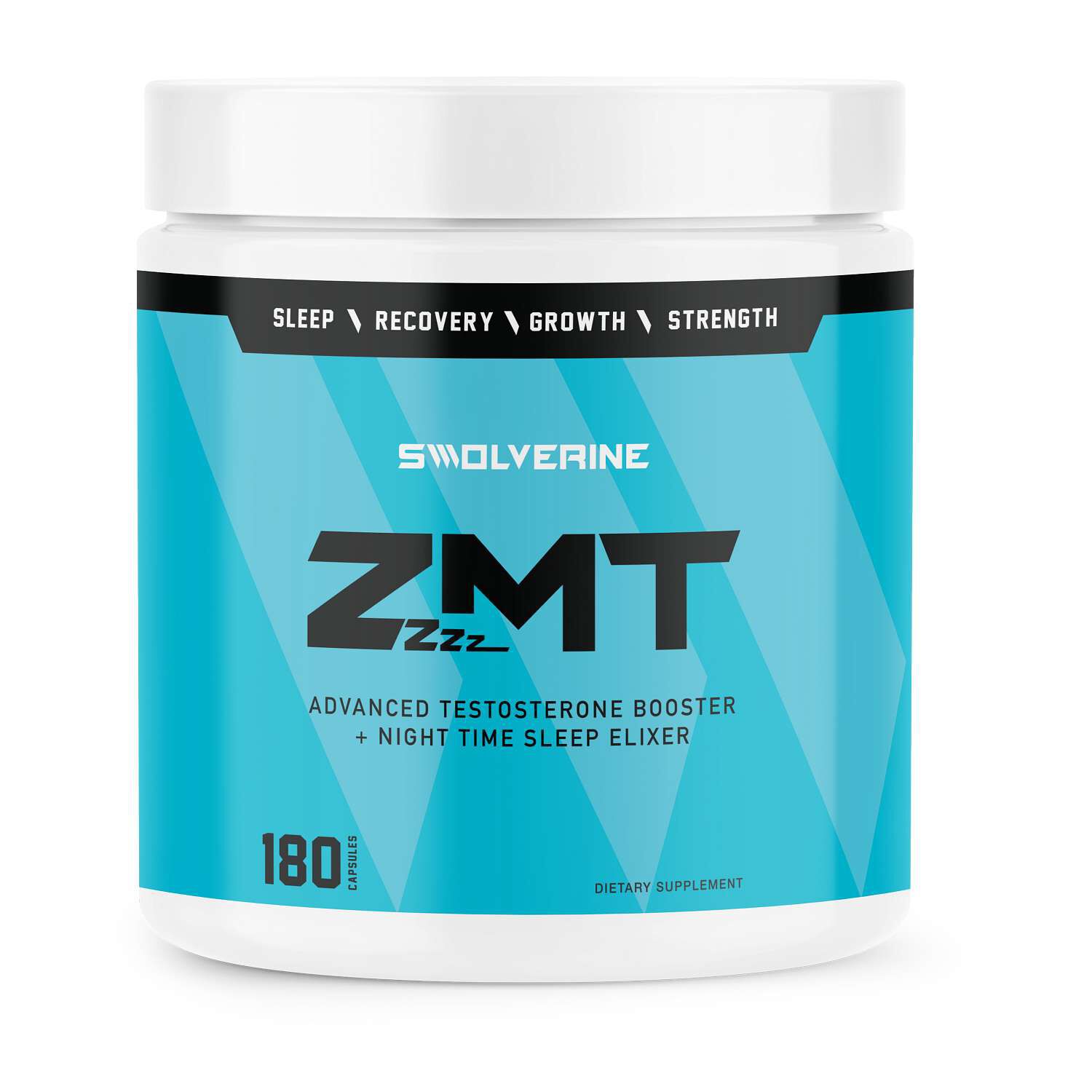
Glycinate capsules are mineral supplements that pair a mineral with glycine, an amino acid, in a capsule format. Magnesium glycinate is a familiar example, although the word glycinate describes the mineral’s form rather than identifying the mineral itself. That distinction matters when comparing bottles: magnesium glycinate, zinc glycinate, and other mineral glycinates are not interchangeable simply because their names share an ending. In magnesium glycinate, magnesium is bound to glycine in a structure described as a chelate. Labels may also use the term magnesium bisglycinate, referring to a structure with two glycine molecules associated with a magnesium ion. The clearest starting point is the Supplement Facts panel, where the mineral, amount per serving, and source appear together. For magnesium, the listed nutrient amount represents elemental magnesium, not the weight of the entire magnesium-and-glycine compound. A prominent number elsewhere on a package may describe something different, so matching that number to the serving information gives a more useful picture of the formula. Capsules also differ from powders, liquids, and chewable formats in their preparation and ingredients. Their contents are enclosed in a shell, and package directions describe how the finished supplement is intended to be used. For an adult who prefers a capsule format over a flavored drink mix, this category may fit an established daily routine. For someone comparing magnesium forms, the broader selection of Magnesium Glycinate Supplements offers context beyond capsules alone. The most meaningful distinctions within the capsule category are usually the mineral source, the amount in each labeled serving, the number of capsules that make up that serving, and the ingredients used alongside the mineral. Those details describe what is in the bottle more precisely than a short phrase on the front. They also make comparisons between similar-looking containers much less confusing, especially when different labels emphasize different numbers.
A closer look at capsule construction adds another layer to the comparison. Shell materials vary, with gelatin and plant-derived cellulose among the options used for mineral supplements. Shoppers following vegetarian eating preferences may want a clearly identified vegetarian capsule rather than assuming that every capsule shell has the same composition. The other ingredients section lists materials beyond the nutrients declared in the Supplement Facts panel, including ingredients used in the shell or during manufacturing. A short ingredient list and a longer one are not, by themselves, measures of how well a formula suits an individual. Instead, the names on that list provide concrete information for comparing personal ingredient preferences. Likewise, dietary statements are most useful when they are specific and supported by the package, rather than inferred from the word glycinate. A formula centered on magnesium glycinate may differ from one that combines glycinate with other magnesium sources or adds other nutrients. Neither the capsule shape nor the front label necessarily tells that whole story. Serving size deserves the same attention. A bottle containing 90 capsules with a three-capsule serving has 30 labeled servings, while a bottle containing 60 capsules with a two-capsule serving also has 30. Capsule count alone therefore does not describe how many servings a package contains. Amount per capsule and amount per serving are separate details, and comparisons are clearer when the same measure is used for each formula. Capsule dimensions can vary as well; photographs without a familiar object beside them may not convey size accurately. Published dimensions, when provided, offer a more concrete reference. For a shopper who already has several steps in a morning routine, the labeled capsule count per serving may be a practical consideration. Someone who values a simpler ingredient profile may focus instead on whether the formula contains only the desired mineral or includes additional nutrients. These are distinct preferences, and the packaging details help separate them.
Intended use and everyday storage round out the picture of glycinate capsules. These are dietary supplements, not foods or drink mixes, and the package identifies the intended audience and directions for the particular formula. A mineral name alone does not establish a suitable serving for every person, and a shared capsule format does not make different formulas equivalent. Rather than borrowing directions from a similar-looking bottle, the relevant reference is the label on the supplement being considered. Routine preferences are practical rather than universal: one adult may keep supplements in a designated kitchen cabinet, while another may organize personal care items in a bedroom drawer. In either setting, the storage conditions printed on the package matter more than how neatly the container fits the space. A spot beside a steaming kettle, on a sunny windowsill, or in a damp bathroom introduces conditions that may not match those instructions. Capsule shells and their powdered contents are not designed for indefinite exposure to moisture or heat, and a closed container in the specified conditions is part of appropriate product care. The printed date, closure, and packaging condition are also useful details to check. Keeping the original labeled container preserves access to the ingredient list, serving information, and storage directions, whether the bottle stays at home or goes into a travel bag. During the cooler months, when routines may shift between busy workdays and weekends away, those details remain relevant without requiring a different seasonal approach to the mineral itself. Supplements are also a personal purchase: ingredient preferences and labeled serving formats make them different from a one-size-fits-most accessory or a casual gift. A thoughtfully chosen capsule format begins with a clearly understood label, not assumptions about another person’s needs. Across glycinate capsules, careful comparison comes down to a few tangible differences: which mineral is present, how its form is identified, what each serving contains, how the capsule is made, and how the package fits the intended routine.
Best Sellers
-
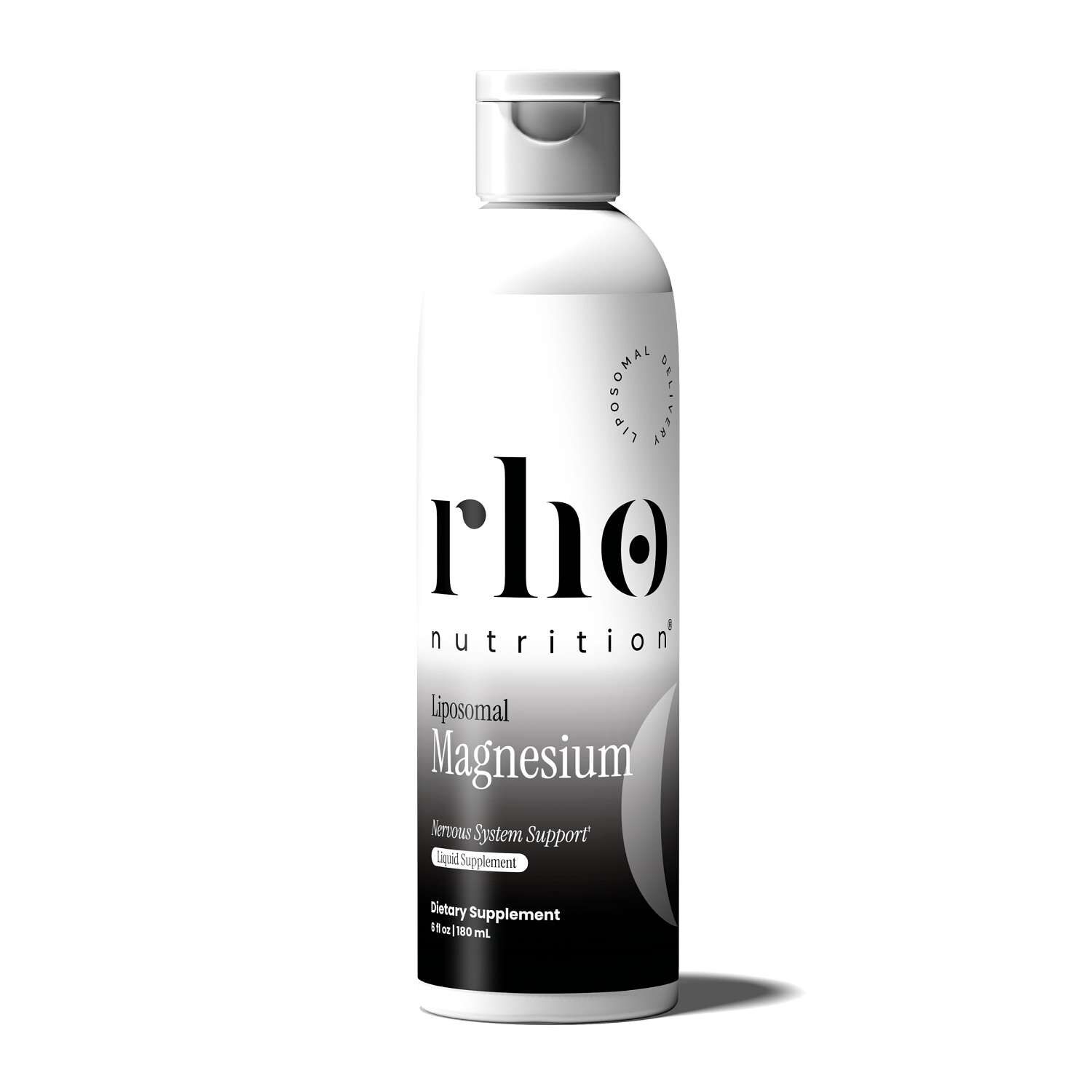 Rho Nutrition
 -
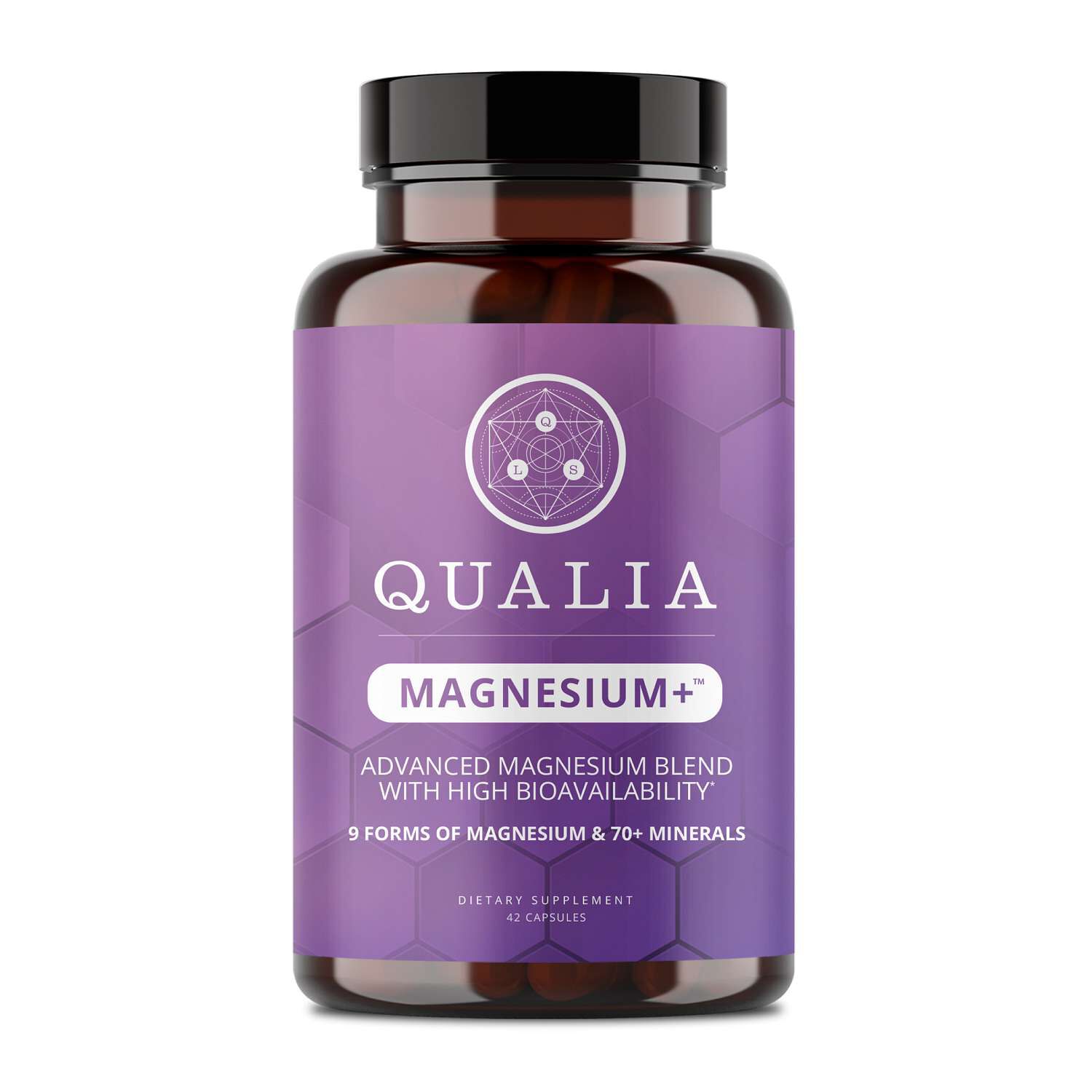 Qualia Life Sciences