





Grape Seed Extract For Healthy Aging
(0 Results)
Grape seed extract for healthy aging could be a valuable addition to your wellness routine. Sourced from the seeds of grapes, this supplement is known for its rich concentration of naturally occurring compounds. Many individuals exploring new ways to support their overall well-being may turn to grape seed extract for its potential benefits as they age. Browse a variety of grape seed extract options designed to fit seamlessly into your daily regimen and discover how it might support your journey toward healthy aging.
-

-
-
-

-

-
-
-
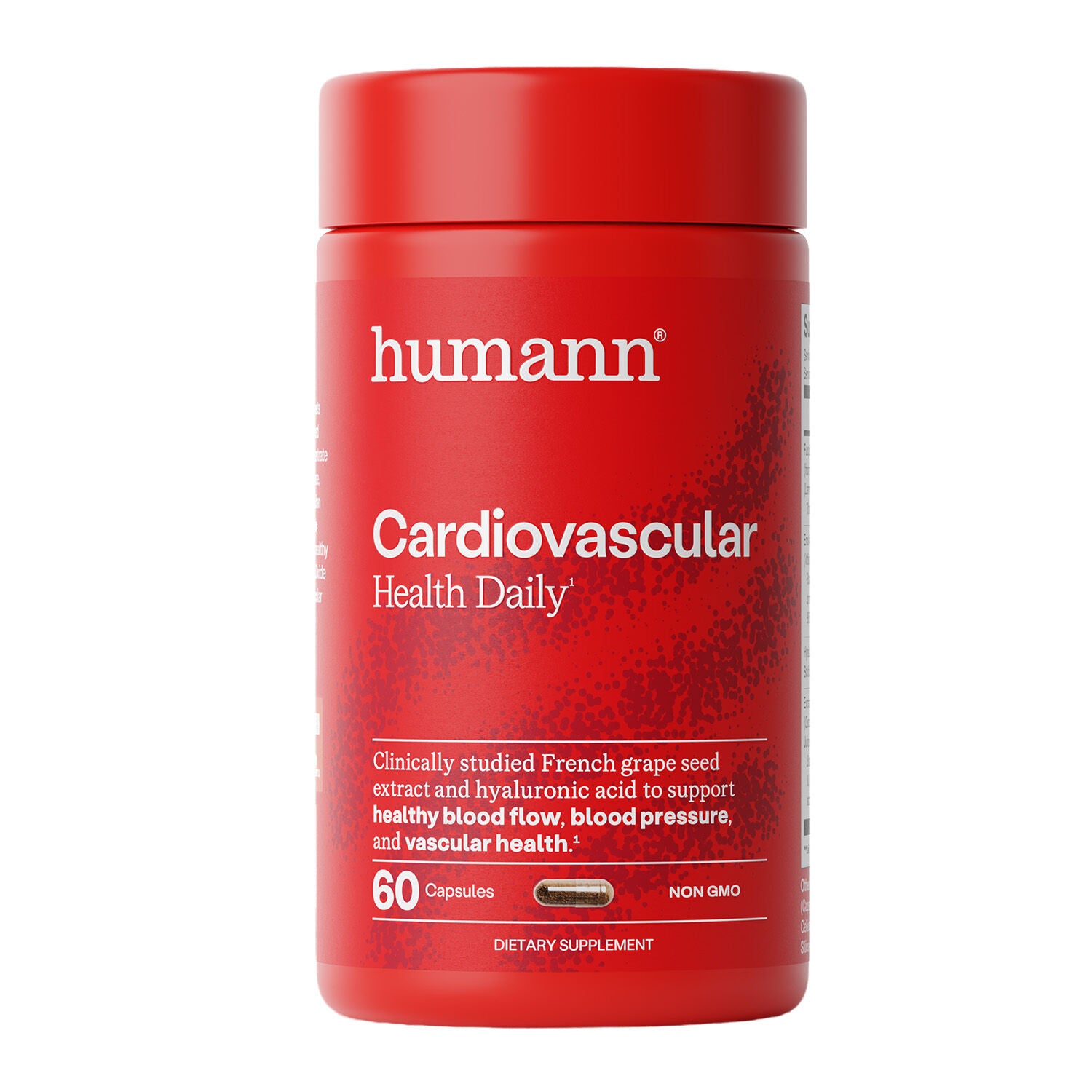 $29.99

Grape seed extract is a botanical supplement ingredient made from grape seeds, commonly from the species Vitis vinifera. It contains polyphenols, a broad family of naturally occurring plant compounds, including proanthocyanidins. For adults interested in grape seed extract for healthy aging, these compounds may provide antioxidant support within a broader nutrition routine. The ingredient’s identity matters: grape seed extract is not the same as grape seed oil, grape skin extract, or a serving of fresh grapes. Each has a different composition and intended use, even though all begin with the same familiar fruit. An extract concentrates selected constituents from the original plant material, while grape seed oil is primarily a culinary ingredient with a different nutritional profile. On supplement labels, proanthocyanidins may appear alongside the abbreviation OPCs, which refers to oligomeric proanthocyanidins. Some labels also state a standardized percentage of particular compounds. That percentage describes a characteristic of the extract; it does not describe an expected personal outcome. The amount of extract and the amount of a named constituent are also different measurements, so both deserve attention when comparing label details. A larger milligram number alone does not explain an extract’s composition. Botanical identity, the plant part used, and the stated standardization together offer a more useful picture. Labels may identify the seed specifically, distinguish an extract from powdered plant material, and separate the primary ingredient from other components in the formula. Those distinctions are especially relevant when browsing a category organized around healthy aging, where similar language can appear on formulas with quite different ingredient profiles. A straightforward grape seed extract formula keeps the focus on this botanical, while a combination formula includes additional ingredients that merit their own consideration. Clear descriptions make it easier to understand what a supplement contains without treating every grape-derived ingredient as interchangeable. The most meaningful comparison starts with the contents and serving information rather than the imagery on the front of a bottle.
Format is another practical consideration, particularly for a supplement intended to become part of an established daily routine. Capsules and tablets differ in shape, dimensions, shell or coating materials, and the number included in a labeled serving. Someone accustomed to a small capsule may have different preferences from someone comfortable with a larger tablet. Capsule shells can contain gelatin or plant-derived materials such as cellulose, making the ingredient list relevant to vegetarian preferences and other dietary choices. Tablets can include binders, coatings, and other ingredients used in their manufacture, while capsules can contain additional ingredients alongside the botanical extract. These details are separate from the grape seed ingredient itself, but they remain part of the formula. Dietary statements and allergen information belong in the comparison as well, especially for households where food preferences influence everyday purchases. A botanical name on the front label does not, by itself, describe every ingredient inside. Serving size adds another distinction: the stated amount may refer to one capsule, two capsules, or another labeled serving rather than a single unit. That difference matters when comparing packages that look similar at a glance. Packaging and care also deserve consideration. A container with readable directions, an identifiable date, and a closure that fits securely offers useful everyday handling details. Storage directions on the package take priority over assumptions about where supplements belong. A bathroom shelf, for example, can involve moisture exposure, while a spot near a kitchen appliance can involve heat. Keeping the original label with the contents preserves the connection between the formula, serving information, and storage requirements. For adults who organize supplements in a separate container, retaining the original packaging keeps those details accessible. Physical condition matters, too: a damaged closure, an unreadable label, or contents that differ from the package description calls the condition of the supplement into question. Thoughtful handling is part of evaluating the category, not an indication of how any individual will respond to the ingredient.
Healthy aging is a broad, personal interest rather than a single result that a supplement can deliver. Adults exploring this category may be building a more deliberate nutrition routine, revisiting familiar botanical ingredients, or looking for a formula with clearly described contents. For one person, practicality might mean a capsule format that fits an existing organizer; for another, it might mean a short ingredient list and a label that is easy to read without searching through several panels. A household with different dietary preferences may place greater importance on capsule materials, while someone comparing botanical formulas may focus on the plant part and standardized constituents. These are concrete differences in fit, not predictions about results. Grape seed extract belongs in the context of everyday nutrition rather than in place of varied meals or other aspects of daily life. A breakfast table, a packed lunch, and an evening meal each reflect food choices that a single extract cannot represent. The category’s connection to healthy aging is therefore best understood as an interest in botanical supplementation, not a statement about changing the aging process or delivering a particular outcome. Related ingredients also deserve their own identities. Resveratrol Supplements For Healthy Aging provides a related category to explore, but resveratrol and grape seed extract are not alternate names for the same ingredient. Resveratrol is a distinct plant compound, while grape seed extract is characterized by a mixture of constituents that can include proanthocyanidins. Their shared association with grapes does not make their label measurements directly comparable. For shoppers considering either category, useful distinctions remain consistent: what the ingredient is, which plant material it comes from, how the serving is described, and what else the formula contains. Those details keep the focus on the actual supplement rather than a broad healthy-aging message. A thoughtful selection reflects personal preferences, clear labeling, and an understanding of the ingredient’s place within an adult nutrition routine.
Best Sellers
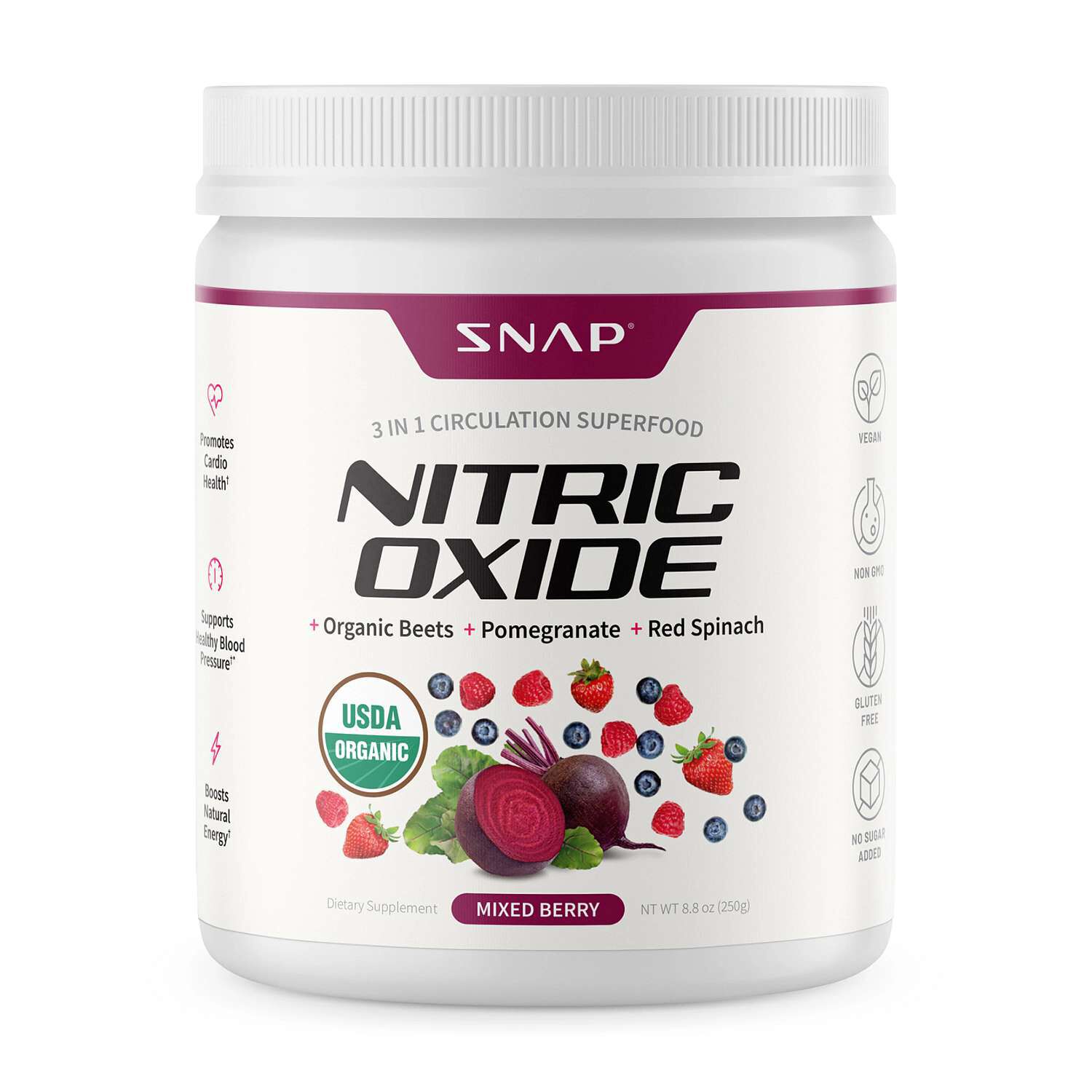
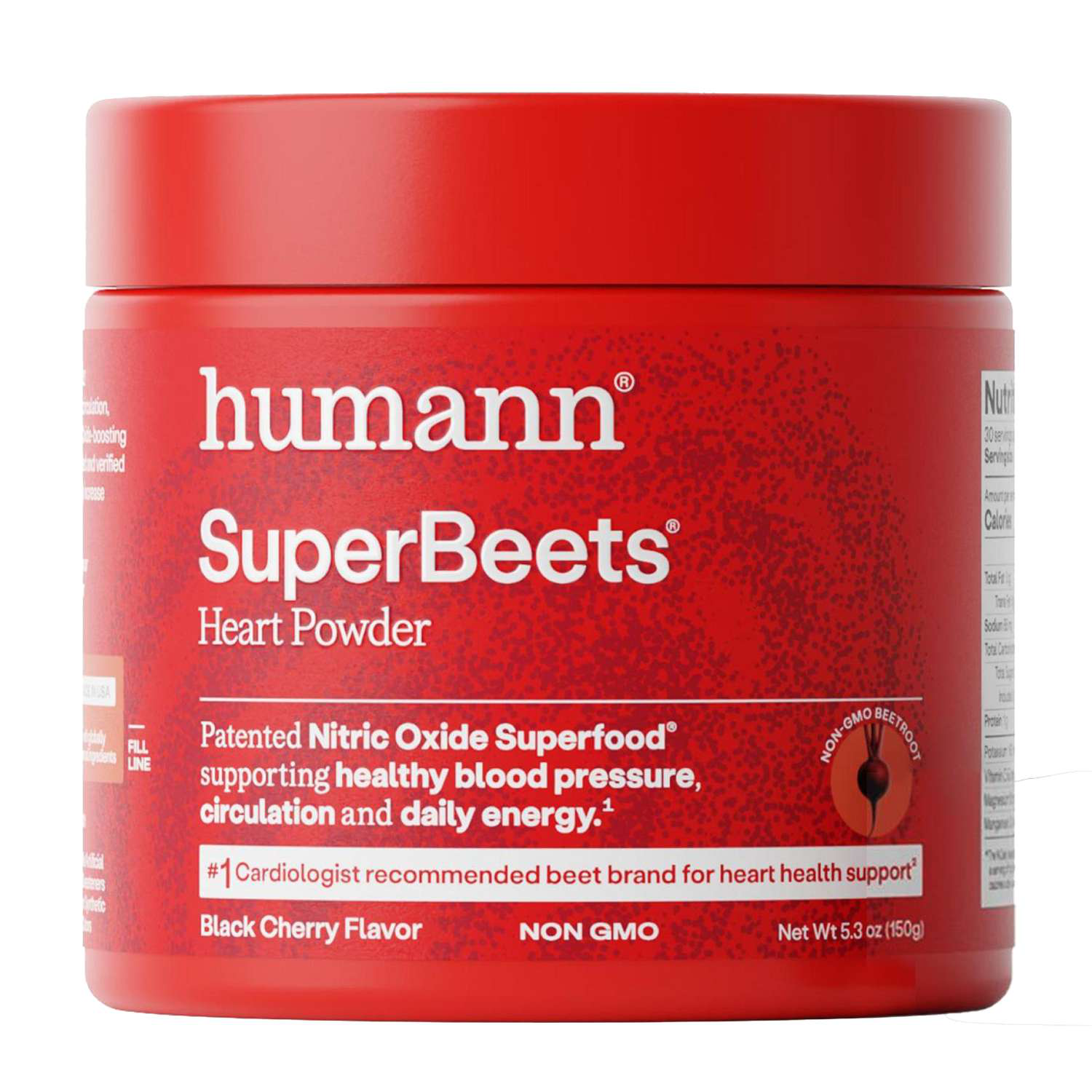
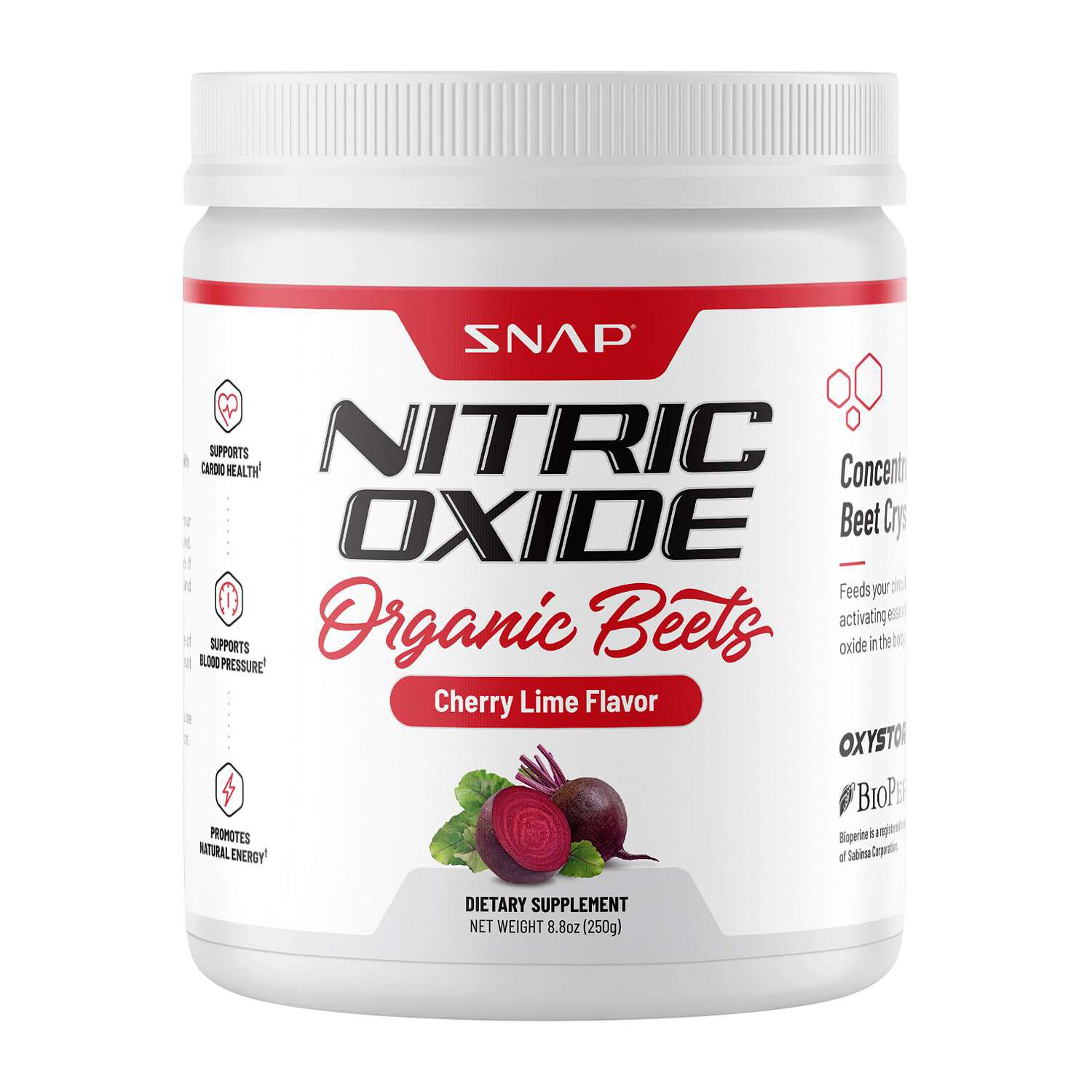
Related Pages


Top Collections
- Supplements For Yoga Joint Flexibility
- GLP 1 Support For Adults
- Joint Mobility Supplement Packs
- Chronic Fatigue Supplements
- Adult Mobility Supplements
- Supplements For Balance
- Supplements For Anxiety Relief Support
- Capsule Supplements For Energy And Stamina
- Zinc Supplements | Top Brands at Great Prices | GNC
- Anti Aging Supplements For Women