





Green Tea Capsules For Adults
(0 Results)
Green tea capsules for adults offer a convenient way to incorporate green tea into your daily routine. With a variety of options available, these capsules are designed to fit seamlessly into a busy lifestyle. Whether you’re looking to support your wellness goals or simply enjoy the benefits that green tea may provide, green tea capsules for adults could be a great addition to your supplement regimen. Explore different formulas and find the option that aligns with your needs.
-
-
-
-
-
 Angry Supplements3$15.99

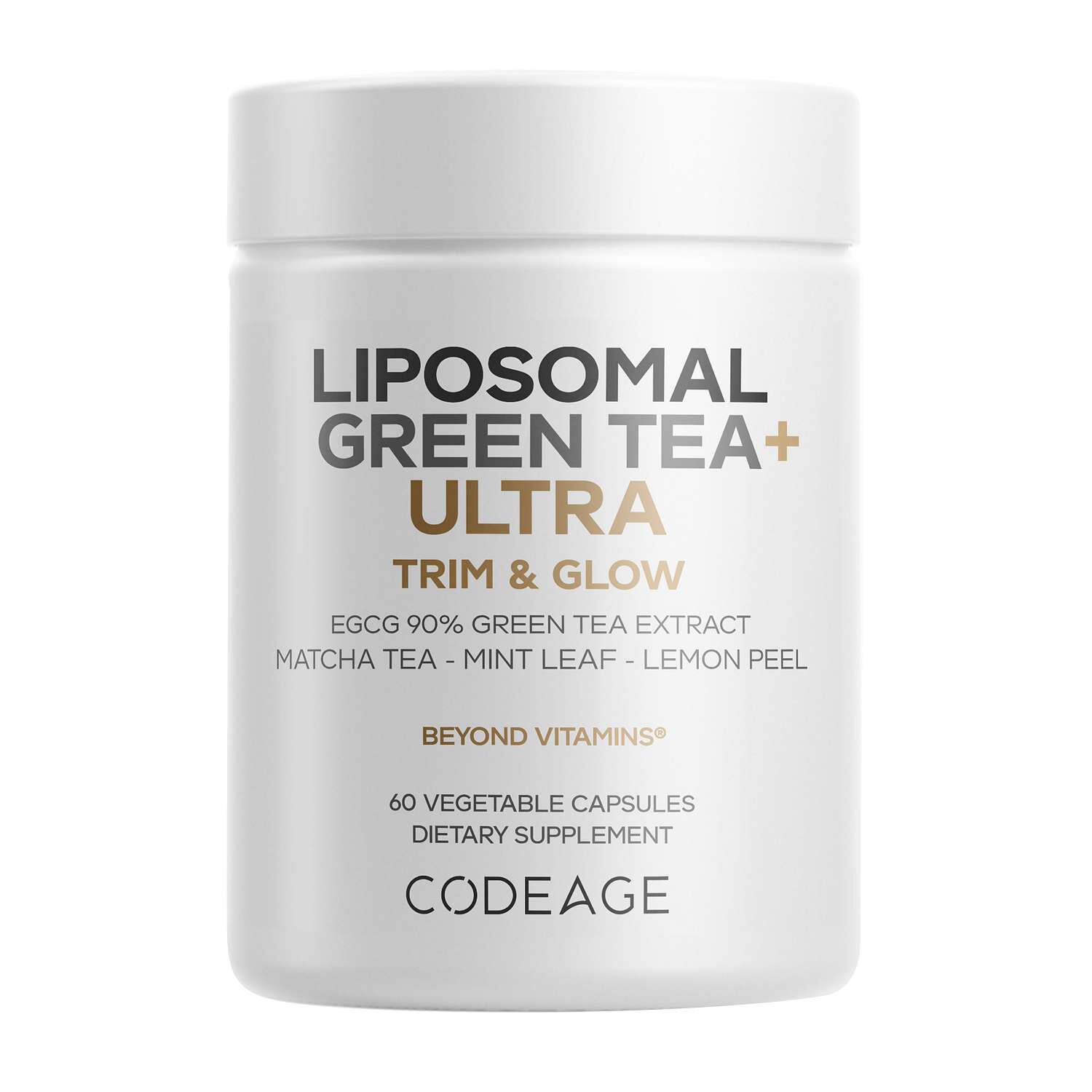


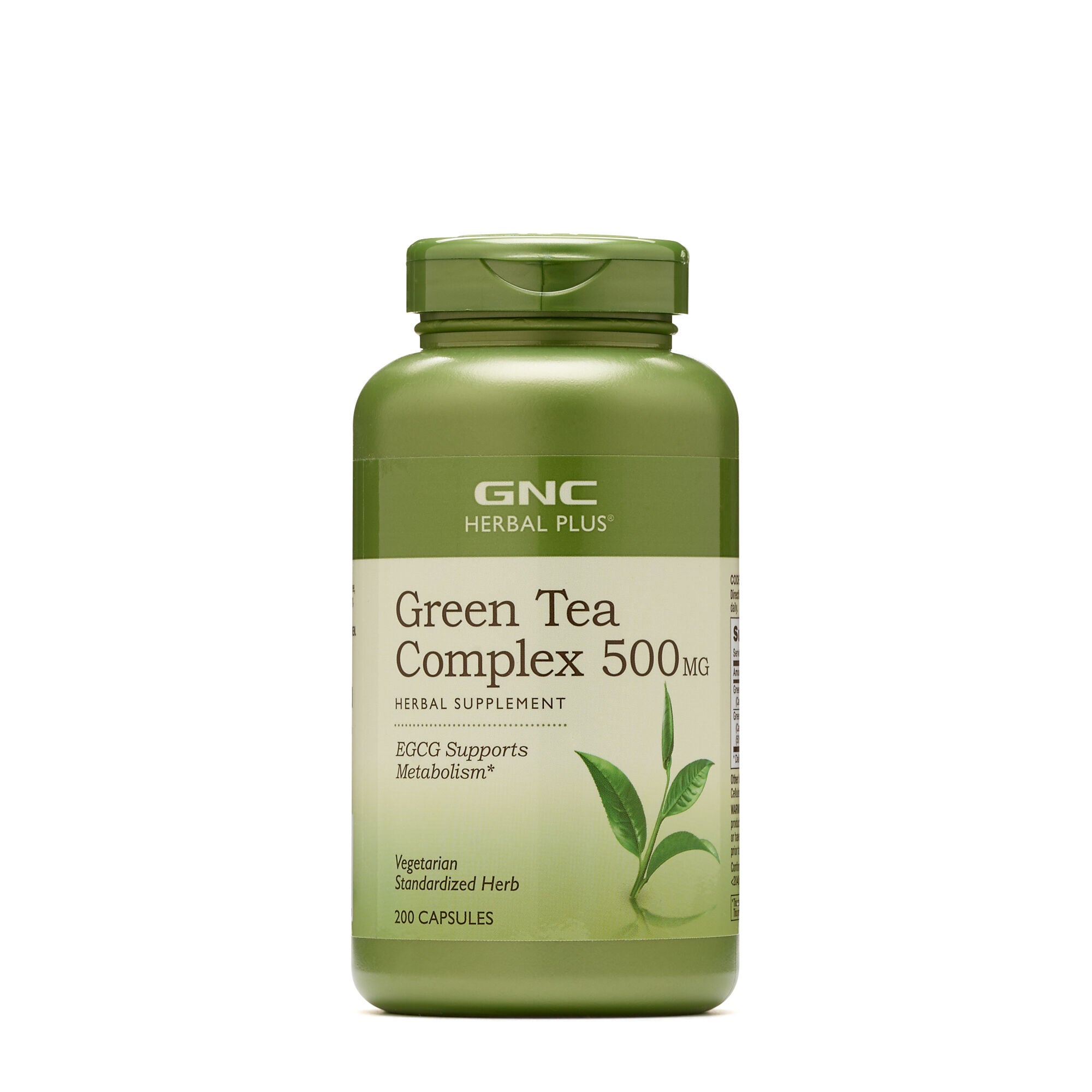
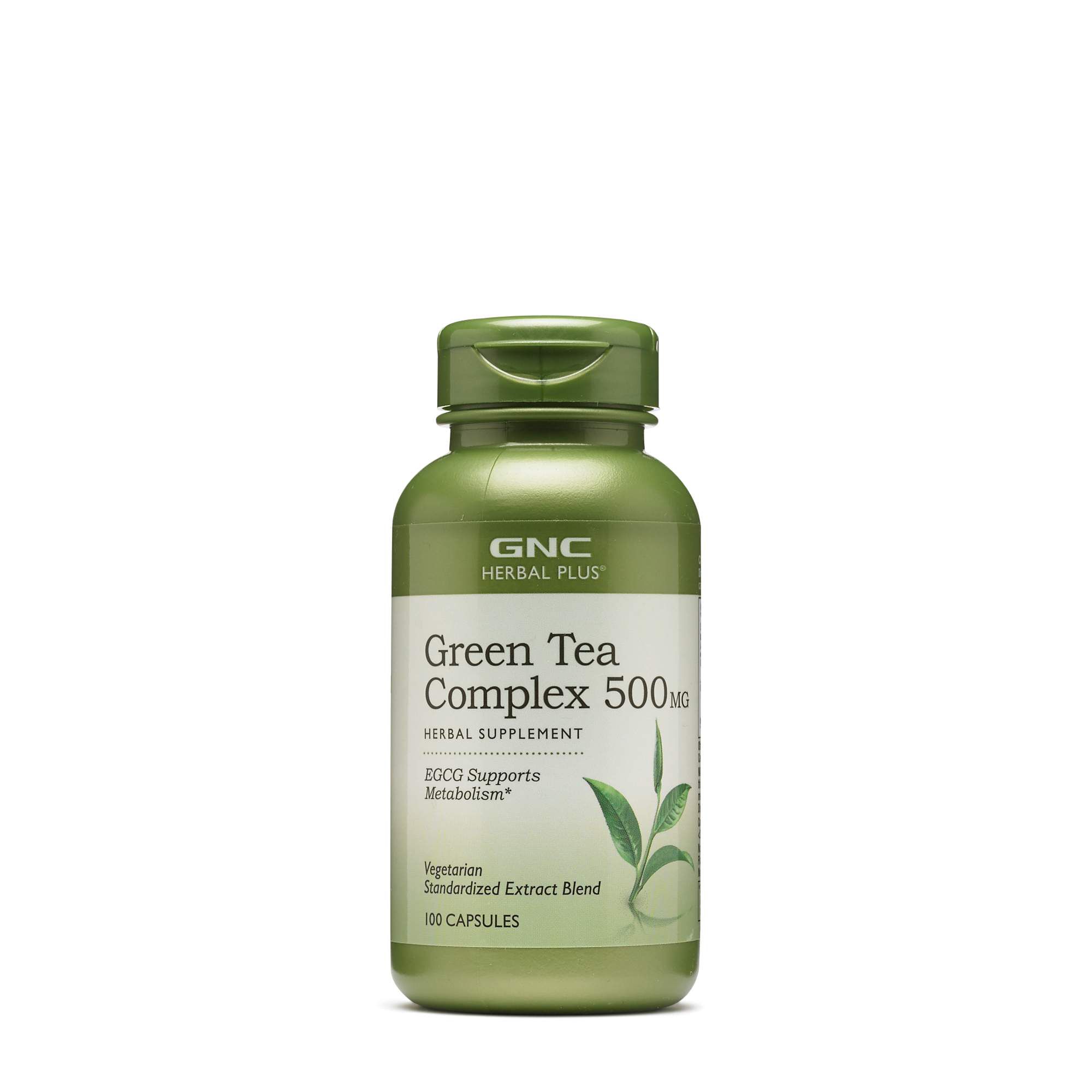
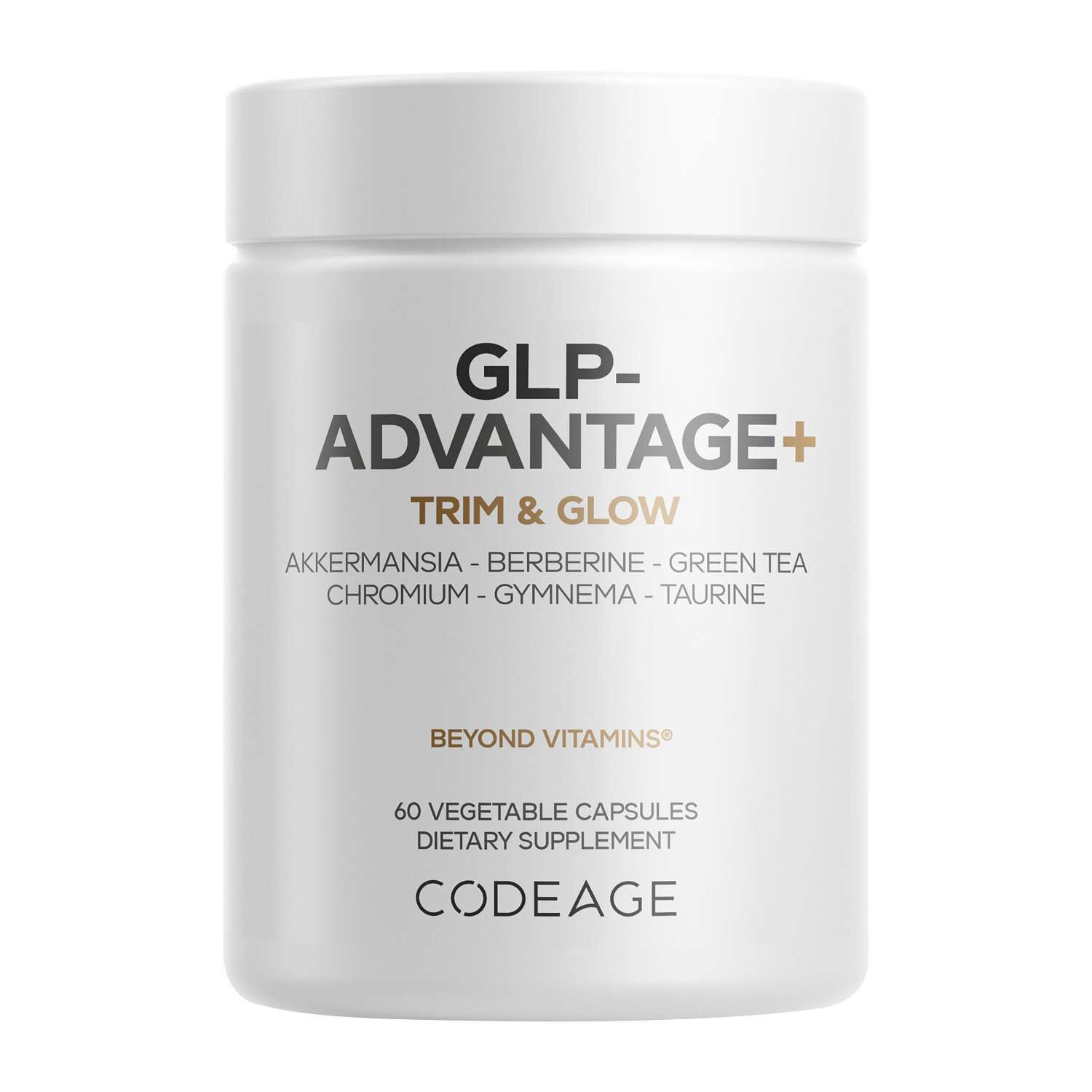
Green tea capsules for adults are dietary supplements made with ingredients from Camellia sinensis, the same plant used to produce green tea as a beverage. Instead of loose leaves or a tea bag, these supplements contain green tea leaf powder, green tea extract, or a combination of botanical ingredients inside a capsule shell. The distinction between leaf powder and extract matters: leaf powder consists of processed plant material, while an extract is prepared to concentrate selected components of the leaf. Green tea naturally contains polyphenols, including a group of compounds called catechins. One catechin frequently identified on supplement labels is epigallocatechin gallate, commonly abbreviated as EGCG. These terms describe the ingredient composition; they do not make every green tea capsule interchangeable. Different formulas can contain different amounts of extract, catechins, EGCG, and caffeine, even when their names sound similar. For adults who prefer a capsule format over preparing another beverage, the format may fit a personal supplement routine without requiring a kettle, infuser, or drinking cup. Capsules do not offer the aroma, flavor, or sipping experience of brewed tea, and an extract serving should not be assumed to equal a particular number of cups. A comparison starts with the Supplement Facts panel rather than the largest number on the front of the bottle. That panel identifies the serving size and the amount of each listed dietary ingredient per serving. The ingredient description may also identify the plant part used, such as the leaf, and whether the formula contains an extract. Together, these details provide a clearer picture of what the supplement contains. Adults exploring green tea capsules for everyday use can distinguish a straightforward botanical formula from a blend containing several ingredients, without relying on broad descriptions that reveal little about the contents.
The most useful differences between green tea extract capsules often appear in the smaller print. A label that lists an extract amount is describing something different from a label that separately specifies catechin or EGCG content. Standardization refers to a stated amount or proportion of a selected constituent in an extract; it is not a description of the entire supplement or a reason to assume that a larger number is a better personal choice. For example, two bottles could list the same amount of green tea extract per serving yet provide different information about its catechin composition. Serving size adds another distinction. An amount listed for a two-capsule serving is not the amount in each individual capsule, so capsule count and serving count deserve separate attention. Caffeine content is another important feature because green tea naturally contains caffeine, and extraction methods can produce formulas with differing amounts. Some labels identify a caffeine amount, while others describe the extract as decaffeinated. Decaffeinated does not necessarily mean that every trace of caffeine has been removed. Someone who already includes coffee, brewed tea, or other caffeinated products in a daily routine may place particular importance on clearly disclosed caffeine content. Capsule materials also vary. Shells can be made with gelatin or plant-derived materials such as cellulose, and the other ingredients list identifies components beyond the botanical extract. Adults with vegetarian preferences may look for an explicit vegetarian designation rather than assuming that a plant ingredient means the capsule shell is also plant-derived. Fillers, flow agents, and other formulation ingredients may appear in that same list. Capsule dimensions, when provided, add another practical point of comparison for adults who have a preferred capsule size. These details help describe how a formula matches individual preferences for composition and format. A shorter ingredient list, a particular shell material, or a higher extract amount describes a product characteristic, not proof of a better experience for every adult.
Intended use and everyday handling round out the picture when comparing green tea capsules for adults. These are adult dietary supplements, not beverages, meal replacements, or substitutes for a varied eating pattern. Their role in a personal routine is separate from the enjoyment of green tea at breakfast or alongside an afternoon snack. An adult who appreciates the botanical connection but does not want another tea preparation step may be drawn to the capsule format; someone who values the taste and ritual of brewing may prefer a different experience. Neither preference makes capsules and brewed tea equivalent. Product directions, adult-use statements, and caution information provide context specific to each formula, and there is no single serving amount that applies to every green tea extract. A bottle designed around one capsule per serving differs in practical use from one with a multiple-capsule serving, even if the containers look much alike on a shelf. Packaging deserves attention as well. A clearly printed label, legible date information, and a closure that fastens securely are useful features for a container opened repeatedly. Capsule supplements are consumable products, so condition and labeled storage requirements matter more than the kind of durability associated with reusable equipment. Moisture, an improperly closed lid, or separation from the original label can complicate storage and identification. The original container keeps the ingredient panel, directions, and identifying information together, whether the bottle sits in a household cabinet or travels with other personal belongings. Because ingredient and caffeine preferences are personal, green tea capsules are generally a more individual selection than a casual gift. For a broader look at related formats and botanical options, Green Tea Supplements For Healthy Living offers another way to explore the category. Within capsules, the clearest points of comparison remain the form of green tea, disclosed constituent amounts, caffeine information, capsule material, and serving size. Those concrete details make it easier to distinguish similar-looking formulas and understand what each label actually describes.
