Gummies For Dietary Needs
(0 Results)
Gummies for dietary needs offer a delicious and convenient way to support various nutritional goals. Whether you're looking to fill nutritional gaps, support your immune system, or maintain overall wellness, these tasty options could be an excellent addition to your daily routine. With a variety of flavors and formulations, gummies provide a fun and easy alternative to traditional pills or capsules. Explore how these chewable supplements may fit seamlessly into your lifestyle and help you stay on track with your health objectives.
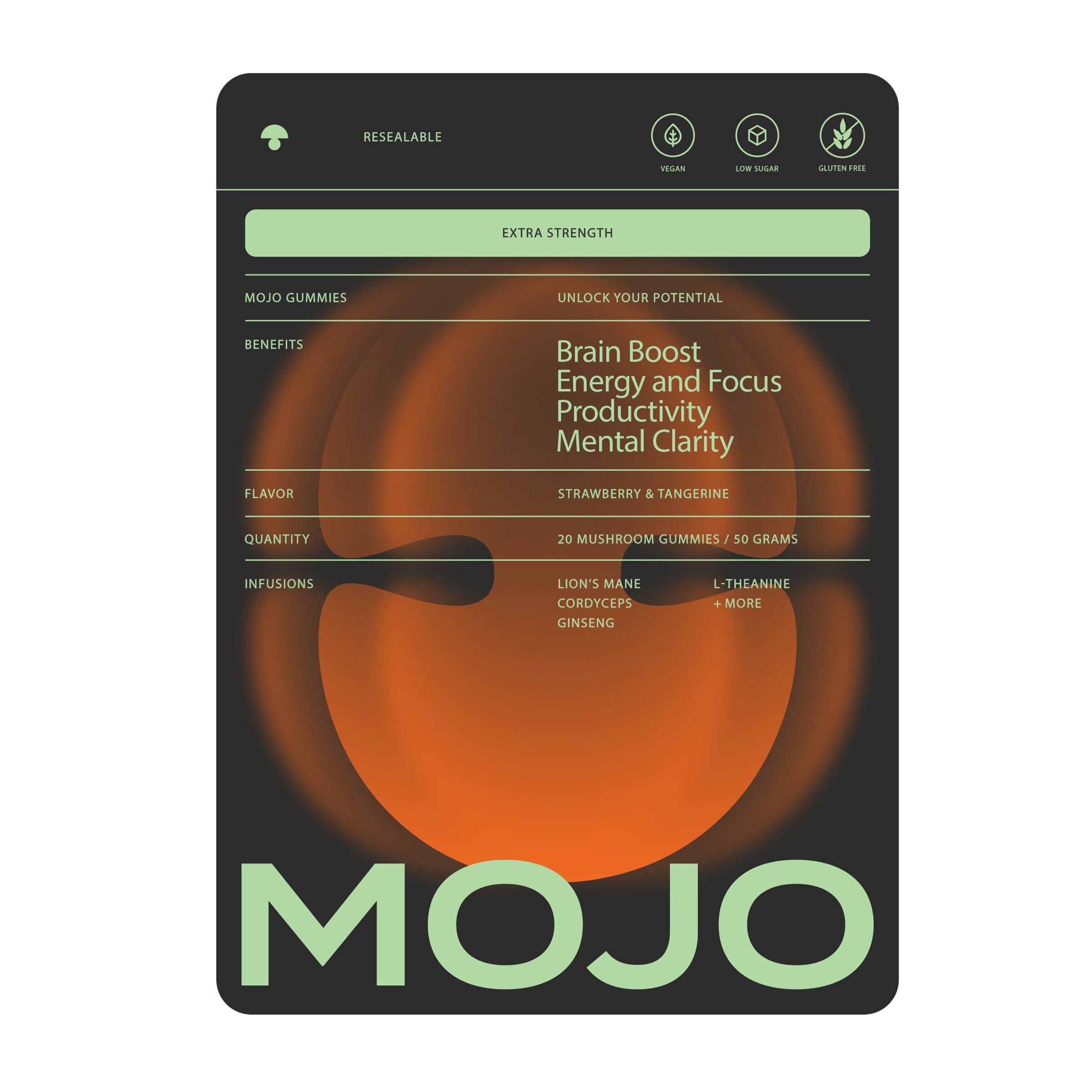



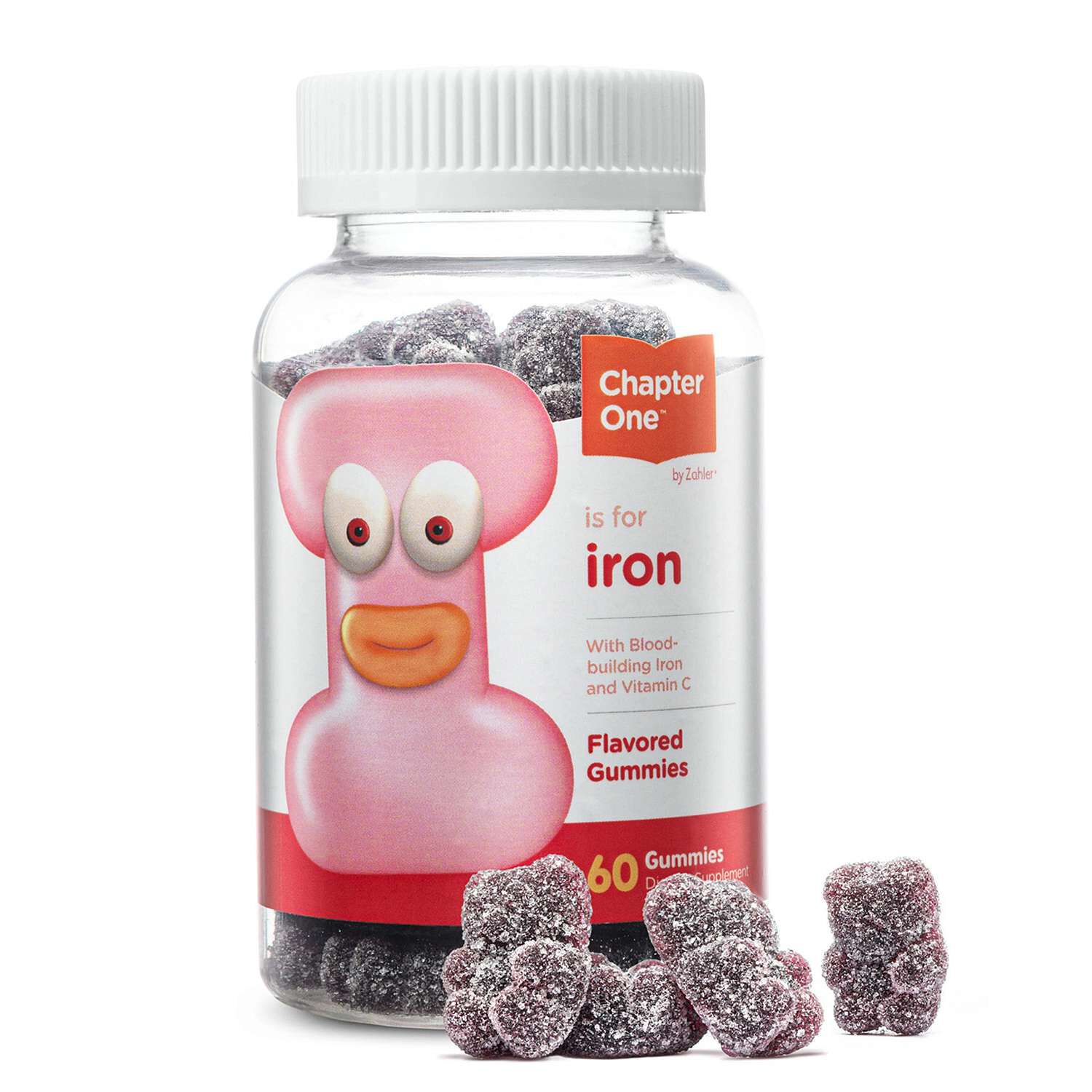

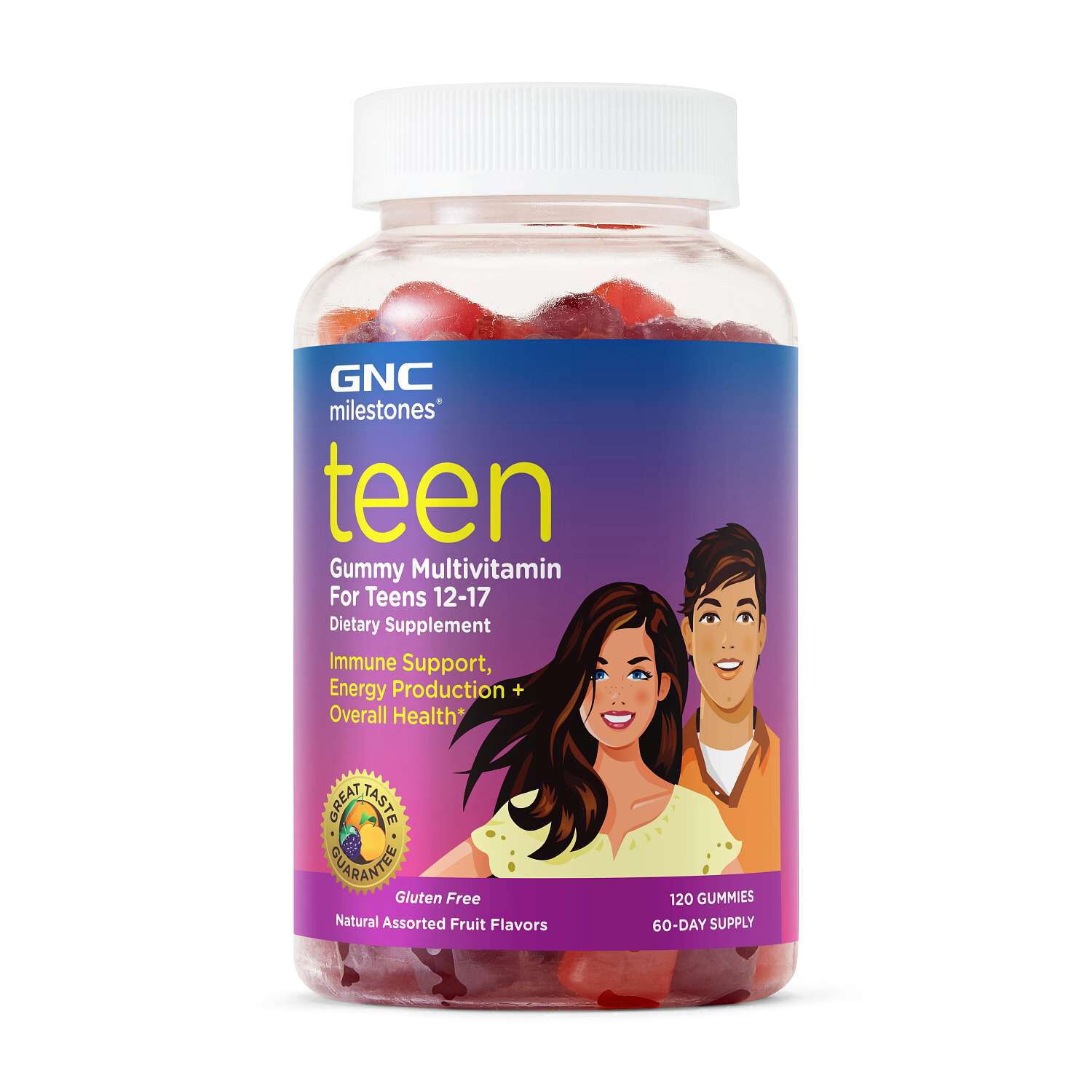
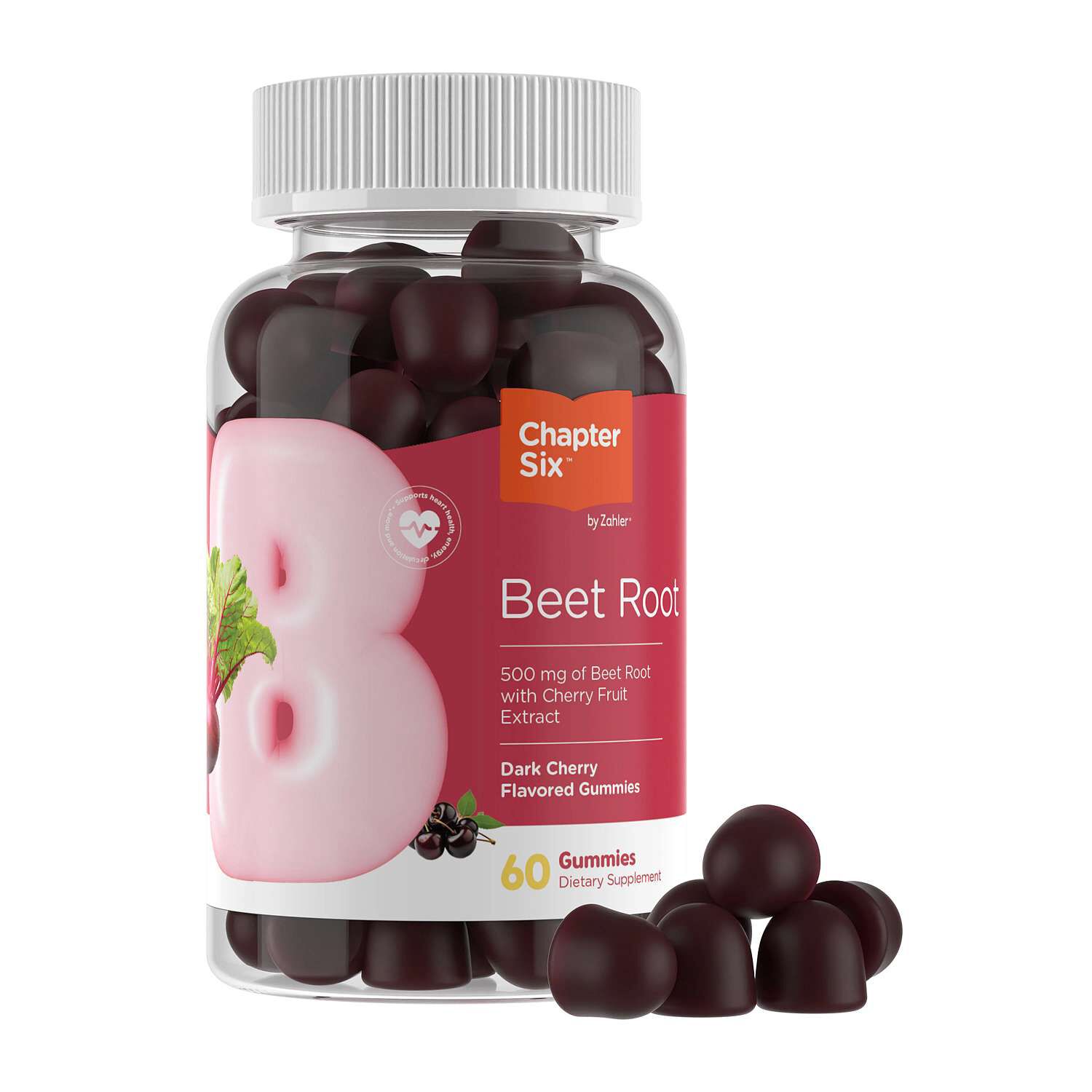


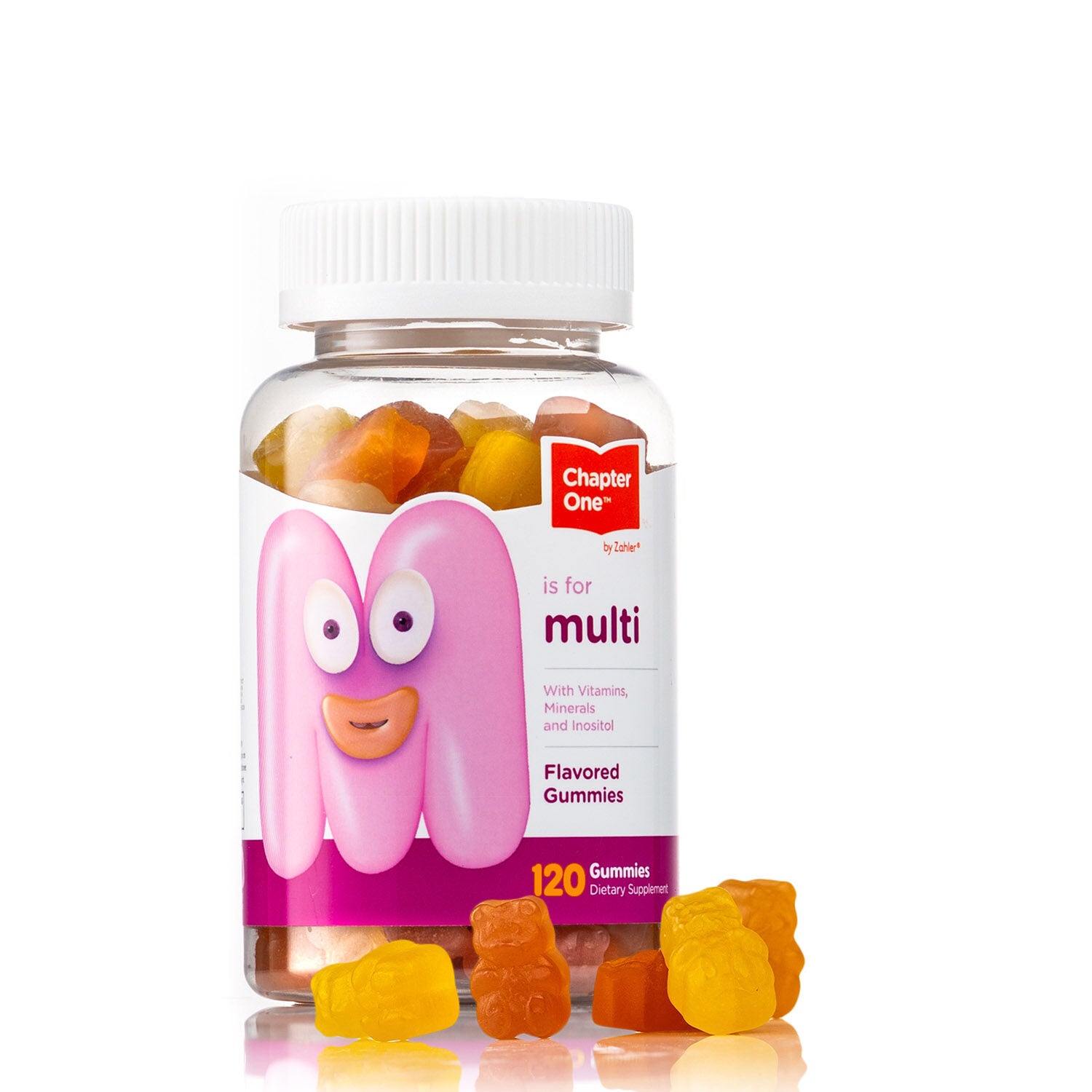


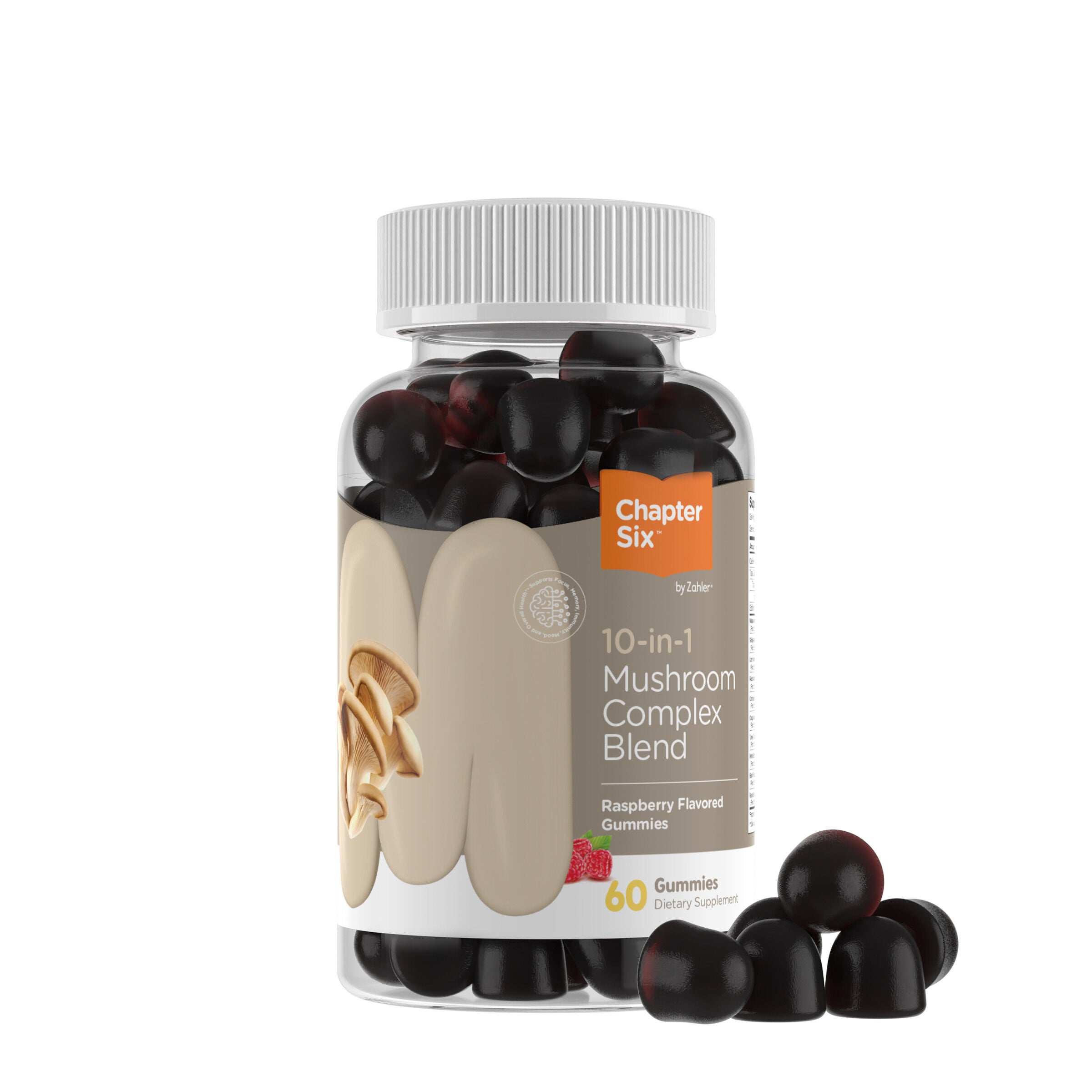
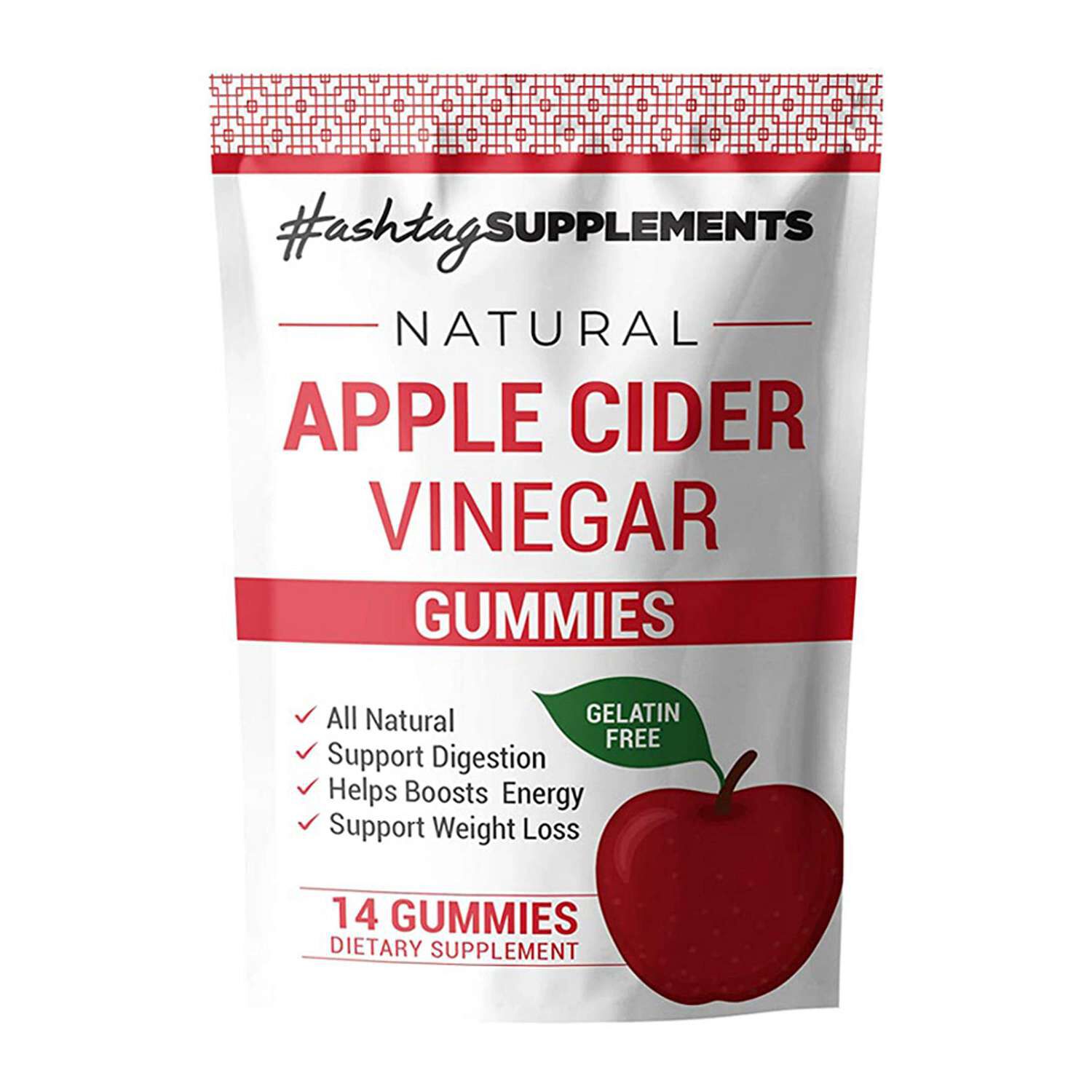
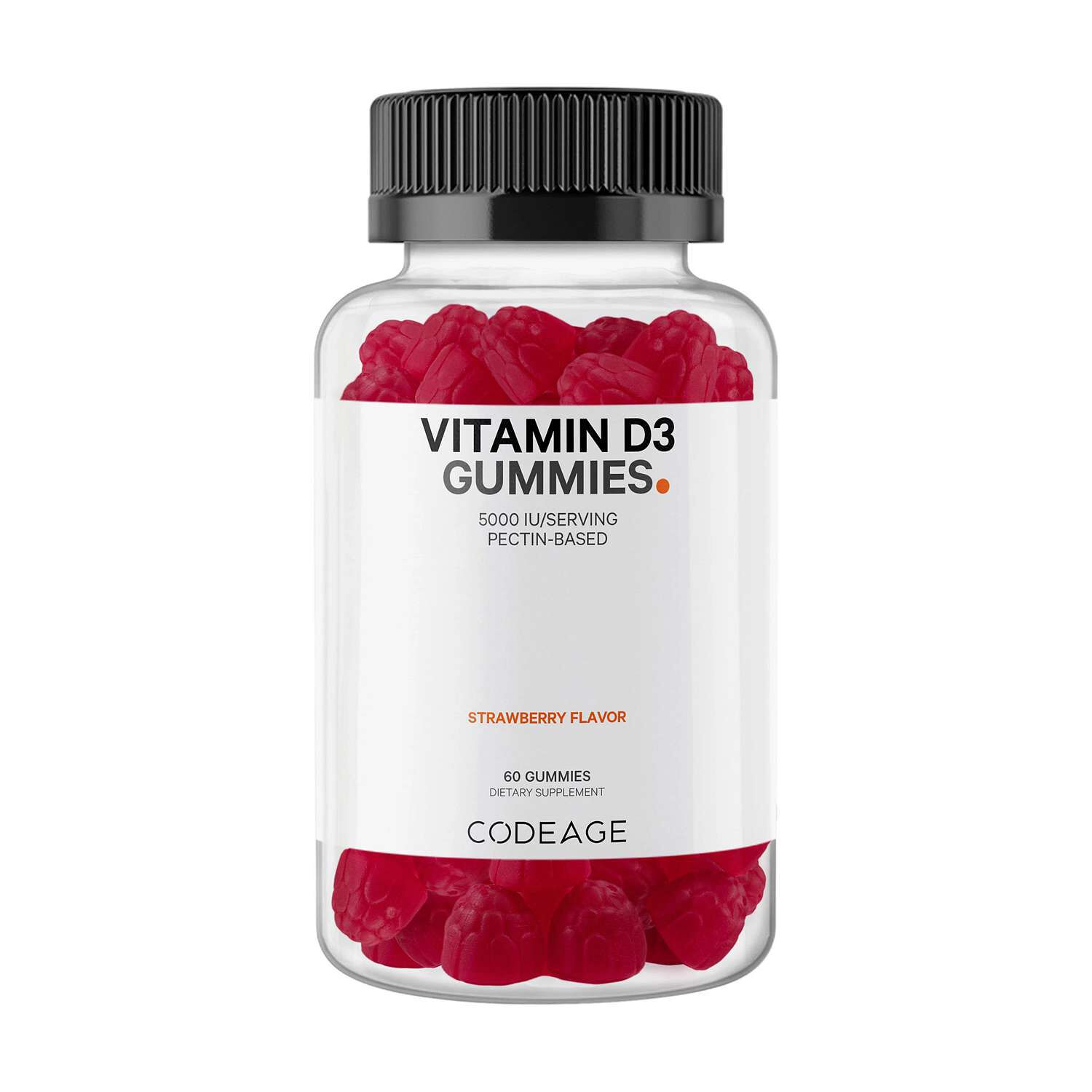
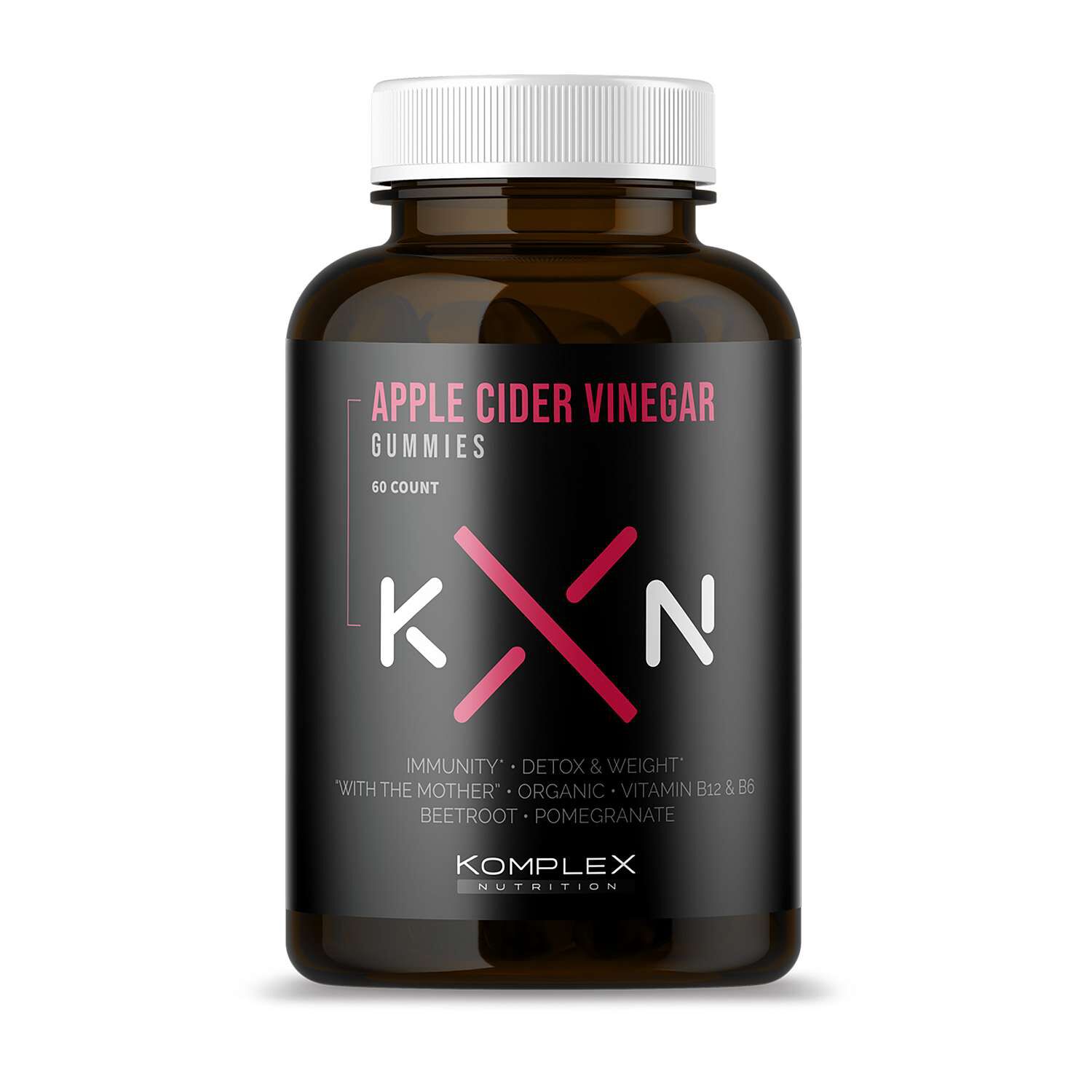
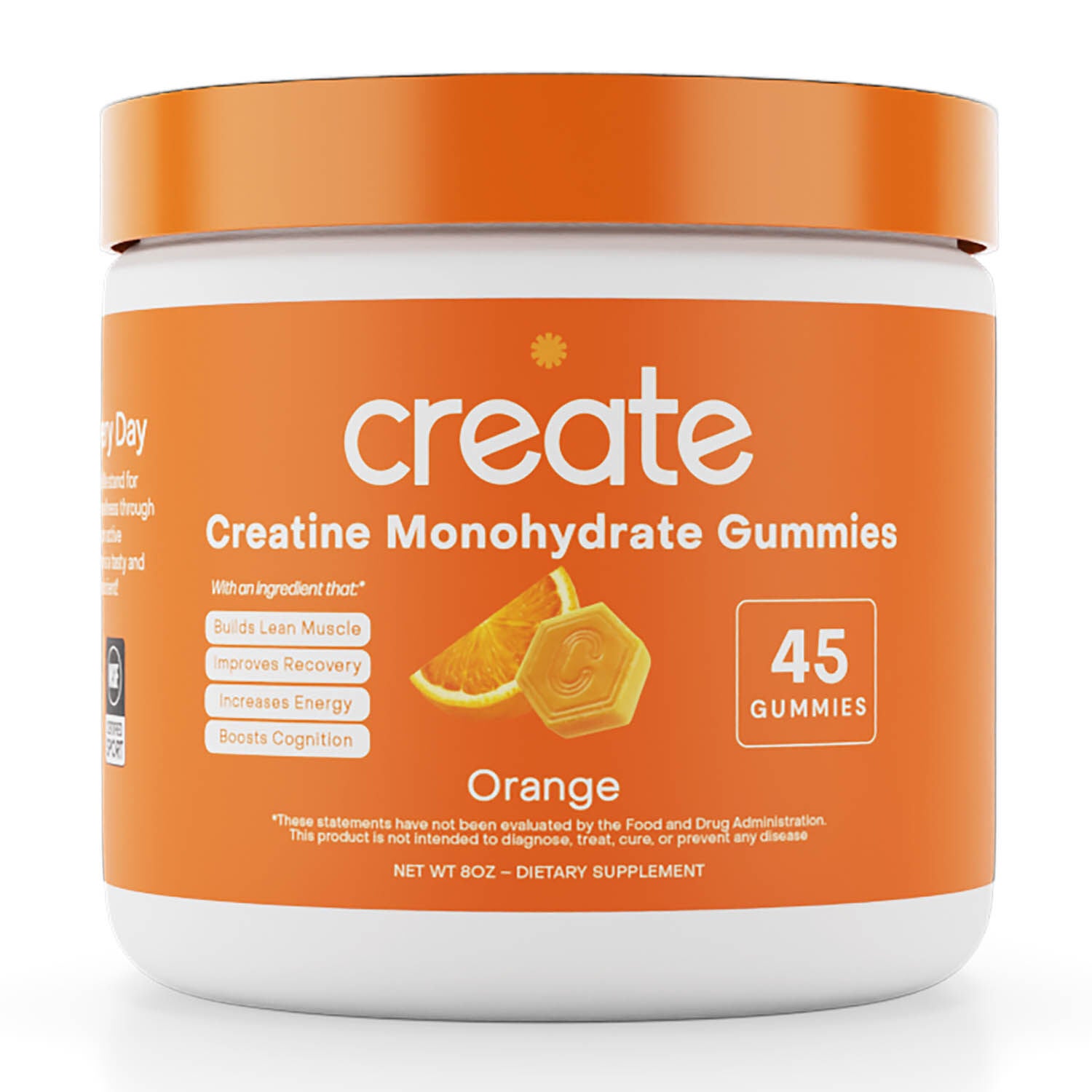
Gummies for dietary needs bring a chewable format to supplements selected around food preferences, ingredient restrictions, and everyday nutrition routines. The category includes multivitamin gummies, individual vitamin and mineral formulas, fiber gummies, and blends with other nutritional ingredients. For adults who prefer a chewable supplement over a tablet or capsule, gummies may offer a more appealing way to incorporate selected nutrients into a daily routine. Their suitability for a particular eating pattern depends on the entire formula, not just the nutrient named on the front of the bottle. The gummy base, sweeteners, colors, flavorings, and nutrient sources all matter when comparing options. Gelatin, for example, comes from animal sources, while pectin is a plant-derived ingredient commonly used to create a gummy’s structure. A pectin base alone does not establish that every ingredient meets a vegan eating pattern; other components may have animal origins. Vegetarian and vegan label statements, ingredient lists, and any relevant certifications offer more useful context than fruit imagery or flavor descriptions. The same distinction applies to gummies made without gluten or particular allergens: a familiar flavor or simple-looking shape does not establish compatibility with a dietary restriction. Someone who avoids animal ingredients may prioritize sourcing, while someone tracking added sugar may focus first on the Supplement Facts panel. A person who prefers a short ingredient list may pay closer attention to flavorings, coloring ingredients, and coatings. These priorities can overlap, making the details on the package especially important. Gummies are dietary supplements rather than substitutes for meals or a varied eating pattern, and their candy-like appearance does not change their intended use. For a useful comparison, consider the labeled audience, serving size, nutrient amounts, and dietary statements together. Two bottles with similar names or fruit flavors can differ substantially in composition, so the best fit for a routine comes from the label rather than appearance alone.
Ingredient details make this category more varied than its familiar chewy texture might suggest. Some gummies use sugar, glucose syrup, or other sweeteners, while others contain sugar alcohols or alternative sweetening ingredients. The amount of added sugar is listed per serving, which is not necessarily the same as the amount in one gummy. A serving may consist of more than one piece, and that distinction also applies to the listed vitamins, minerals, fiber, and other dietary ingredients. Comparing the same serving basis helps put formulas in context without assuming that a larger gummy contains more of the featured nutrient. Sugar, carbohydrate, and calorie information can also matter to shoppers whose eating patterns include tracking those amounts. Flavor descriptions tell a different part of the story: a strawberry or citrus gummy may contain natural flavors, fruit-derived ingredients, or a combination of ingredients that creates the advertised taste. Fruit flavor alone is not a measure of nutritional content. Texture varies, too, from a firmer chew to a softer, more yielding bite, depending on the base, moisture, and formulation. Some gummies have a fine sugar coating, while others have a smooth surface. These sensory details can make one format more appealing than another, but they do not establish whether it matches a dietary restriction. For shoppers focused on a single nutrient, B12 Gummies for Dietary Restrictions offers a narrower category to explore alongside broader gummy formulas. Even within a single-nutrient category, the gummy base and supporting ingredients may differ. Certain nutrient sources deserve particular attention when animal ingredients are a concern: vitamin D3, for instance, can come from lanolin or lichen, and omega-3 ingredients may come from fish or algae. Source information may appear in the ingredient list or elsewhere on the packaging. Allergen declarations and statements about shared manufacturing equipment provide additional context, although they describe different aspects of a formula’s production. A dietary claim should be evaluated on its own terms rather than treated as confirmation of unrelated attributes.
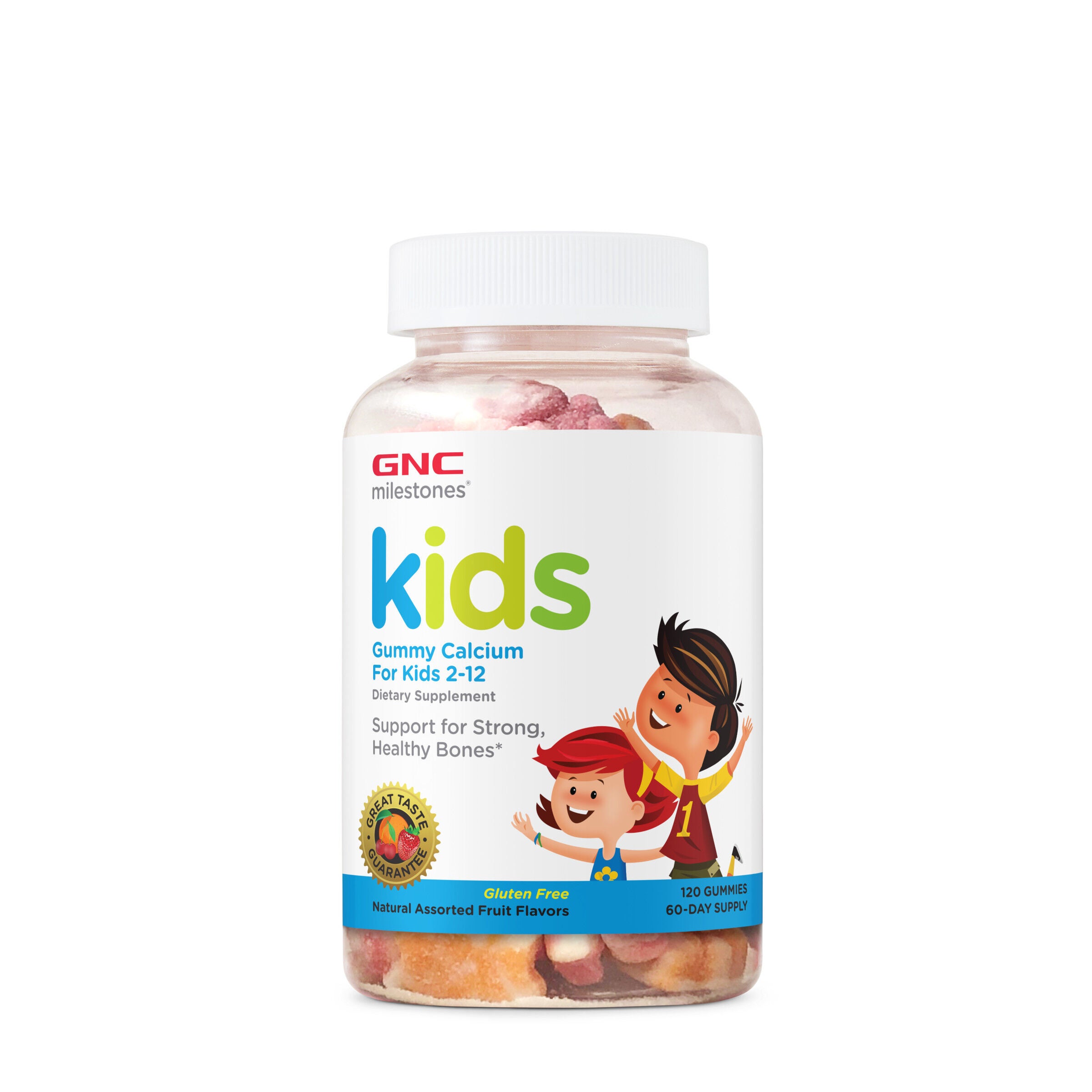
Everyday fit also includes how a gummy supplement is packaged, stored, and incorporated into a household routine. A bottle that stays in a designated kitchen cabinet has different practical considerations from one packed regularly in a work bag, but both depend on secure closure and storage according to the package directions. Gummies can change in texture or stick together when exposed to unsuitable storage conditions, and their chewable format is not designed for unlimited shelf life. The expiration date and storage instructions are more meaningful measures of usability than whether the pieces still look colorful. Original packaging keeps the ingredient list, serving directions, lot information, and dietary statements together, which is particularly useful in homes where several people use different supplements. The labeled age group matters as well; adult formulas and formulas intended for younger users are not interchangeable simply because both come as gummies. A clearly designated storage location away from children helps distinguish supplements from ordinary snacks. For someone comparing formats, the practical details may be as straightforward as preferring a berry flavor, wanting a plant-derived base, or choosing a formula whose serving size fits an established routine. Another shopper may value a focused ingredient profile rather than a blend containing many nutrients. Neither a longer ingredient list nor a higher amount automatically makes a formula a closer match for a person’s preferences. Supplement Facts panels show the amounts of listed dietary ingredients and, where established, their Daily Values, while the other-ingredients section describes components such as gelling agents, sweeteners, and flavors. Reading both sections provides a fuller picture of what each serving contains. When more than one supplement is part of a routine, the labels also make repeated ingredients visible. A useful comparison therefore extends beyond flavor and bottle size to the number of servings, the composition of each serving, and the restrictions the formula explicitly addresses. With those distinctions in view, gummies for dietary needs can be considered for what they are: a varied group of chewable supplements with different ingredients, formats, and intended uses, rather than a single formula suited to every eating pattern.


 Chewable Tablets_Front.jpg?sw=305&sh=305&sm=fit "ChildCalm - 60 Chewable Tablets (30 Servings) | GNC")