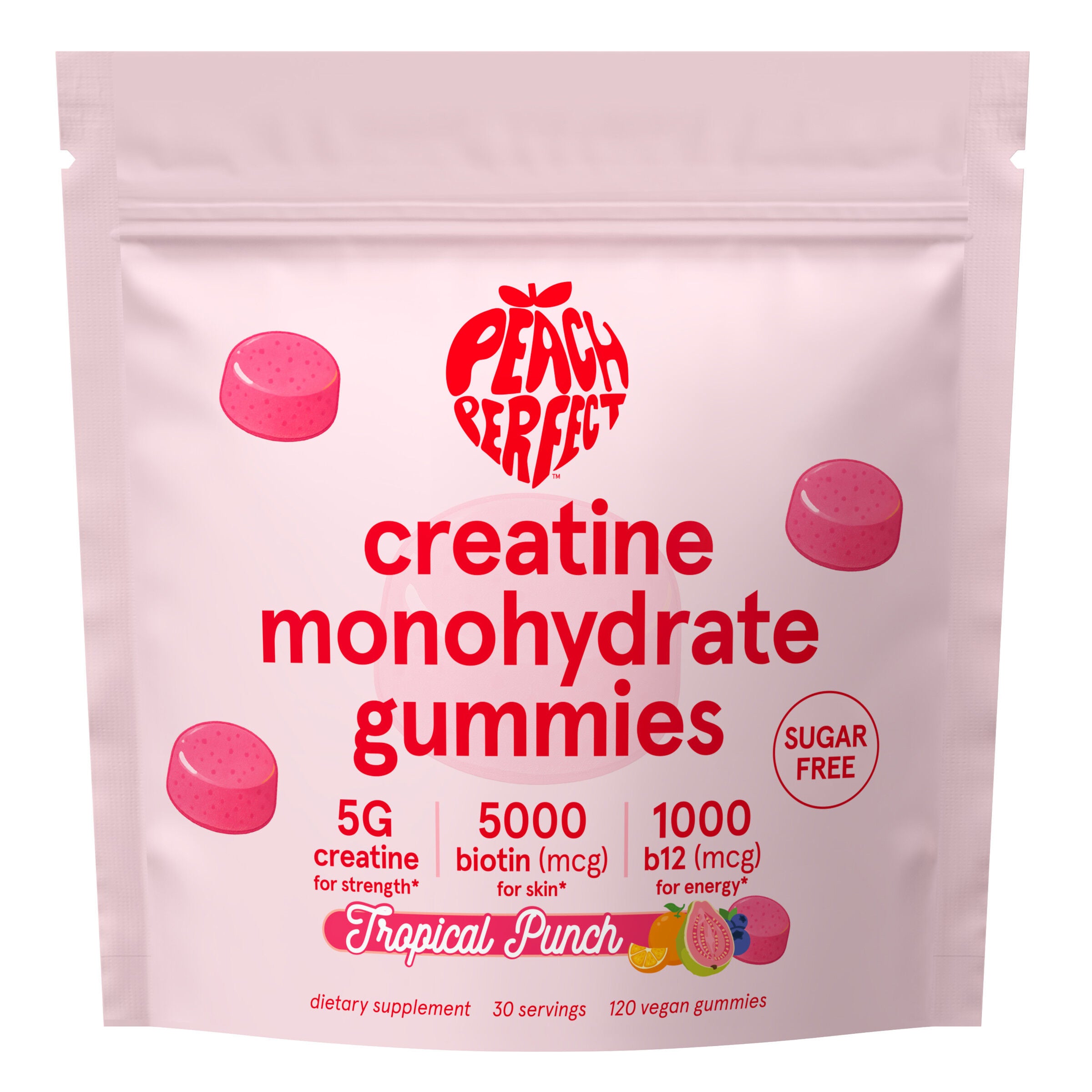
Gummy Vitamins For Energy Metabolism
(0 Results)
Looking for a convenient and delicious way to support your daily wellness routine? Gummy vitamins for energy metabolism offer an easy option for those who prefer a chewable supplement. Packed with essential nutrients, these gummies may help you maintain your active lifestyle and keep up with your busy schedule. Discover a variety of options designed to fit your needs and add a tasty boost to your day.
-

-
-
-
 $15.99
-
 229$24.99
-

-
-
-

-
-
-

-
 $18.99
-
 $14.99
-
 $15.99
-
 $15.99
-
 4,356$24.99
-
-

-
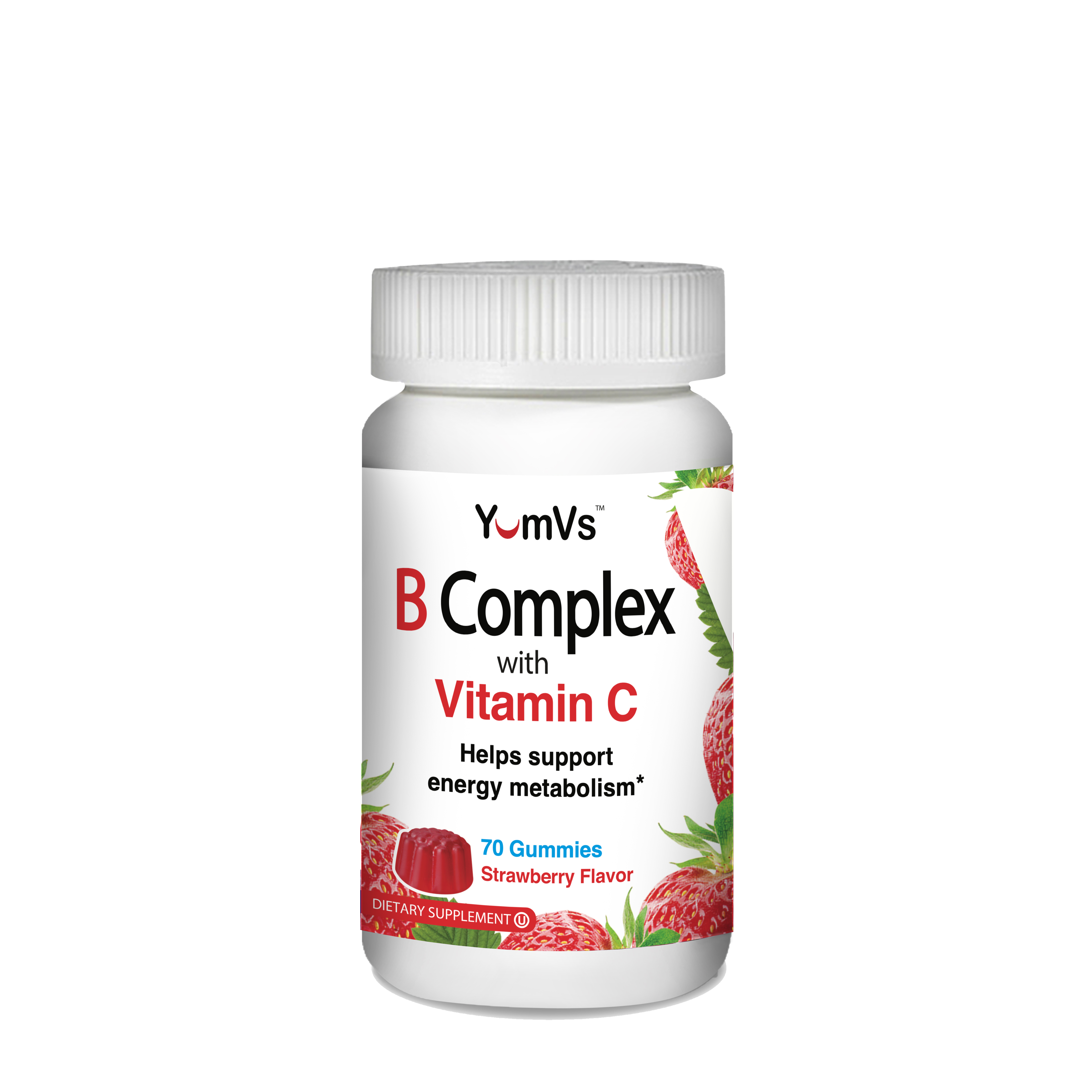


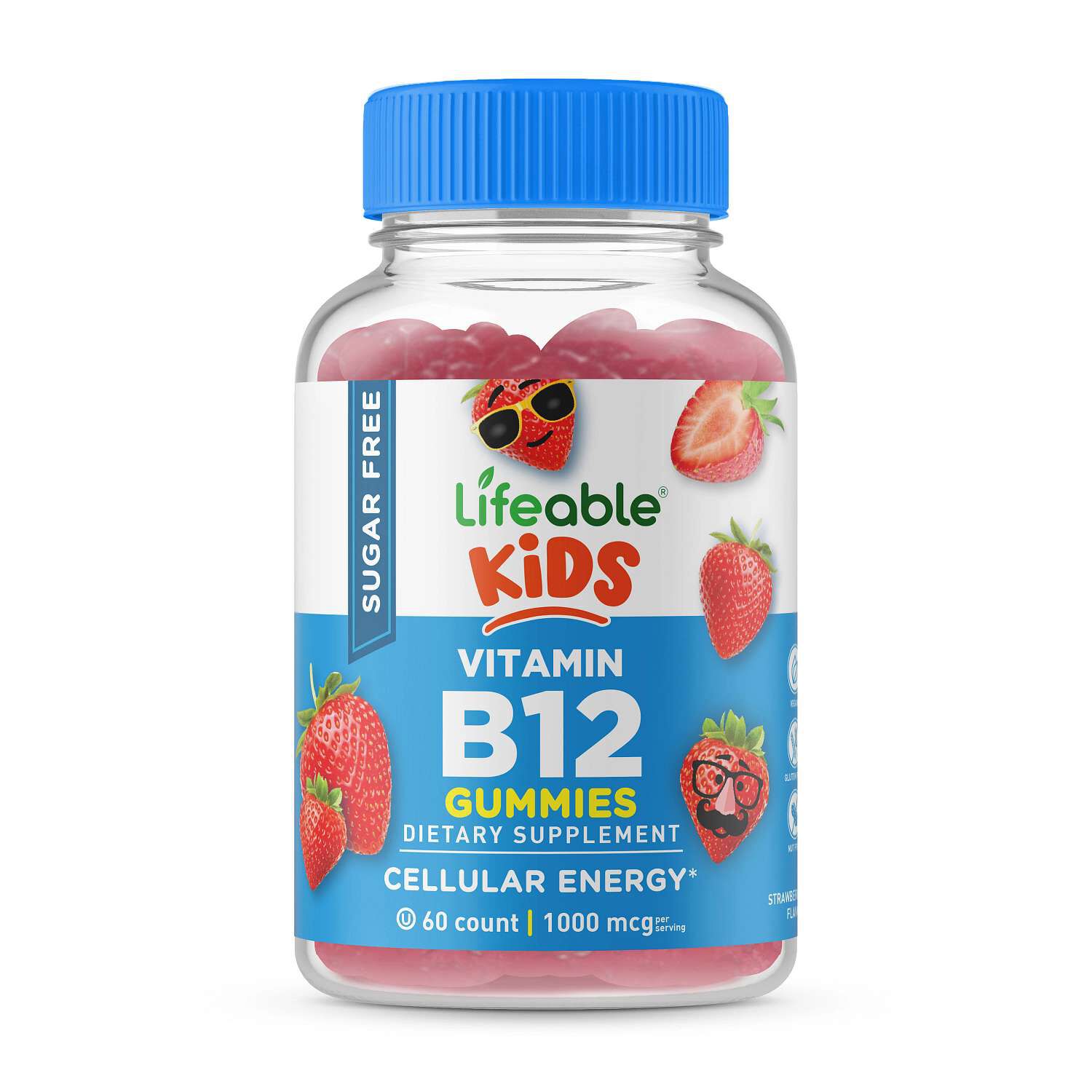
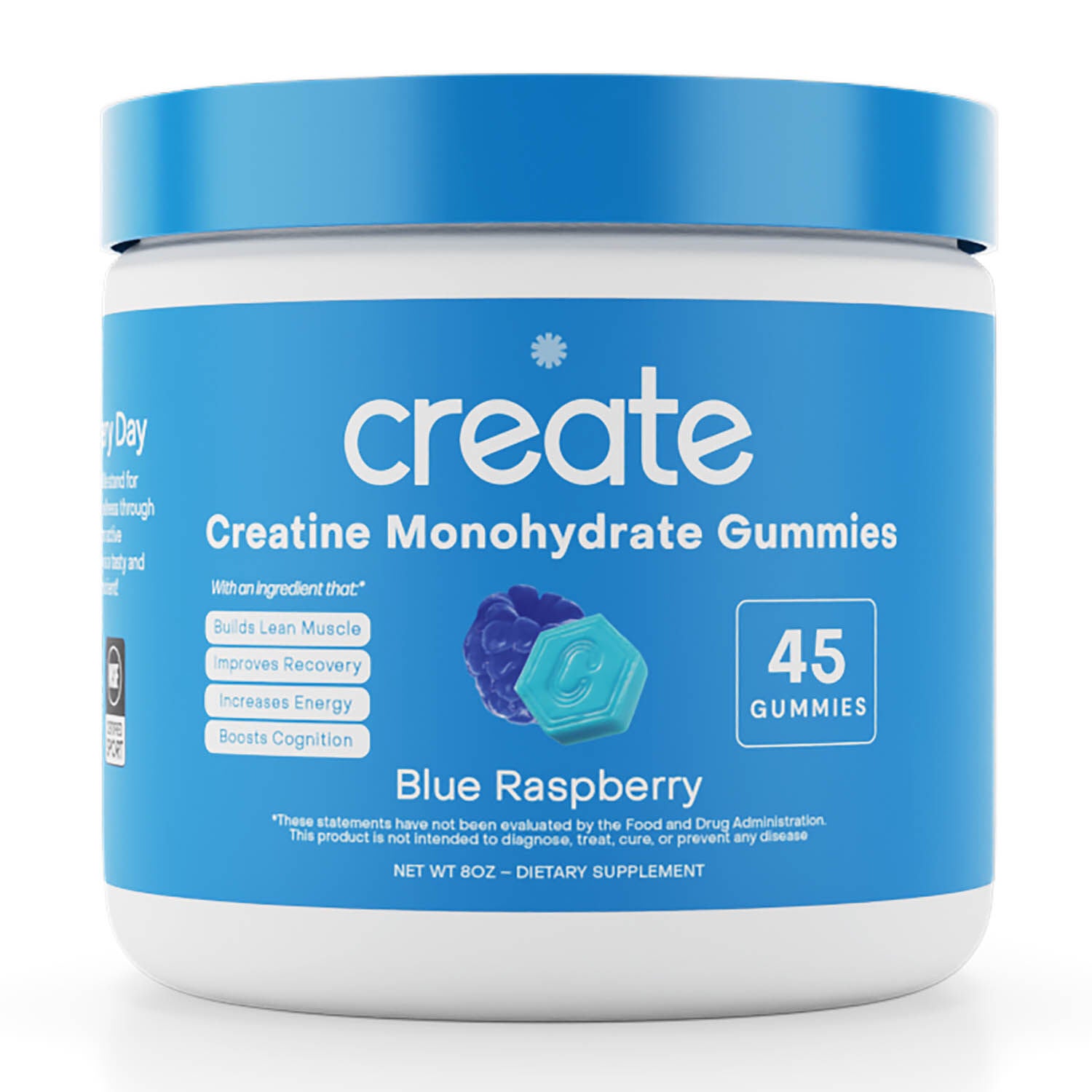
Gummy vitamins for energy metabolism are chewable supplements that often contain B vitamins, including vitamin B12 and vitamin B6. These nutrients may support the normal processes through which the body uses carbohydrates, fats, and proteins from food. Depending on the formulation, a label may also list thiamin, riboflavin, niacin, folate, biotin, or pantothenic acid. Each nutrient has its own identity, and a gummy with one B vitamin is different from a formula containing several. A B12-focused option centers on a single vitamin, while a B-complex formula includes a combination of B vitamins. A multivitamin gummy may include B vitamins alongside other vitamins and minerals. Browse Vitamin B12 Gummies for Energy. The useful distinction is not simply how many ingredients appear on the front of the bottle, but which nutrients appear in the Supplement Facts panel and in what amounts per serving. Vitamins are not a replacement for the calories supplied by meals, and an energy metabolism formula is not necessarily the same kind of supplement as a caffeinated chew. B vitamins may support normal nutrient metabolism rather than provide a stimulant-style experience. Some gummy formulas also contain caffeine or other added ingredients, so the word “energy” does not describe the same composition in every bottle. For someone who prefers a chewable supplement to a capsule or tablet, the gummy format offers a different texture and taste without changing the importance of ingredient details. A meaningful comparison starts with the intended age group, the vitamins included, and the suggested serving shown on the label. A familiar fruit flavor can make the format appealing, but flavor alone says little about the nutrient profile or the purpose of the formula.
Texture, sweetness, and ingredient preferences are important parts of choosing gummy vitamins for energy metabolism. Some gummies use gelatin to create their chewy structure, while others use pectin, an ingredient derived from plants. Pectin in the ingredient list does not, by itself, establish that every ingredient meets a vegan eating preference; a clear dietary designation provides more context. The same attention applies to flavors, colors, coatings, and sweeteners. Fruit-inspired names describe the intended taste, not necessarily the source of every ingredient. Gummies can contain added sugars, sugar alcohols, or other sweeteners, with amounts and combinations that vary by formula. The Nutrition Facts or Supplement Facts information, together with the ingredient list, offers a clearer picture than the flavor description alone. For someone who tracks added sugar across meals, drinks, and supplements, the amount per serving is a useful comparison point. Serving size deserves particular attention because the nutrient amounts listed may apply to two or more gummies rather than a single piece. Bottle count and serving count are therefore different measurements: a larger number of gummies does not automatically mean more servings. Vitamin amounts also use different units, commonly milligrams or micrograms, so matching the units matters when comparing labels. A higher printed number is not, on its own, a reason to favor one formula. Adults shopping for themselves may also want to distinguish adult formulations from those labeled for children, since similar shapes and flavors can appear across different age categories. Allergen statements and dietary certifications, when present, provide additional details for individual preferences. Information about independent testing can add another point of comparison, although the scope of a testing program matters more than a symbol viewed without context. Together, these details help distinguish a gummy chosen mainly for its taste from one selected with its full composition and intended use in mind.
Everyday practicality matters, too, particularly for a supplement that may sit beside the breakfast dishes or travel between home and an office. A gummy’s texture is part of its appeal, but storage conditions can affect that texture over time. The storage directions on the package are the reference point for protecting the contents from excess heat, moisture, or other conditions identified by the manufacturer. A tightly closed original container keeps the label, serving directions, and date information together; a loose handful in a pocket or an unmarked snack container separates the gummies from those details. Packaging also matters in a shared household, where a fruit-flavored chew could be mistaken for candy. Keeping supplements out of children’s reach and preserving their original identification are practical considerations regardless of flavor or shape. The best fit for an everyday routine is not determined by texture alone. Someone who already uses a multivitamin has a different starting point from someone comparing a single-nutrient gummy with a B-complex blend, because the ingredient lists may overlap. Looking across the labels of supplements used in the same routine makes those overlaps easier to recognize without assuming that more of a nutrient is preferable. Suggested use may also vary, including the number of gummies per serving and whether the package includes directions related to meals. Those details belong with the individual formula rather than with the gummy category as a whole. For a person who enjoys a citrus chew after breakfast or prefers a berry flavor alongside an established mealtime routine, taste and convenience are reasonable considerations, but they remain separate from nutritional purpose. Gummy vitamins may support normal energy metabolism as part of an eating pattern that supplies food energy and a range of nutrients. Regular meals, hydration, rest, and movement remain distinct parts of daily life that a chewable vitamin does not replace. Comparing nutrient content, serving size, dietary suitability, storage needs, and flavor offers a grounded way to assess this category beyond the front label.

_Front.jpg?sw=305&sh=305&sm=fit "Junior Multi - 90 Tablets - 90 Tablets (90 Servings) | GNC")