Gut Health Immune Support Capsules
(0 Results)
Gut health immune support capsules could offer a convenient way to support your daily wellness routine. Formulated with a blend of ingredients that may promote digestive balance and immune function, these capsules are designed to fit seamlessly into your lifestyle. Whether you’re looking to maintain overall well-being or seeking additional support for your gut and immune system, gut health immune support capsules might be the perfect addition to your supplement regimen. Explore a variety of options that could help you feel your best every day.

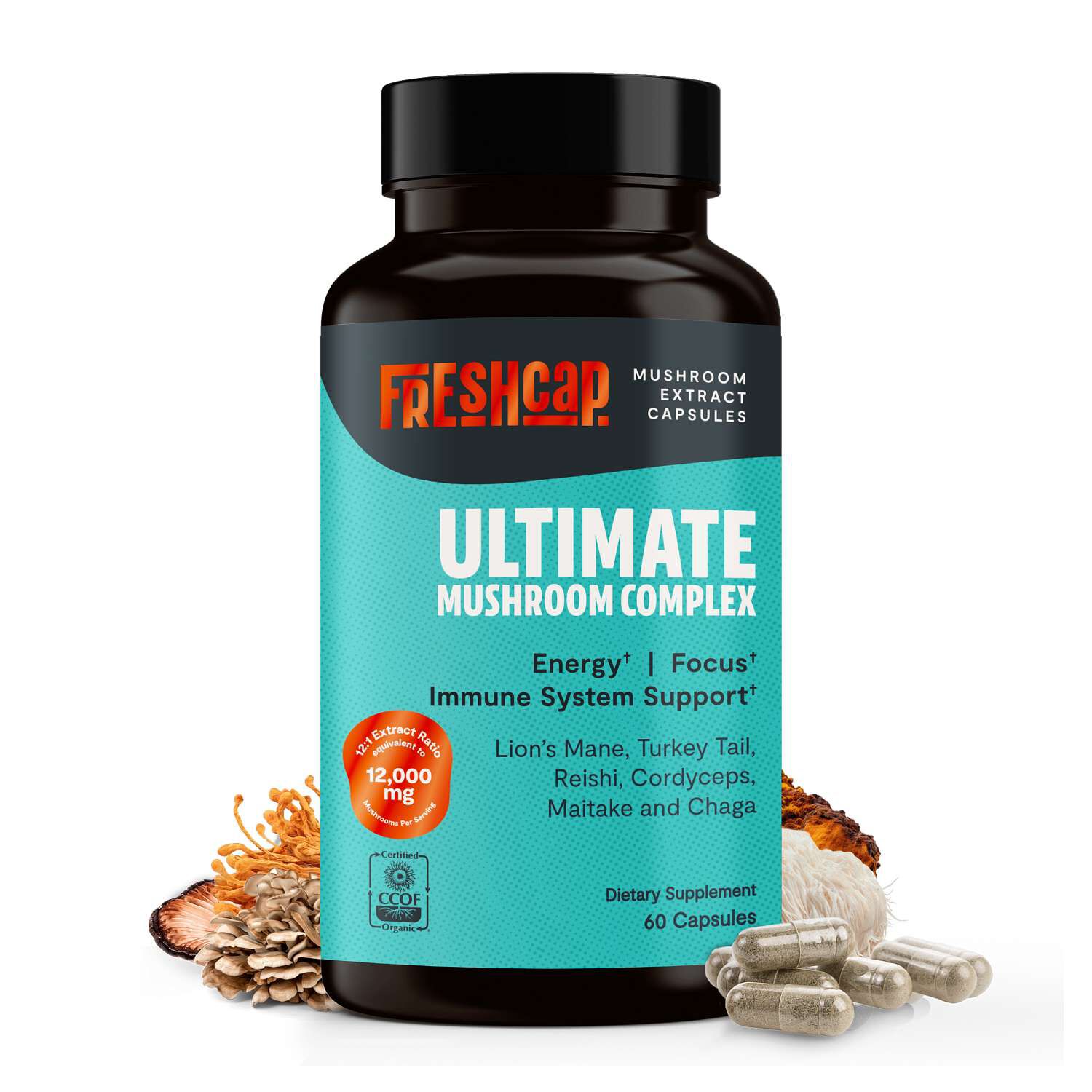
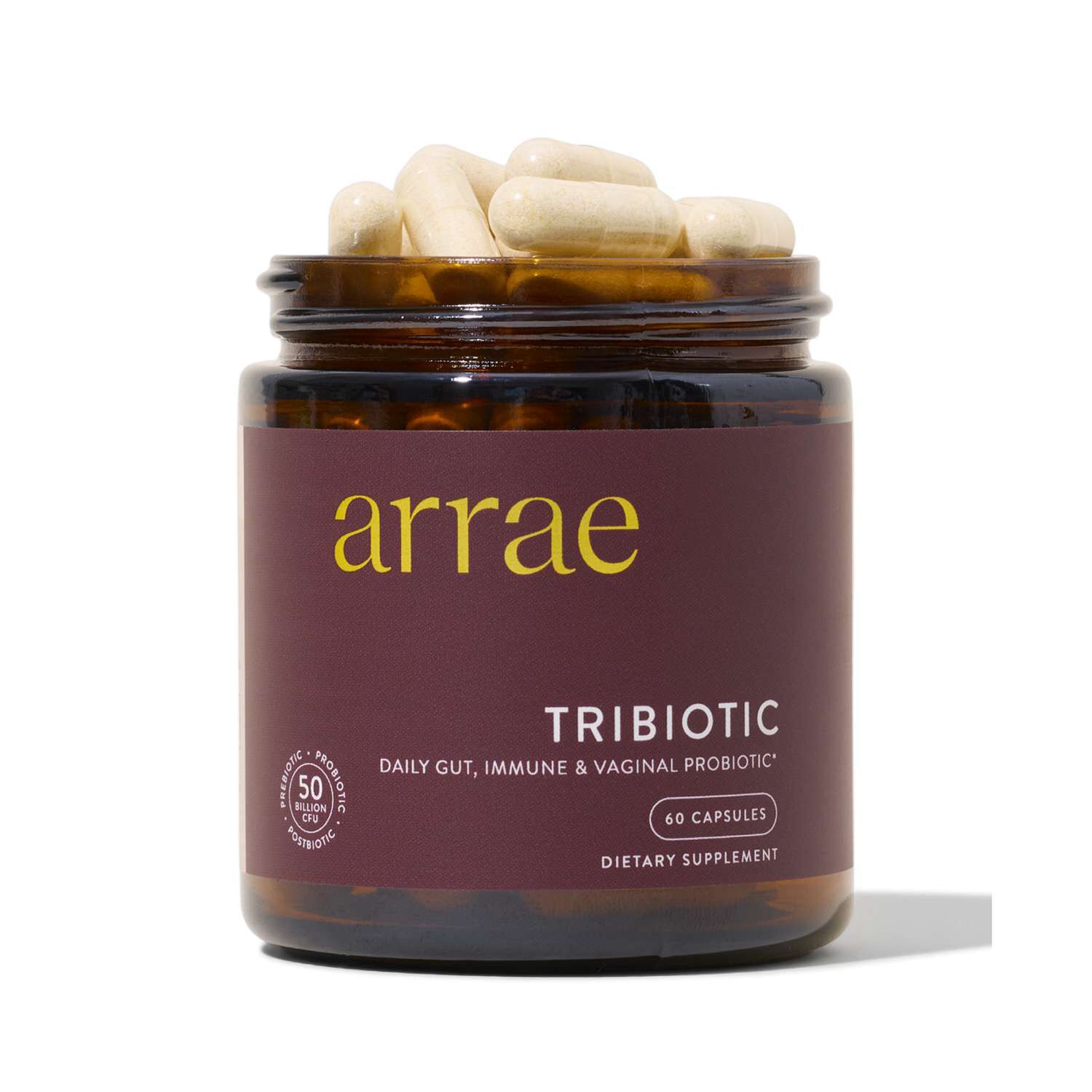
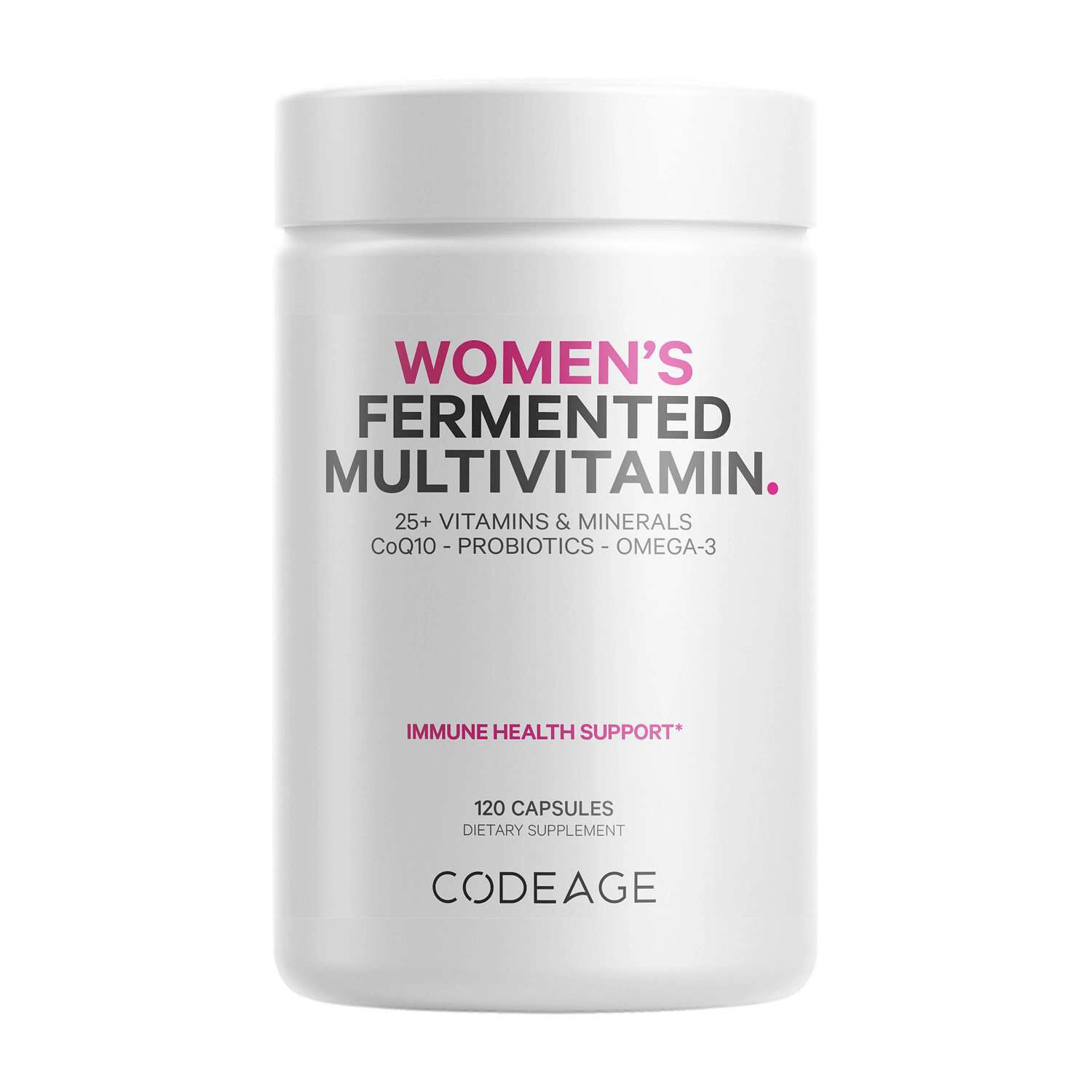
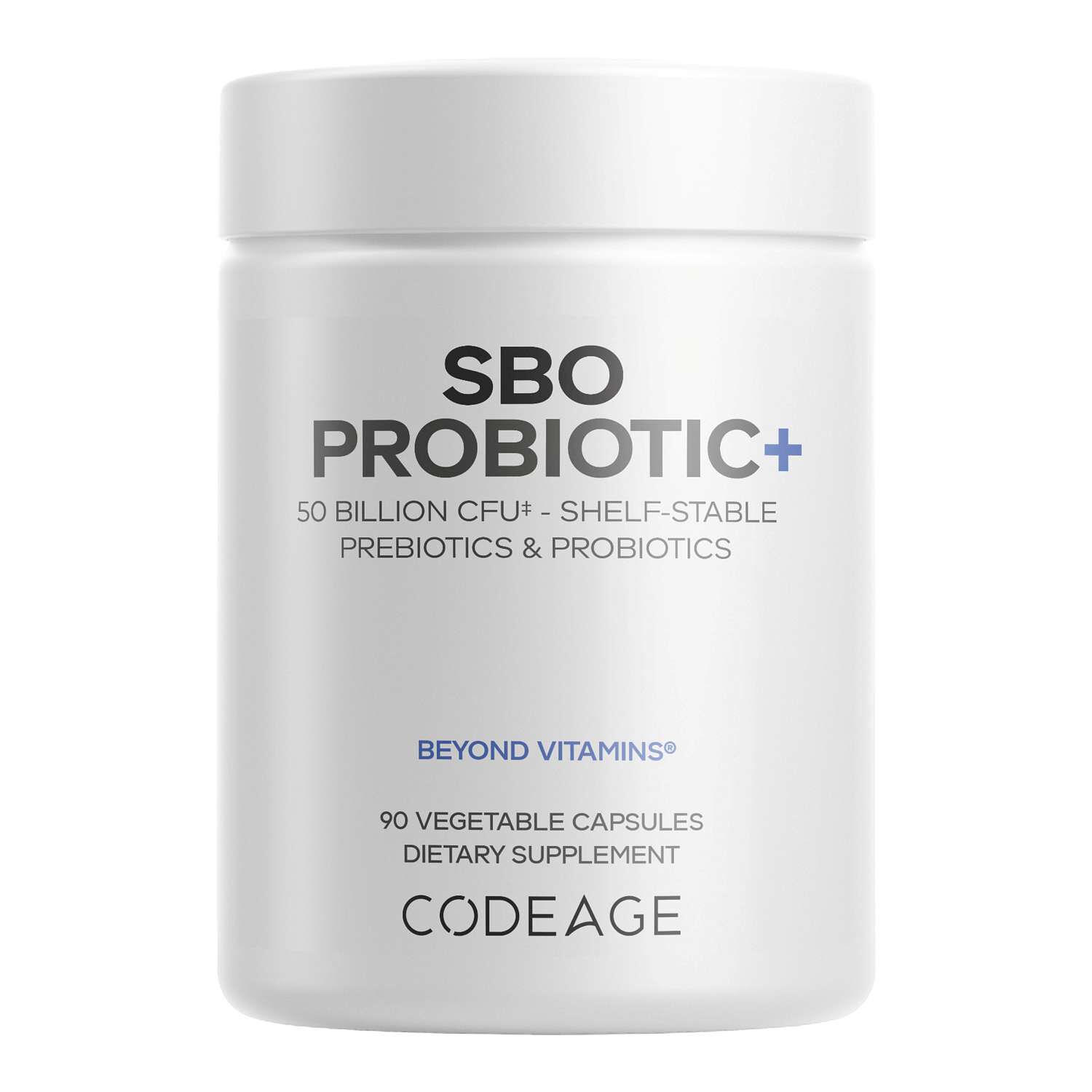



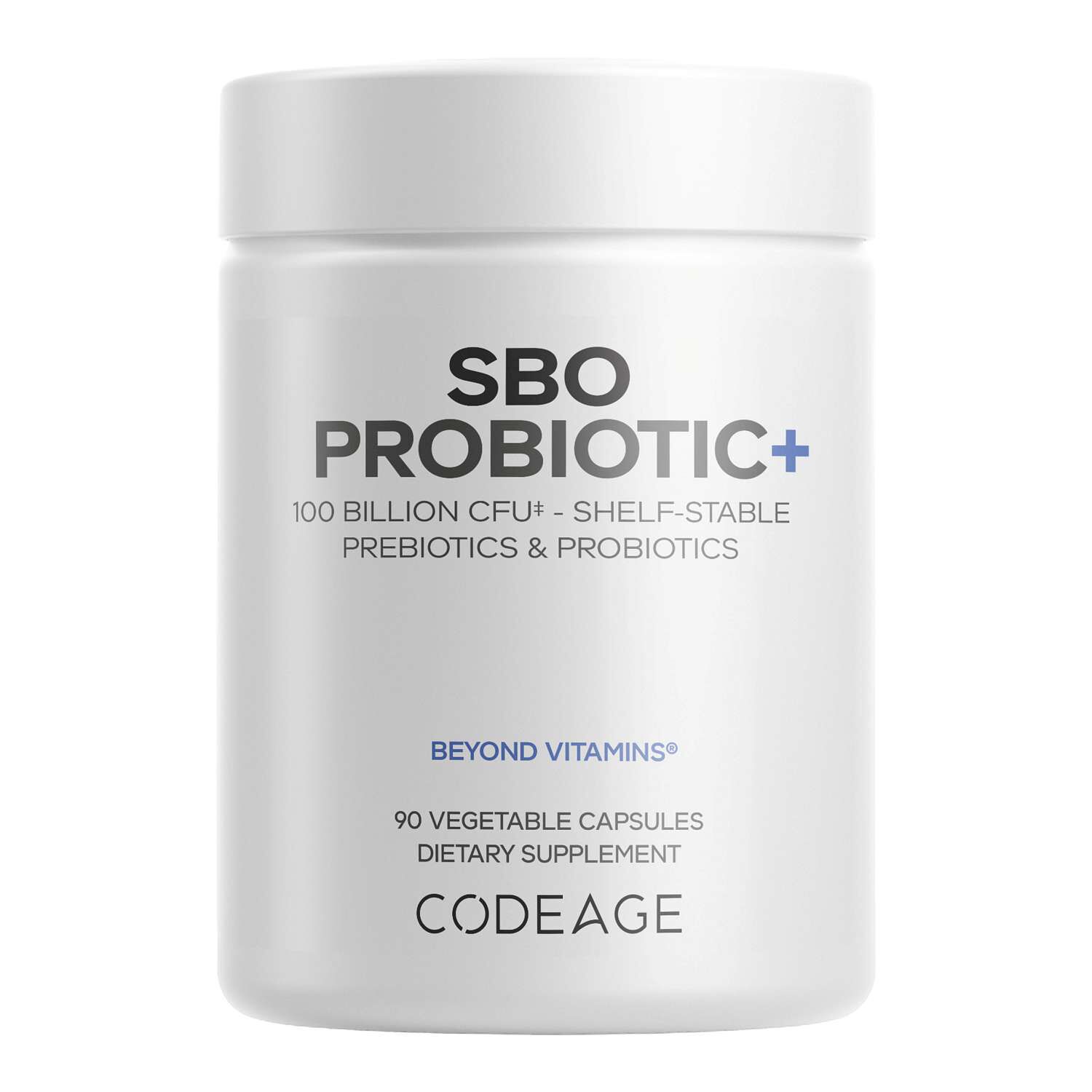
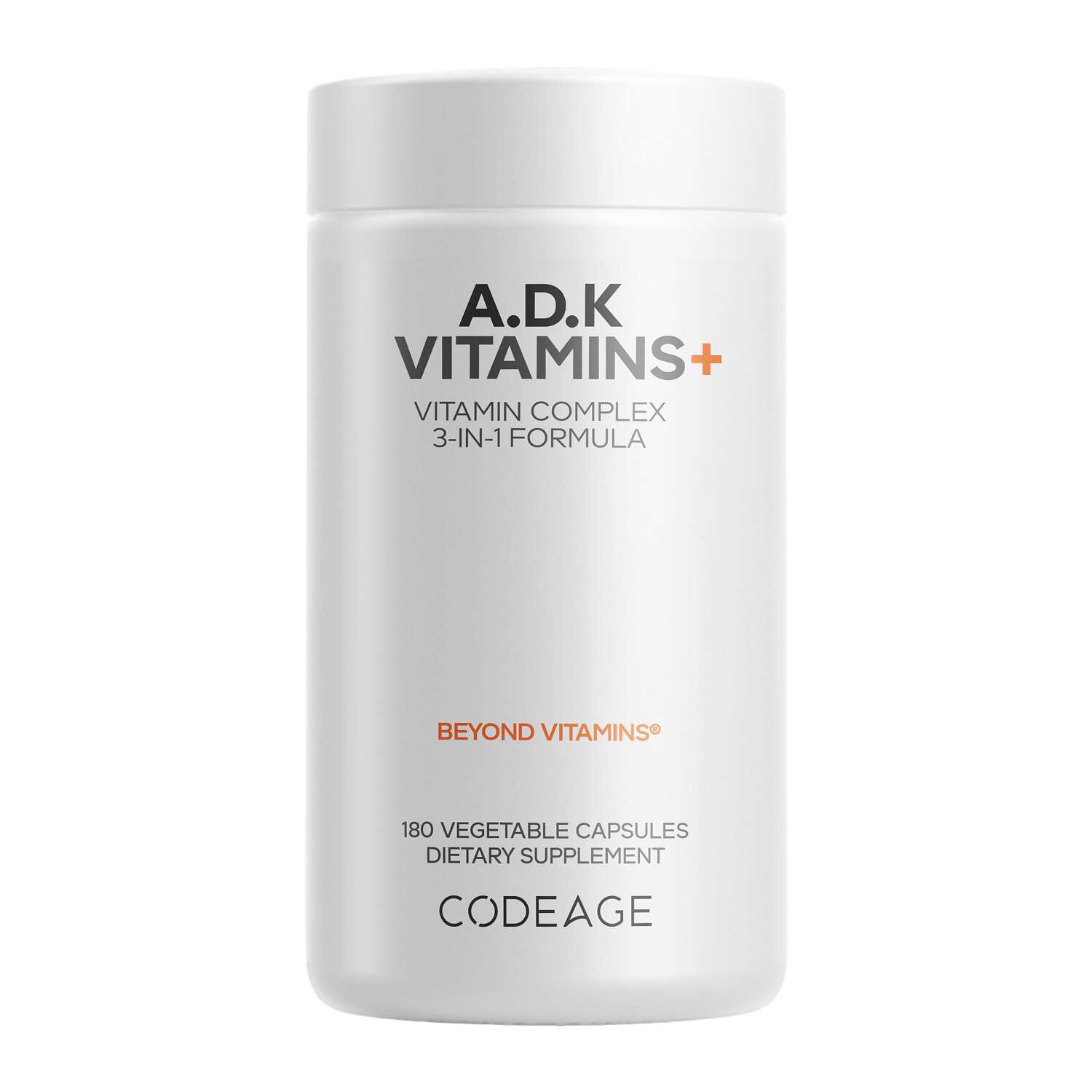


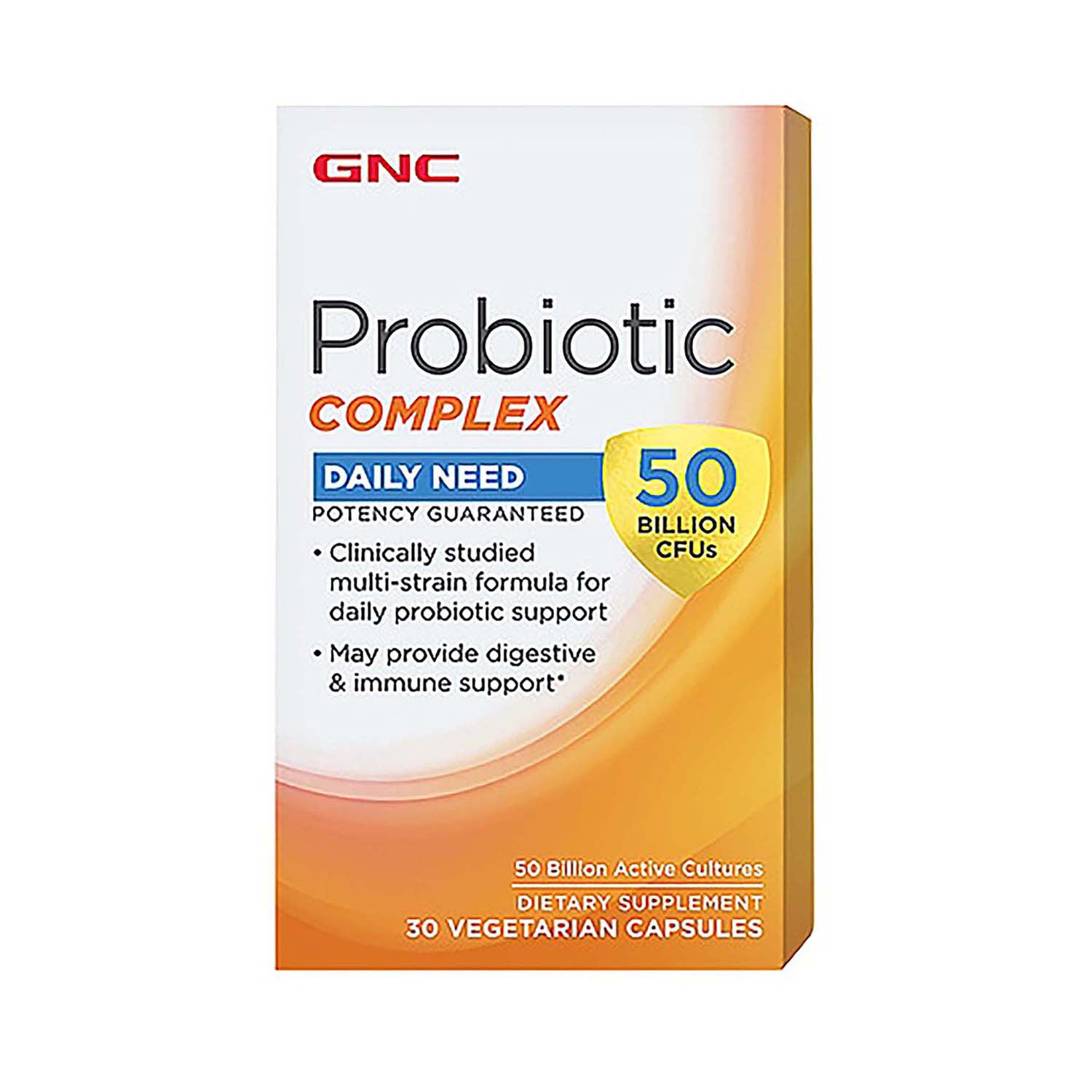



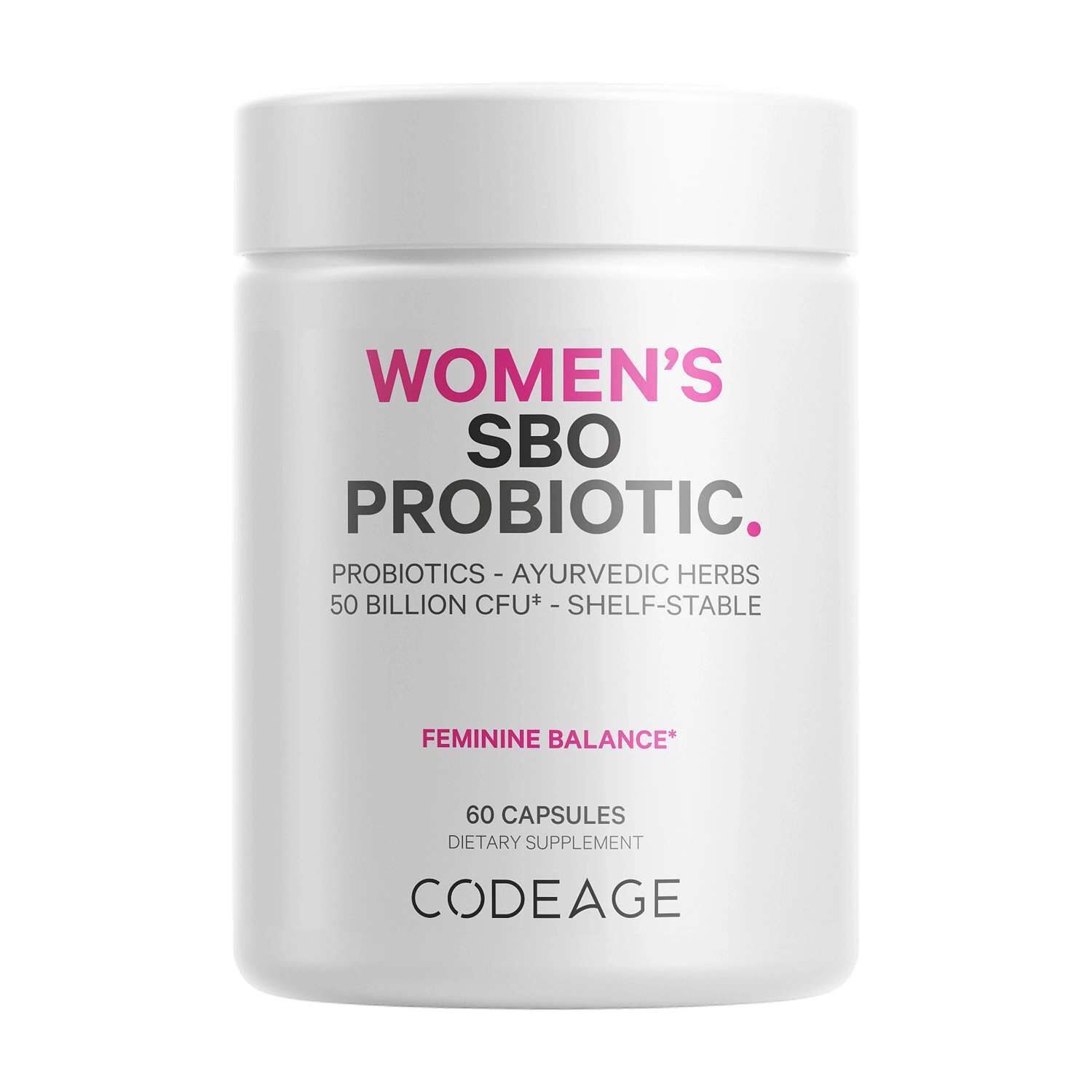
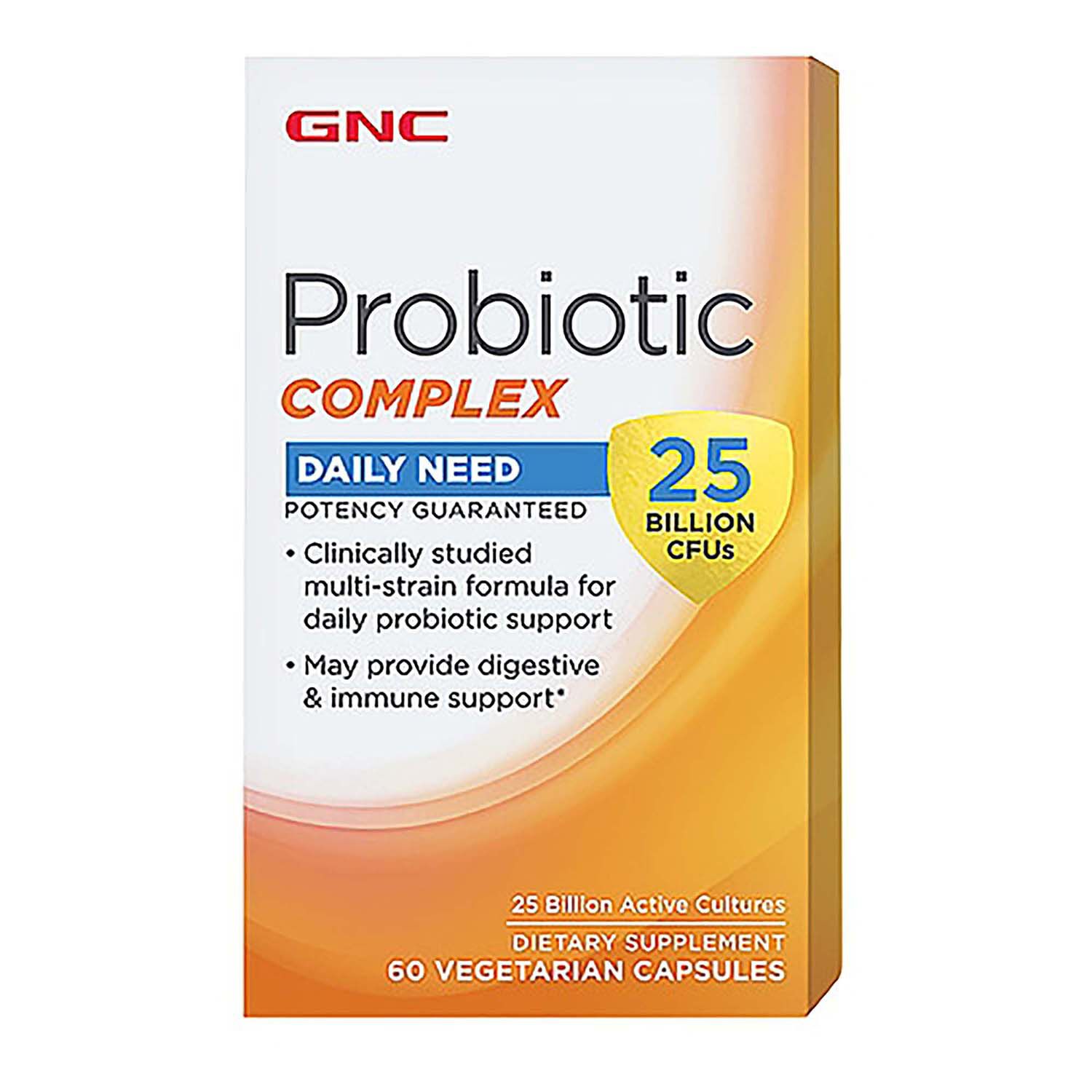


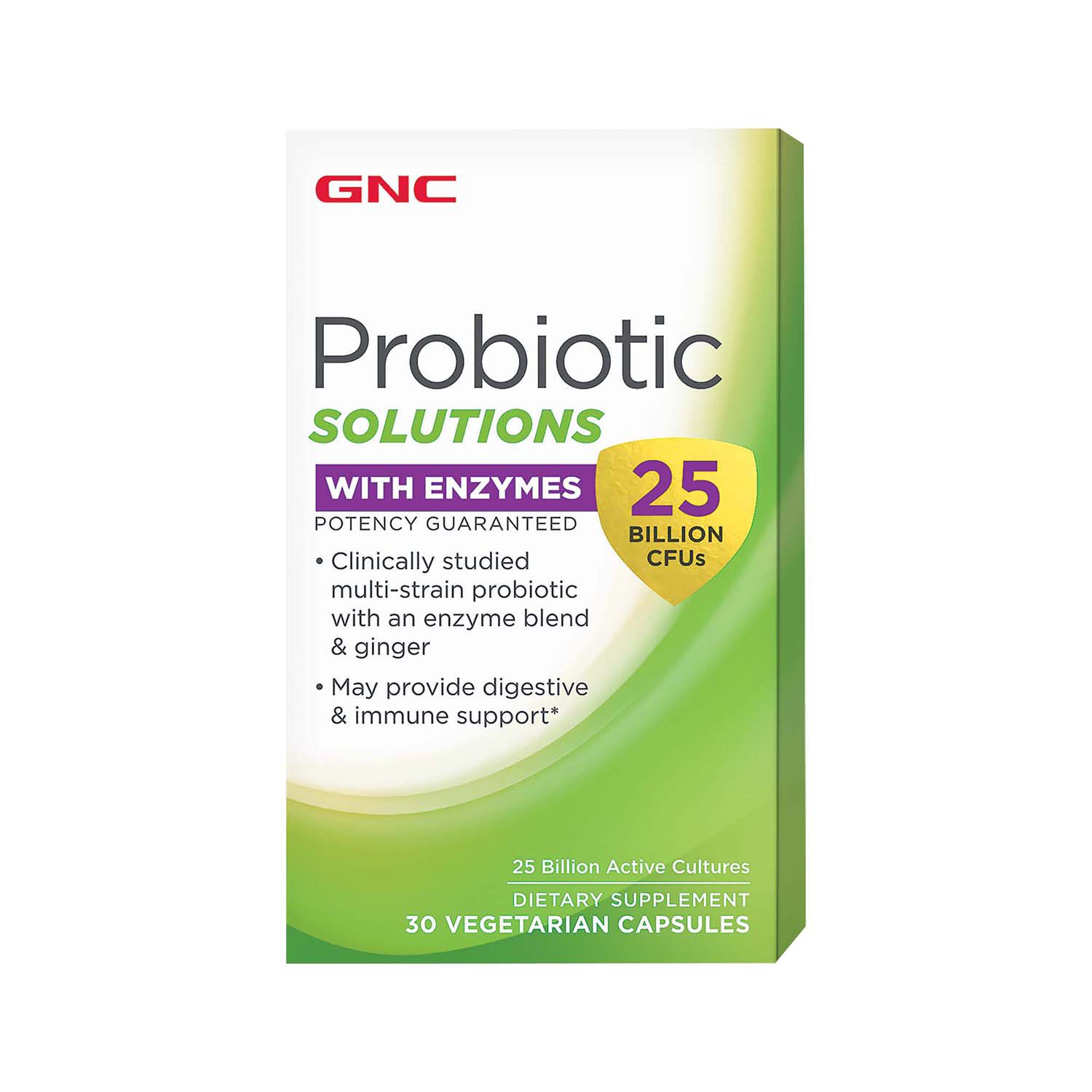
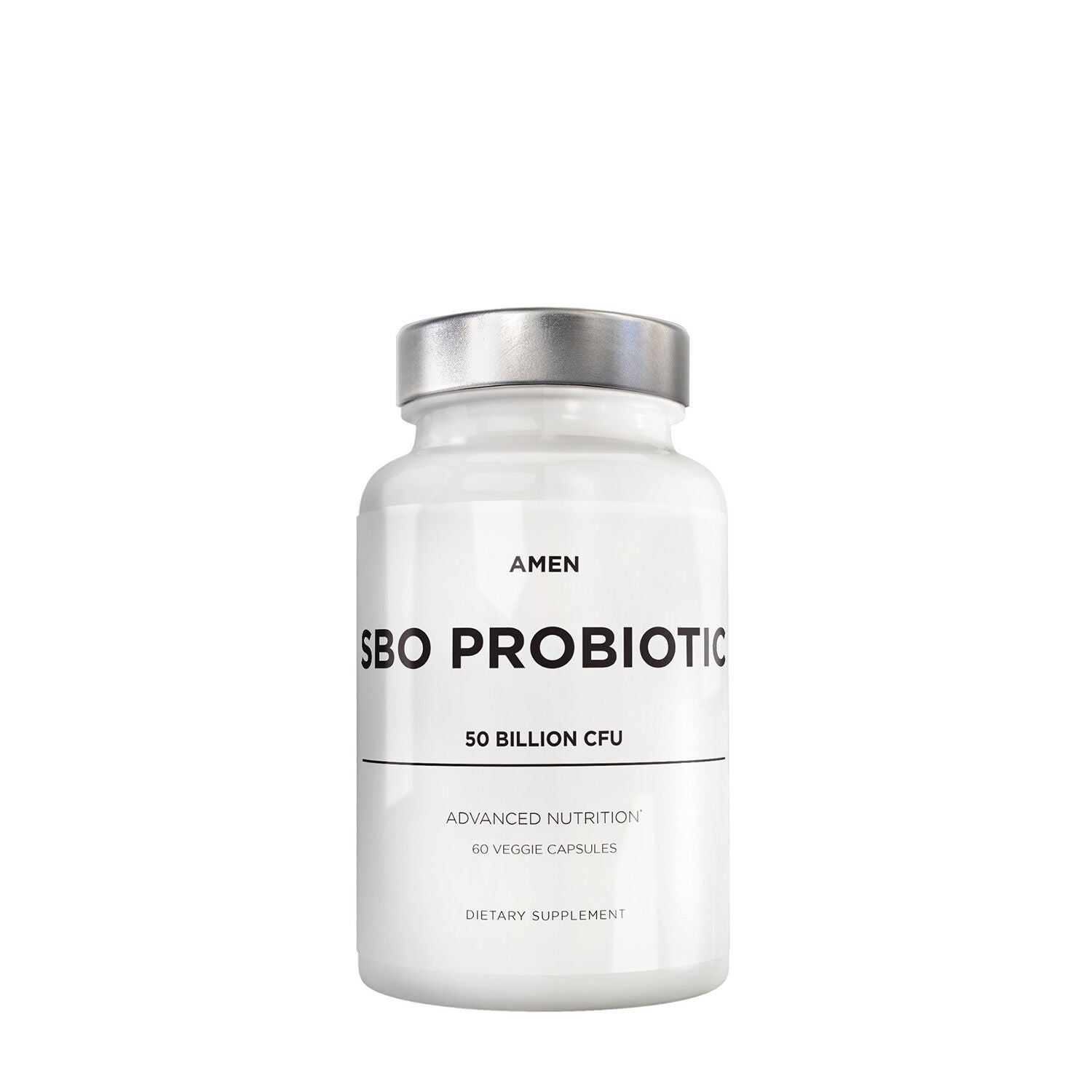

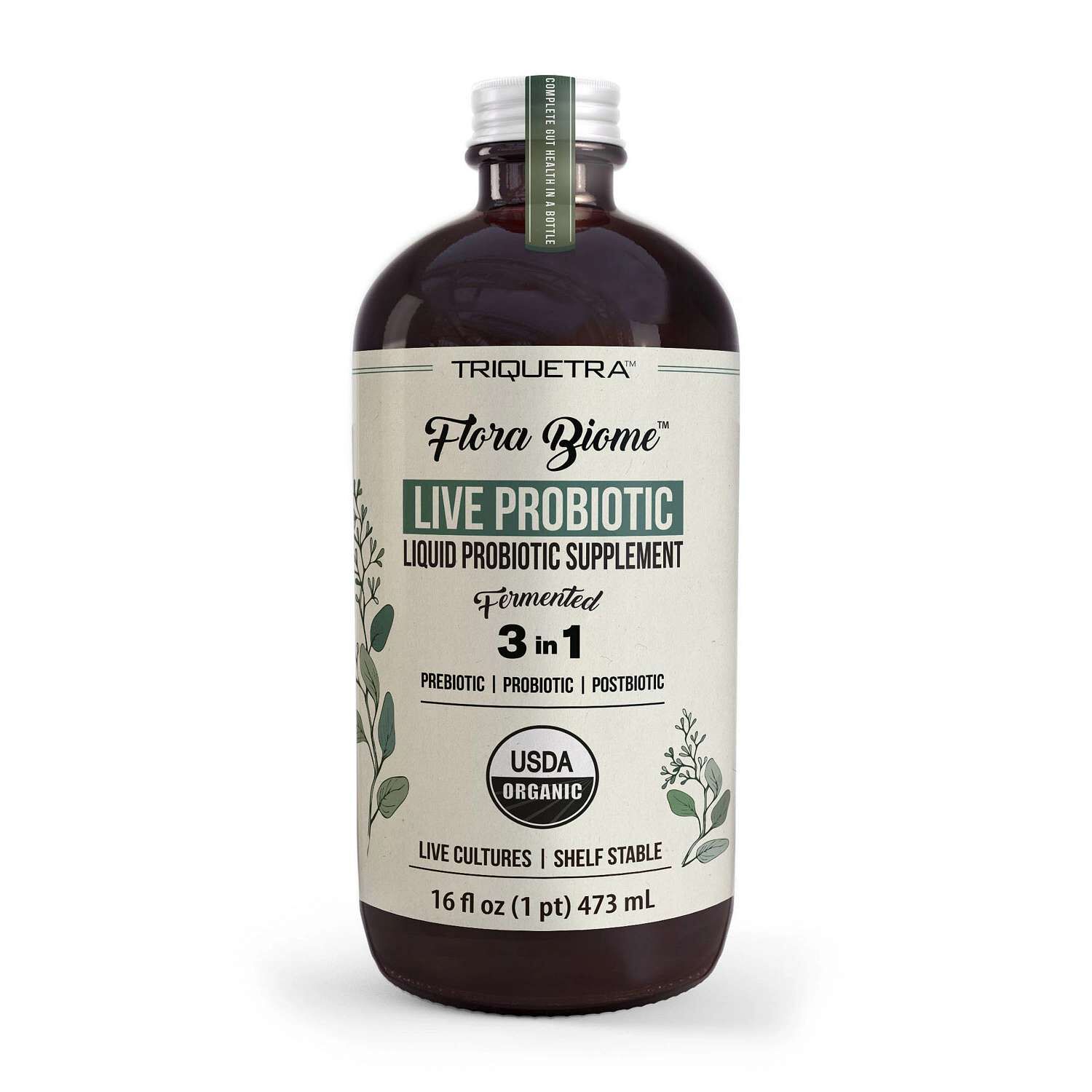
Gut health and immune support capsules bring two related supplement categories together in a convenient capsule format. Formulas in this category may include probiotics, prebiotics, postbiotics, vitamins, minerals, or combinations of these ingredients. The distinction matters because a capsule containing live microorganisms is different from one built around nutrients or plant ingredients, even when both carry similar descriptions on the front of the bottle. Probiotics are live microorganisms, and their labels often identify them by genus, species, and strain. Prebiotics are substances that certain microorganisms use as nourishment, while postbiotic preparations contain inanimate microorganisms or their components. These terms describe different ingredient approaches rather than interchangeable versions of the same formula. The gut itself contains a diverse community of microorganisms known as the gut microbiome, which is one reason digestive wellness is such a broad area of supplement interest. For shoppers, the most useful starting point is the actual composition of a formula, not simply the number of ingredients listed across its packaging. Some capsules focus on a single identified probiotic strain; others combine several strains or pair a probiotic blend with additional ingredients. Nutrient-focused formulas may feature vitamins or minerals associated with everyday nutrition, while other combinations bring together several ingredient types in one serving. Neither a longer ingredient list nor a larger number on the label tells the whole story. Ingredient identity, serving size, capsule materials, and storage directions provide a more practical picture of what a bottle contains and how it fits into an existing routine. Adults browsing this category may be comparing a straightforward probiotic capsule with a broader blend, looking for a format that does not require mixing, or choosing supplements around particular dietary preferences. Those are distinct shopping priorities, and a close look at the label makes the differences between formulas easier to understand without assuming that every gut health capsule serves the same purpose.
Comparing gut health and immune support capsules begins with the Supplement Facts panel and continues through the other ingredients list. For probiotic formulas, the strain designation provides more detail than a species name alone. A combination of letters and numbers after the organism’s name identifies a particular strain, making it useful when comparing otherwise similar labels. Many probiotic labels also list colony-forming units, commonly abbreviated as CFU, as a measure of viable microorganisms. Check whether the stated amount refers to the time of manufacture or the end of the labeled shelf life, since those are different reference points. A larger CFU count is not, by itself, a reason to prefer one formula over another, and the number of strains does not describe every meaningful difference between blends. Serving information deserves equally close attention. A bottle’s capsule count is not necessarily its serving count: a serving may consist of one capsule or several, depending on the formula. For blends containing vitamins, minerals, or other ingredients, the amounts shown generally correspond to that listed serving. Capsule construction is another practical consideration, particularly for shoppers with dietary preferences. Shells may use gelatin or plant-derived materials such as cellulose, but a plant-derived shell alone does not establish the dietary suitability of every ingredient inside it. Review the full ingredient list and any relevant dietary statements rather than relying on the capsule’s appearance. The other ingredients section may identify materials used to form the shell, carry the contents, or assist manufacturing. Allergen information and clearly stated vegetarian or vegan designations can also help distinguish formulas. Physical size varies, so shoppers who prefer smaller capsules may want to look for size details when provided. Some capsules use specialized coatings or construction; those features should be evaluated through the label’s explanation rather than through assumptions about appearance. Together, these details offer a more grounded comparison than broad front-label language, especially when two bottles seem nearly identical at first glance.
The right format for a shopping preference also depends on the everyday setting in which the bottle will be stored and used. Capsules do not require a shaker bottle, a scoop, or a flavored drink, which may appeal to adults who prefer a supplement routine with fewer preparation steps. That convenience does not mean every formula has the same directions. Labels can differ in serving instructions, whether food is specified, and storage requirements, including whether refrigeration is necessary. For someone who regularly packs an overnight bag, a formula’s storage directions and original packaging may matter as much as its ingredient list. A tightly closed bottle, intact packaging, and a readable expiration date are useful details to check, while the labeled storage instructions should determine where the container belongs. A bathroom cabinet exposed to frequent moisture may be less suitable than another location permitted by the label. Keep any included moisture-control packet in place when the packaging instructs it, and preserve the original label so serving information and ingredient details remain accessible. Capsule supplements are consumable products, so shelf life and packaging integrity are more relevant considerations than durability in the sense used for reusable goods. Intended use matters, too: adult formulas should not be assumed to suit every member of a household, and age-specific labeling deserves attention. For a shared kitchen shelf, keeping each bottle clearly identified can make separate routines easier to organize. Shoppers exploring a different ingredient approach can also compare Fruit Supplement Capsules for Immune Support, with attention to the actual fruit ingredients, accompanying nutrients, and serving format rather than treating that category as equivalent to a probiotic formula. Across these choices, the most informative details remain concrete: what is inside the capsule, how much is listed per serving, what the shell contains, and how the bottle needs to be stored. A clear match between those details and personal preferences makes the category easier to navigate, whether the priority is a concise ingredient list, a particular capsule material, or a format that fits neatly into an established daily routine.
Best Sellers
-
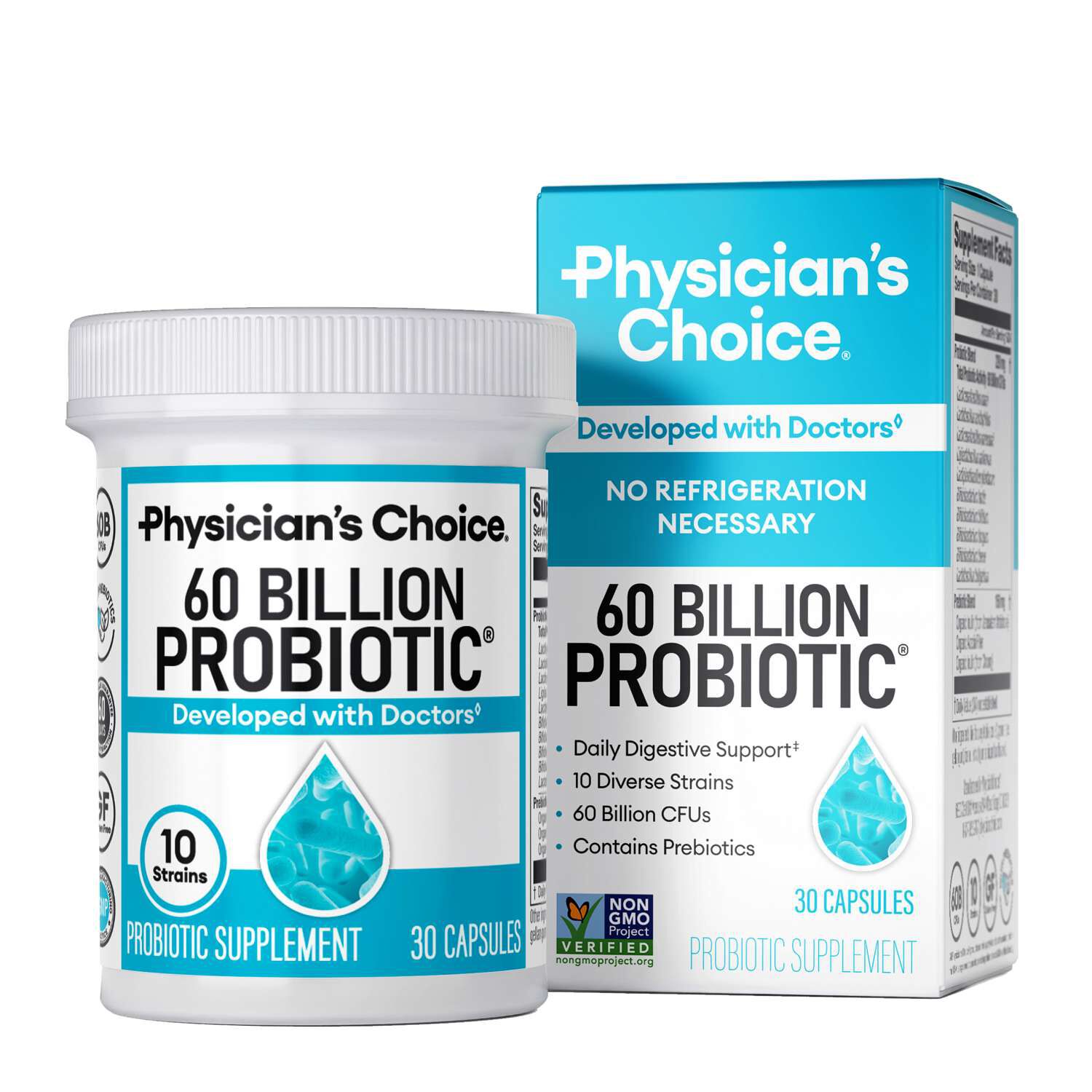 Physician's Choice