





Capsules For Colon Immune Support
(0 Results)
Capsules for colon immune support may offer a convenient way to complement your daily wellness routine. These supplements are designed for those seeking additional support for digestive and immune health. With a variety of options available, you can explore different blends and ingredients that could fit your individual needs. Discover how capsules for colon immune support might become a valuable addition to your lifestyle goals.
-
-
-

-
_Front.jpg?sw=305&sh=305&sm=fit "BioDophilus60 - 30 Capsules (30 Servings) | GNC")
-

-
_Front.jpg?sw=305&sh=305&sm=fit "BioDophilus60 - 60 Capsules (60 Servings) | GNC")
-
_Front.jpg?sw=305&sh=305&sm=fit "BioDophilus25 -120 Capsules (120 Servings) | GNC")
-

-
 1$14.99
-

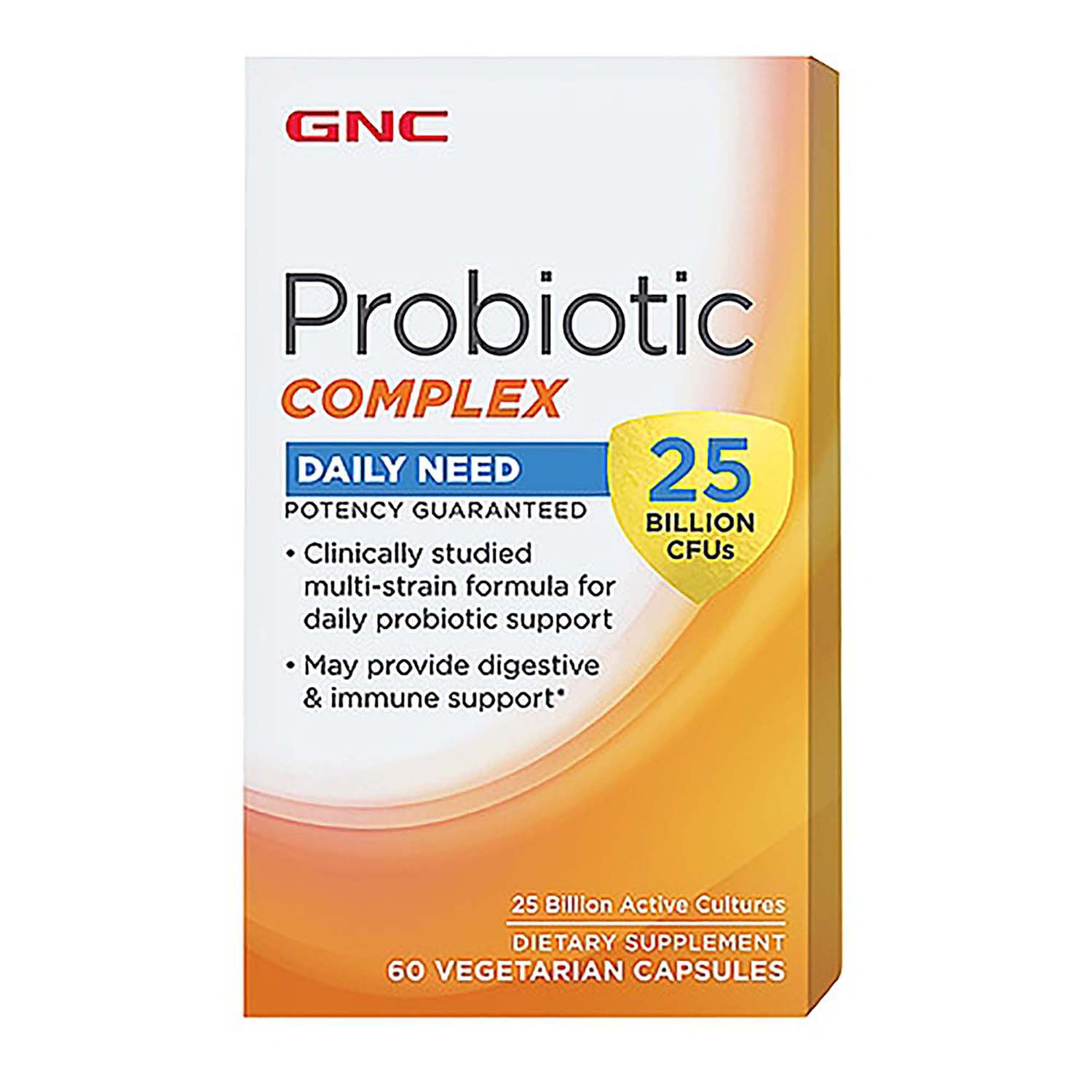
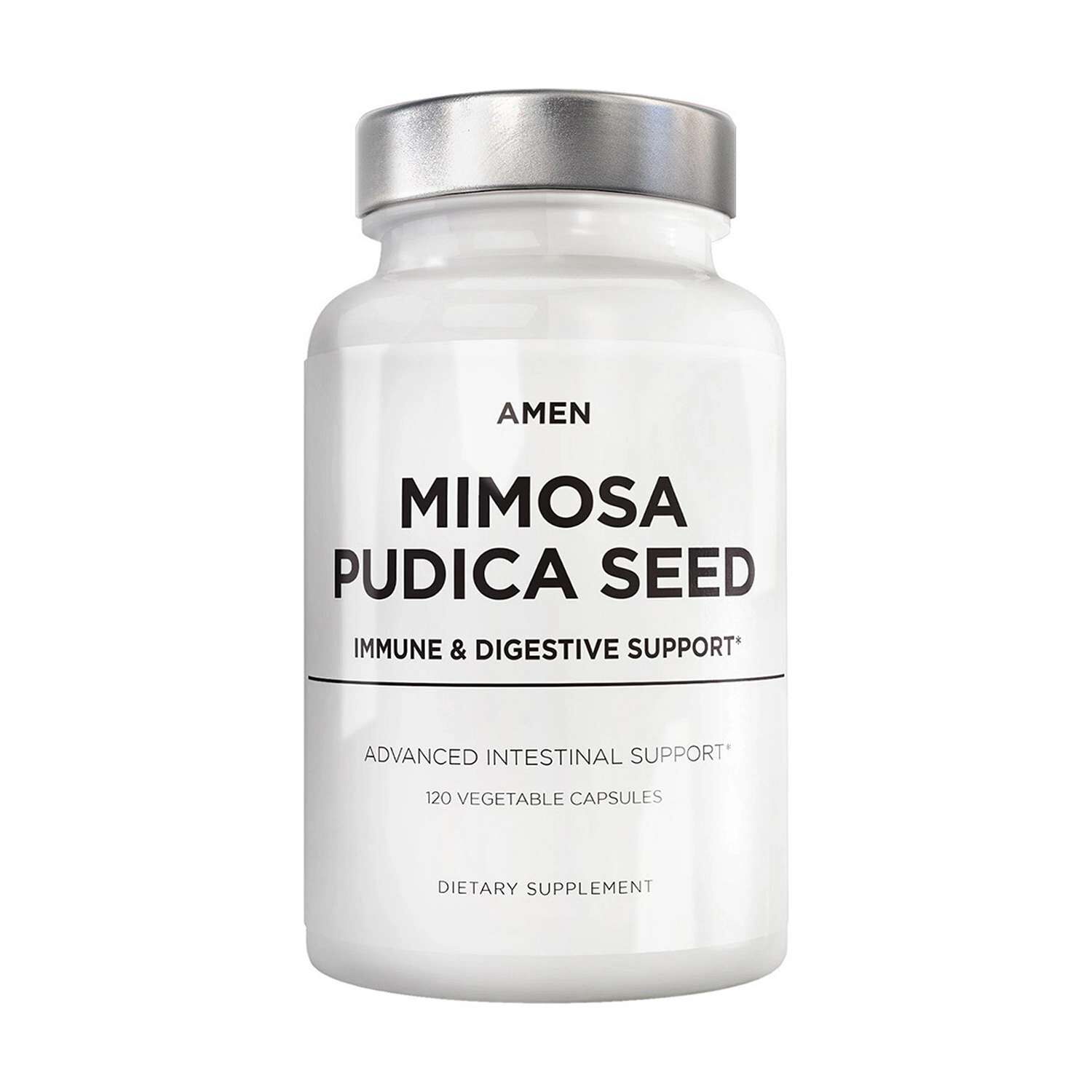

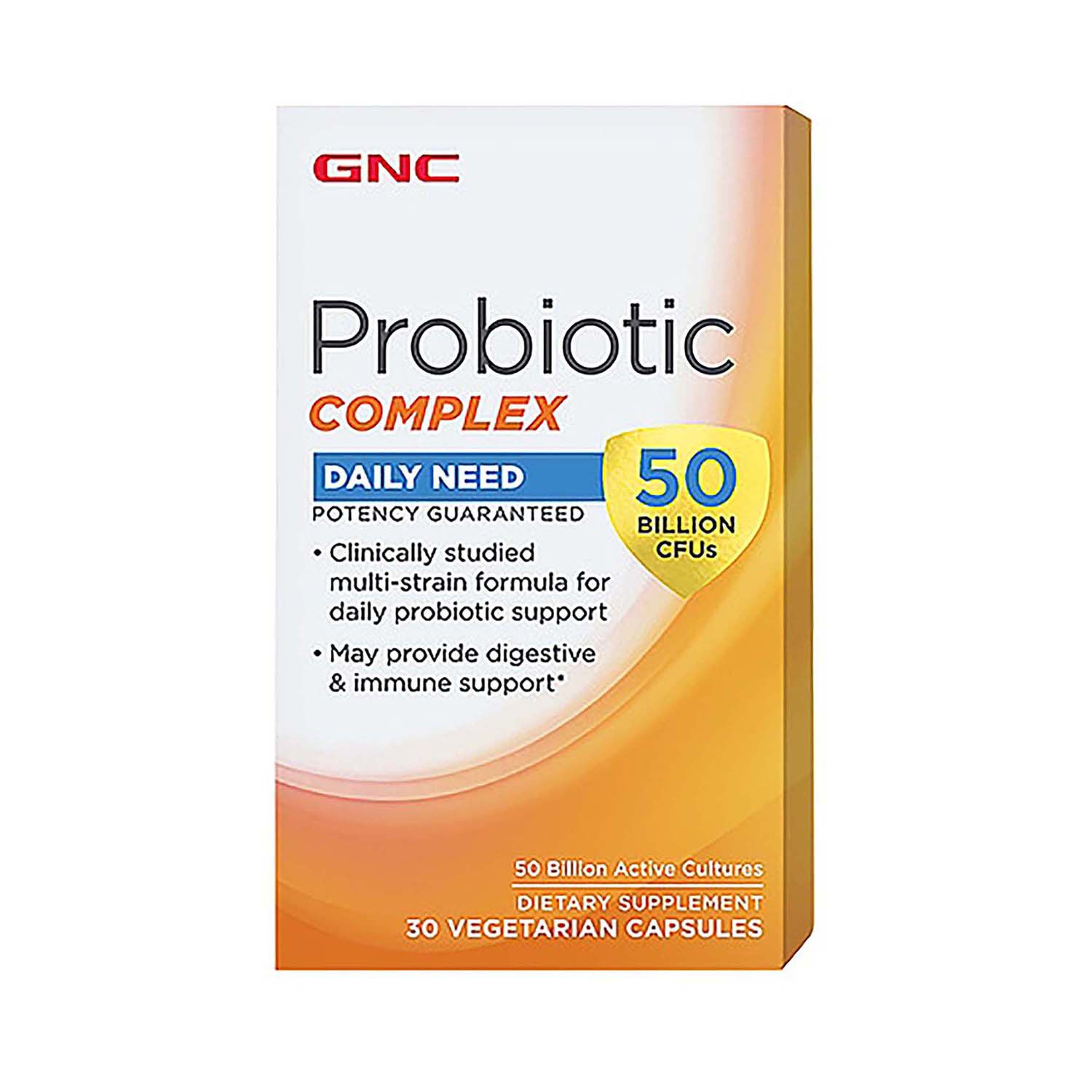
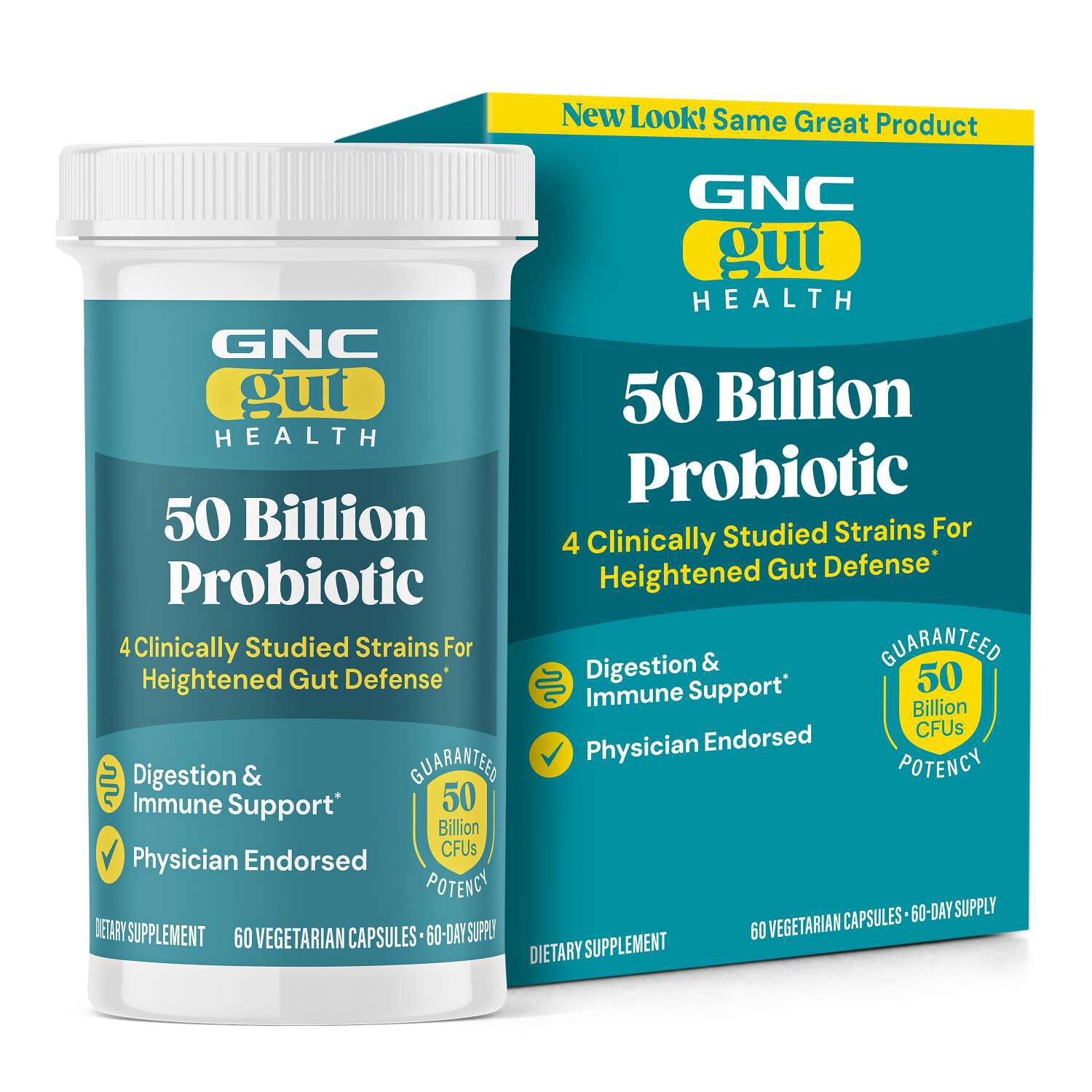


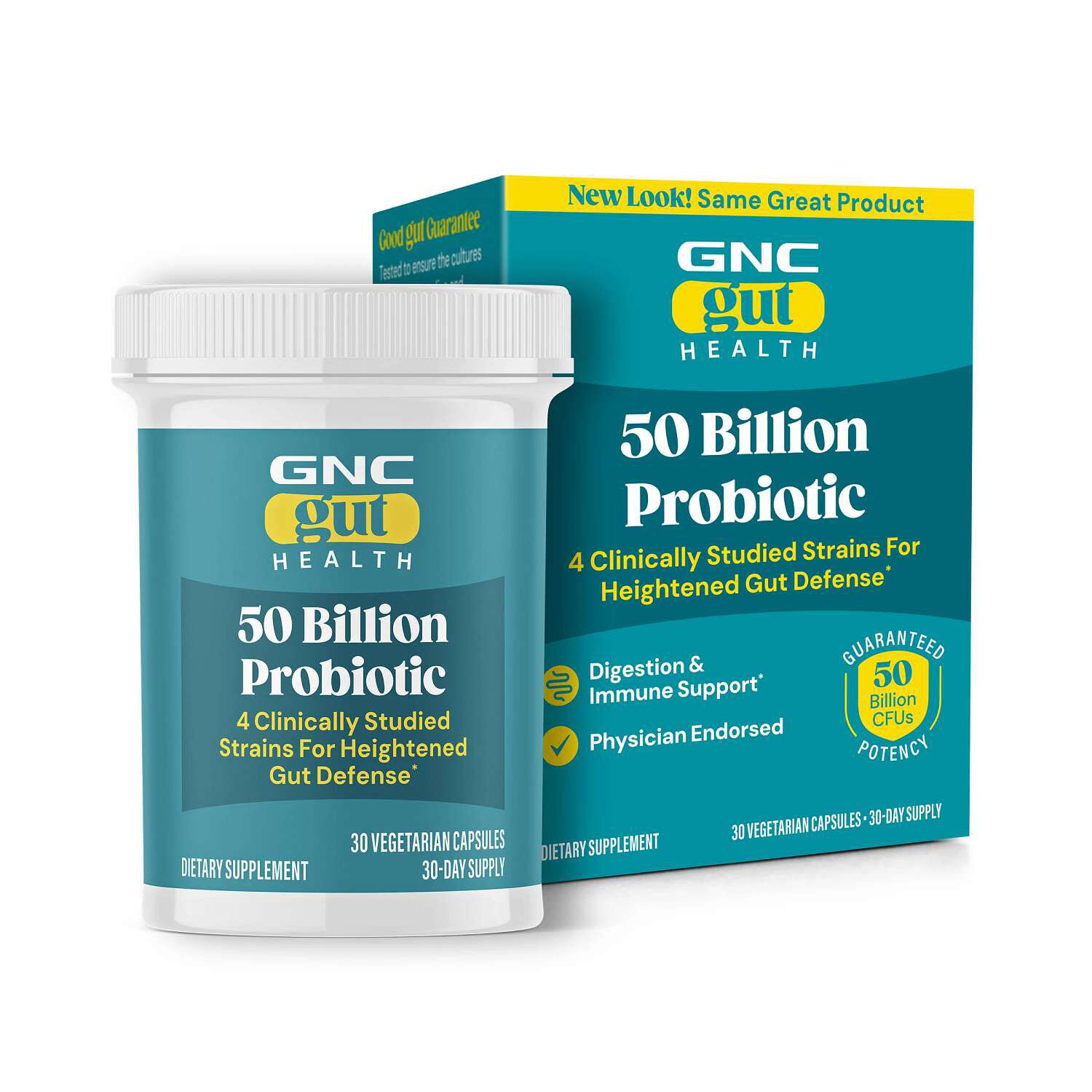
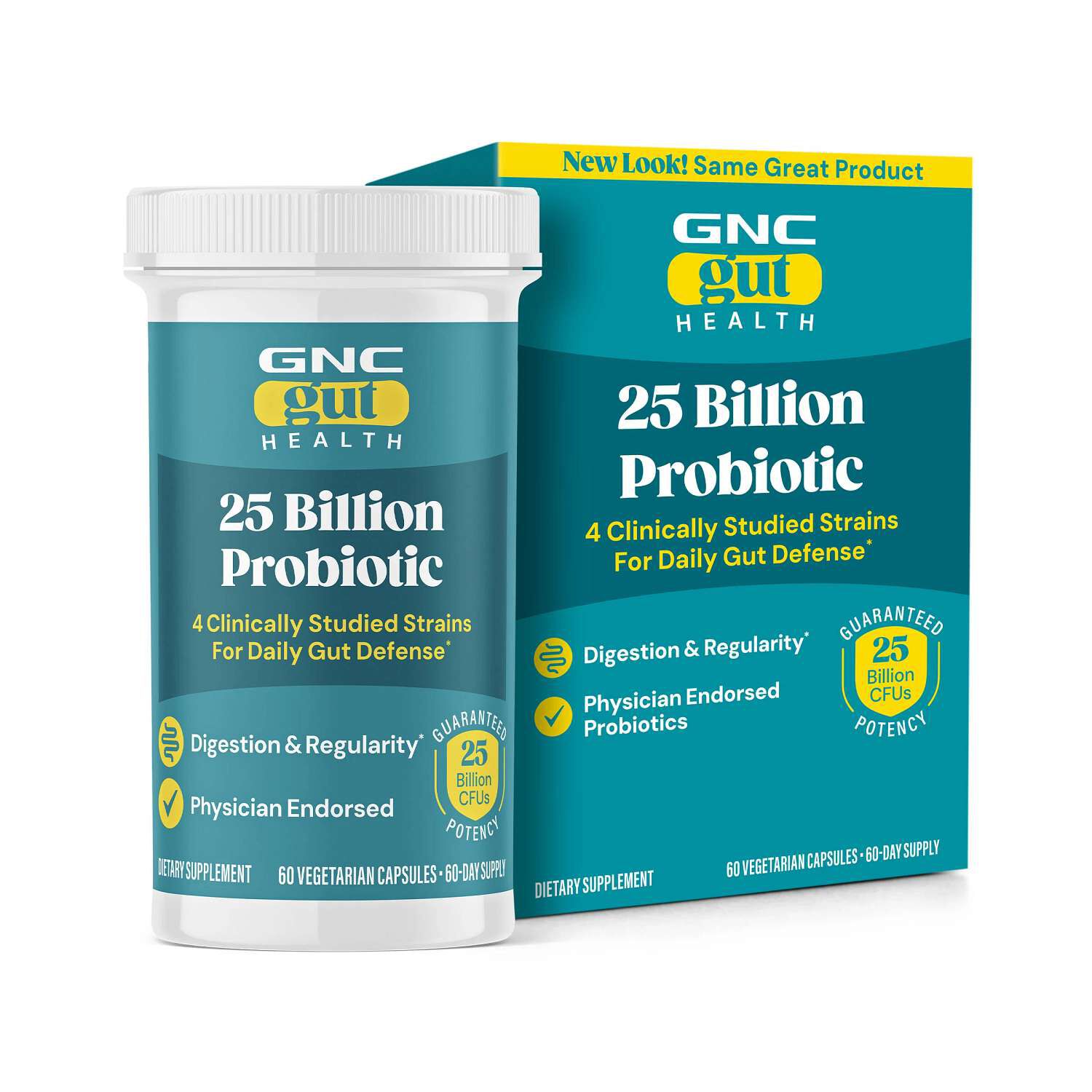

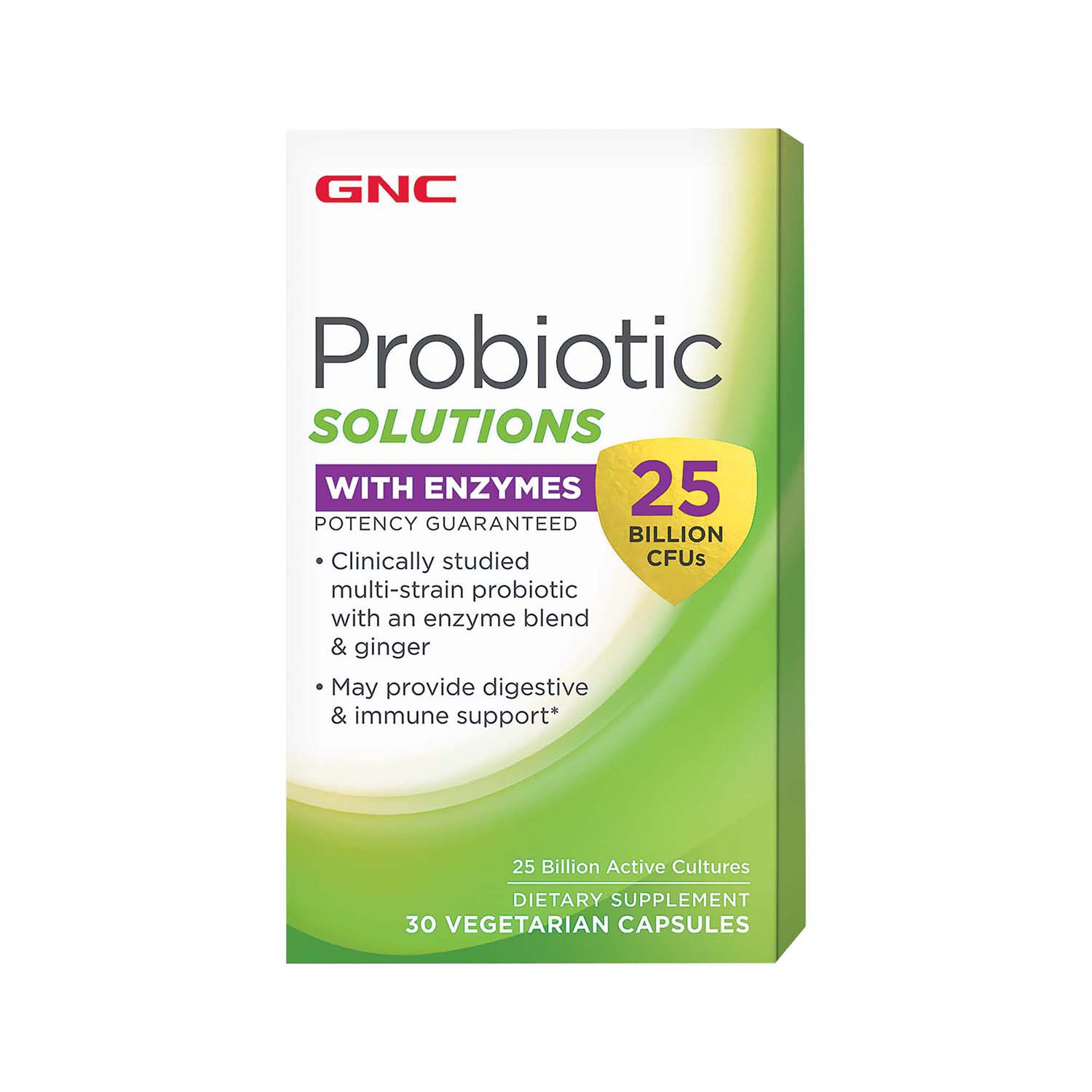

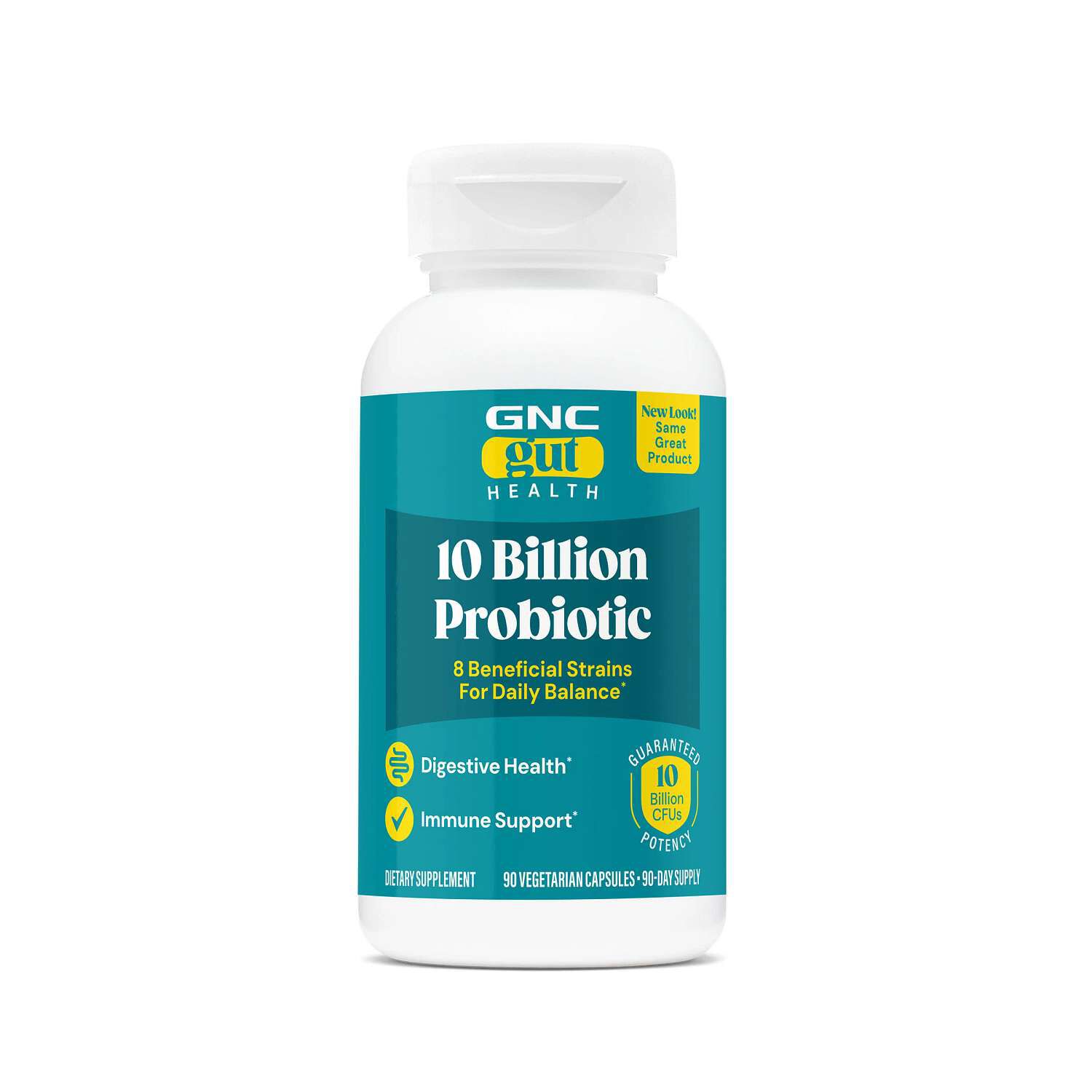

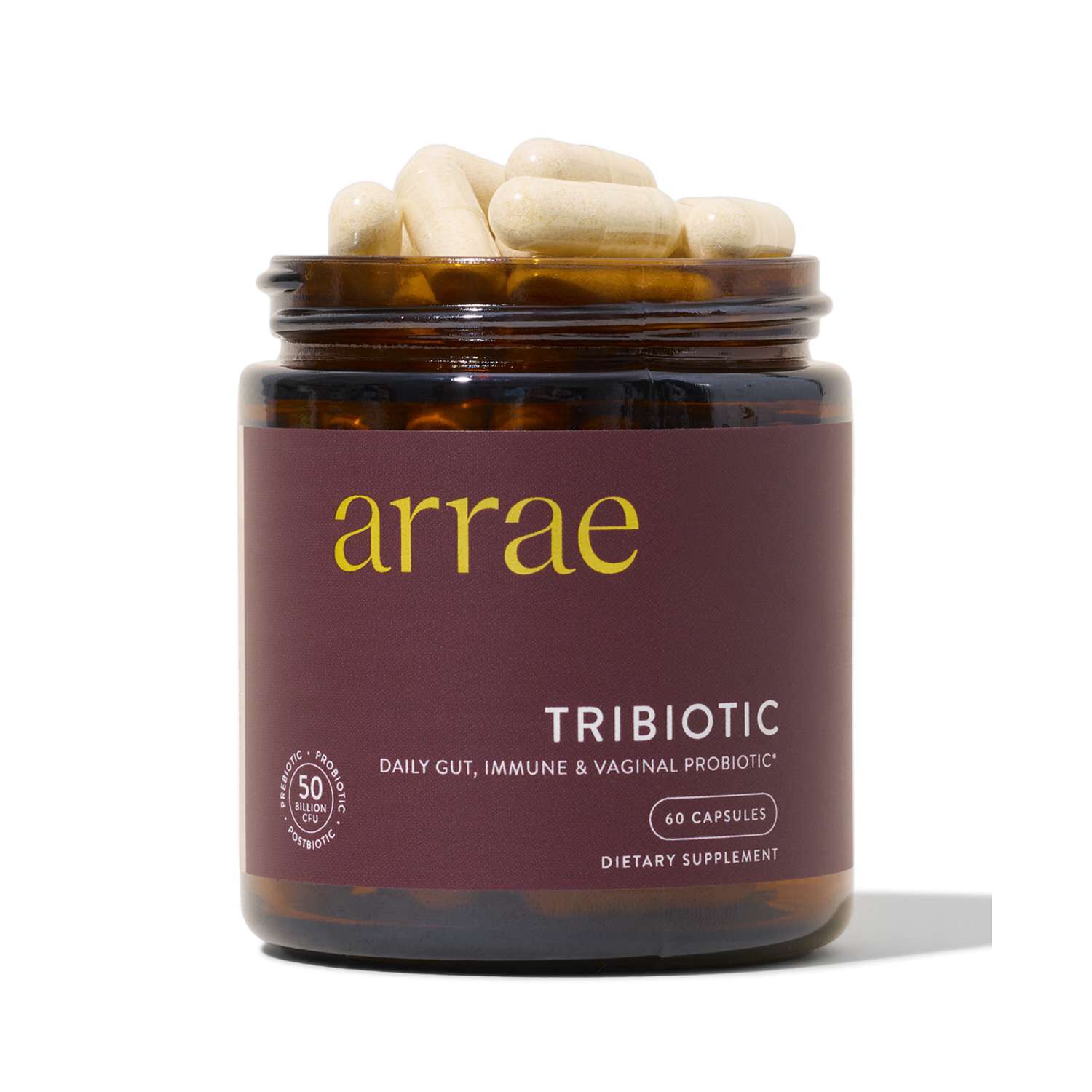
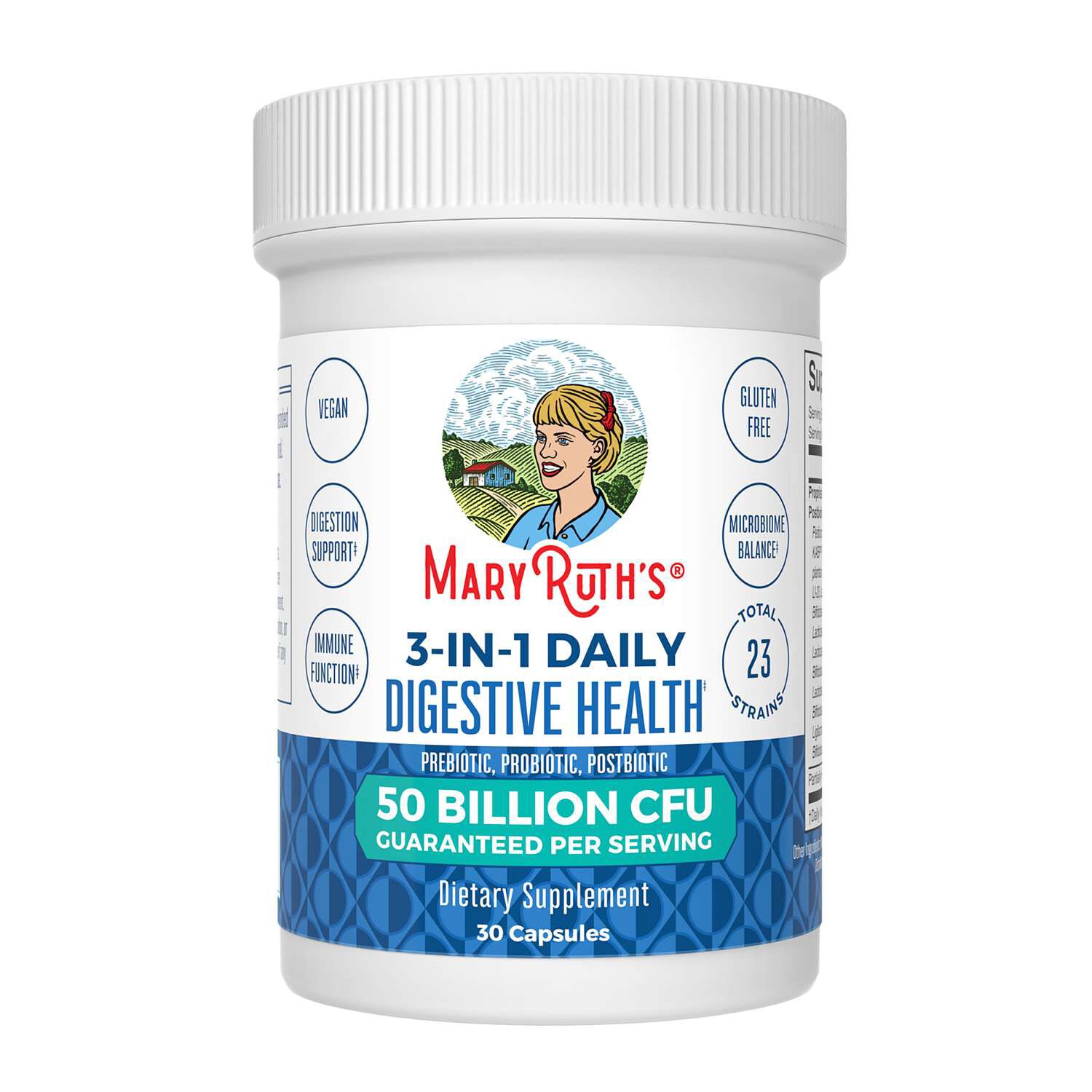
Capsules for colon immune support are dietary supplements that may support everyday digestive and immune wellness, with formulas that often feature probiotics, prebiotics, or a combination of the two. The connection between these categories begins with the gut microbiome, the community of bacteria and other microorganisms living in the digestive tract. The colon is a major part of the large intestine and provides a habitat for many of these microbes. The intestinal lining also interacts with the immune system as part of normal bodily function, which helps explain why digestive and immune wellness often appear together on supplement labels. Probiotics are live microorganisms that, in appropriate amounts, may support a balanced gut environment. Prebiotics are ingredients that certain beneficial gut microorganisms use as nourishment; some are forms of dietary fiber. A formula containing both brings these different ingredient types into the same serving, although the presence of both does not by itself establish how that formula may perform. These distinctions give the category more meaning than a broad reference to gut health alone. For probiotic capsules, the ingredient description may include a genus, species, and strain identifier. Lactobacillus and Bifidobacterium are examples of names shoppers may recognize, but a familiar genus name is only one part of a more detailed description. A blend containing several strains is also different from a formula centered on one identified strain; a longer ingredient list does not automatically make one approach more suitable. Probiotic amounts are commonly expressed in colony-forming units, or CFUs, a measure associated with viable microorganisms. The CFU count is useful context, but it is not a stand-alone ranking of quality or suitability. Strain identity, serving size, storage requirements, and the way the amount is stated on the label all contribute to a clearer picture. Capsule form alone does not establish that ingredients will reach a particular part of the digestive tract, so any description of targeted release belongs to the individual formula rather than the category as a whole.
The physical details of a capsule matter alongside its ingredient list. Capsule shells may be made from gelatin or plant-derived materials such as cellulose, and those differences may matter to shoppers with vegetarian or vegan preferences. The shell and the contents are separate considerations: a plant-derived shell does not, on its own, describe every ingredient inside. Supplement Facts panels and other package information provide context about the formula, while allergen statements address a different set of considerations. Ingredients used during production, such as carriers or flow agents, may also appear outside the main list of featured ingredients. Capsule dimensions, the number of capsules in a serving, and whether directions specify taking them with food are practical details that shape how a supplement fits into an established routine. A serving might consist of more than one capsule, so the capsule count on a bottle and the number of servings are not necessarily the same. Someone organizing a breakfast routine may value a different serving format from someone who prefers fewer separate steps during the day. Packaging and storage instructions deserve similar attention because live-culture formulas can have different handling requirements. Some labels specify refrigeration, while others describe storage without refrigeration under stated conditions. Those directions apply to the particular formula, not to every probiotic capsule. The original bottle, blister packaging, closure, and any included moisture-control packet may each serve a protective purpose. Moving capsules into another container may also separate them from their directions, lot information, and expiration date. For a bottle kept near a kitchen counter or packed for an overnight stay, that information remains useful well beyond the first serving. Physical durability in this category is less about resisting everyday wear and more about keeping capsules intact and preserving the storage conditions described on the package. The expiration date and label wording also provide context for whether a stated live-culture count applies at manufacture or through the dated period.
A good fit within this category starts with a clear sense of intended use rather than the largest number on the front of a bottle. An adult interested in a straightforward daily supplement may look for a concise ingredient list and clearly identified strains. Another shopper may prefer a formula that includes a prebiotic ingredient, while someone following a particular eating pattern may focus first on capsule materials and allergen information. These are different preferences, not a universal ranking of formulas. Capsules for colon immune support may suit people who prefer a measured serving without mixing a powder or preparing a drink, but the format does not determine the amount of fiber or other ingredients supplied. A capsule containing a prebiotic ingredient is not necessarily comparable to a serving of a fiber powder, and neither format replaces the variety found in an everyday eating pattern. Likewise, a supplement positioned around digestive wellness is not automatically interchangeable with every supplement described as supporting immune wellness. Browsing Gut Health Immune Support Capsules provides a related way to explore the overlap between these categories while keeping the individual label at the center of the comparison. Meaningful details include which ingredients are present, how much a serving contains, who the label identifies as the intended user, and what storage or handling the package specifies. Adult labeling should not be treated as a description of suitability for every member of a household. For shared cabinets, keeping each bottle identifiable also makes its intended use and directions easier to distinguish. Everyday practicality matters: a readable panel, a clearly stated serving, and packaging that fits the routine may be more relevant than an elaborate front-label description. No single capsule format, strain count, or ingredient combination establishes the same experience for everyone. Within a broader approach to everyday well-being, these supplements may offer a convenient option for shoppers interested in digestive and immune support, with the most useful distinctions grounded in the formula and its labeling rather than sweeping expectations.
Best Sellers
-
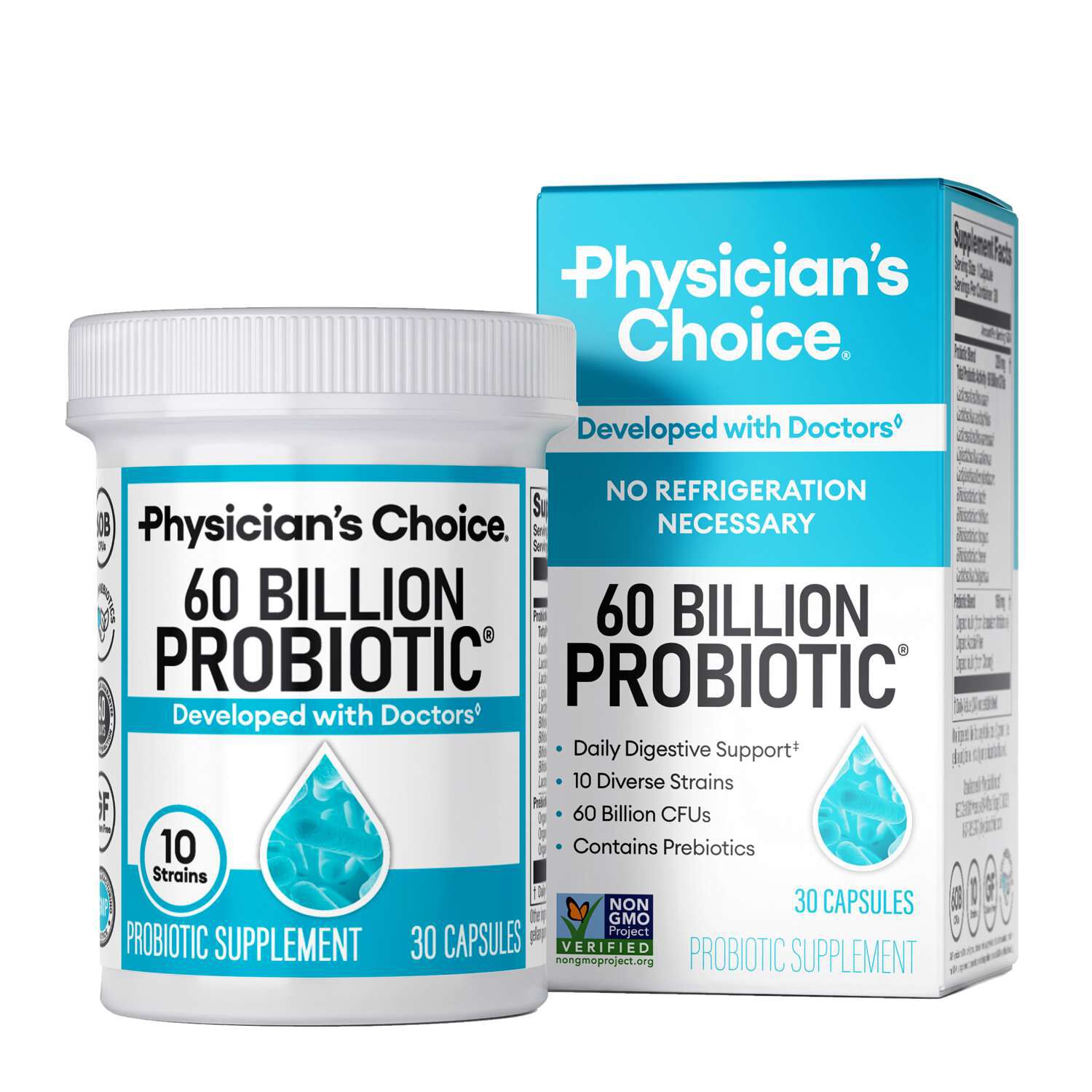 Physician's Choice
Related Pages

Top Collections
- Zinc Supplements | Top Brands at Great Prices | GNC
- Cortisol Supplements
- NAD+ Supplement Tablets
- Top Rated Collagen | Shop Customer Favorites | GNC
- Best Brand of Magnesium Glycinate
- Peptide Supplements
- Iron Supplements
- Protein Powders For Muscle Growth Support
- Vitamins That Help Support Weight Gain
- Peptide Supplements for Muscle Growth