Health Shakers
(0 Results)
Health shakers could be the perfect companion for anyone looking to mix up their nutrition routine with ease and convenience. These versatile tools may help blend protein powders, supplements, and meal replacements into smooth, delicious shakes that fit seamlessly into an active lifestyle. Whether at the gym, the office, or on-the-go, health shakers might offer a quick and efficient way to enjoy your favorite nutritional beverages. Explore options that could suit your personal style and needs, making it easier than ever to stay on track with your health goals.
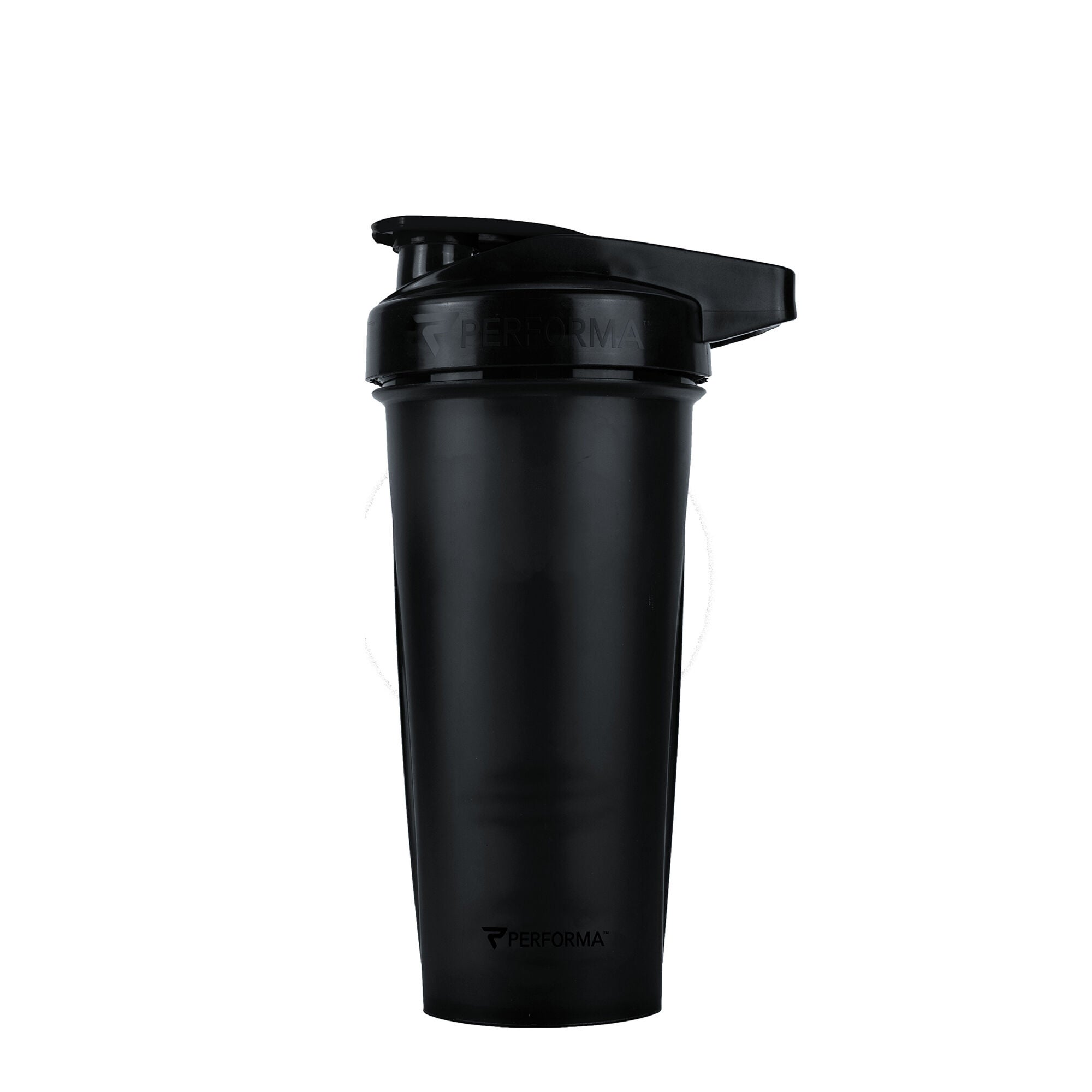


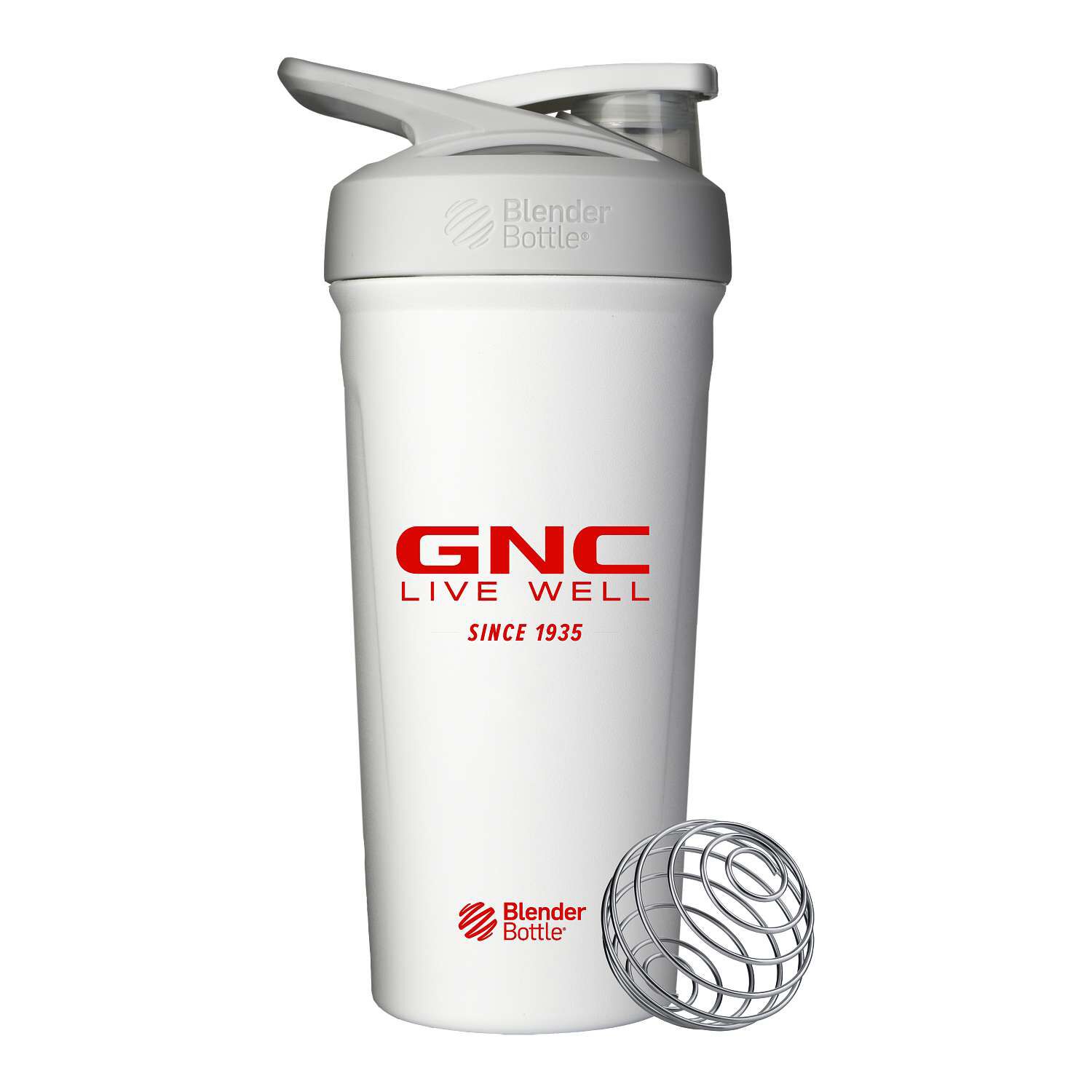


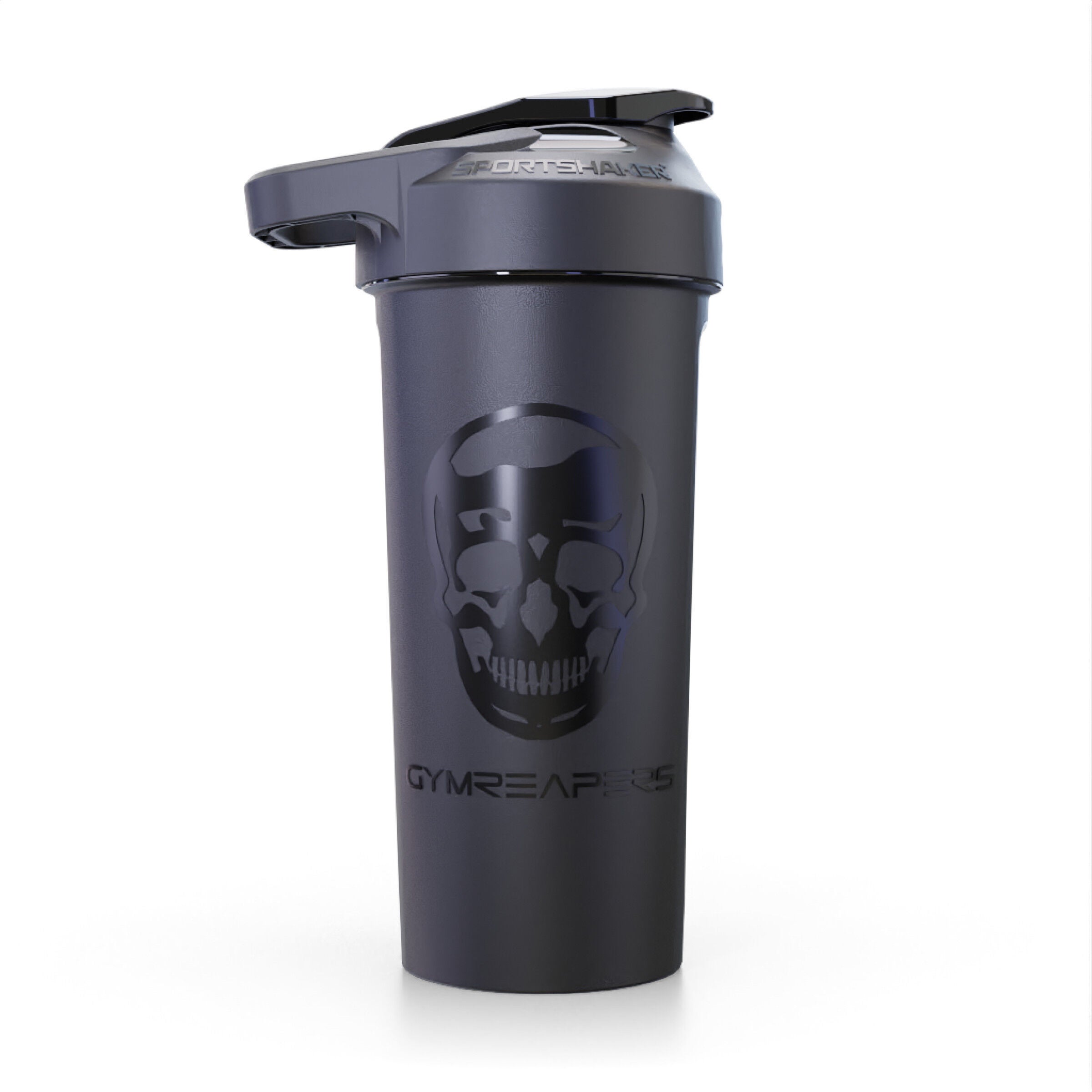


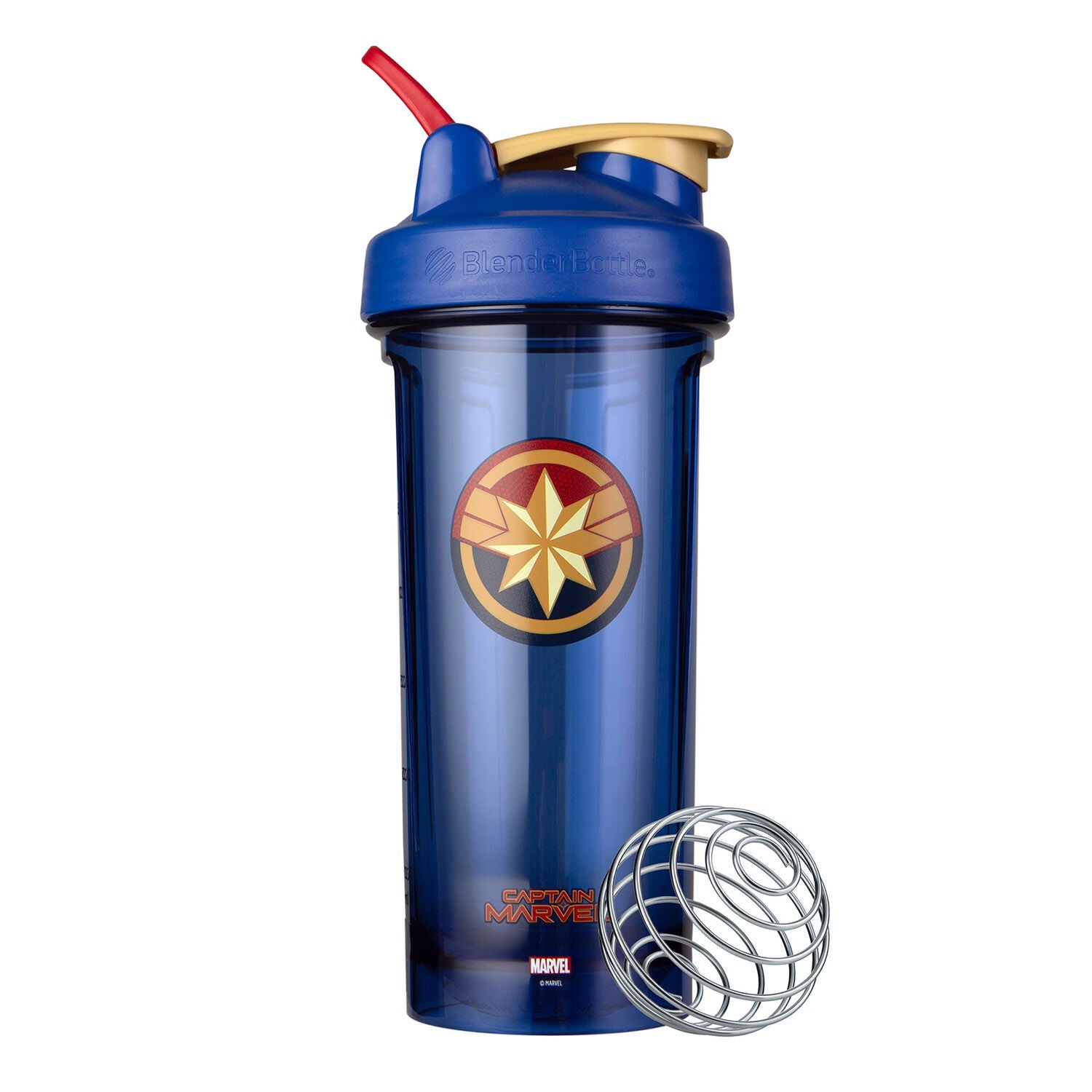
Health shakers are reusable bottles designed for preparing powdered drinks by combining ingredients with liquid inside a closable container. They are commonly associated with protein shakes, but their intended use can also include other powdered beverages, depending on the bottle’s design and the ingredient label. Unlike a standard water bottle, a shaker typically has a mixing component or an interior shape intended to move ingredients around as the bottle is shaken. Common designs include a removable whisk ball, a mesh insert beneath the lid, or a shaped interior without a separate mixing accessory. A whisk ball may help break up soft powder clumps as it travels through the liquid, while an insert may help disperse ingredients as the drink passes through its openings. Contoured interiors may encourage movement without an additional part to remove and wash. Texture can vary with the powder, the liquid, the proportions, and the amount of space left inside the bottle, so the mixing design is only one consideration. Liquid measurements, a readable side panel, and a wide opening are useful details to compare alongside the advertised capacity. A bottle filled to its upper edge leaves little room for ingredients to move; usable mixing space matters as much as the number of ounces printed on the packaging. For someone preparing a shake at a kitchen counter before heading to a workout, a broad mouth may make adding a scoop less awkward, and clear markings may make measuring the liquid more convenient. The drinking opening matters afterward, too: a smaller spout and a wider opening offer different sipping experiences. Standard shaker bottles are intended for compatible liquids and powdered ingredients, not for chopping fruit, crushing ice, or replacing a powered blender. The manufacturer’s directions establish which ingredients belong inside, including whether the bottle is suitable for anything beyond noncarbonated, cool liquids. Powder preparation directions remain relevant regardless of which mixing style a bottle uses.
Materials, construction, and care distinguish health shakers just as much as their mixing mechanisms. Plastic bottles often have a lighter feel, and transparent or translucent walls may make the contents and measurement markings easier to see. Stainless steel options have a different weight and finish, with some designs incorporating double-wall insulation that may help maintain a beverage’s temperature. Glass is another material used in reusable drinkware, although its weight and handling requirements deserve consideration for a bottle carried between a kitchen, office, and gym. Food-contact suitability and care information should come from the manufacturer’s labeling rather than assumptions based on a material’s appearance. The lid, drinking cap, gasket, and mixing accessory may use different materials from the main bottle, so each component can have its own cleaning requirements. Dishwasher suitability also varies: a bottle body marked for dishwasher use does not automatically mean every removable part belongs in the same cycle. A wide opening and accessible lid components may make routine washing easier, especially around threads, seals, and the underside of the drinking spout, where beverage residue can collect. Separating washable components according to the care directions and allowing them to dry before reassembly may help limit lingering odors. Rinsing soon after use may also make later cleaning less involved, particularly after drinks with thicker textures. For repeated use, durability involves more than the bottle wall. Thread alignment, hinge construction, seal condition, and the way a carrying loop attaches all deserve attention. A cap that closes neatly without forcing it, an opening that remains accessible for cleaning, and parts that fit together consistently are practical design details. Fit extends beyond the hand: a broad bottle may sit differently in a car cup holder, while a tall one may take up more room in a backpack’s side pocket. Dimensions are worth comparing with the places the bottle will actually travel. A bottle meant mainly for a desk has different carrying demands from one packed beside shoes and clothing in a gym bag.
Everyday routines give these details their context. Someone who mixes a drink at home and carries it to an exercise class may value a simple bottle with few removable parts. A commuter who prepares a beverage later in the day may prefer a design with separate storage for dry powder, provided the compartments are intended for that purpose and remain separate from the liquid chamber. Students moving between classes, recreational athletes heading to practice, and people keeping drinkware at work may all use shaker bottles, but their priorities can differ. A carrying loop may make handling more convenient when hands are occupied, while a textured grip may feel easier to hold than a smooth exterior. A covered drinking spout may be useful for keeping the contact surface tucked away inside a bag, though the lid still needs to be closed as directed. Bottles with extra compartments introduce additional pieces to wash and keep track of; a simpler design may suit someone who prefers a straightforward preparation and cleanup routine. Details such as bottle dimensions, lid design, and accessible cleaning surfaces are also useful when exploring Health Conscious Shaker Bottles for daily use. For gifting, a shaker can suit a training partner, a college student, or someone who regularly prepares powdered drinks, especially when its size and style match habits they already have. A recipient who carries a small shoulder bag may appreciate a compact shape, while someone who measures larger servings may prefer more mixing room. Color and finish can reflect personal taste, but comfortable handling and manageable care are equally relevant. The most suitable health shaker is not necessarily the one with the greatest number of attachments. Its design should align with the beverages it is intended to hold, the space it occupies, and the cleaning routine its owner can maintain. Those ordinary details may help a reusable bottle become a practical part of everyday drink preparation.