





Daily Health Powders
(0 Results)
Discover the potential benefits of daily health powders, an innovative way to support your wellness journey. These versatile powders could be a convenient addition to your routine, offering a blend of vitamins, minerals, and other nutrients that might help maintain overall health. Whether you're looking to support energy, focus, or immune function, daily health powders provide a flexible option that can easily fit into your lifestyle. Mix them into smoothies, juices, or simply water to explore how they might contribute to your daily nutritional needs.
-

-

-
-
-
-
-
-
-
-
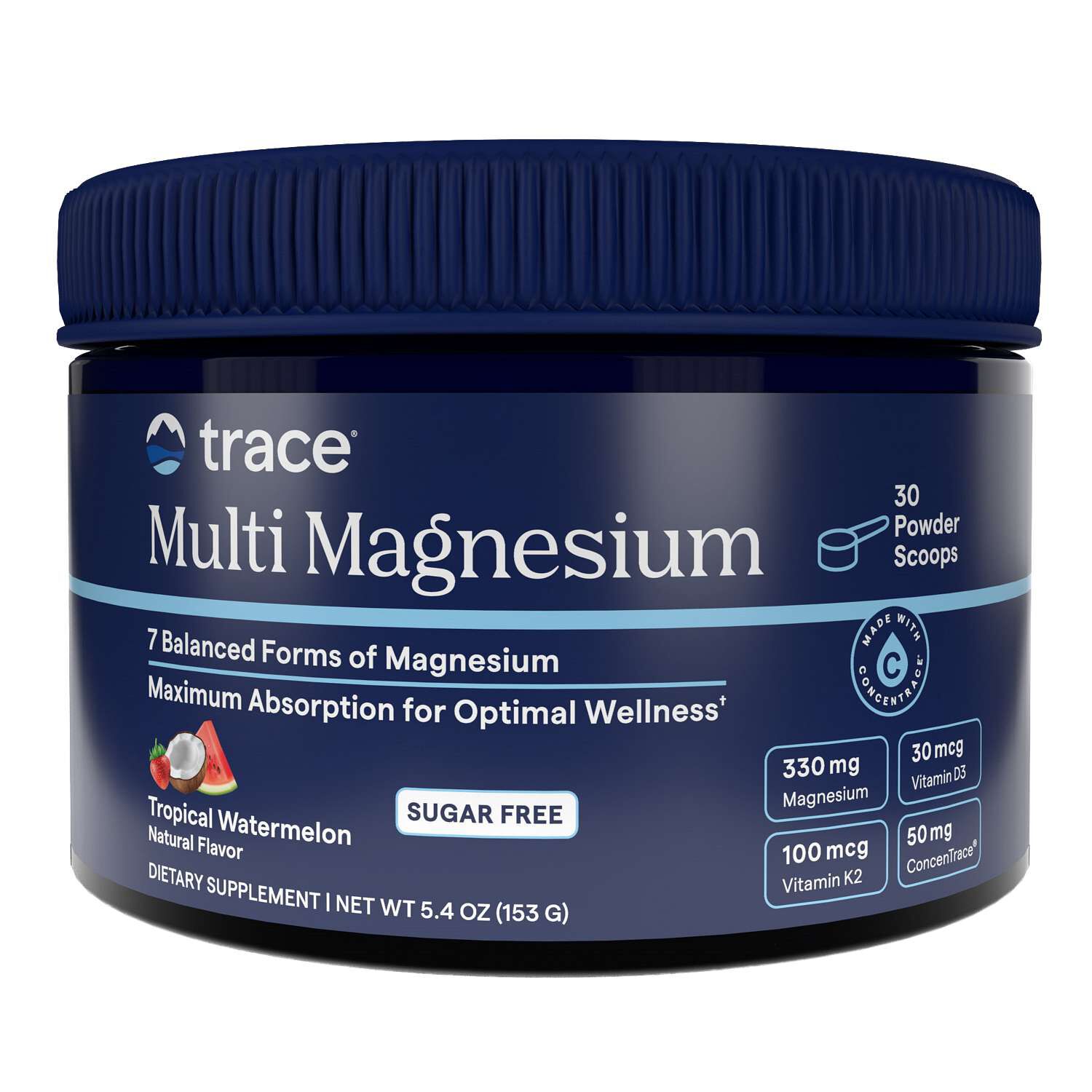 Trace Minerals$29.99
-
-
 4$59.99
-
-
-
-
-
-
-

-

-
-
 4$59.99
-


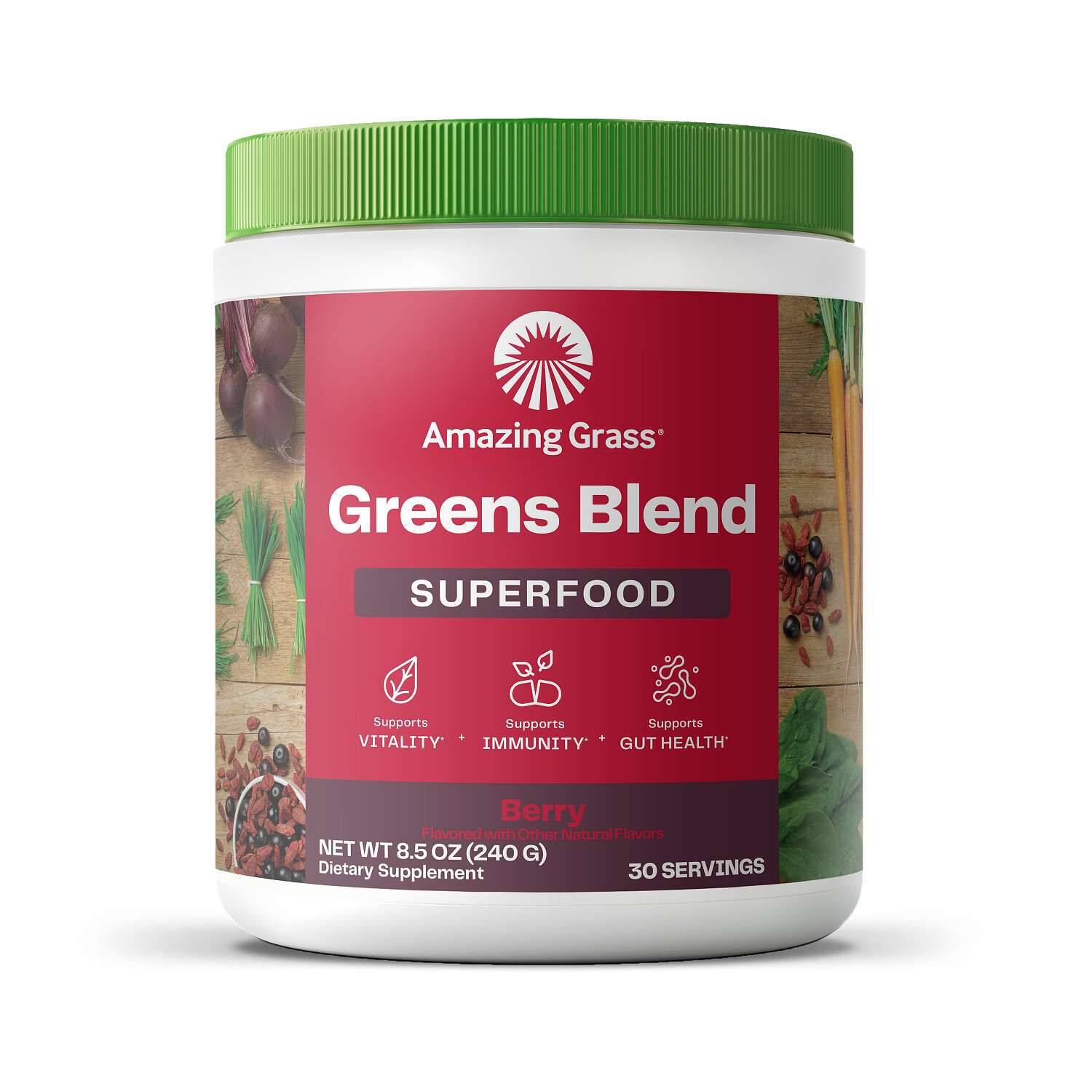
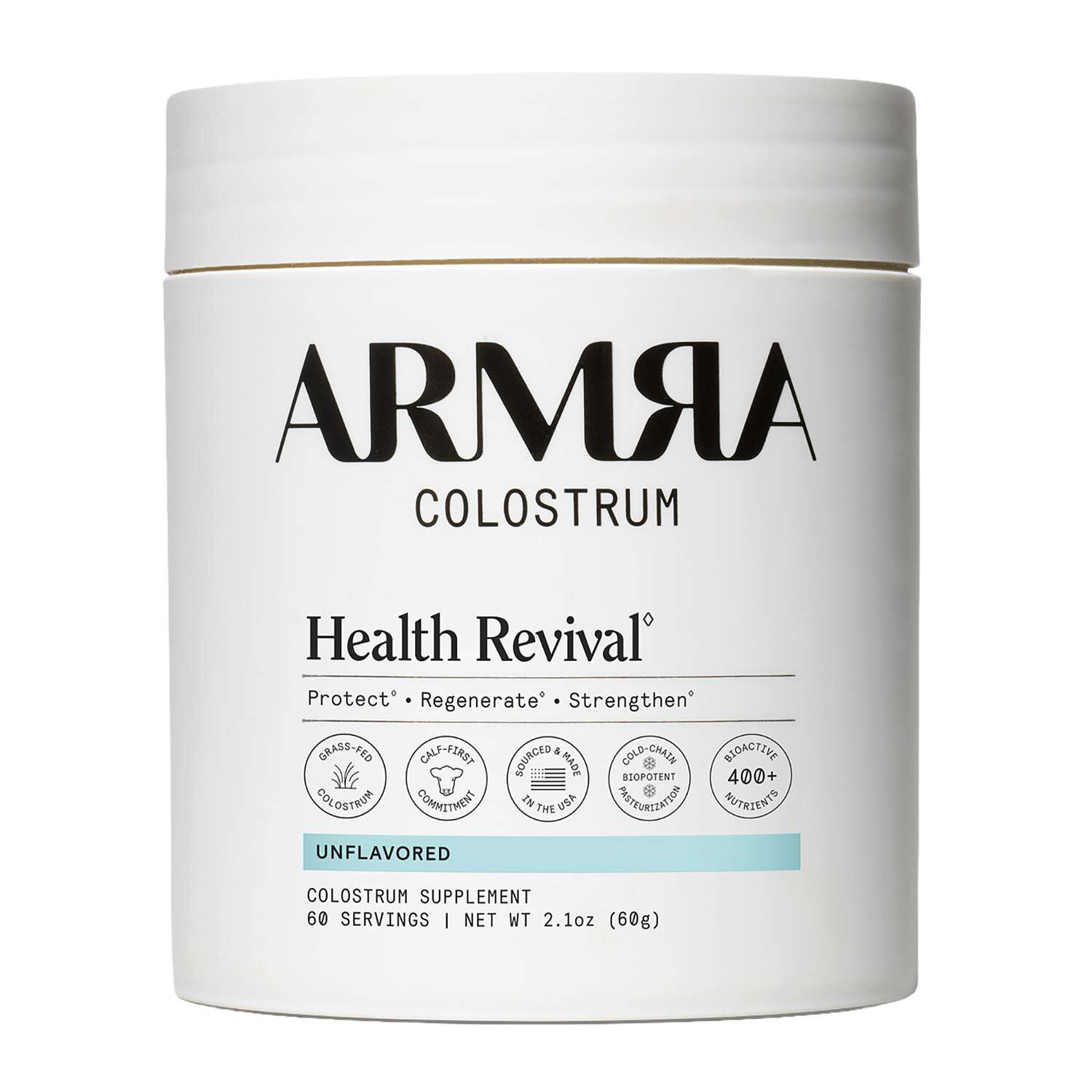
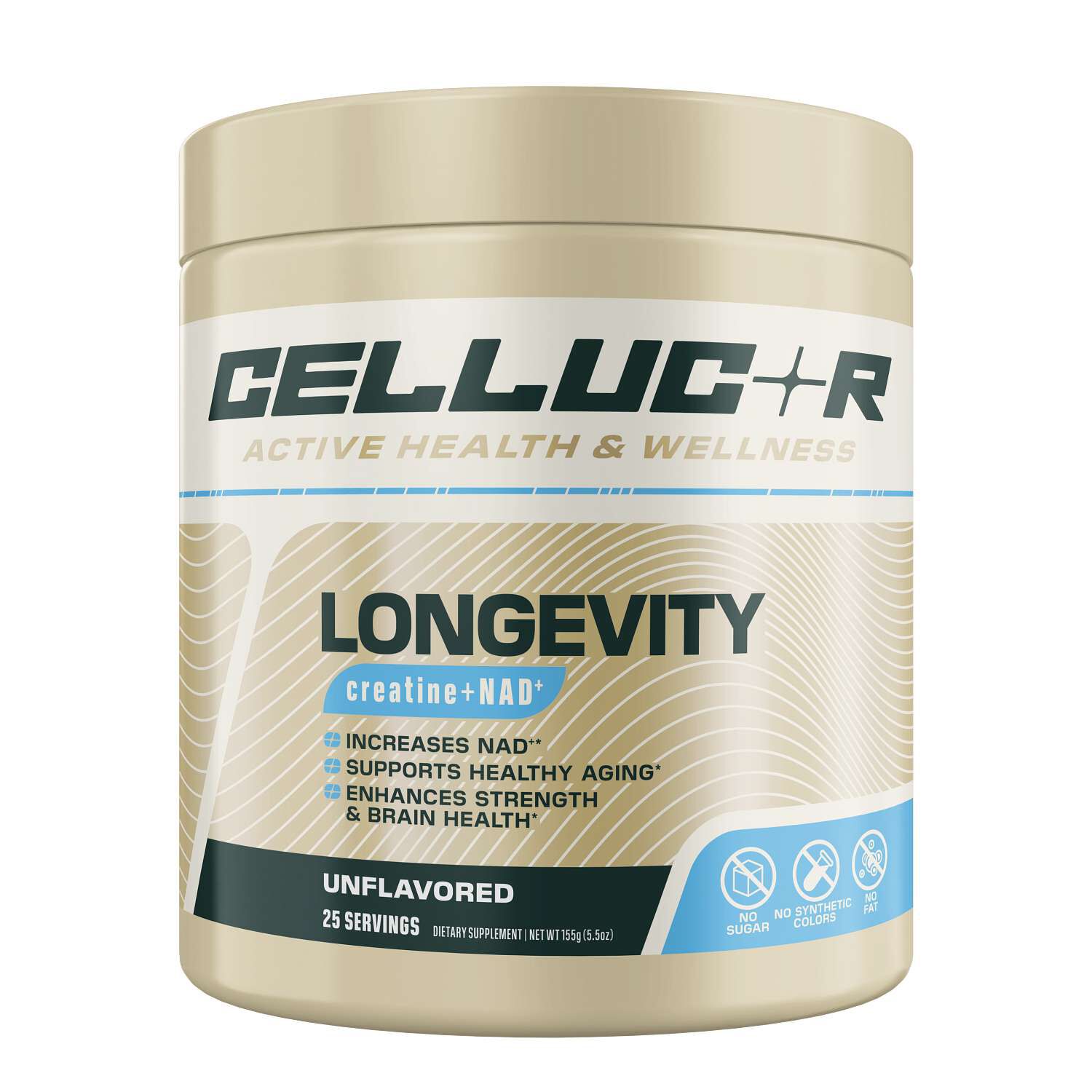
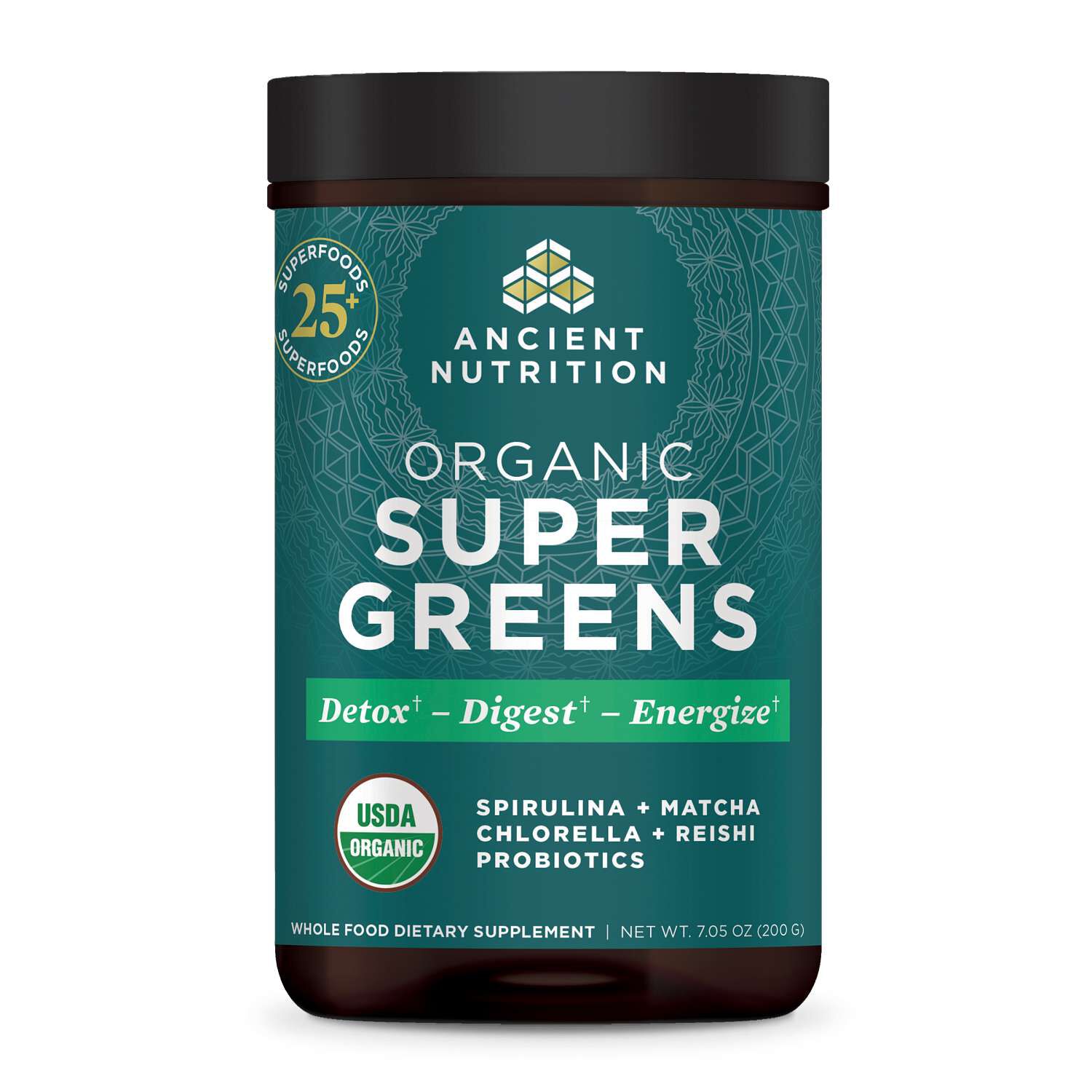
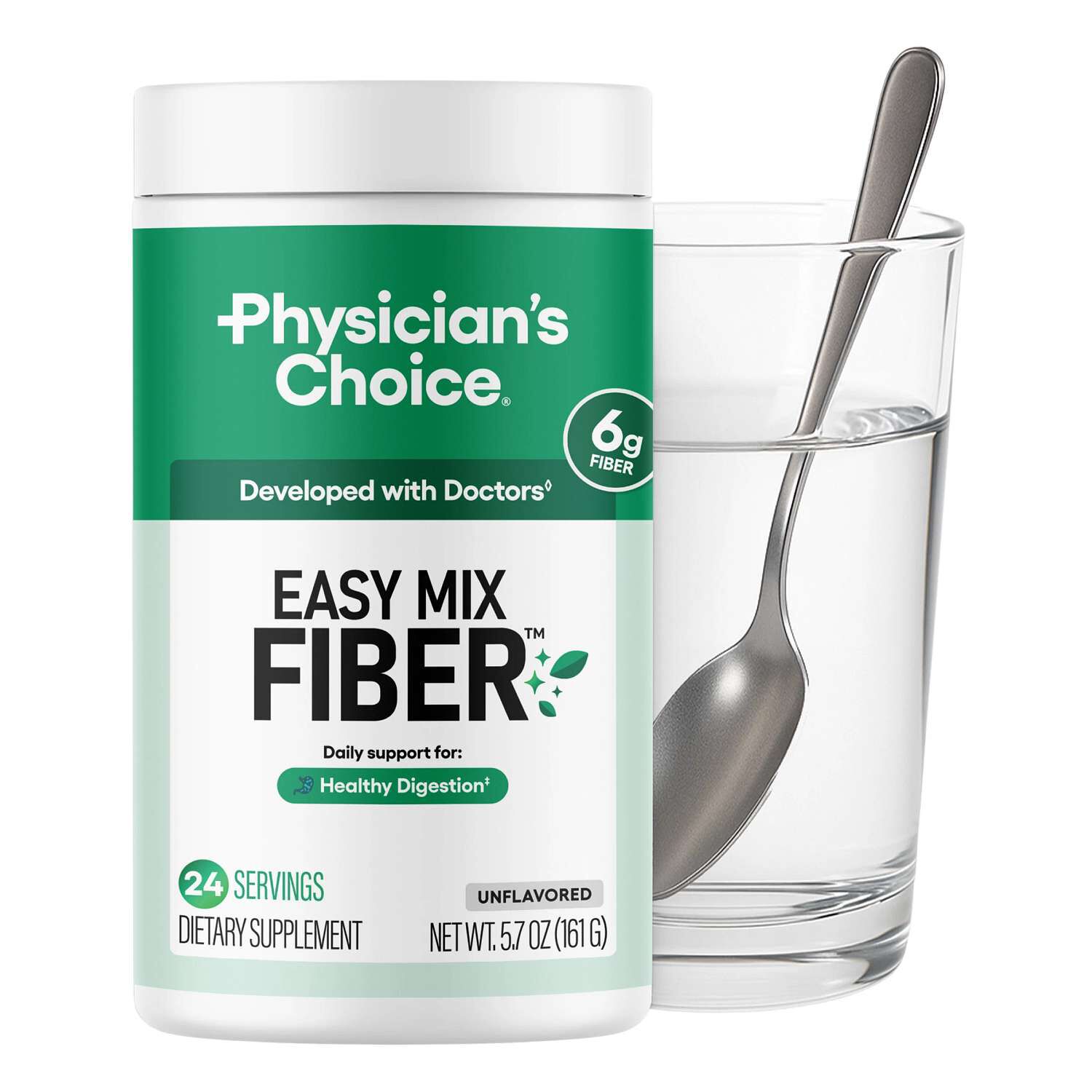
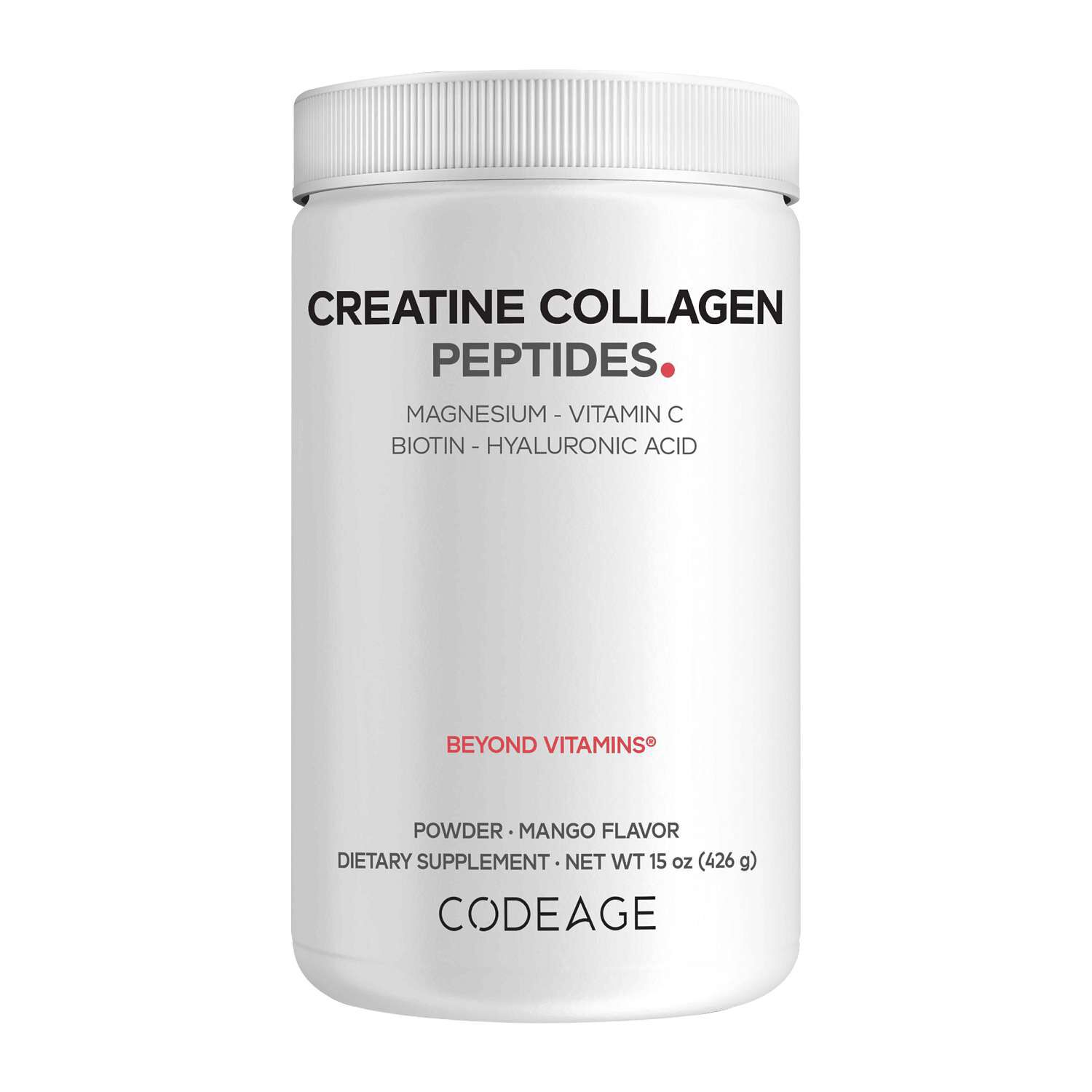
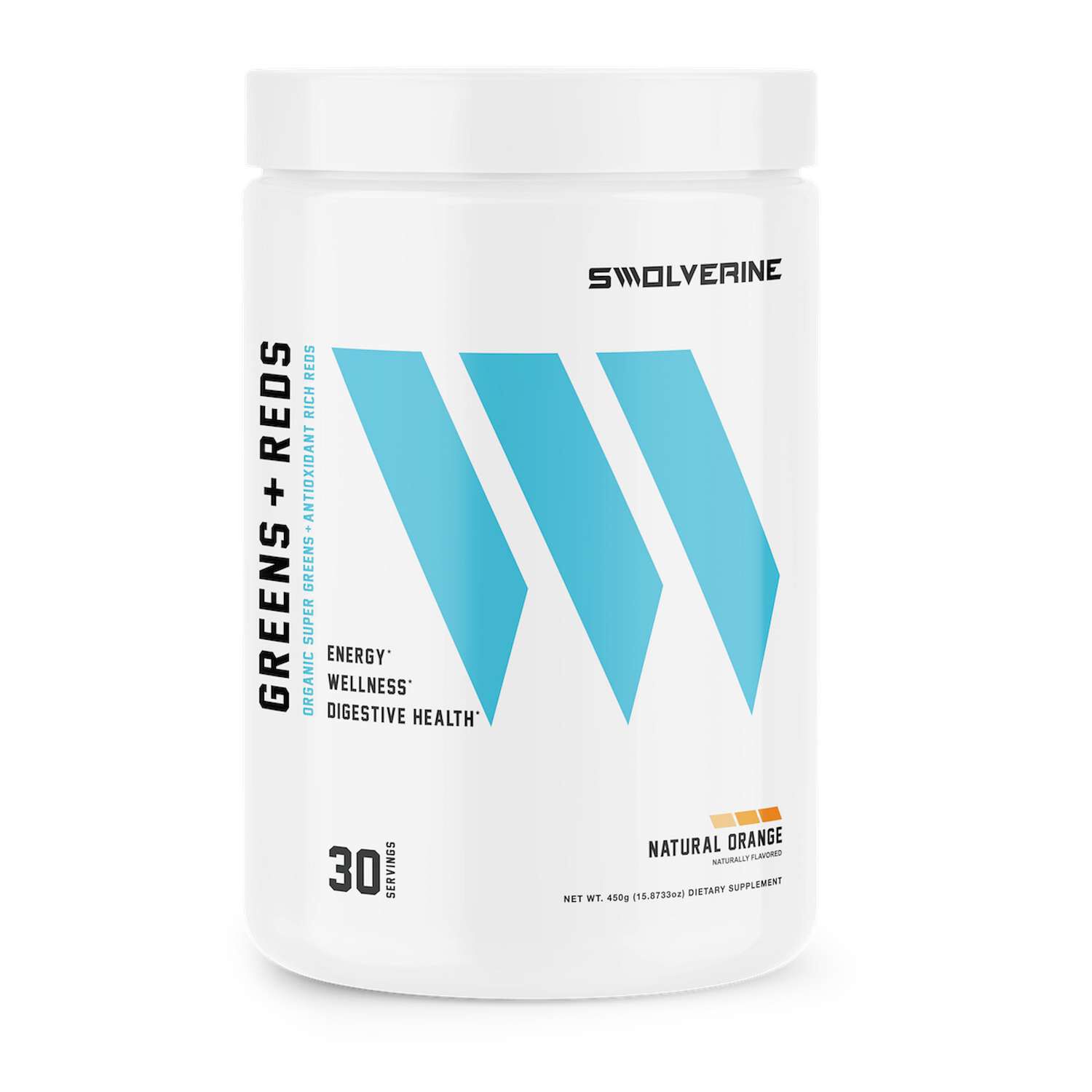
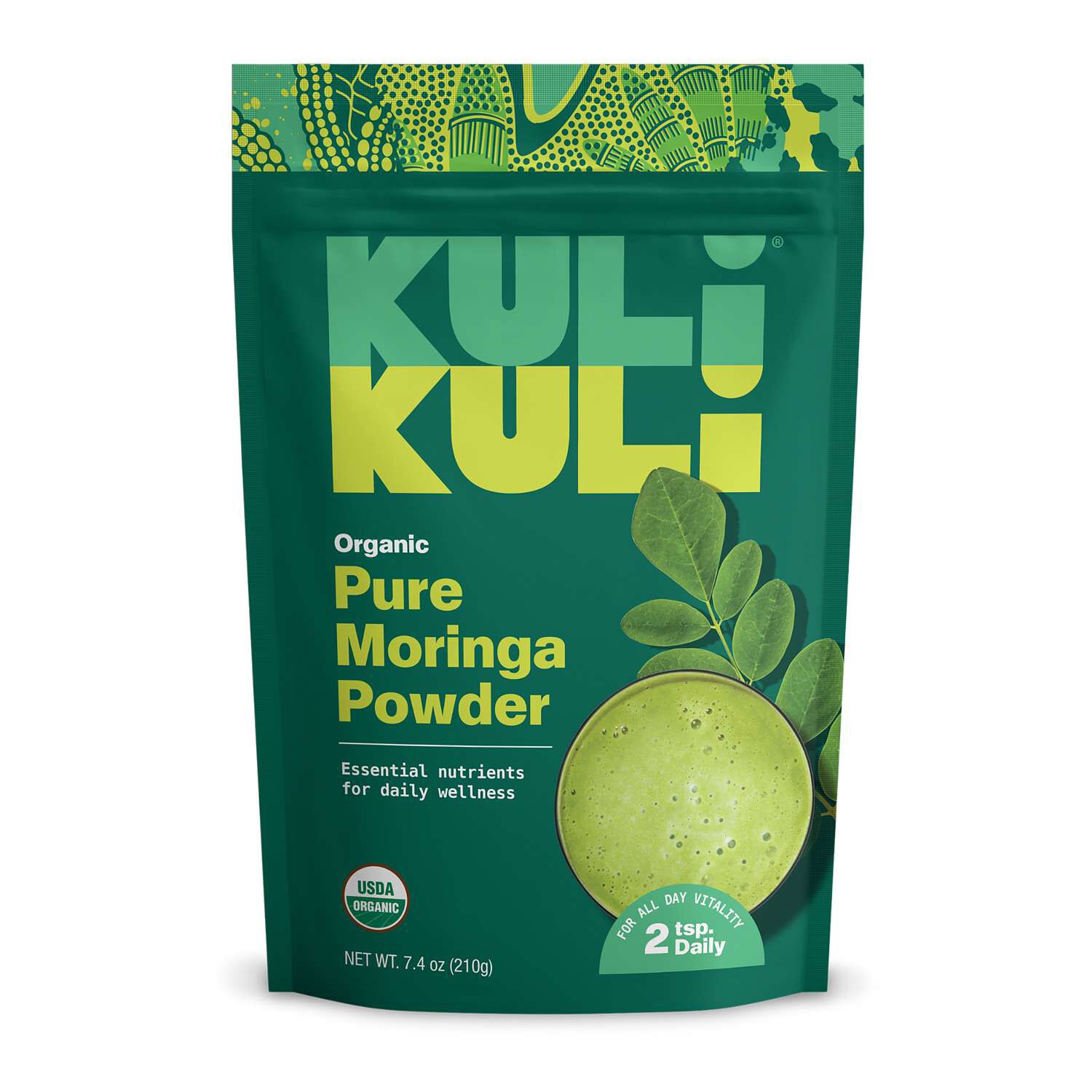
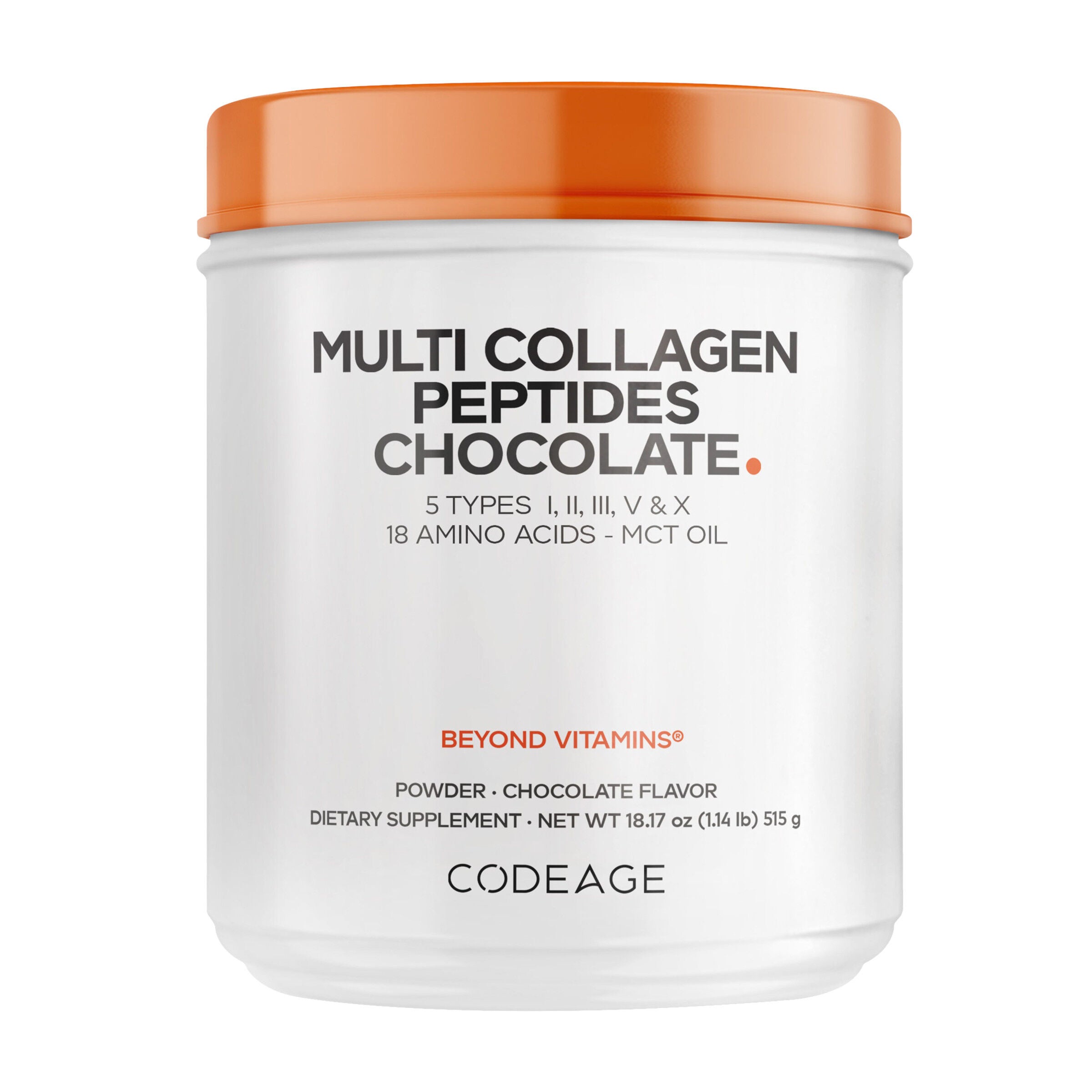
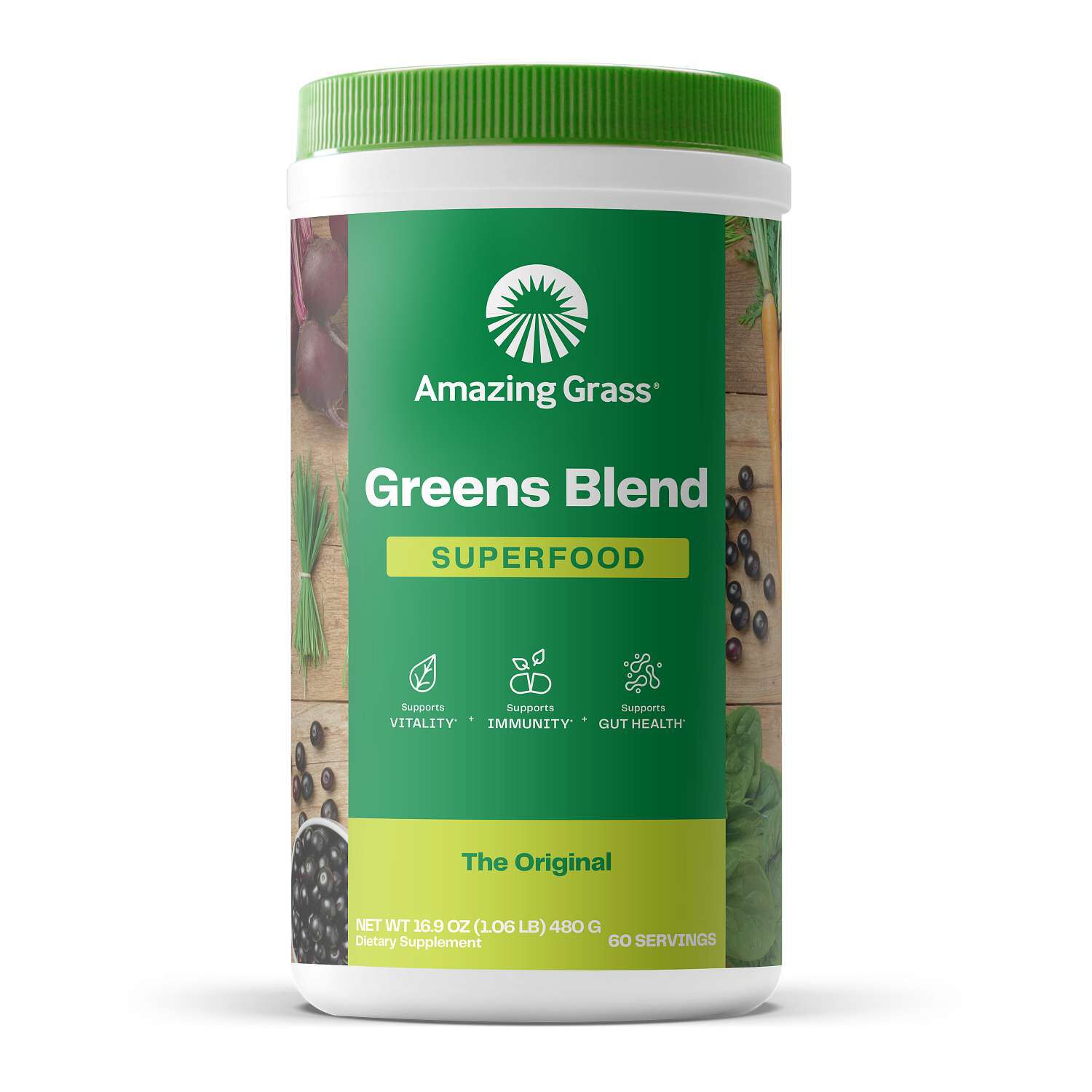
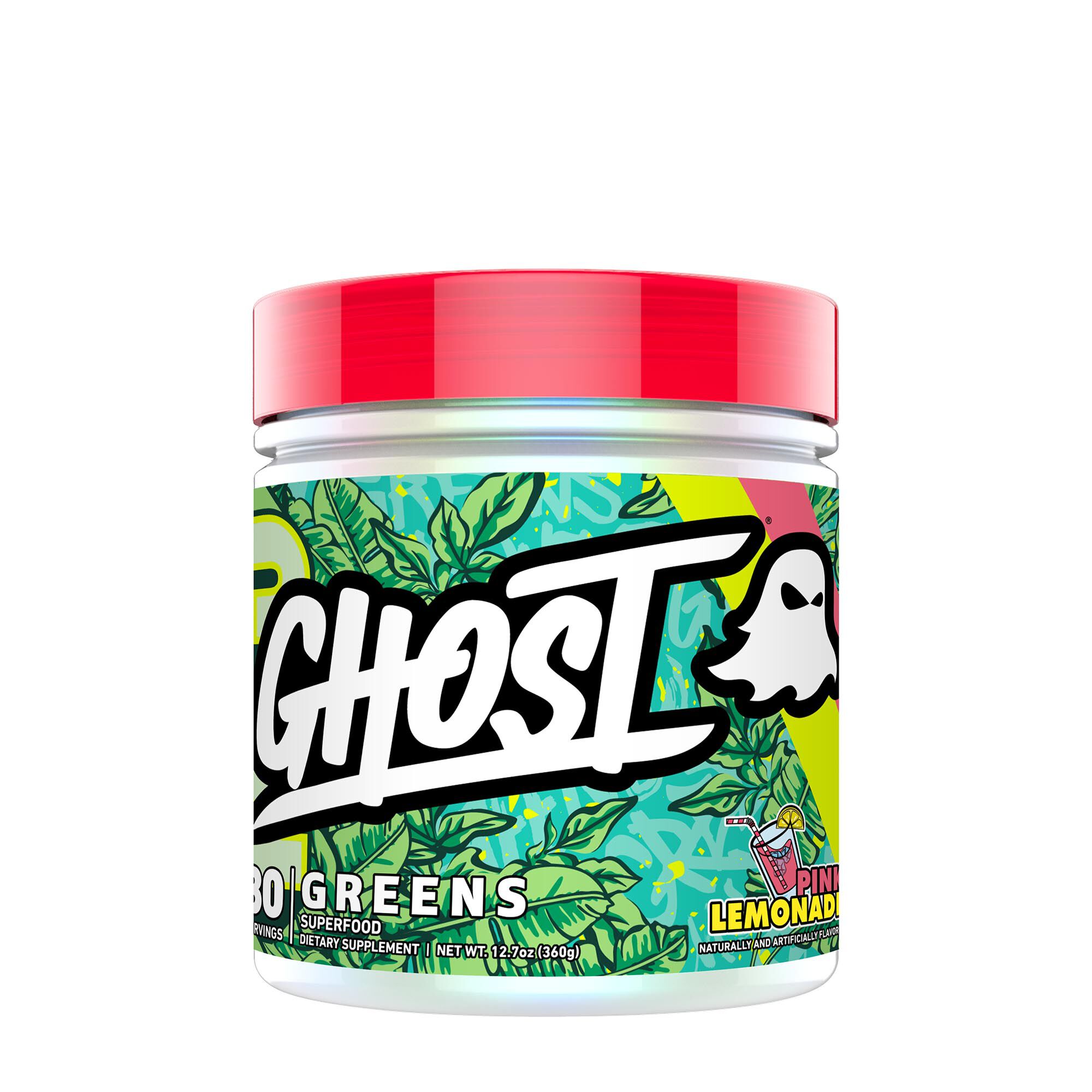
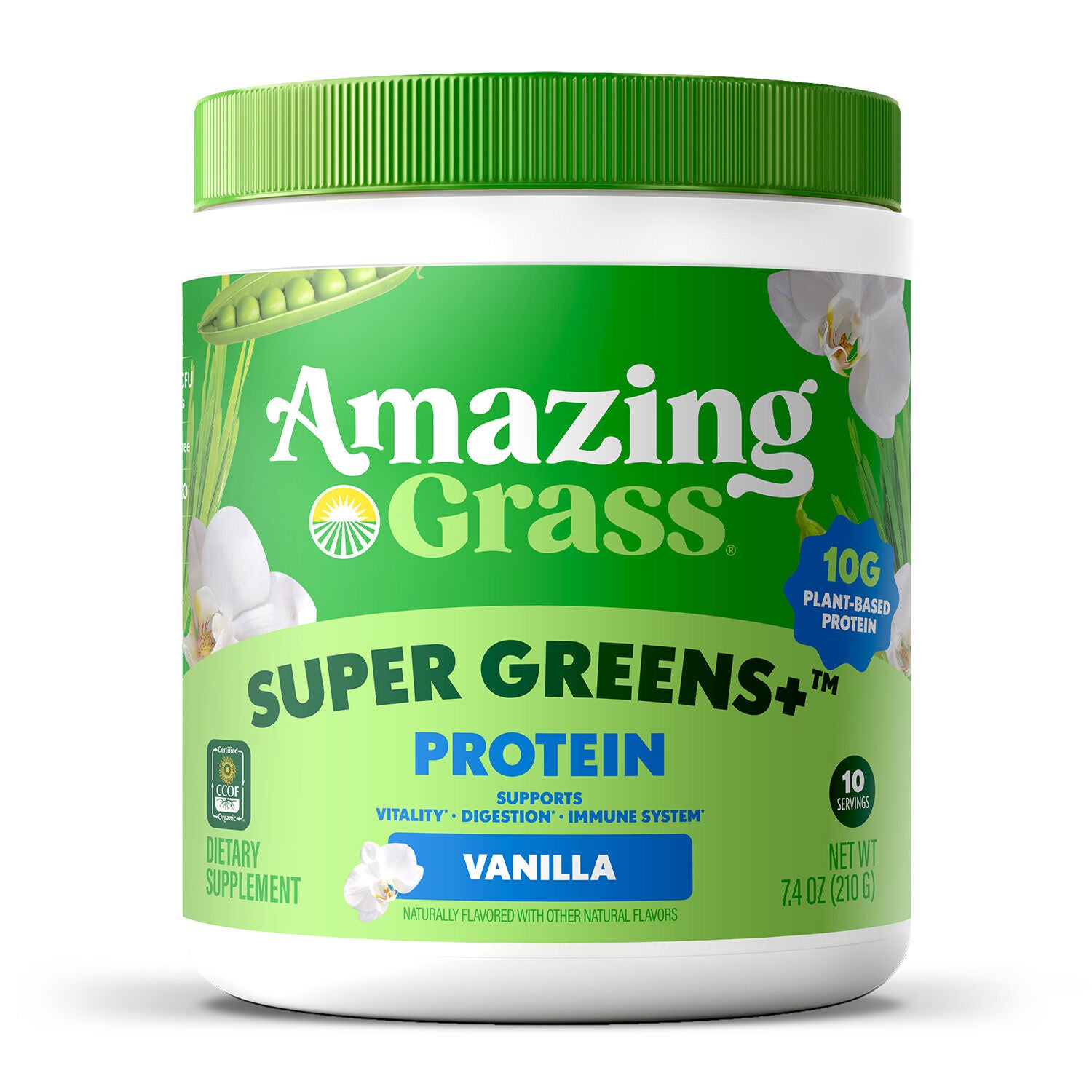
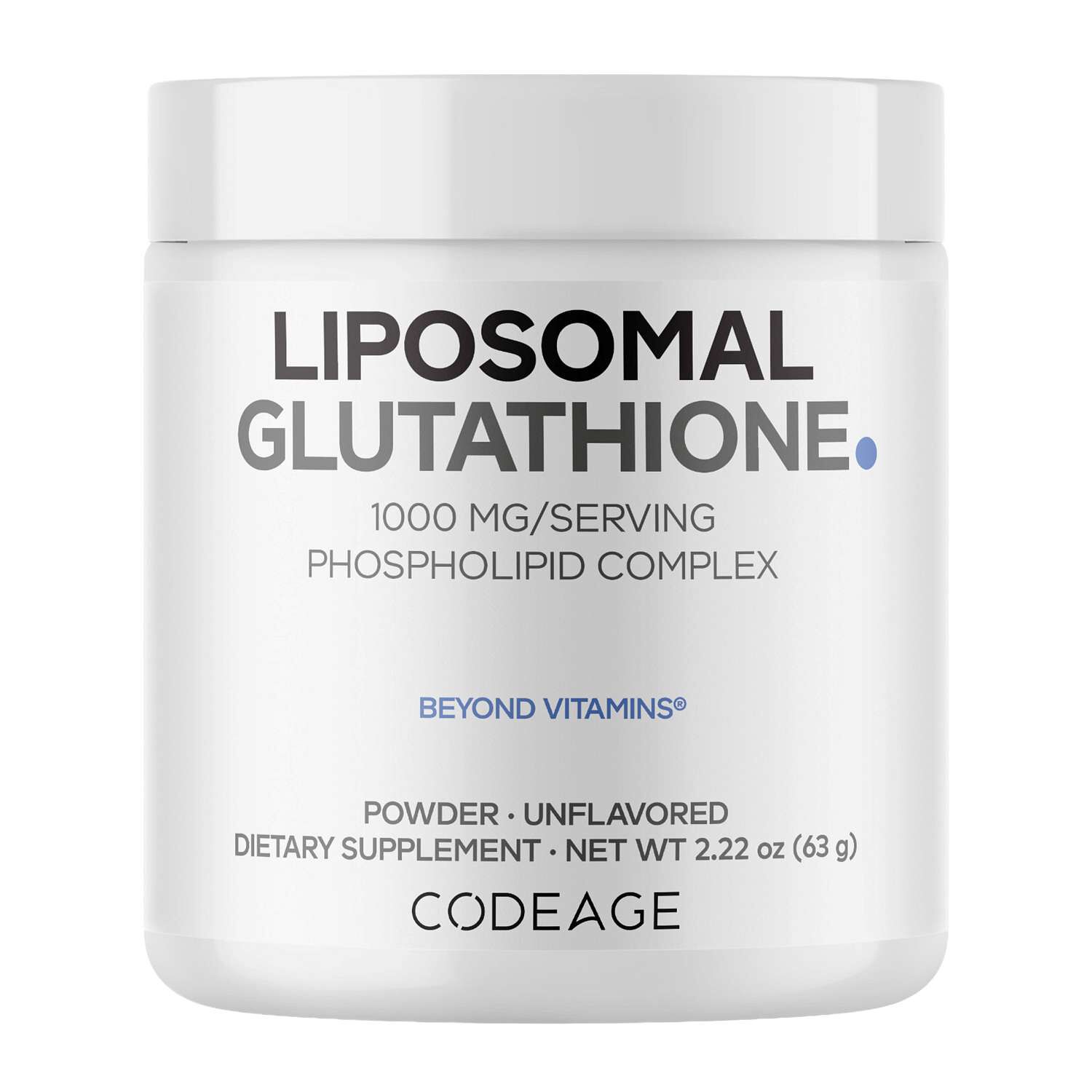
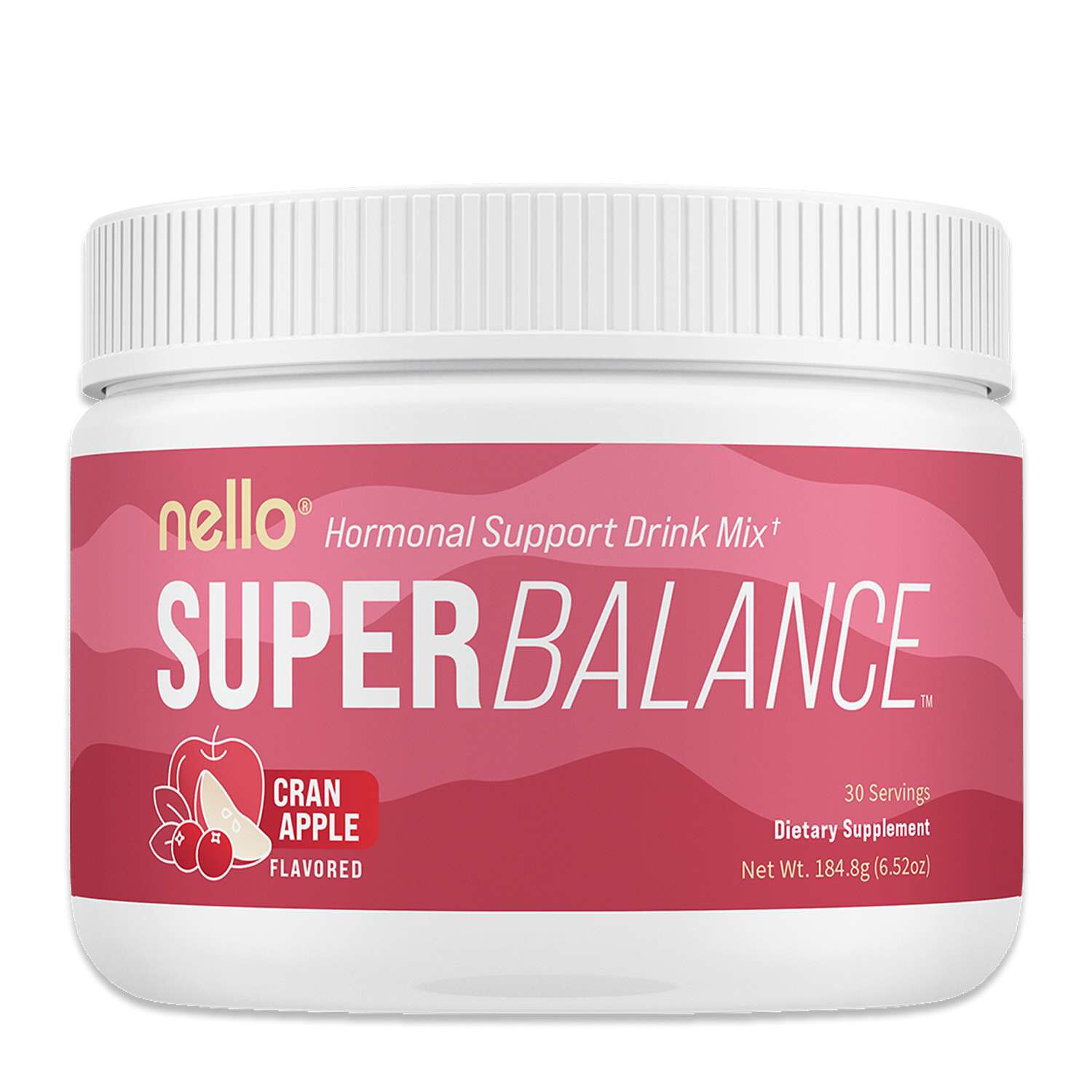
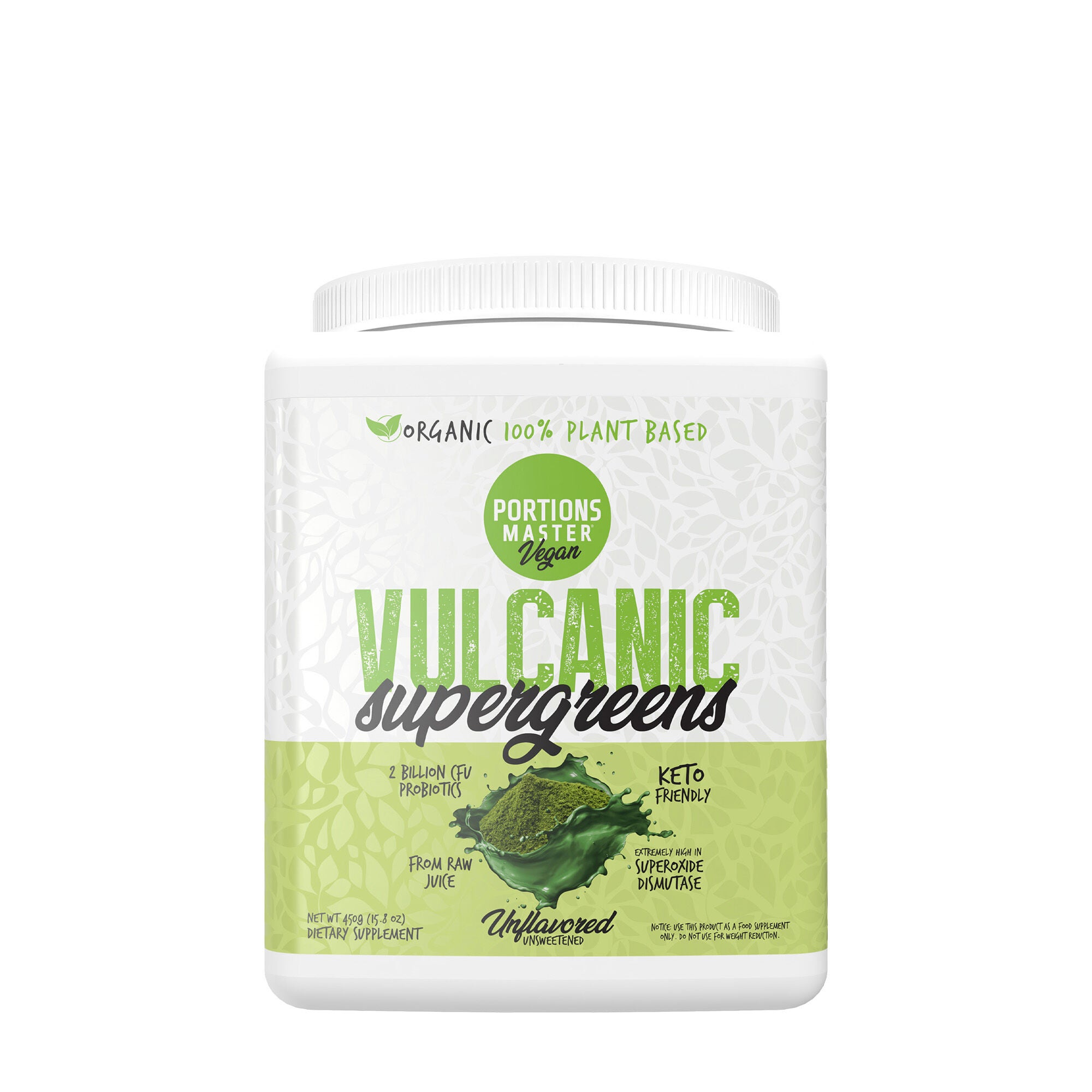
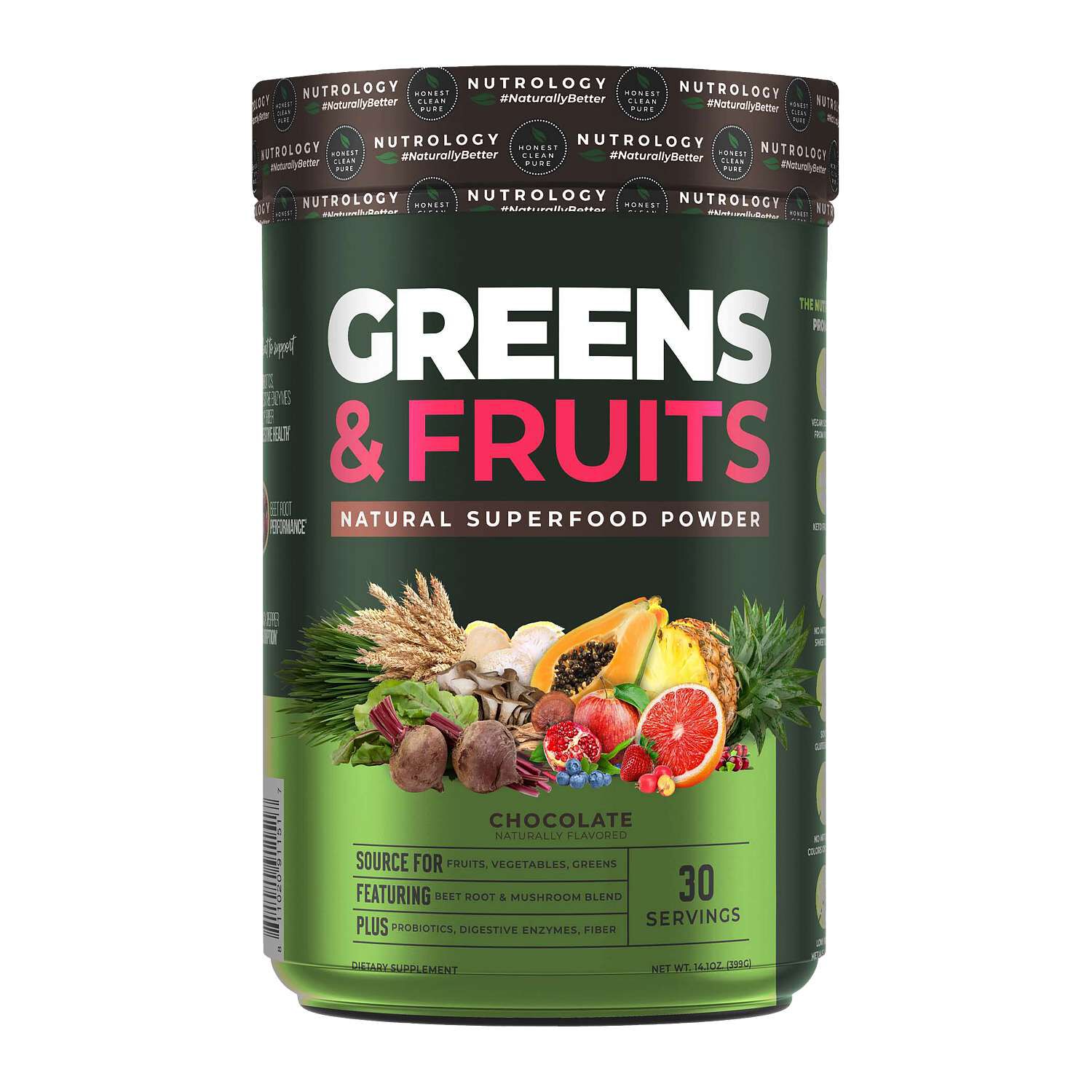
Daily health powders are powdered dietary supplements designed to mix into beverages or foods as part of an everyday nutrition routine. The category includes greens powders, fruit and vegetable blends, and formulas featuring selected vitamins, minerals, fiber, or other ingredients. Depending on the formulation, a blend might contain dried leafy vegetables, grasses, berries, algae such as spirulina or chlorella, or a combination of plant ingredients. Some powders also list prebiotic ingredients, live microbial cultures, or digestive enzymes. These ingredients are not interchangeable, and the presence of several ingredient types does not establish how much of each is included in a serving. The Supplement Facts panel and ingredient list provide a more useful picture than a description on the front of the container alone. They show serving size, declared nutrient amounts, and the ingredients used to create the blend, including flavors and sweeteners. Daily health powders may offer a convenient way to add selected nutrients to a routine, but they are intended to complement a varied diet rather than replace whole fruits, vegetables, or regular meals. A scoop of greens powder is not nutritionally identical to a bowl of leafy vegetables, and a fruit-based powder is not the same as a serving of whole fruit. Fiber content depends on the ingredients, processing methods, and serving size; a long list of vegetables does not necessarily mean a powder contains a substantial amount of dietary fiber. For adults comparing everyday options, the most meaningful distinctions are often the formula’s contents, the amount in a labeled serving, and how the powder fits into familiar meals and drinks. Someone who already enjoys a morning smoothie might prefer a plant blend that works alongside yogurt and berries, while someone with a simpler breakfast routine might prefer a powder intended for mixing with water. The best fit is personal and practical, with attention to the label rather than assumptions based on the color of the powder or the number of plants named on the package.
Flavor, texture, and preparation are important parts of choosing daily health powders because the format becomes part of a familiar eating or drinking routine. Greens-based formulas often have grassy or earthy flavor notes, while fruit ingredients and added flavorings may give a blend a berry, citrus, or tropical character. An unflavored powder can still have a noticeable taste from its underlying ingredients; unflavored does not mean tasteless. Sweetened blends also vary, with some using sugar and others using ingredients such as stevia or monk fruit. Those differences matter to someone who prefers a lightly flavored drink rather than a sweeter smoothie. A powder stirred into a small glass of water may taste more concentrated than the same labeled serving mixed into a larger smoothie, although preparation should follow the directions for the formula. Texture varies as well. Some blends disperse readily, while others leave fine particles, develop foam after shaking, or settle between sips. A shaker bottle may suit a drink prepared before leaving home, while a blender may suit a thicker mixture made with fruit, yogurt, or a preferred milk alternative. The liquid, serving size, and mixing method all contribute to the finished texture. For a desk-based routine, preparation instructions can help distinguish a blend suited to a quick stir from one that calls for more thorough mixing. For someone who eats breakfast on the go, a securely closed container and a drink prepared according to the label may be more practical than carrying an opened tub. Ingredient preferences matter just as much as preparation. Plant-based powders can contain milk-derived ingredients or other components that do not match a particular eating pattern, and fruit or vegetable imagery does not establish suitability for everyone. Allergen statements, dietary certifications, added sweeteners, and any listed caffeine deserve attention when comparing formulas. Labeled serving sizes also differ, so the scoop from one container should not be treated as a substitute for the scoop supplied with another. These details distinguish powders that look similar but have different intended uses and preparation requirements.
Packaging, storage, and label transparency round out the comparison of daily health powders. Tubs, resealable pouches, and individual serving packets offer different formats for everyday use. A tub might suit a kitchen counter routine, a pouch might fit more easily into a cupboard, and a sealed packet might suit someone who wants to carry a measured portion to an office or on a trip. The container’s serving count is useful alongside the serving size, since a larger package does not necessarily represent more servings. Powders also need appropriate care after opening. The storage directions identify whether the formula belongs in a cupboard or requires other conditions, and the closure helps limit exposure to moisture when secured as directed. A dry scoop and a properly closed package may help reduce moisture-related clumping. Powders containing live cultures sometimes have additional storage instructions, making the label especially relevant to where the container will be kept. Printed date information provides another reference, particularly for someone who rotates among several nutrition products rather than using the same powder every day. Label transparency extends beyond storage to the way ingredients and testing are described. A formula may list individual ingredient amounts or present some ingredients within a blend, and those formats provide different amounts of detail. Where third-party testing or certification is shown, the program’s stated scope matters: testing for selected contaminants, verifying ingredient identity, and reviewing manufacturing practices are different activities. A certification should be understood in the context of what it evaluates, rather than treated as evidence of a particular personal outcome. The broader Wellness Powders category provides context for comparing other powdered supplement formats alongside greens and plant-based blends. Across these options, a sensible match comes down to clear ingredient information, an appropriate labeled serving, manageable preparation, and a flavor that fits the intended beverage or food. Daily health powders may suit adults who prefer a mixable supplement format, whether that means a simple drink alongside breakfast or a measured addition to a familiar smoothie. Their role remains an addition to an established eating routine, with the formula, preparation directions, and storage requirements guiding everyday use.
Best Sellers
-
Ancient Nutrition
-
Amazing Grass



Top Collections
- Daily Collagen Supplements | Top Brands & Deals | GNC
- Natural Collagen Supplements | Top Brands & Deals | GNC
- Top Rated Collagen | Shop Customer Favorites | GNC
- Cortisol Supplements
- Vitamins For Hair Loss
- Spirulina Tablets
- NAD+ Supplement Tablets
- Peptide Supplements
- Best Brand of Magnesium Glycinate
- Vitamins That Help Support Weight Gain