Wellness Powders
(0 Results)
Wellness powders offer a convenient way to support your daily routine with a variety of blends designed for different lifestyles and goals. Whether you’re looking to add an extra step to your morning smoothie or mix something into your favorite beverage, wellness powders may fit seamlessly into your day. Explore a wide range of options that could help you personalize your approach to well-being and discover new ways to prioritize self-care.


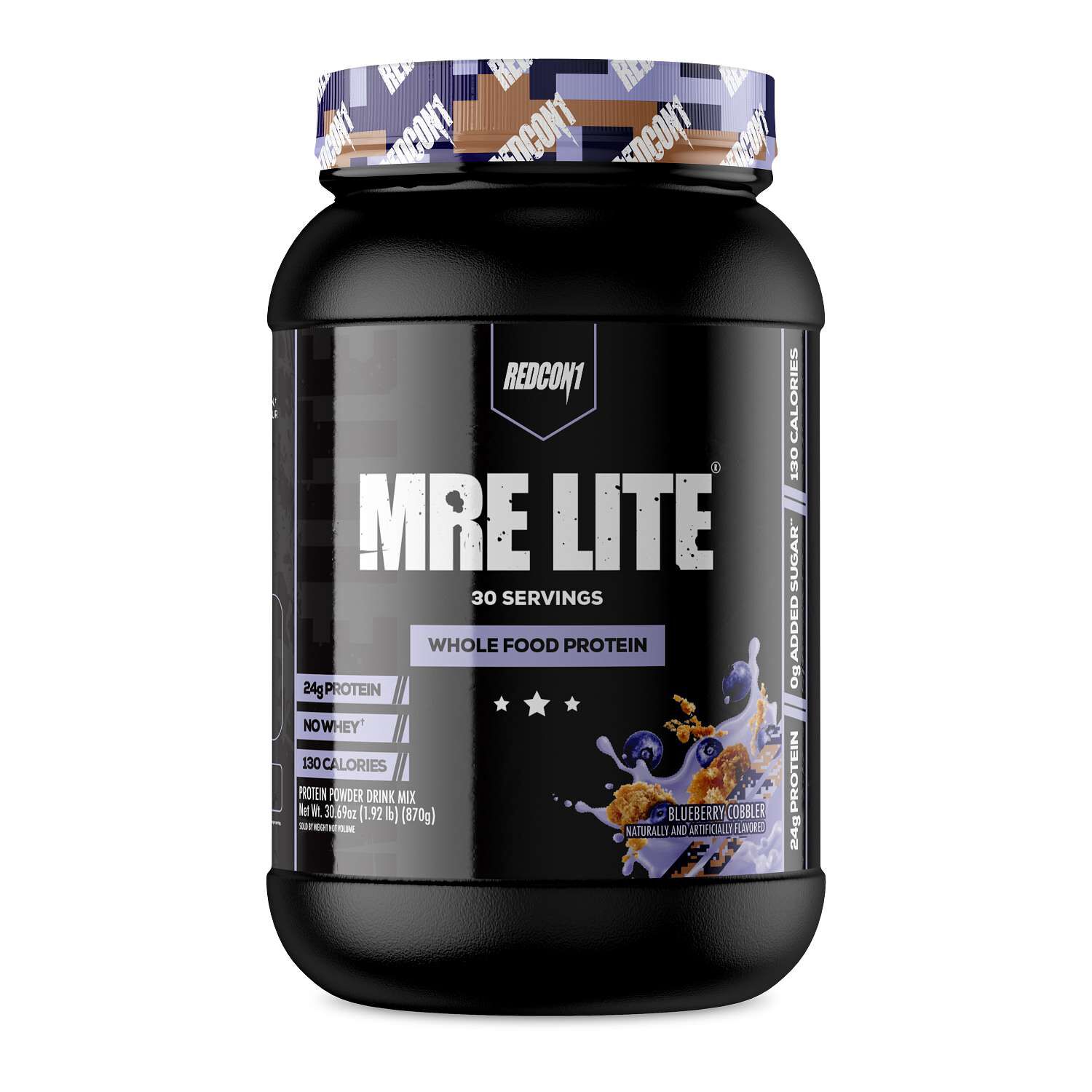
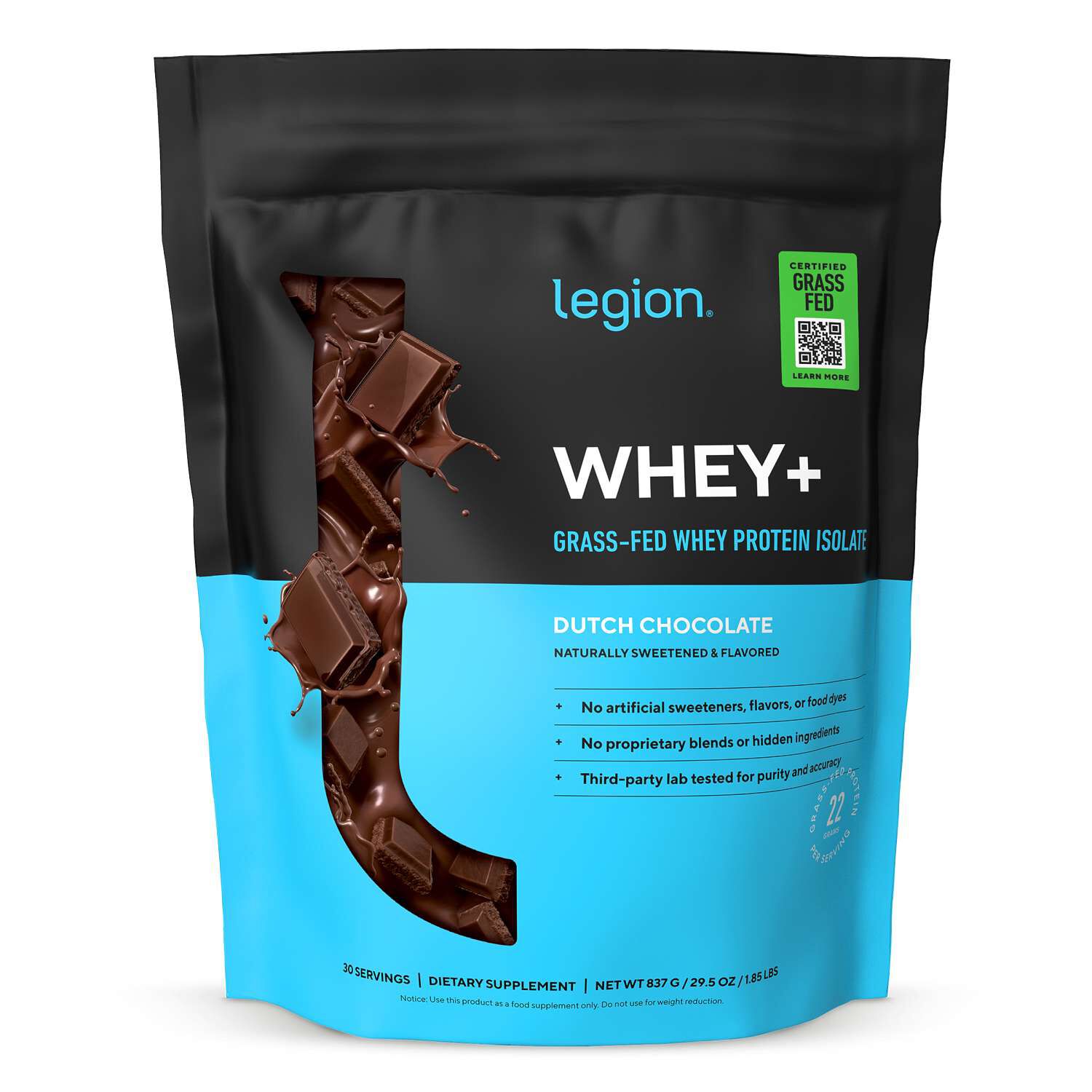


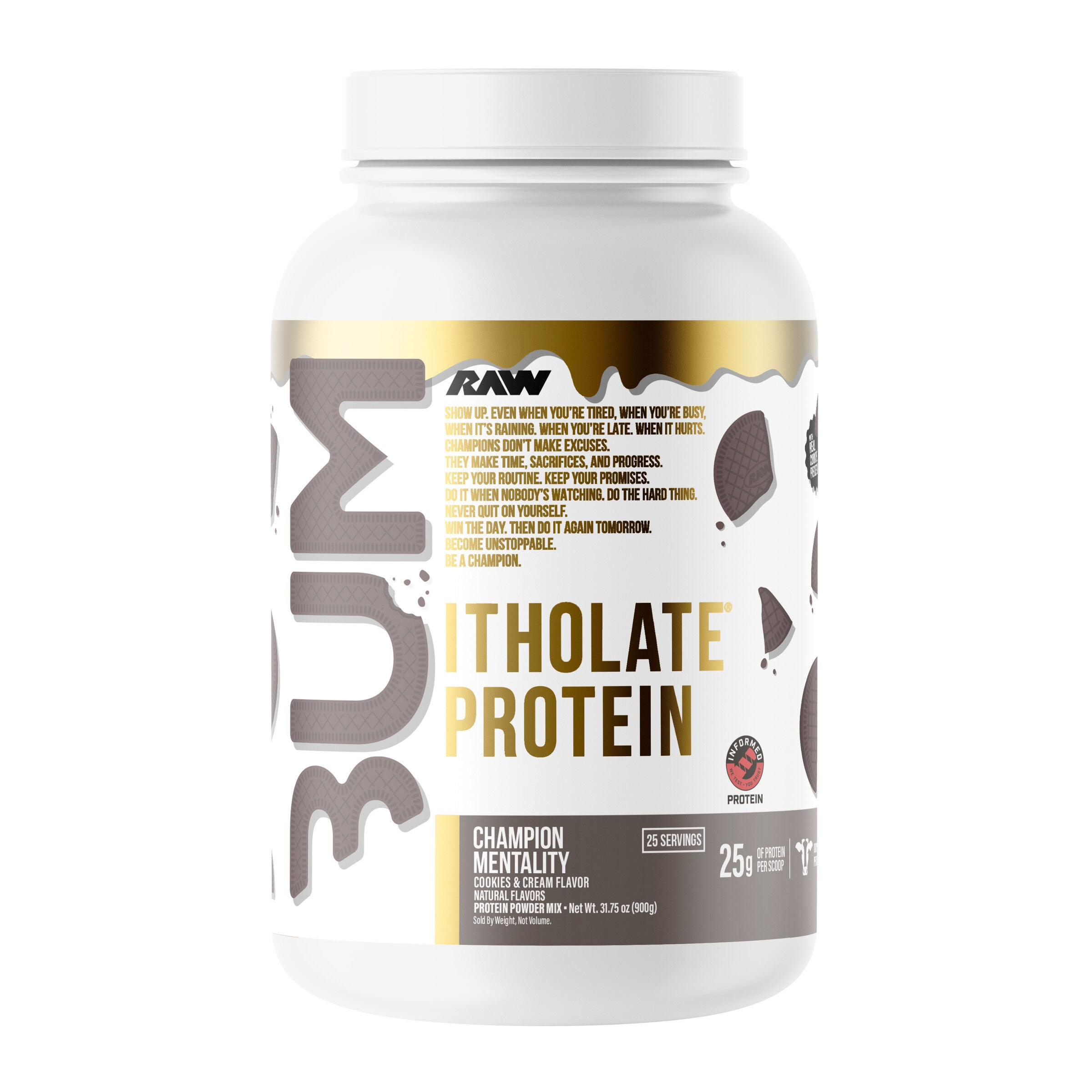


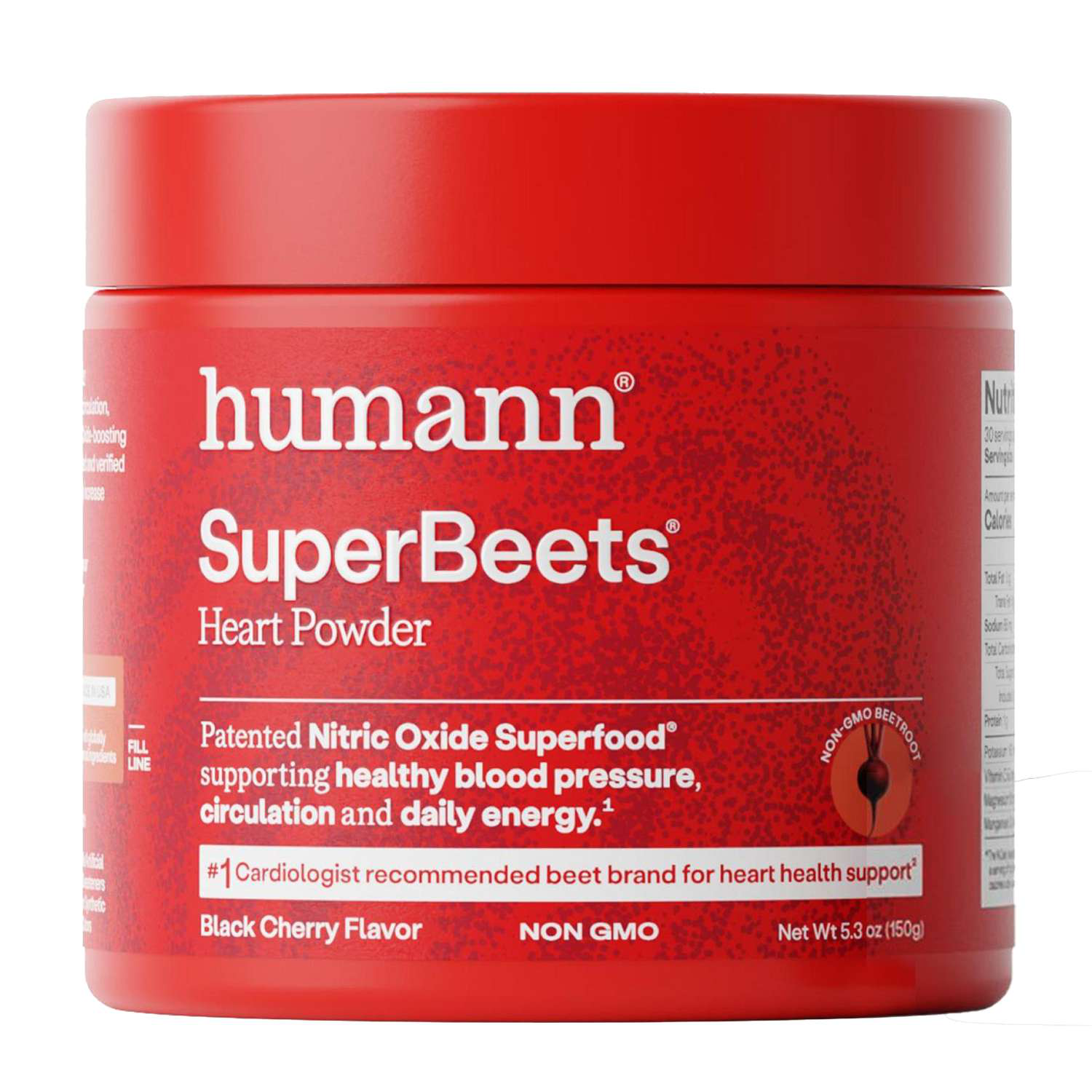


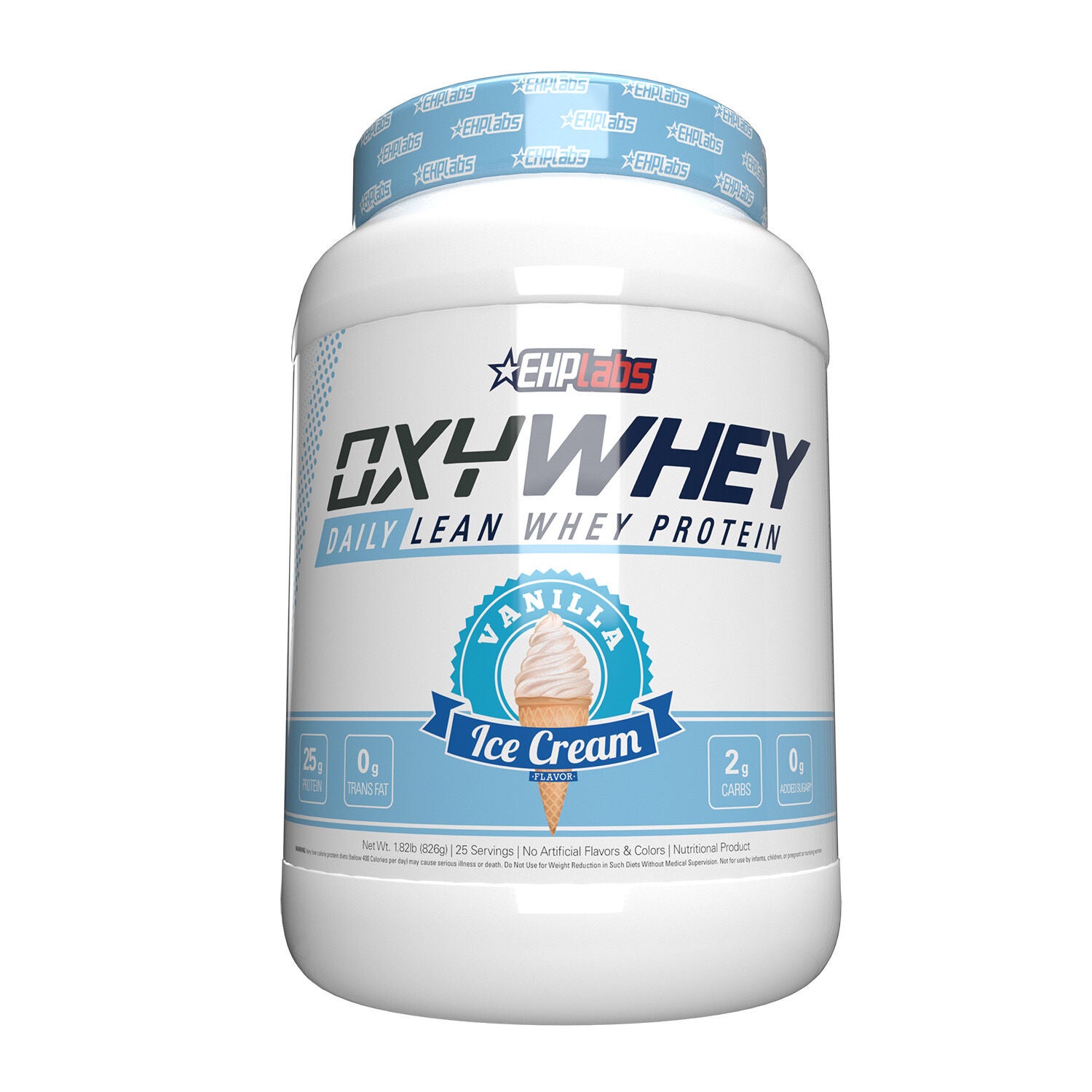

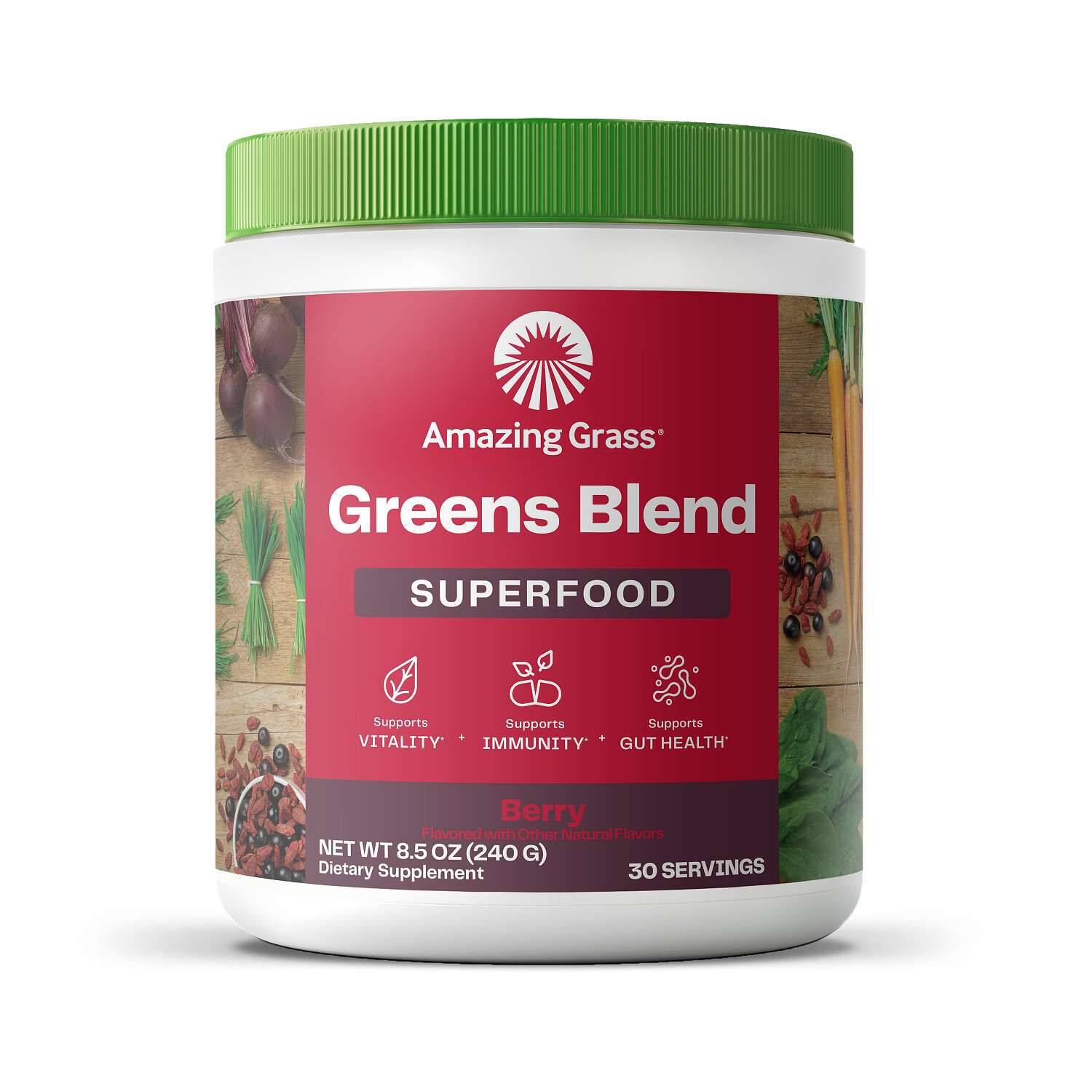


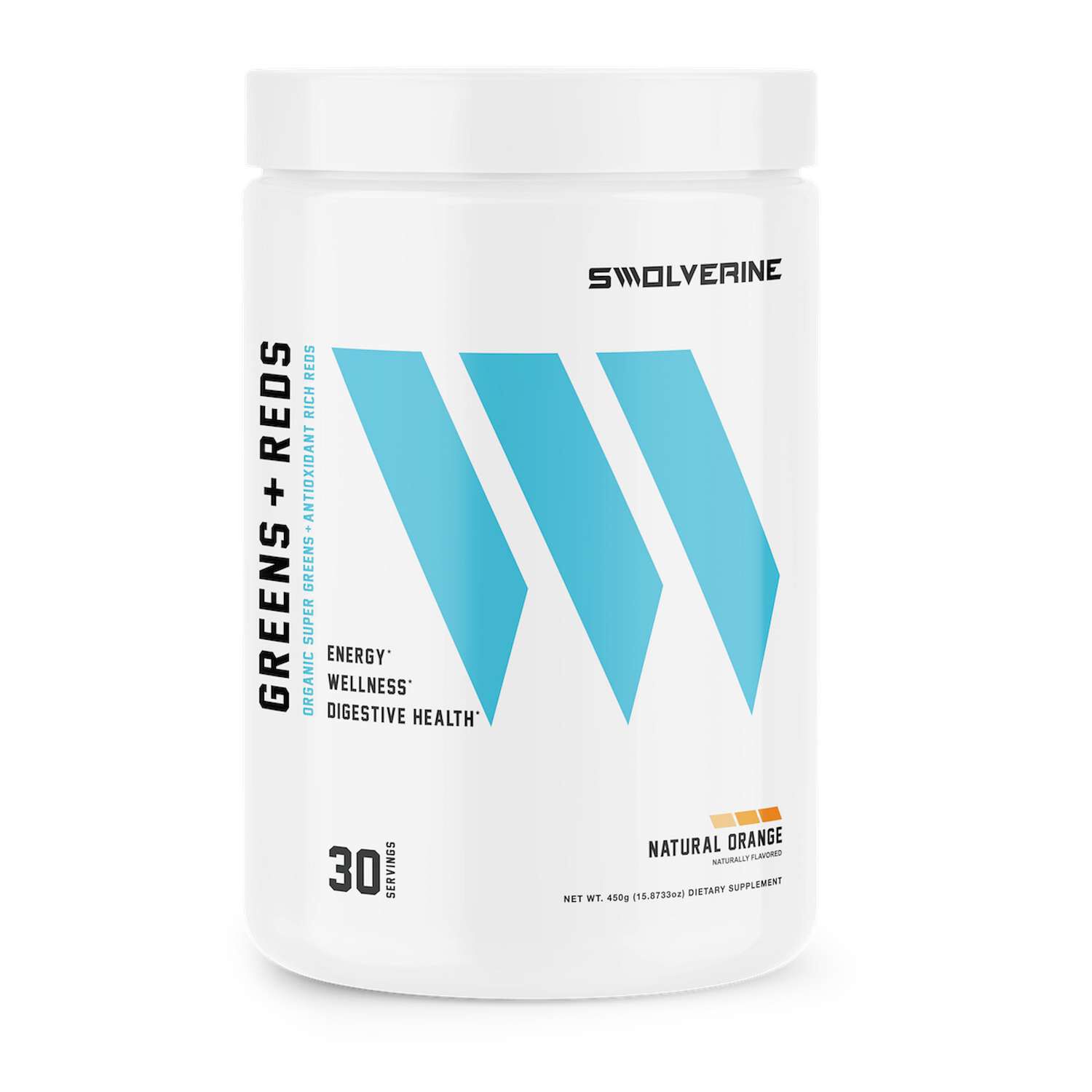
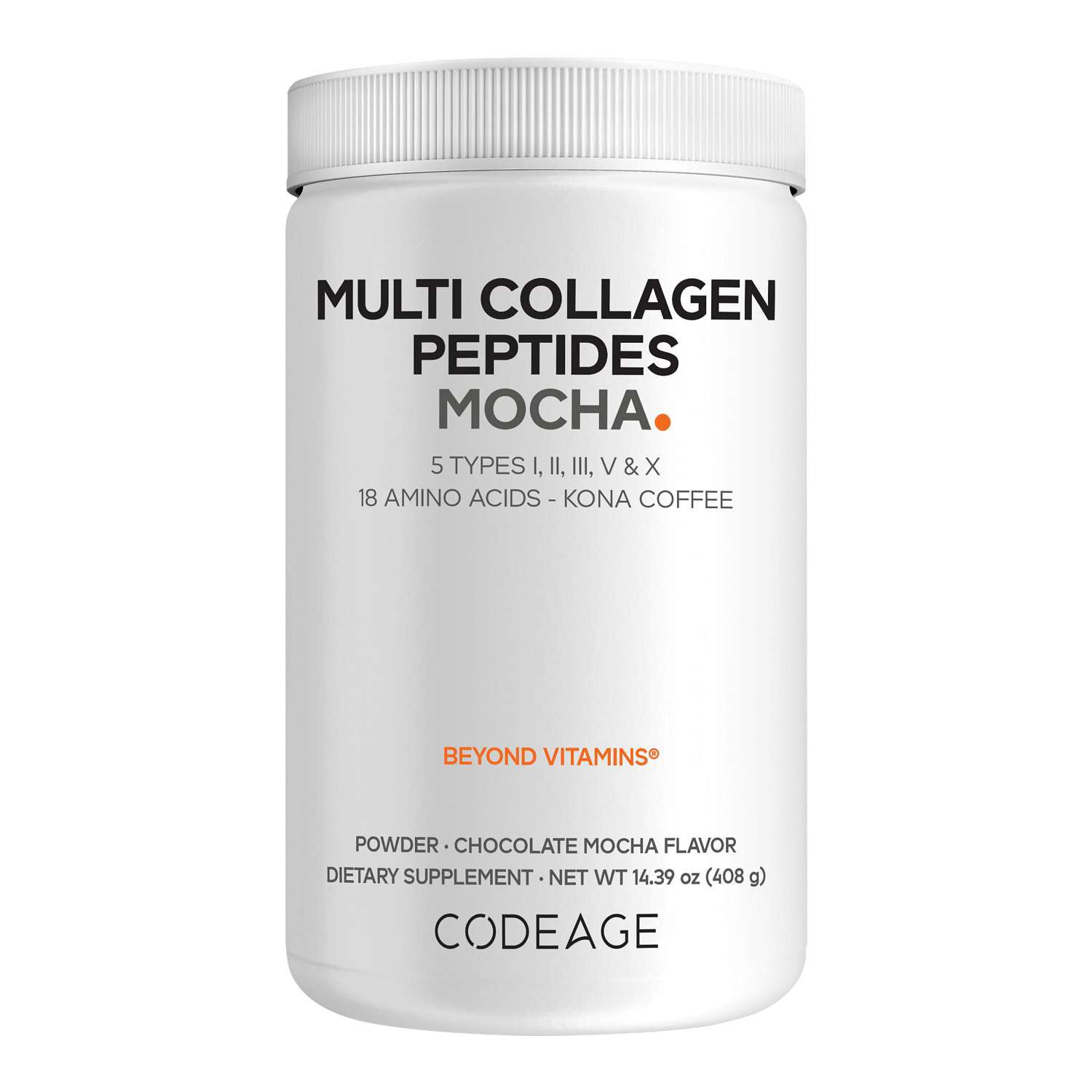
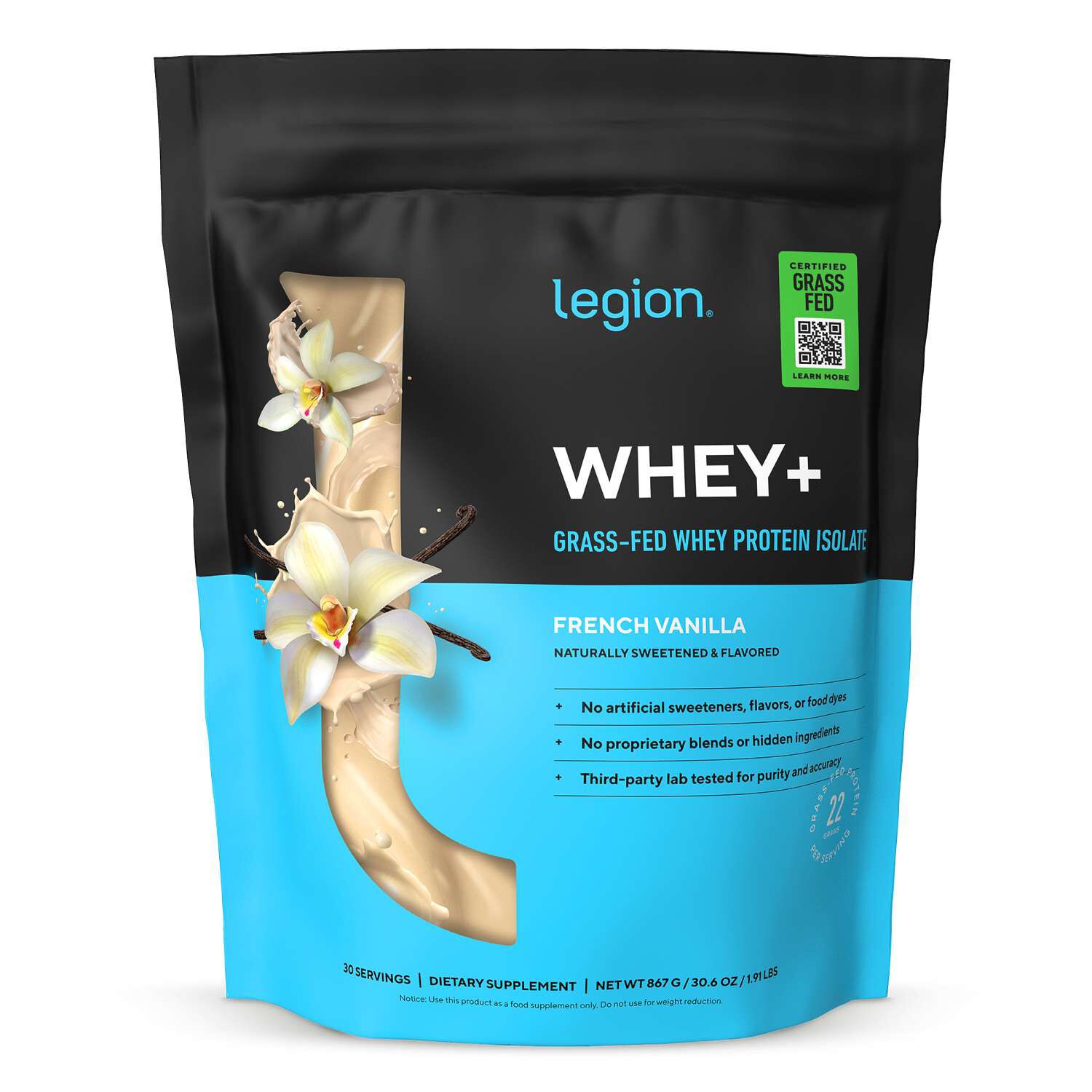
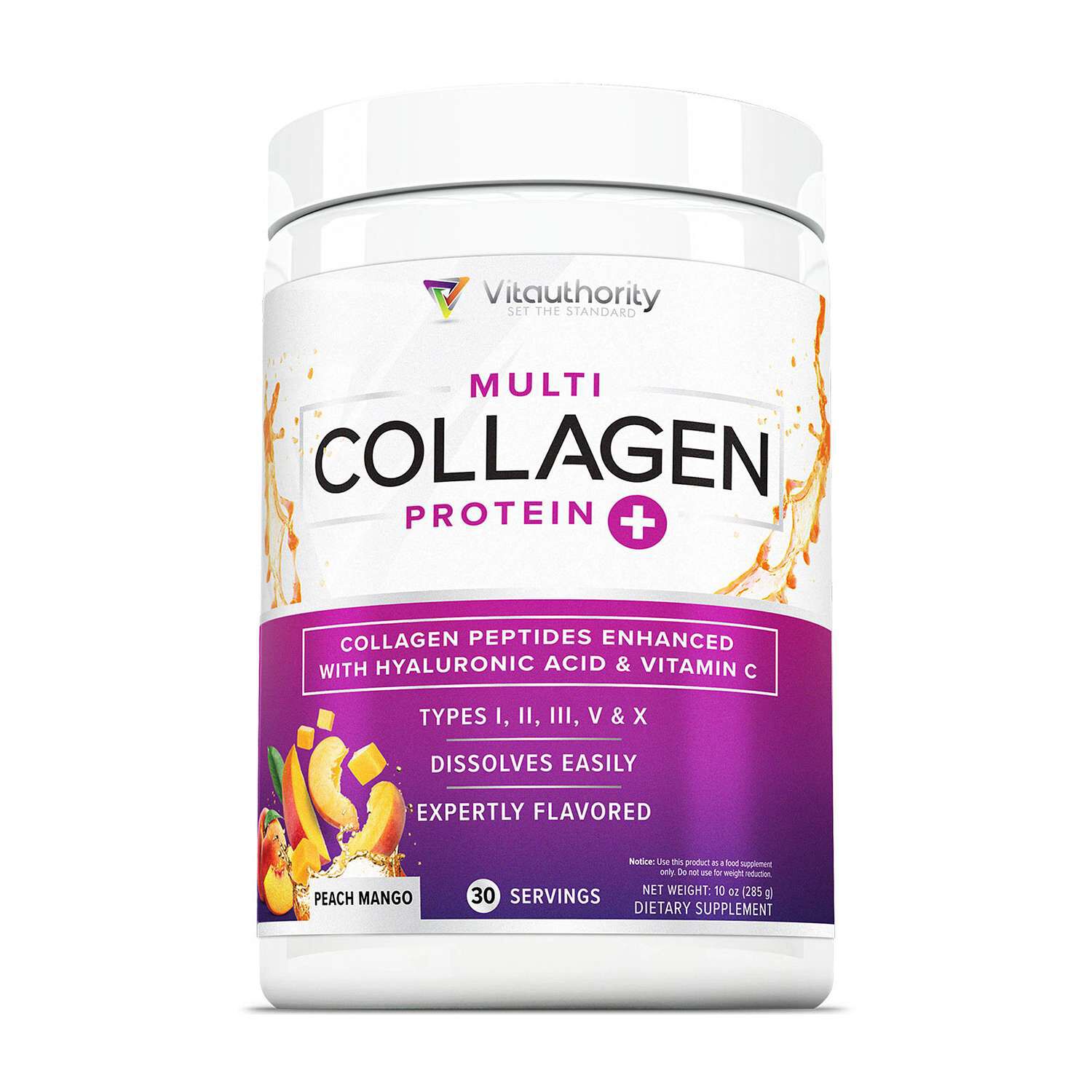
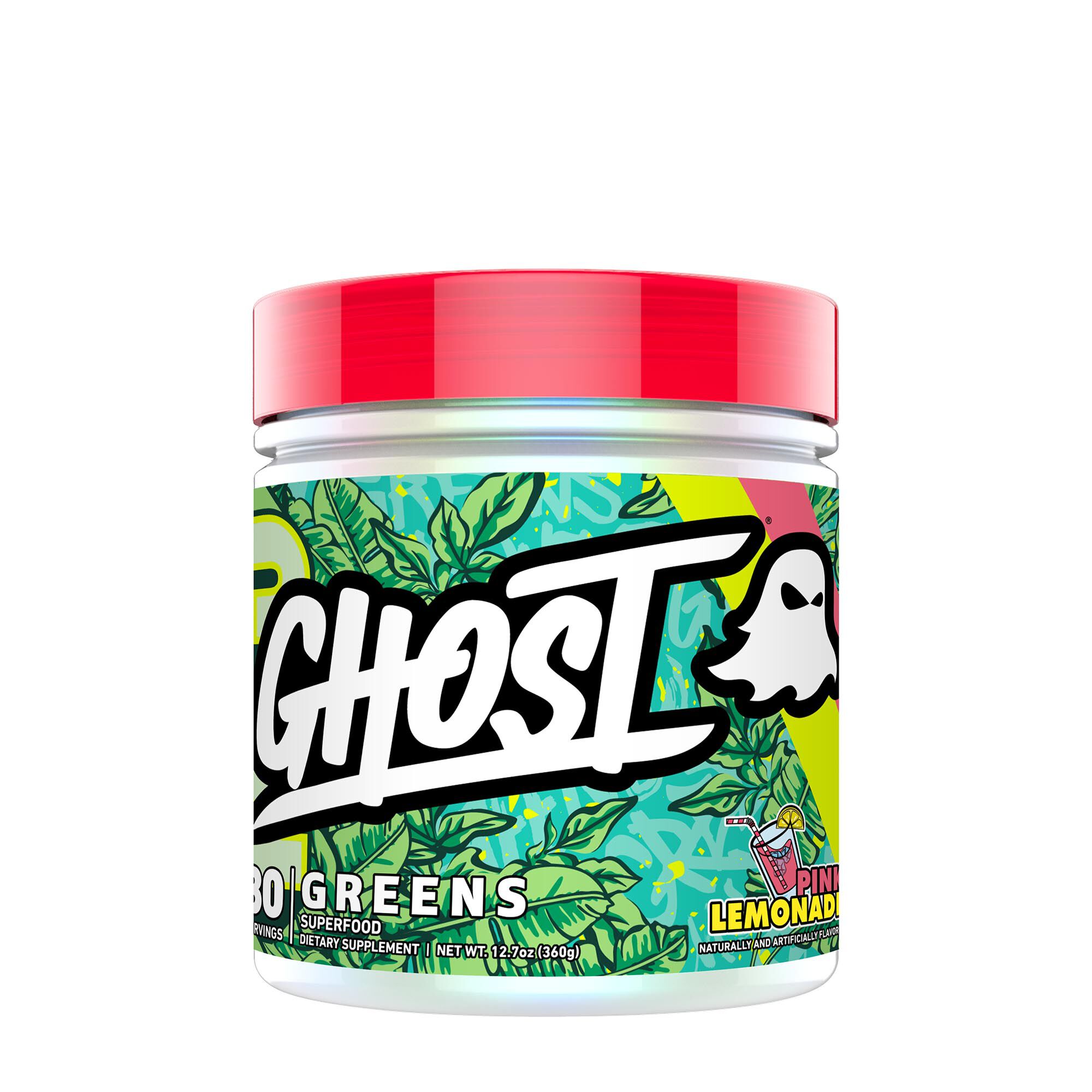
Wellness powders are powdered supplements and drink mixes intended to complement everyday eating routines, typically by mixing a measured serving into a beverage or food. The category spans greens blends, collagen peptides, protein powders, fiber mixes, electrolyte formulas, and blends featuring mushrooms or other botanical ingredients. Their ingredients and intended uses differ, so the term describes a format rather than one standard formula. A greens powder might contain dried leafy vegetables, grasses, algae, or fruit ingredients, with proportions that vary by blend. Collagen powders contain animal-derived proteins, often sourced from bovine or marine ingredients, while plant-based protein formulas commonly feature pea, soy, rice, or combinations of these sources. Fiber powders may feature ingredients such as psyllium husk, acacia, or inulin, and electrolyte drink mixes commonly list minerals such as sodium and potassium. Other formulas feature powdered medium-chain triglycerides, commonly called MCTs, or recognizable botanical ingredients such as ginger and turmeric. These differences matter more than a broad category name: a scoop of greens is not nutritionally interchangeable with a serving of protein, and a collagen blend is distinct from a vegetable-based powder. The amount of each ingredient, the serving size, and the accompanying nutrition information provide a clearer picture of what a formula contains. Some blends focus on a short ingredient list, while others combine vitamins, minerals, plant ingredients, flavorings, and sweeteners. Neither approach tells the whole story on its own. A simple formula may suit someone who wants a particular ingredient, while a blended option may appeal to someone who prefers several ingredients in one preparation. The most relevant comparison is between powders with similar purposes and serving sizes, rather than between containers that happen to look alike. Wellness powders belong alongside varied meals and ordinary food choices, not in place of them. Their appeal is often practical: a measured format, a choice of flavors, and several ways to fit a supplement into an established routine without introducing a separate preparation ritual.
Flavor and texture are often the details that determine whether a wellness powder fits comfortably into daily life. Greens blends tend toward earthy or grassy notes, particularly when ingredients such as spirulina or wheatgrass feature prominently. Fruit flavors, cocoa, vanilla, spices, and sweeteners contribute different flavor profiles, while unflavored formulas still have the taste of their underlying ingredients. Someone who enjoys a tart berry smoothie may prefer a different blend from someone who wants a subtle addition to oatmeal. A powder labeled unflavored is not necessarily tasteless, and the ingredient list offers useful context for expectations. Preparation directions also distinguish one format from another. Some drink mixes are intended for water and a shaker bottle; others call for a blender, stirring, or a particular amount of liquid. Protein and fiber ingredients may produce a thicker mixture, while certain powdered fats may lend a creamy texture. A smoothie with banana and yogurt is a different setting from a clear glass of water, so the suggested preparation matters when comparing options. Coffee, oatmeal, yogurt, and blended drinks are possible pairings only when they align with the package directions. For someone packing a work bag, an individually portioned format may be convenient; for a household with an established breakfast routine, a resealable container may be a better fit. Container size alone does not reveal how long a powder will last, since serving weights and servings per container vary. The supplied scoop, when included, should be considered alongside the stated serving measurement rather than treated as interchangeable with scoops from other containers. Care is straightforward but important: follow the storage directions, close the package securely, and keep moisture out of the powder. A clean, dry measuring utensil and an intact closure are useful details in everyday handling. Checking the printed date and keeping the original label accessible also preserves the information needed for preparation, ingredients, and storage.
Choosing among wellness powders also involves the details that are easy to overlook in a quick glance at the front of a package. Ingredient sources matter for dietary preferences: whey and casein come from milk, collagen is animal-derived, and plant-based formulas may contain soy or other ingredients that require attention. Allergen statements and any shared-equipment disclosures deserve a careful read, especially when shopping for another person. Sweetener preferences are equally individual. Some formulas contain sugar, others use alternative sweeteners, and some rely on the flavor of the main ingredients. Comparing the serving information gives context to sweetness, sodium, protein, fiber, and other listed nutrients without relying on package size or flavor names. For blends containing coffee, tea, or other sources of caffeine, the label is the place to check the stated amount and directions. Multi-ingredient formulas also warrant a closer look when more than one supplement is part of a routine, because the same vitamin, mineral, or botanical may appear in several places. Clear ingredient amounts and readable serving instructions are useful comparison points. Where a package references independent testing or certification, the named program and its stated scope are more informative than a broad quality phrase; testing for ingredient identity is not the same as certification for a particular dietary standard. Related Daily Health Powders provide another way to explore powdered formats with everyday routines in mind. For a gift recipient, familiar flavor preferences, dietary requirements, and an already expressed interest in supplements are more useful starting points than assumptions about personal wellness goals. For personal use, the most practical fit may be a powder with understandable labeling, a preparation method that matches the kitchen setup, and a taste that suits the intended food or drink. A compact drink mix for a desk drawer, a powder measured beside the morning blender, and an unflavored formula reserved for a particular recipe represent different uses within the same broad category. The distinction rests in the formula and the routine, not simply in the word wellness.
- Q: What are wellness powders?
A: Wellness powders are dietary supplements in powdered form that can be mixed with water, juice, or smoothies. They typically contain a blend of vitamins, minerals, herbs, and other nutrients designed to support overall health and well-being. - Q: How do I use wellness powders?
A: Most wellness powders are designed to be mixed into liquids such as water, milk, or smoothies. Simply follow the serving instructions on the packaging for best results. You can also add them to recipes like oatmeal or yogurt for added nutrition. - Q: What types of ingredients are commonly found in wellness powders?
A: Wellness powders often include ingredients such as vitamins, minerals, adaptogenic herbs, probiotics, greens blends, antioxidants, and superfoods. The specific blend depends on the intended benefits of the powder. - Q: Can I combine wellness powders with other supplements?
A: Yes, many people choose to combine wellness powders with other supplements as part of their daily routine. However, it's important to review the ingredient lists to avoid excessive intake of certain nutrients. - Q: Are there different types of wellness powders for specific health goals?
A: Yes, there are wellness powders formulated for a variety of health goals such as immune support, energy enhancement, digestive health, stress management, and overall vitality. Choosing a powder that aligns with your personal wellness goals can help you get the most benefit.