

Health Support Sprays
(0 Results)
Discover a convenient way to support your well-being with health support sprays. Designed for ease of use and quick absorption, these sprays can fit seamlessly into any wellness routine. Whether looking to bolster your immune system, improve sleep quality, or manage stress, health support sprays might offer an effective solution. Explore a range of options tailored to meet various health needs and preferences.
-
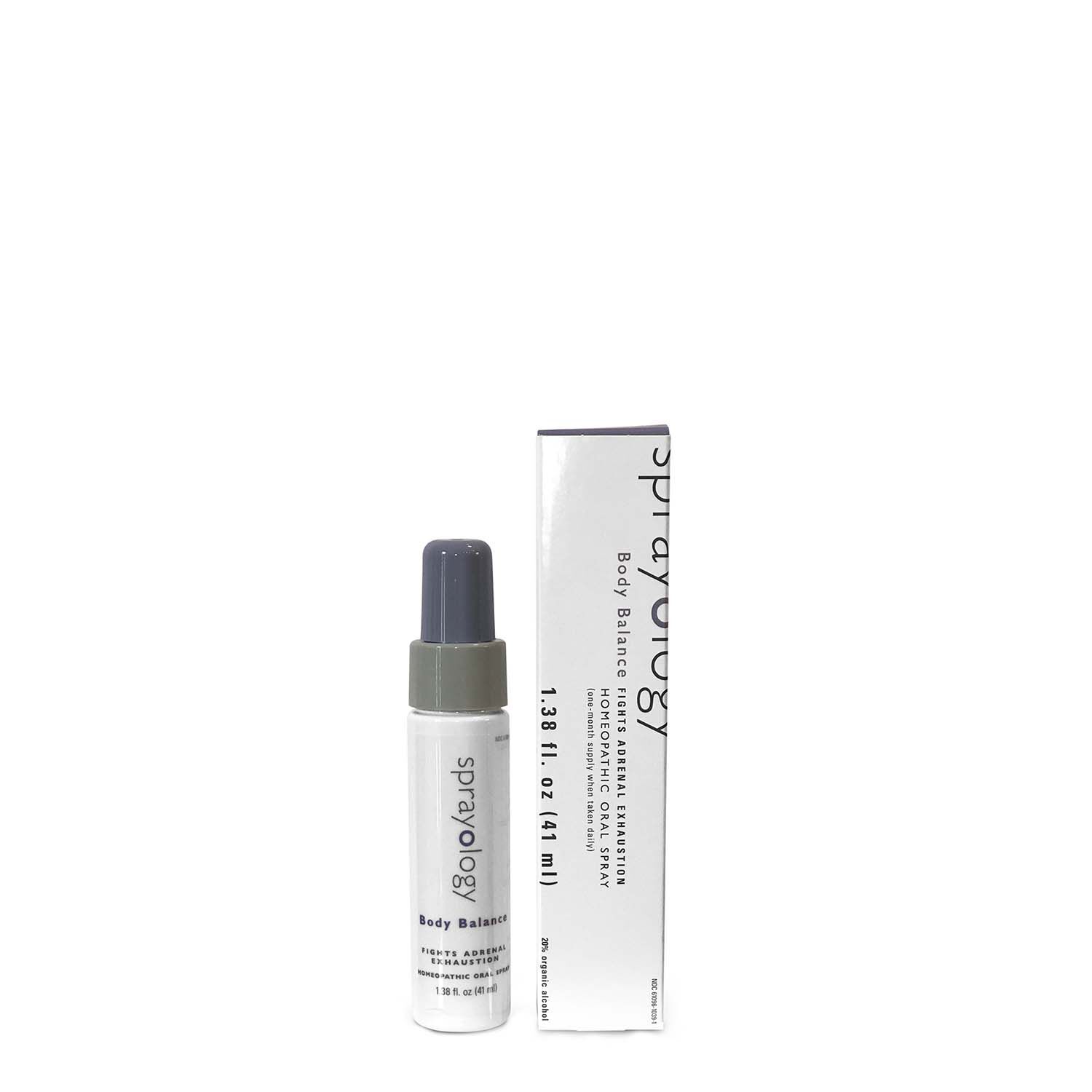 Sprayology$38.99
 -
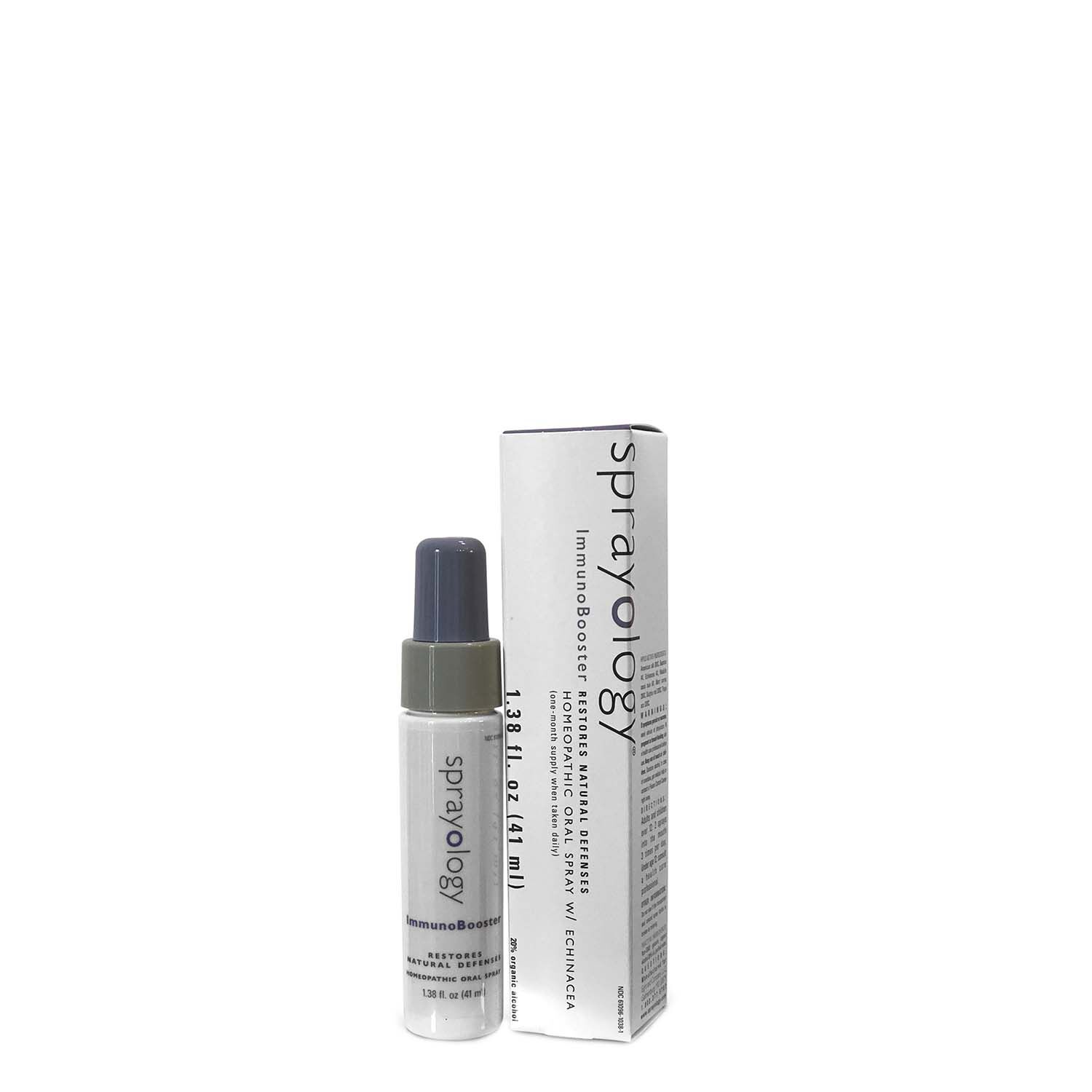 Sprayology$38.99
 -

-
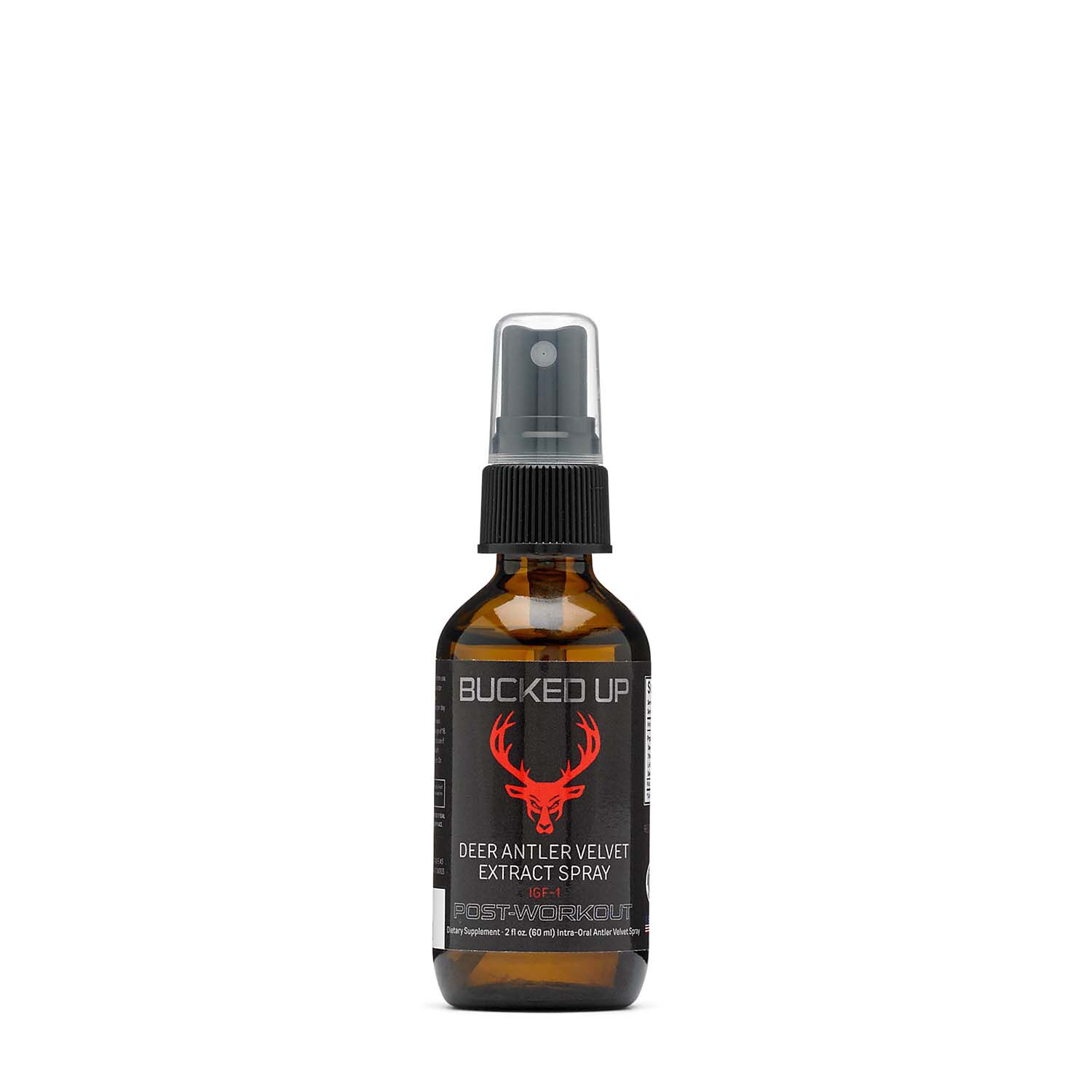
-

-
 Sprayology$38.99
 -
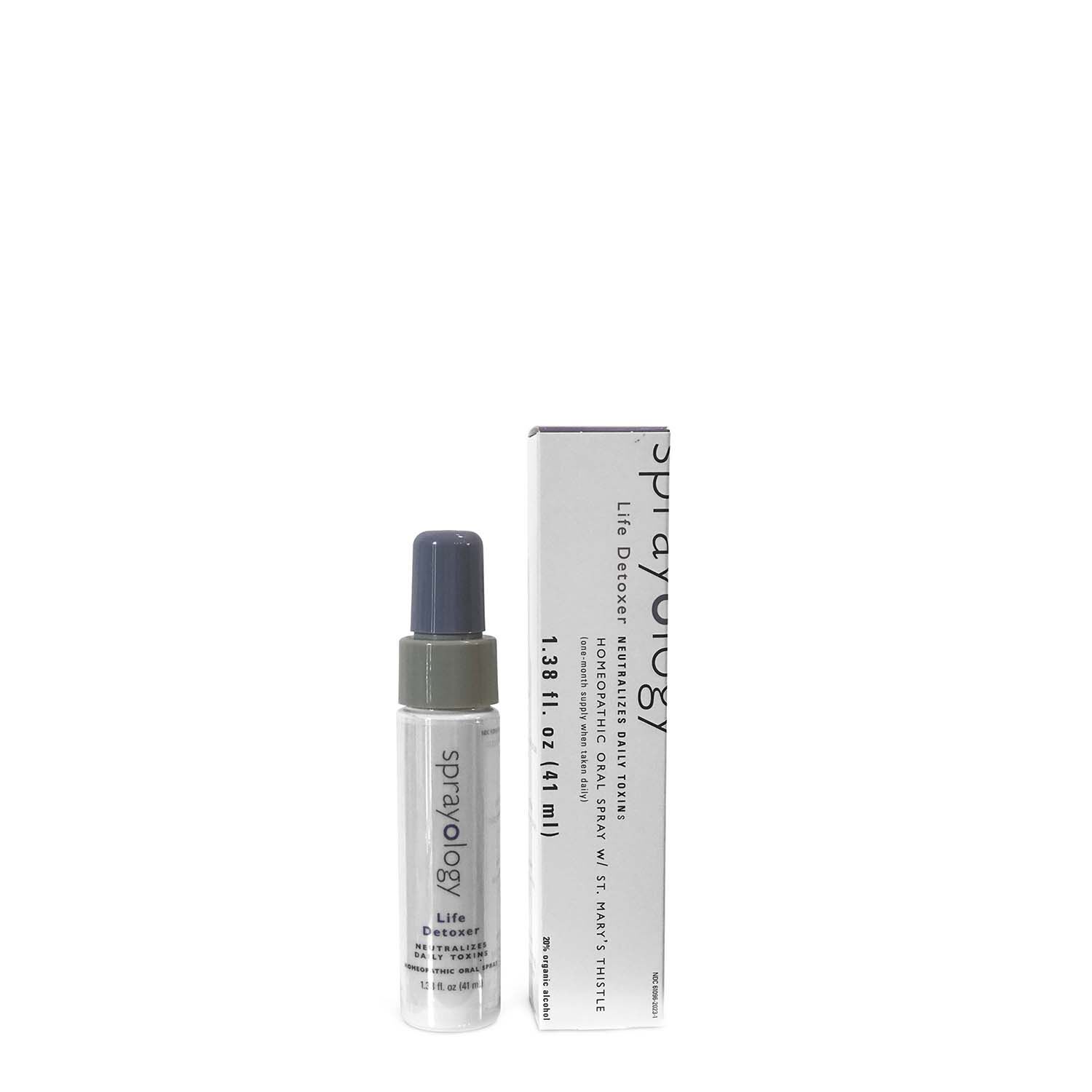 Sprayology$38.99
 -
 Sprayology$38.99
 -

-
 Sprayology$38.99
 -

-
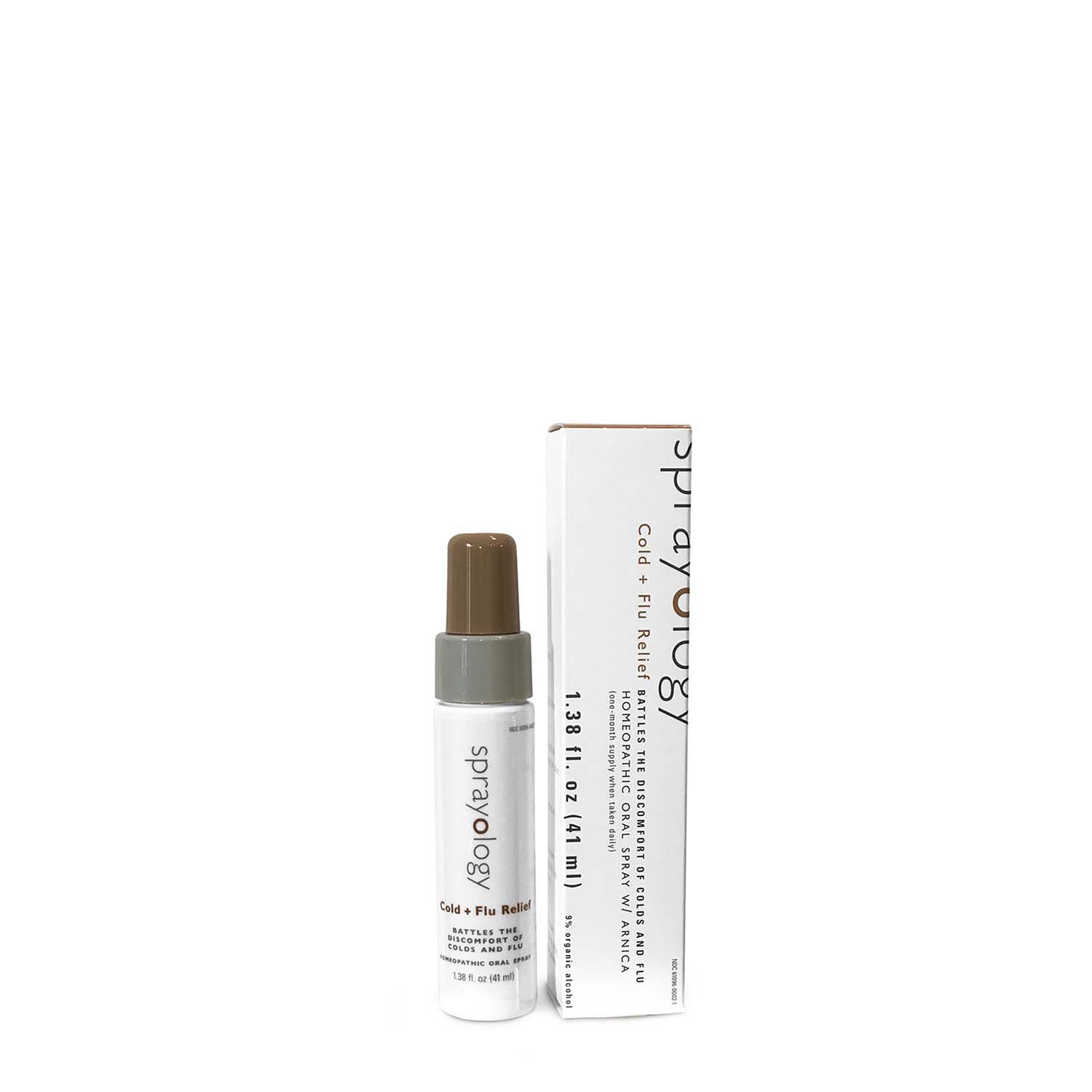 Sprayology$38.99
 -
 Sprayology$38.99
 -
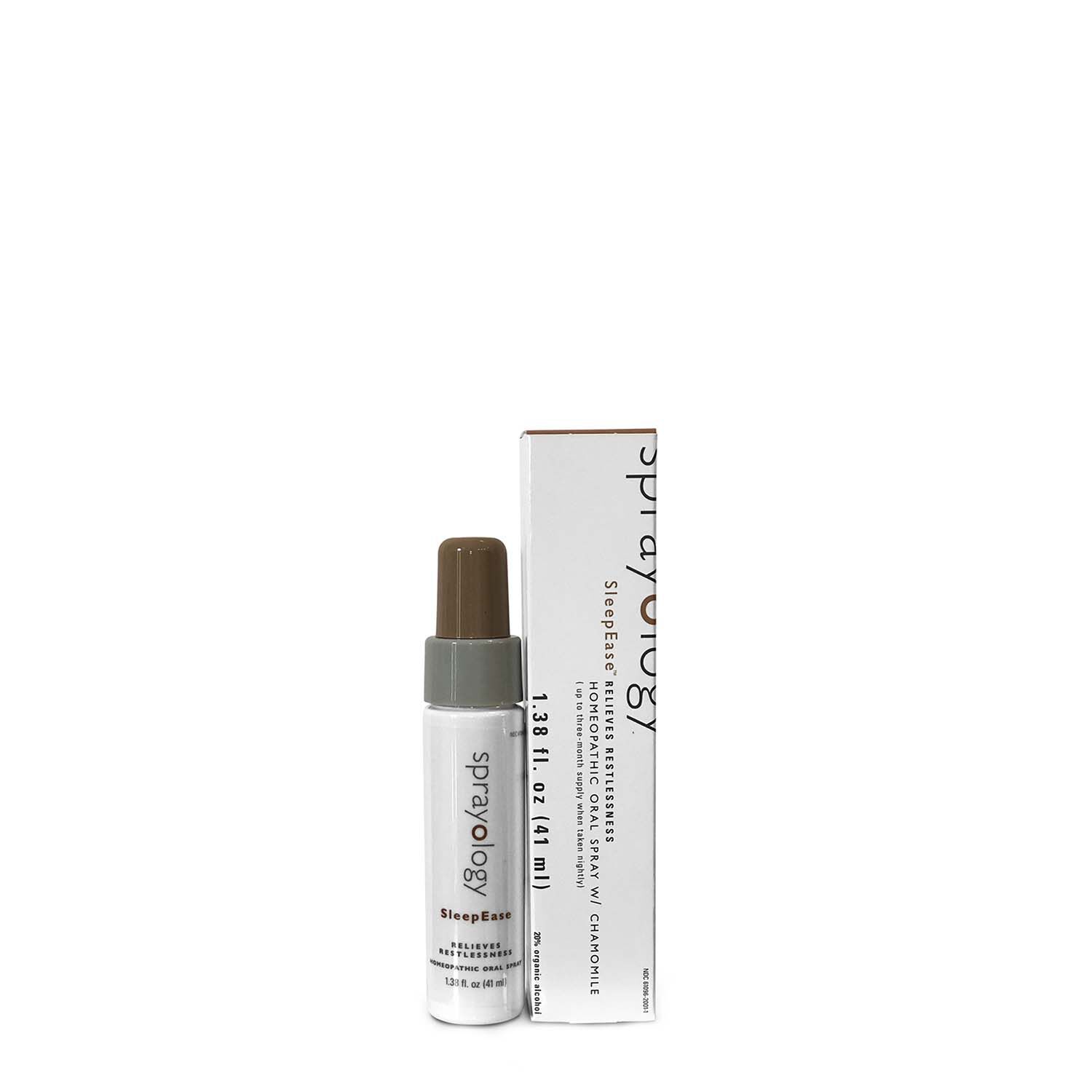 Sprayology$38.99
 -
 Sprayology$38.99
Health support sprays are liquid products packaged for spray application, with formats intended for oral use, nasal care, or application to the skin, depending on the label. The category brings together different kinds of everyday wellness and personal care products rather than a single formula or purpose. Oral vitamin sprays, for example, contain nutrients in a liquid format, while topical sprays are intended for external use. Nasal products have their own application instructions and should be considered separately from either of those groups. That distinction matters more than the similar appearance of the bottles: the intended application, ingredients, and directions define each product. For shoppers who prefer a spray format over capsules, tablets, or thicker lotions, the appeal may be as much about texture and routine as ingredient choice. A small bottle beside a toothbrush, a capped container in a toiletry pouch, or an external-use mist on a bathroom shelf each has a different place in the day. Some oral formulas feature individual vitamins, such as vitamin B12 or vitamin D, while others combine several nutrients or botanical ingredients. Depending on the formula, water, glycerin, flavorings, and other supporting ingredients may also appear on the label. Flavor can be a meaningful consideration for an oral spray, particularly when choosing between mint, fruit, and unflavored options. For external-use products, scent and the feel of the liquid on the skin may matter more. The amount in each serving is another useful distinction, since a single spray does not necessarily represent a serving. Liquid formats also differ in concentration, bottle size, and suggested frequency of use. A familiar ingredient name alone does not establish that two formulas are alike. Health support sprays are best understood through these practical details, without assuming that every spray has the same purpose or that the format itself establishes how quickly an ingredient is absorbed.
The most relevant health support spray for a household depends on its intended use and the preferences of the person using it. Someone who dislikes the texture of chewable supplements may prefer the sensory experience of an oral liquid, while someone organizing a personal care routine may be looking specifically for a topical mist. These are separate shopping needs, even when the packaging looks similar. Ingredient lists provide context beyond the front label, including sweeteners in oral formulas, fragrance in external-use products, and the source of botanical ingredients. Plant-based preferences also deserve a closer look at the entire formula rather than assumptions based on a fruit flavor or leafy package design. Bee-derived ingredients, for instance, are distinct from plant-derived ingredients. Dietary information and labeled age ranges are important parts of that comparison, particularly in households where adults and children have separate personal care products. For oral supplements, the Supplement Facts panel identifies serving information and listed nutrient amounts; other types of sprays may carry different labeling appropriate to their purpose. The format should not blur those distinctions. A spray intended for the skin is not an oral supplement, and an oral spray is not a nasal care product. In everyday use, details such as a mild flavor, an easy-to-read label, or a cap that stays attached may be more meaningful than elaborate packaging. Shoppers browsing adjacent external-use formats can also explore Personal Care Sprays, keeping the labeled purpose of each formula in view. During the cooler months, when toiletry bags move between home, overnight visits, and weekend trips, clearly marked containers and familiar formats may suit an established routine. The goal is a format that matches personal preferences and labeled use, not a collection of similar-looking bottles with overlapping purposes. A thoughtful selection starts with knowing whether the intended purchase belongs with dietary supplements, nasal care, or external personal care.
Packaging, storage, and day-to-day handling round out the differences among health support sprays. Containers may be made from glass or plastic, with pump mechanisms, protective caps, and nozzle designs that vary by formula. Glass and plastic have different handling considerations, especially when a bottle will travel rather than remain on a shelf. Neither material alone establishes product quality; the container, closure, labeling, and storage requirements all deserve attention together. A slender bottle may fit a narrow toiletry pouch, but bottle dimensions do not reveal the number of labeled servings inside. Likewise, a larger container is not necessarily more concentrated. Net contents and serving information offer a clearer comparison than appearance. Spray patterns can also vary, from a focused application to a finer mist, and the appropriate pattern depends on the intended use. Some pumps require preparation before the first application, so the package directions remain relevant even for shoppers familiar with another spray. Care generally centers on following the labeled storage and handling instructions, replacing the cap as directed, and keeping the original label legible. A bottle left on a sunny windowsill or inside a parked car may encounter conditions outside its stated storage range. For travel, the closure design and the need to keep a container upright are practical considerations, along with any applicable baggage rules. At home, separate storage for oral, nasal, and topical products may make their different purposes easier to recognize. Durability in this category concerns both the container and the formula: a sturdy-looking bottle does not replace attention to an expiration date or directions for use after opening. There is also a difference between a container designed for repeated dispensing and one intended for refilling; that information should come from the packaging rather than its appearance. Whether the preference is for a flavored oral formula or an external-use spray, the most useful comparison brings the same details together: intended application, ingredient information, serving or usage directions, sensory preferences, and storage needs. Those concrete distinctions give health support sprays their place within a considered everyday routine.