





Heart Health Supplements
(0 Results)
Support your heart health with our carefully curated selection of supplements designed to promote cardiovascular wellness. Our range of heart health supplements is formulated with premium ingredients to help you maintain a healthy heart and support overall cardiovascular function. From essential vitamins and minerals to specialized blends, we offer a variety of options to suit your individual needs and preferences. Prioritize your heart health with these quality supplements that are crafted to help you live your best, healthiest life.
-

-

-
-
-

-
 $29.99
-
 $34.99
-
-
-
-

-
-

-
-

-
 Divine Health$34.99
-
-
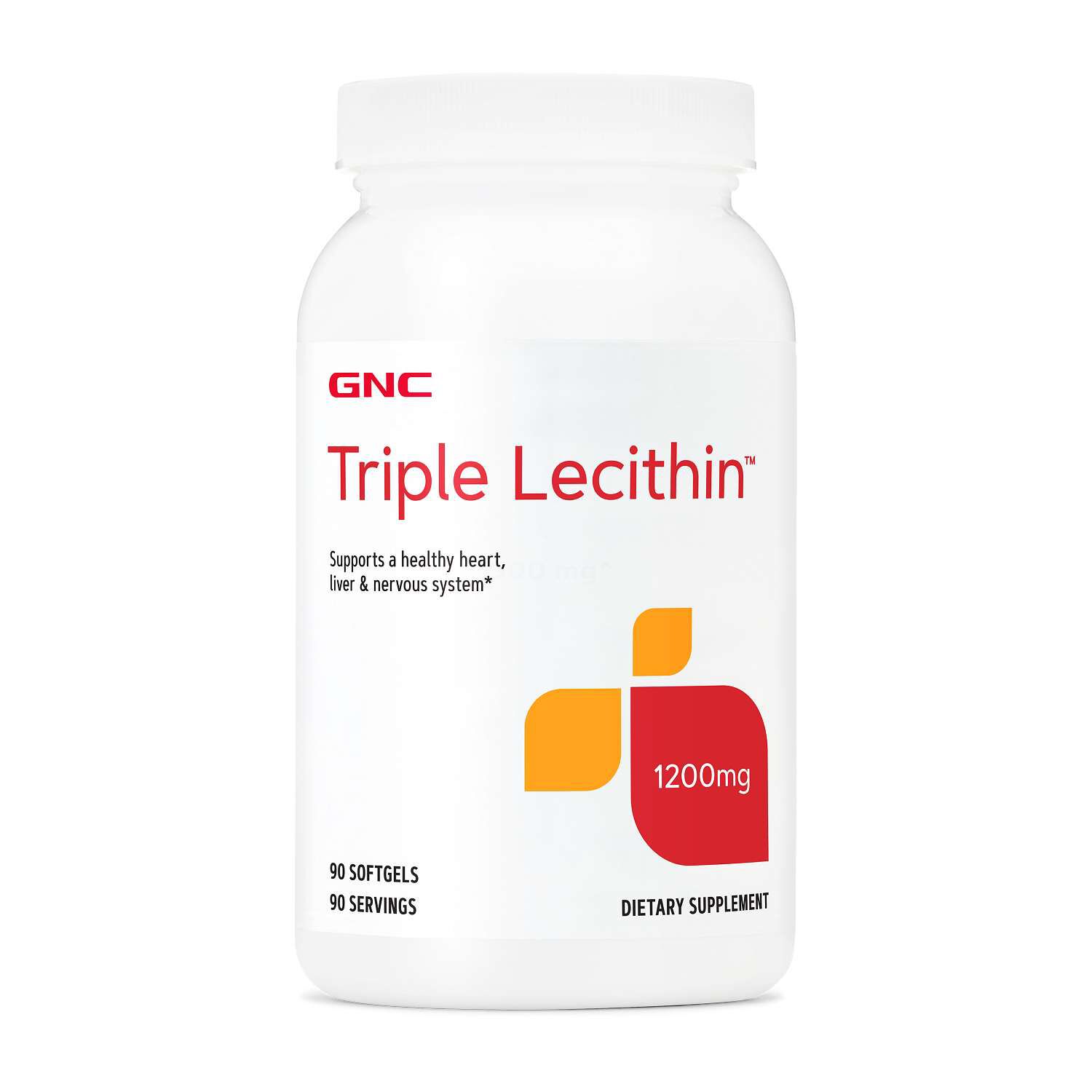
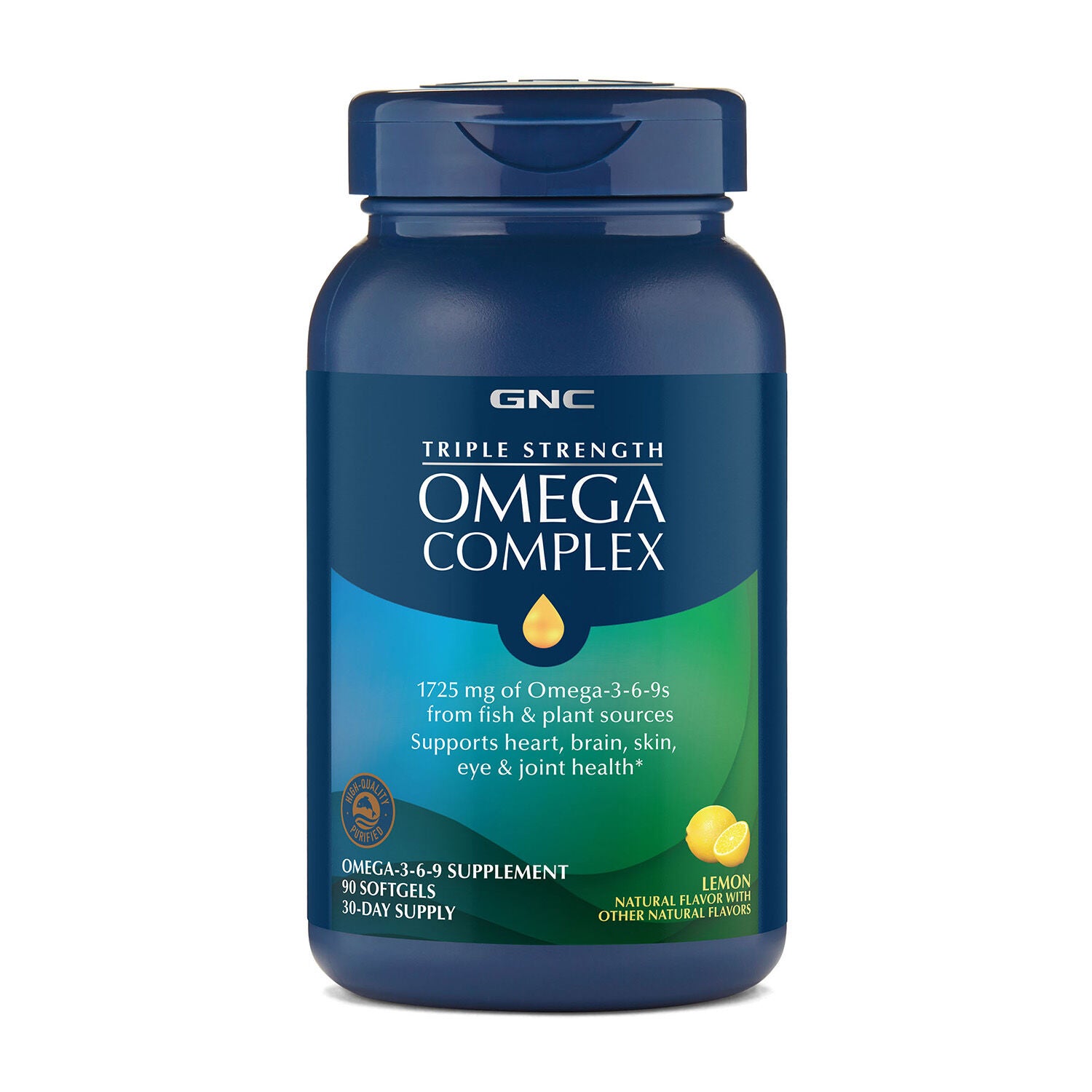
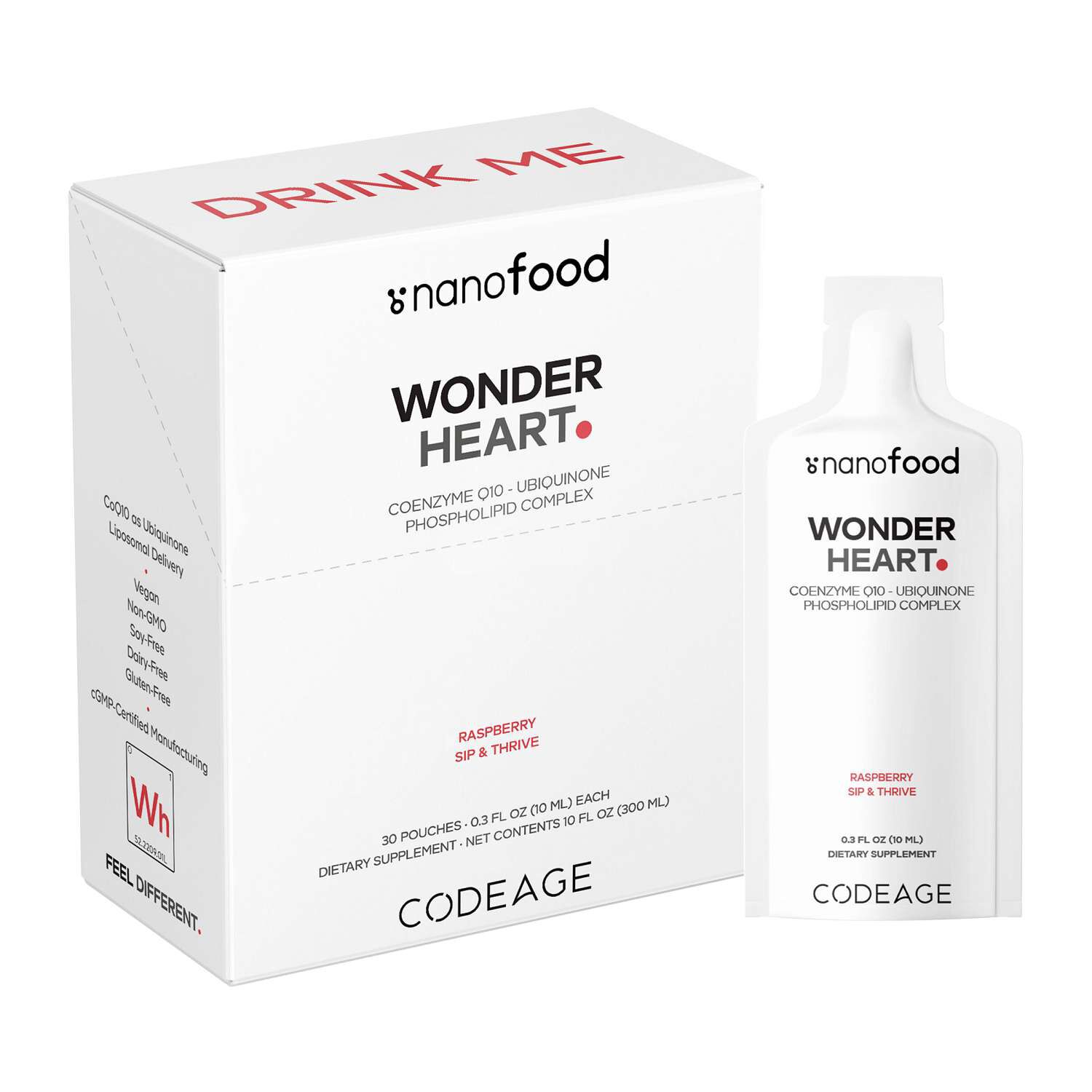


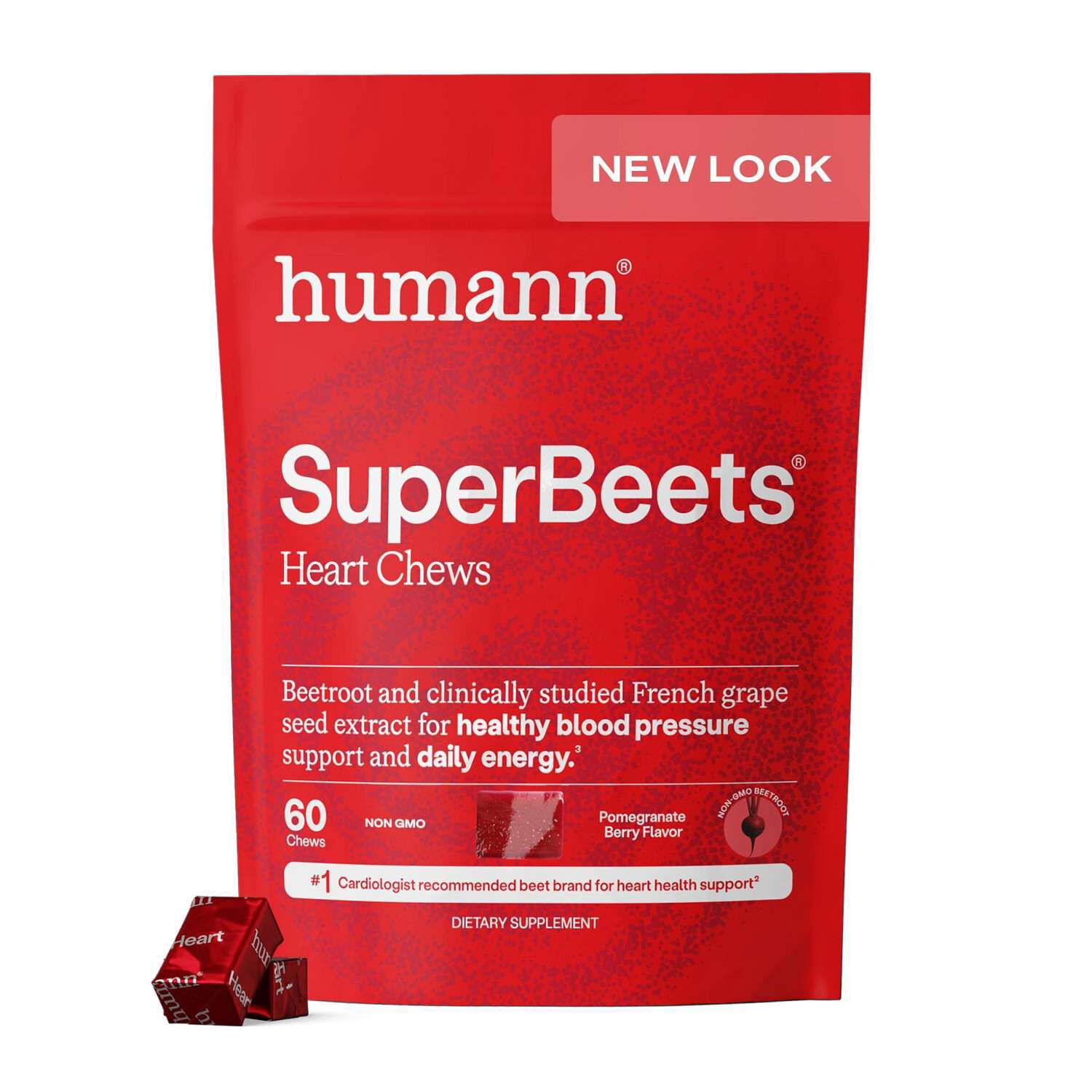
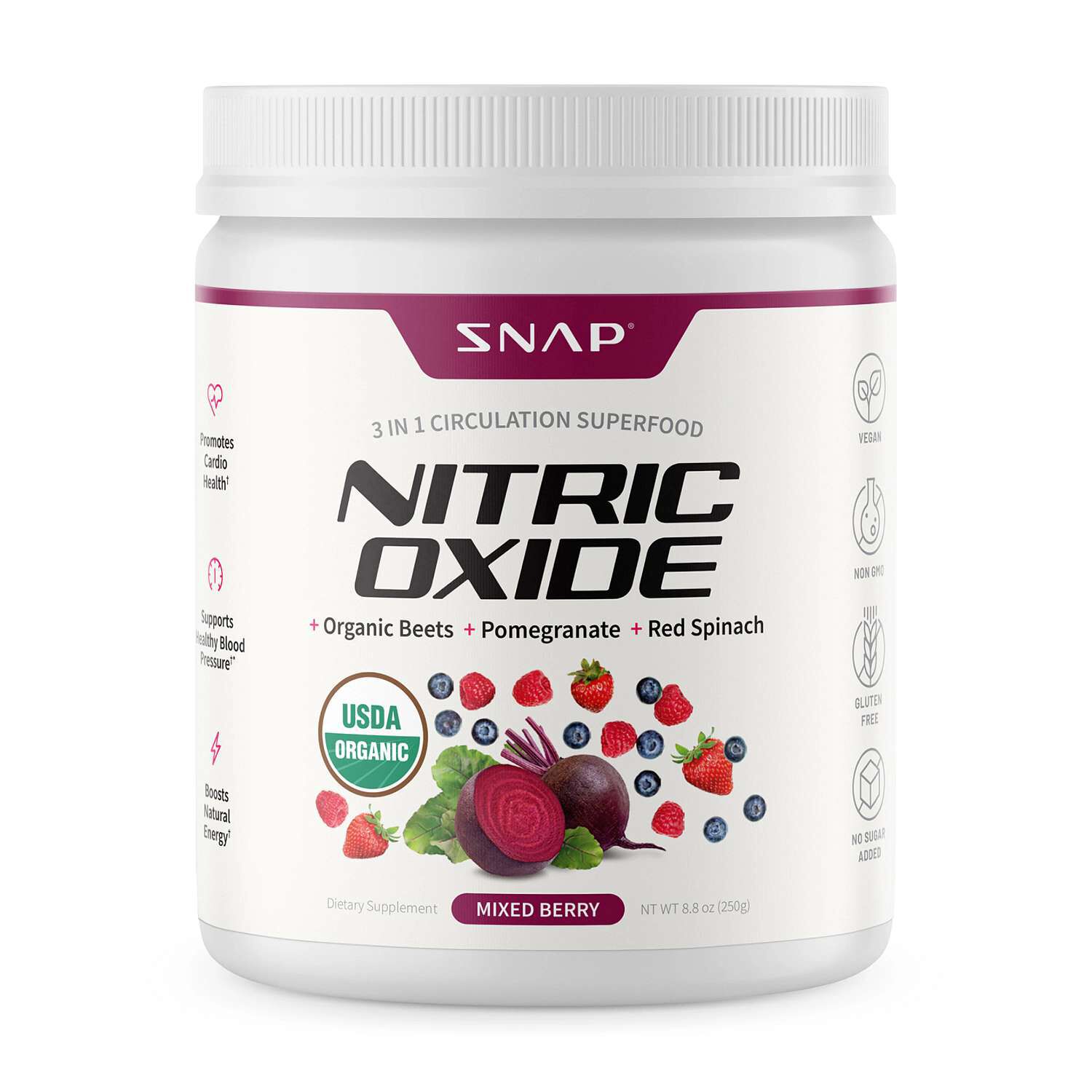
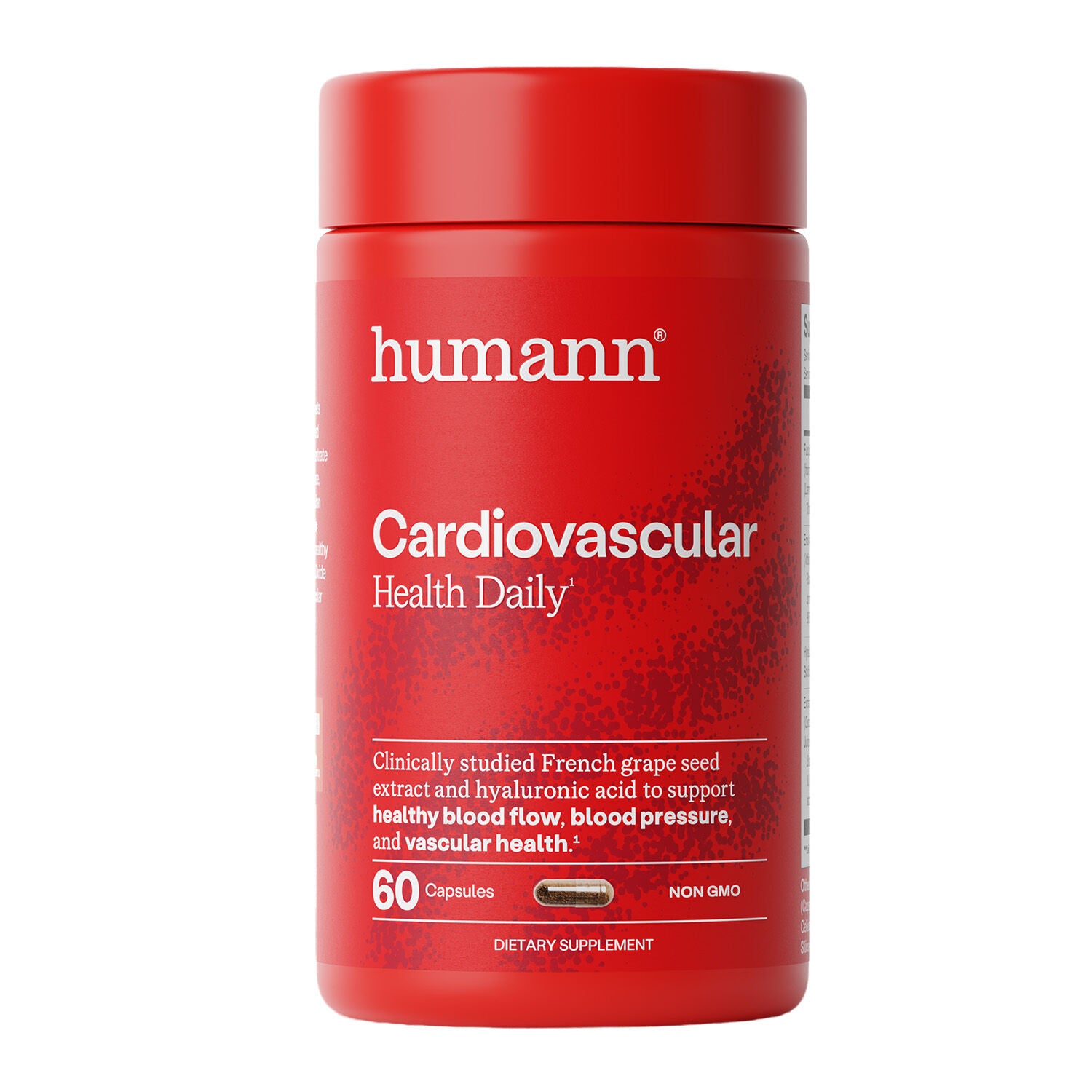
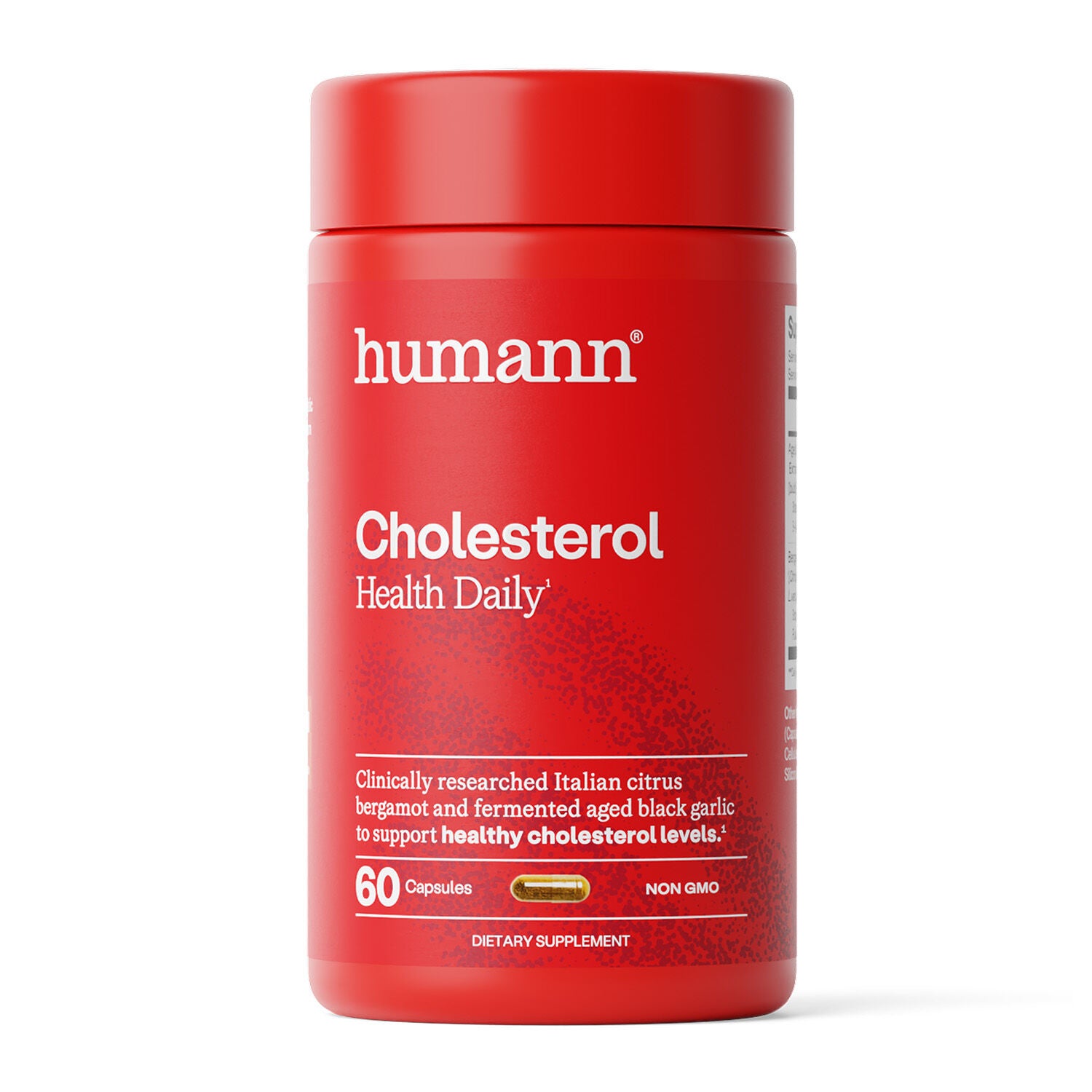
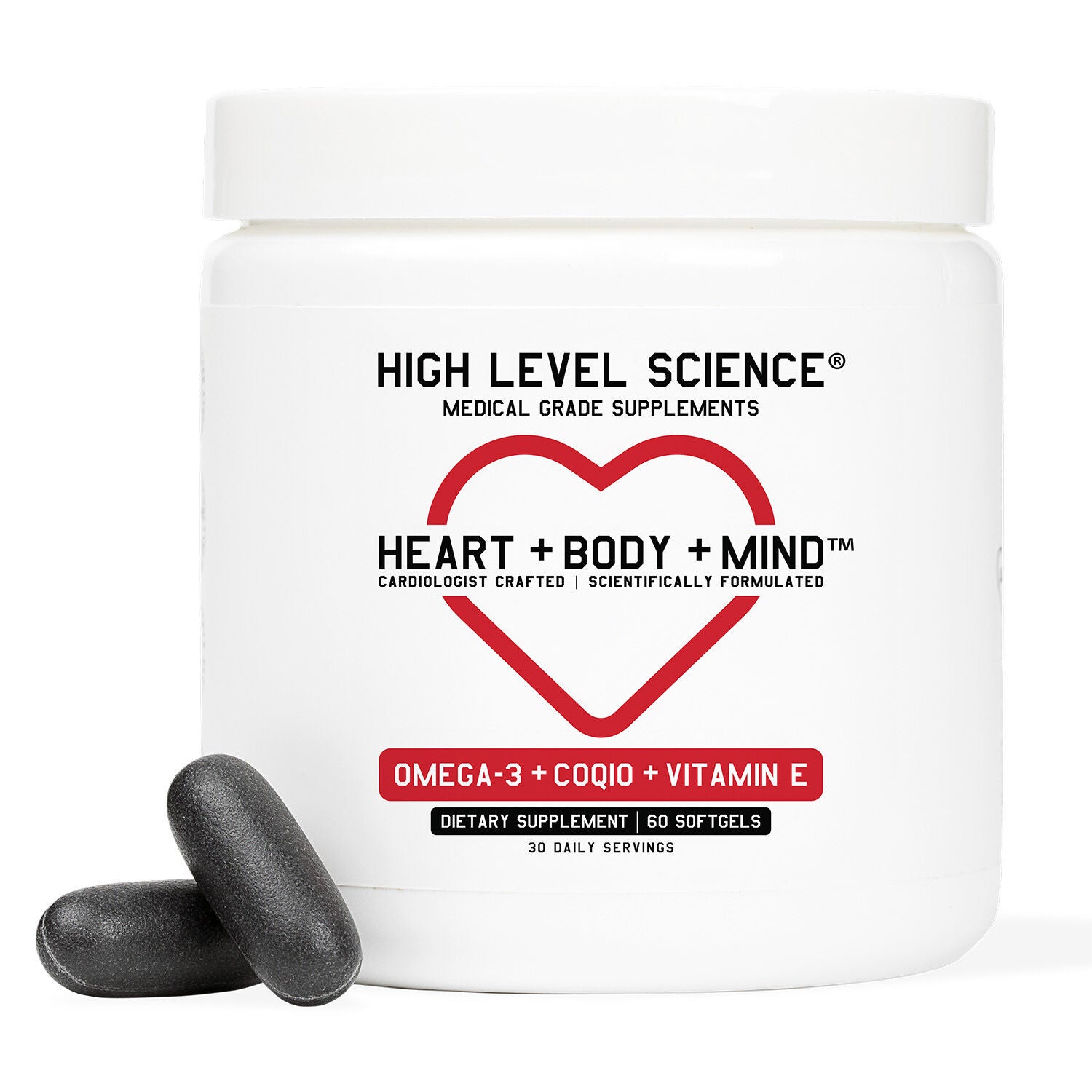
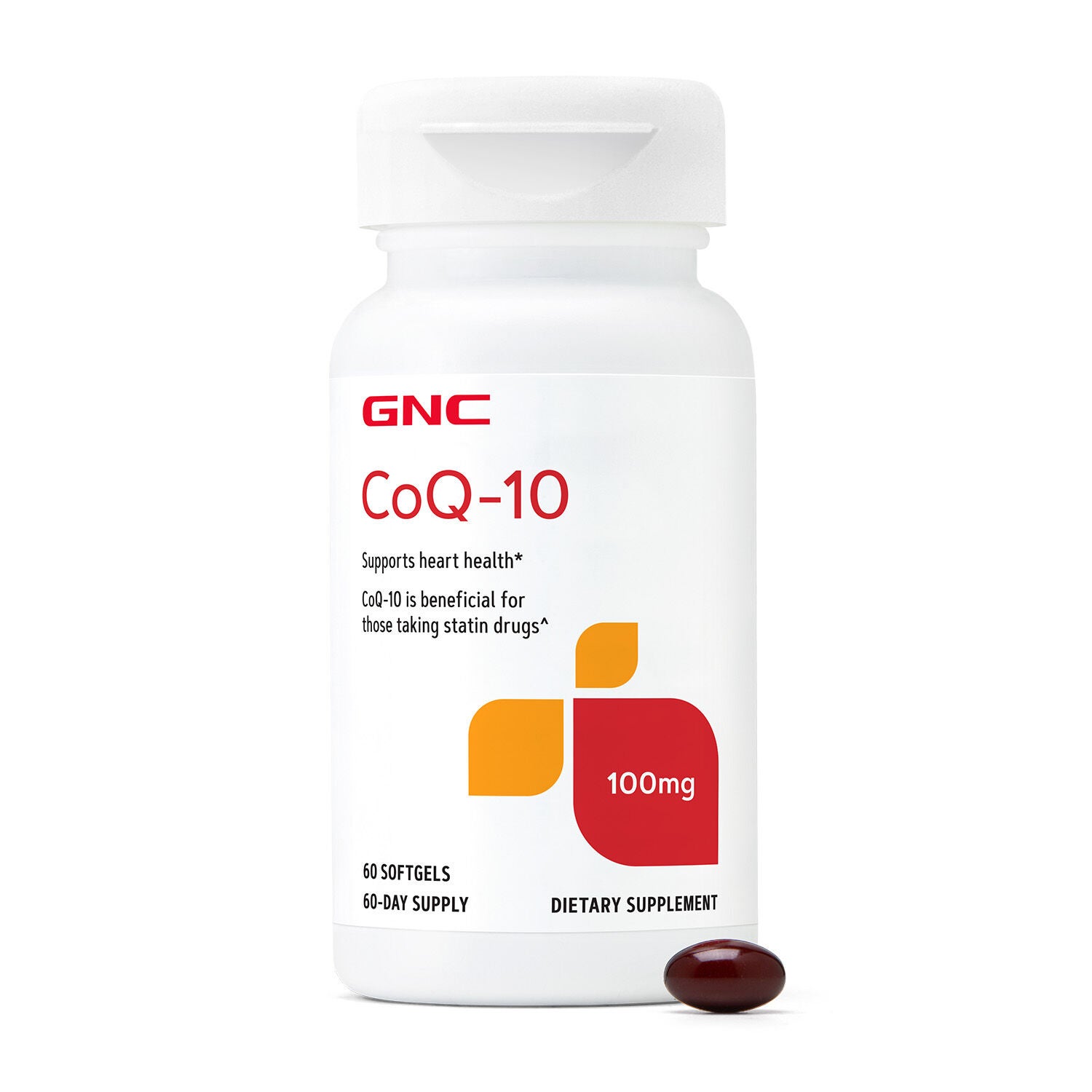
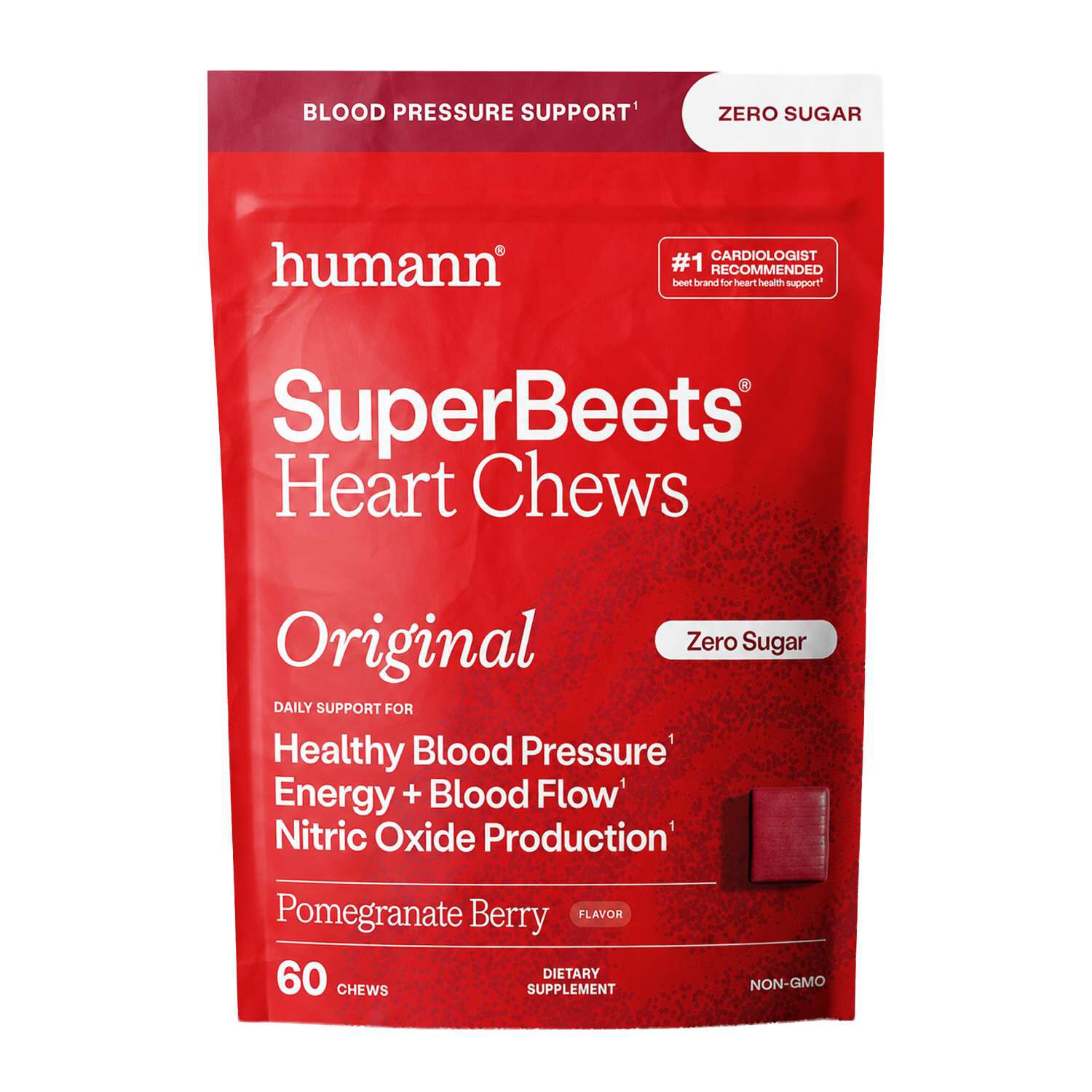
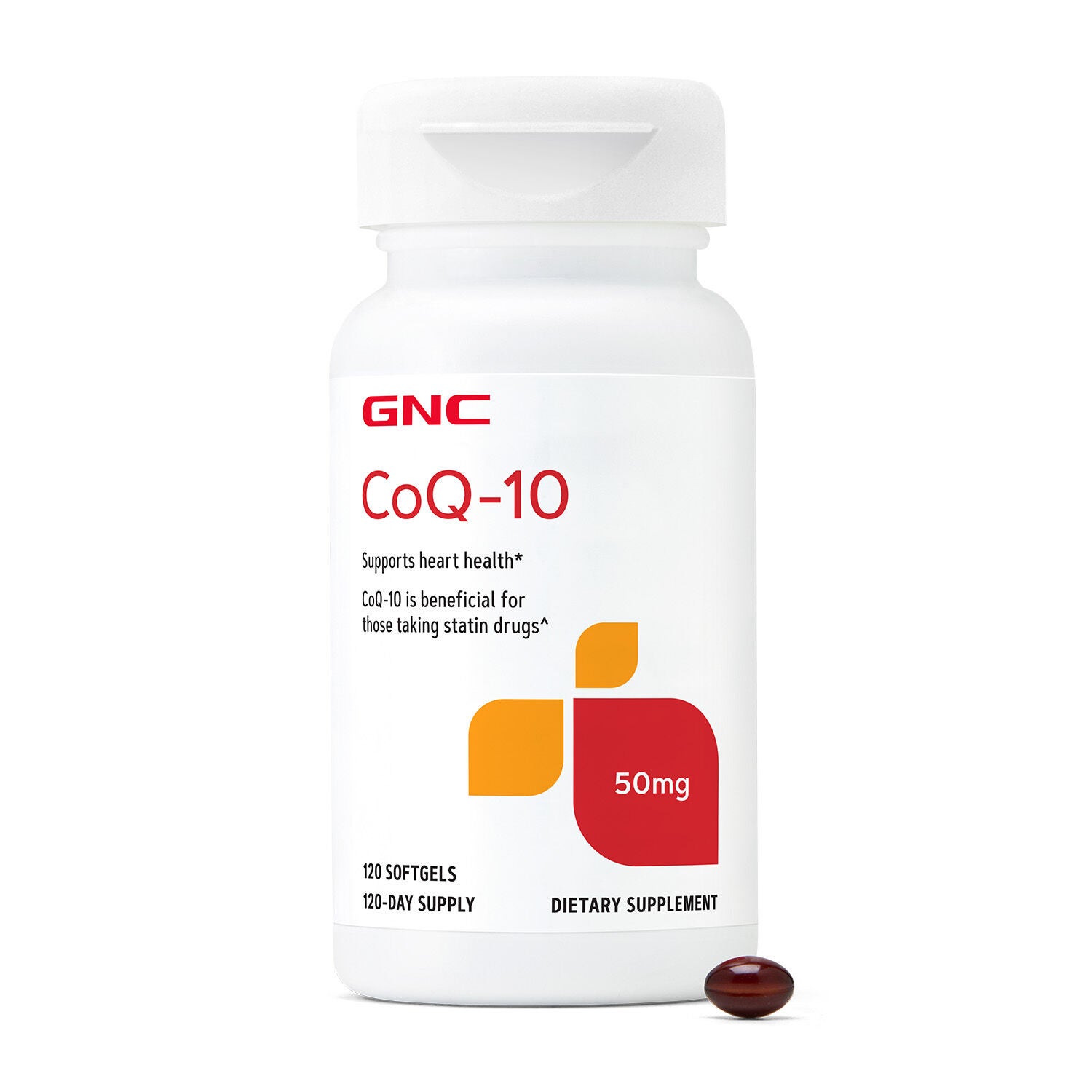
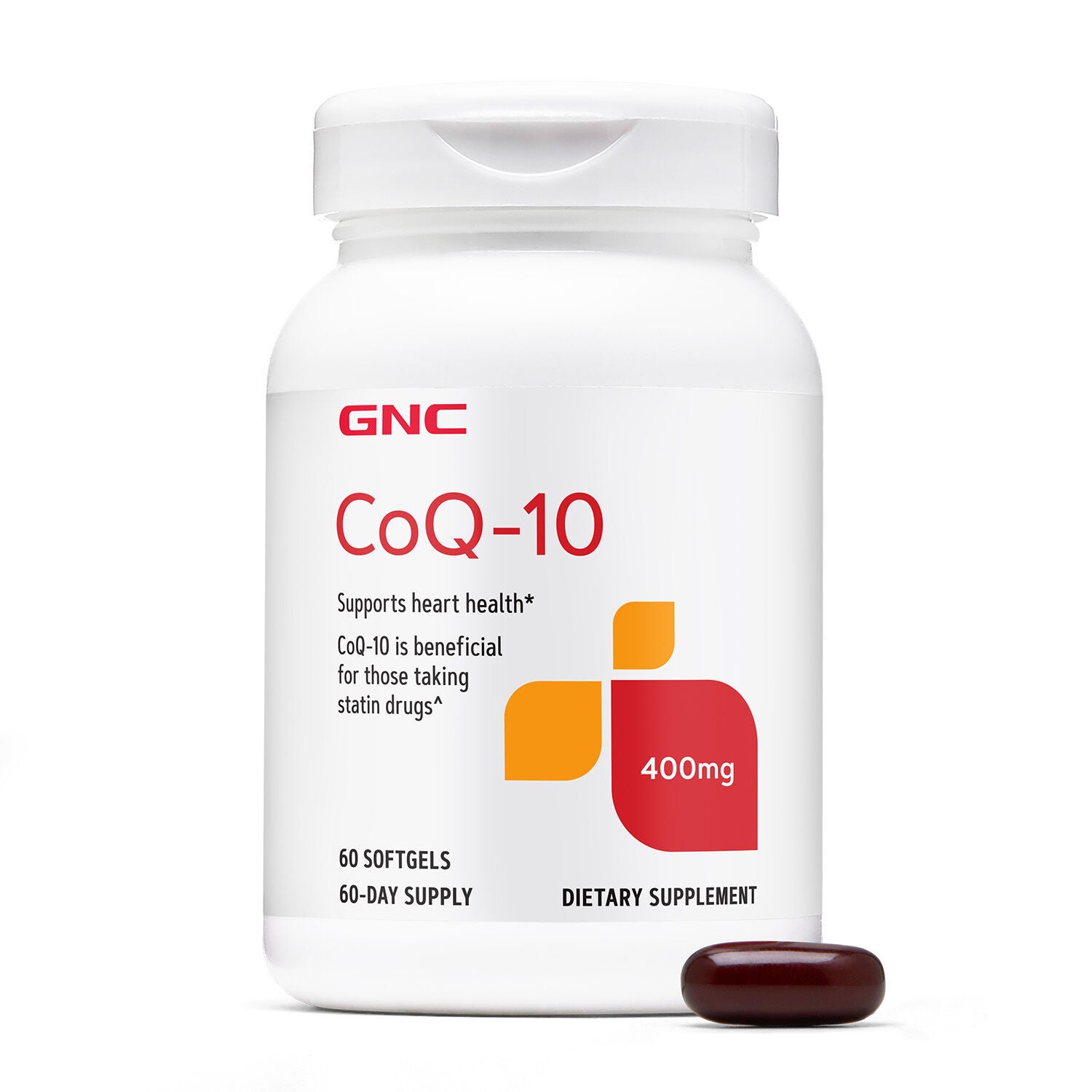
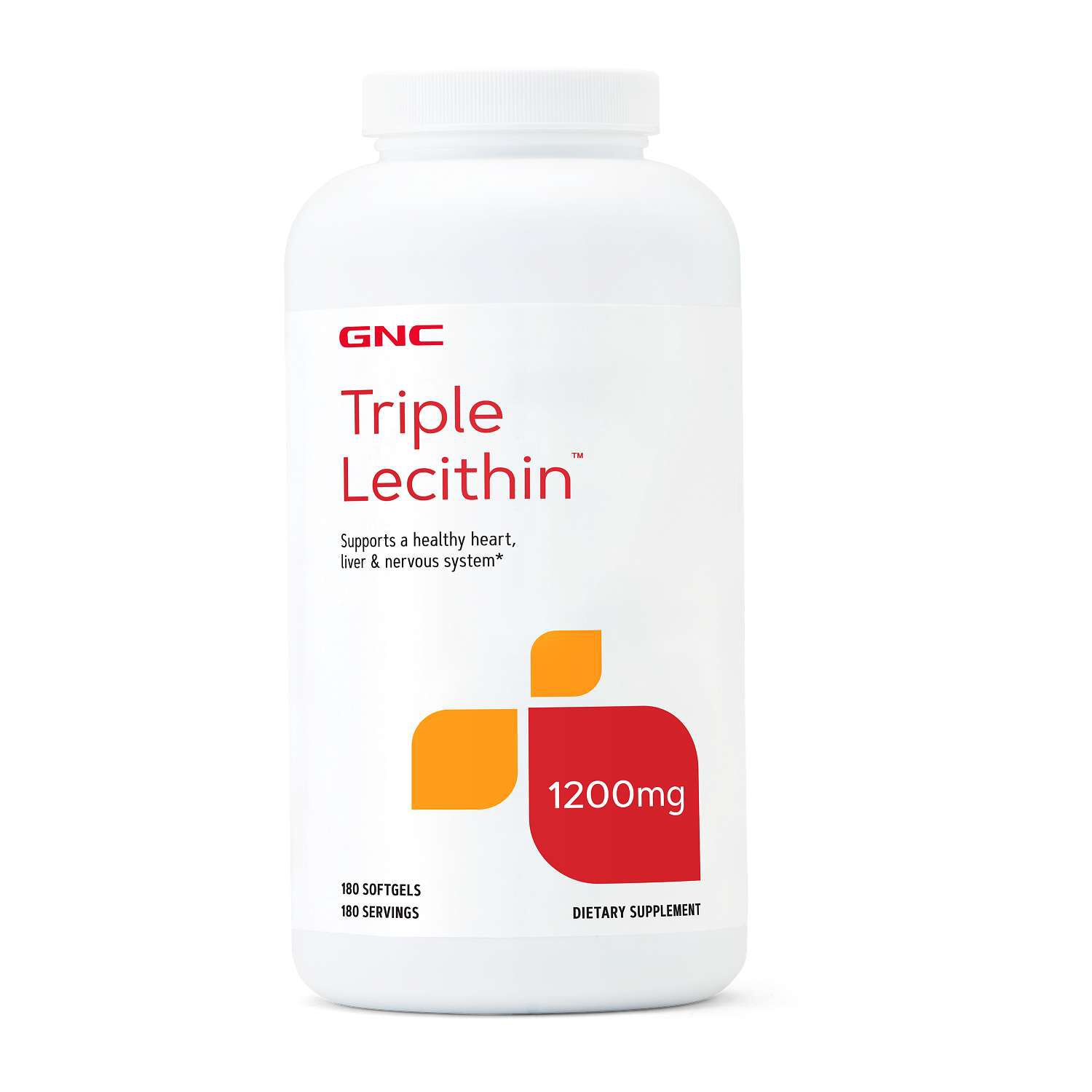
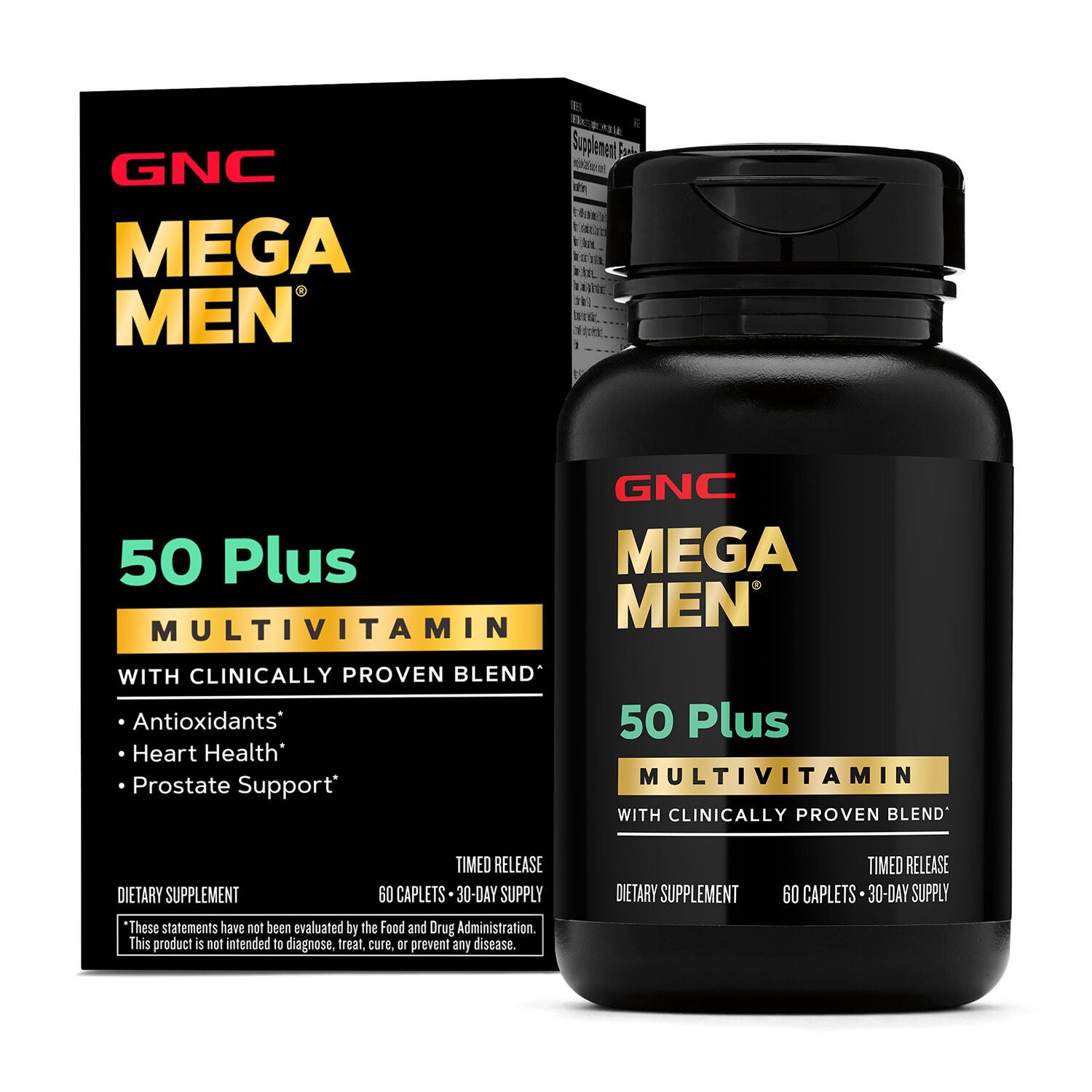
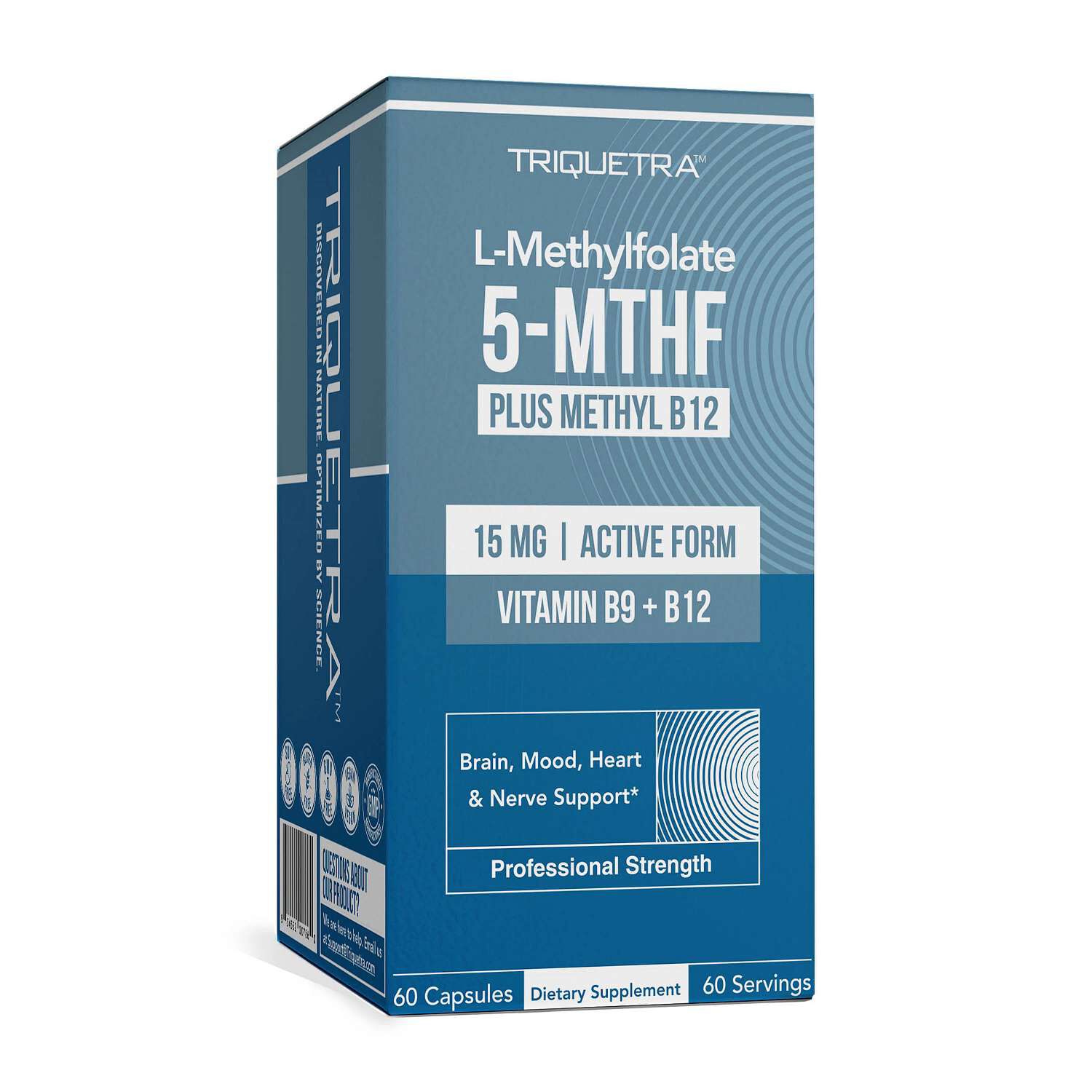
Heart health supplements are a broad category of dietary supplements associated with cardiovascular wellness, rather than a single ingredient or formula. The category can include omega-3 oils, coenzyme Q10, vitamins, minerals, and blends containing several ingredients. Those differences matter: two bottles with similar descriptions on the front can have very different contents, serving sizes, and directions on the back. The words “heart health” identify a shopping theme; they do not establish that every formula has demonstrated benefits for the heart or that taking a supplement prevents heart disease. Evidence depends on the particular ingredient, its form and amount, the people studied, and the outcome measured. Findings about one ingredient do not automatically apply to every blend that contains it. Dietary supplements also occupy a different regulatory category from prescription medicines. The FDA does not approve dietary supplements for safety and effectiveness before they are sold, and a polished label or familiar ingredient name is not the same as evidence of a health benefit. This makes clear product information especially valuable when browsing the category. Ingredient identity, the amount in each serving, dietary characteristics, and the format all offer concrete points of comparison without relying on broad wellness language. Supplements are distinct from the foods that make up an everyday eating pattern, and their labels do not describe the full nutritional value of meals. A capsule containing an isolated nutrient is different from a plate of beans, vegetables, whole grains, or fish, which contains a mixture of nutrients and other food components. For adults exploring this category, the most useful background is therefore specific rather than sweeping: what a formula contains, how it is presented, and what its labeling actually says. Customer reviews can describe details such as capsule size, taste, or packaging, but individual experiences do not establish effectiveness or determine suitability for another person.
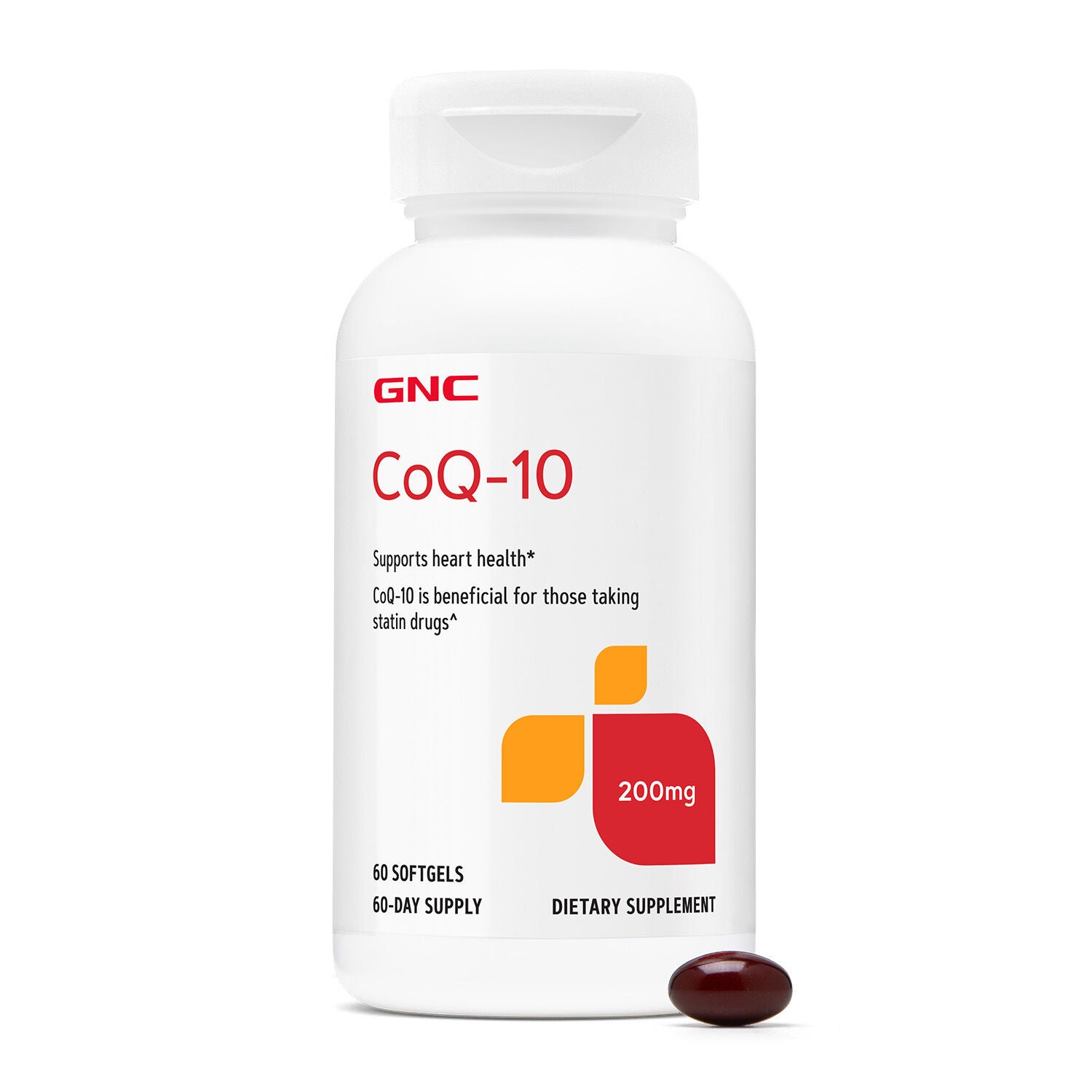
Comparing heart health supplements often starts with the Supplement Facts panel, where the serving size gives context to every listed amount. A serving might consist of one softgel, two capsules, several gummies, or a measured portion of liquid. A bottle containing sixty capsules does not necessarily contain sixty servings, so the count on the front and the serving information on the back answer different questions. With omega-3 supplements, the amount of oil is not necessarily the same as the amount of EPA and DHA, two omega-3 fatty acids that may be listed separately. Fish-derived and algae-derived oils also differ in their source, which can matter to people with particular dietary preferences. Coenzyme Q10 labels may identify forms such as ubiquinone or ubiquinol; the precise ingredient name is more informative than treating every CoQ10 formula as identical. For blends, individually stated ingredient amounts offer a different degree of detail from a combined blend amount. The other ingredients section adds another layer of context, including capsule materials, carriers, flavors, colors, and sweeteners. Gelatin and plant-derived capsule materials are distinct options, while gummies may use gelatin or pectin and can vary in texture, sugar content, and flavor. A glossy softgel, a dry capsule, and a fruit-flavored chew are different everyday experiences even when their category descriptions sound similar. Someone who dislikes a lingering flavor may pay close attention to coatings and flavor descriptions; someone who prefers fewer pieces per serving may focus on serving size alongside capsule dimensions. Liquids involve measuring and may have storage directions that differ after opening. Dietary statements and allergen information deserve their own reading rather than assumptions based on appearance or format. Independent testing can add information about identity, composition, or certain contaminants, depending on the testing program, but it does not establish that a supplement will deliver a particular heart-related outcome. A testing mark is most informative when the organization explains exactly what was evaluated.
Practical details also shape how heart health supplements fit into an adult’s existing routine. A bottle kept beside breakfast dishes, a liquid stored according to its label, and a container packed for a trip each bring different handling considerations. Packaging can include a screw cap, a child-resistant closure, a tamper-evident seal, or a separate measuring device. Those features describe how the contents are protected and accessed; none substitutes for reading the product’s directions. Storage information is especially relevant for oils, softgels, and liquids, since labels can specify protection from light or moisture, or refrigeration after opening. The original container keeps the ingredient panel, lot information, expiration date, and storage directions together instead of separating the contents from their identifying details. For someone comparing formats, the practical fit may come down to whether a liquid requires measuring, how many capsules make up a serving, or whether the container fits comfortably in a kitchen cabinet. Adults already using other supplements may also notice repeated vitamins or minerals across several labels; matching ingredient names across those panels is a different task from judging a formula by its front label alone. Questions involving personal health history, pregnancy, or use alongside medicines require individualized assessment beyond what a shopping page can provide. As a gift, supplements involve more personal considerations than a shaker bottle or storage pouch: dietary preferences, ingredient sources, and the recipient’s established choices all matter. A familiar, specifically requested format leaves less room for assumptions than an unfamiliar blend selected solely because of its category name. Shoppers exploring adjacent categories can also browse Heart Healthy Energy Supplements to compare ingredient lists, serving formats, and labeled directions. Energy-oriented wording and heart-related wording describe merchandising themes, not proof that different formulas serve the same purpose. Across these categories, clear labeling, understandable ingredient information, and realistic expectations provide a more grounded basis for comparison than an appealing name alone.
Best Sellers
Related Pages
Top Collections
- Zinc Supplements | Top Brands at Great Prices | GNC
- Cortisol Supplements
- NAD+ Supplement Tablets
- Top Rated Collagen | Shop Customer Favorites | GNC
- Best Brand of Magnesium Glycinate
- Peptide Supplements
- Iron Supplements
- Protein Powders For Muscle Growth Support
- Vitamins That Help Support Weight Gain
- Peptide Supplements for Muscle Growth