

Herbal Capsules For Brain Health Support
(0 Results)
Explore a variety of herbal capsules for brain health that may support cognitive function and mental clarity. These supplements often contain natural ingredients known for their potential benefits in promoting overall brain wellness. Whether seeking to maintain focus during a busy day or looking to support long-term cognitive health, herbal capsules for brain health might offer the support needed to stay sharp and alert. Discover options that could fit seamlessly into your daily routine and contribute to a healthier mind.
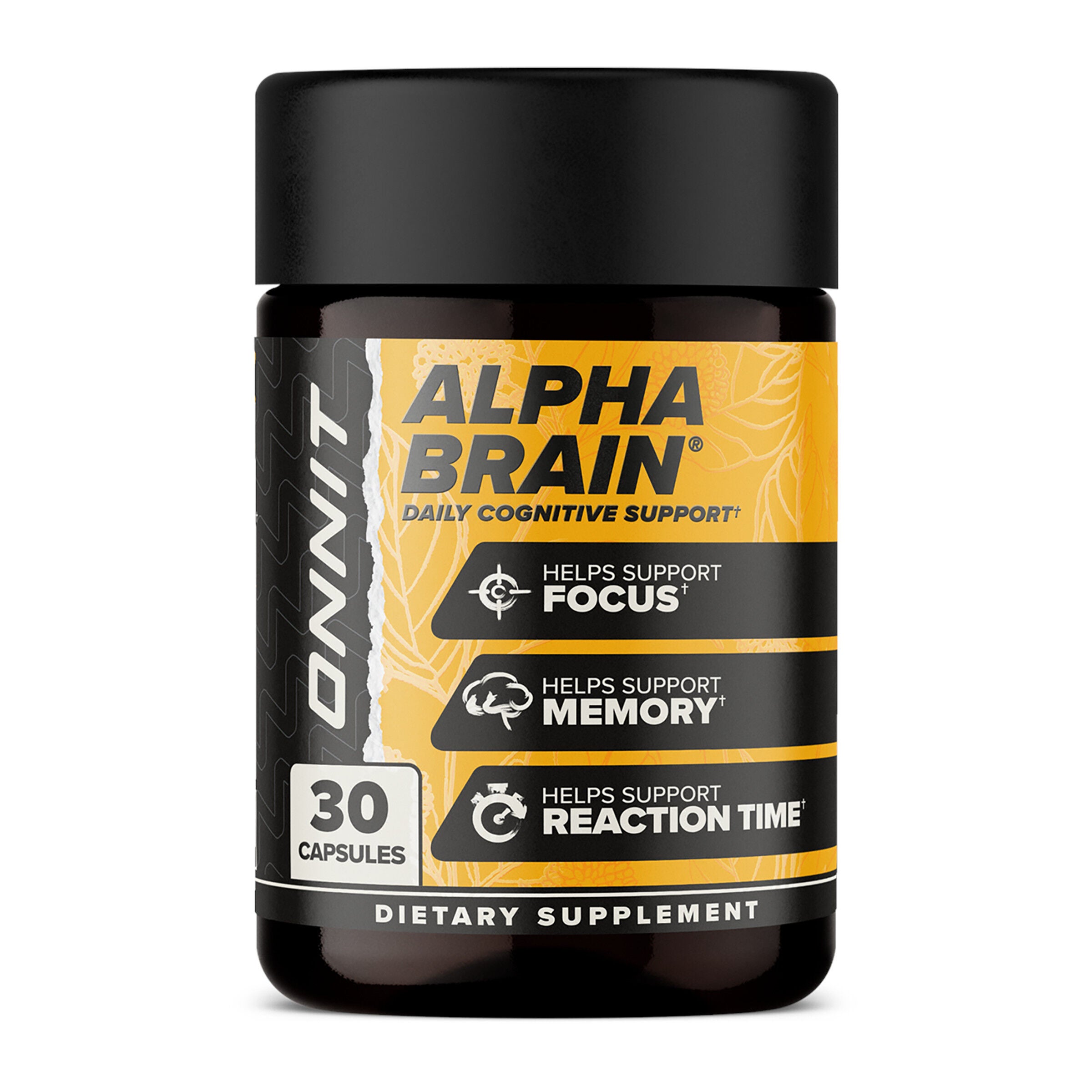
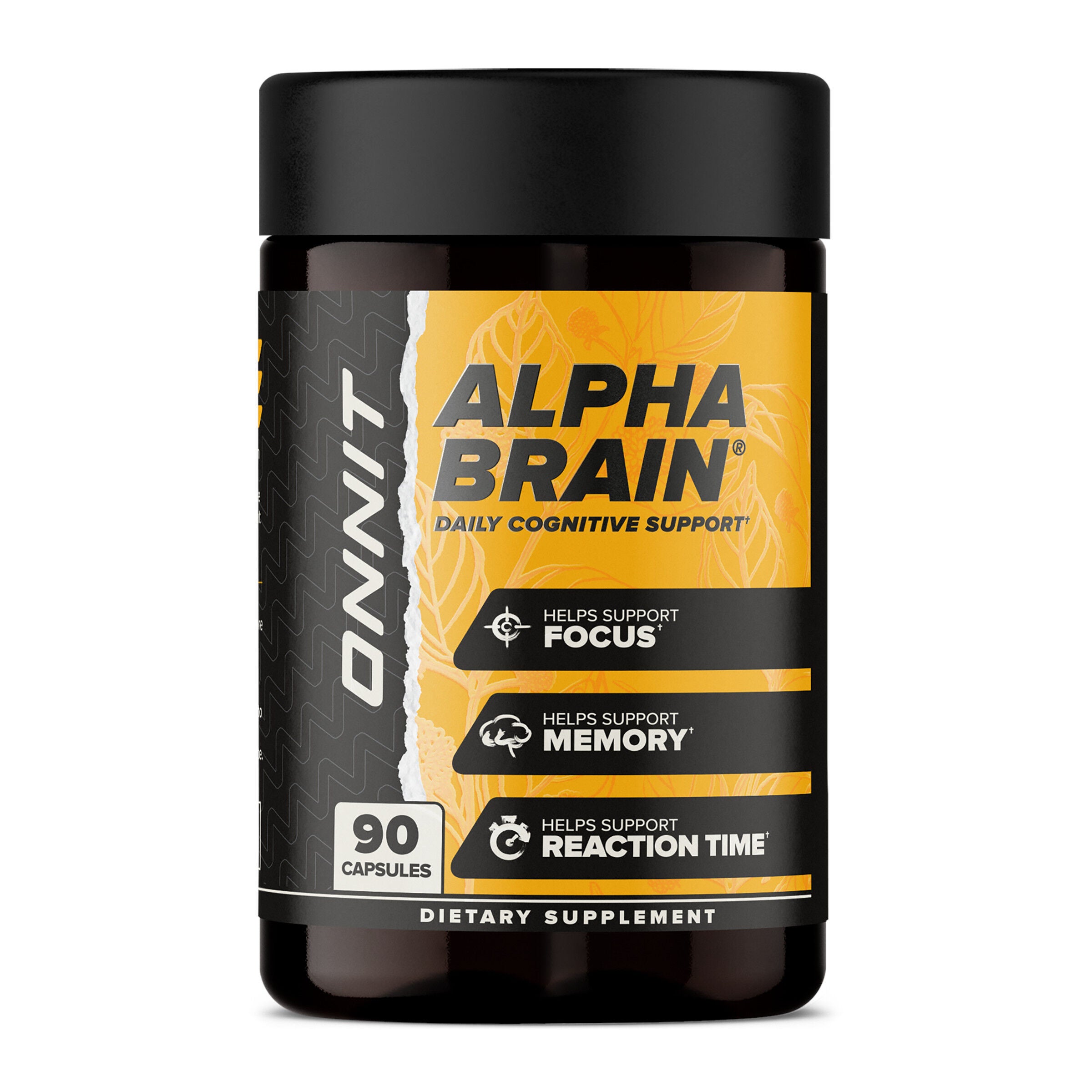
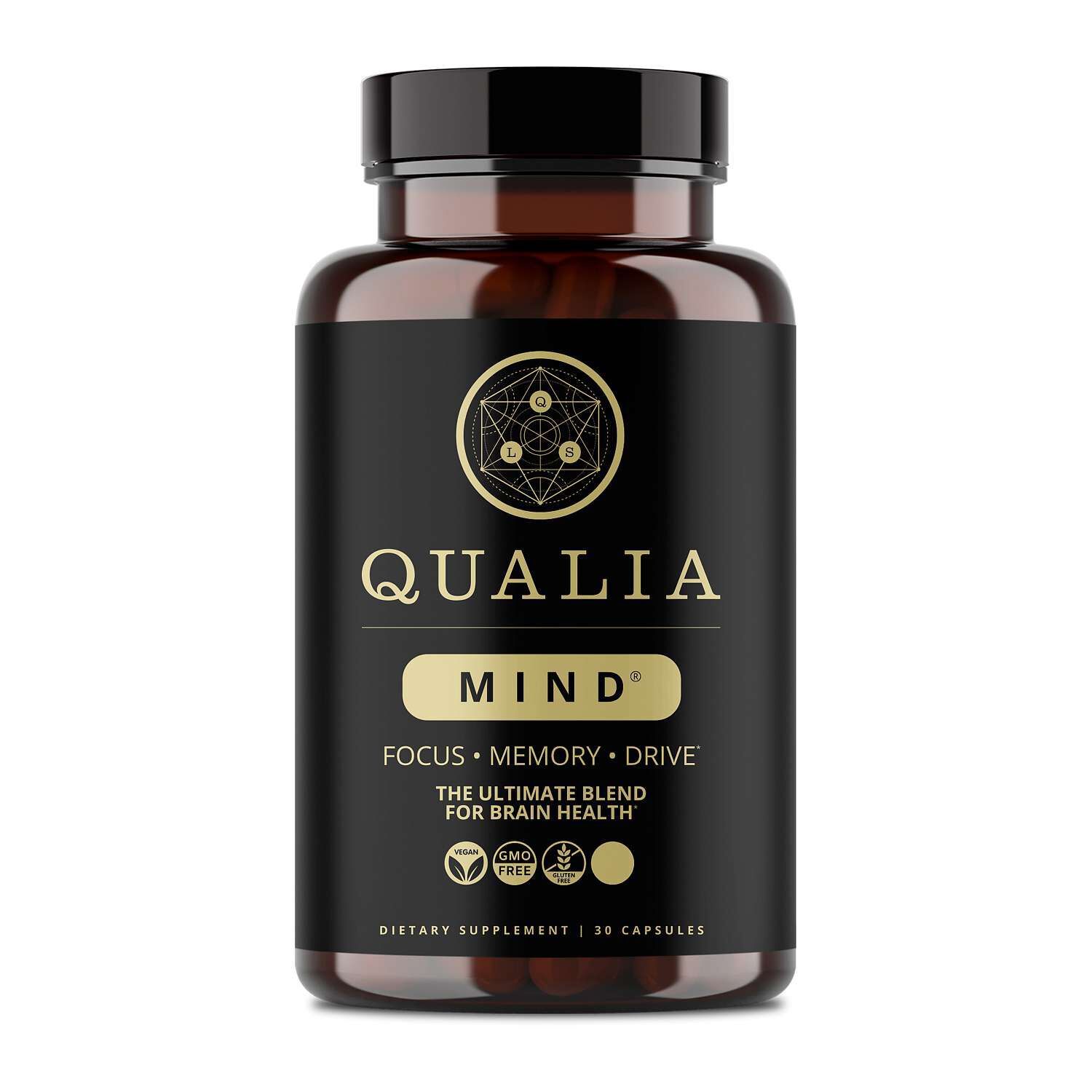
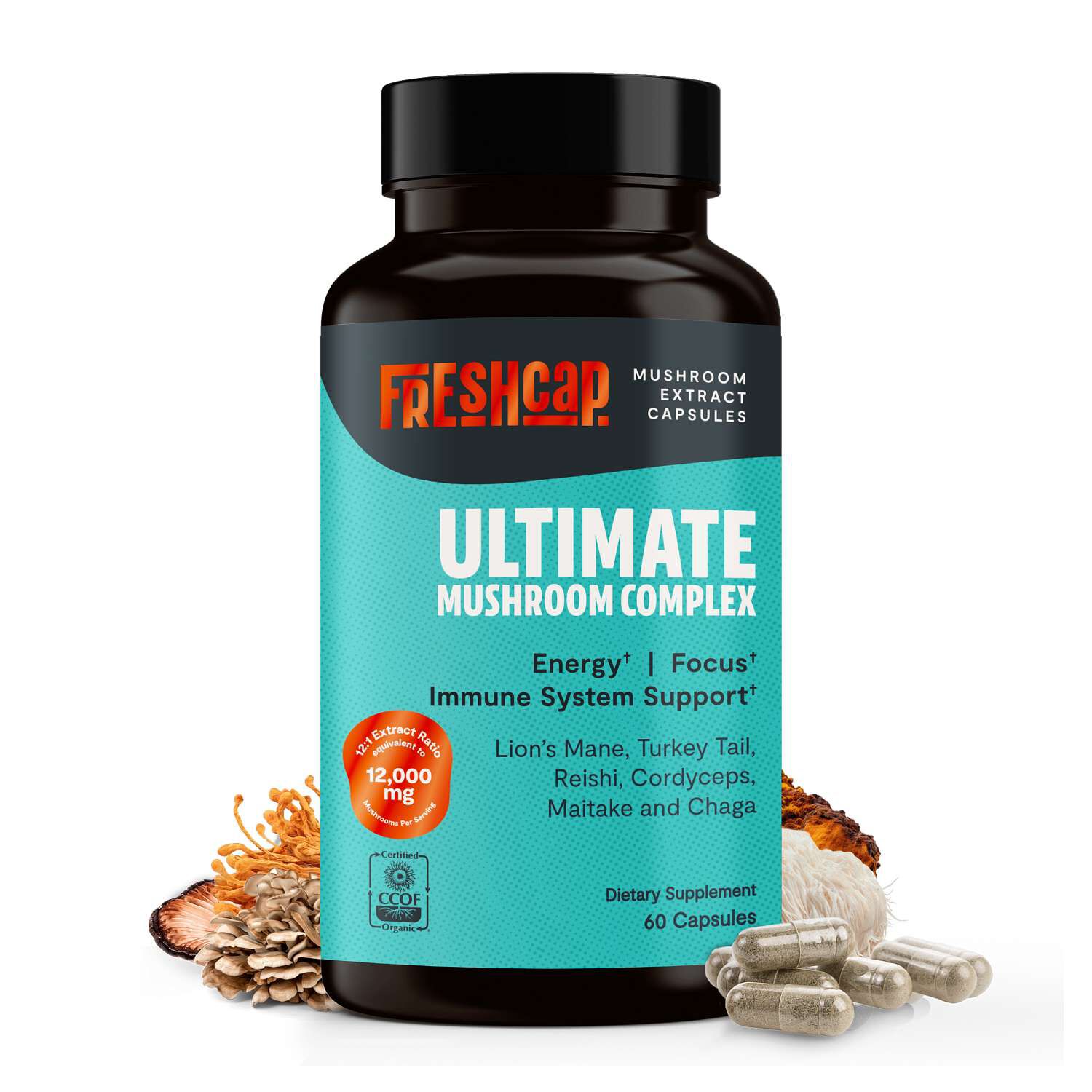
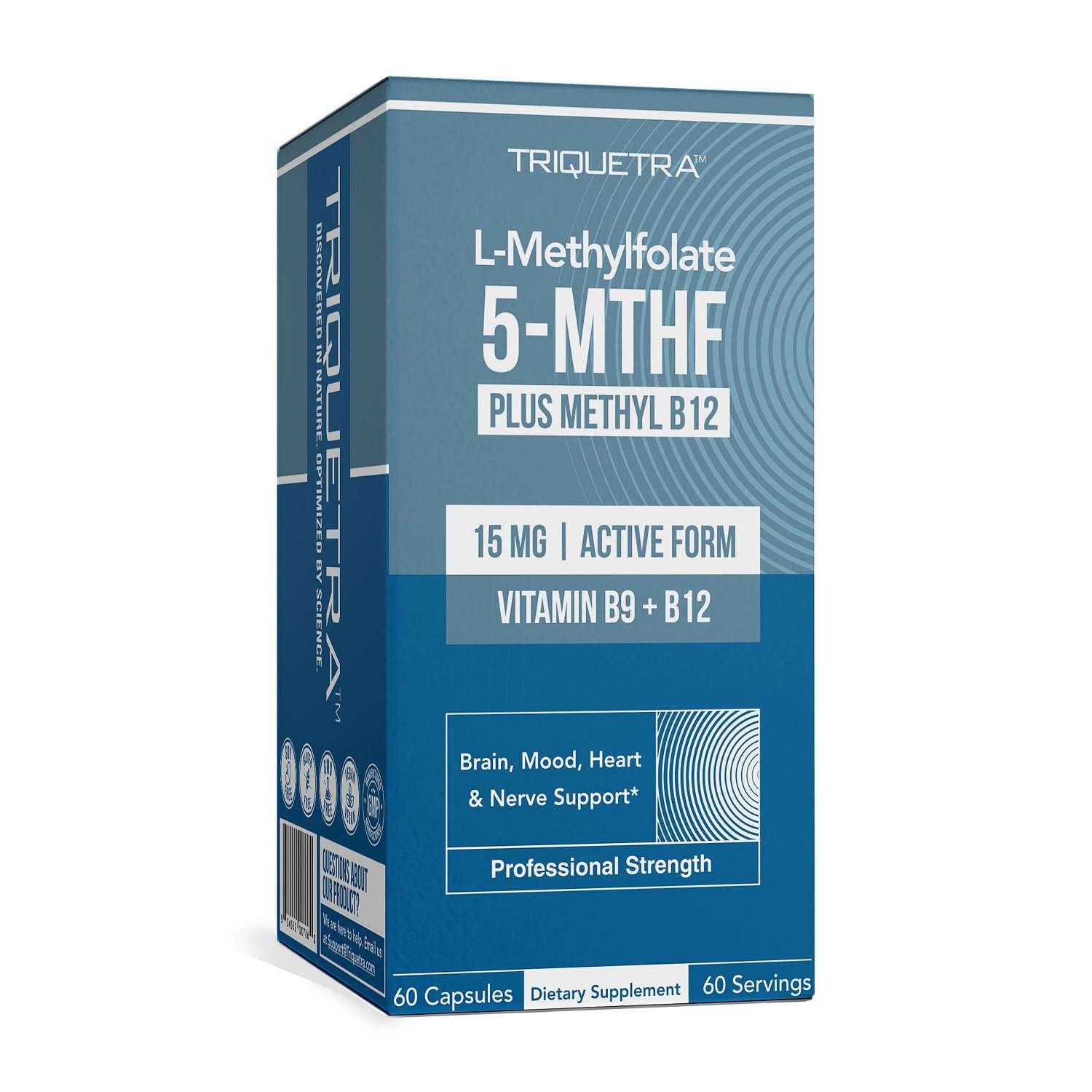


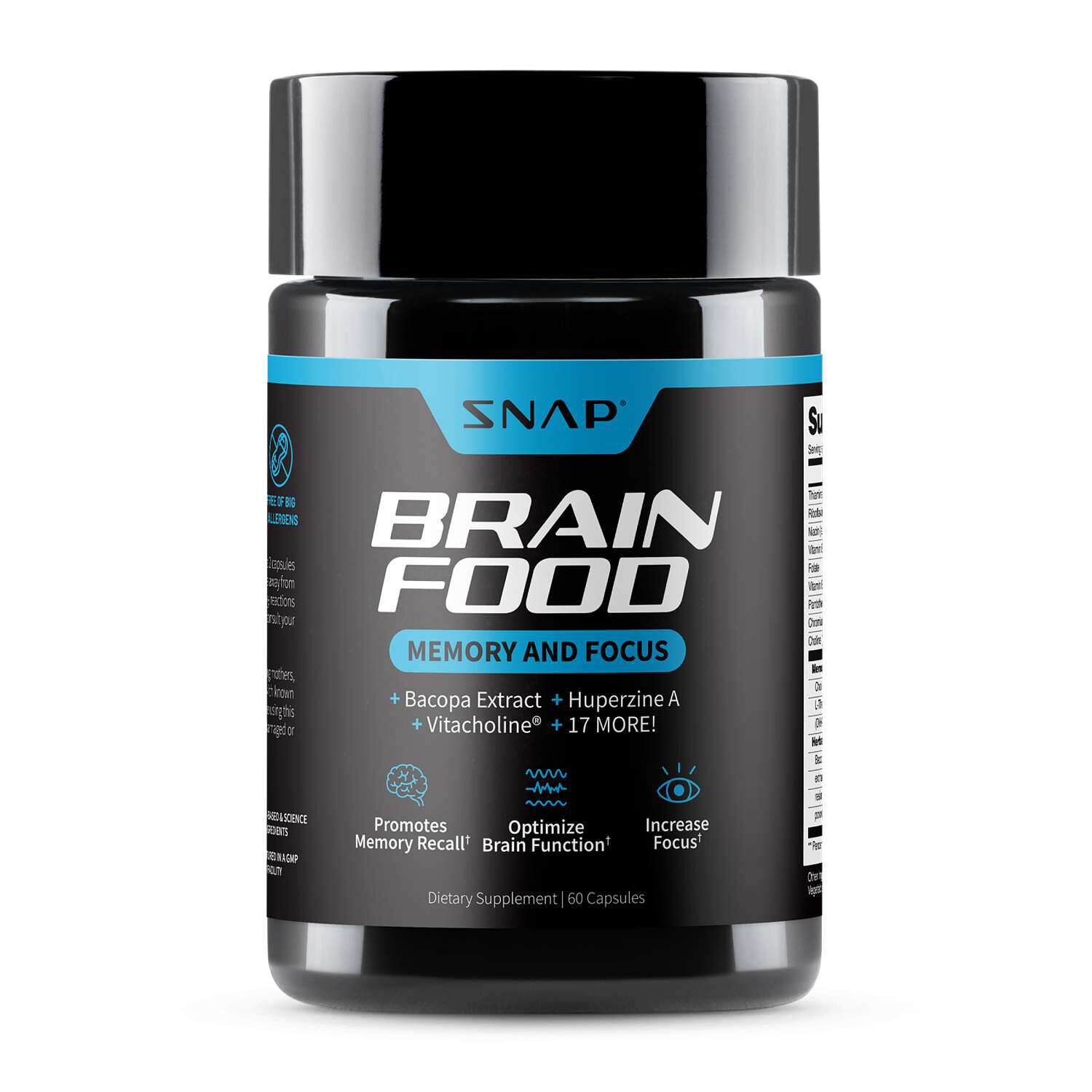


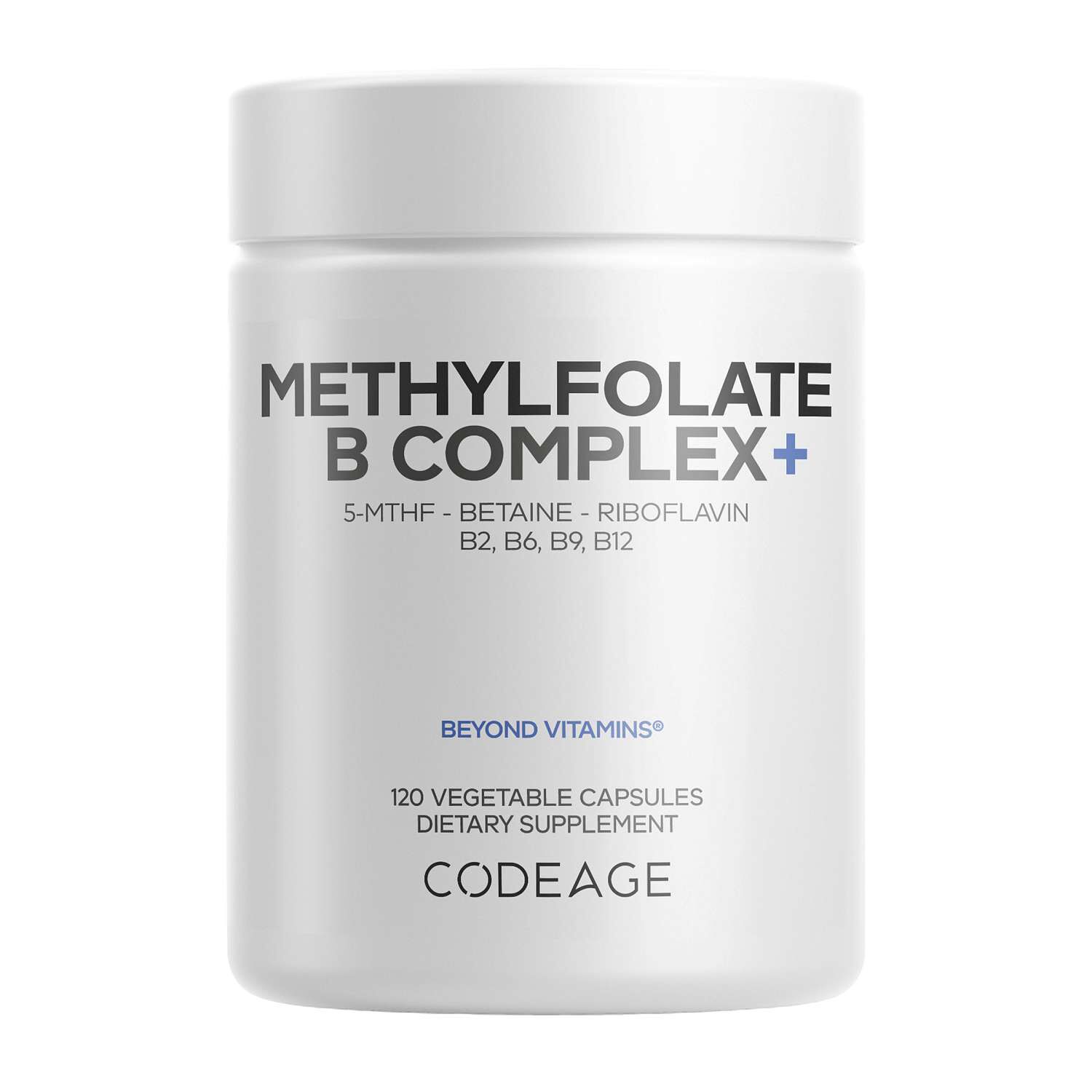
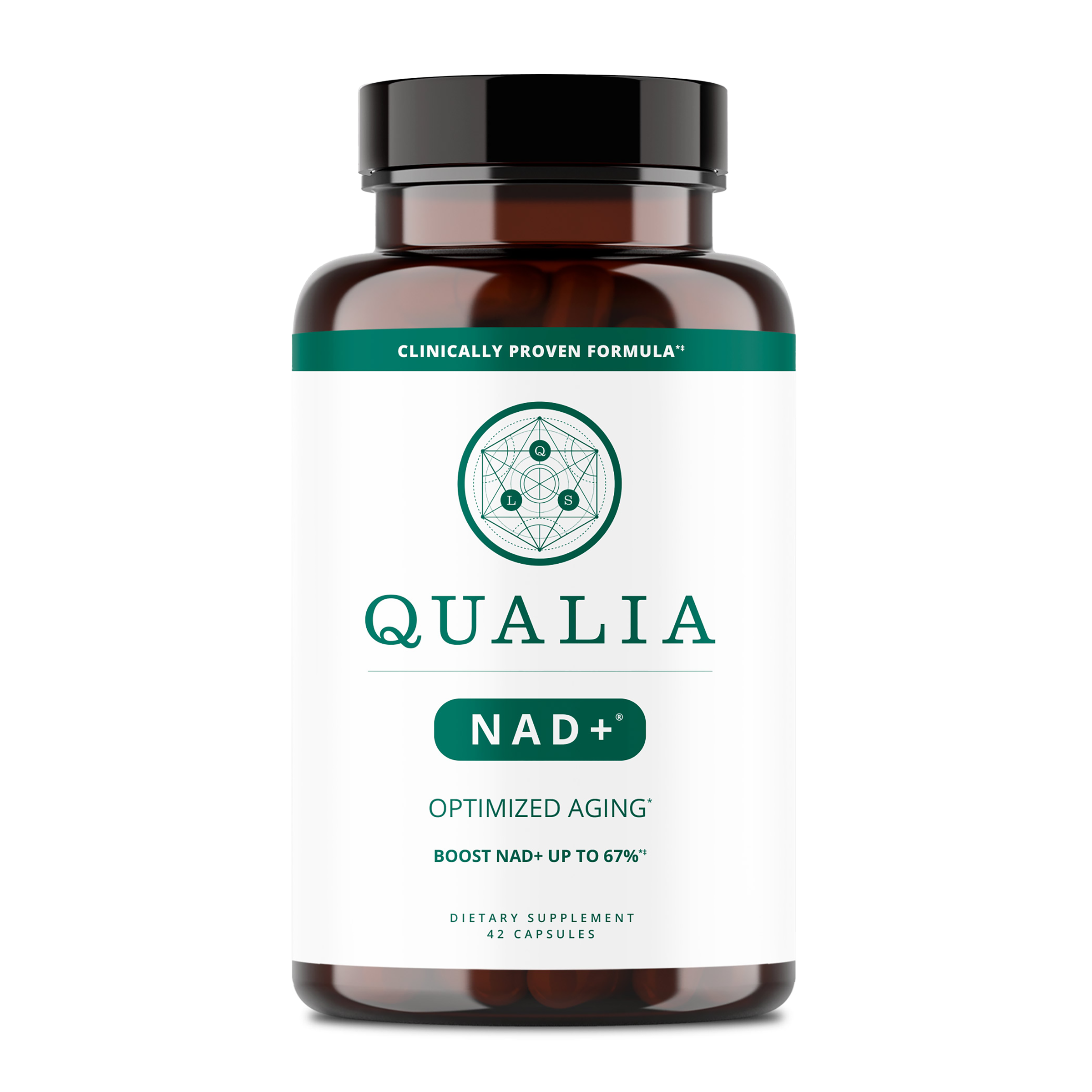
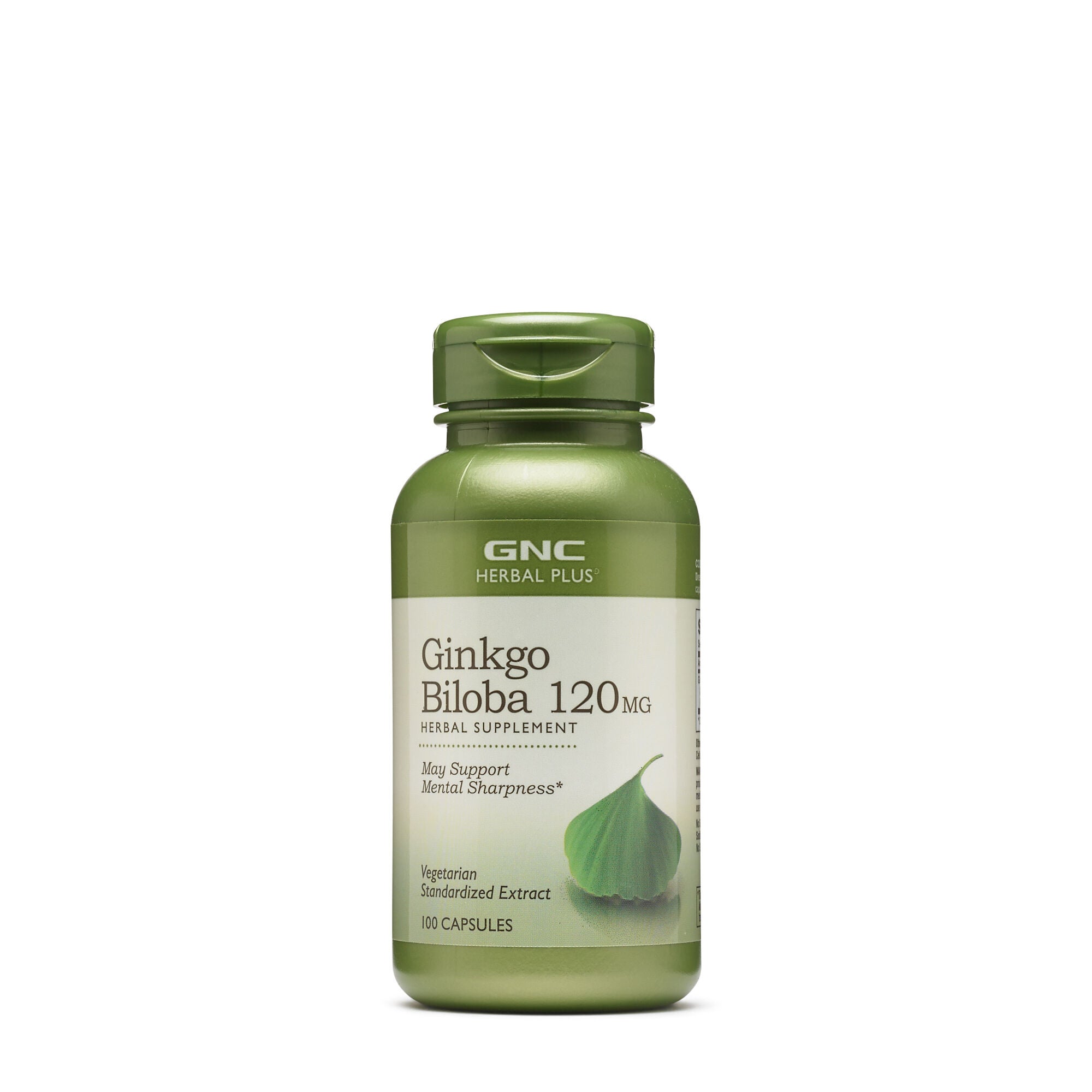
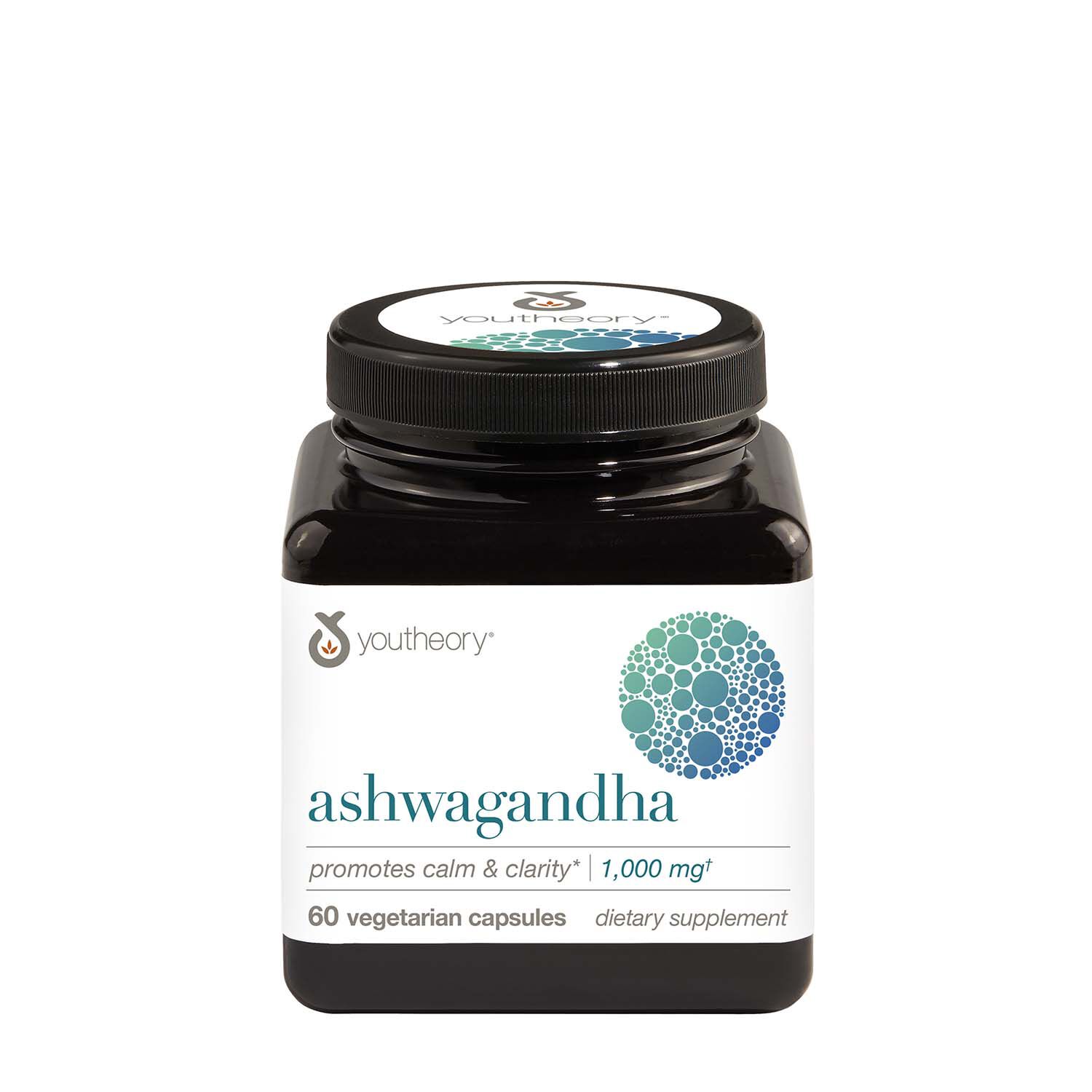
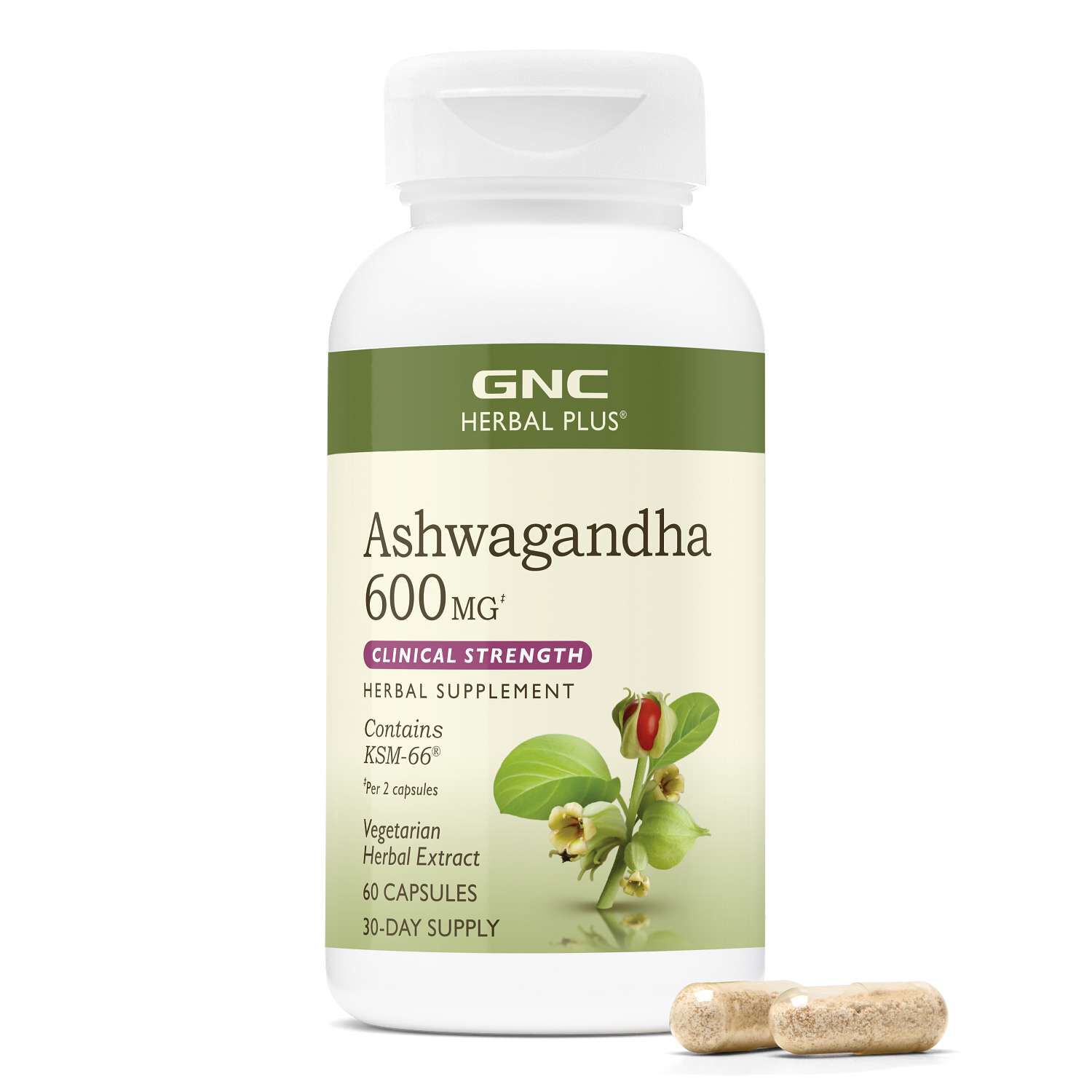
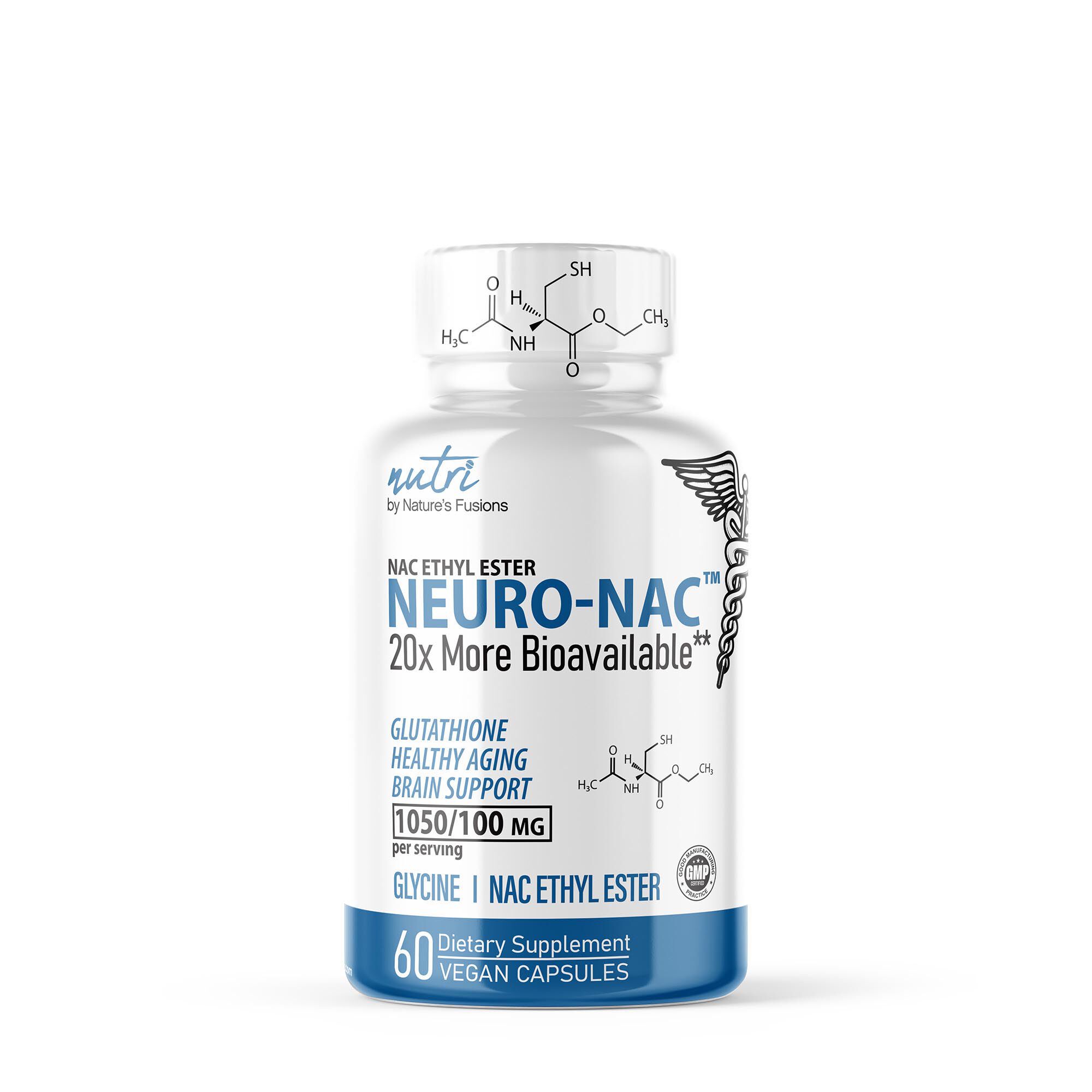
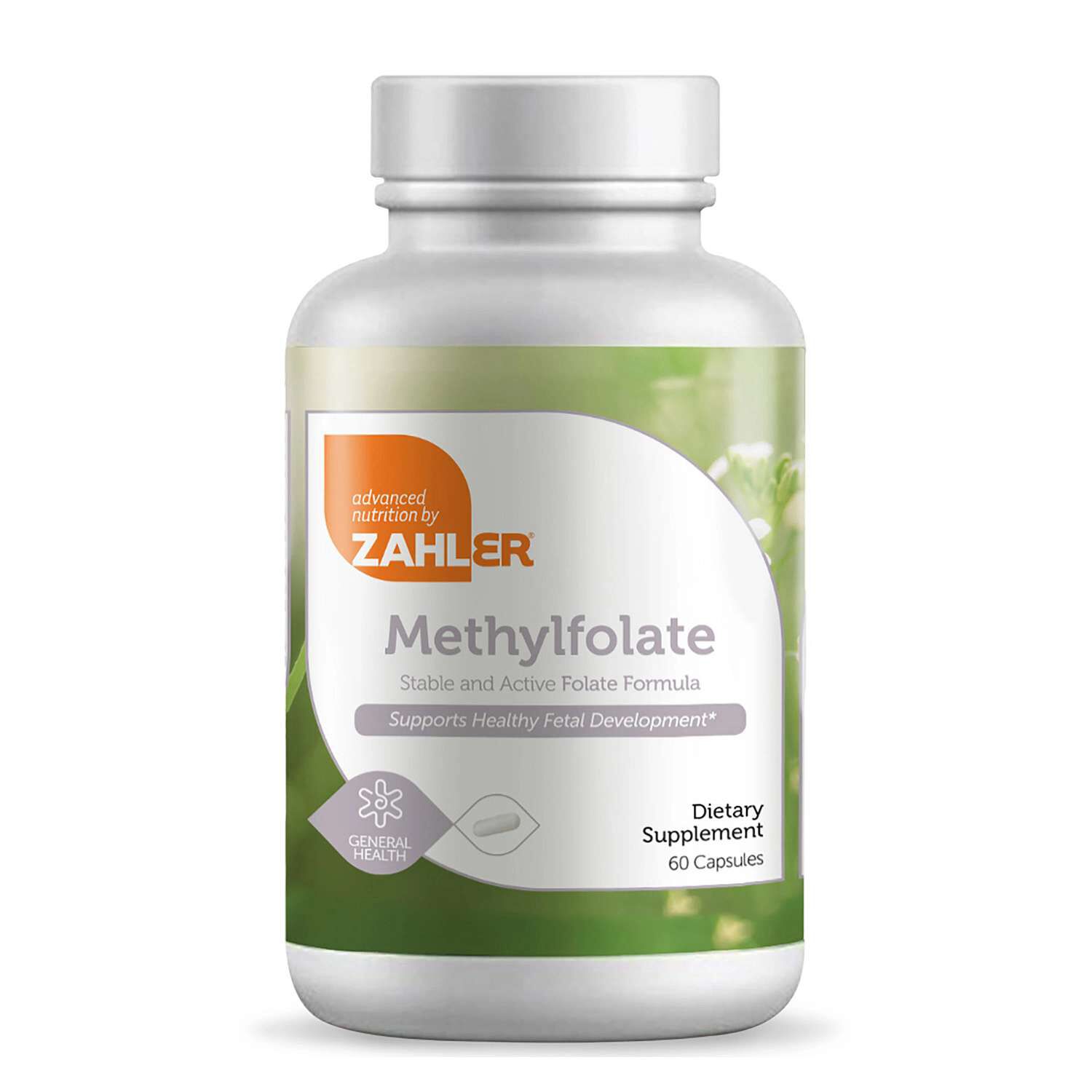

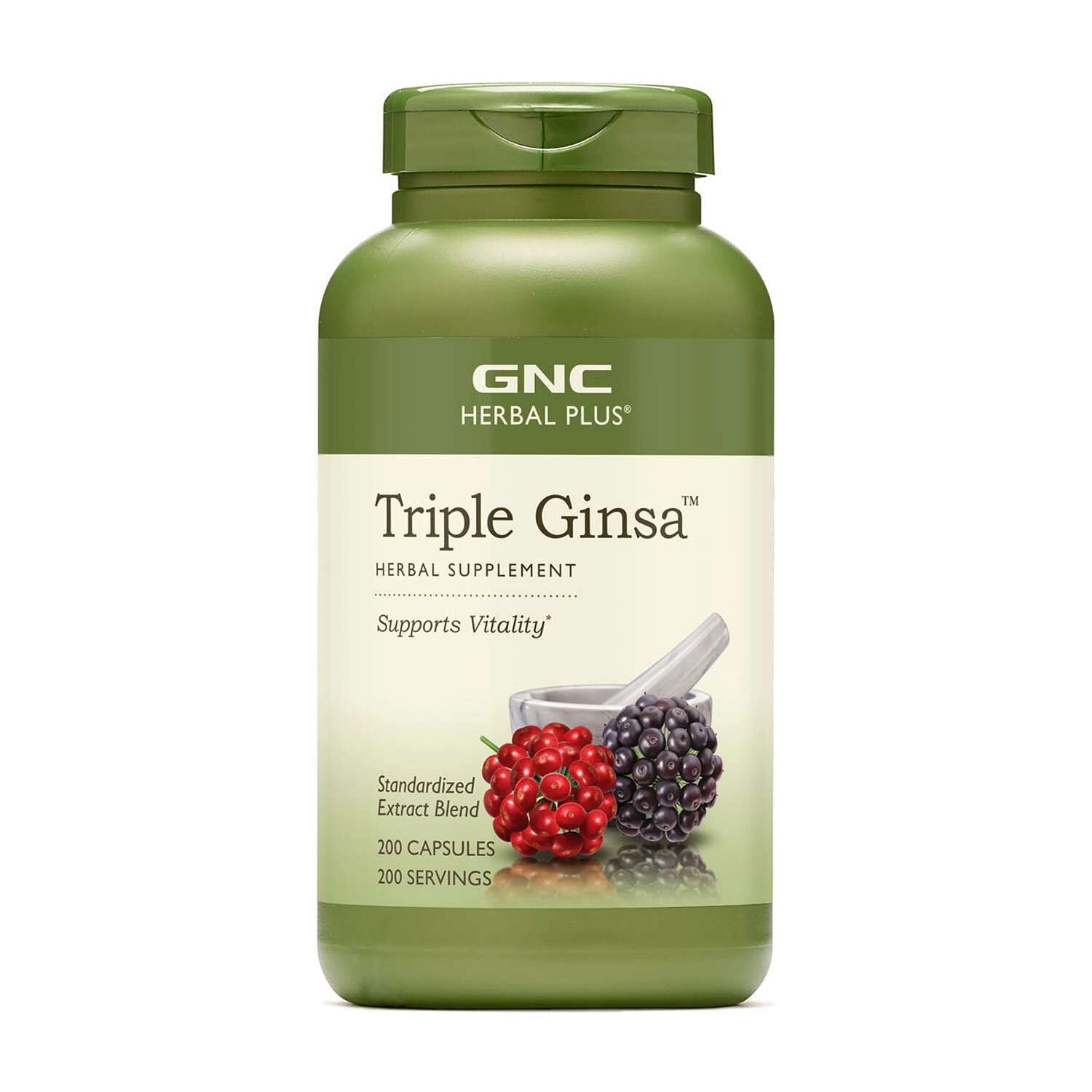

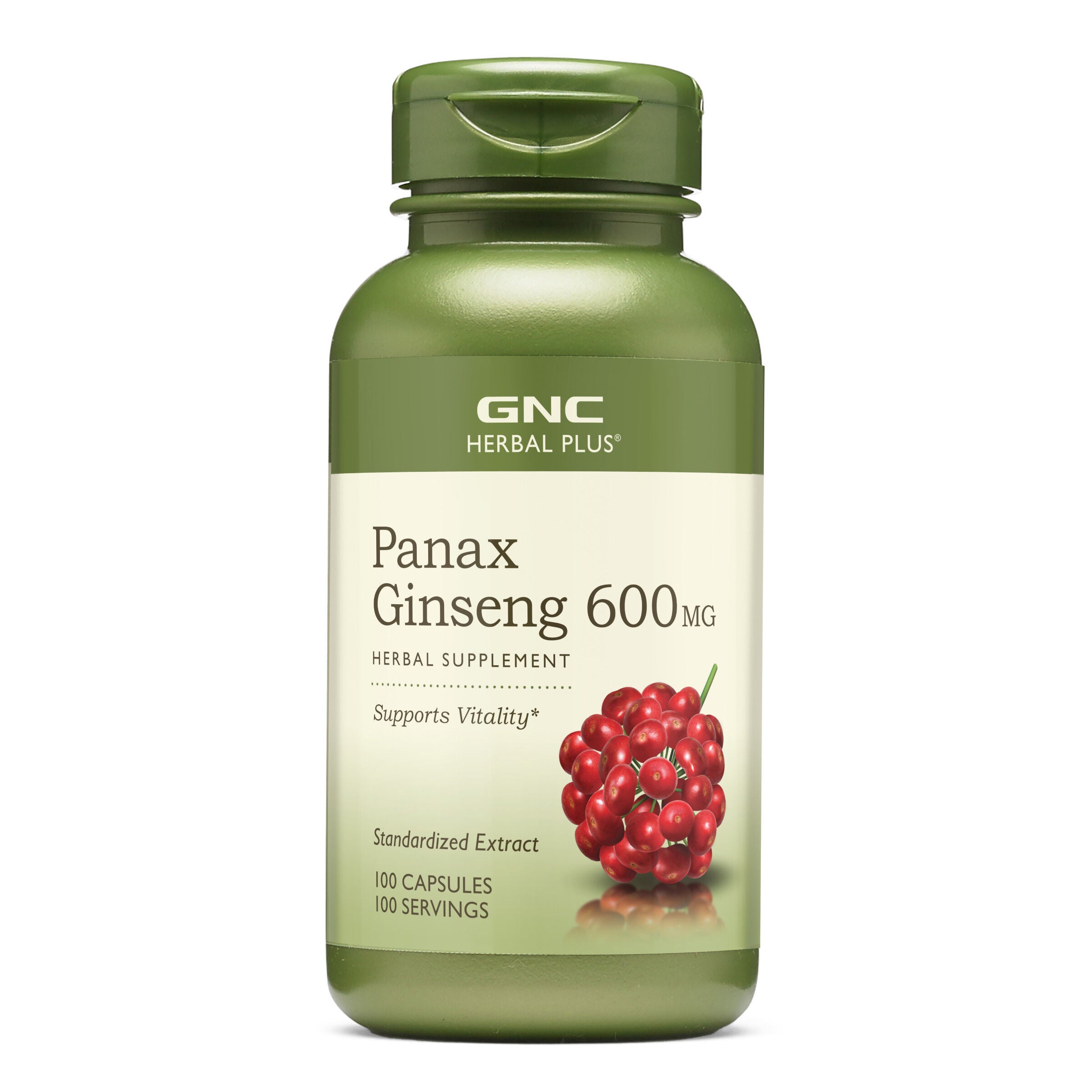
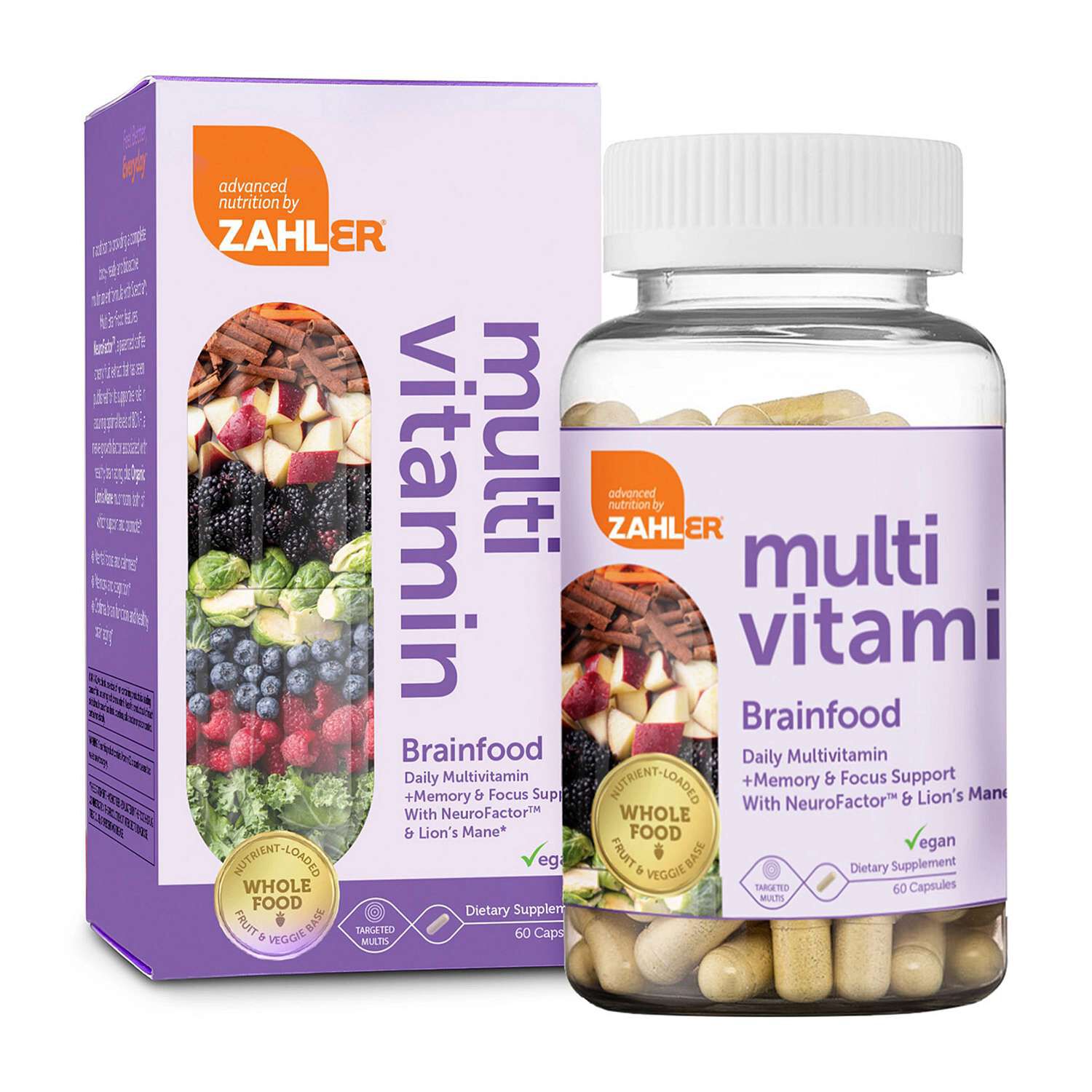
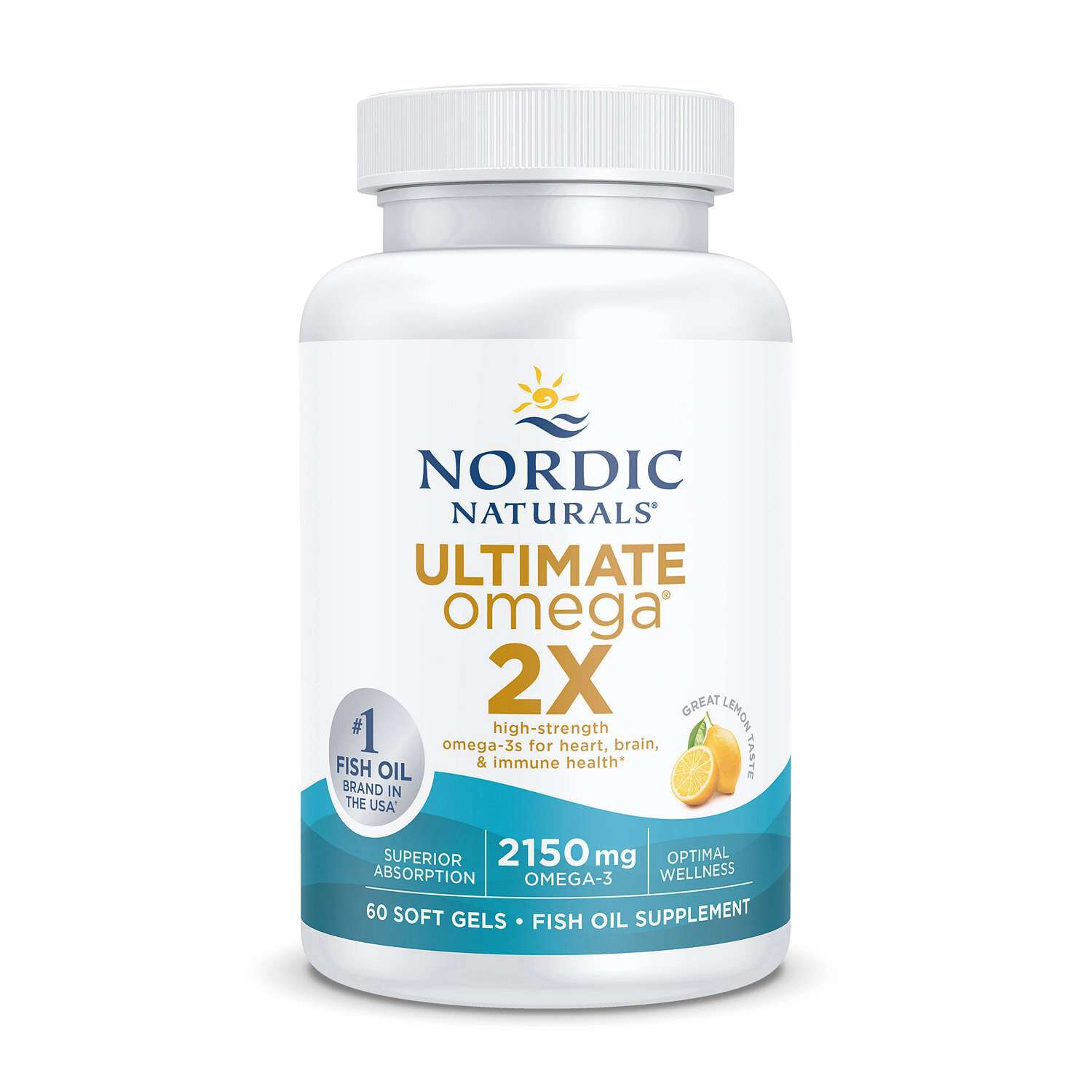
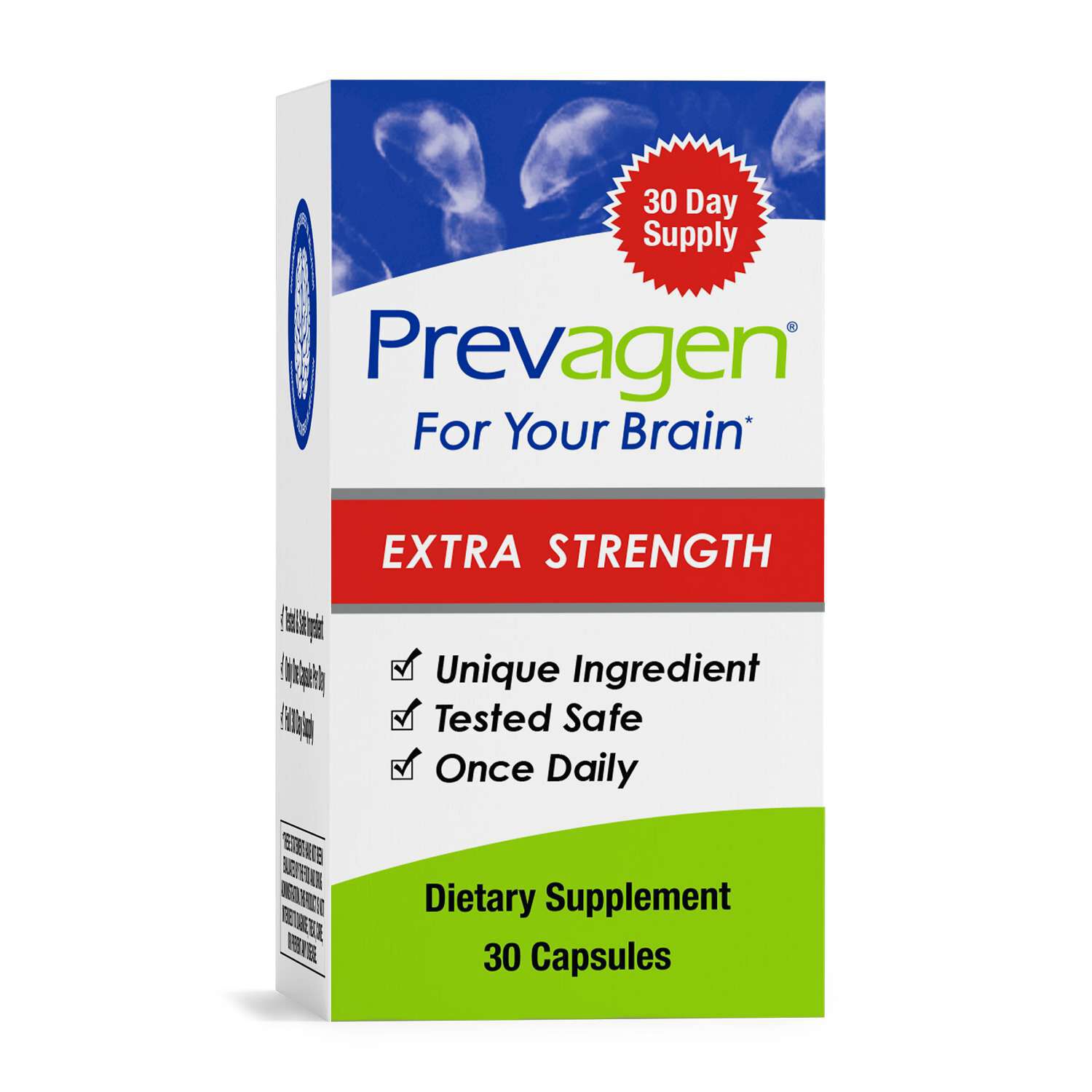
Herbal capsules for brain health support are dietary supplements made with botanical ingredients and intended for adults interested in everyday cognitive wellness. Formulas in this category may support aspects of mental performance, such as memory, focus, or mental clarity, depending on their ingredients and intended use. The category includes single-herb capsules as well as blends that bring several botanical extracts together in one serving. Ginkgo biloba and bacopa monnieri are familiar examples, while some broader formulas also include ashwagandha or mushroom ingredients such as lion’s mane. Although mushrooms are fungi rather than herbs, they often appear alongside botanicals in supplements positioned for cognitive wellness. These ingredients are not interchangeable: each has its own composition, preparation methods, and research background. Bacopa, for example, has a history of use in Ayurvedic traditions, while ginkgo supplements commonly use extracts of the tree’s leaves. Traditional use provides context, but it does not establish how a particular capsule will perform. Research on botanical ingredients and cognitive wellness varies in quality, and findings from one preparation do not necessarily apply to another. An ingredient’s name alone tells only part of the story; the plant part, extract type, amount per serving, and other ingredients also shape what is inside the bottle. For someone moving between meeting notes, a reading assignment, and a busy household calendar, this category may fit an interest in a considered wellness routine rather than an expectation of immediate results. Adults browsing for everyday memory support may approach the category differently from those interested in focus during desk work, making a formula’s stated purpose a useful point of comparison. Capsules also offer a different experience from brewed herbs or powdered blends: there is no tea to steep or powder to measure, though serving directions still vary. This format may appeal to people who prefer a straightforward supplement routine without adding another flavored drink to their day.
A closer look at the label can make herbal capsule comparisons more meaningful. The Supplement Facts panel lists serving size and declared ingredient amounts, while the ingredient list provides information about the capsule shell and other components. An amount shown per serving may represent more than one capsule, so the number on the front of a bottle does not always describe a single capsule’s contents. Single-botanical formulas offer a narrower ingredient profile, while blends combine ingredients in proportions that differ from formula to formula. Some blends list individual amounts; others identify a blend amount without detailing the quantity of each component. Neither a longer ingredient list nor a larger milligram number, by itself, establishes a better match for a shopper’s preferences. Botanical powders and extracts also differ. A powder generally contains processed plant material, while an extract is prepared to concentrate selected constituents. Some labels identify a particular plant part, such as a leaf or root, or state a measured proportion of certain naturally occurring compounds. Those details help distinguish preparations, but they are not a direct measure of results. Capsule materials deserve similar attention. Shells may be made from gelatin or plant-derived materials such as cellulose, and dietary preferences can make that distinction important. Other ingredients may serve practical manufacturing purposes, including helping powders move through equipment or keeping capsule contents consistent. For shoppers who pay close attention to ingredient sourcing or dietary restrictions, clear labeling is more useful than broad front-label language. Capsule dimensions and the number required per serving can also affect how comfortably the format fits into an established routine. Someone accustomed to one capsule with breakfast may view a several-capsule serving differently from someone already comfortable with that format. For another view of supplements in this broader category, Brain Vitality Capsules provides a related place to browse. Across either page, the most useful comparisons remain the formula’s stated purpose, ingredient details, capsule composition, and directions—not simply the familiarity of an herb’s name.
Intended use and everyday practicality matter just as much as the botanical profile. Herbal capsules are generally presented as part of an adult wellness routine, and their labels describe the population and use for which they are intended. A workday spent reviewing documents, an evening devoted to a creative project, or a return to regular study can prompt interest in cognitive wellness, but none of those situations establishes that a supplement will produce a particular outcome. A formula that may support everyday focus is not a shortcut to mastering new material, and a memory-oriented label does not mean every user will notice the same experience. Sleep, varied meals, movement, and opportunities to pause remain part of the broader context in which people think about their daily routines. The presence of familiar herbs also does not make every formula suitable for every person; age restrictions, ingredient sensitivities, and other label cautions remain important product information. As personal purchases, these capsules allow adults to weigh their own preferences about ingredients, serving format, and intended use. They are a more individual choice than a general wellness gift, especially when the recipient’s preferences are unknown. Storage and packaging are practical considerations as well. Capsules are consumable products, so their longevity is a matter of labeled shelf life and storage conditions rather than durability through repeated use. A tightly closed original container preserves access to the directions, ingredient panel, and date information. Package instructions specify storage requirements, which commonly call for a cool, dry location away from excess heat and moisture. A steamy bathroom shelf or a bag left in a hot car offers a different environment from a dry cupboard. For commuting or travel, the container’s closure and readable label can matter more than decorative packaging. During the cooler months, when schedules may shift between indoor work, study, and time away from home, a manageable serving format can be especially relevant. A thoughtful comparison brings these ordinary details together: what the formula contains, how it is presented, whom it is intended for, and how naturally it fits the routine already in place.