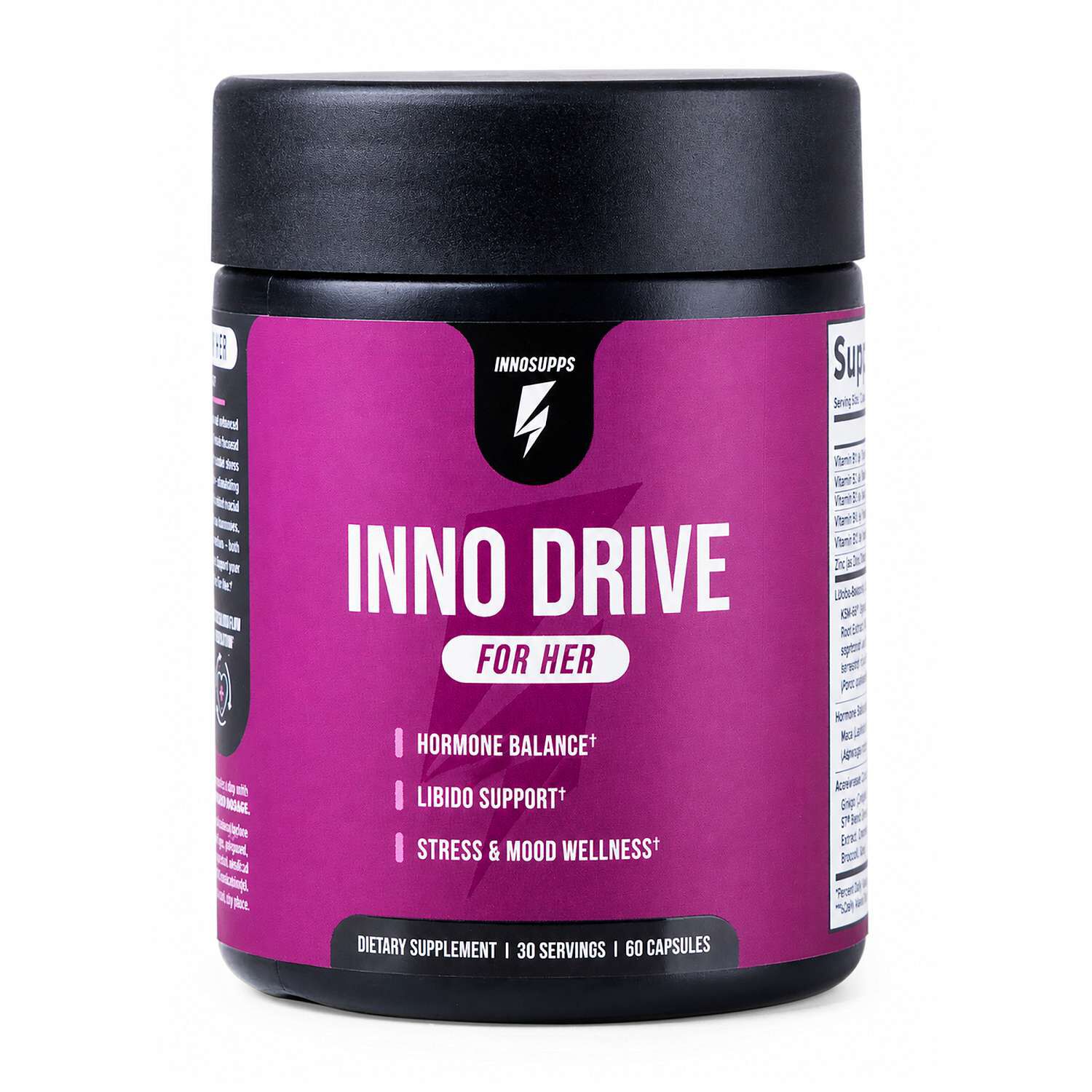
Capsules For Nervous System Support
(0 Results)
Capsules for nervous system support are designed for those looking to prioritize their overall well-being and maintain a balanced lifestyle. With a variety of carefully selected ingredients, these capsules may fit seamlessly into your daily routine. Explore options that could help you support your wellness goals and discover how capsules for nervous system support might become a valuable addition to your supplement regimen.
-
-
-
-
-

-

-
-
-
 185$24.99
-
-
-

-

-

-
-
-
-
-
-
-

-
-
-
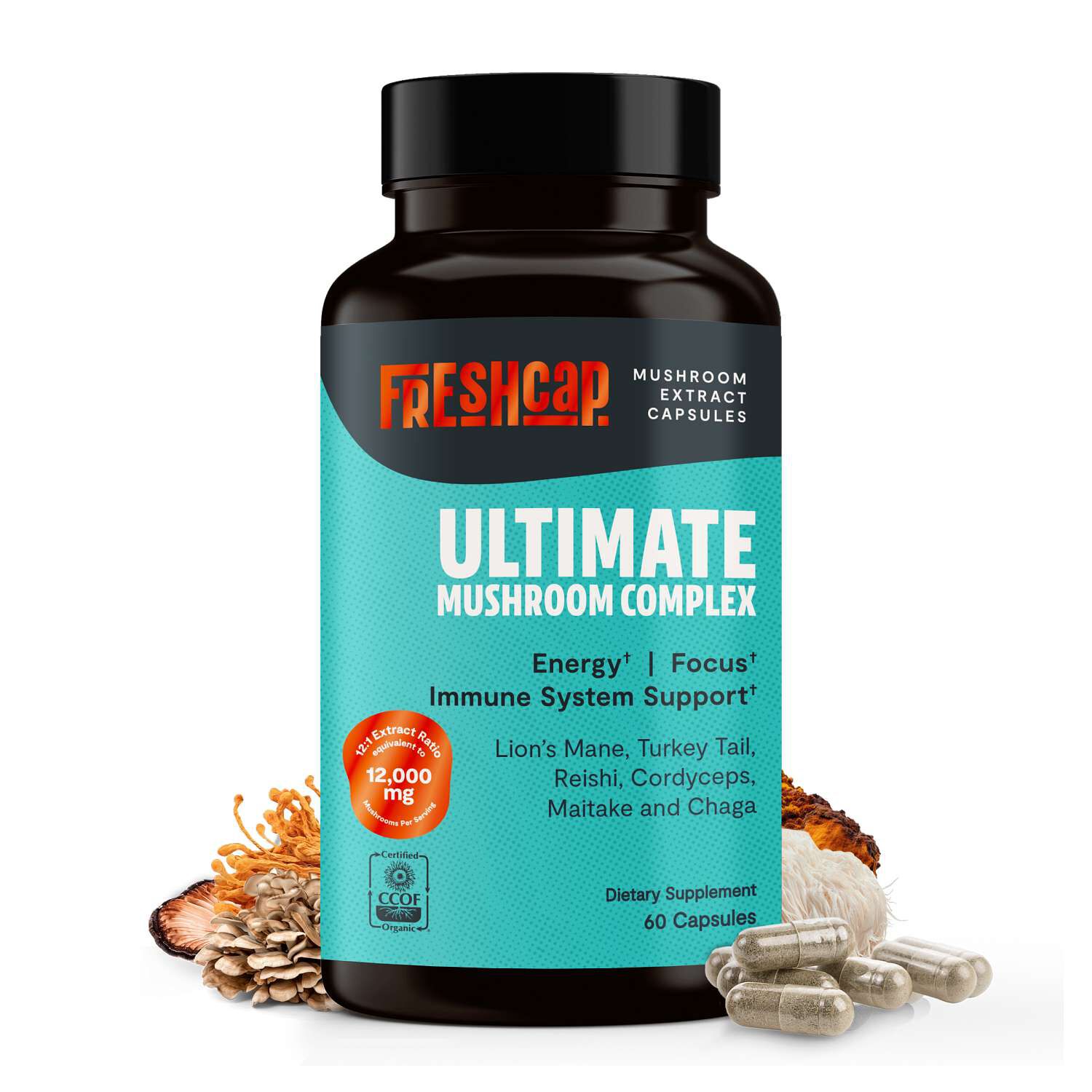
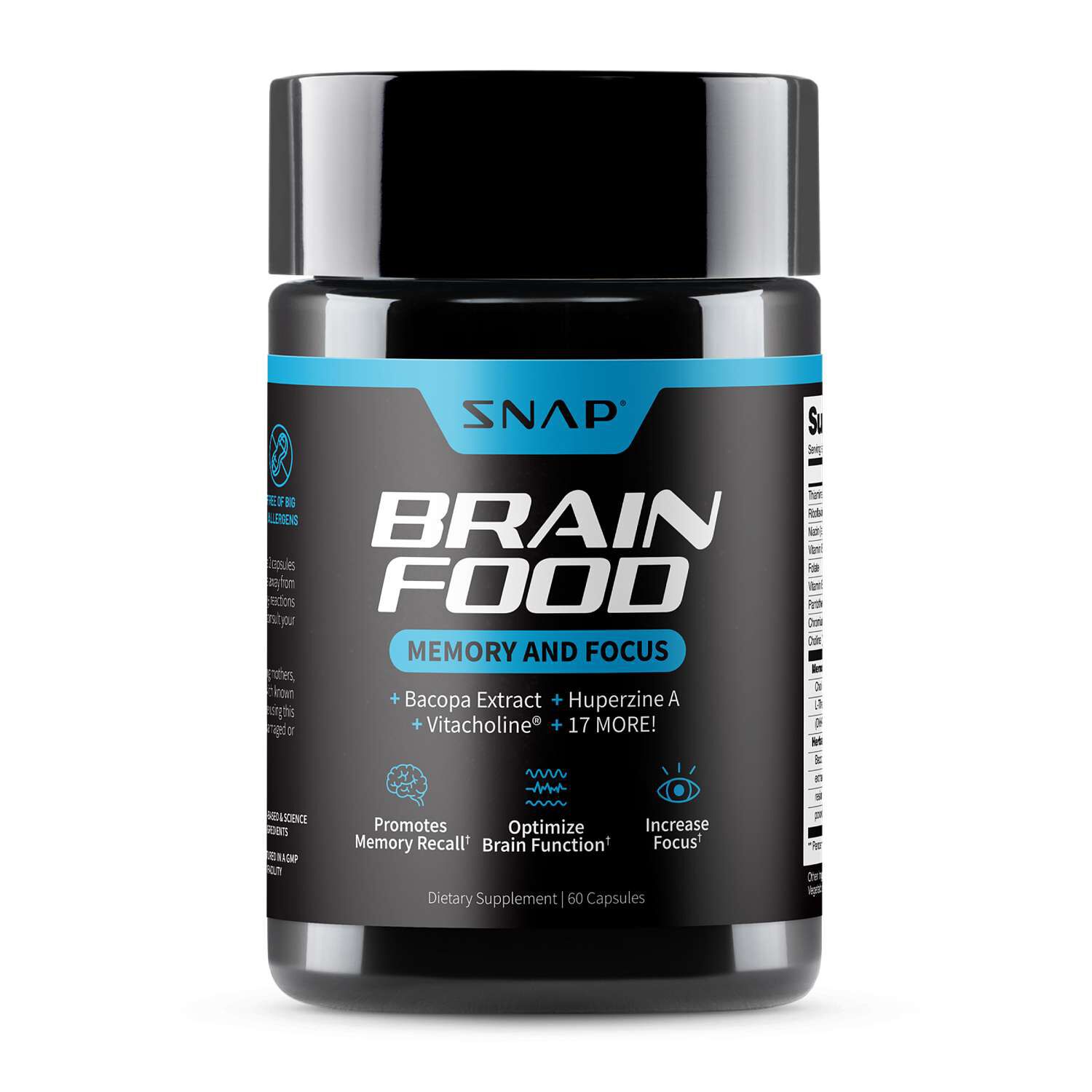
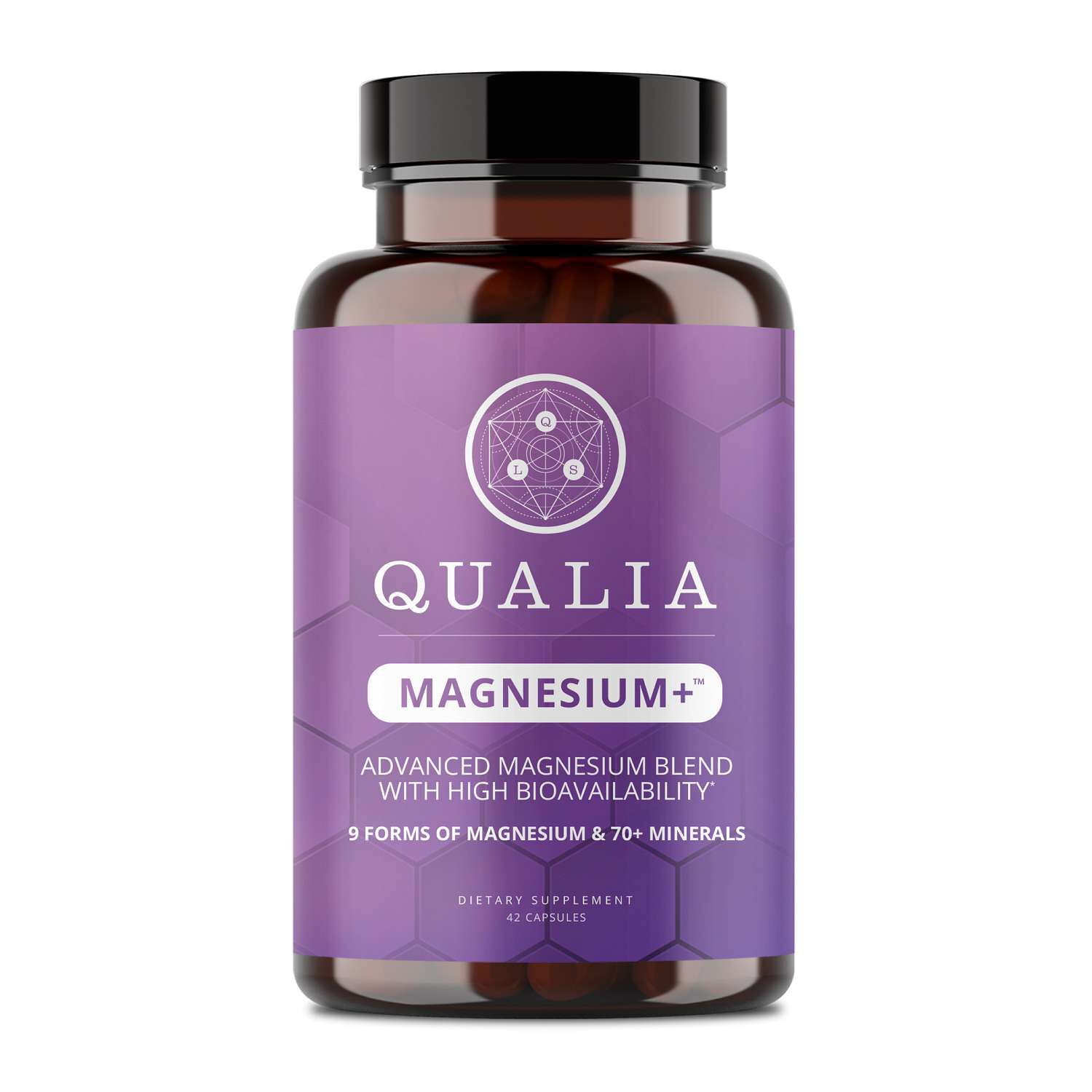
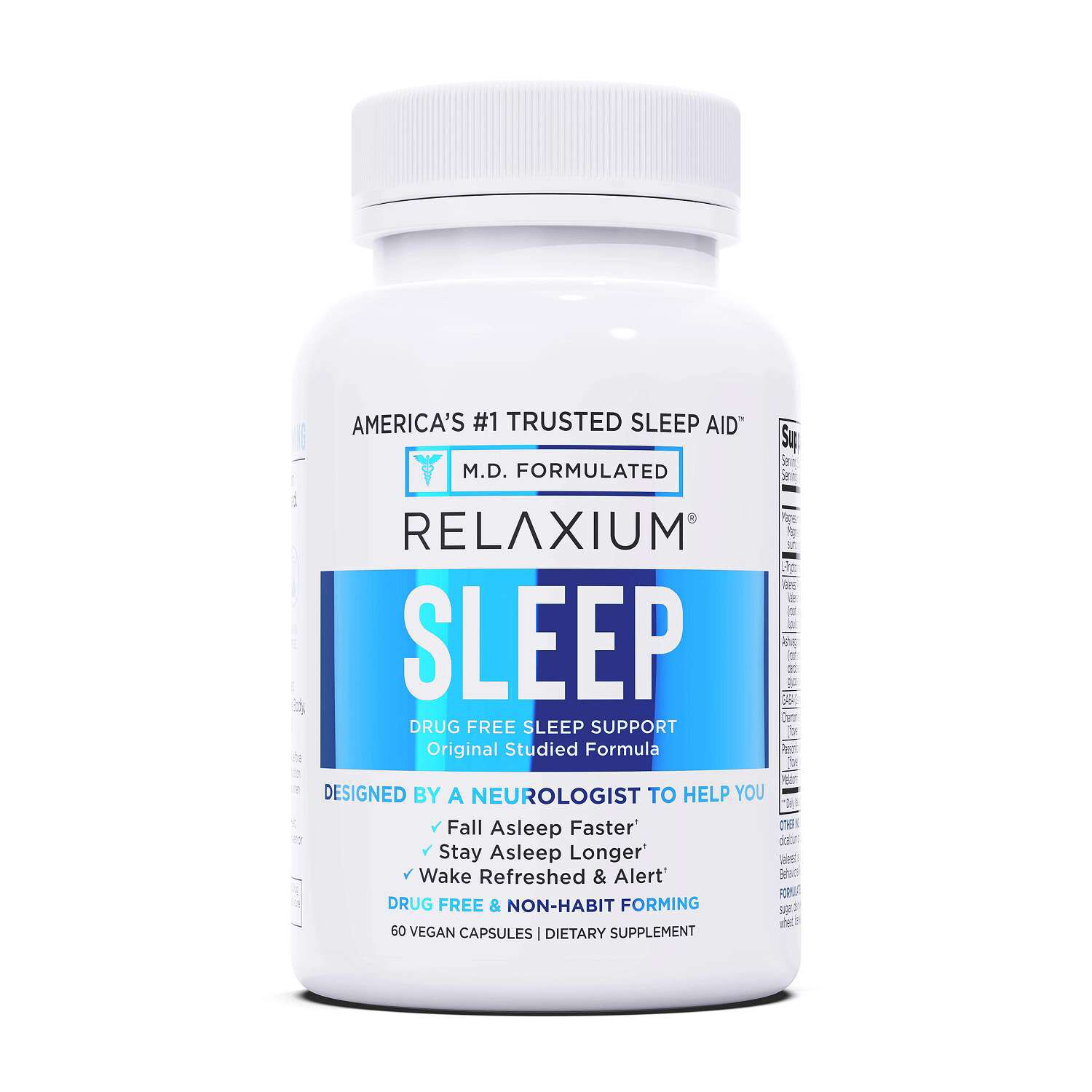
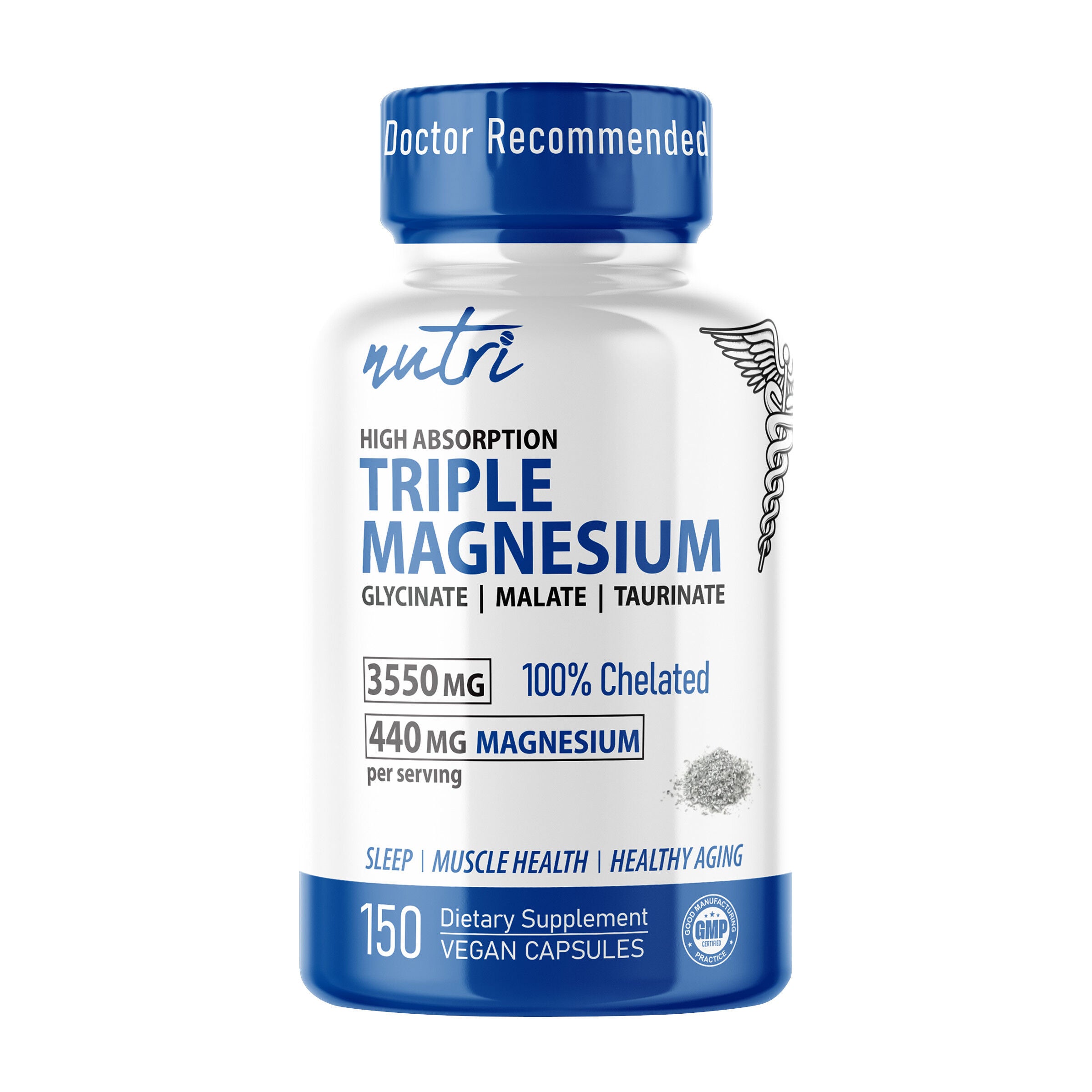
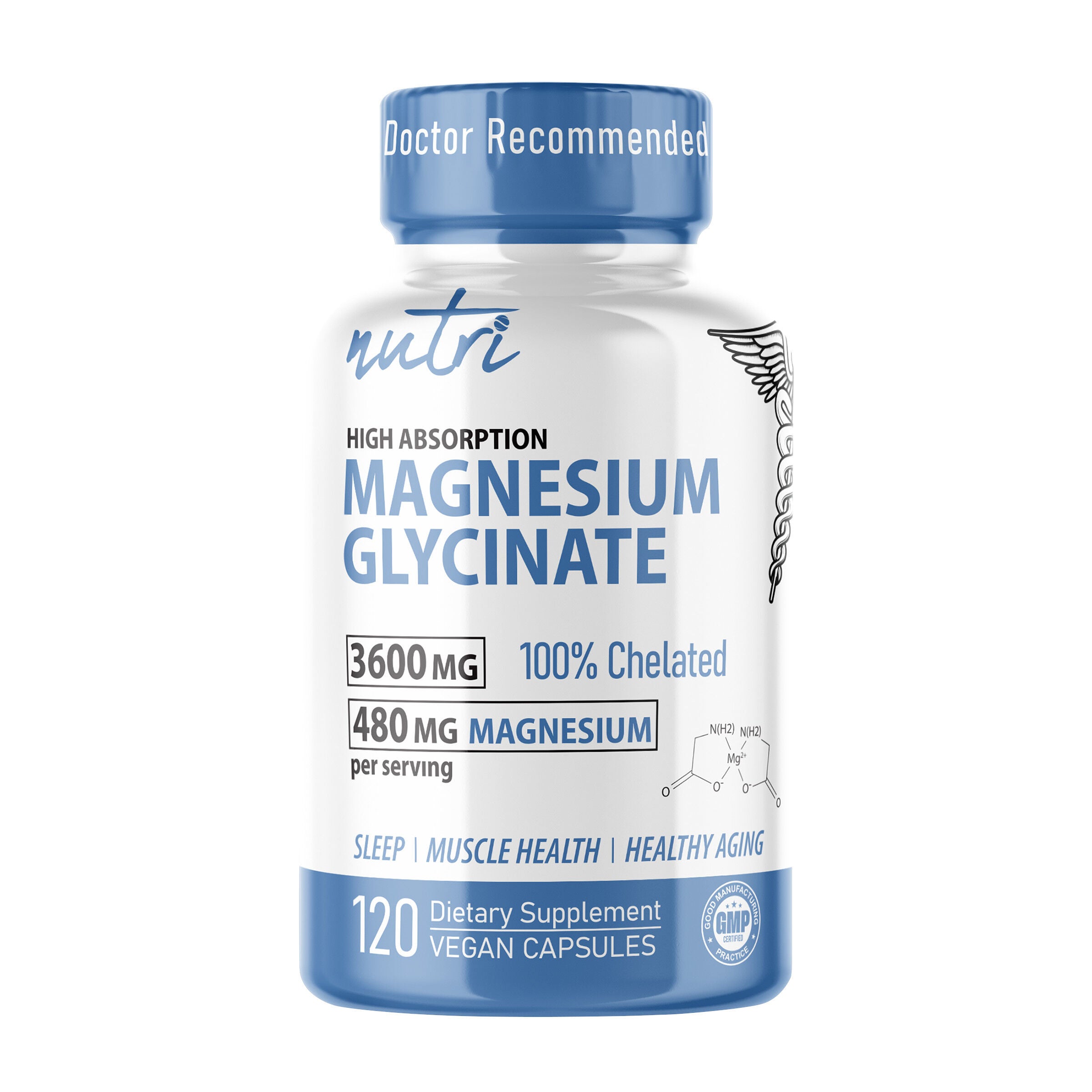
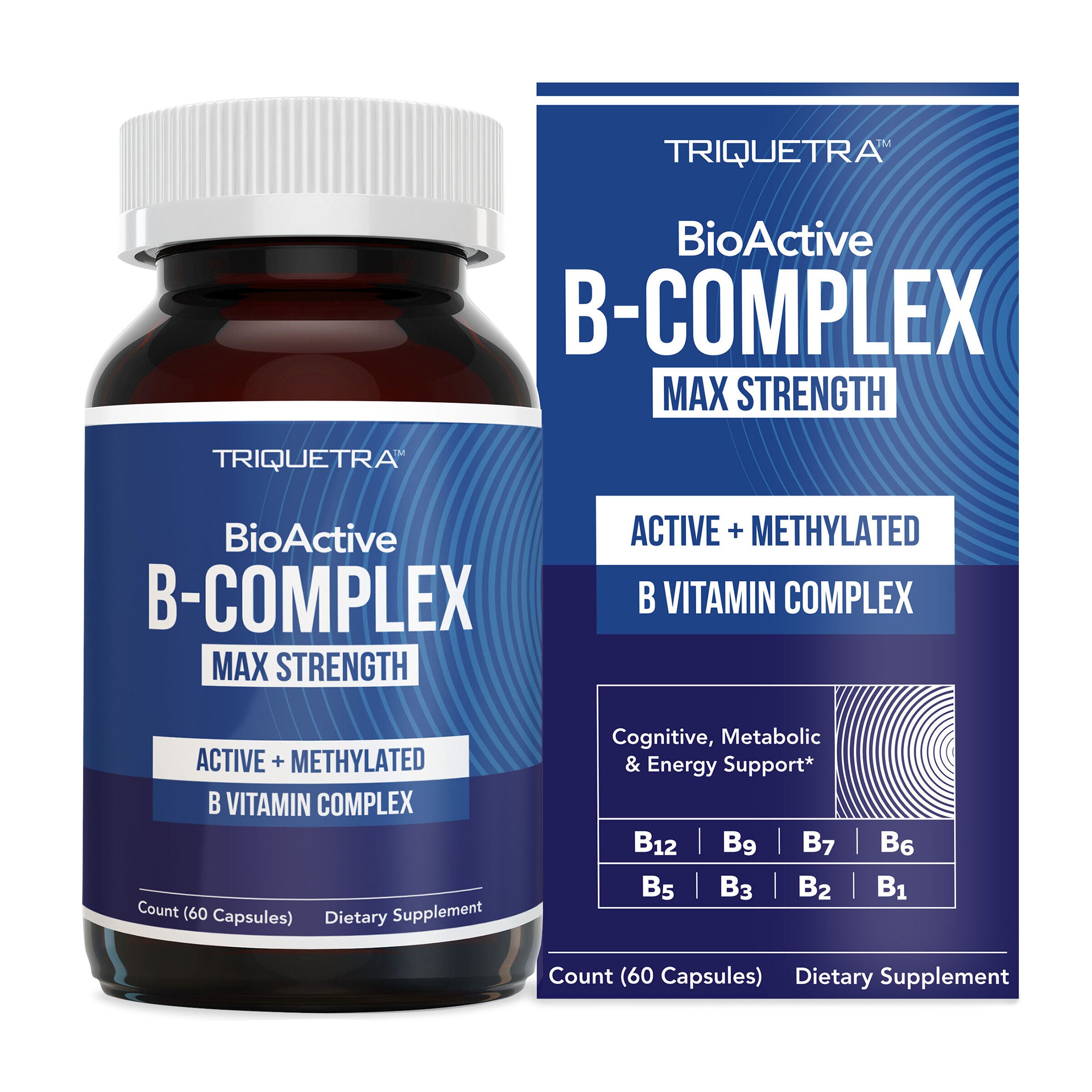
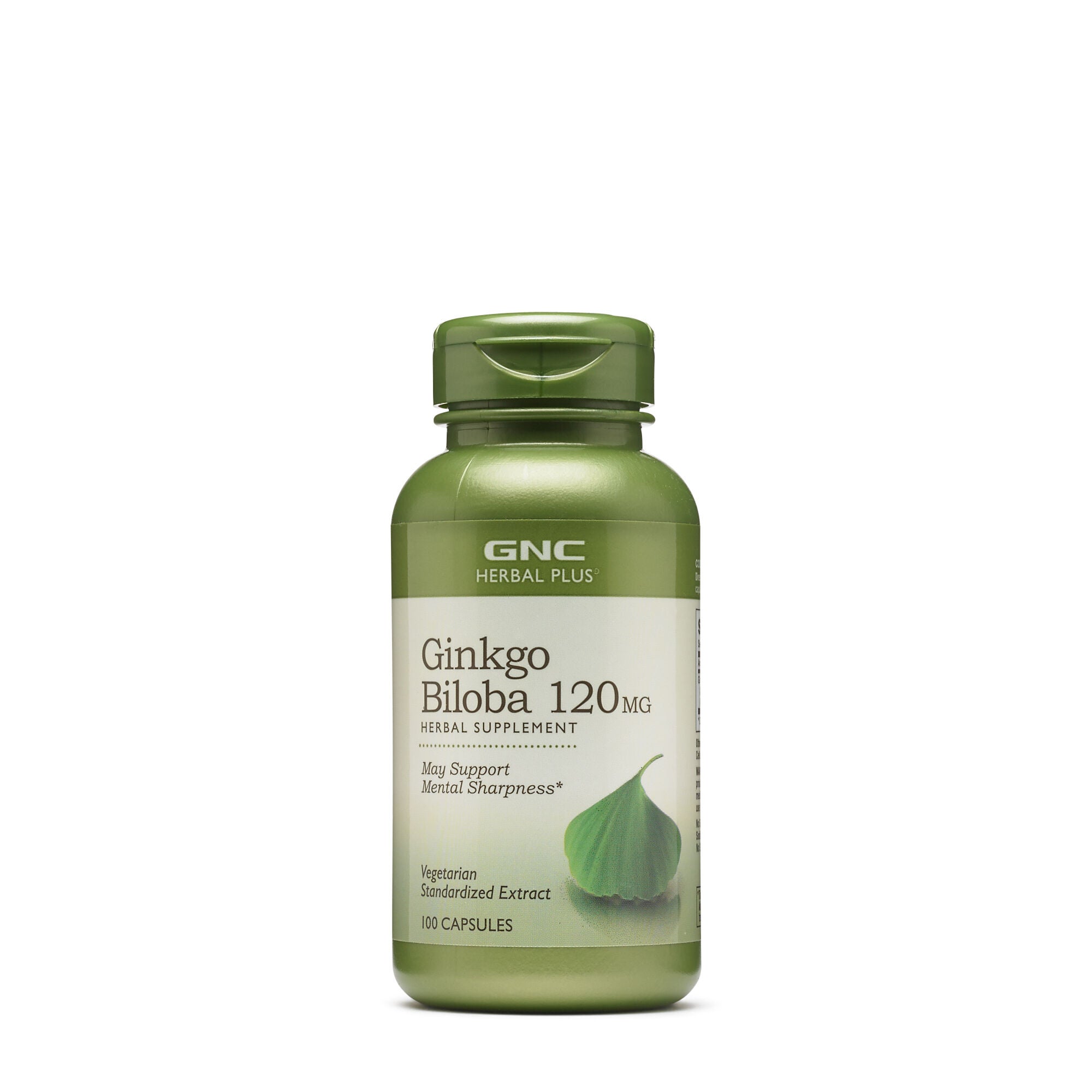
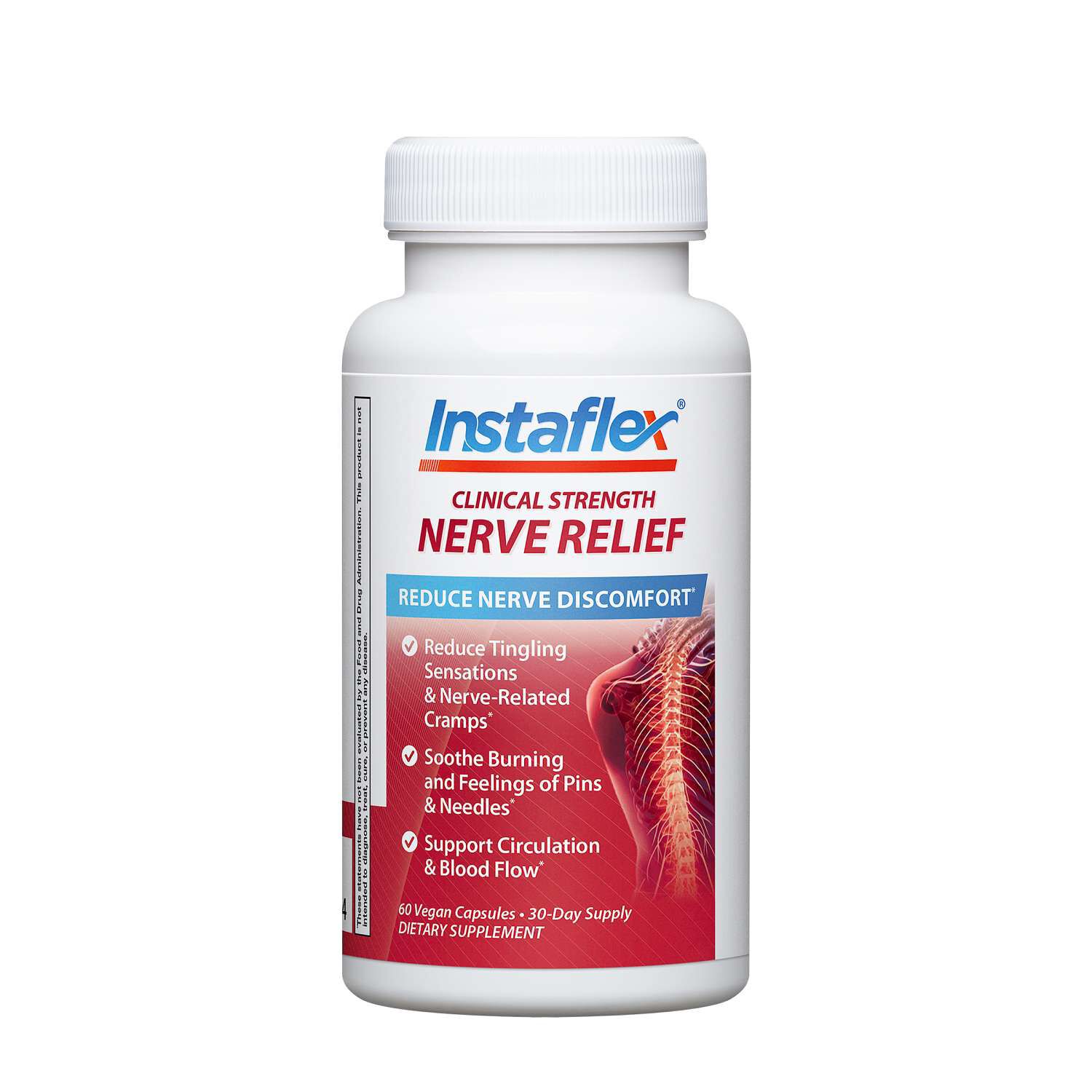
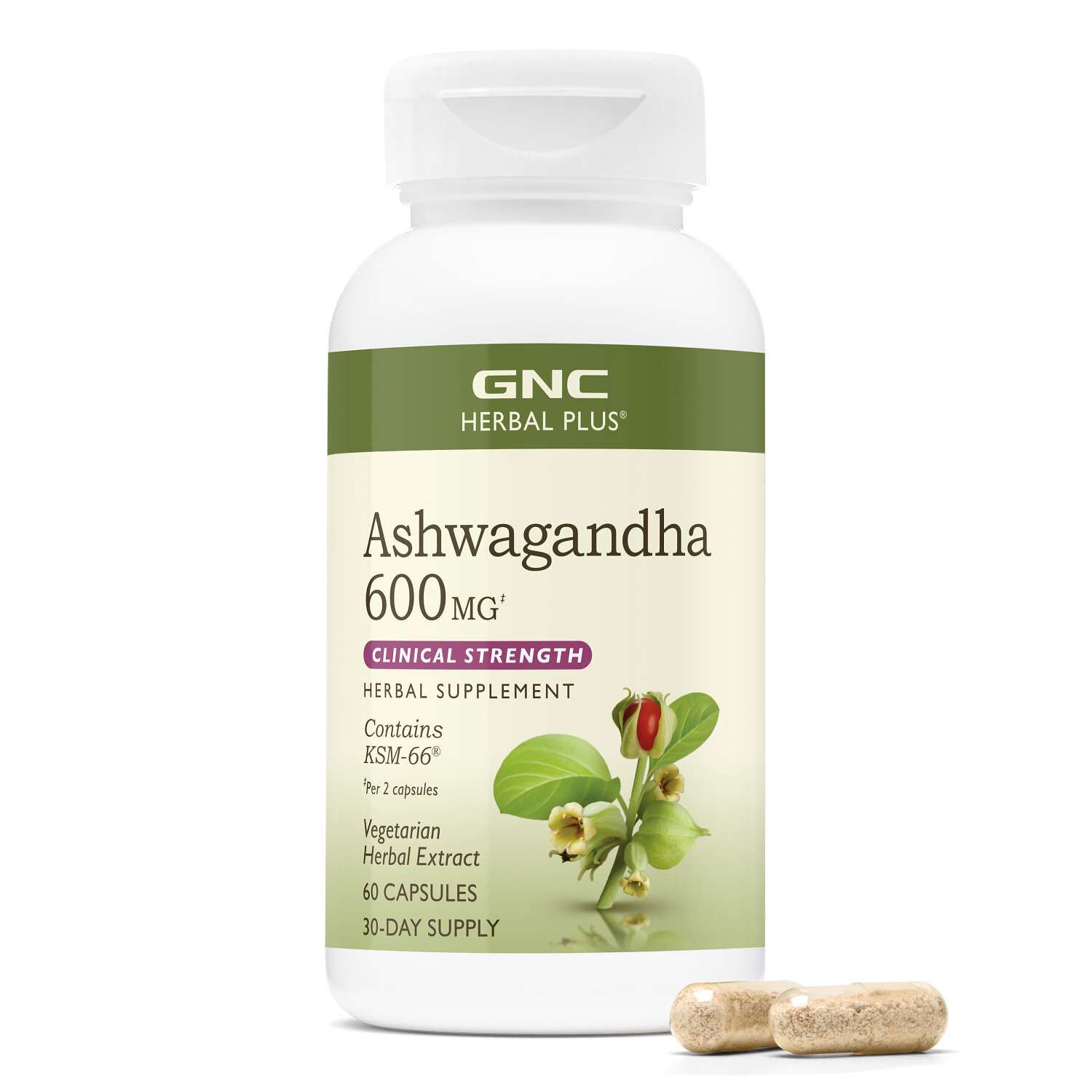
Capsules for nervous system support are dietary supplements that may support normal nervous system function as part of an everyday wellness routine. This category commonly includes B vitamins, magnesium, amino acids, and botanical ingredients, offered individually or combined in formulas with a broader nutritional focus. The nervous system includes the brain, spinal cord, and nerves throughout the body, making nervous system nutrition relevant to everyday wellness rather than a single activity or occasion. B vitamins such as B1, also called thiamin, B6, and B12 often appear in these formulas. Some capsules contain several B vitamins together, while others focus on one nutrient. Magnesium is another common ingredient, and its form may be listed as glycinate, citrate, or another mineral compound. Formulas centered on everyday relaxation may include L-theanine, an amino acid found in tea, or ashwagandha, a botanical ingredient. GABA also appears in some supplements within this category. Depending on their ingredients, these capsules may support a sense of calm or provide nutritional support for normal nervous system function. Those possibilities do not make every formula interchangeable: a B vitamin capsule and a botanical blend can have different ingredient profiles, serving sizes, and intended uses. The capsule format places the ingredients inside a small shell, usually without the flavor or texture associated with a chewable supplement or mixed beverage. That format may appeal to adults who prefer an unflavored option or want a supplement that fits alongside other parts of a familiar routine. A capsule taken according to its labeled directions can fit into a morning breakfast routine or another consistent part of the day, depending on the formula. For shoppers browsing this category, the most meaningful distinctions are usually the actual ingredients, their stated amounts, and the purpose described on the label—not simply whether the packaging uses words associated with calm, balance, or nervous system wellness.
Capsule construction and label details help distinguish formulas that may otherwise look similar. Shells are commonly made with gelatin or plant-derived materials such as cellulose, and those materials matter to shoppers with vegetarian or vegan preferences. A plant-derived shell does not, by itself, describe every ingredient inside the capsule; the supplement contents and other ingredients provide the rest of that information. Capsule size is another practical consideration. A compact capsule containing a concentrated ingredient can look different from a larger capsule holding a mineral powder or a blend of several ingredients. Serving size matters just as much as physical size because one serving may contain more than one capsule. The Supplement Facts panel identifies the amount supplied per serving, typically using milligrams or micrograms, and separates that information from the number of servings in the bottle. With magnesium, the amount of the mineral listed in that panel is distinct from the name of the compound used to supply it. With B vitamins, individual nutrient amounts provide more useful context than a broad description on the front of the package. Botanical formulas may identify the plant part, such as root, and whether the ingredient is supplied as a powder or extract. Some blends list an amount for each ingredient, while others present several ingredients together under a blend amount. These differences affect how much detail is visible to someone comparing formulas. Other ingredients can include materials used to hold the capsule together or help the contents move through the manufacturing process. Ingredient declarations and dietary statements are particularly relevant for shoppers who avoid certain food ingredients or animal-derived materials. A straightforward single-nutrient capsule may suit someone seeking a narrow nutritional focus, while a combination formula may appeal to someone who prefers several ingredients in one serving. Neither format is automatically a better match; the distinction is what each formula contains and how its labeled use aligns with the shopper’s preferences. Capsule count alone offers only part of the picture, since bottles with the same count can contain different numbers of servings.
Everyday handling is part of the experience of using capsules for nervous system support. Unlike a flavored powder, a capsule generally does not require mixing equipment, and its enclosed contents can make the format convenient for a routine built around labeled servings. The bottle’s storage directions remain important because moisture, direct sunlight, and unsuitable storage conditions can affect the shell or its contents. A dry cabinet away from a sink or shower offers a different environment from a damp bathroom shelf, while a tightly closed container helps keep the contents protected between uses. The original packaging also keeps the ingredient list, serving information, storage directions, and expiration date together. For travel, that information can be useful when organizing a routine around time away from home. Packaging materials, closure design, and any inner seal are practical details rather than evidence of how a formula may affect wellness. Capsules are not durable goods in the same sense as fitness equipment, so their usable life is better understood through labeled storage requirements and expiration information. Intended use also helps define the category: these are nutritional supplements, not a replacement for varied meals, regular rest, or other everyday habits. They may interest adults who already prefer capsule-format supplements, shoppers looking at B vitamin or magnesium options, or people exploring formulas that may support everyday relaxation. A familiar routine can make preferences clearer, whether that means a smaller capsule, fewer capsules per serving, an animal-derived or plant-derived shell, or an ingredient list with a narrower focus. For a related browsing focus, Capsules For Physical Stress Support provides another category to explore alongside nervous system support capsules. Across these categories, similar ingredient names can appear in formulas with different amounts and combinations. The most useful comparison stays close to those concrete details: what is in the capsule, how the serving is defined, what the shell contains, and how the supplement is intended to be used. Together, those details give this broad wellness category a more practical, personal context.