High Absorbency Magnesium
(0 Results)
Explore the potential benefits of high absorbency magnesium, a vital mineral that may play a crucial role in supporting various bodily functions. Magnesium could be key in promoting muscle relaxation, maintaining healthy bones, and supporting nerve function. For those seeking to optimize their wellness routine, high absorbency magnesium might offer enhanced bioavailability, ensuring the body can utilize this important nutrient effectively. Discover how incorporating high absorbency magnesium into your daily regimen might contribute to overall well-being and vitality.



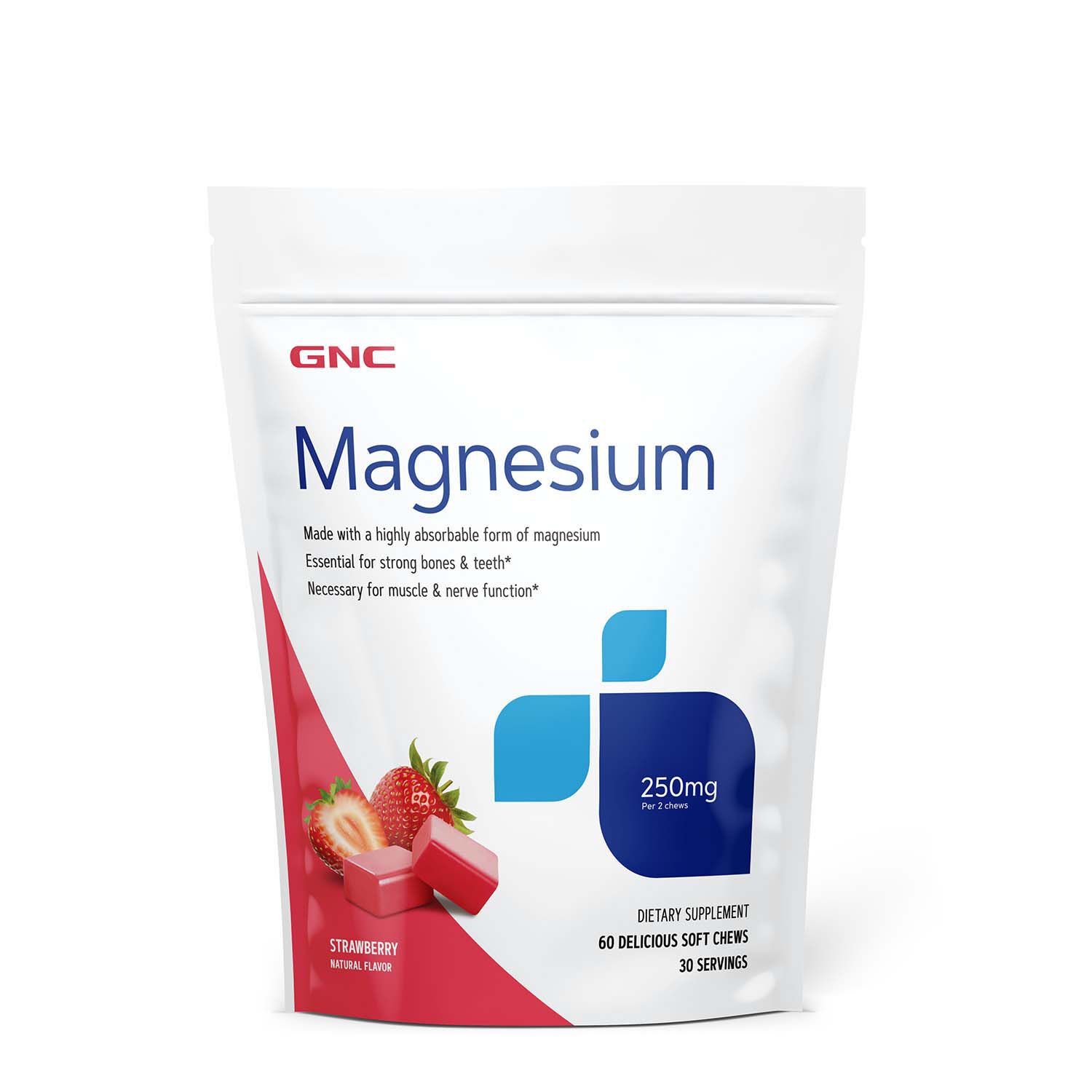


 _Front.jpg?sw=305&sh=305&sm=fit "Magnesium: Bioactive Magensium Citrate - 120 Capsules (120 Servings) | GNC")


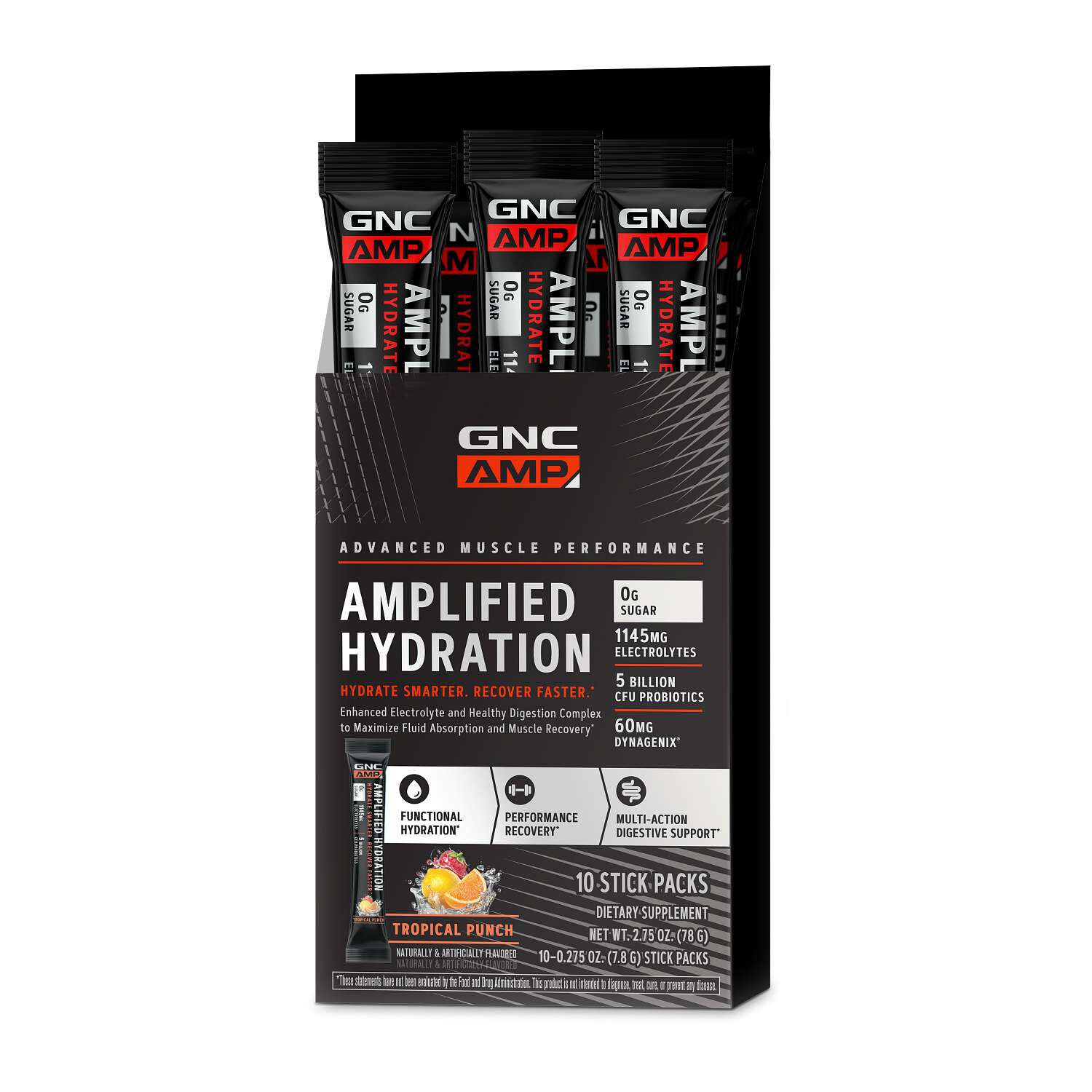


High absorbency magnesium supplements bring together several forms of the same mineral, with differences in their composition, serving size, and everyday use. The term usually points to formulas selected with absorption in mind, rather than a separate type of magnesium. Magnesium glycinate, magnesium bisglycinate, magnesium citrate, and amino acid chelates are among the names shoppers may encounter. Glycinate refers to magnesium paired with glycine, an amino acid; bisglycinate describes a structure with two glycine molecules associated with each magnesium ion. Chelated magnesium is a broader description for magnesium bound to an organic molecule, often an amino acid. These terms help identify the ingredient, but they do not establish a universal ranking of every formula. Absorption may vary with the magnesium compound, the formulation, and individual factors, so a high absorbency description alone does not tell the whole story. A clearly identified magnesium source and a readable Supplement Facts panel provide more useful context than a prominent front-label phrase by itself. For example, a label that lists magnesium followed by “as magnesium bisglycinate” identifies both the mineral and its source. A formula containing several sources should name those forms in its ingredient information, giving shoppers a clearer picture of what is inside. Magnesium oxide is another common form, and its comparatively high proportion of elemental magnesium does not necessarily mean a formula may offer greater absorption. Likewise, a chelated designation does not establish that every person will have the same experience with it. Comparisons are most meaningful when the form, elemental magnesium amount, and serving size are considered together. For shoppers browsing high absorption magnesium, that distinction keeps the focus on the actual formula rather than an isolated number or an impressive-sounding description. The most useful starting point is understanding what the product contains, how that amount is presented, and which format fits the intended routine.
Elemental magnesium is the amount of magnesium itself in a serving, not the weight of the entire compound that carries it. That distinction matters because the compound also includes other components, such as glycine or citrate. On a Supplement Facts panel, the magnesium amount is listed in milligrams per serving, while the serving size indicates how many capsules, tablets, gummies, or measured portions make up that serving. A bottle with a larger milligram number on the front might require several capsules per serving; another might use a smaller serving with a different amount. Reading both details together makes comparisons more accurate without treating the largest number as the automatic choice. Format adds another practical consideration. Capsules offer a premeasured option without a mixing step, while tablets have their own dimensions, coatings, and serving counts. Someone who prefers fewer steps at breakfast may favor a capsule format, while someone who already prepares a daily drink may find a powder more convenient. Powders introduce details that capsules do not, including flavor, mixing directions, serving measurements, and the amount of liquid specified on the label. An unflavored powder is not necessarily without a noticeable taste, and texture may differ between formulas. Flavored versions can contain sweeteners, acids, or other ingredients that shape the drinking experience. Gummies and chewables bring their own textures and ingredient considerations, including sugars, sweeteners, and the number of pieces in a serving. None of these formats establishes absorption on its own: a powder is not automatically more absorbable than a capsule simply because it mixes into liquid. The magnesium source still matters, along with the rest of the formulation. For a person comparing options at a kitchen counter, the useful details are concrete: the number of pieces to handle, whether a drink needs preparation, and whether the label directions fit the way the supplement is intended to be used. Those everyday differences deserve attention alongside the magnesium form.
The rest of the ingredient list can help distinguish formulas that look similar at first glance. Capsule shells may contain gelatin or plant-derived materials, while tablets may include binders and coatings used to create their shape and finish. Powders may contain flavoring ingredients or agents used to manage clumping. These components serve different manufacturing purposes and do not, by themselves, indicate how much magnesium a person may absorb. Shoppers with dietary preferences can look for an explicit vegetarian or vegan designation rather than assuming that every capsule has the same shell material. Allergen statements and ingredient disclosures also deserve a separate look, especially when comparing flavored and unflavored versions of the same general format. Some magnesium supplements focus on a single mineral, while others combine magnesium with additional vitamins or minerals. A single-mineral formula offers a more focused ingredient profile; a combination formula introduces more amounts and serving details to compare. Packaging and storage are practical parts of the purchase as well. A clearly printed expiration date, readable directions, and an intact closure provide useful information before the first use. Keeping a supplement in its labeled container preserves access to the ingredient list, lot information, and storage directions. For powders, a dry measuring utensil and a securely closed lid may help limit moisture exposure; the package instructions remain the reference for handling. A compact bottle may suit a small cabinet, while a larger powder container requires space for both storage and preparation. If a supplement is being considered as a gift, the recipient’s existing format and ingredient preferences matter more than a novel flavor or unfamiliar blend. For broader comparisons, the High Quality Magnesium collection offers another way to explore this mineral category. Whether the preference is a straightforward capsule or a measured powder, high absorbency magnesium is best understood through the details that distinguish one formulation from another: the named magnesium compound, the elemental amount per serving, the additional ingredients, and the directions for use. Together, those details create a clearer basis for choosing among magnesium supplements without relying on the absorption description alone.
Best Sellers
-
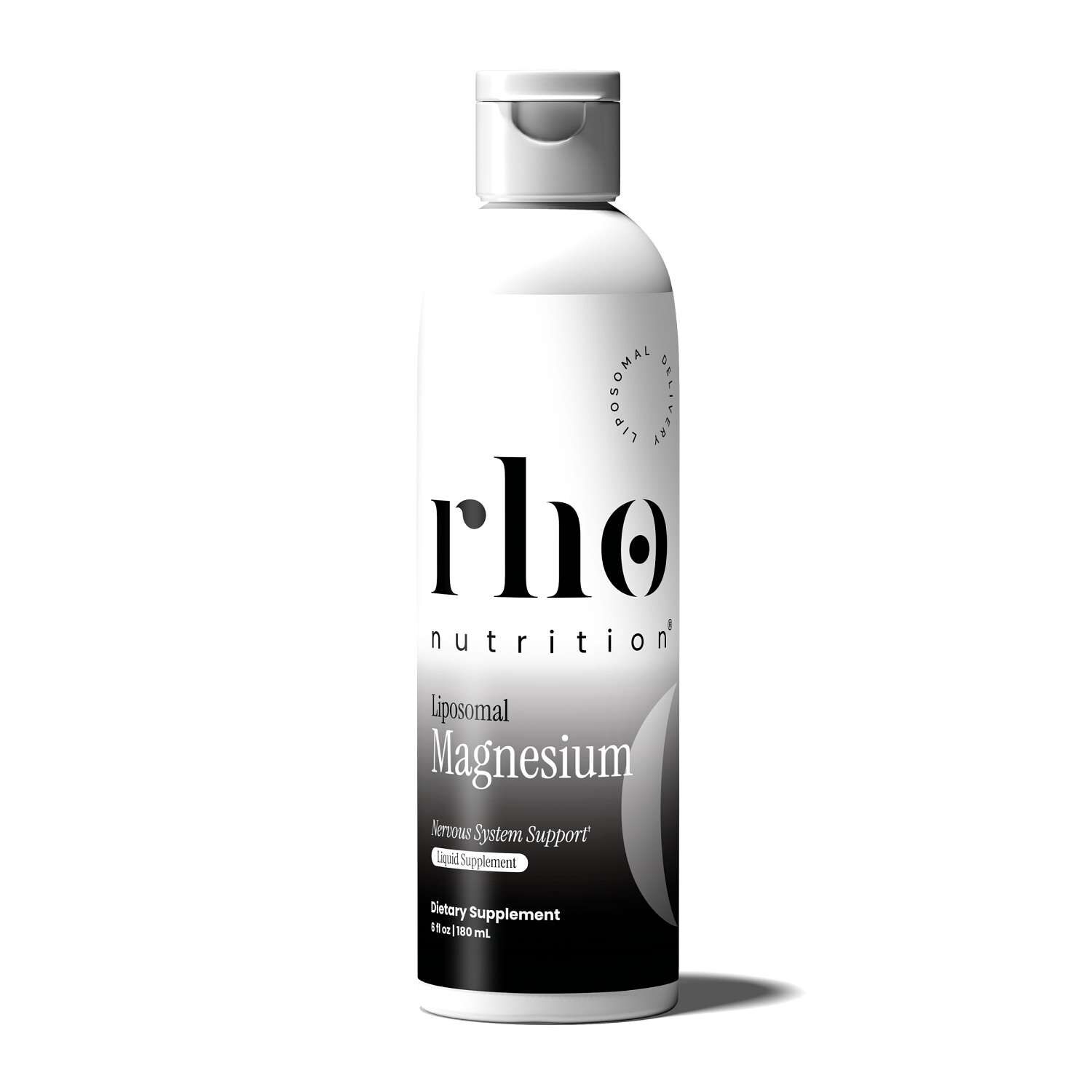 Rho Nutrition
 -
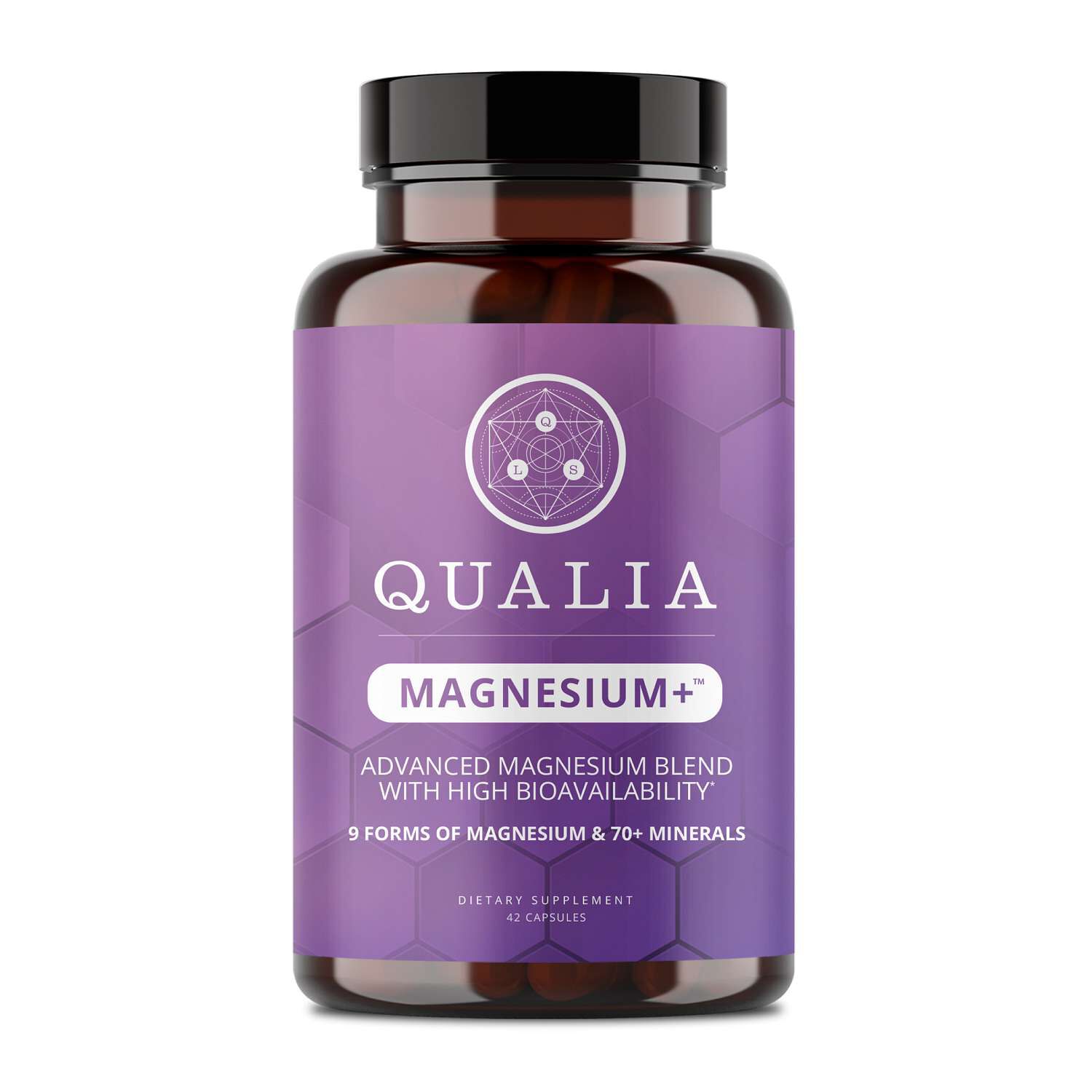 Qualia Life Sciences