High Quality Magnesium
(0 Results)
Discover the potential benefits of high-quality magnesium supplements, which could support various aspects of your well-being. From possibly aiding muscle function to potentially promoting better sleep, magnesium might be an essential addition to your daily routine. Explore a range of options that may help you achieve your health goals, whether you're looking to boost your energy levels or support overall wellness. Elevate your nutritional regimen with magnesium supplements that may offer the quality and reliability you seek.
-

-

-
 Nature's Fusions$29.99
-

-
-
-

-

-
 Trace Minerals$14.99
-
-
-

-
-
-
 Nature's Fusions$31.99
-
-
 $27.99
-

-
 _Front.jpg?sw=305&sh=305&sm=fit "Magnesium: Bioactive Magensium Citrate - 120 Capsules (120 Servings) | GNC")
-

-

-
 _Front.jpg?sw=305&sh=305&sm=fit "Magnesium: Bioactive Magensium Citrate - 60 Capsules (60 Servings) | GNC")
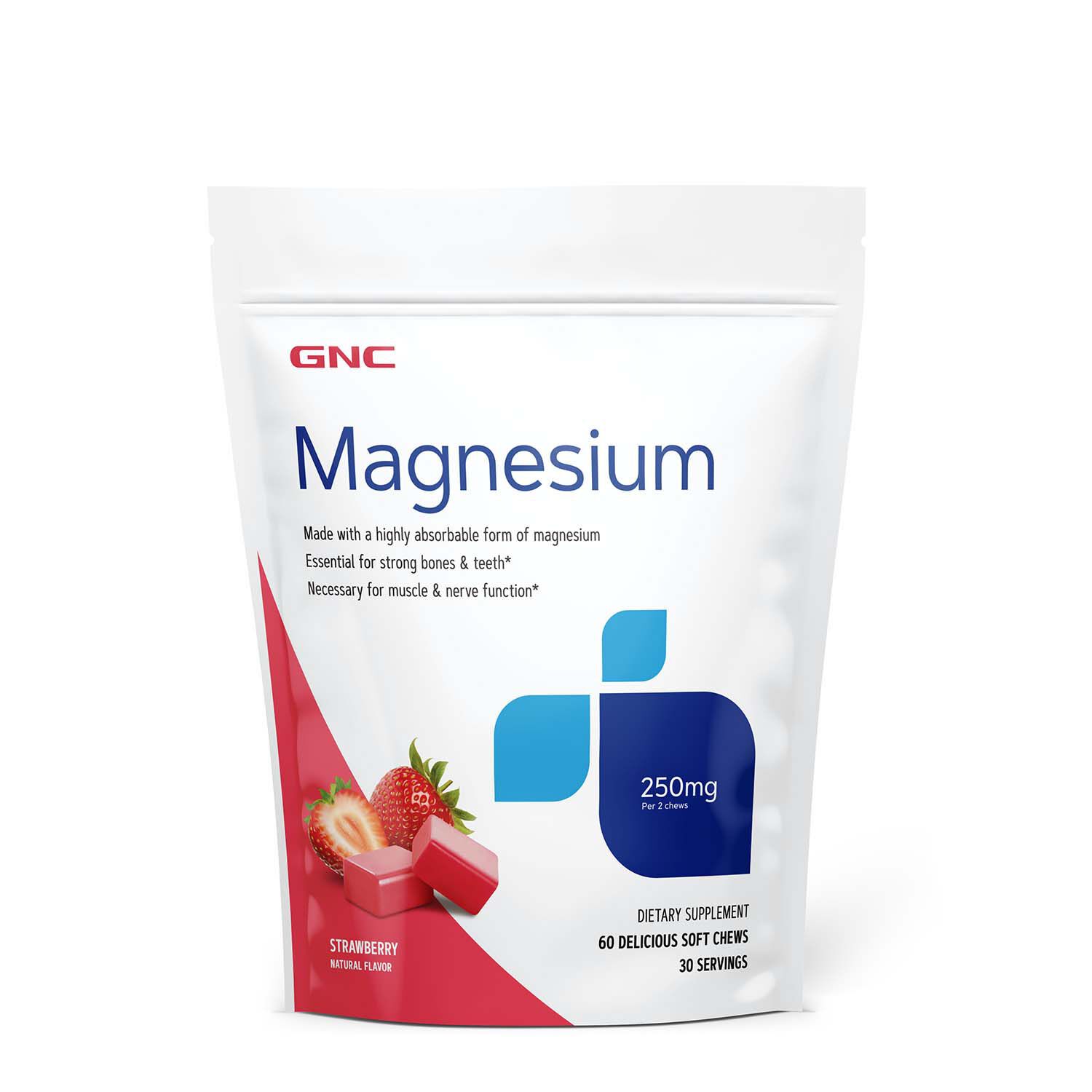

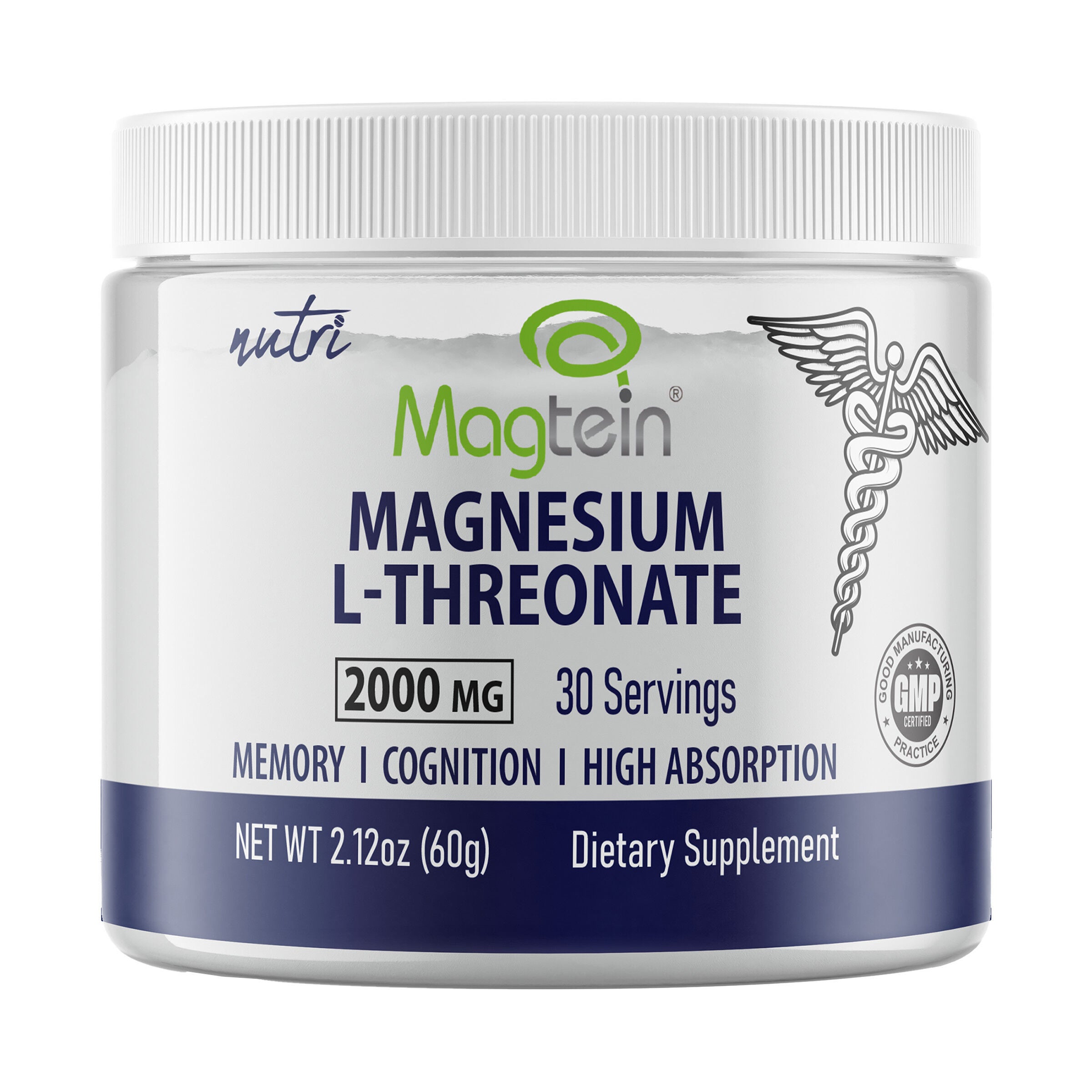
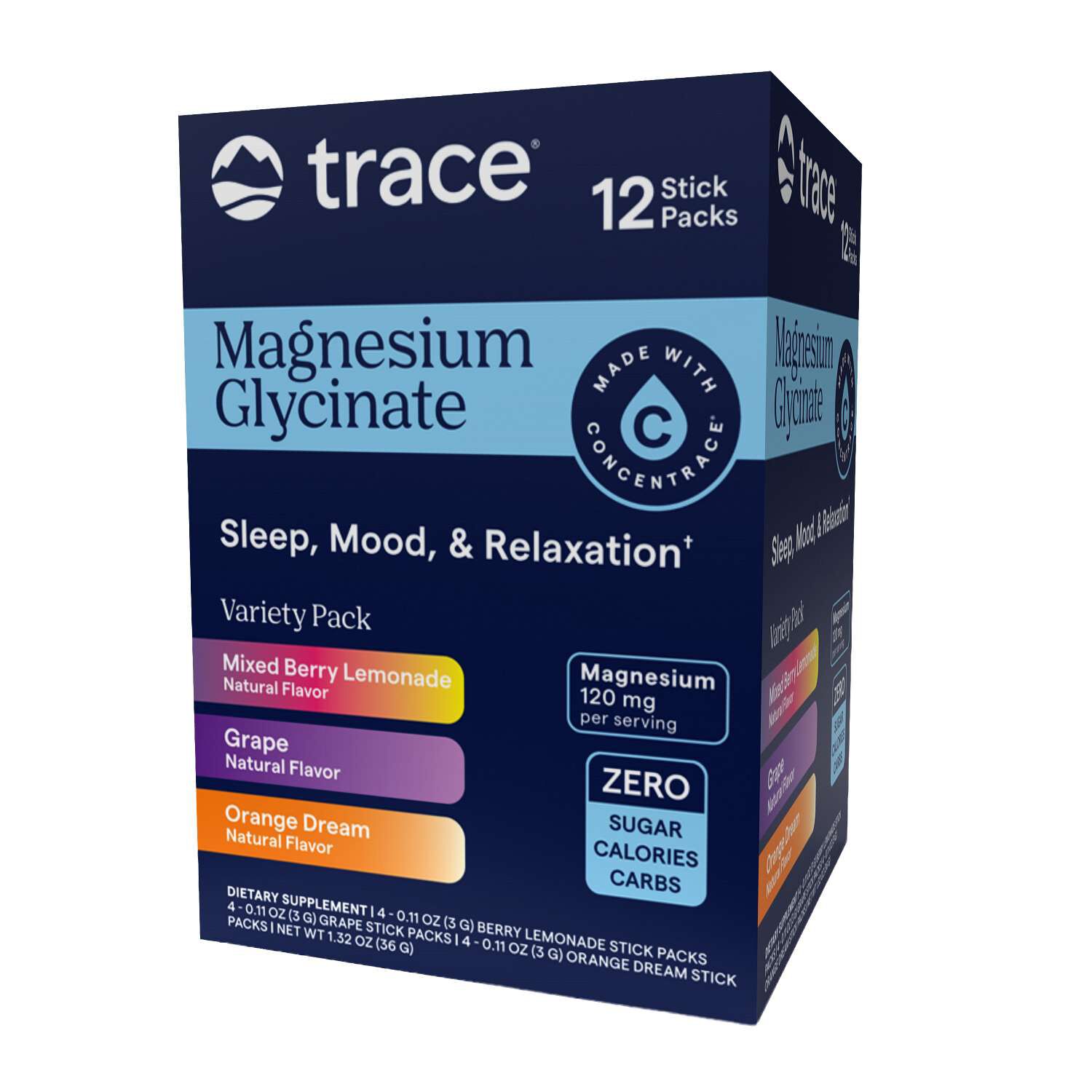
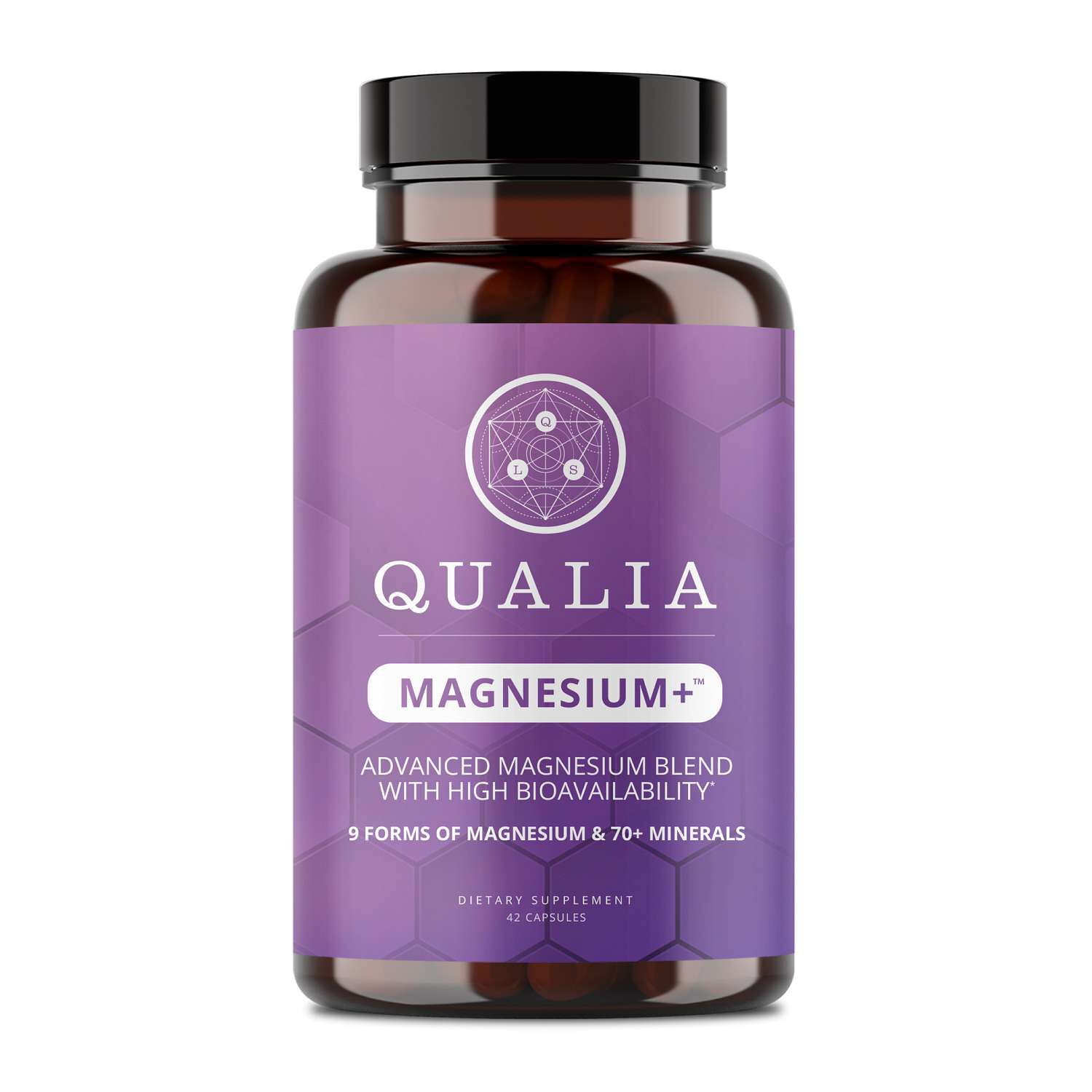
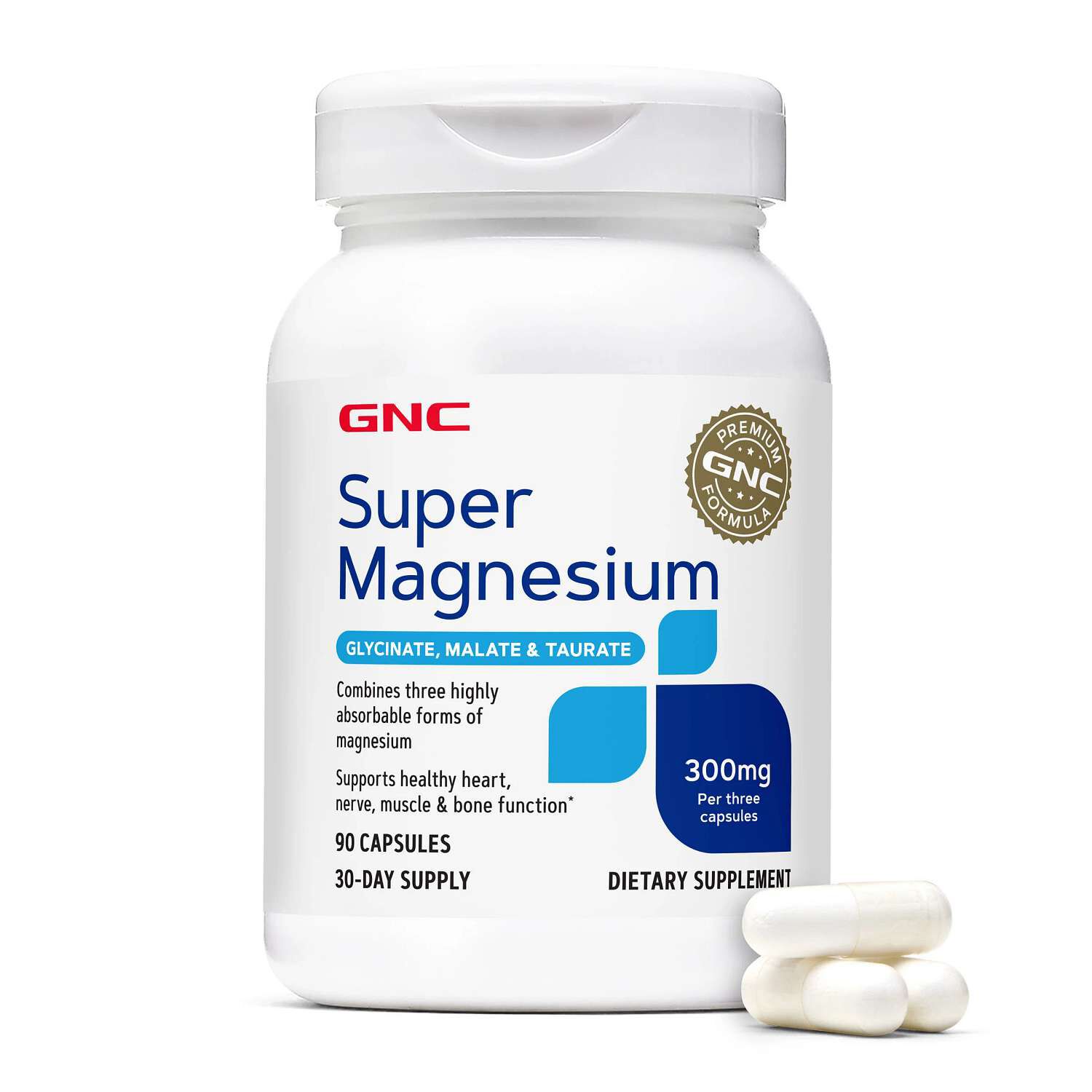
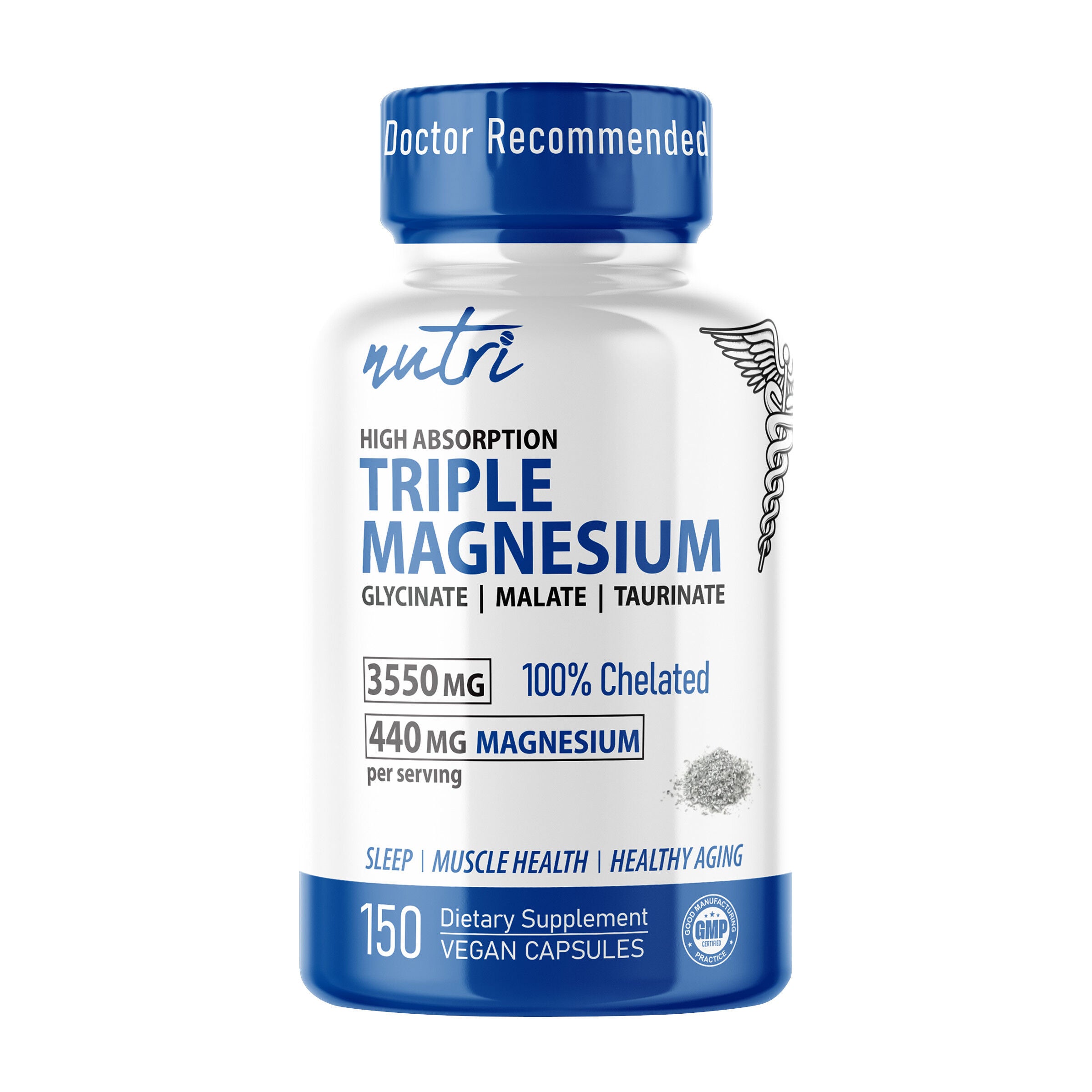
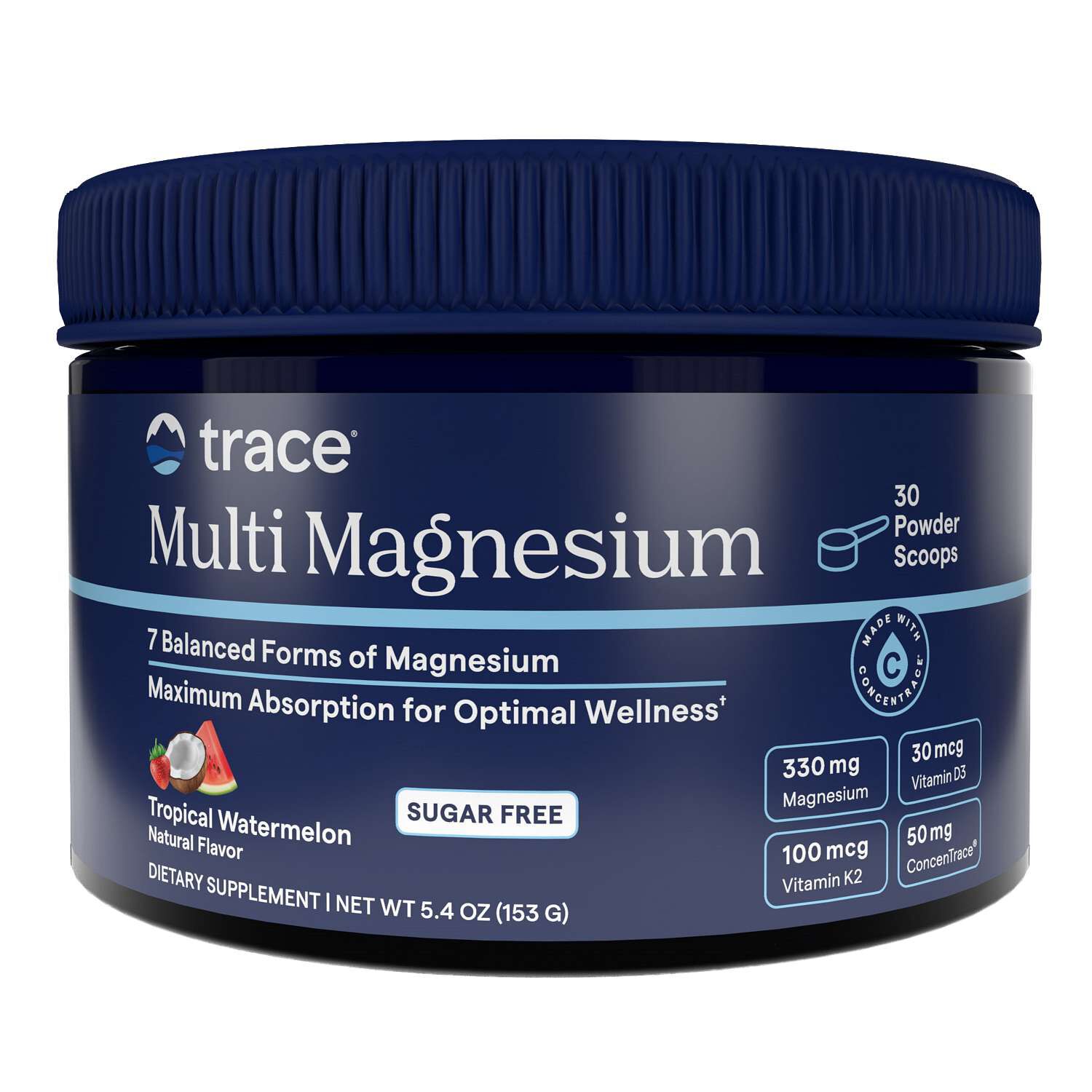
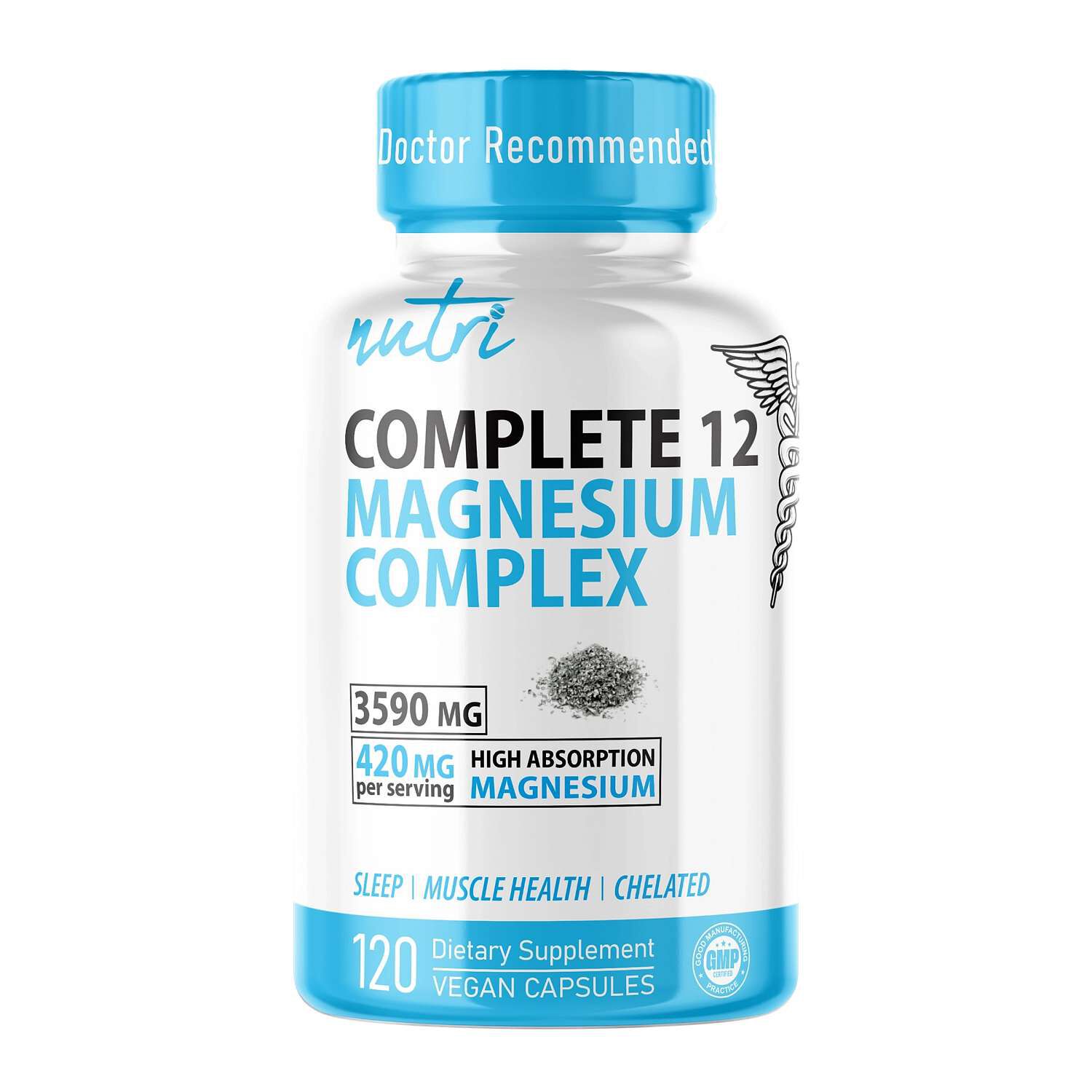
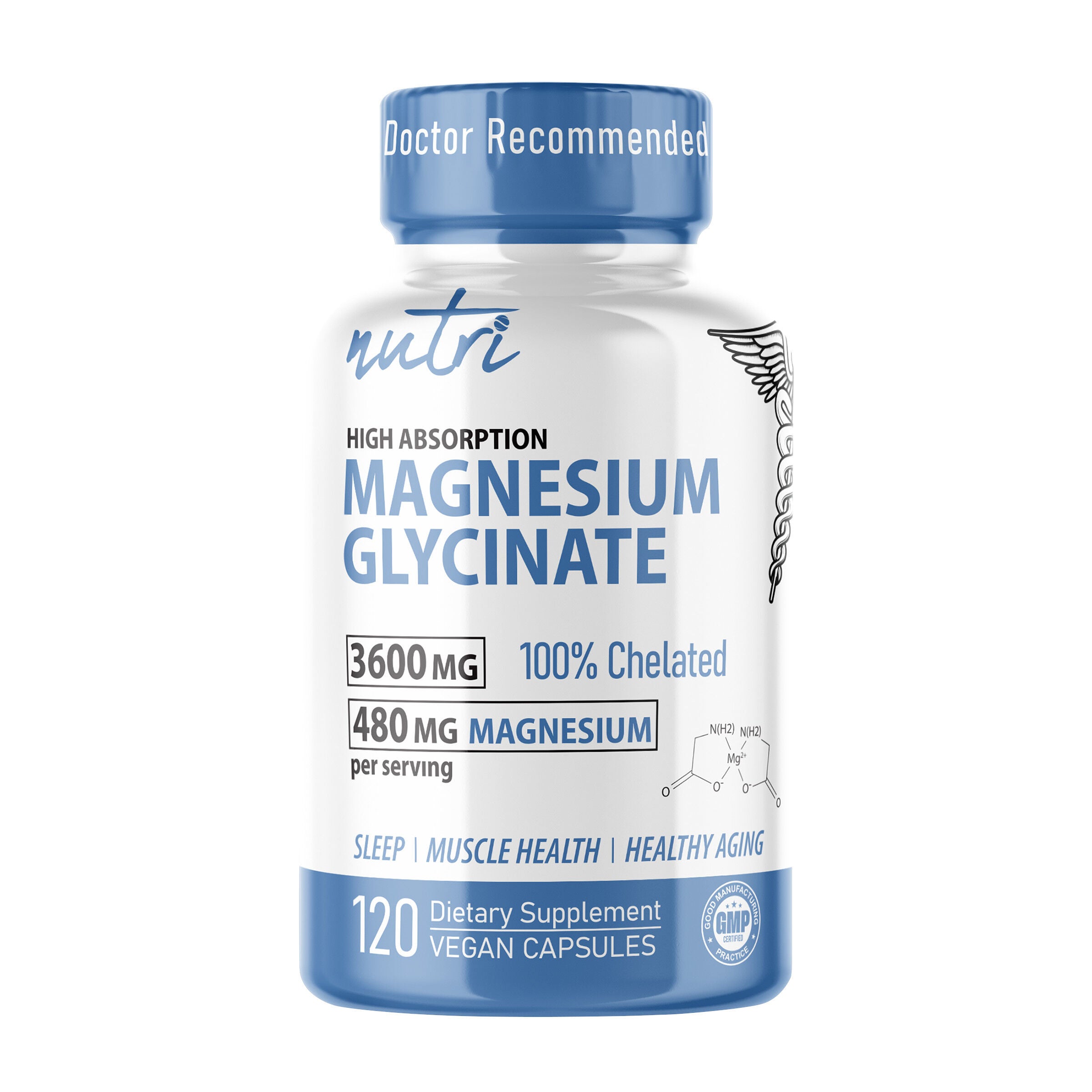
High-quality magnesium is defined less by an impressive front label than by a clearly identified magnesium form, transparent ingredient information, and meaningful quality documentation. Magnesium is a mineral present in foods such as beans, nuts, seeds, and whole grains, and magnesium supplements come in several forms and formats. Names such as magnesium glycinate, magnesium citrate, magnesium malate, and magnesium oxide identify different compounds, not interchangeable quality grades. One form is not automatically the best choice for every shopper, and an unfamiliar chemical name is not, by itself, a sign of poor quality. A useful comparison starts with the Supplement Facts panel, where the magnesium amount is stated per serving and its source may be identified in parentheses. The listed magnesium amount represents elemental magnesium rather than the full weight of the compound that contains it. That distinction matters when comparing a prominent number on the front of a bottle with the information on the back. Serving size deserves equal attention: a serving might consist of one capsule, several tablets, or a measured portion of powder. Comparing amounts on the same basis keeps a larger serving from looking like a better-made formula simply because it contains more capsules. The ingredient list also distinguishes a single-mineral formula from a blend containing other nutrients. For shoppers who prefer a straightforward supplement routine, that difference is worth noticing before choosing a format. Descriptions such as chelated explain a feature of the ingredient’s chemical structure; they do not replace documentation about identity, composition, or manufacturing. Adults comparing magnesium for an established supplement routine might prioritize a clearly stated form and a manageable serving, while someone purchasing their first bottle might focus on a readable label and a practical format. In either case, a higher milligram figure alone does not establish higher quality.
Independent testing and manufacturing transparency provide more useful context than broad statements about purity. When a label mentions third-party testing, look for the name of the testing or certification organization and an explanation of what was evaluated. Testing might address ingredient identity, the amount of magnesium present, or specified contaminants, but those are separate checks. Not every testing program examines the same criteria, and testing an ingredient before production is different from evaluating the finished supplement. A named certification with a publicly searchable directory offers a way to check whether a particular formula is covered. A general statement that a manufacturer uses an outside laboratory provides less detail unless the testing scope is also explained. Likewise, information about good manufacturing practices describes production standards and controls; it should not be confused with independent certification of every finished bottle. Clear manufacturer contact information, readable lot codes, and an expiration date are practical details to notice alongside those quality statements. Together, they make it easier to identify the formula, trace its batch, and understand its labeled storage period. Packaging condition matters, too, including an intact protective seal when one is part of the package design. Dietary designations answer a different set of questions. Vegetarian capsule materials, vegan labeling, and allergen information describe aspects of composition rather than serving as substitutes for ingredient testing. A shopper avoiding an ingredient needs that information even when a formula has detailed quality documentation. Similarly, the word natural does not explain how much elemental magnesium a serving contains or which checks were performed. For a related selection of magnesium options, explore Best Magnesium Brand while keeping label transparency and verifiable testing at the center of the comparison. The most informative packaging makes its details specific enough to check instead of asking shoppers to judge quality by appearance alone.
Format is the everyday side of choosing magnesium, and it deserves the same attention as the ingredient source. Capsules, tablets, powders, liquids, and gummies involve different serving sizes, ingredient lists, and preparation steps. A capsule formula may appeal to someone who wants a premeasured serving without a flavor, while a powder may suit someone who prefers measuring and mixing a supplement into a beverage according to its directions. For powders, check the stated portion, the supplied measuring tool when applicable, and the preparation instructions rather than assuming every scoop holds the same amount. With tablets and capsules, consider the number per serving and any size information the manufacturer provides. Capsule shells may contain gelatin or plant-derived materials, and tablets may include binders or coatings; those details belong in a thoughtful comparison rather than being treated as automatic signs of better or poorer quality. Flavored formats deserve a closer look at sweeteners, added sugars, colors, and other ingredients, especially when taste preferences or dietary restrictions narrow the options. A gummy and a capsule with similar front-label wording may have very different serving directions and supporting ingredients. Household routines also influence the practical choice. Someone who mixes a beverage at the kitchen counter may prefer a different package from someone who wants a compact bottle stored in a designated cabinet. Neither preference establishes ingredient quality, but both affect how well a format fits the intended routine. After purchase, follow the manufacturer’s storage instructions, close the container as directed, and retain the original labeling so the ingredient list, lot code, and expiration date remain accessible. A dry storage location, where specified, and careful use of the original closure are part of appropriate care. Ultimately, high-quality magnesium shopping comes down to a readable formula, documented quality checks, suitable packaging, and a format chosen for practical reasons—not simply the largest number or the most elaborate label.
Best Sellers
-
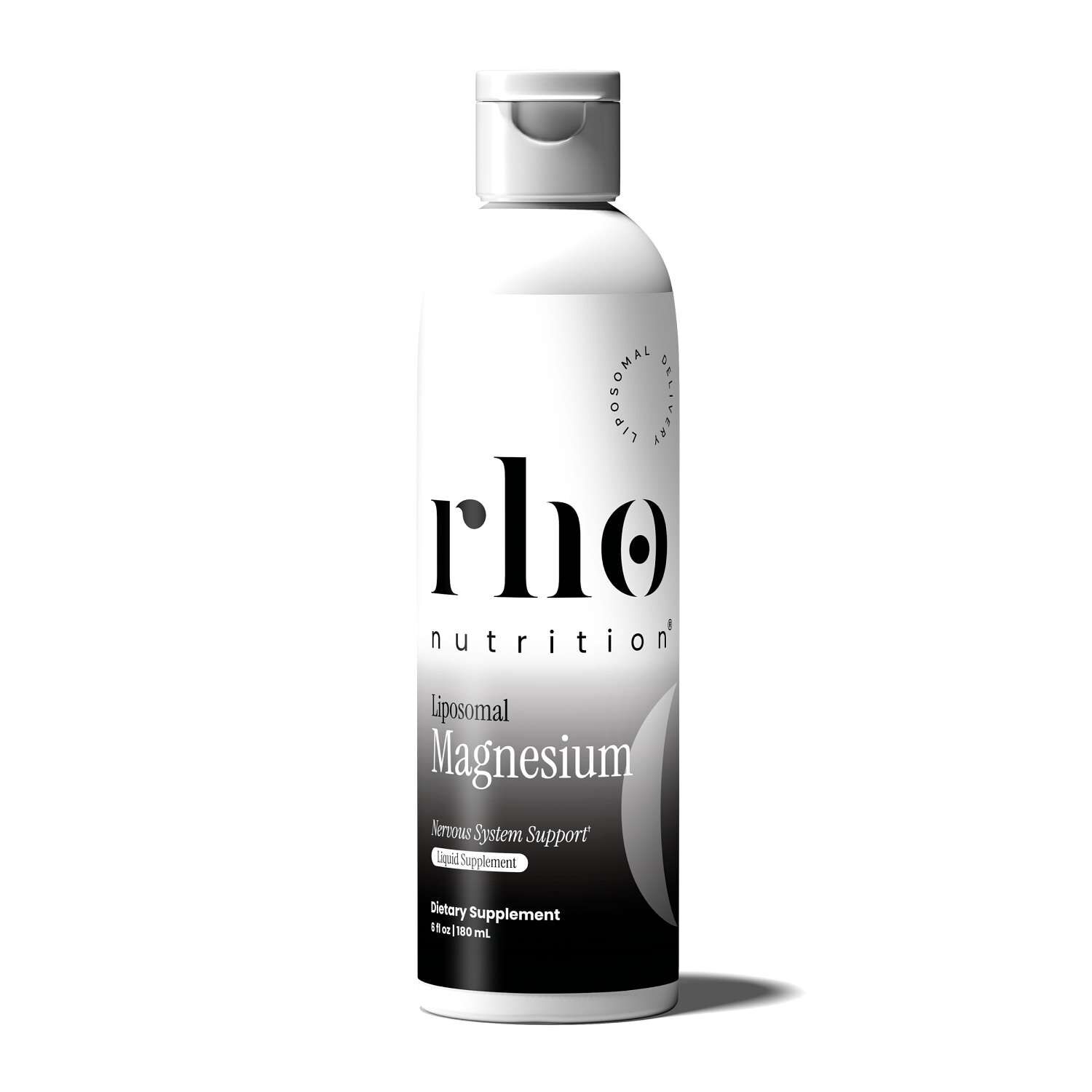 Rho Nutrition
-
Qualia Life Sciences