





High Bioavailability Quercetin Supplements
(0 Results)
High Bioavailability Quercetin Supplements may offer a convenient way to support your wellness routine. Quercetin is a popular plant-derived compound that many people include in their daily regimen. High Bioavailability Quercetin Supplements are designed for those seeking options that could be easier for the body to absorb. Explore a range of choices that might fit your lifestyle and nutritional goals.
-

-
-

-

-
 $24.99
-
 57$54.99
-
-

-

-

-
-

-
-

-
 $99.99
-
 $24.99
-
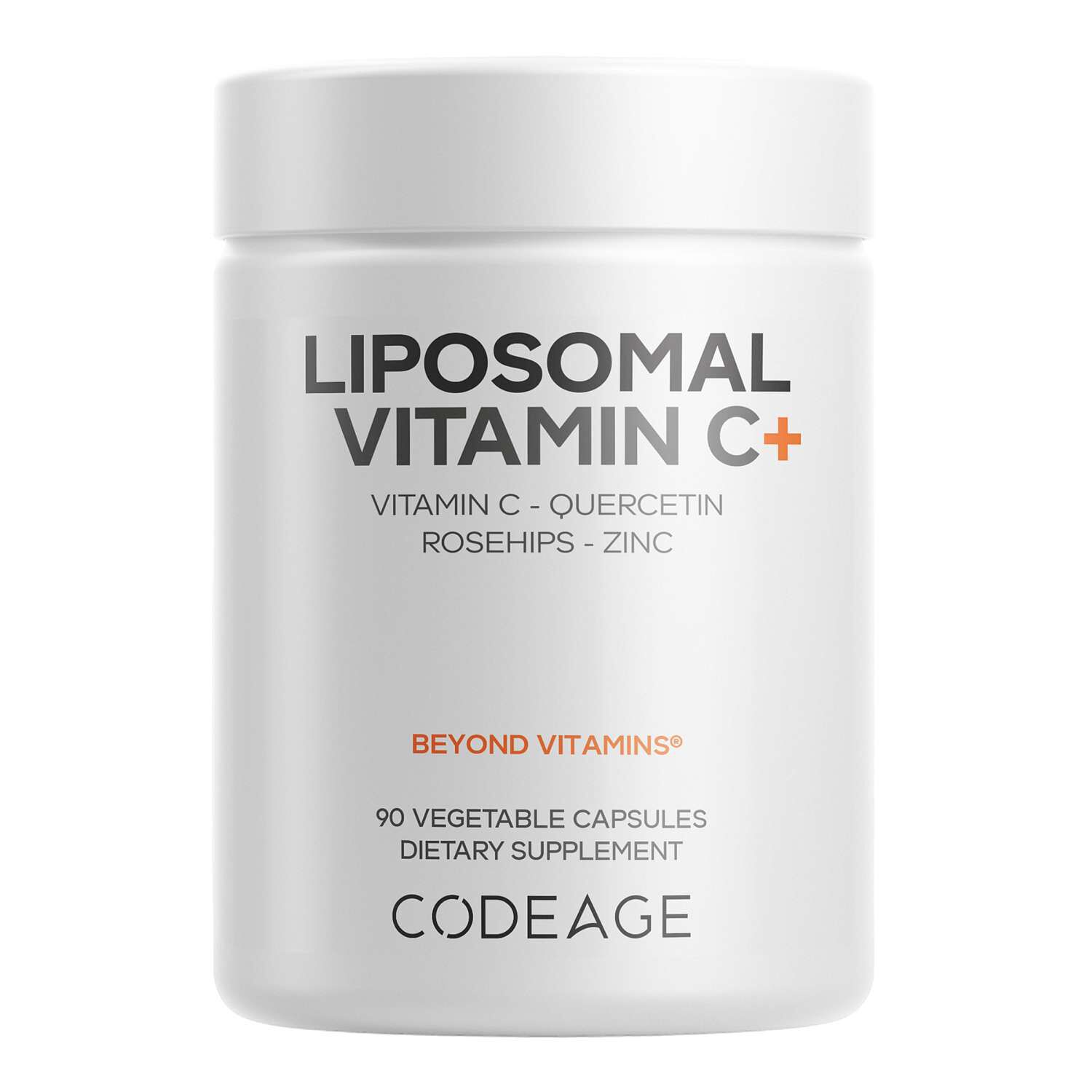 $29.99
-
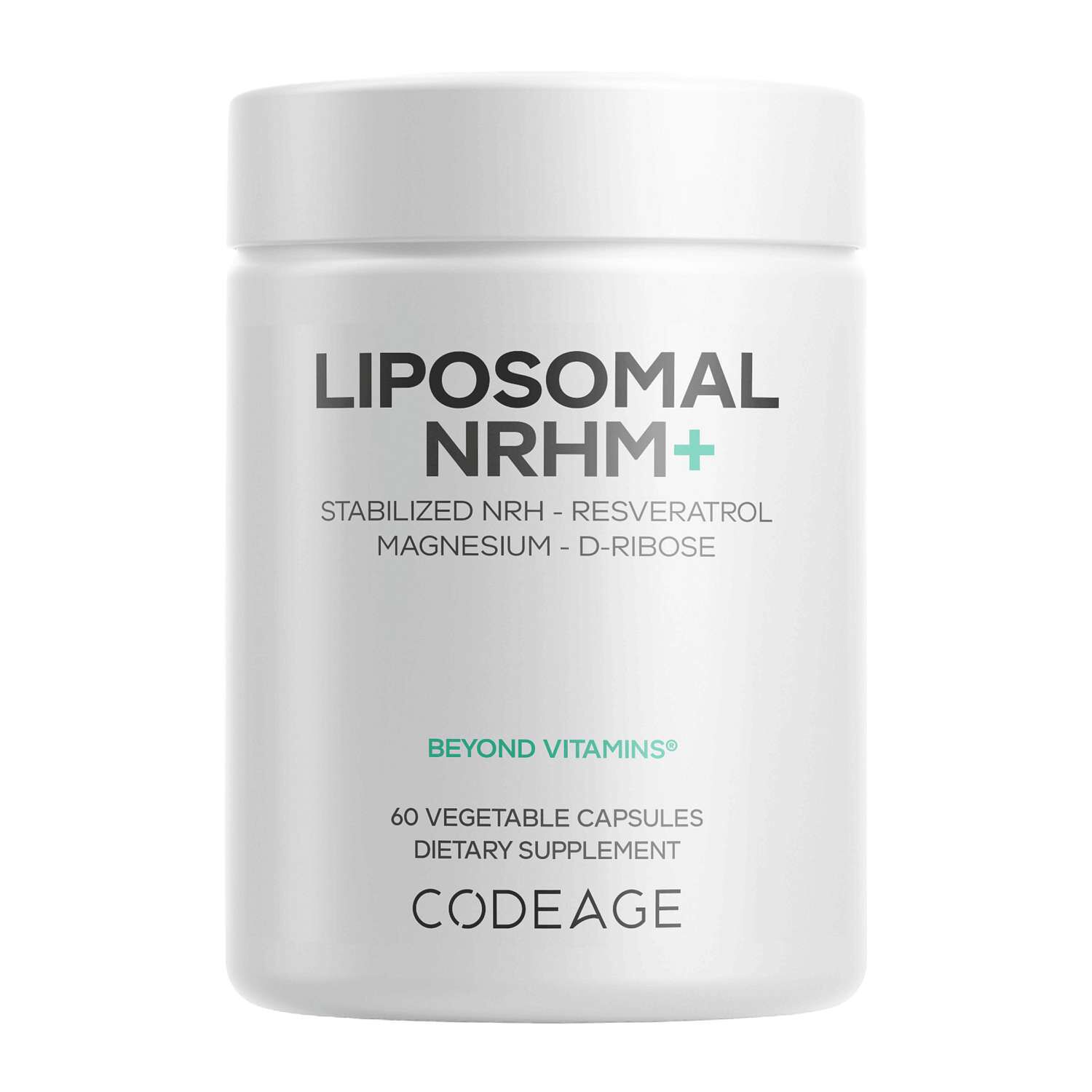 $49.99

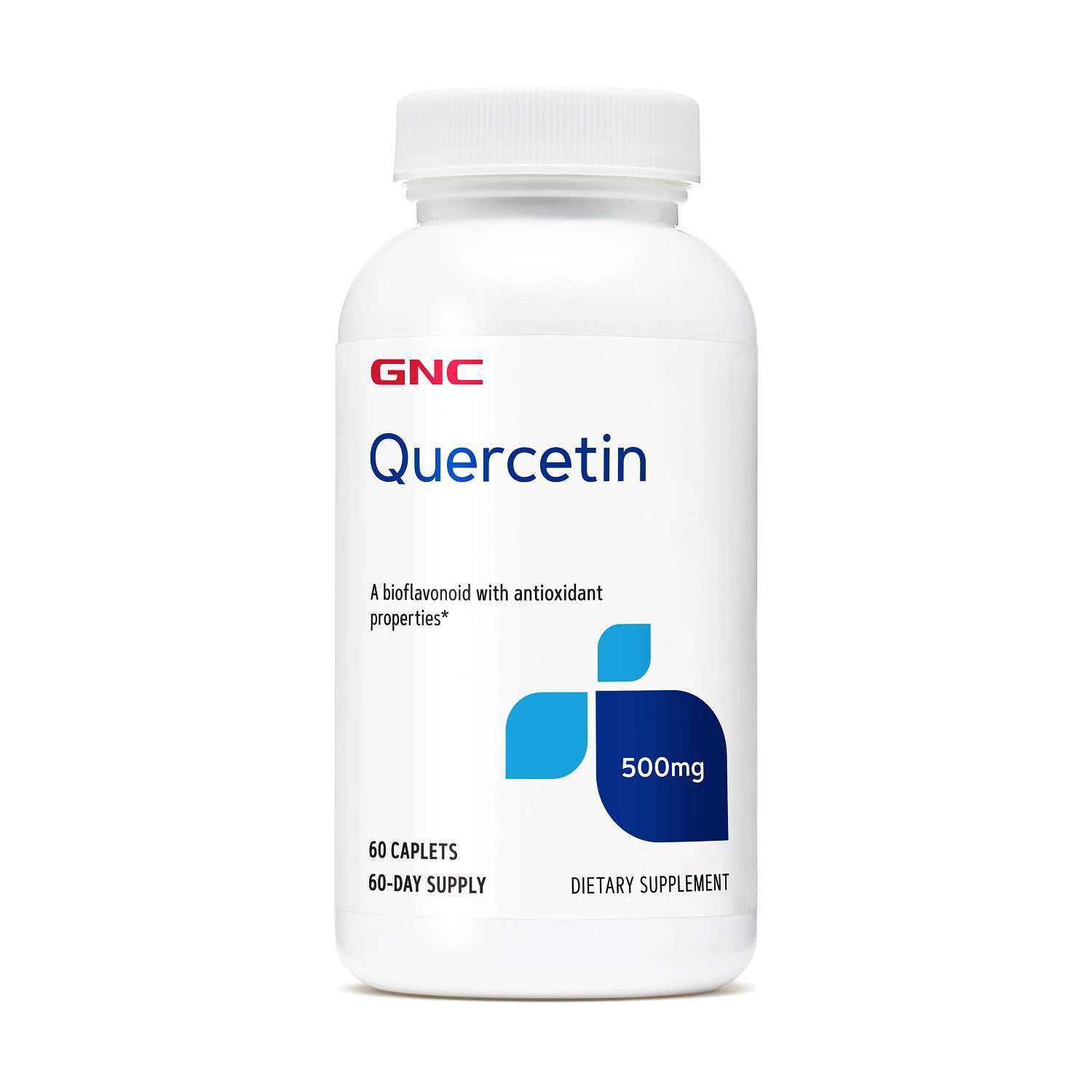
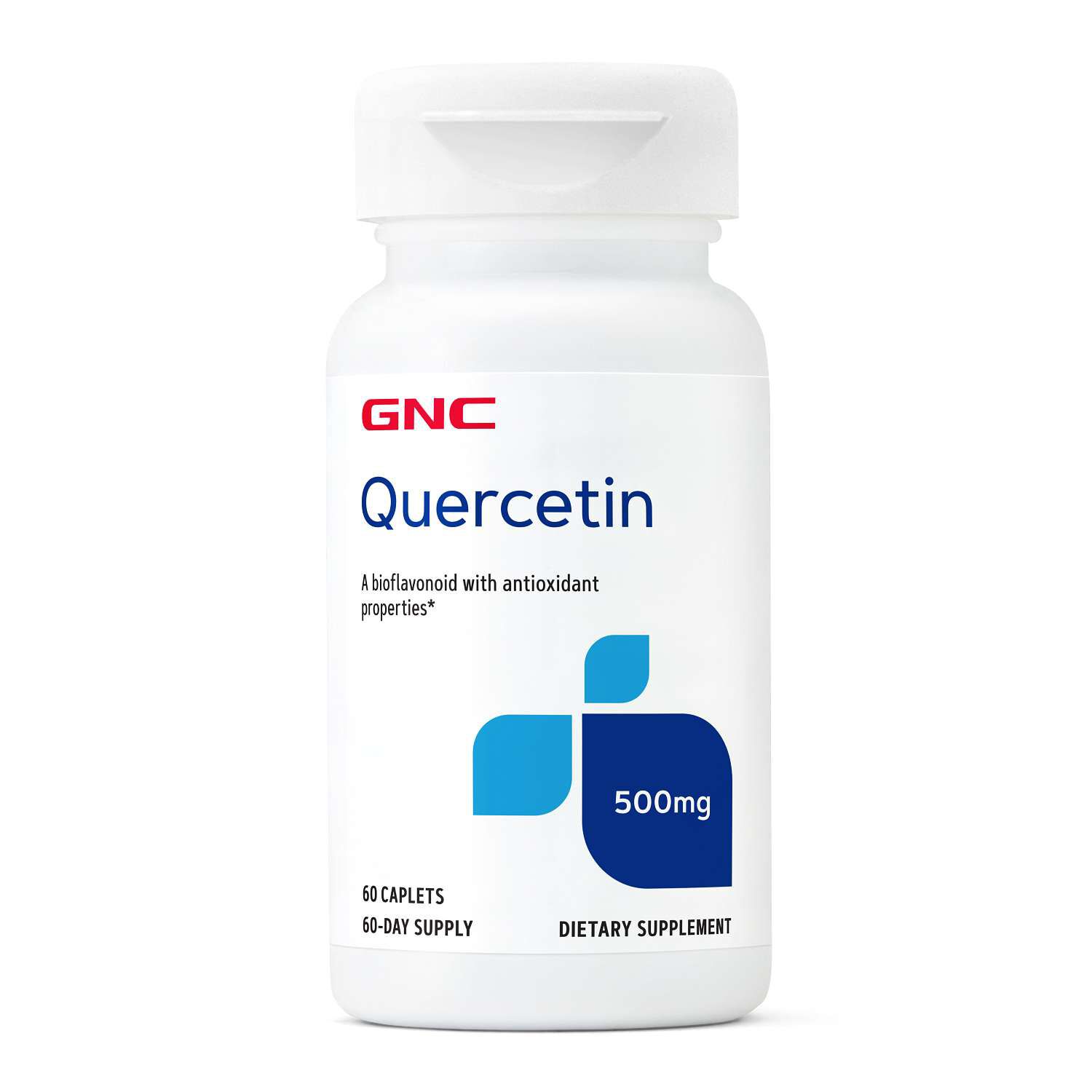
High bioavailability quercetin supplements center on how a familiar plant compound is formulated, not simply how many milligrams appear on the label. Quercetin is a flavonoid found naturally in foods such as onions, apples, and capers. Supplemental quercetin provides a measured amount in a capsule, softgel, powder, or liquid, sometimes alongside other ingredients. The term bioavailability describes the extent to which an ingested substance is absorbed and becomes available in the body. Quercetin has limited water solubility, and its absorption can vary with its formulation. Specialized delivery systems may help address those characteristics by pairing quercetin with phospholipids, enclosing it within lipid structures, or incorporating it into another carrier. These approaches may improve absorption compared with an unformulated version, although the extent of any difference depends on the particular formulation and how it was evaluated. A high bioavailability description therefore belongs to the finished formula rather than to quercetin as a category. Two bottles with the same stated quercetin amount can contain quite different delivery systems, serving sizes, and supporting ingredients. Likewise, a larger milligram number does not, by itself, establish greater absorption. The distinction matters for adults comparing a straightforward quercetin supplement with a formula built around a particular delivery approach. It also explains why a clear Supplement Facts panel and an informative ingredient list are more useful than a broad absorption statement alone. Research involving a named formulation applies to that formulation under the conditions studied; it does not automatically establish the same result for every capsule or liquid described with similar language. Useful comparisons keep the quercetin amount, carrier materials, serving instructions, and formulation-specific evidence in view together. This gives the category a practical focus: understanding what is in each serving and how the ingredients are assembled, without treating a delivery-system description as evidence of a particular wellness outcome.
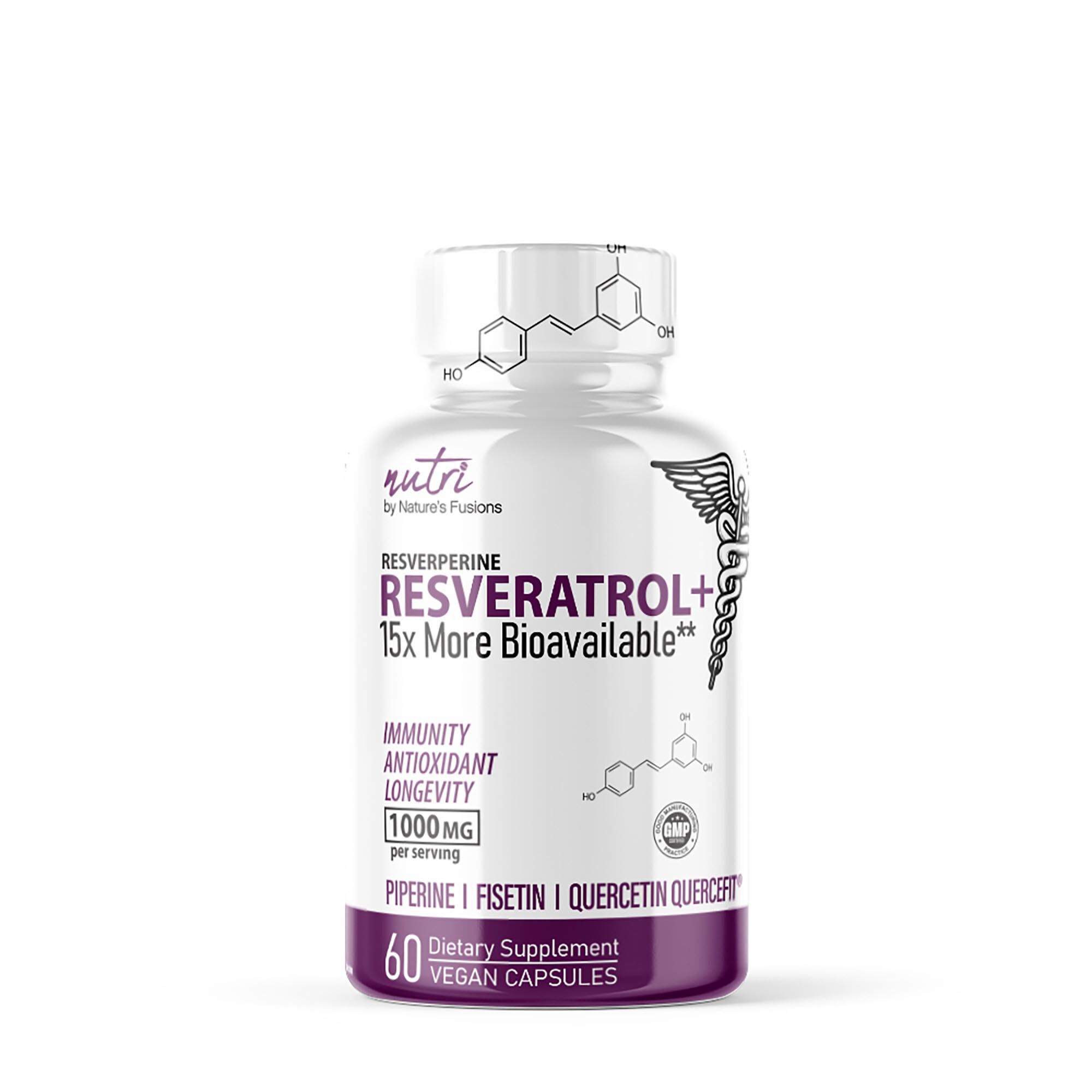
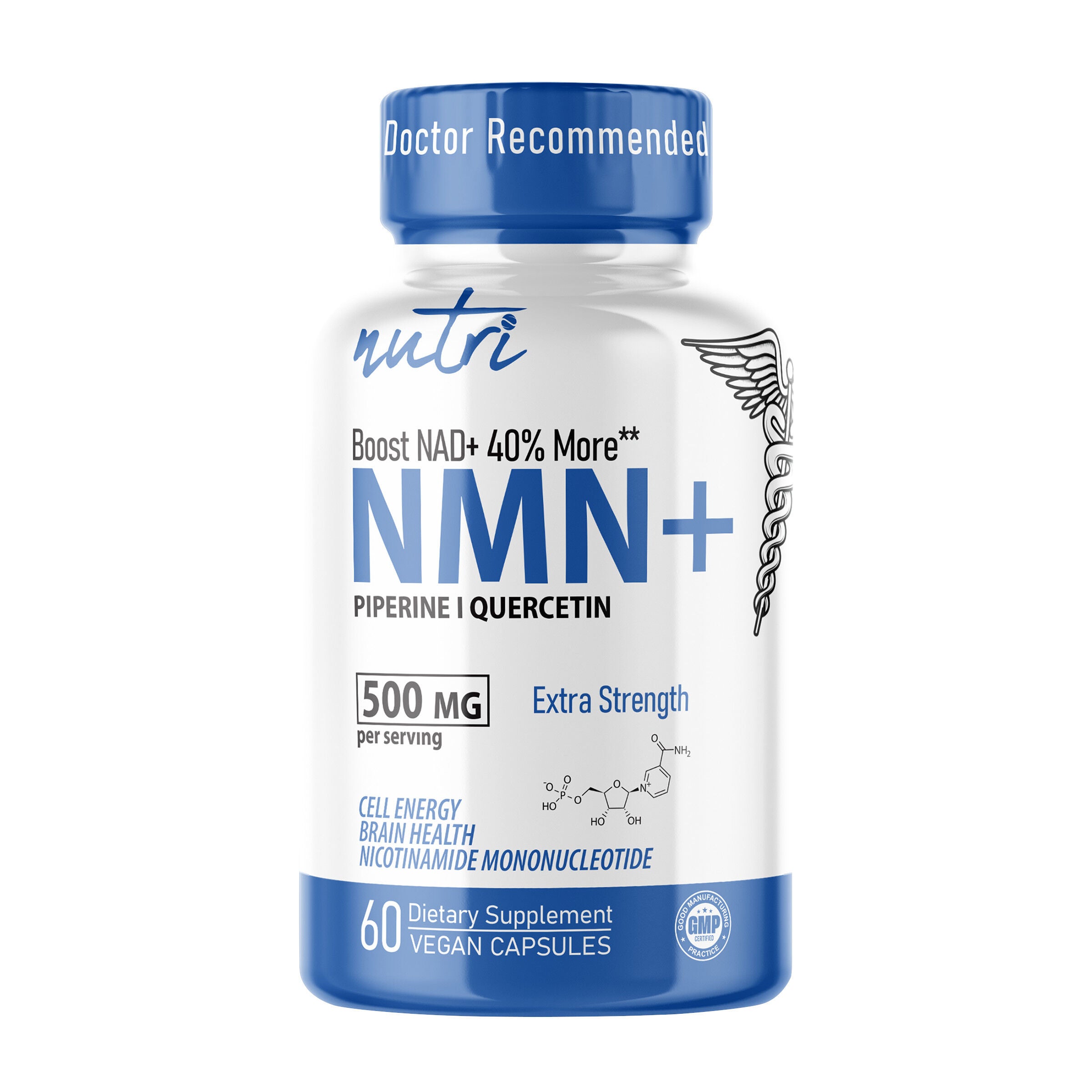
Several formulation approaches appear within the broader category of high bioavailability quercetin supplements, and their names describe different ingredient structures. A quercetin phytosome pairs the compound with phospholipids, which are components of cell membranes. Those phospholipids may come from sources such as sunflower or soy lecithin. This association may help quercetin disperse and may support its absorption, but the source and composition remain specific to the formula. Liposomal quercetin uses lipid vesicles as a delivery vehicle; these tiny structures have an outer arrangement of phospholipids surrounding an interior space. Liposomal and phytosome are not interchangeable terms, even when both involve phospholipids. Cyclodextrin formulations take another approach, using ring-shaped carbohydrate molecules that can hold a portion of another compound within their central cavity. That arrangement may improve quercetin’s apparent solubility and may influence absorption. Other formulas incorporate quercetin into fiber-based or self-emulsifying matrices, which may help disperse it in digestive fluids. None of these descriptions establishes a universal ranking, and the name of a delivery system alone does not reveal its composition or performance. Beyond the carrier, ingredient lists may include vitamin C, bromelain, capsule materials, oils, or other formulation components. Vitamin C and bromelain are separate ingredients, not substitutes for a specified delivery system, and their presence alone does not establish greater quercetin absorption. A combination formula also differs from a quercetin-only formula in the number of ingredients and the amounts provided per serving. For someone who values a shorter ingredient list, that distinction may matter as much as the delivery terminology. Someone comparing plant-based capsule shells or avoiding a particular ingredient source may focus on cellulose, gelatin, soy, sunflower, and other clearly identified materials. Label details also help distinguish the weight of a quercetin-containing complex from the amount of quercetin itself. A complex can include both quercetin and its carrier, so those two measurements are not necessarily equivalent. Clear labeling makes those differences easier to recognize without relying on the size of the number on the front panel.
Physical format brings these formulation details into an everyday setting. Capsules offer a measured serving without mixing, while softgels often accommodate oil-containing ingredients within a sealed shell. Liquid formats have their own measuring instructions, and powders can involve a scoop or another stated measure. Neither a liquid nor a capsule is inherently evidence of higher bioavailability; the contents and delivery system remain the relevant distinctions. A serving may consist of one capsule, several capsules, or a specified liquid volume, making serving size an important part of any side-by-side comparison. For an adult organizing a morning routine, a one-piece serving and a multi-capsule serving represent different handling needs even before the formulas are considered. Someone packing a work bag may prefer a compact bottle, while someone arranging a countertop routine may place more value on a clearly marked measuring device. Capsule dimensions, texture, flavoring, and the presence of added sweeteners can also shape format preferences. These are practical product characteristics rather than measures of absorption. Packaging and care matter as well: storage directions identify the conditions intended for the formula, and liquid products may have instructions that differ before and after opening. The original container keeps the ingredient list, serving information, lot information, and date markings together. A readable label and a closure suited to repeated use can make ordinary handling more straightforward. For broader category context, Quercetin Supplements For Holistic Wellness offers another way to explore quercetin within a general wellness routine. Across formats, the most meaningful distinctions remain concrete: the stated quercetin amount, the delivery materials, the number of servings, the capsule or liquid format, and the other ingredients included. High bioavailability quercetin supplements are best understood through that combination of details, with absorption language considered alongside the actual formulation rather than treated as a stand-alone reason to favor one format.
Best Sellers
-
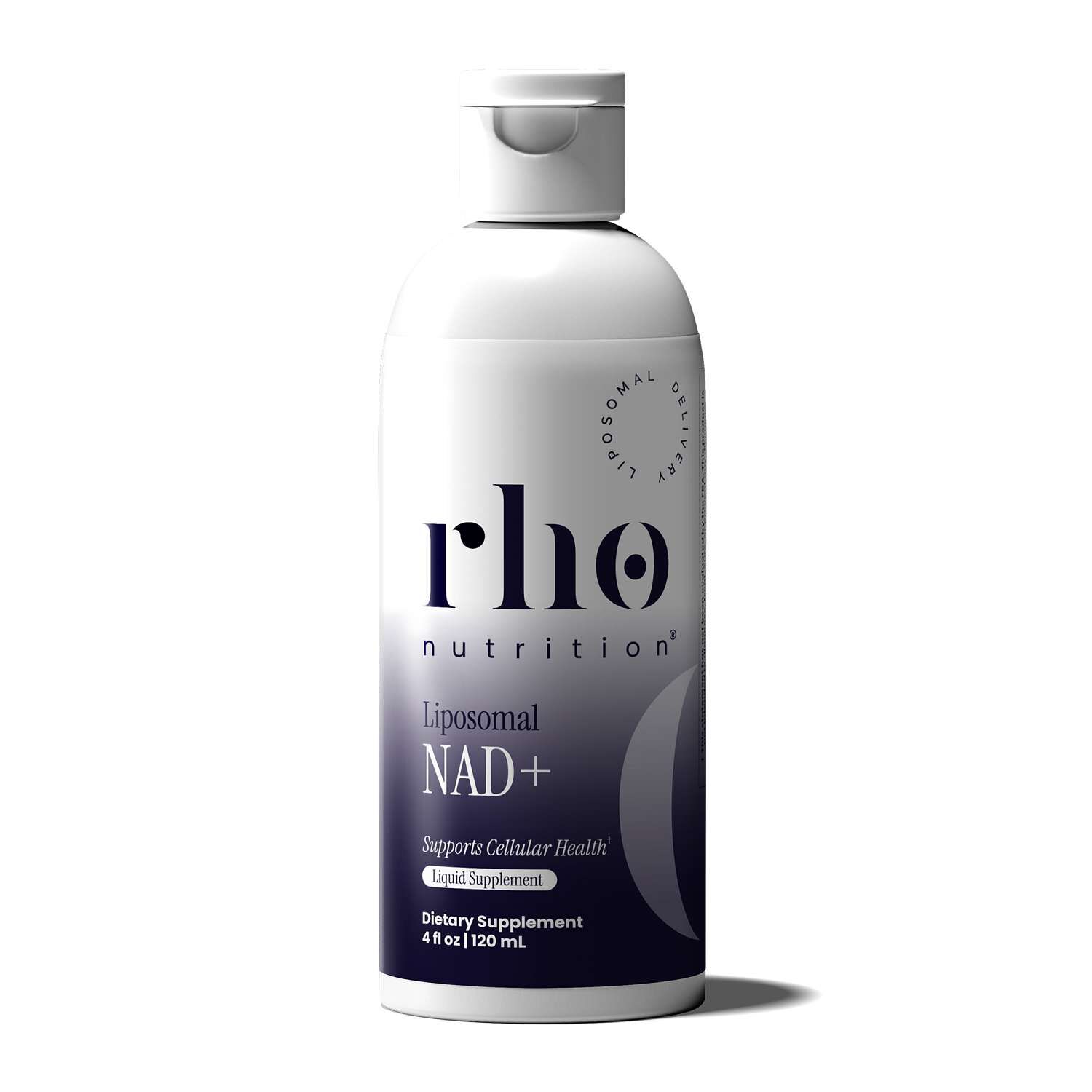 Rho Nutrition
-
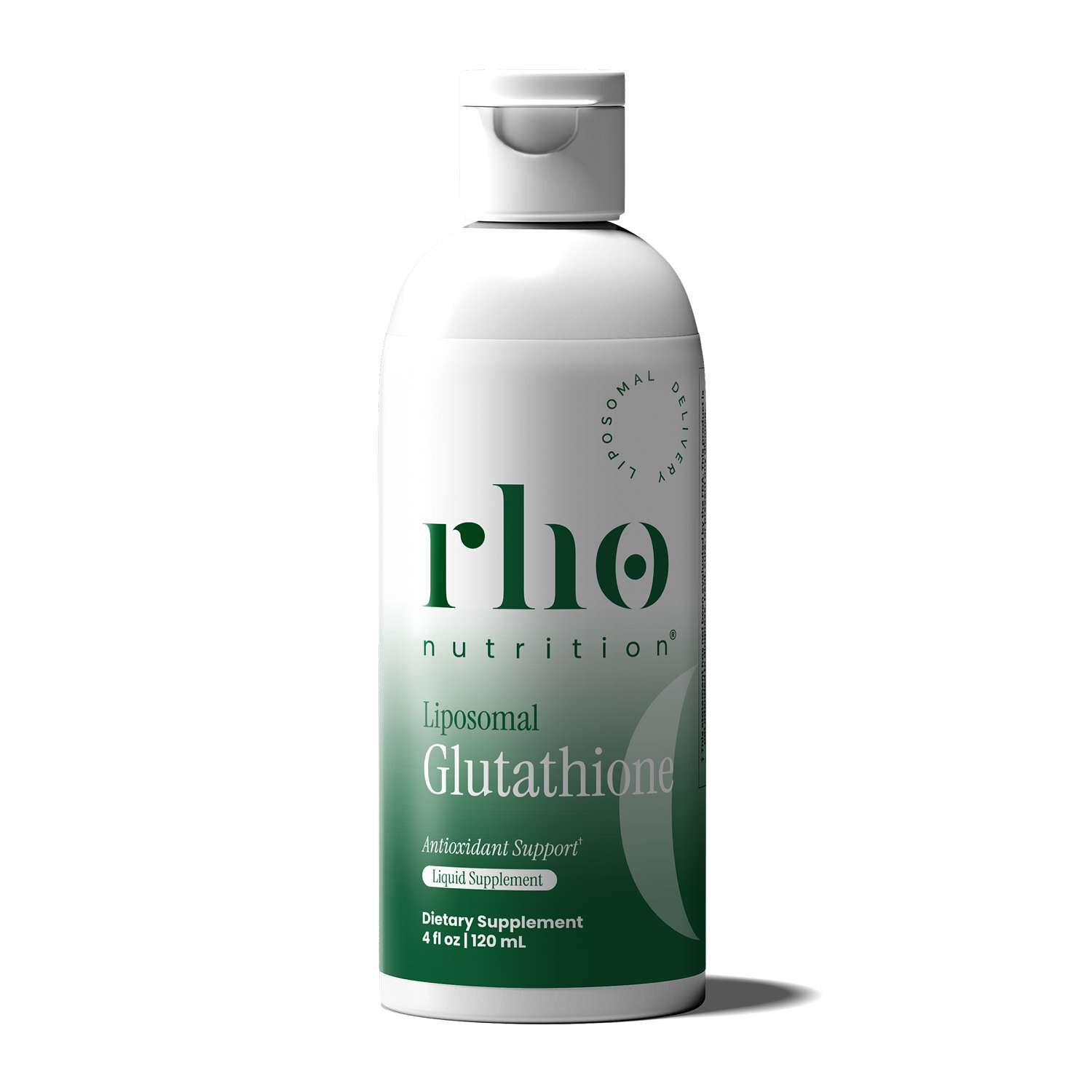 Rho Nutrition
-
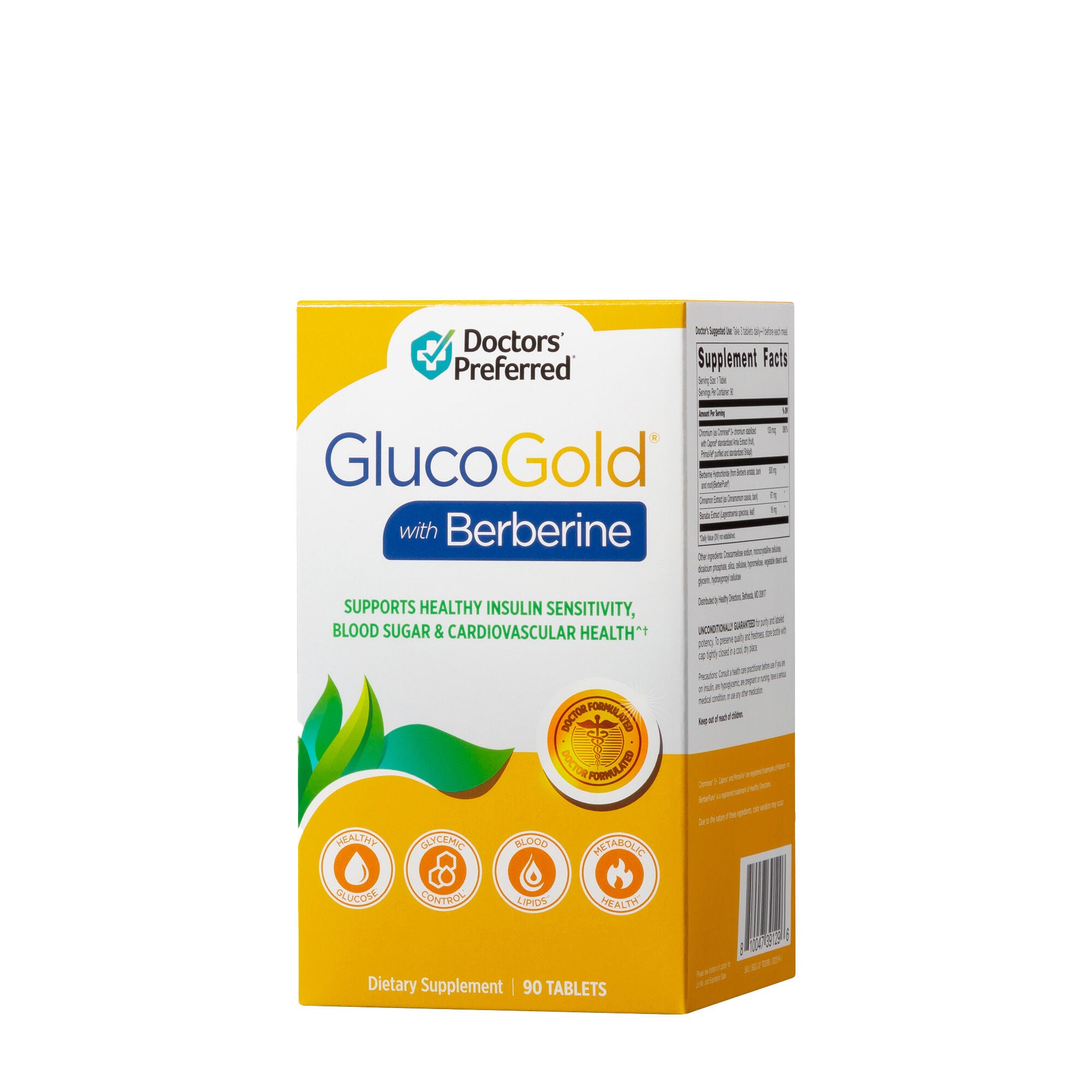 Doctors' Preferred
Related Pages
Top Collections
- Daily Collagen Supplements | Top Brands & Deals | GNC
- Cortisol Supplements
- Top Rated Collagen | Shop Customer Favorites | GNC
- Vitamins For Hair Loss
- NAD+ Supplement Tablets
- Peptide Supplements
- Best Brand of Magnesium Glycinate
- Protein Powders For Muscle Growth Support
- Vitamins That Help Support Weight Gain
- Peptide Supplements for Muscle Growth