





High Strength Propolis Supplements
(0 Results)
High strength propolis supplements may be a popular choice for those interested in supporting their wellness routines with natural ingredients. Sourced from bees, propolis has a long history of traditional use and is often selected by individuals seeking products that fit into an active lifestyle. Explore a variety of high strength propolis supplements that could fit your daily regimen and discover options designed to suit your personal preferences.

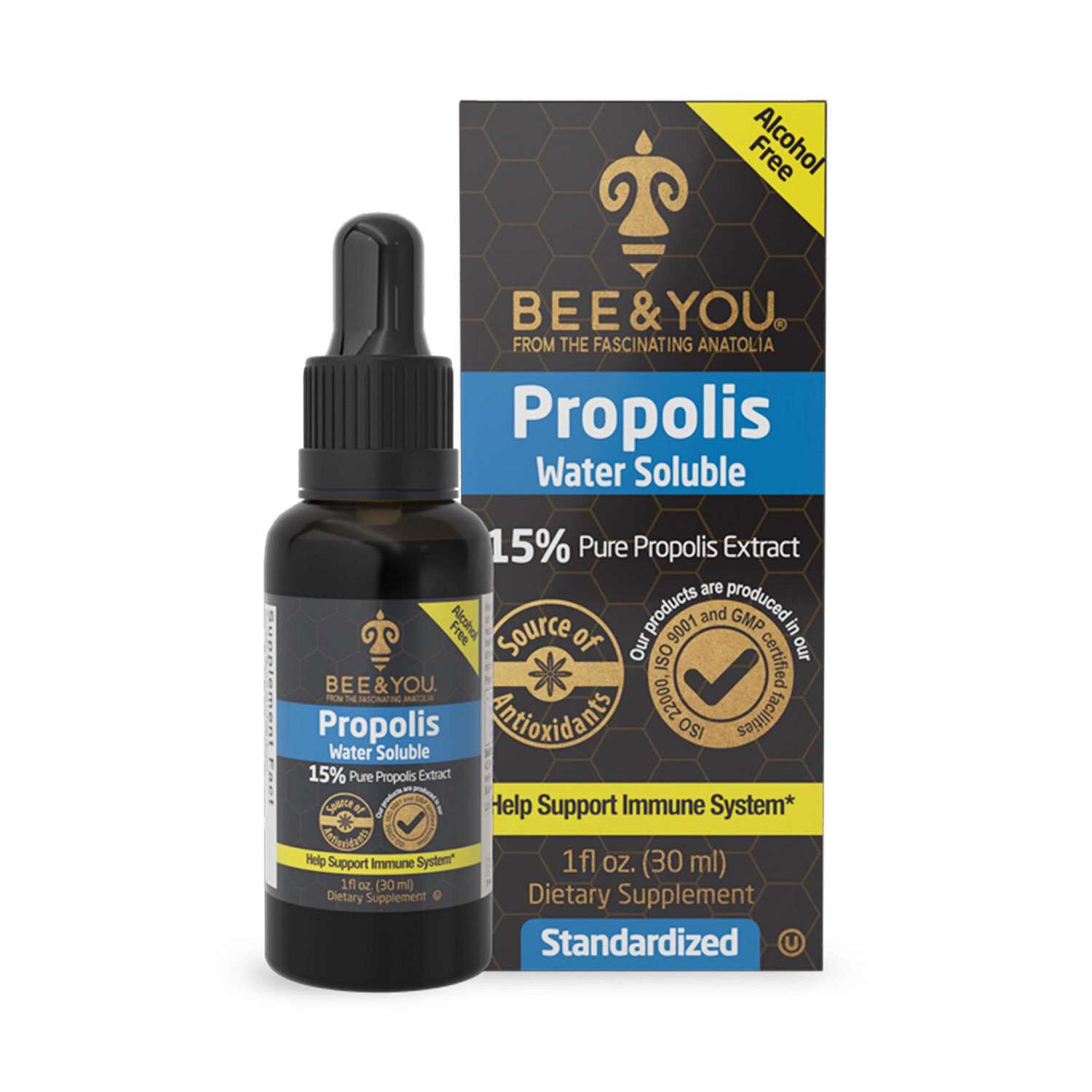


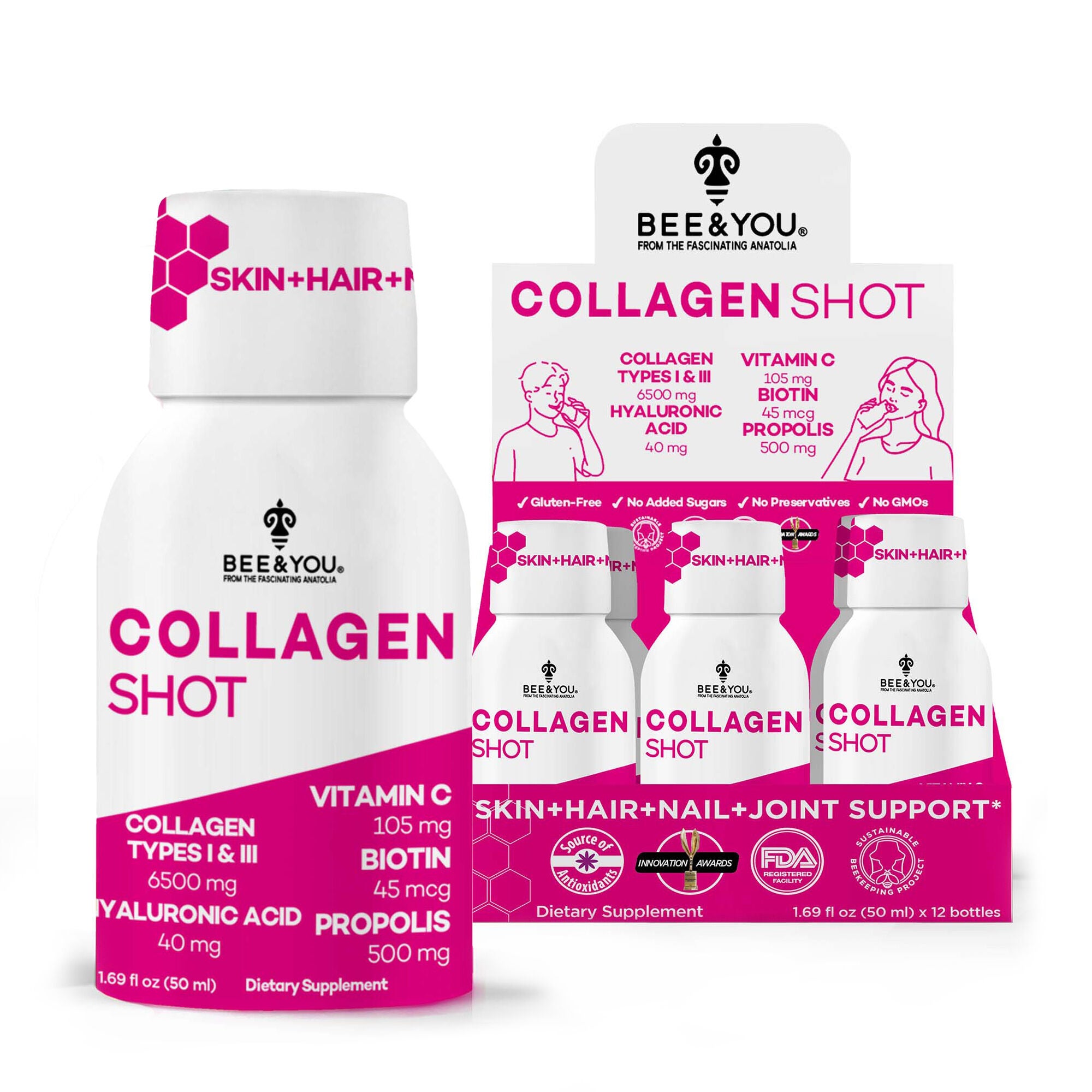
High strength propolis supplements feature concentrated preparations of propolis, the resinous material bees make from plant resins and other substances and use within their hives. Unlike honey, which begins with nectar, propolis comes largely from sticky materials gathered from tree buds, bark, and other botanical sources. Its composition reflects that origin: the plants surrounding a hive, the region, and the collection season can all influence the resulting material. Propolis naturally contains a varied mixture of compounds, including polyphenols and flavonoids, although the amounts present differ among sources and preparations. For shoppers, the important distinction is between raw propolis and an extract made from it. Extraction uses a solvent, such as water or alcohol, to draw selected components from the original material into a preparation suitable for a particular formula. A high strength propolis supplement generally emphasizes a concentrated extract, a stated amount per serving, or a specified proportion of selected compounds. The phrase “high strength” alone, however, does not establish that two formulas contain equivalent amounts or share the same composition. A capsule with a large raw-material equivalent is not necessarily the same as one listing that number as its actual extract weight. That difference makes the Supplement Facts panel and accompanying ingredient details more informative than a prominent number on the front of a bottle. Within the broader selection of Propolis Supplements, concentrated options may appeal to adults who already include bee-derived ingredients in their routines and prefer a clearly described serving. The appeal can be as practical as choosing a format that belongs beside a breakfast glass rather than adding another elaborate step to the morning. These are products to compare by their composition, serving information, and everyday fit, rather than by strength language alone.
Shopping for high strength propolis supplements starts with understanding what the stated amount represents. Some labels list the weight of the extract itself; others also describe the quantity of starting propolis used to produce it. An extract ratio expresses a relationship between starting material and finished extract, but that ratio does not, by itself, identify the amount of every compound in the bottle. Where a formula states a standardized polyphenol percentage, that provides a different kind of detail: a defined proportion of the named compound group in the specified ingredient. Comparisons are most useful when they put like information alongside like information—extract weight against extract weight, serving size against serving size, and a stated percentage against the same stated percentage. The number of capsules in a serving also matters. A bottle containing sixty capsules may represent thirty servings when the labeled serving is two capsules, so the container count is only part of the value comparison. Liquids call for similar attention to the serving volume and number of servings per bottle. Format brings its own considerations beyond the numbers. Capsules enclose the propolis preparation, while softgels use a shell around a liquid or oil-based filling. Liquid extracts offer a different experience, with a serving measured according to the package directions and a flavor that may be noticeably resinous, earthy, or bitter. The carrier ingredients deserve a look as well, since water, glycerin, alcohol, and oils create different preparations. Capsule shells can contain gelatin or plant-derived materials, but a plant-derived shell does not make the propolis inside vegan: propolis remains a bee-derived ingredient. Other ingredients, including sweeteners, flavors, and additional botanical extracts, help distinguish a simple propolis formula from a blend. Clear labeling makes those differences easier to understand, especially for someone who knows exactly which ingredients they want included in their purchase.
The best everyday fit often comes down to small, familiar details: space in a kitchen cabinet, a preference for capsules over a strongly flavored liquid, or a bottle size that suits an established shopping routine. Adults interested in the botanical origins of bee products may appreciate information about sourcing, extraction, and composition as much as the stated concentration. Someone accustomed to reading supplement labels may favor a formula that identifies its extract precisely, while another shopper may place more weight on a straightforward ingredient list and an easy-to-read serving panel. Neither preference requires an elaborate routine. Picture the ordinary bustle of a cooler morning, with a mug on the counter, a bag waiting by the door, and breakfast dishes still on the table; packaging and format are practical considerations in that setting. A compact bottle may suit a smaller cabinet, while a larger container may make sense for someone repurchasing a familiar formula. Storage instructions remain important, particularly for liquid preparations whose labels may specify conditions after opening. Packaging details such as a clearly marked serving measure, a readable date, and a secure closure are worth considering alongside concentration and price. For gifting, propolis supplements are most appropriate when the recipient has specifically requested them or already purchases a particular type of preparation. Because propolis is bee-derived and individual ingredient preferences vary, it is a more personal purchase than a general seasonal gift. During the cooler months, when household routines often shift toward indoor meals and packed calendars, the most relevant seasonal consideration is still whether a product fits the recipient’s existing habits—not whether its packaging suggests a seasonal purpose. Price per labeled serving can help distinguish a genuinely suitable purchase from a larger bottle that simply looks economical. Sourcing statements and testing information, when available, can add useful context, especially when they explain what was assessed rather than relying on broad quality language. A well-matched high strength propolis supplement brings together a clearly identified preparation, understandable concentration information, a suitable format, and ingredient details that align with the shopper’s preferences. Those specifics offer a more meaningful basis for choosing than the largest number on the shelf.
