Holistic Weight Loss Support
(0 Results)
Holistic weight loss support brings together a thoughtfully curated selection of supplements and wellness products designed to complement your healthy lifestyle. By focusing on a balanced approach that may include nutrition, movement, and mindfulness, these options could help support your journey toward your goals. Explore holistic weight loss support solutions that fit seamlessly into your daily routine, offering a variety of choices to suit different preferences and needs.
-

-

-

-

-

-

-
-
-

-
 2,035$119.99
 -
-

-


Holistic weight loss support takes a whole-person view of weight management, placing nutrition products within the broader context of everyday meals, enjoyable movement, rest, and personal routines. Rather than treating a supplement as the center of that approach, it considers how a product might fit alongside habits that feel realistic over time. For shoppers, that means looking beyond a single ingredient or an ambitious label statement to consider intended use, preparation, taste, and compatibility with everyday food preferences. Products associated with this category can include protein powders, fiber supplements, multivitamins, and formulas made with botanical ingredients, each with different purposes and directions. These categories are not interchangeable, and a product’s role deserves as much attention as its format. A protein powder, for example, may offer a convenient way to add protein to a breakfast or snack, while a fiber supplement may contribute fiber to an eating pattern that includes fruits, vegetables, beans, and grains. Neither should be mistaken for a replacement for varied meals or a shortcut to a particular body size. The holistic perspective also leaves room for the practical details that shape daily choices: an early commute, a shared kitchen, a lunch packed the night before, or a preference for walking rather than structured workouts. Someone who enjoys blending breakfast at home may look for different product characteristics than someone who needs a portioned option for a work bag. Weight management is personal, and suitability depends on more than the words on the front of a container. Serving information, ingredient lists, preparation directions, and the number of steps involved all provide useful context. A thoughtful assortment of nutrition products may complement that larger routine without turning every meal, shopping trip, or activity into a weight-focused decision. The emphasis is on how a product belongs in daily life, not on expecting the product to do everything.
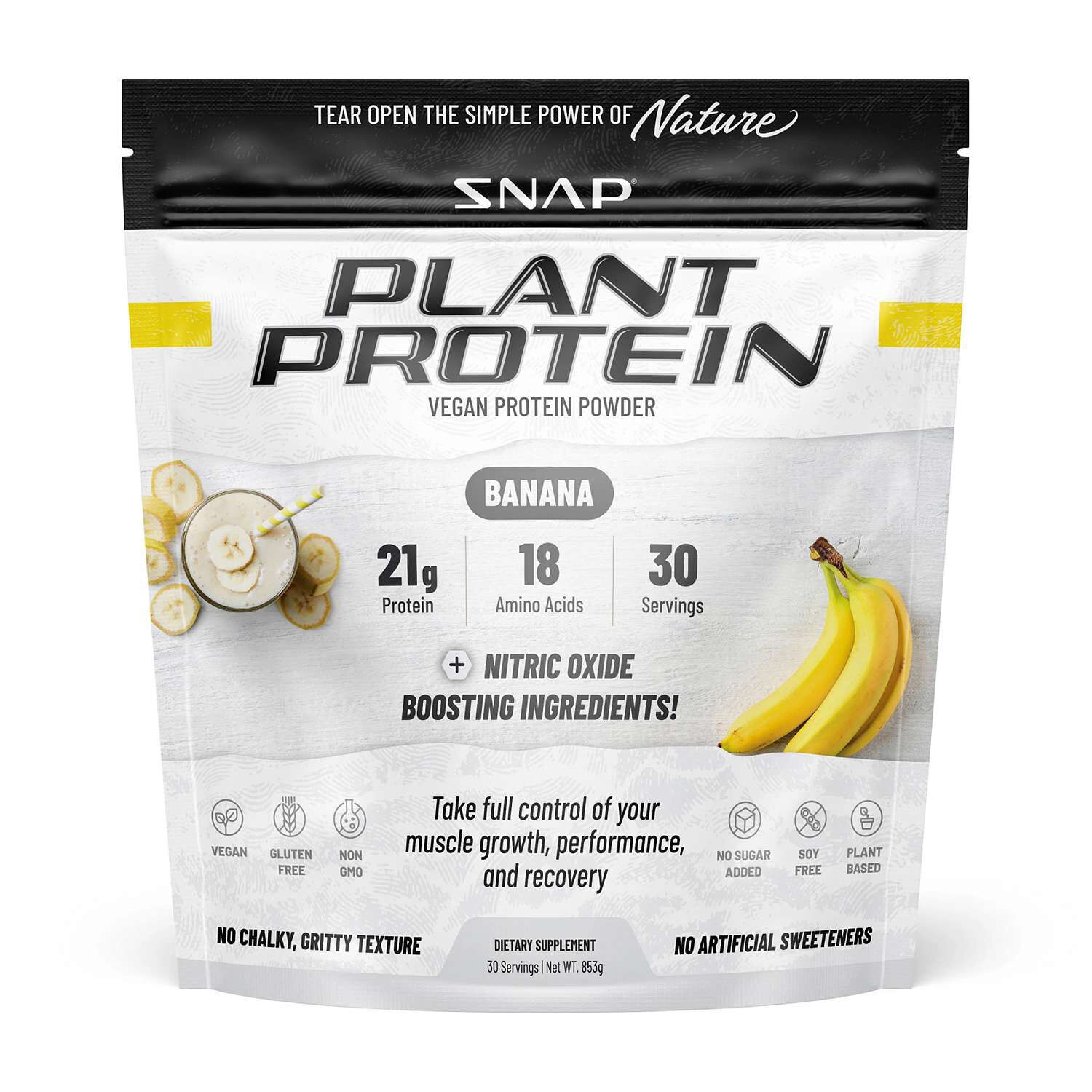
Ingredients and formats offer a useful starting point for comparing holistic weight loss support products. Protein powders may use dairy-derived ingredients such as whey or casein, or plant sources such as pea, soy, or rice. Those differences matter for dietary preferences, allergen considerations, flavor, and texture. A powder intended for mixing with water can have a different taste and consistency when stirred into yogurt or blended with fruit, and preparation directions help clarify its intended use. An unflavored option may suit shoppers who prefer more flexibility in recipes, while a flavored powder may appeal to those who want a familiar taste with fewer added ingredients during preparation. Sweetener choices, serving size, calories, and protein content provide more specific comparison points than broad descriptions on a package. Fiber products likewise differ in their ingredient sources, preparation methods, and serving instructions; powders, capsules, and chewable formats have distinct practical considerations. Vitamins and minerals come in varied combinations, so the nutrients listed per serving matter more than the length of the ingredient list. Botanical formulas introduce another set of details, including the plant ingredients used, their amounts, and any additional components in the blend. For a closer look at that part of the category, Natural Weight Management Supplements offers a related shopping focus. The word “natural” describes neither personal suitability nor a particular outcome, and it does not replace a careful reading of the label. Products with several ingredients also deserve attention to possible overlap with other supplements already in a routine. Clear ingredient information, understandable serving directions, and transparent labeling make comparisons more straightforward. Shoppers with dietary restrictions may also look for relevant certifications or allergen statements rather than relying on packaging imagery. A leaf illustration, a simple color palette, or a short product name says less about the contents than the actual ingredient panel. For products used regularly, taste preferences and ease of preparation may be just as important to the shopping decision as the choice between a tub, bottle, or individual packet.
Everyday fit also includes storage, handling, and the setting in which a product will be used. Nutrition powders and supplements have labeled storage conditions and expiration dates rather than the durability considerations associated with clothing or equipment. Container closures, moisture exposure, and the condition of the packaging are relevant details, particularly when a product moves between a kitchen cabinet, office drawer, and travel bag. Original packaging keeps preparation instructions, serving information, and ingredient details close at hand. A large container may suit a dedicated spot at home, while individually portioned packaging may be more practical for someone who values portability. Capsules require no mixing, but the serving count and directions still matter; a powder involves a different routine, with a measuring step, a beverage or food base, and a cup or blender to wash. These ordinary details are part of intended use, not minor afterthoughts. A product that requires more preparation than someone enjoys may be a poor match regardless of how appealing its description sounds. The same practical perspective applies to the surrounding lifestyle. A varied breakfast, a comfortable walking route, a regular bedtime, and time to enjoy a meal are all relevant to the whole-person context, without needing to become a rigid checklist. Holistic weight management leaves space for preferences, schedules, and goals that do not look the same from one person to another. These products are generally personal purchases rather than casual gifts, since ingredient preferences and weight-related goals can be sensitive. When shopping for another adult who has specifically requested nutrition support, their stated preferences offer a better starting point than assumptions about appearance or eating habits. Across the category, the most useful comparisons stay grounded in what the product contains, how it is intended to be used, and whether its format belongs comfortably in the shopper’s routine. Products may play a supporting role, while the broader approach remains centered on everyday life rather than a single purchase.