





Weight Loss Supplements With Natural Ingredients
(0 Results)
Discover a wide selection of weight loss supplements with natural ingredients designed to complement your wellness journey. Explore options that may support your goals through thoughtfully sourced botanicals, plant extracts, and nutrient blends. Whether you’re looking to enhance your active lifestyle or seeking new ways to prioritize well-being, these supplements offer a variety of choices to fit your routine. Find the right fit for you and take the next step towards feeling your best every day.
-
-
-
-

-
 2,035$119.99
 -

-
-

-
-
-

-
-

-
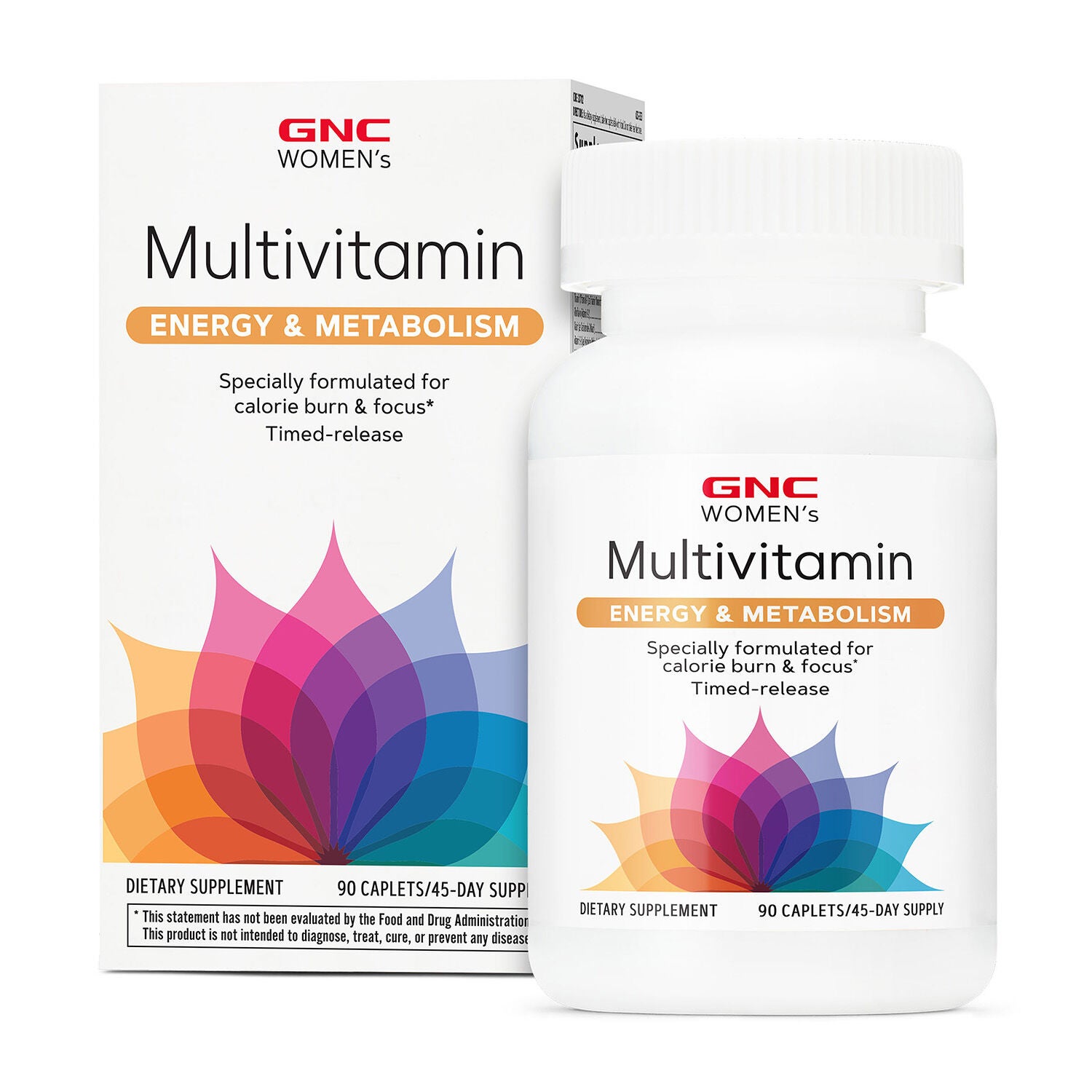
-
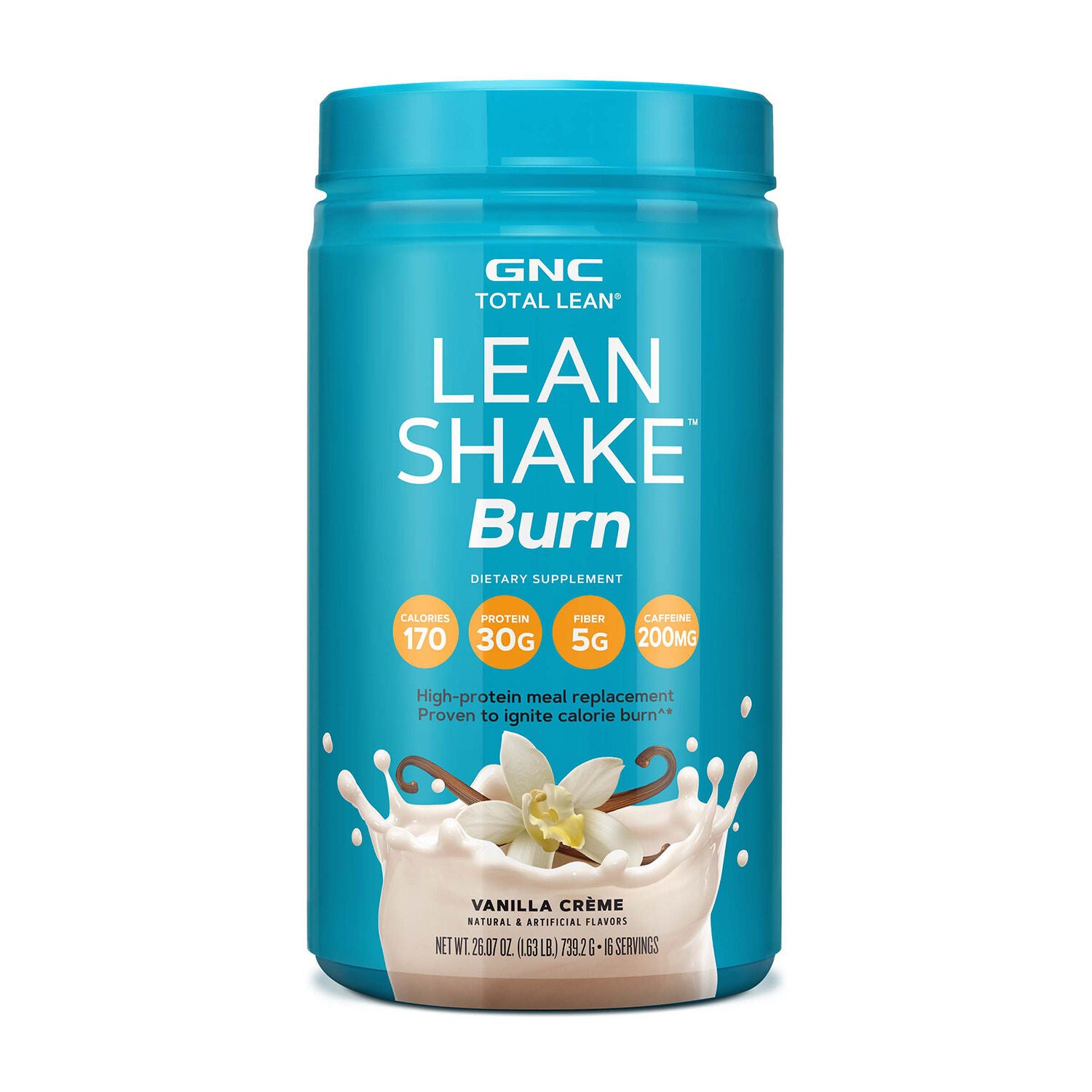
-

-

-
 185$24.99
 -

-

-
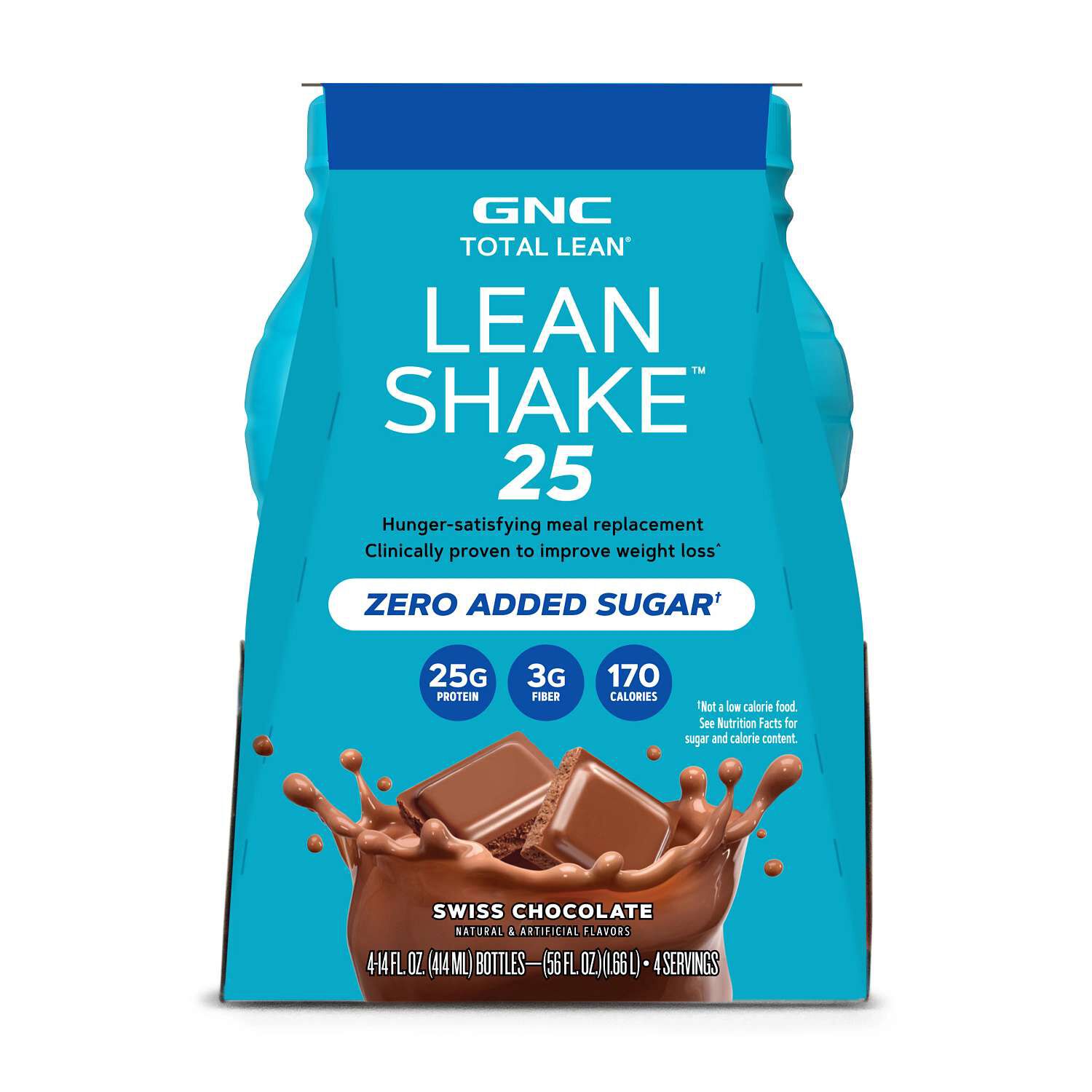
-
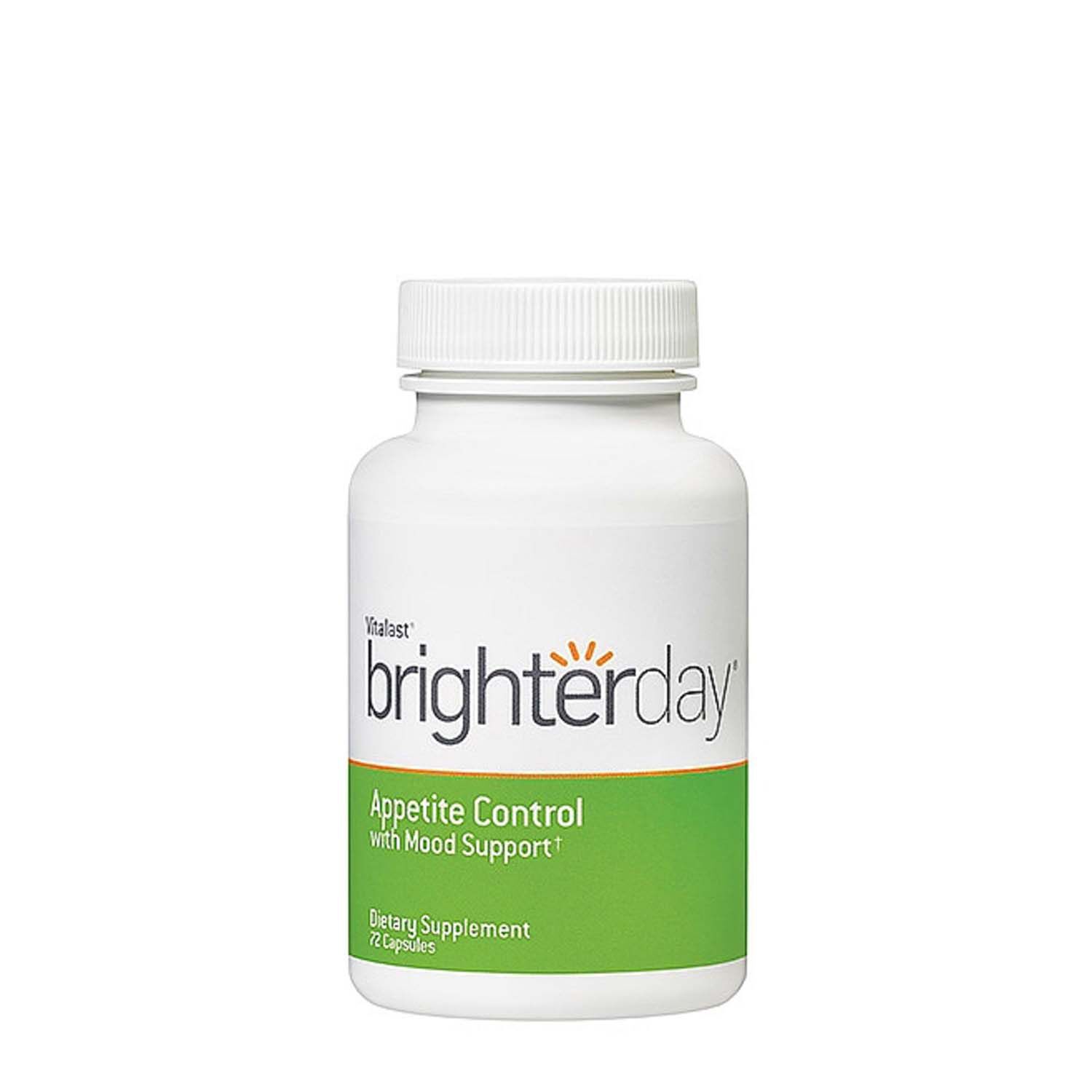
-

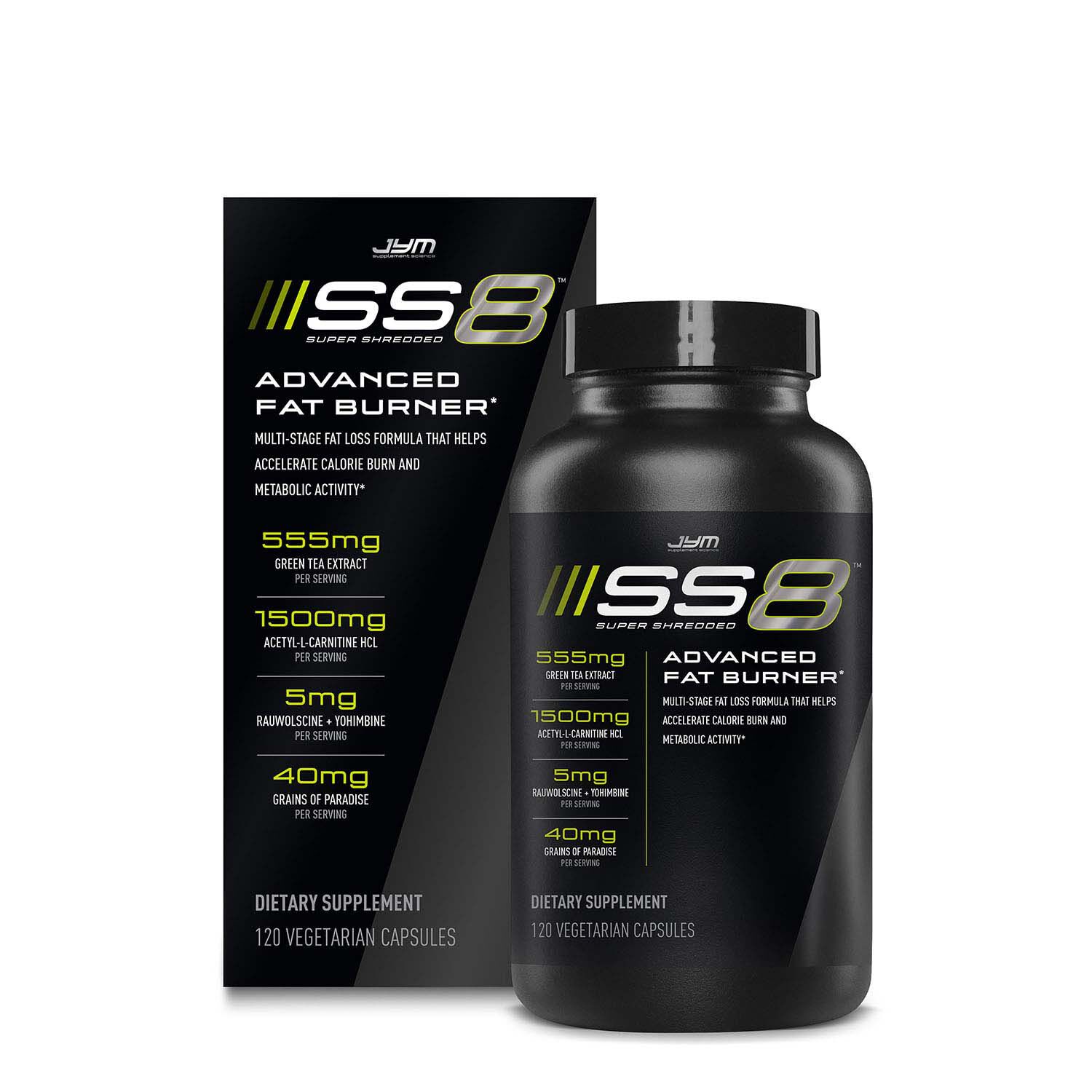
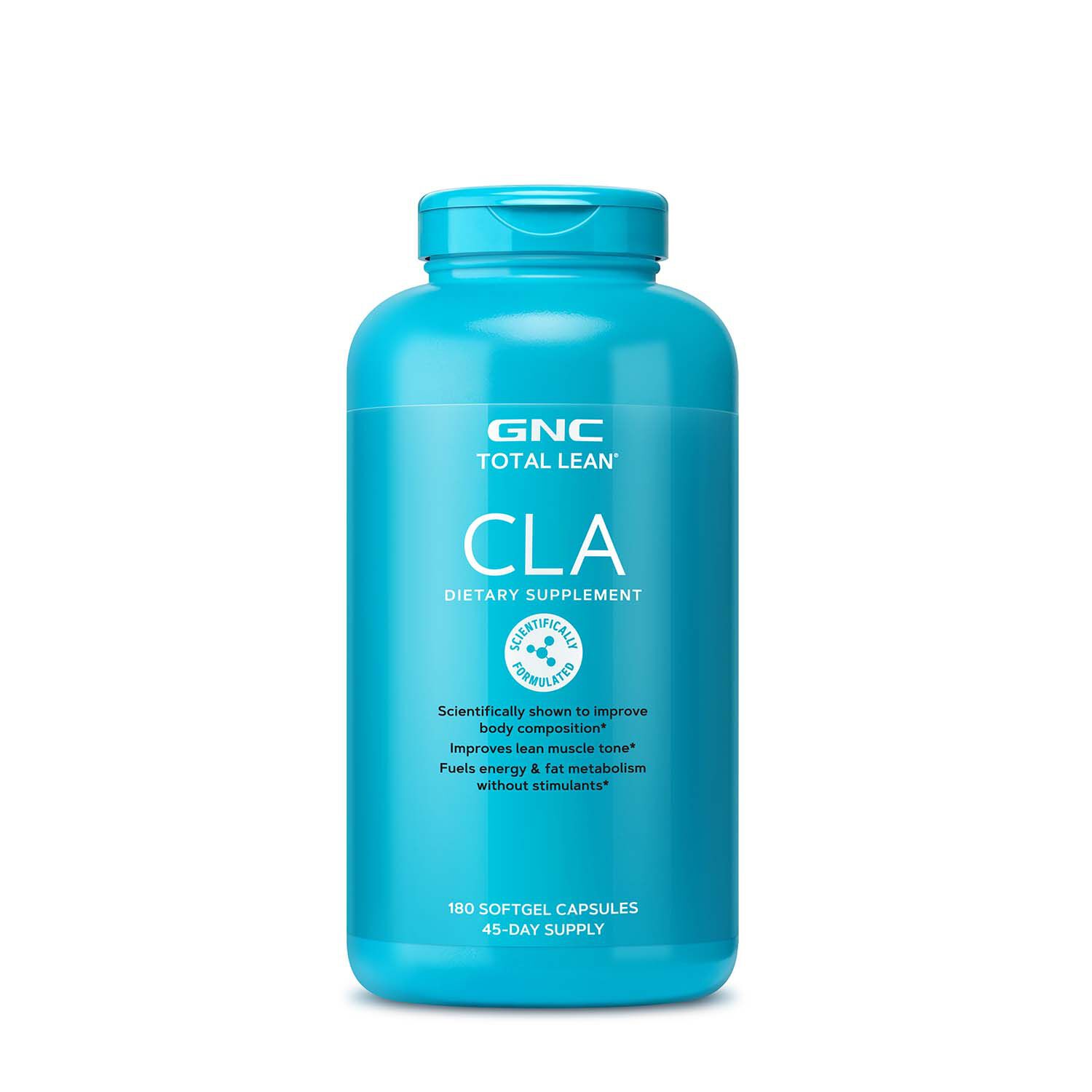
Weight loss supplements with natural ingredients are dietary supplements made with components sourced from plants, foods, or other naturally occurring materials and marketed for weight-management routines. The category can include botanical extracts, dietary fiber, and protein-based formulas, with ingredient combinations and serving formats that differ considerably. “Natural” describes an ingredient’s origin, not a uniform standard for how a finished supplement is made or how it will perform. A plant-derived ingredient may be dried, ground, concentrated, or extracted before becoming part of a capsule or powder. That distinction matters when comparing a familiar food ingredient with an extract bearing the same plant name: the amount and composition can be quite different. Green tea, for example, appears in both beverages and concentrated extracts, and formulas containing it can differ in caffeine content. Fiber can come from sources such as psyllium or konjac, while protein ingredients can come from milk, peas, rice, or other foods. Depending on the formula, fiber or protein may contribute to a feeling of fullness, but that possibility does not establish a predictable weight-loss outcome. Ingredient origin alone does not demonstrate effectiveness, and research on one ingredient does not necessarily describe a blend containing several ingredients in different amounts. These supplements are intended to accompany everyday eating and activity patterns, not replace meals or serve as a shortcut to a particular body size. For adults browsing this category, meaningful differences often come down to the source of an ingredient, its quantity per serving, and whether the format fits an existing routine. A straightforward label with clearly identified ingredients can make those differences easier to understand than a lengthy list of unfamiliar botanical names. The most useful description of a natural weight-management supplement is therefore specific rather than sweeping: what it contains, how much a serving provides, and what the finished formula is intended for.
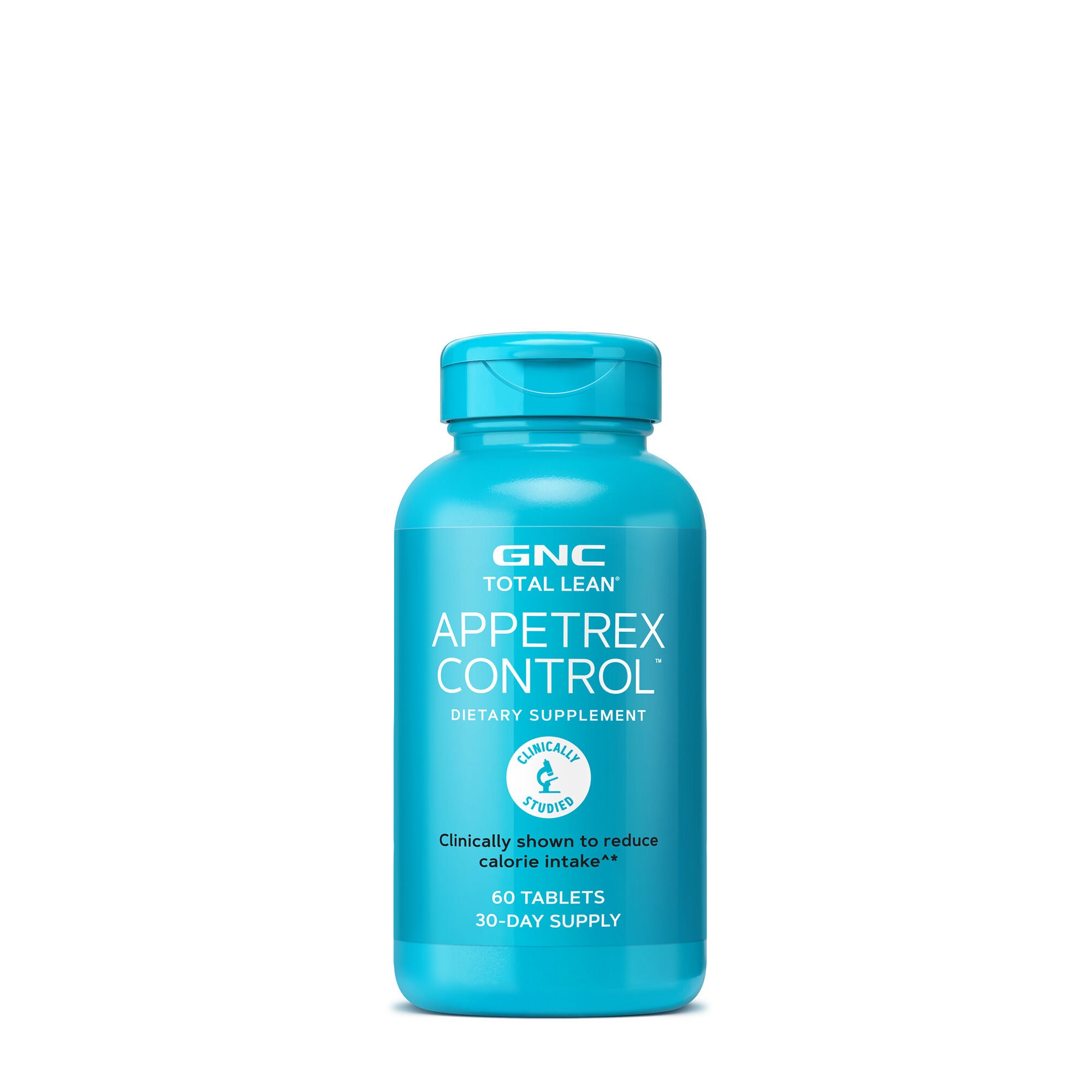
Capsules, tablets, gummies, and powders offer different ways to incorporate a supplement into daily life, and their physical characteristics deserve as much attention as their front-label descriptions. A capsule format avoids the preparation involved with a powder, although a labeled serving may include more than one capsule. Capsule shells can be made with gelatin or plant-derived materials, a distinction relevant to vegetarian preferences. Tablets may contain binding ingredients or coatings, while gummies often include sweeteners, flavors, and gelling agents that contribute to taste and texture. Powders offer another experience, with serving sizes measured by weight and preparation directions that vary by formula. An unflavored powder is not necessarily tasteless; botanical ingredients may have an earthy or bitter character, and some fiber powders develop a thicker texture after mixing. Protein powders can range from light and smooth to more substantial in consistency, depending on their sources and other ingredients. Someone who prefers a quick, contained routine may favor a capsule format, while someone who already prepares a blended beverage may find a powder more practical. Neither preference establishes which formula will deliver a particular result. The Supplement Facts panel provides a better basis for comparison, showing serving size, declared amounts, and other nutritional details. A large amount printed on the front of a container may describe a serving rather than a single capsule or scoop, so those measurements are worth distinguishing. Some blends identify each component without disclosing its individual amount, which limits direct comparisons with formulas that list amounts separately. The other ingredients list adds context about capsule materials, colors, sweeteners, and processing ingredients. Allergen statements are also relevant, particularly for formulas made with milk or soy. For shoppers whose preferences include the absence of added preservatives, Weight Loss Supplements With No Preservatives offers a related category to explore. Natural sourcing and preservative preferences are separate considerations, and neither description replaces a close look at the finished formula.
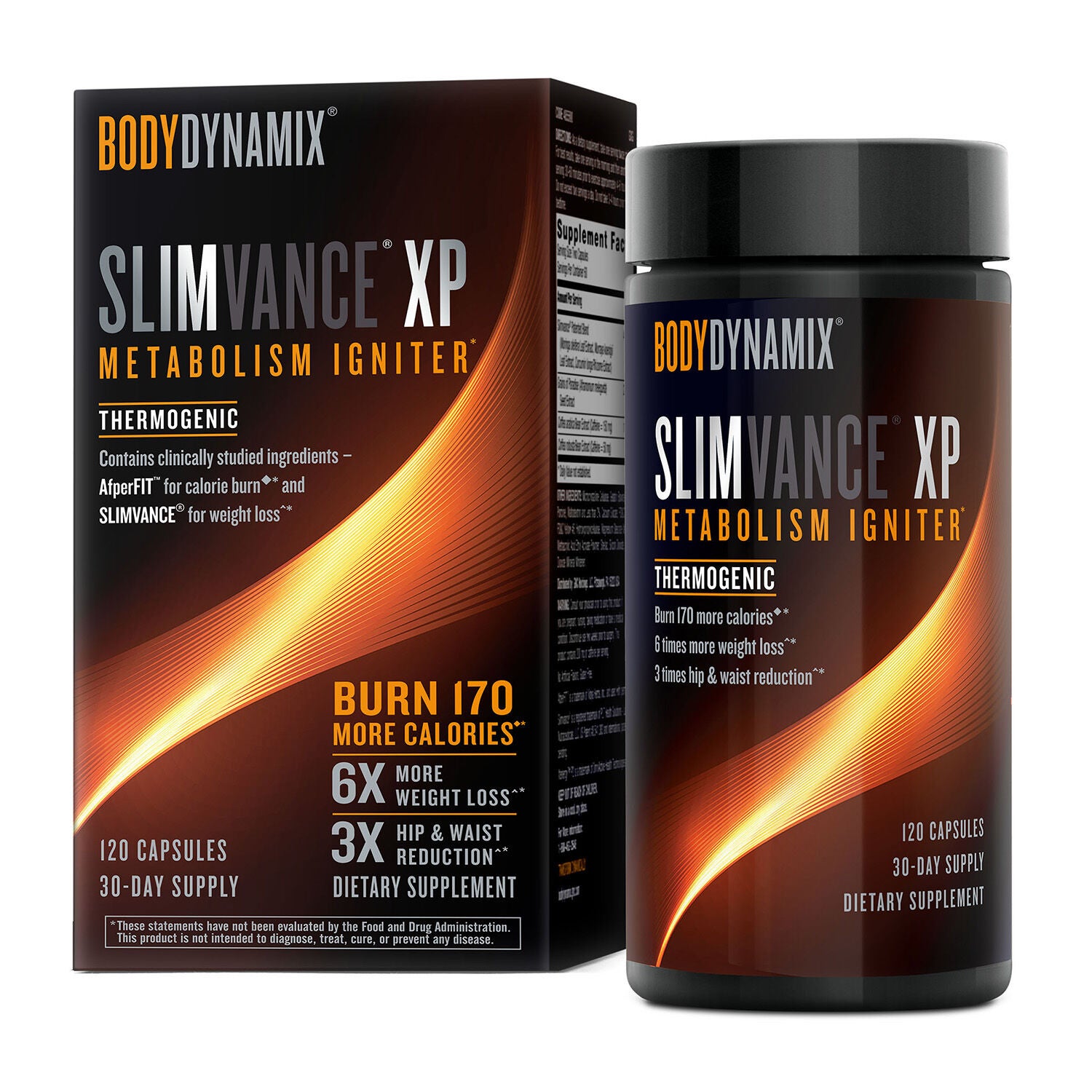
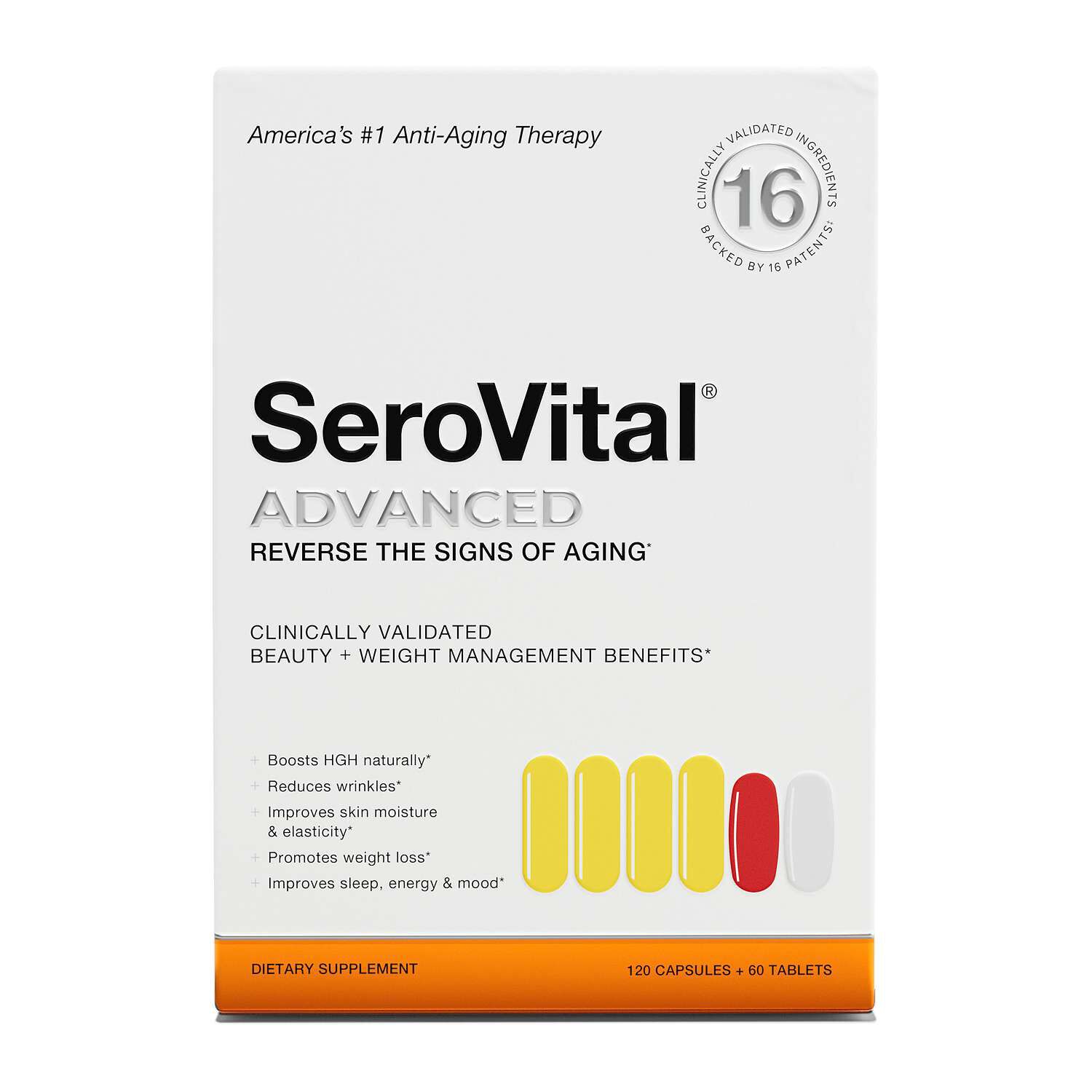
Quality, storage, and intended use provide another layer of context when comparing weight loss supplements with natural ingredients. Dietary supplements are regulated differently from conventional foods and medicines, and the FDA does not approve them for safety and effectiveness before they are marketed. Natural origin also does not establish that a formula is suitable for every person. Caffeine content, allergens, label cautions, and compatibility with an individual’s circumstances remain relevant even when the main ingredients come from familiar plants or foods. A botanical formula can contain caffeine from more than one source, making the stated amount per serving more informative than the presence of a single recognizable ingredient. Testing information can add useful detail when it identifies what was evaluated, such as ingredient identity or specified contaminants. A testing statement, however, is not evidence that a supplement will produce a certain amount of weight loss. Packaging and handling matter for maintaining the condition of the product as well. Label storage directions describe the conditions intended for that formula, and a tightly closed container may help limit exposure to moisture. A powder kept beside a frequently used sink faces a different environment from one stored in a dry cabinet; damp utensils can also introduce moisture into the container. Original packaging keeps preparation directions, caution statements, lot information, and date markings together, which is particularly useful when several supplements share a similar appearance. For someone carrying a supplement between home and work, the container’s closure and portability may be practical deciding factors. For someone using a powder at home, scoop storage, resealability, and the amount of preparation may matter more. These everyday details help distinguish a format that fits comfortably into a routine from one that feels cumbersome. Weight-management supplements are personal purchases rather than casual gifts, since ingredient preferences and intended use vary widely. Across the category, clear labeling, transparent ingredient amounts, and realistic expectations provide a grounded way to compare formulas without treating natural ingredients as a measure of safety or a prediction of results.
Best Sellers
-
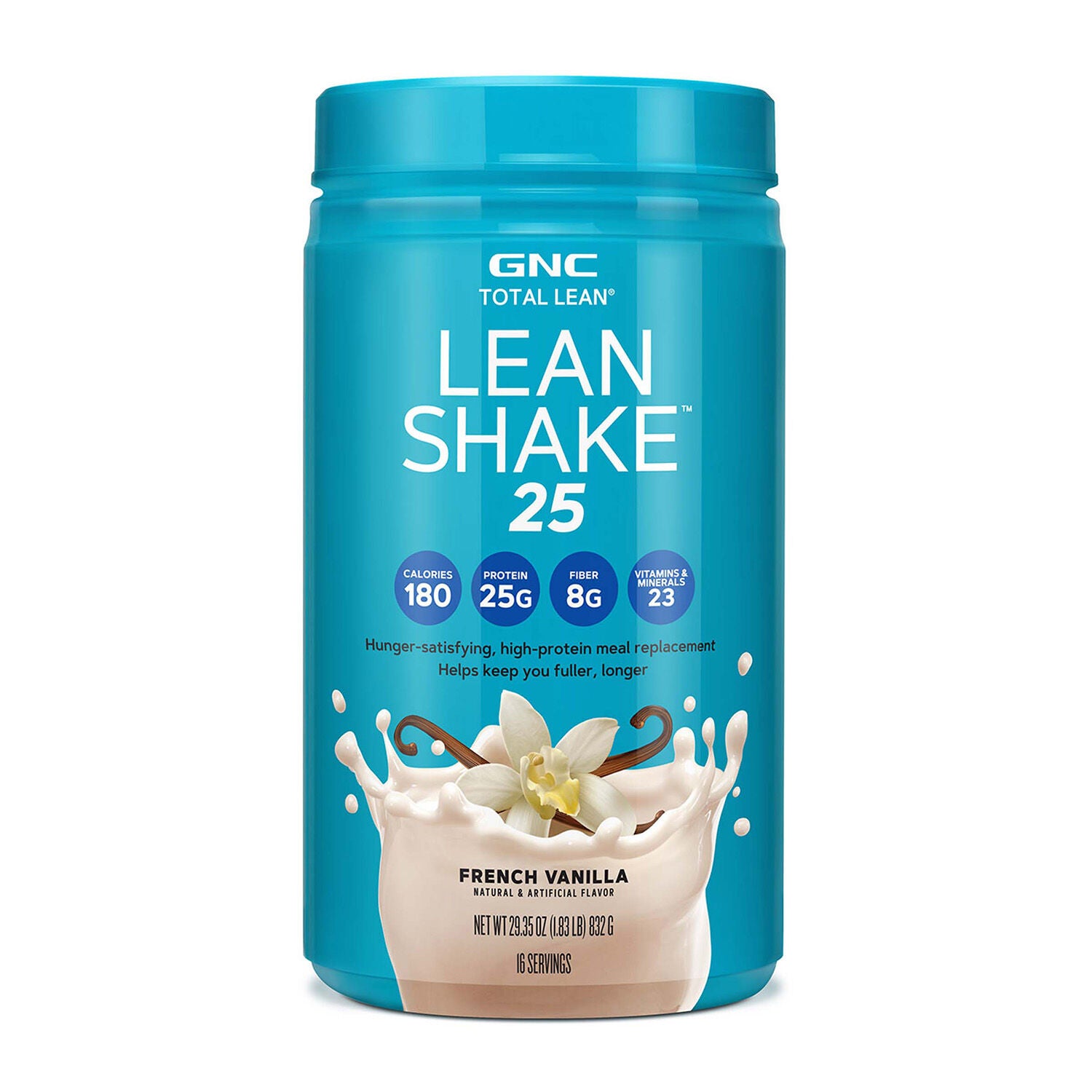
GNC Total Lean
-
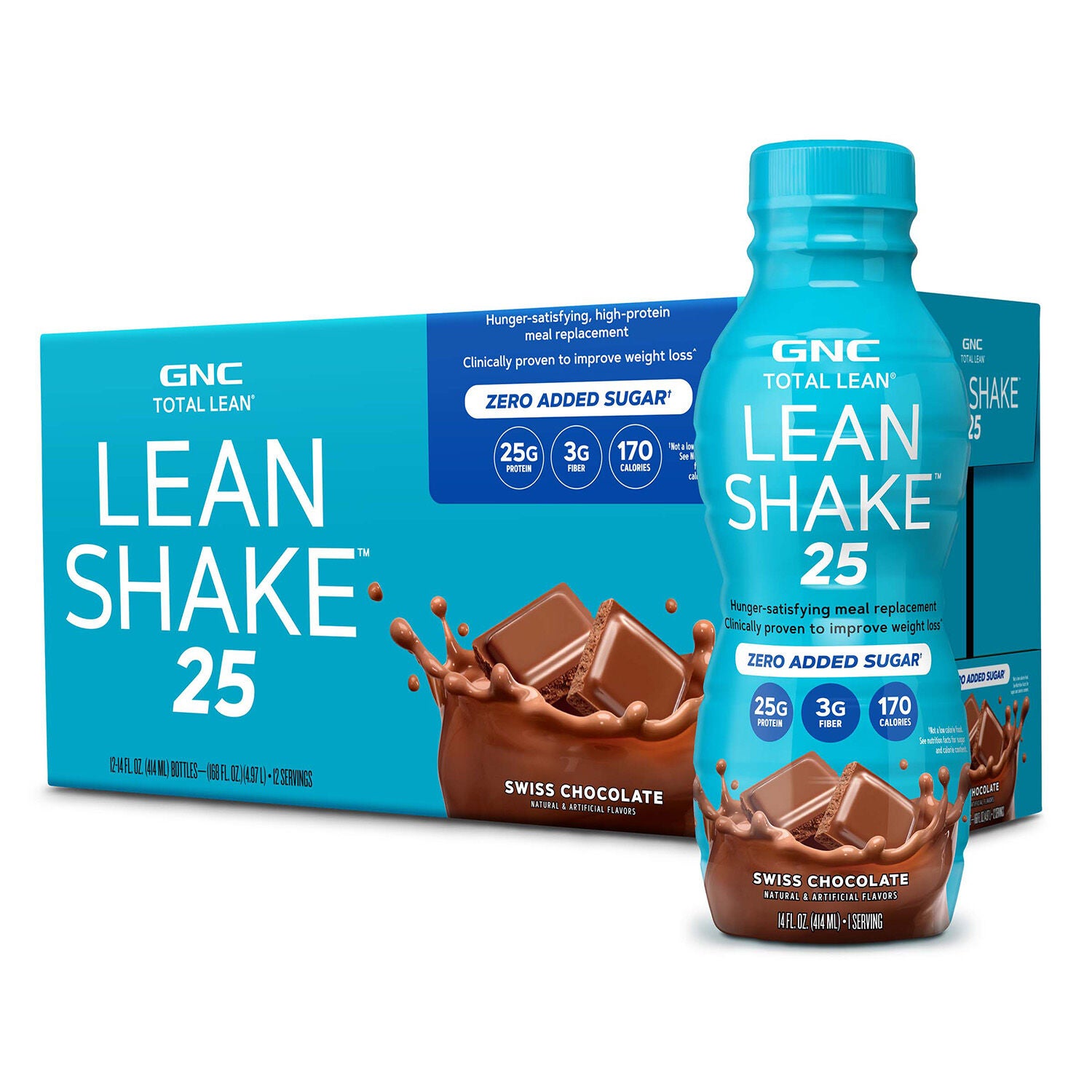
GNC Total Lean
-
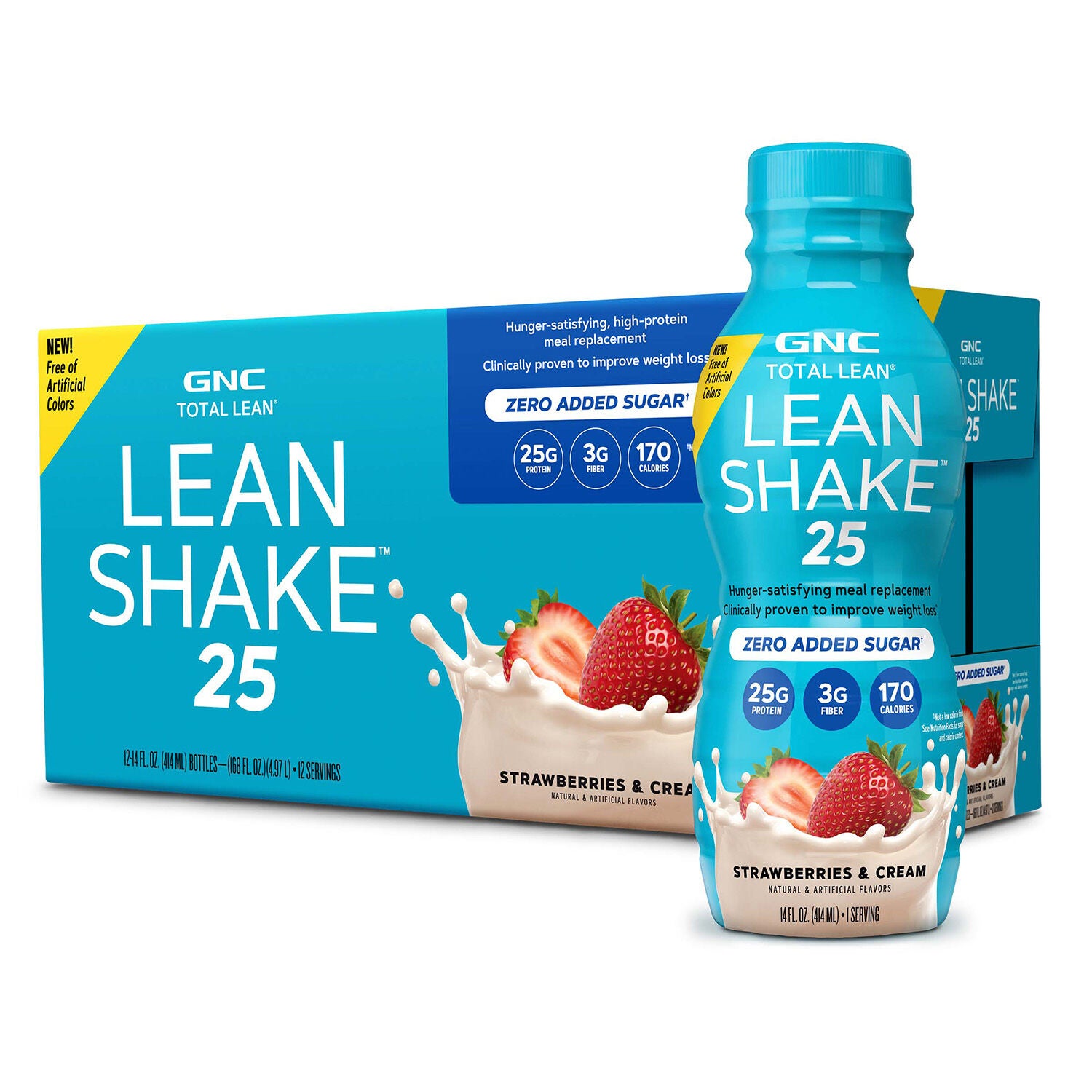
GNC Total Lean
-
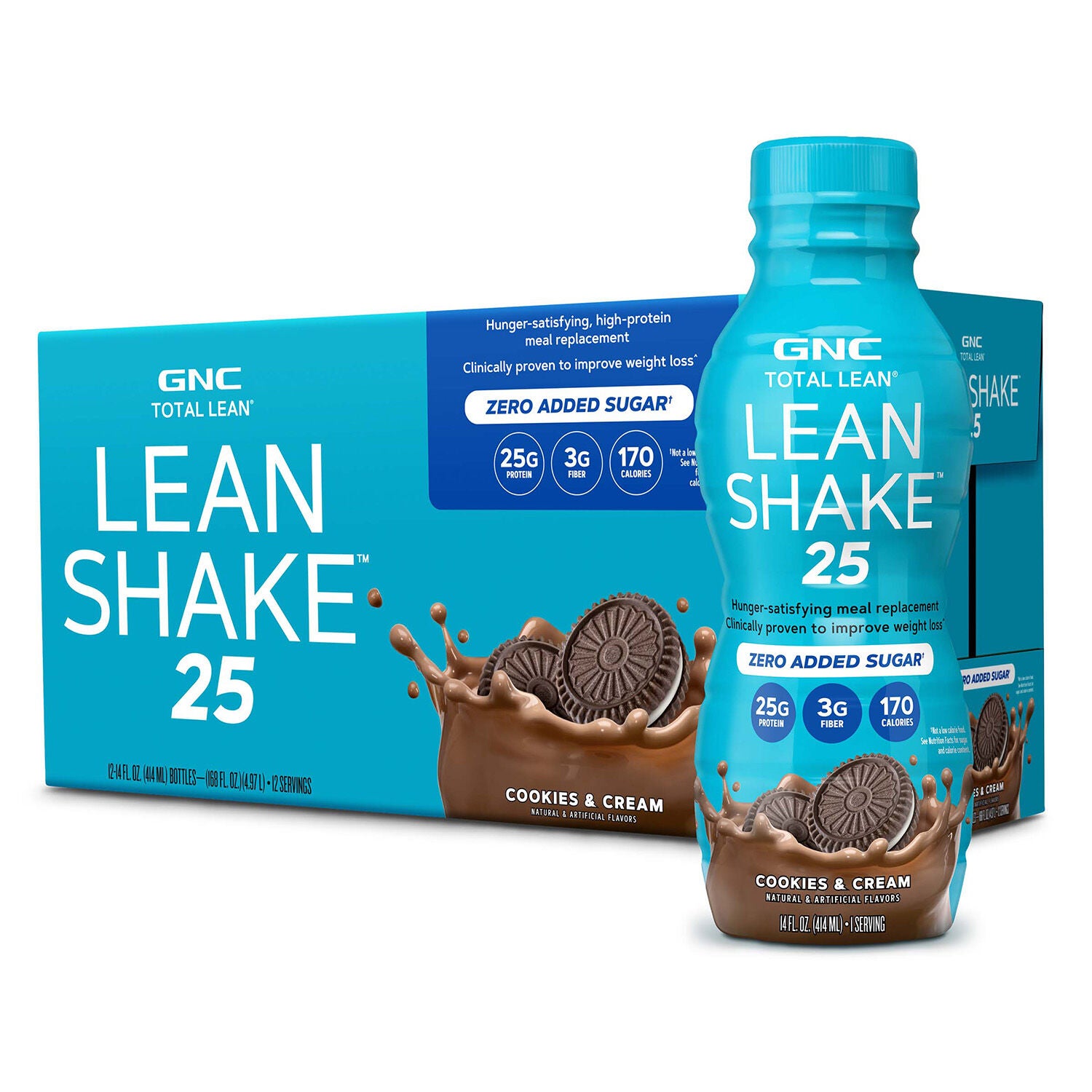
GNC Total Lean

