





Weight Loss Supplements With No Preservatives
(0 Results)
Weight loss supplements with no preservatives offer an option for those looking to support their wellness journey while being mindful of ingredient choices. Shoppers searching for products that fit into a cleaner lifestyle may appreciate options formulated without added preservatives. Explore a variety of weight loss supplements with no preservatives that could align with your personal preferences and wellness goals.
-
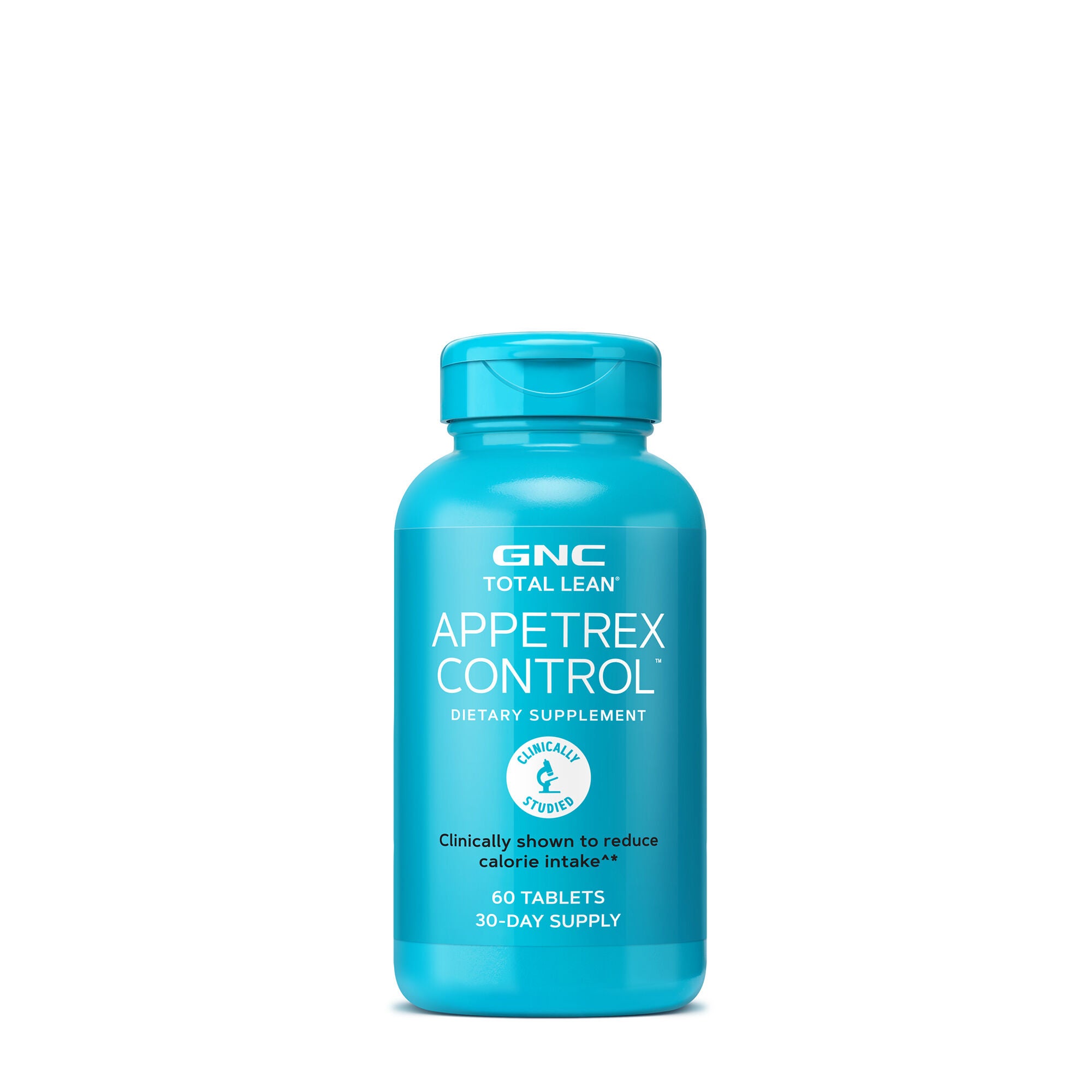
-

-

-
-

-
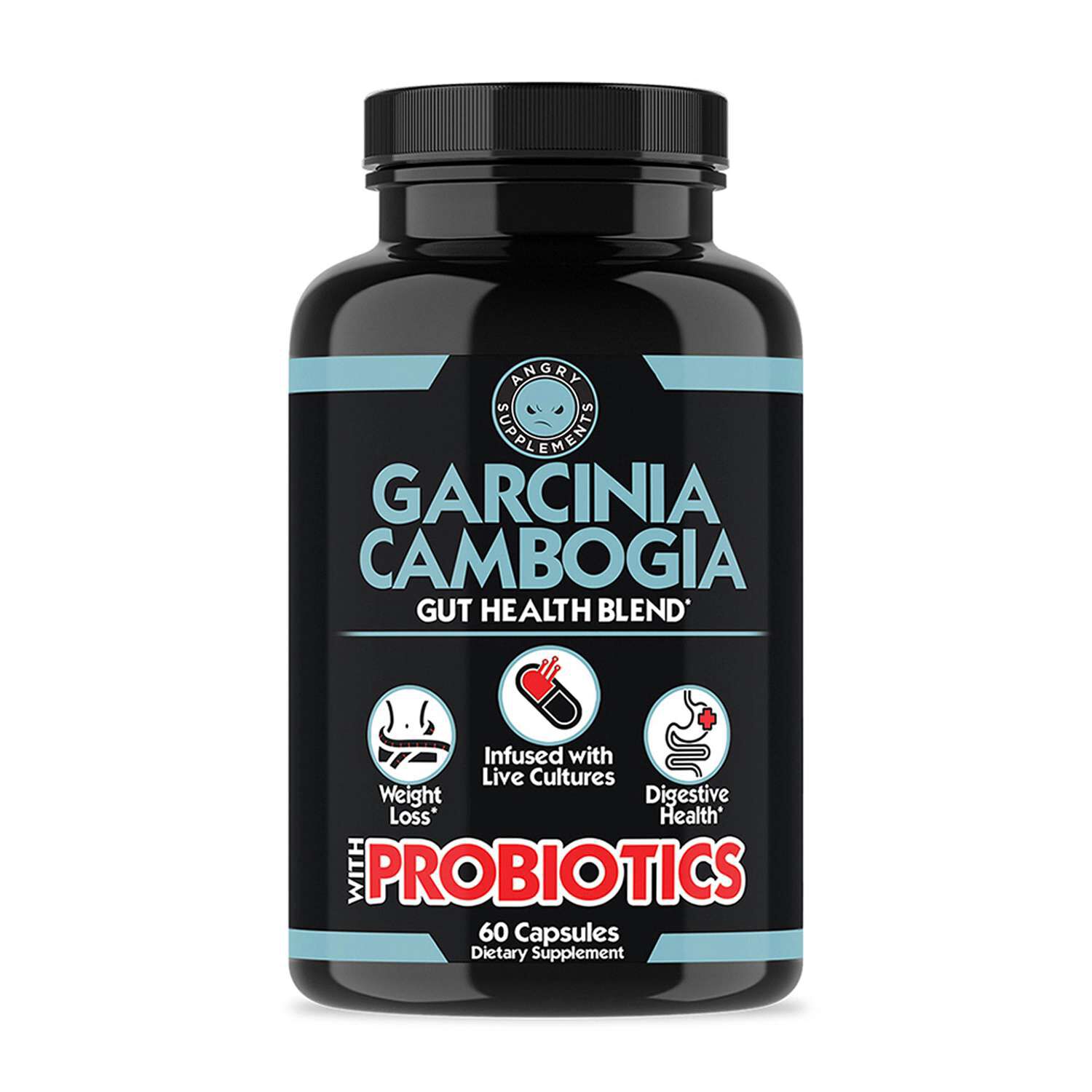
 Angry Supplements3$15.99
-
-
-
-

-

-

-
-

-

-
-
-
-
-

-
-

-


Weight loss supplements with no preservatives are dietary products intended for weight-management routines that are formulated without added preservative ingredients. The defining feature is the ingredient formulation, not a particular delivery format or an expected result. Powders, capsules, tablets, and other formats may fit this category when their ingredient information supports that description. A no-preservatives statement does not mean a product contains only one ingredient, has no flavors or sweeteners, or meets every dietary preference. It also is not evidence of weight-loss results. The distinction between “no preservatives” and “no artificial preservatives” matters: the latter addresses a narrower group of ingredients. For a meaningful comparison, read the Supplement Facts panel alongside the other ingredients list, which typically identifies capsule materials, binders, flavors, and other components outside the featured dietary ingredients. A vegetable-derived capsule shell, for example, is part of the formula even when the ingredient inside is a single botanical extract. Likewise, an unflavored powder may contain an ingredient used to maintain its texture or help it mix. Those details explain why a short front-label description rarely tells the whole story. Preservatives may help limit deterioration during storage, but a formula without them still depends on appropriate manufacturing, packaging, and handling. Dry powders and encapsulated ingredients have different formulation needs than liquids, yet dryness alone does not establish product quality or suitability. Shoppers comparing these supplements can focus on clearly identified ingredients, amounts per serving, serving size, and any stated dietary attributes. Terms such as “natural,” “simple,” and “plant-based” describe different characteristics and should not be treated as interchangeable with no preservatives. The most useful description is specific enough to show what is included and what is omitted. For someone seeking fewer added ingredients, that detail makes it easier to distinguish a straightforward formula from a blend that happens to share the same front-label wording. It also keeps the comparison centered on the actual contents rather than the appearance of the container.
Within this category, the ingredient type and delivery format shape the everyday shopping decision. Protein powders are chosen for their protein content, fiber formulas for their listed dietary fiber, and botanical supplements for the particular plant ingredients identified on the label. These are distinct product types, even when they appear together under a weight-management theme. An unflavored protein powder intended for mixing into a beverage offers a different experience from a capsule containing a concentrated extract. Whey-derived and pea-derived powders also differ in their ingredient sources, making that distinction relevant to shoppers with dietary preferences. Plant-derived ingredients do not automatically make an entire formula vegan, since capsule shells and other components need separate consideration. Similarly, a formula with no preservatives may still contain milk, soy, or other ingredients that a shopper chooses to avoid. The label’s ingredient and allergen information remains important regardless of how minimal the front of the package looks. Serving size deserves equally close attention. One scoop, several capsules, and a measured portion of powder are not equivalent quantities, and container size alone does not show how much of a featured ingredient is supplied per serving. For blends, look at whether individual ingredient amounts are identified rather than assuming every component is present in the same proportion. Ingredients such as green tea extract may be included in some weight-management formulas; when caffeine is present, the stated amount is another useful comparison point. Format also affects convenience. Someone who prepares a breakfast beverage may prefer a powder with a clearly described flavor and mixing method, while someone who wants fewer preparation steps may prefer a capsule format. Texture, aroma, serving volume, and the number of capsules per serving are practical considerations, not minor details. A powder that requires careful measuring calls for a different routine than a portioned format. Neither approach is inherently a better match for everyone, and the no-preservatives attribute does not resolve those differences on its own.
Packaging and care are especially relevant when comparing formulas without added preservatives. Follow the storage conditions printed on the container, keep the original label accessible, and check the expiration date before use. A tightly fitted lid, an intact inner seal, and packaging designed for the formula are practical features to examine. For powders, a clean, dry measuring utensil and prompt closure after each serving help keep handling consistent with ordinary storage practices. Leaving a tub open on the counter or placing a damp scoop back inside introduces conditions the package may not be designed to accommodate. Individual portions may suit someone who regularly carries a supplement in a bag, while a larger container may suit a routine built around preparation at home. If moving a product to another container, preserving its identity, serving directions, and storage information matters; an unlabeled jar makes later comparison much harder. The same attention applies to tablet and capsule bottles, where the closure and any included packaging components should be handled according to the label. Physical format also influences durability in everyday use: a container that closes securely is more practical for repeated opening than one that is difficult to reseal. Weight loss supplements with no preservatives are generally considered by adults who are comparing dietary products for a personal weight-management routine, with preferences that may include fewer added ingredients, a particular ingredient source, or a familiar format. They are not interchangeable with meals, and their category name should not be read as a prediction of results. Related categories can further distinguish a shopper’s interests; Carb Blocker Supplements With No Preservatives provides a narrower category for comparison, while each formula still warrants its own label review. Across formats, the clearest match rests on the combination of ingredient transparency, serving information, dietary compatibility, and manageable preparation. A concise ingredient list may appeal to one shopper, while another places greater importance on an unflavored format or a clearly identified capsule material. Those concrete differences give the no-preservatives description useful context without treating it as a substitute for the rest of the product information.
Best Sellers
-
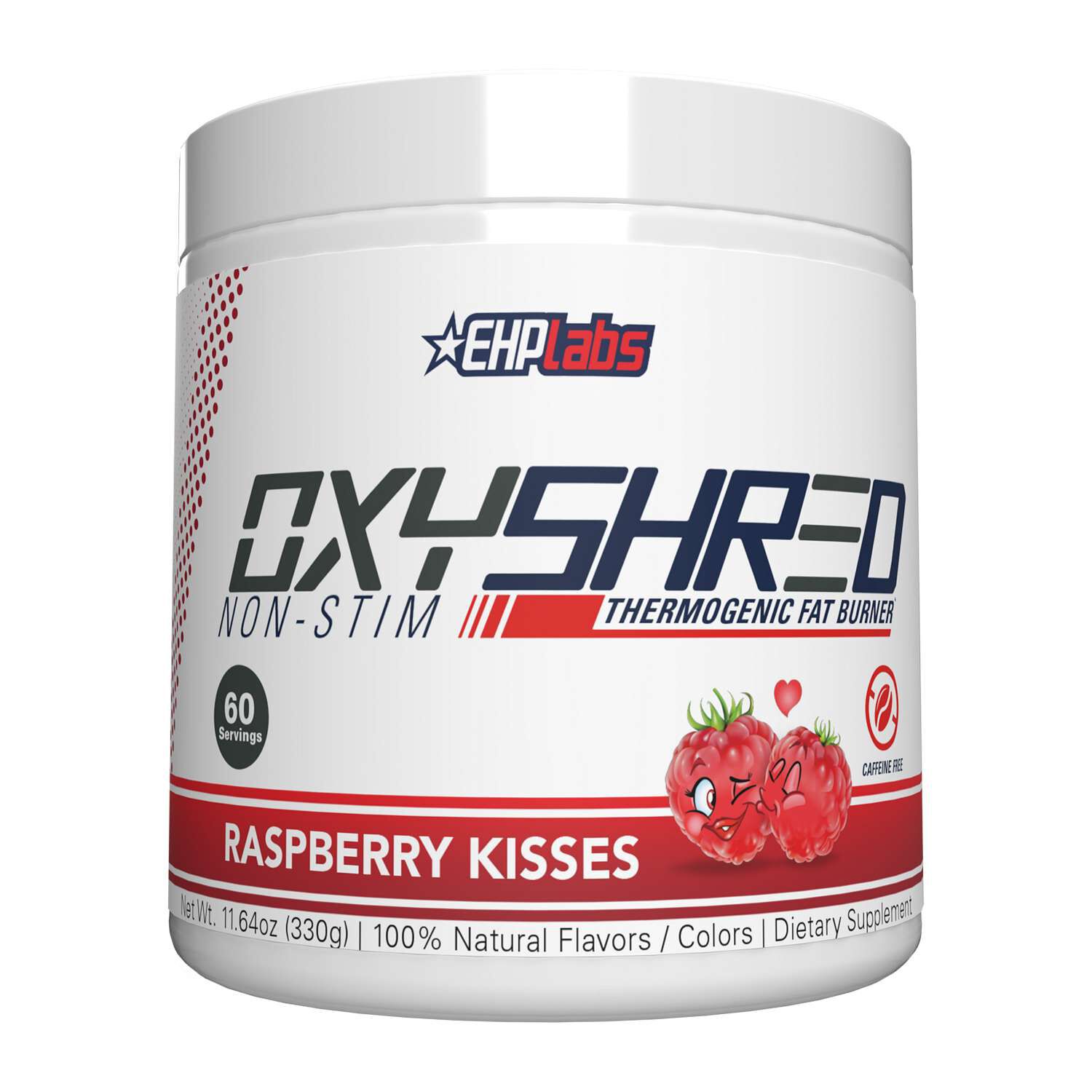
EHP Labs Oxyshred
-
GNC Total Lean
-
 GNC Total Lean
Related Pages


Top Collections
- Zinc Supplements | Top Brands at Great Prices | GNC
- Joint Mobility Supplement Packs
- Daily Collagen Supplements | Top Brands & Deals | GNC
- Cortisol Supplements
- Supplements For Yoga Joint Flexibility
- NAD+ Supplement Tablets
- Iron Supplements
- Best Brand of Magnesium Glycinate
- Chronic Fatigue Supplements
- Peptide Supplements