





Carb Blocker Supplements With No Preservatives
(0 Results)
Carb blocker supplements with no preservatives may be a popular choice for those looking to support their nutrition goals in a simple way. These supplements could fit seamlessly into a balanced lifestyle, offering options for individuals mindful of their ingredient preferences. Explore a range of carb blocker supplements with no preservatives that may align with your wellness routine and dietary needs.
-

-
-
 Angry Supplements3$15.99
-

-

-
-
-

-
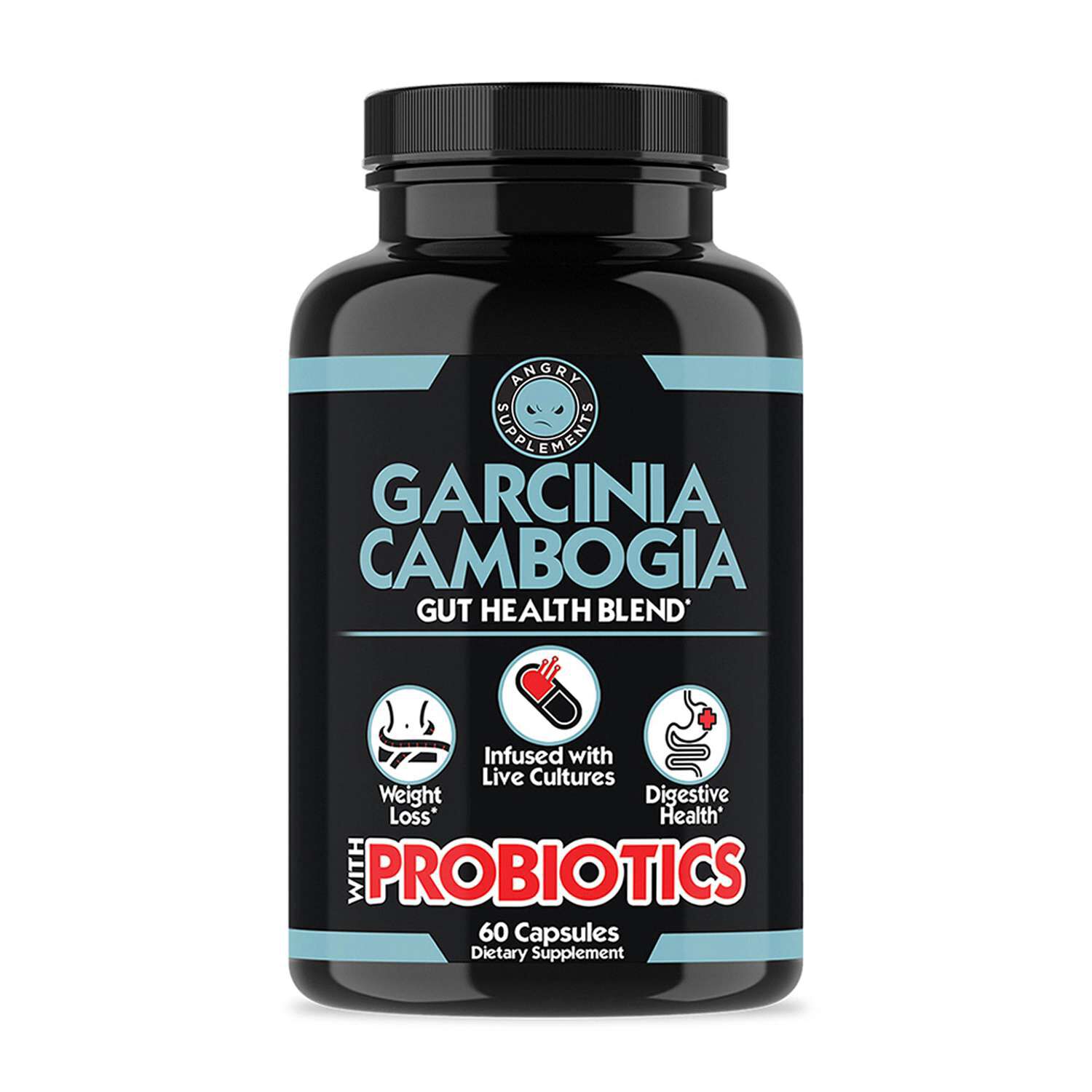
 Angry Supplements$24.99

Carb blocker supplements with no preservatives are dietary supplements formulated without added preservative ingredients, with the specific composition described on each product’s label. That distinction concerns how a formula is made; it does not identify a single ingredient blend, serving size, or expected outcome. White kidney bean extract is commonly associated with the carb blocker category, although formulas can differ in the extracts, supporting ingredients, and capsule materials they contain. For shoppers who prefer products without preservatives, the ingredient list provides more useful detail than the category name alone. The Supplement Facts panel identifies listed dietary ingredients and their amounts, while the other ingredients section describes components such as capsule shells, fillers, and manufacturing aids. These sections work together to show what is in a serving. A short ingredient list can be appealing, but length alone does not explain an ingredient’s purpose or establish how a supplement will perform. Likewise, a formula without preservatives is not necessarily made without artificial colors, sweeteners, or particular allergens. Those are separate attributes that require their own label statements. Even the wording of a preservative statement matters: a reference to no artificial preservatives is narrower than a statement that no preservatives are added. This category is most relevant to adults who are comparing carb blocker formulas with a specific ingredient preference in mind, rather than looking for a particular flavor or beverage format. Someone who routinely reads the labels on pantry purchases may bring that same attention to supplements, looking beyond the front of the bottle to understand the formula inside. A clear description of the extract source, serving amount, capsule composition, and other ingredients makes that comparison more meaningful. The most useful starting point is an accurately labeled formula that matches the shopper’s stated preferences, without treating the absence of preservatives as shorthand for every other product characteristic.
Format and serving details add another layer to the comparison. Capsules and tablets have different physical characteristics, and the number required for a labeled serving can vary from one formula to another. A bottle containing more capsules does not necessarily provide more servings, so the serving size and servings per container deserve separate attention. Capsule dimensions, tablet shape, and any coating can also matter to someone with a strong preference for a particular format. A shopper accustomed to a small capsule may not want a larger tablet, even when the main ingredient sounds similar. Capsule shells can be made from different materials, including gelatin or plant-derived alternatives; a preservative statement does not establish whether the shell is suitable for a vegetarian eating pattern. The same principle applies to other ingredient preferences. A formula’s suitability for a particular dietary restriction depends on the relevant label information, not on an unrelated front-label statement. Ingredients used for manufacturing also warrant context. A substance included to help a powder move through production equipment has a different role from an ingredient added for preservation. An unfamiliar name is not enough to determine that role, and the presence of other ingredients does not automatically contradict a no-preservatives description. When wording is unclear, the manufacturer’s published ingredient information can provide additional context. Intended use is another point of distinction: directions may differ in serving frequency, timing, and whether a serving accompanies a meal. The actual package directions are the relevant reference, rather than a routine borrowed from a different supplement. For an adult comparing options for a regular personal routine, these practical details can matter as much as the featured extract. Consider the difference between a bottle that stays in a kitchen cabinet and one that needs to fit into a work bag: container dimensions, a readable label, and a securely closing lid all become part of the everyday experience. None of those features changes the ingredient profile, but each is worth considering alongside it.
Packaging and care remain relevant even when a formula contains no added preservatives. That wording does not mean the contents can be stored indefinitely or handled without attention to the package instructions. The labeled date, original seal, closure, and storage directions provide useful information about caring for the product after purchase. A dry cabinet away from a sink is a different setting from a bathroom shelf exposed to shower moisture, and the package’s instructions should determine the appropriate storage location. Keeping the label with the contents also preserves access to serving directions, ingredient details, lot information, and any product-specific cautions. For someone who carries supplements between home and work, the original container offers a straightforward way to keep those details together. Long-term storage in an unmarked pouch removes that reference and makes similar-looking capsules harder to distinguish. Comparison also becomes more useful when formulas are considered on the same basis: the named ingredient, amount per serving, number of capsules or tablets per serving, and stated dietary attributes. An extract amount is not interchangeable with a serving count, and two formulas featuring the same plant ingredient can still have different compositions. Cinnamon is one example of an additional ingredient that shoppers may encounter when exploring this category. For a related ingredient-focused selection, browse Carb Blocker Supplements With Cinnamon. A cinnamon-focused description and a no-preservatives description address different features, so one should not be assumed from the other. The same careful distinction applies across carb blocker supplements: an ingredient preference, a capsule preference, and a serving preference are separate considerations. A well-matched selection reflects the details that matter to the individual shopper, whether that is a plant-derived capsule shell, a clearly described extract, or an ingredient list without added preservatives. Keeping those details in view allows this category to be understood for what it is—a group of dietary supplement formulations with a shared preservative preference, not a uniform formula or a substitute for everyday eating choices.
Best Sellers
-
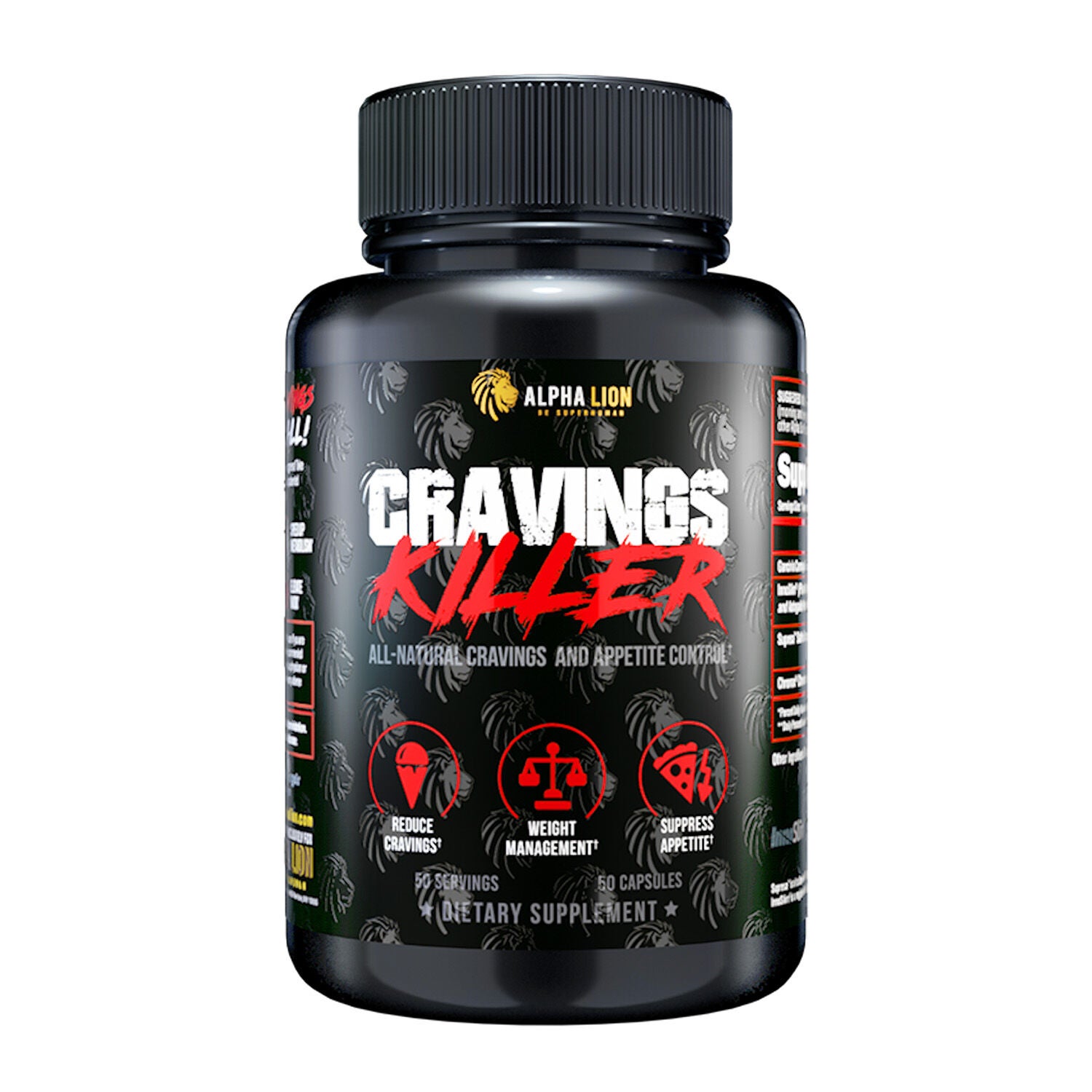 Alpha Lion
-
 Angry Supplements
Related Pages

Top Collections
- Chronic Fatigue Supplements
- Vitamins For Hair Loss
- Capsule Supplements For Energy And Stamina
- Supplements For Yoga Joint Flexibility
- Zinc Supplements For Men
- Best Brand of Magnesium Glycinate
- Cortisol Supplements
- Supplements For Energy And Wellness
- Joint Mobility Supplement Packs
- Peptide Supplements