





Immune Supplements For Outdoor Enthusiasts
(0 Results)
Immune supplements for outdoor enthusiasts could be the perfect companion for those who love to explore nature's wonders. Whether you're hiking through rugged trails, biking across scenic routes, or camping under the stars, these supplements might offer support to keep your immune system in top shape. Embrace every adventure with confidence, knowing that your body may have the nutrients it needs to tackle whatever comes your way. Discover a range of options designed to fit seamlessly into an active lifestyle and potentially help maintain overall wellness while you pursue your passion for the great outdoors.
-

-

-

-

-

-

-
-

-

-
 $29.99
 -

-

-

-
-

-

-

-

-
-

-


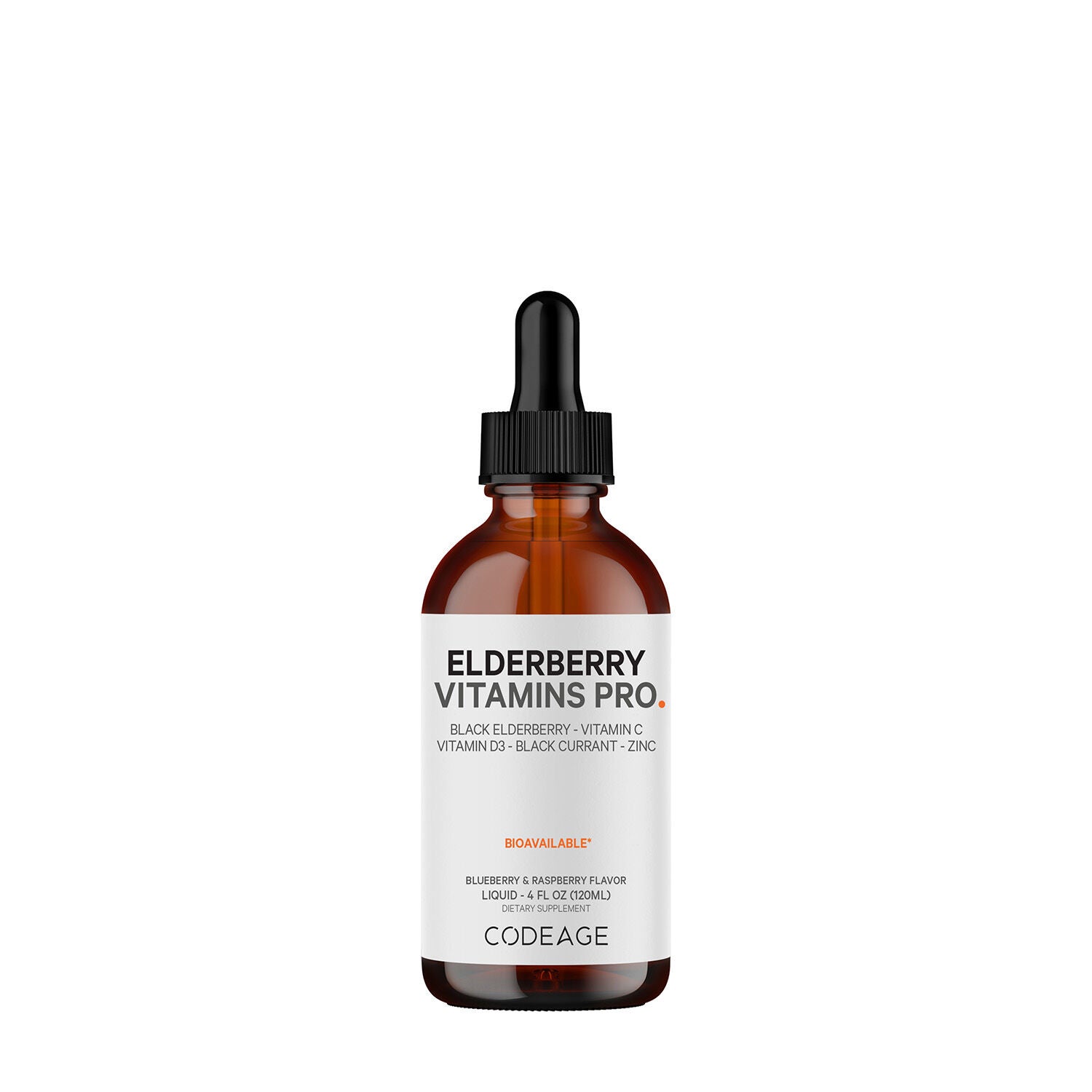
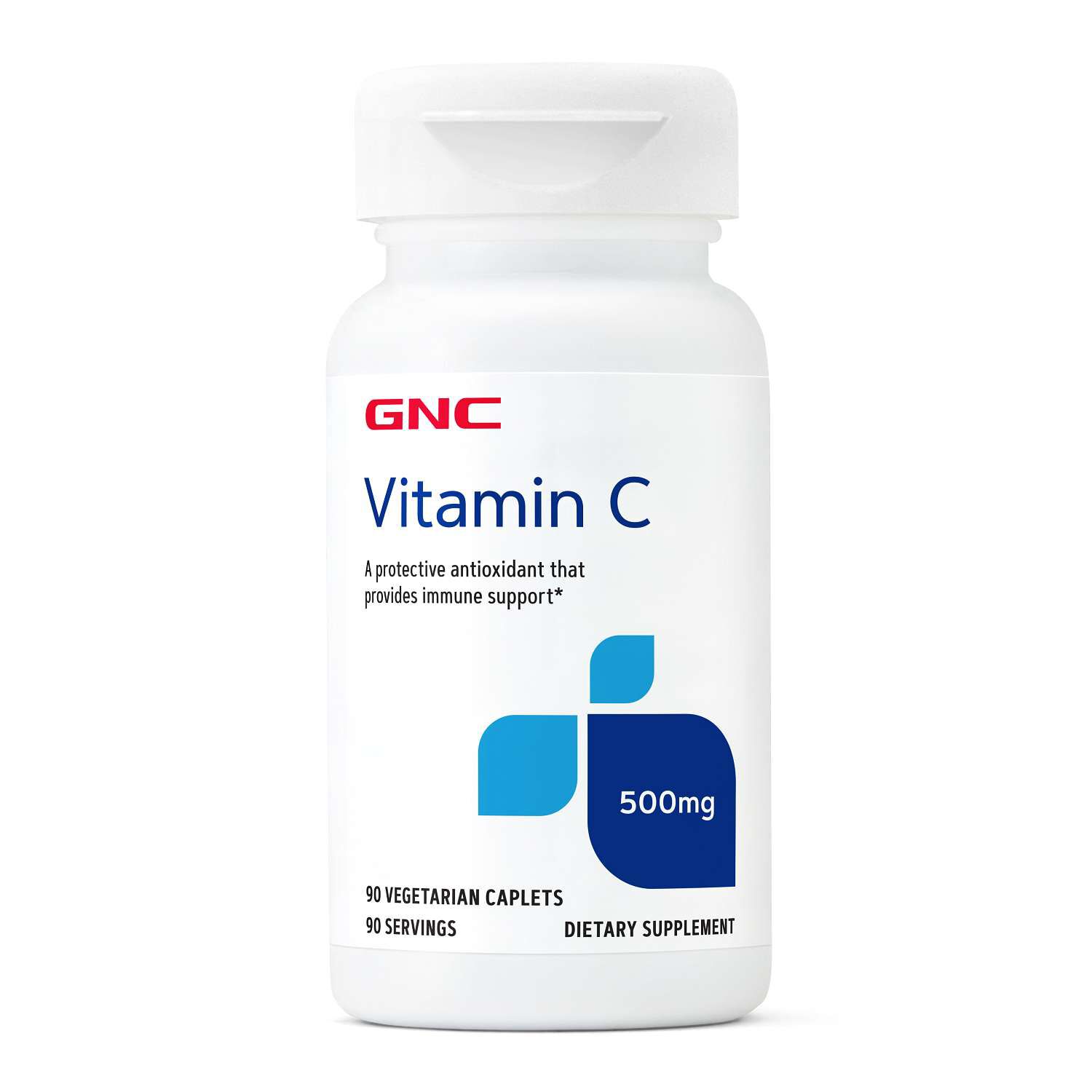
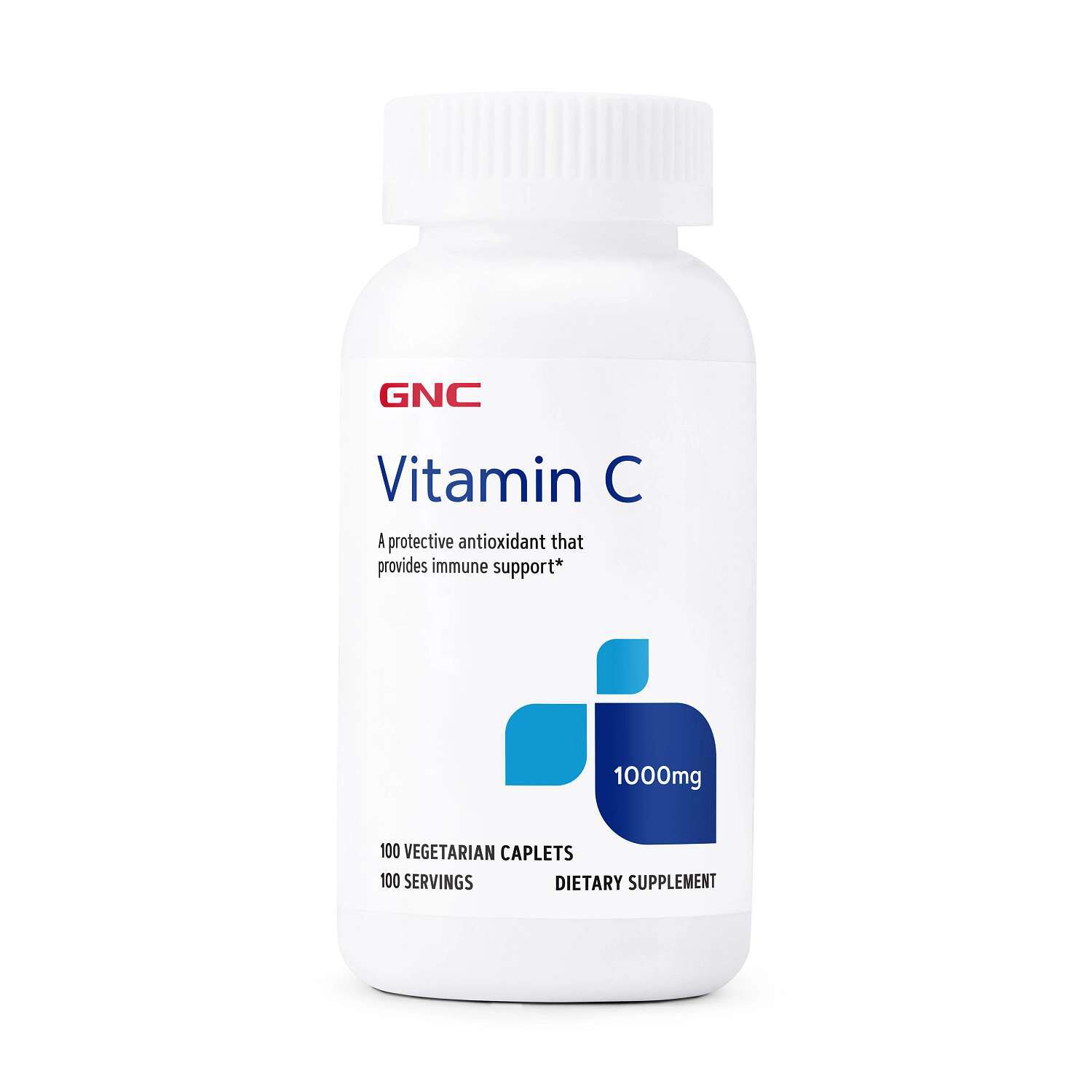
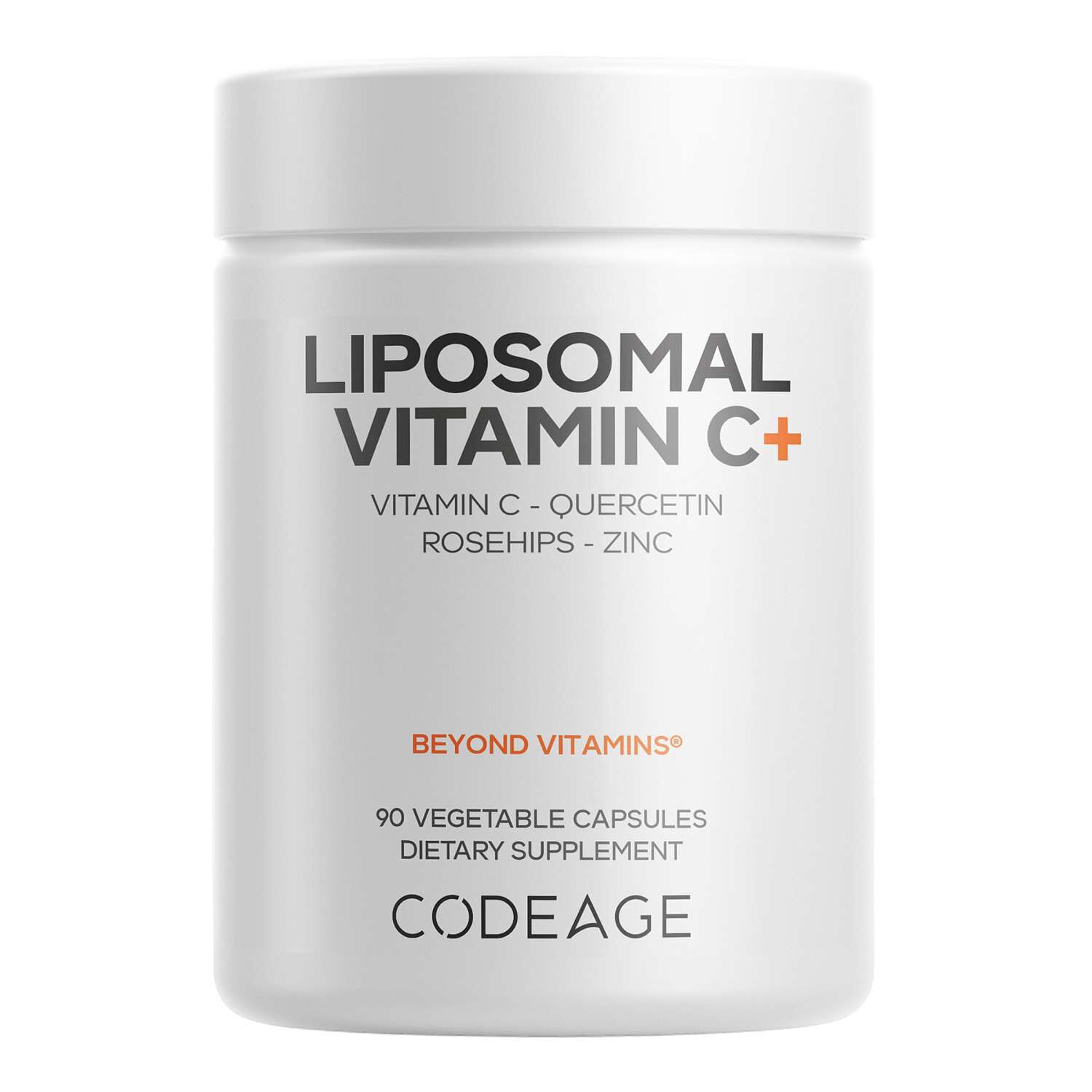
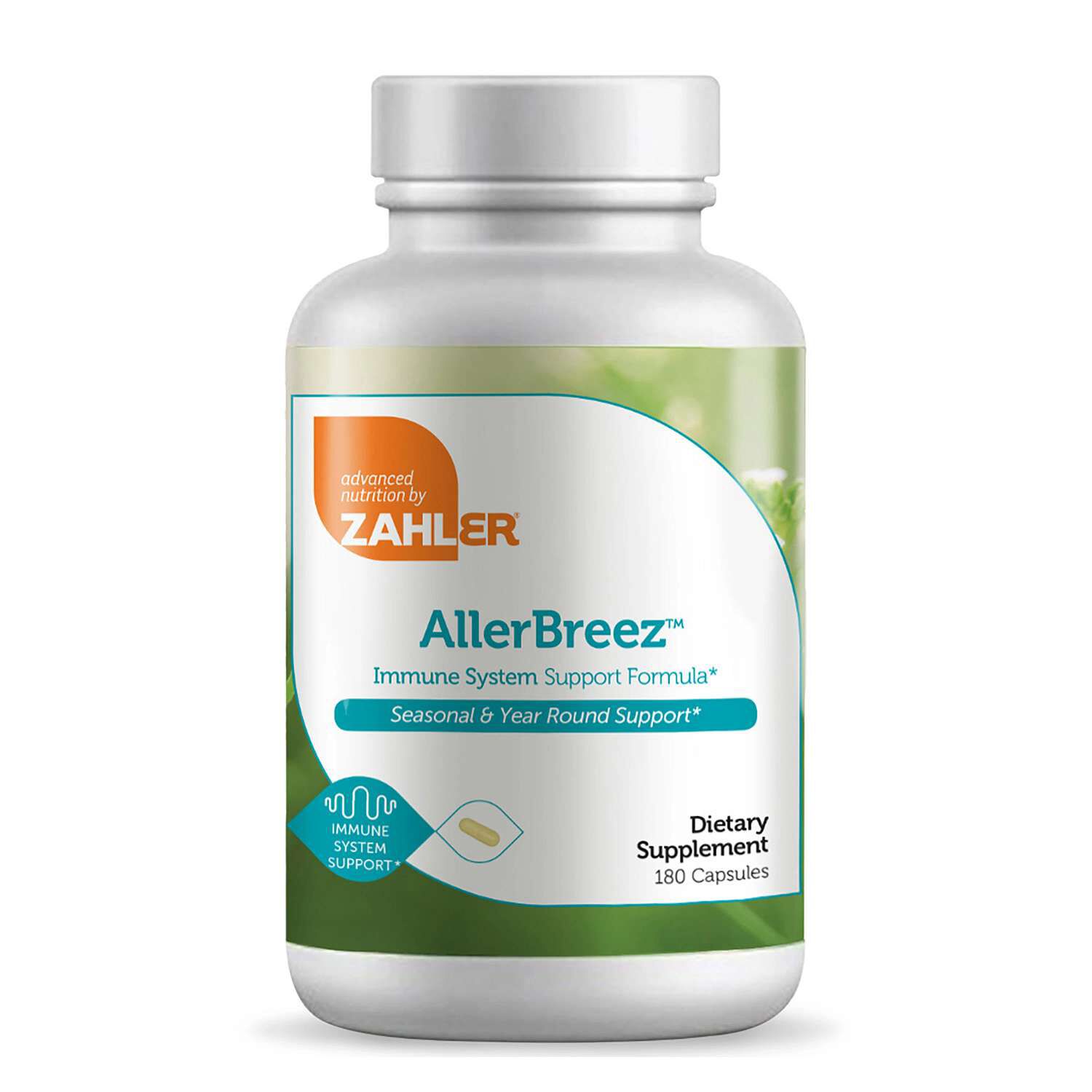
Immune supplements for outdoor enthusiasts bring together vitamins, minerals, botanical ingredients, and other dietary supplements in formats suited to everyday routines and time away from home. For hikers, cyclists, paddlers, anglers, and campers, the practical appeal often comes down to finding an option that fits alongside familiar habits rather than adding another complicated task to a packing list. This category commonly includes vitamin C, vitamin D, zinc, elderberry, and mushroom blends, offered individually or in combinations. Those ingredient names describe different kinds of formulas, not interchangeable choices: a vitamin C capsule, an elderberry gummy, and a mushroom powder can differ substantially in composition, serving size, and intended use. Some formulas center on a single nutrient, while others pair several ingredients in one serving. Immune supplements may complement everyday nutrition, but they are not substitutes for varied meals, drinking water, rest, or thoughtful trip preparation. An afternoon spent walking wooded paths and a backpacking trip with several overnight stops also present different packing considerations, even when the person carrying the bag has the same preferences at home. Someone who enjoys short outings might leave a supplement with their breakfast supplies, while a frequent traveler might value clearly labeled packaging that fits neatly into an organized toiletry pouch. The outdoor connection is primarily about compatibility with an active lifestyle, not a separate set of nutritional requirements shared by everyone who spends time outside. Walking distance, elevation gain, or hours on a bicycle do not, by themselves, establish which supplement is appropriate for an individual. A useful starting point for comparing this category is therefore the formula itself: the ingredients listed, the amount per serving, the format, and the manufacturer's stated purpose. These details offer a clearer picture than trail imagery on a package or a name that suggests rugged adventure.
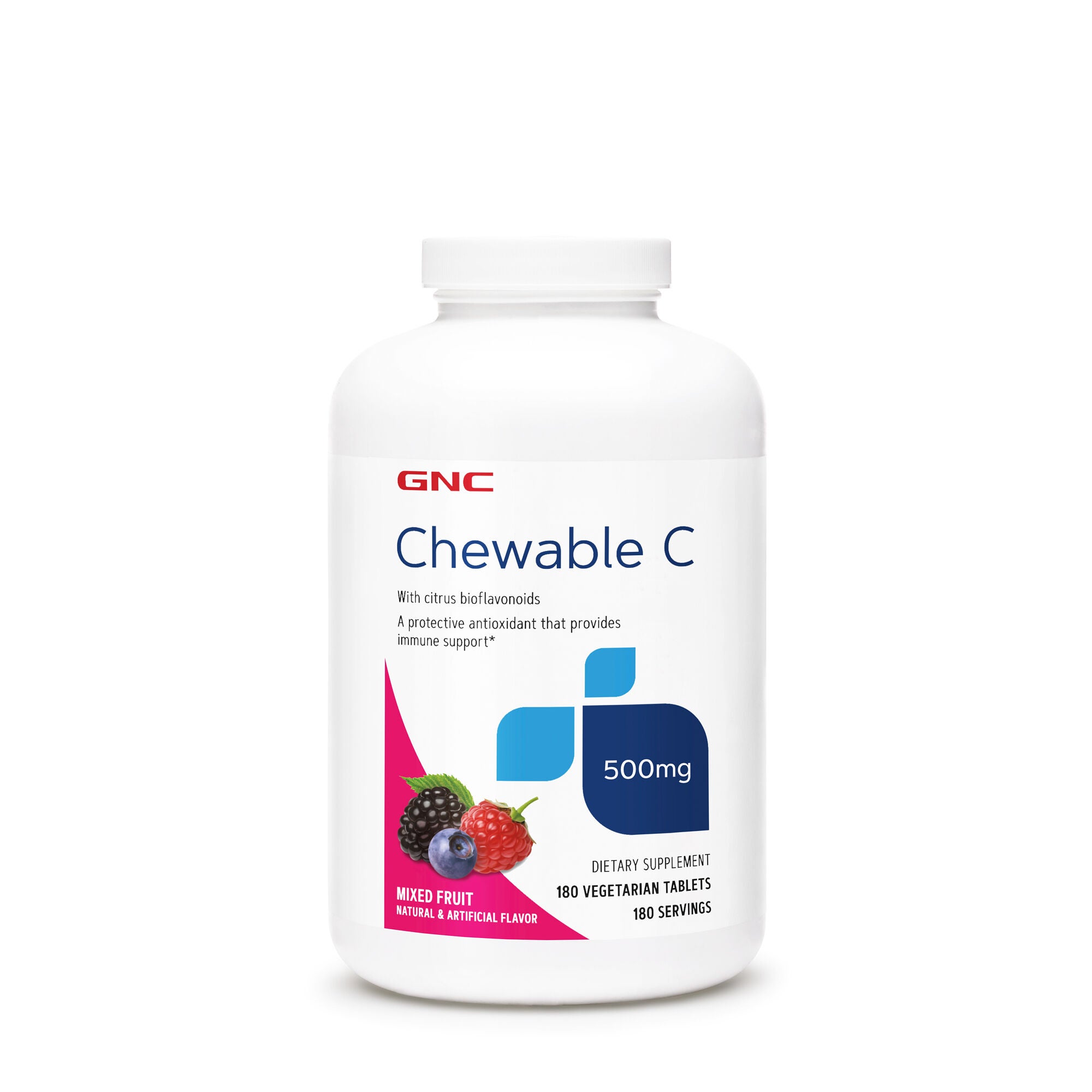
Format can matter as much as the ingredient list when choosing something for a familiar daily routine. Capsules and tablets are compact, have little preparation involved, and generally do not introduce a flavor into a meal or beverage. Their dimensions and the number included in a serving are worth noting, since two bottles with similar front labels may involve different serving sizes. Gummies and chewables offer another texture and taste experience, with variations in sweeteners, added sugars, colors, and ingredients used to create their consistency. Depending on the formula, a gummy may contain gelatin or pectin, while a capsule shell may use gelatin or plant-derived materials. Those distinctions can be relevant to vegetarian preferences and other personal dietary choices. Powders introduce a different set of considerations, including flavor, the amount of liquid called for on the label, and whether the container uses a scoop or individual packets. A powder that fits comfortably into a kitchen routine might feel less convenient at a campsite with limited room for preparation and washing up. Conversely, a packet may suit someone who already carries a mixing bottle and has an established place for small supplies. Liquid formulas bring bottle size, closure design, and measuring directions into the comparison. None of these formats is inherently the right match for every outdoor enthusiast. Preference, label directions, and the realities of the daily routine matter more than an adventurous presentation. The Supplement Facts panel and other ingredient information also distinguish a simple vitamin formula from a broader blend. For botanical ingredients, the plant name, plant part, and whether the ingredient is an extract provide meaningful descriptive details. For mushroom formulas, the named species and the listed source material help explain what the blend contains. Dietary statements and independent testing information, when provided, add context, although the precise wording matters more than a badge alone. Comparing these elements keeps attention on what is actually in the package rather than assuming that a longer ingredient list represents a better fit.
Outdoor use adds practical questions about packaging, organization, and care without changing the importance of the original label. A container traveling in a daypack shares space with water bottles, snacks, maps, and other equipment, so closure design and protection from moisture deserve attention. A screw-top bottle, resealable pouch, and carton of individual packets each occupy space differently and have different handling needs. A soft pouch may tuck into a narrow compartment, while a rigid bottle offers structure around its contents. Packaging durability does not establish anything about a formula's nutritional value, but it can influence how conveniently that formula fits into a bag. Storage directions remain relevant away from home, including any instructions concerning moisture or direct sunlight. Original packaging keeps ingredient information, serving directions, and date markings together; an unmarked container leaves those details behind. For a car-camping weekend, the simplest arrangement may be a labeled bottle kept with personal supplies rather than loose pieces scattered among cooking utensils. For a cycling trip with overnight lodging, space in a small luggage pocket may matter more than how the container looks on a counter. Packets also mean wrappers to carry out, and powders mean considering how the mixing container will be cleaned. These ordinary details are often what separate a format that feels convenient from one that gets left untouched. Gift shopping calls for a similarly personal approach. A supplement is a more considered present when the recipient has expressed interest in a particular ingredient or format and their dietary preferences are known. Familiarity with someone's love of kayaking or trail walking alone does not reveal their supplement preferences. For adults whose outdoor hobbies sit alongside gym sessions, recreational sports, and busy workdays, Immune Support For Active Adults offers a related collection to explore. Across these routines, thoughtful comparisons center on clear ingredient information, an agreeable format, and packaging suited to the way a person actually spends the day. The most relevant outdoor supplement choice is not necessarily the most elaborate blend, but one whose composition and intended use align with the shopper's preferences.
Best Sellers


Related Pages
Top Collections
- Daily Collagen Supplements | Top Brands & Deals | GNC
- Cortisol Supplements
- Top Rated Collagen | Shop Customer Favorites | GNC
- Vitamins For Hair Loss
- NAD+ Supplement Tablets
- Peptide Supplements
- Best Brand of Magnesium Glycinate
- Protein Powders For Muscle Growth Support
- Vitamins That Help Support Weight Gain
- Peptide Supplements for Muscle Growth