

Immune Support Supplements For Women
(0 Results)
Boost your body's defenses with our selection of immune support supplements for women. From vitamins and minerals that promote overall wellness to specialized formulas designed to strengthen your immune system, these supplements are carefully crafted to meet women's unique health needs. Whether you're looking to ward off seasonal illnesses or simply want to give your immune system an extra boost, our range of supplements offers natural and effective solutions to help you stay healthy and vibrant all year round.
-
-

-

-

-

-
-

-
-
 $29.99
 -
-
-
-
-
 Nature's Lab$16.99
 -


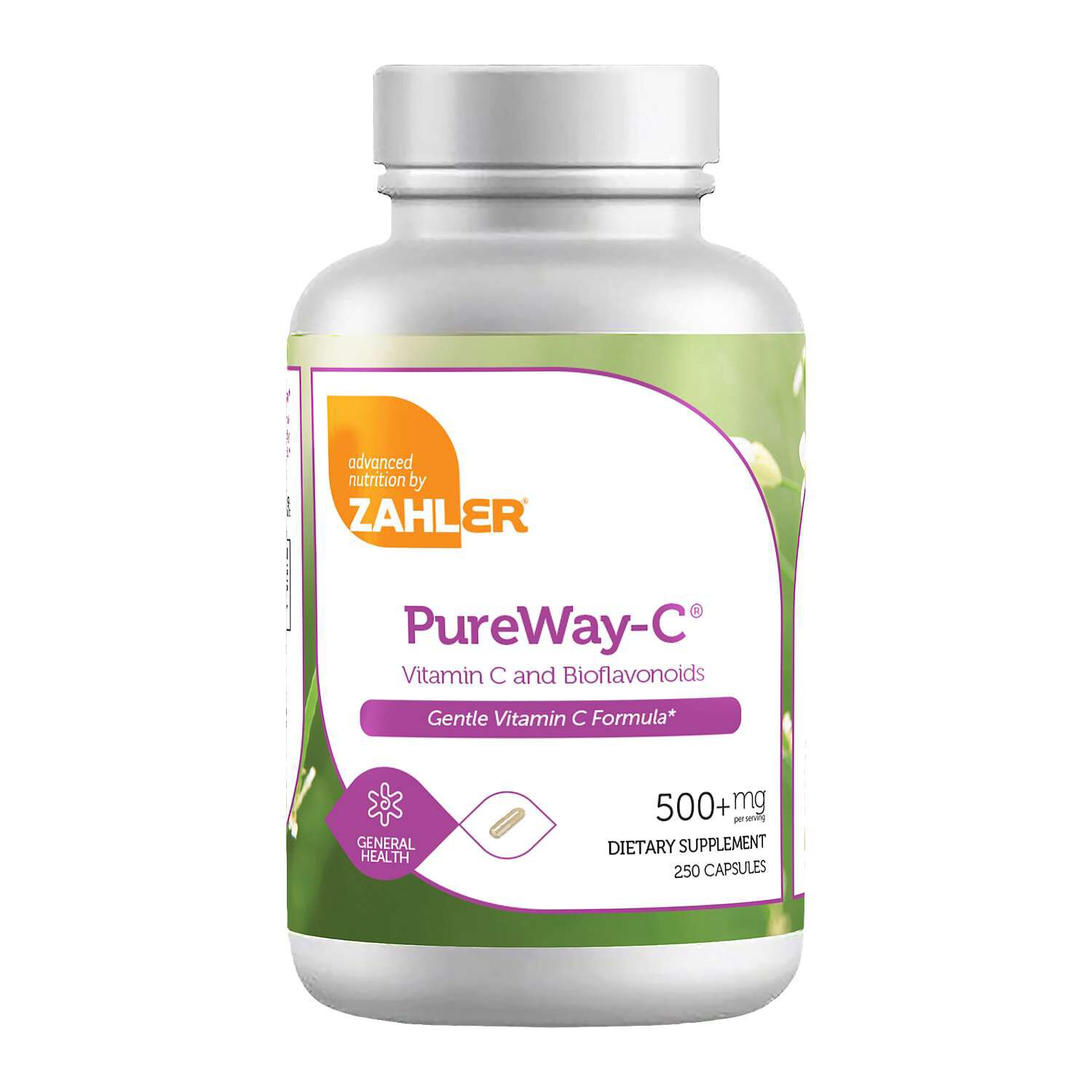
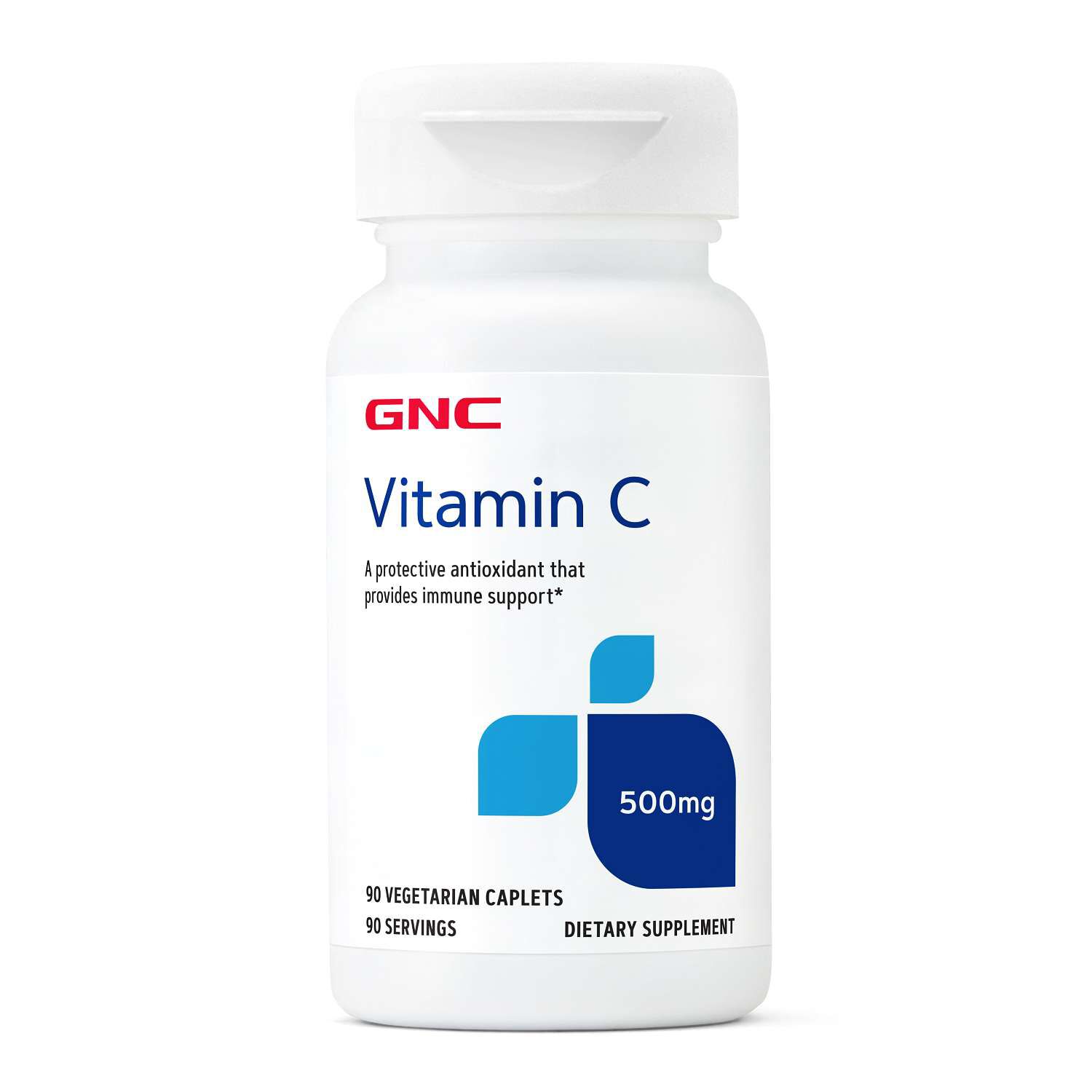
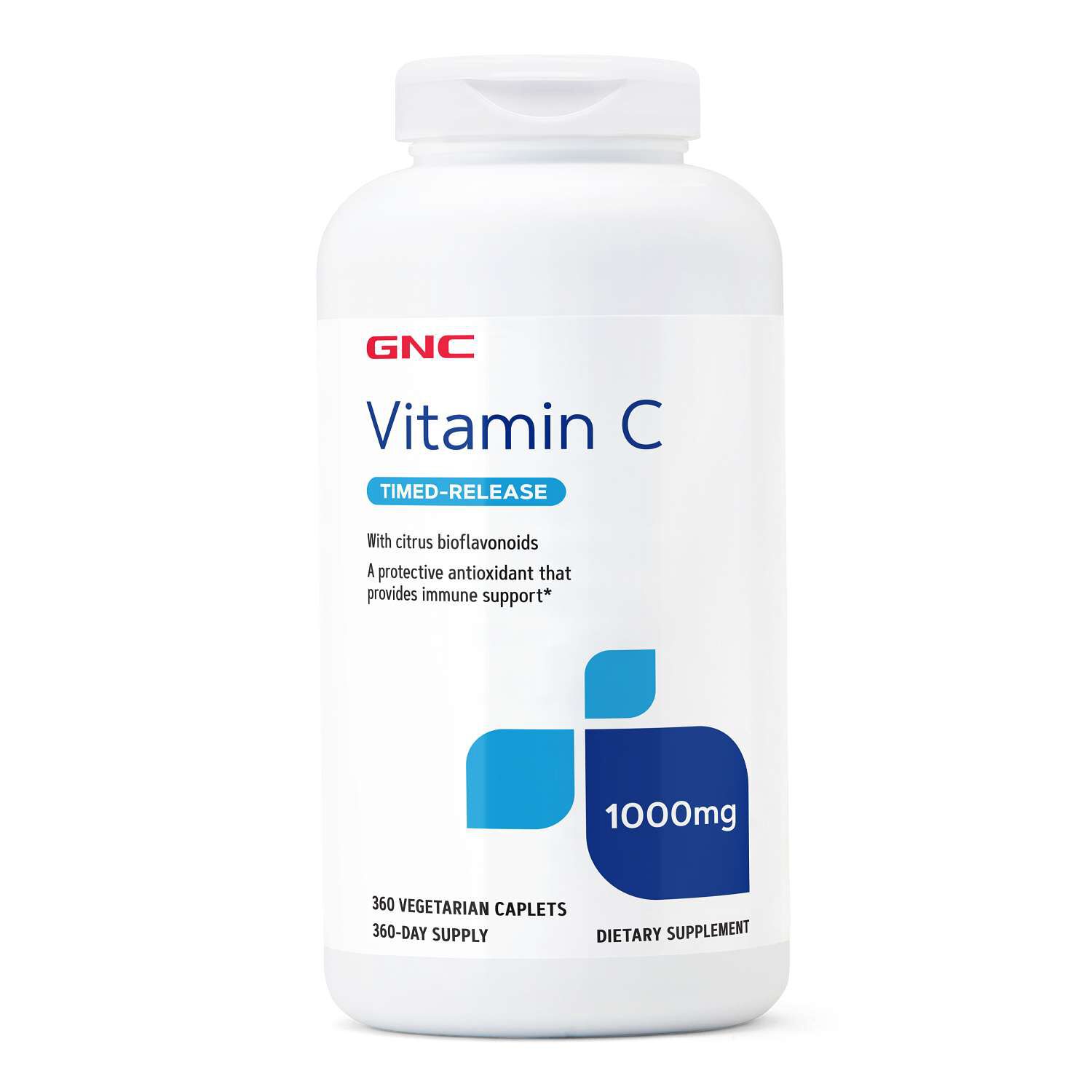

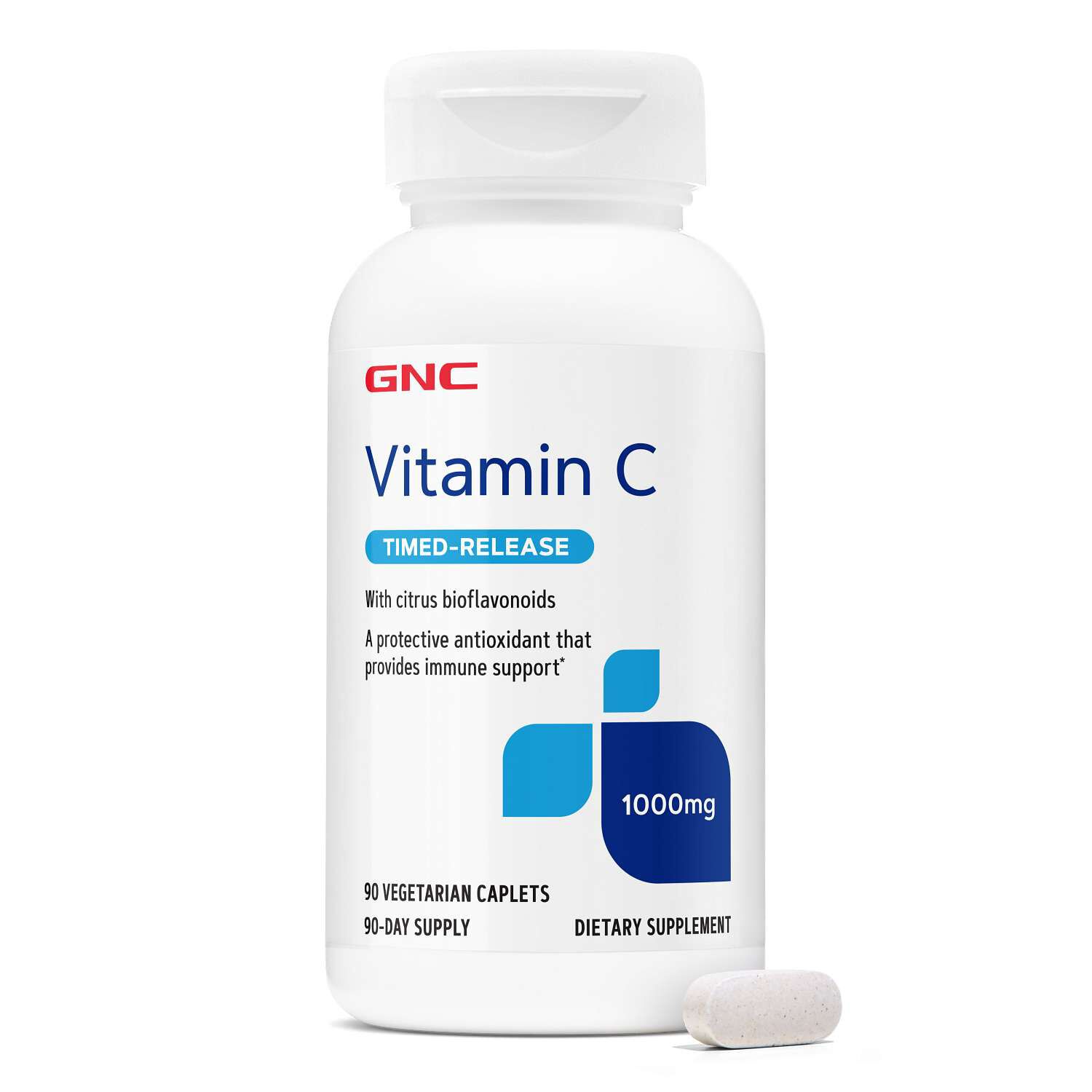


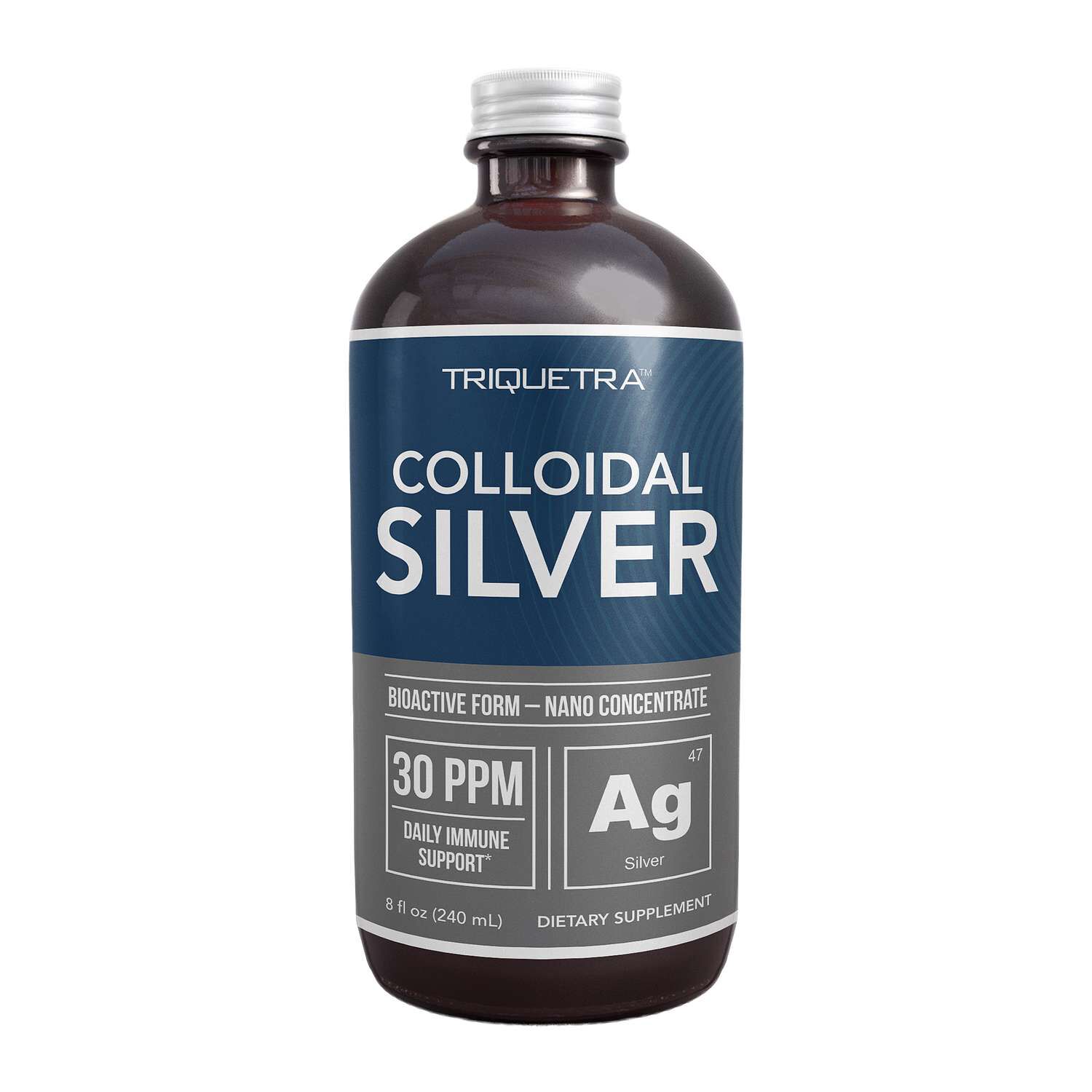
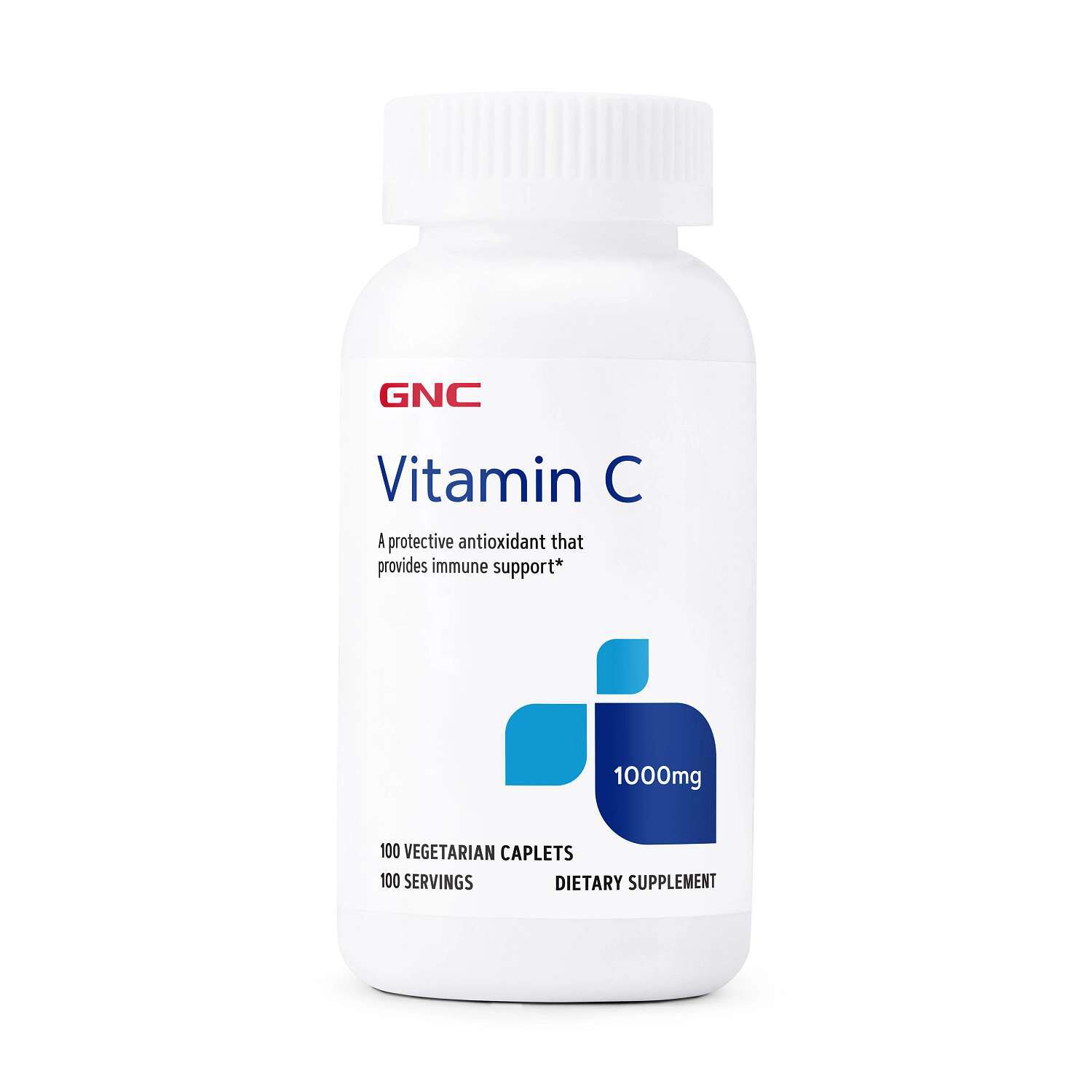
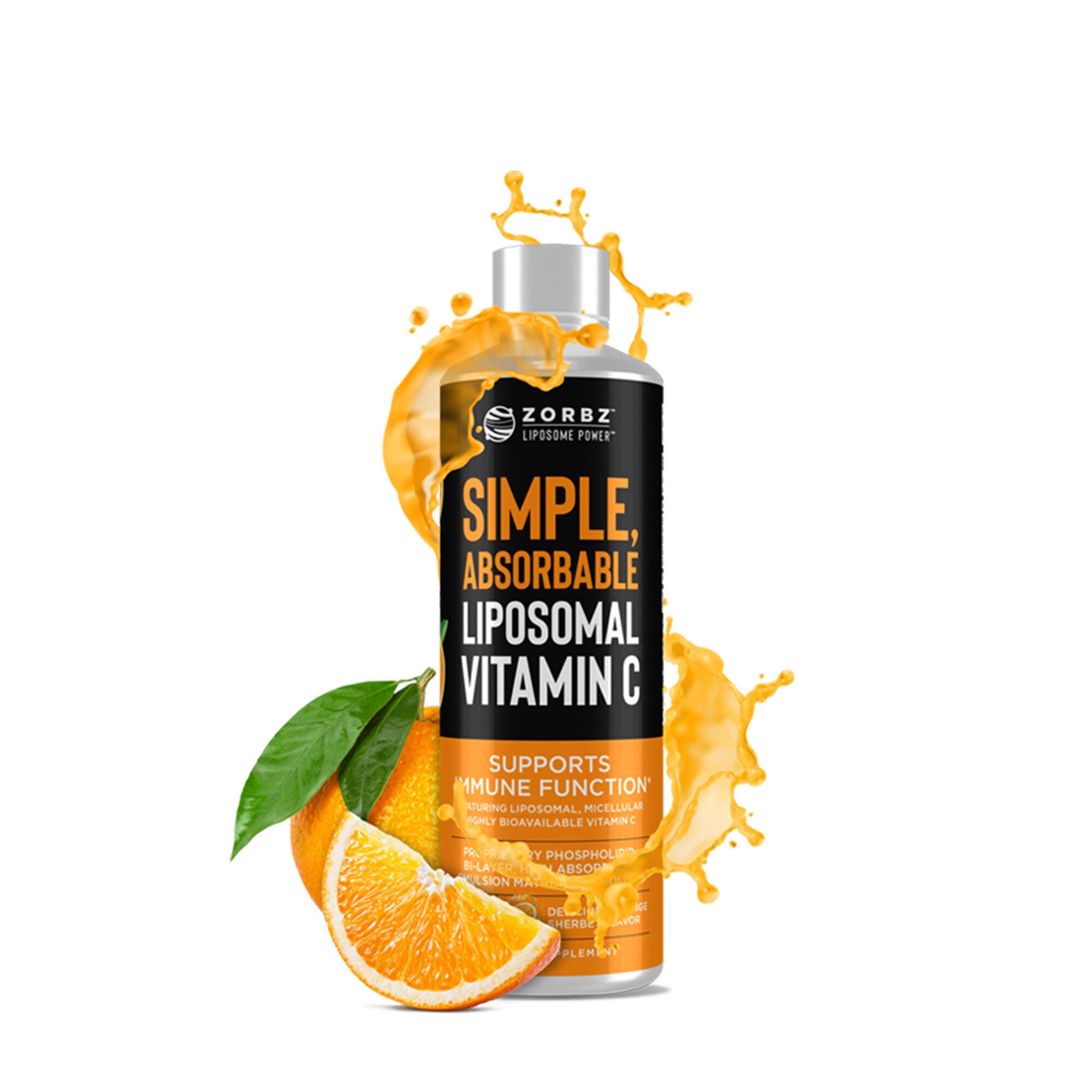
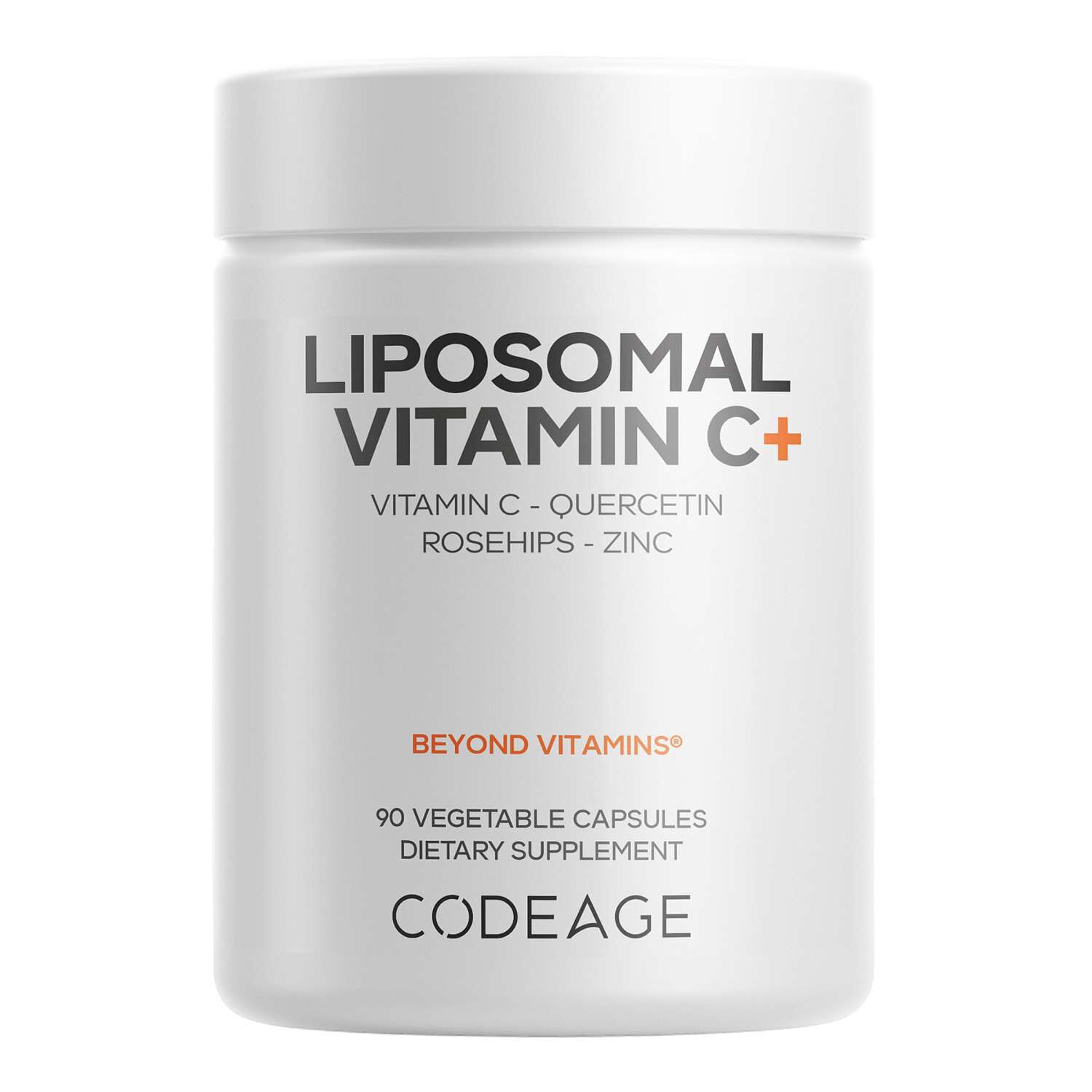
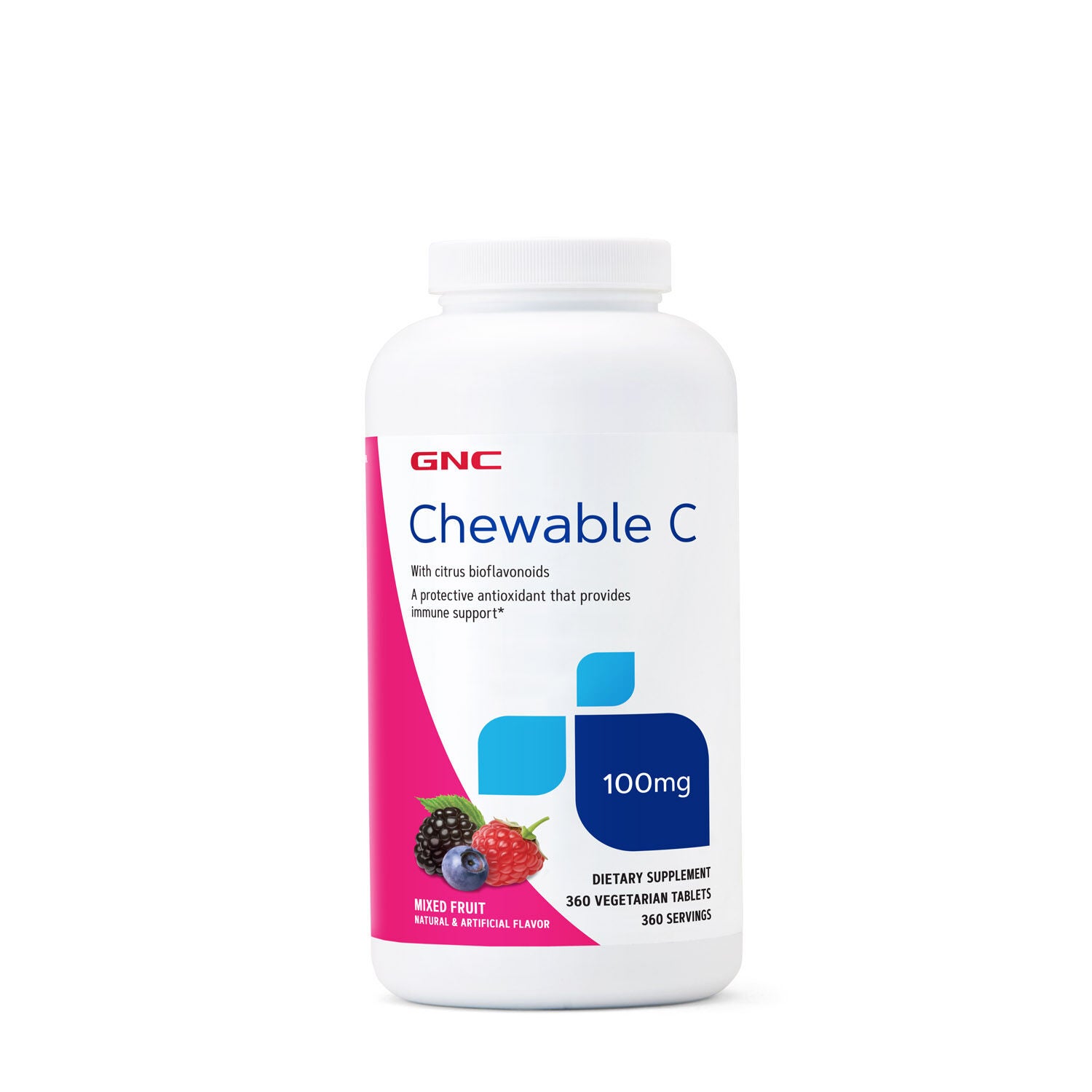
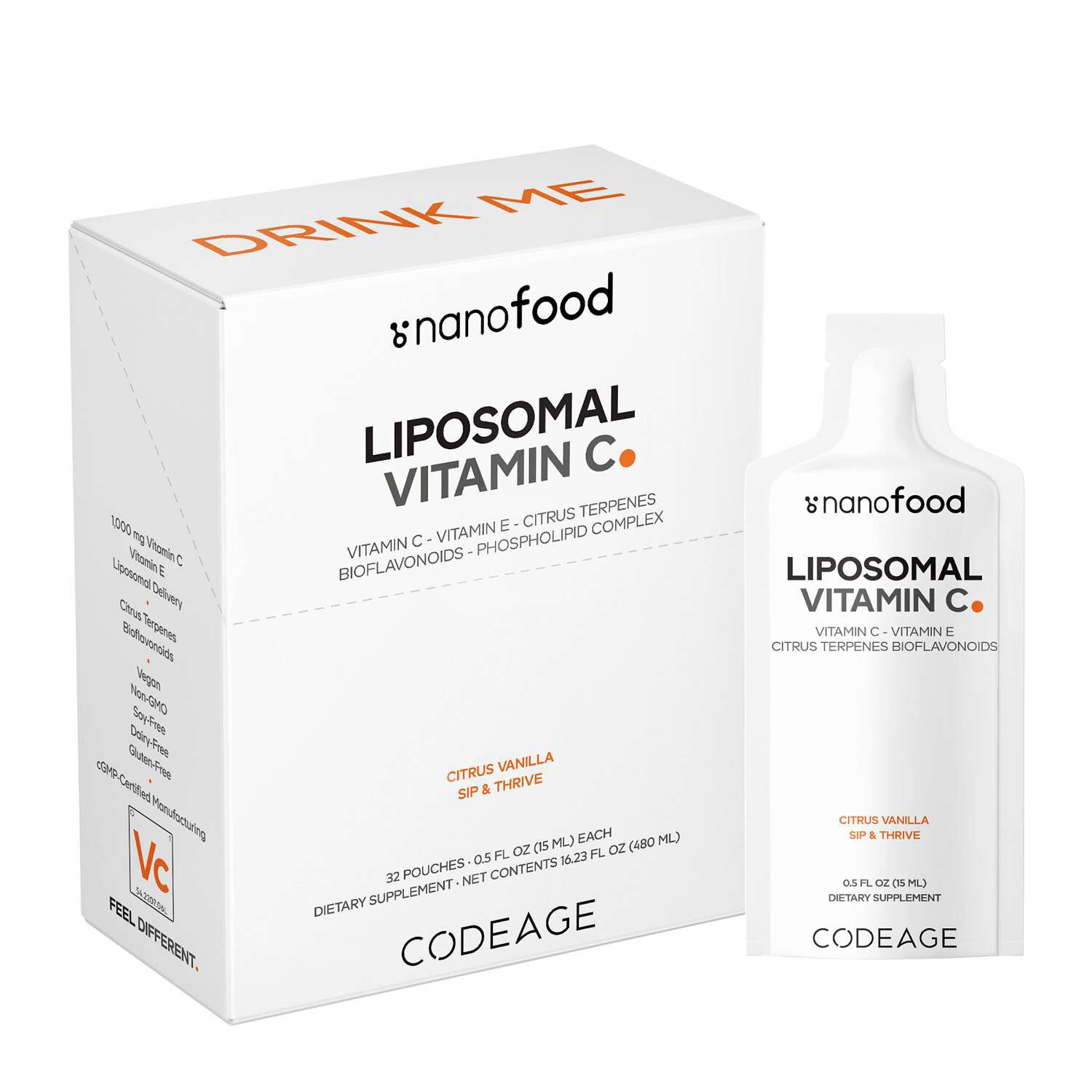
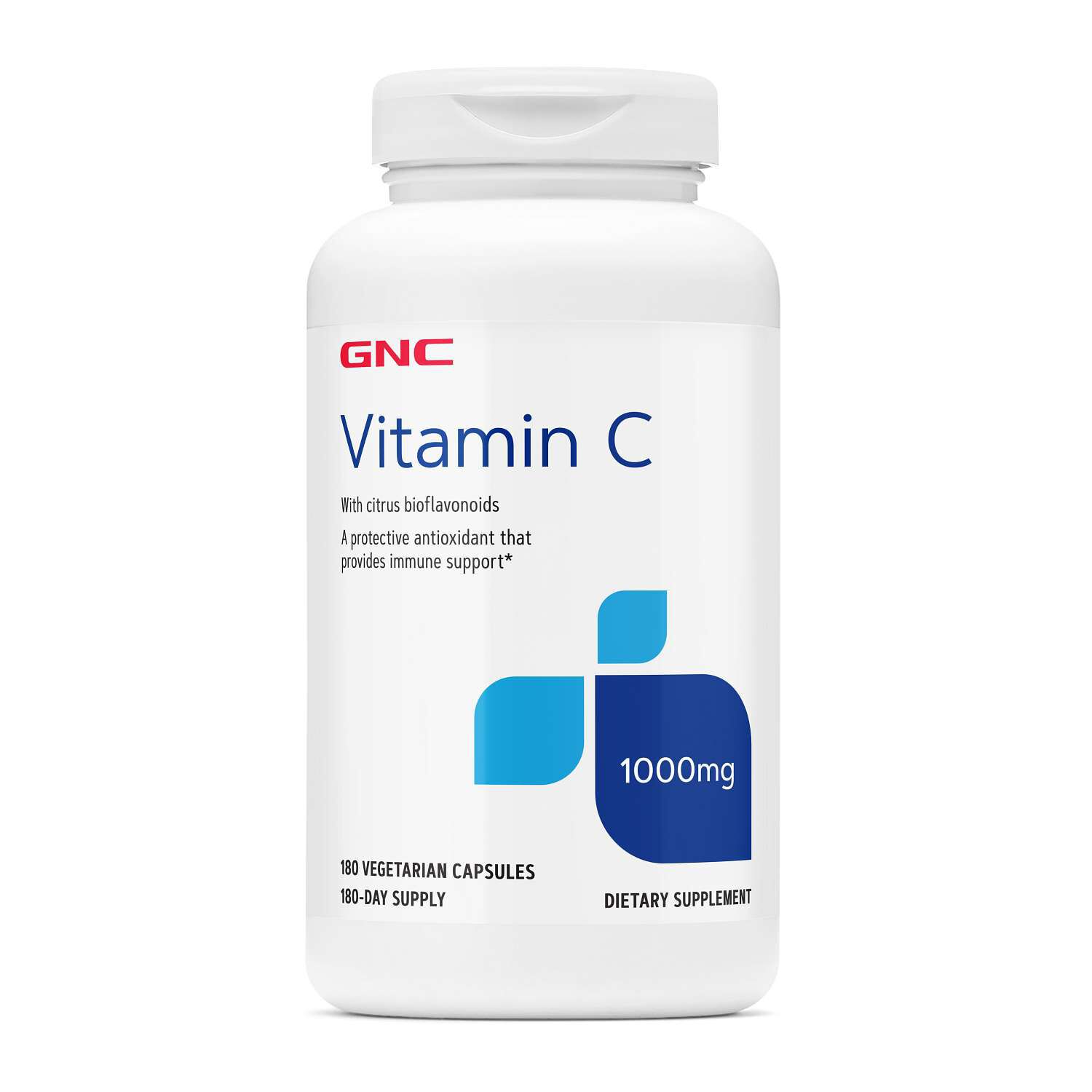
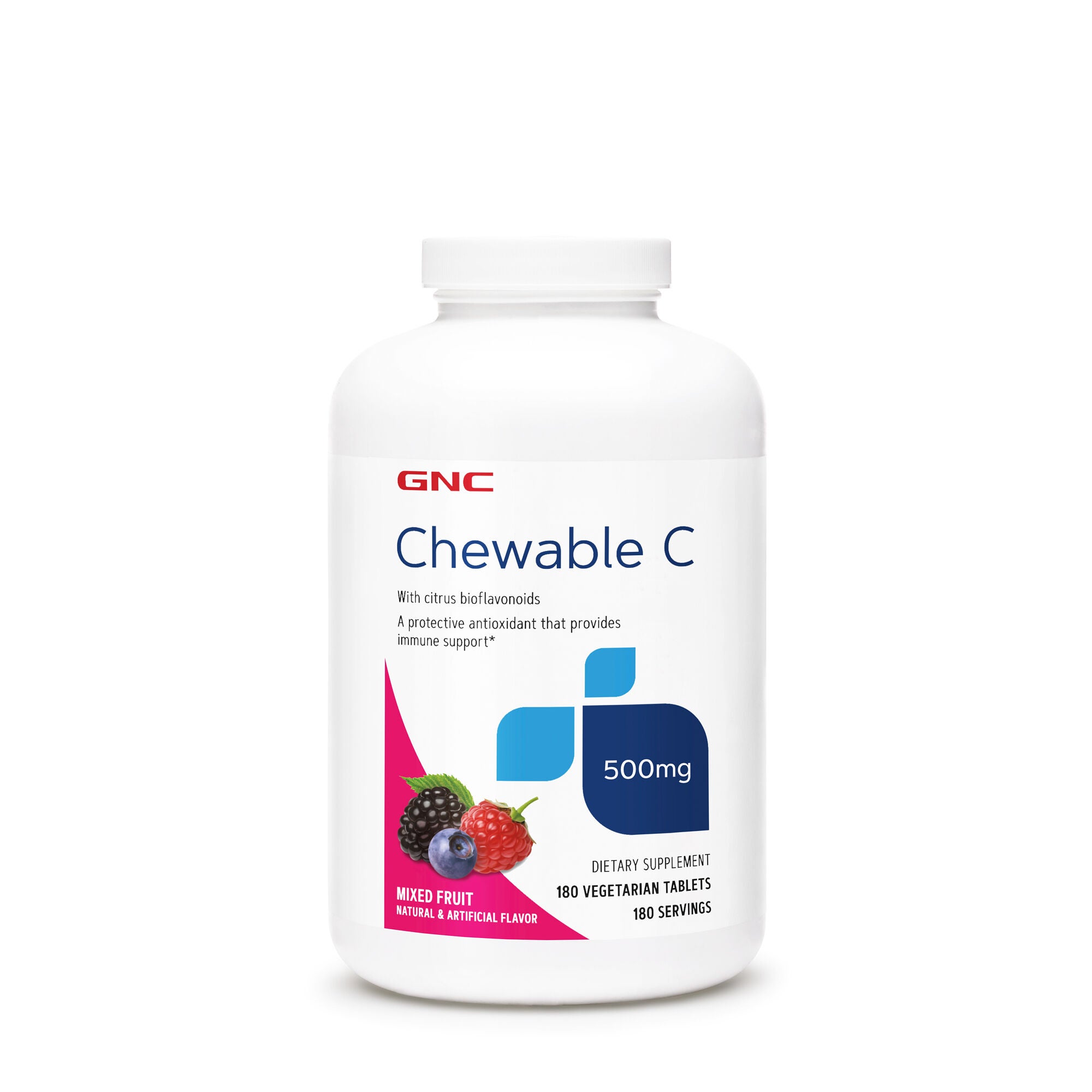
Women often look for immune support supplements that fit naturally into the rhythm of everyday life, especially during the cooler months when busy schedules, indoor gatherings and changing weather can make consistent self-care feel more important. A thoughtful selection may include familiar nutrients such as vitamin C, vitamin D, zinc and selenium, each of which may contribute to normal immune function when included as part of a balanced routine. Vitamin C is also valued for its antioxidant properties, while vitamin D may help maintain normal immune processes. Zinc may support the usual activity of immune cells, and selenium may help protect cells from oxidative stress. These nutrients appear in many formats, including daily multivitamins, targeted blends, capsules, gummies and liquid formulas. A multivitamin can be a practical choice for someone who prefers several nutrients in one serving, while a single-nutrient supplement may suit a shopper who is focusing on a particular part of her nutrition plan. For a broad selection, explore Immune Support Multivitamin Supplements. Since formulas vary, it is useful to compare serving size, nutrient amounts, ingredient forms and directions before making a choice. The most suitable option is often the one that feels manageable enough to use consistently, whether that means a capsule kept beside a morning glass of water, a chewable stored with a workday lunch or a liquid added to a familiar beverage.
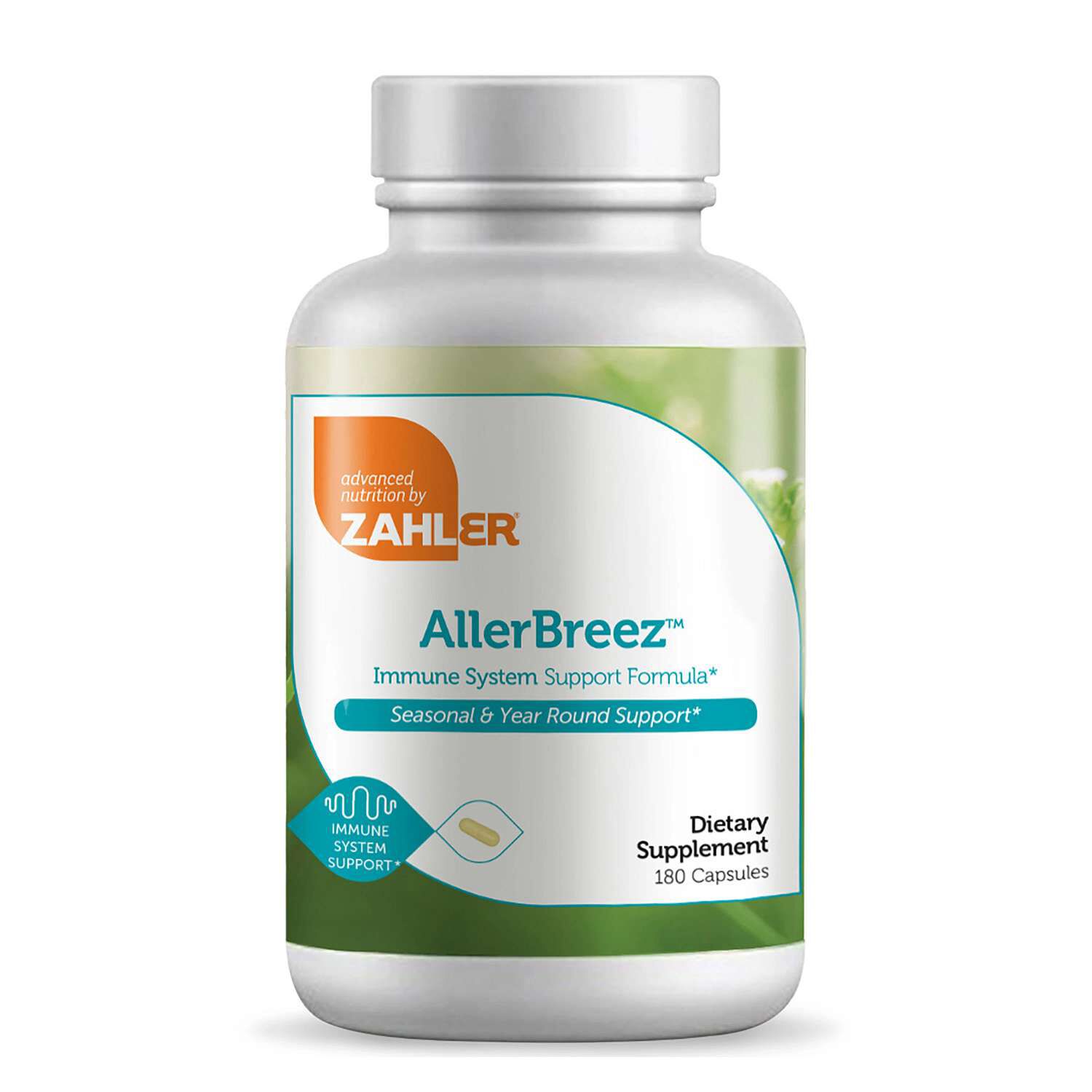
Immune support formulas may also include probiotics, elderberry extract, medicinal mushrooms and other botanical ingredients. Probiotics are commonly chosen as part of a routine focused on digestive and immune wellness because the gut microbiome is closely connected with the body’s normal immune activity. Elderberry and mushroom ingredients are often included in multi-ingredient blends for their traditional place in seasonal wellness routines, although individual formulas can differ considerably in strength, serving instructions and supporting ingredients. Reading the Supplement Facts panel can make comparison easier: look for the amount provided per serving, the number of servings in each container and any added sweeteners, flavorings or other ingredients that may not suit personal preferences. Shoppers with dietary considerations may want to check for vegetarian or vegan suitability, allergen information, gluten-related labeling and the form of the supplement. Gummies can feel approachable for someone who dislikes swallowing capsules, while tablets and capsules may be convenient for travel or a streamlined morning routine. Powders and liquids can be useful for people who enjoy mixing supplements into water or smoothies. These products are not a substitute for varied meals, restful sleep, regular movement or routine care from a qualified healthcare professional, but they may complement habits that already support general wellness. Anyone who is pregnant, nursing, managing an ongoing health concern or taking prescription products should review the ingredient list with a physician or pharmacist before adding a new supplement.
Choosing immune support supplements for women can also be a personal and practical experience. A college student moving between classes and a shared apartment may appreciate a compact format that fits neatly into a backpack. Someone balancing work, family responsibilities and early mornings might prefer a simple once-daily serving that does not add another complicated step. For a friend, sister, daughter or coworker, a thoughtfully selected supplement can be a considerate seasonal gift when it reflects her preferences and daily habits rather than assuming what she needs. Pairing it with a reusable water bottle, a favorite tea or a small wellness basket can make the gesture feel warm without becoming overly personal. Before gifting, check whether she prefers gummies, capsules, powders or liquids, and take note of dietary preferences and ingredients she chooses to avoid. During the transition from warmer days to cooler ones, many people revisit their routines, organize the pantry and look for convenient ways to stay consistent with everyday nutrition. Comparing vitamin C, vitamin D, zinc, selenium, probiotics and botanical blends can help shoppers find an option aligned with their goals, serving preferences and budget. Keep supplements stored according to the label, use only the suggested serving and remember that more is not necessarily better. A steady, informed approach may make an immune wellness routine feel less like a seasonal chore and more like a small, dependable part of caring for oneself.