





Inositol Nutrition For Women
(0 Results)
Inositol nutrition for women is gaining attention as a supportive addition to daily wellness routines. With a focus on balanced living, many women are exploring inositol as part of their supplement choices. Whether you're looking to add something new to your regimen or simply curious about the potential benefits, inositol nutrition for women may offer an option worth considering. Browse a selection designed to fit a variety of preferences and lifestyles.
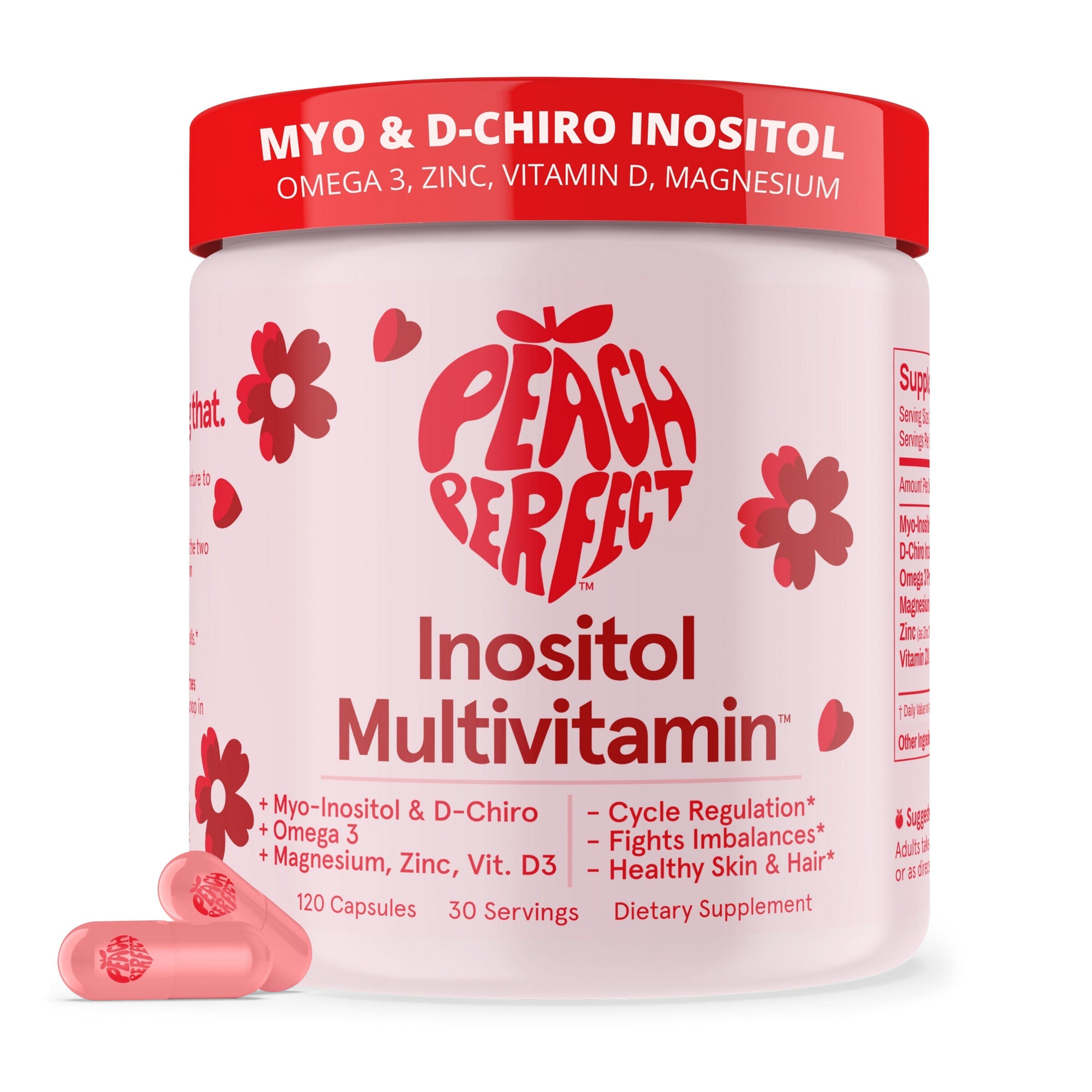
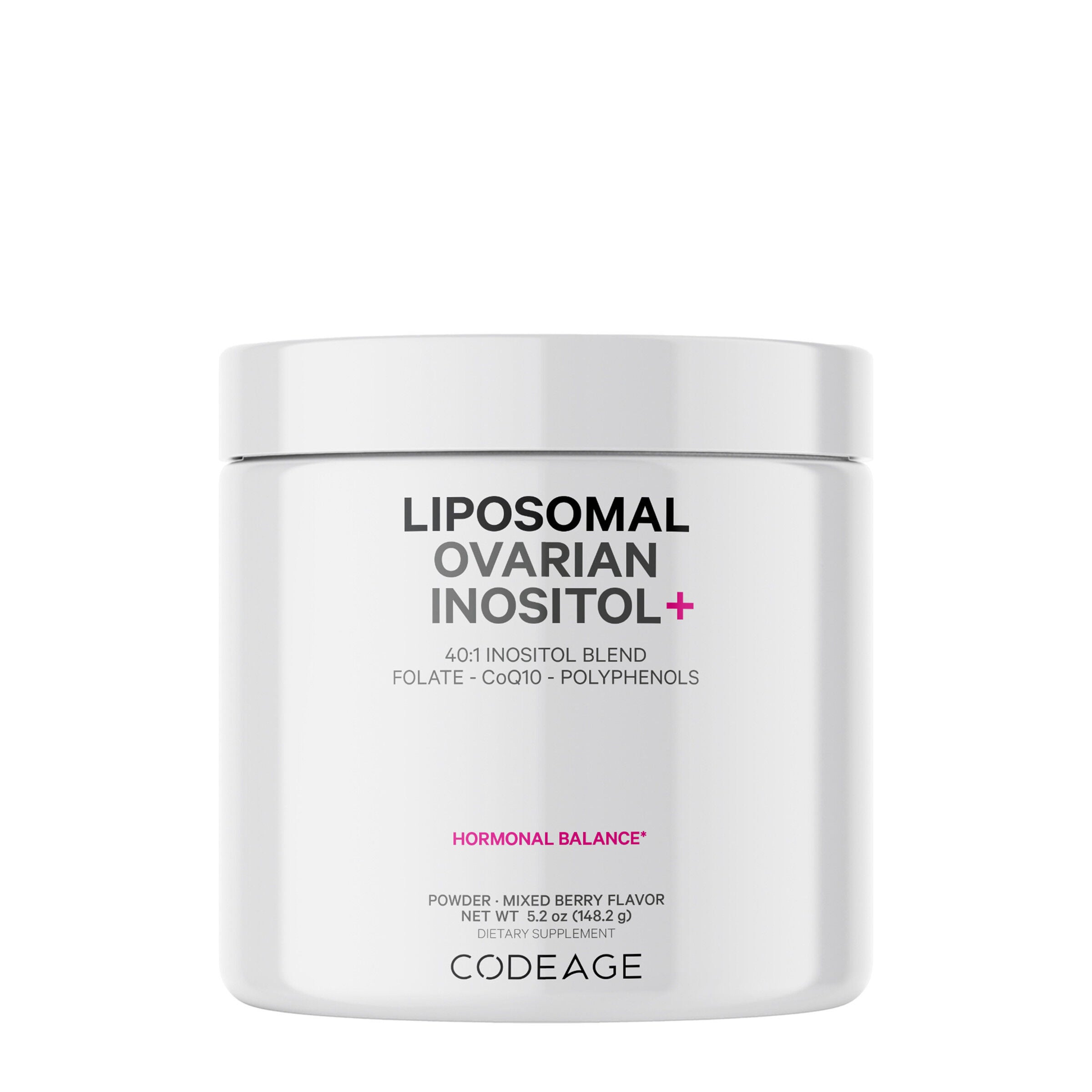

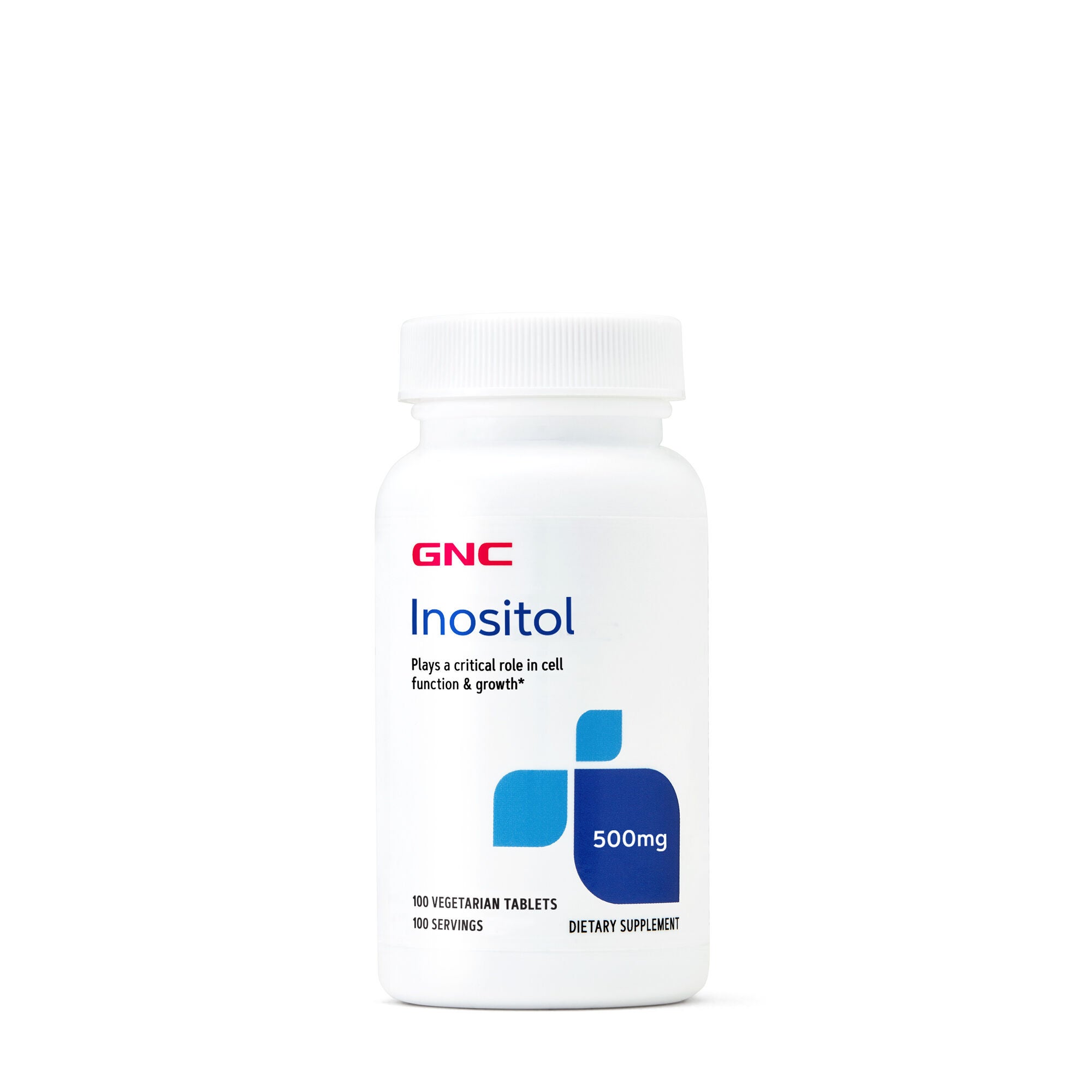

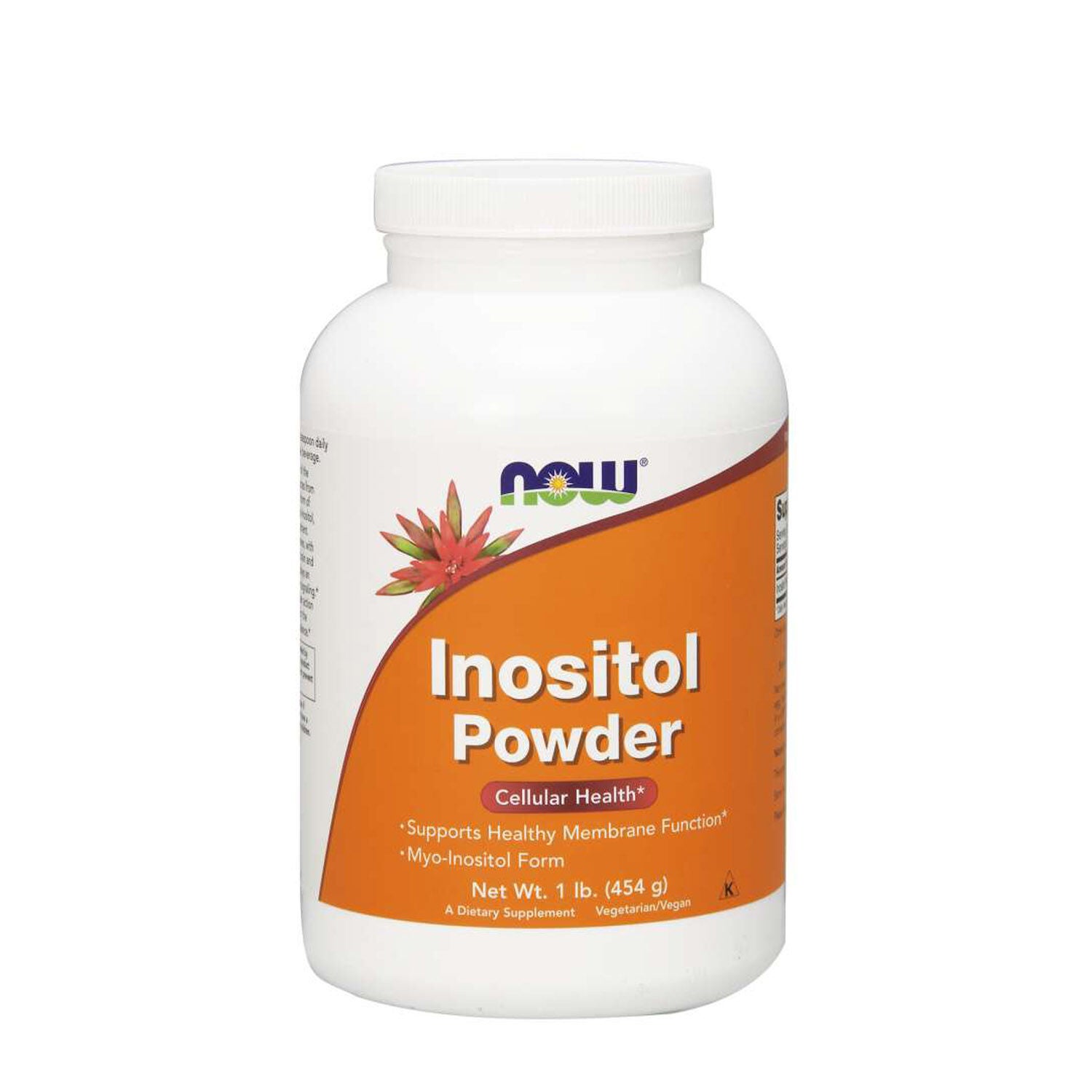

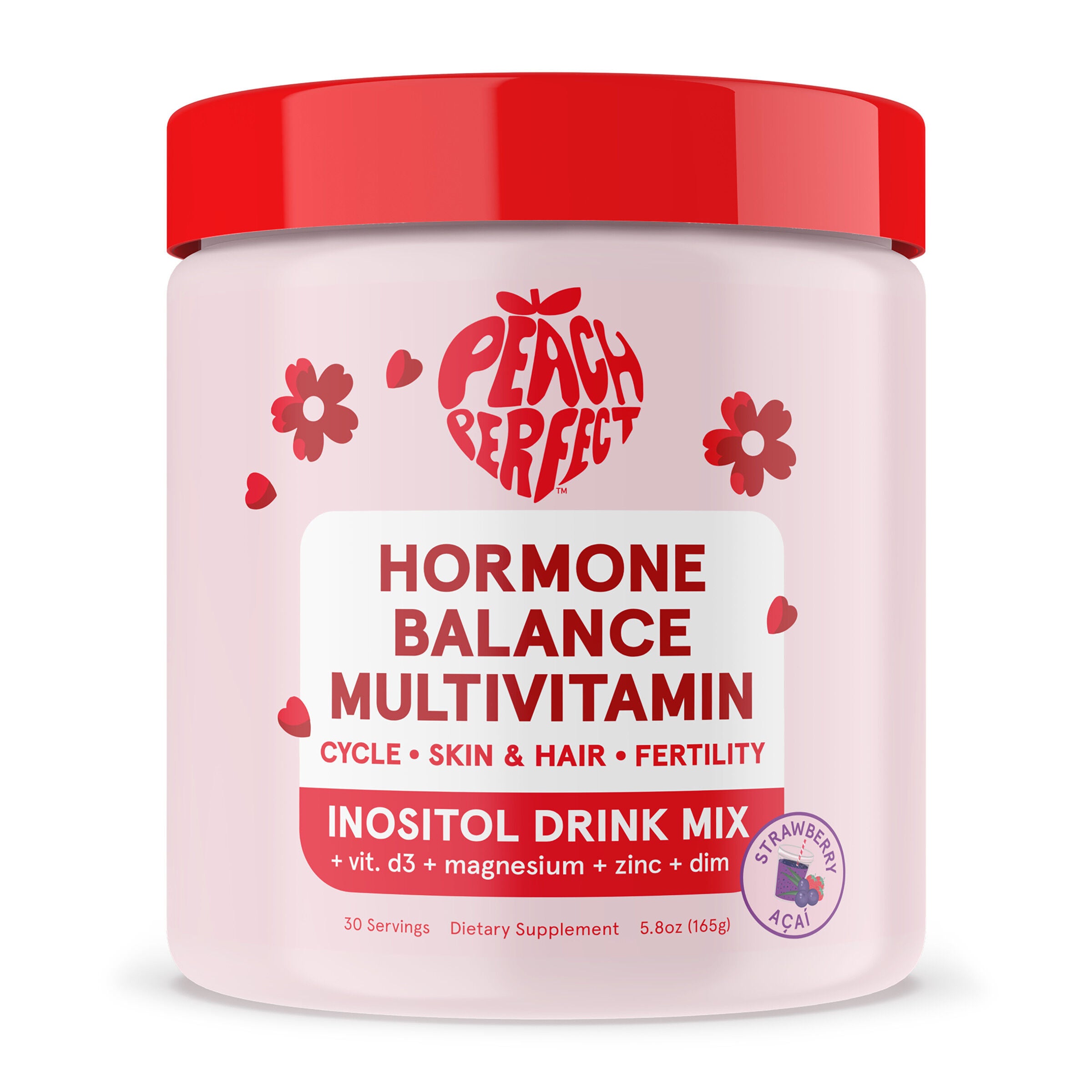
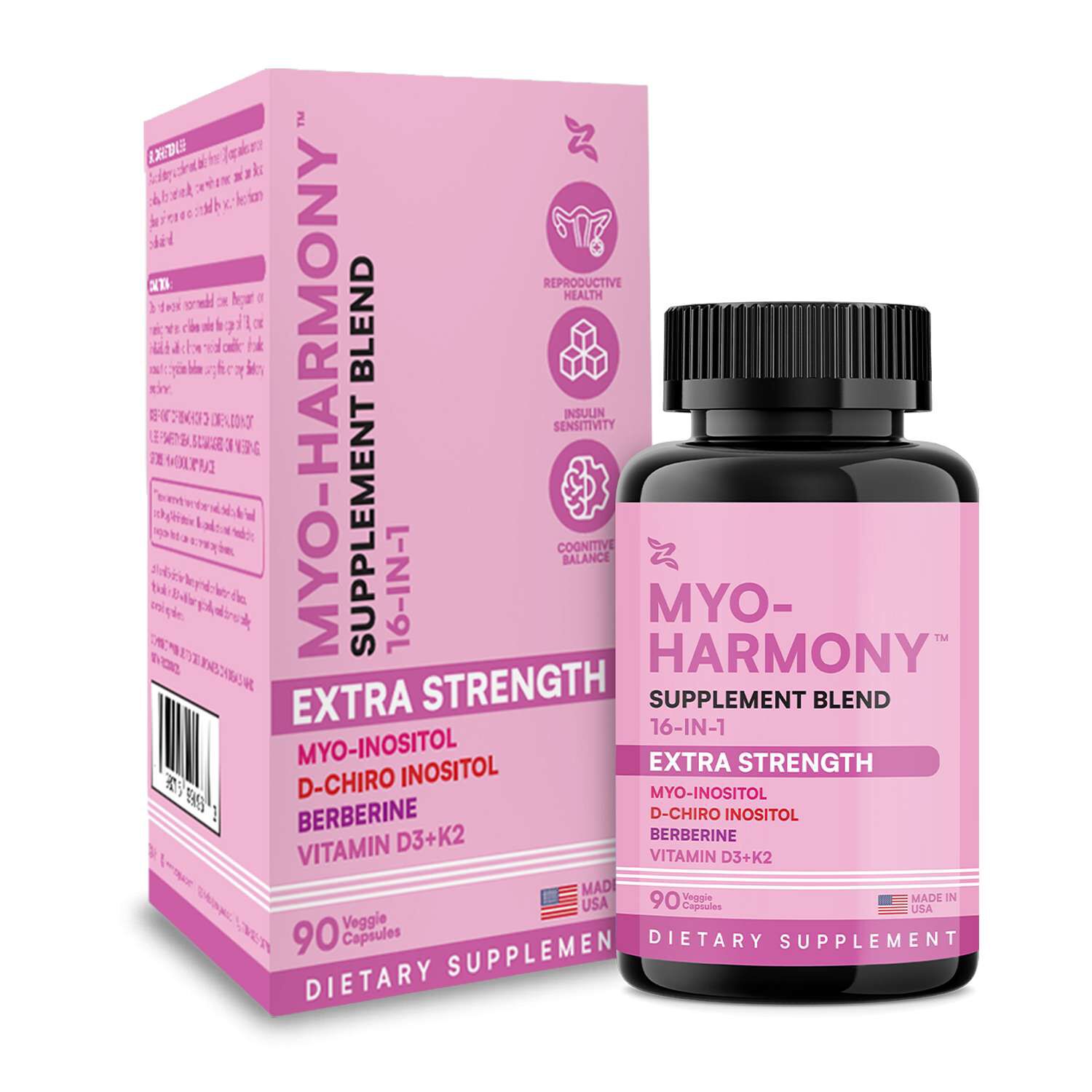
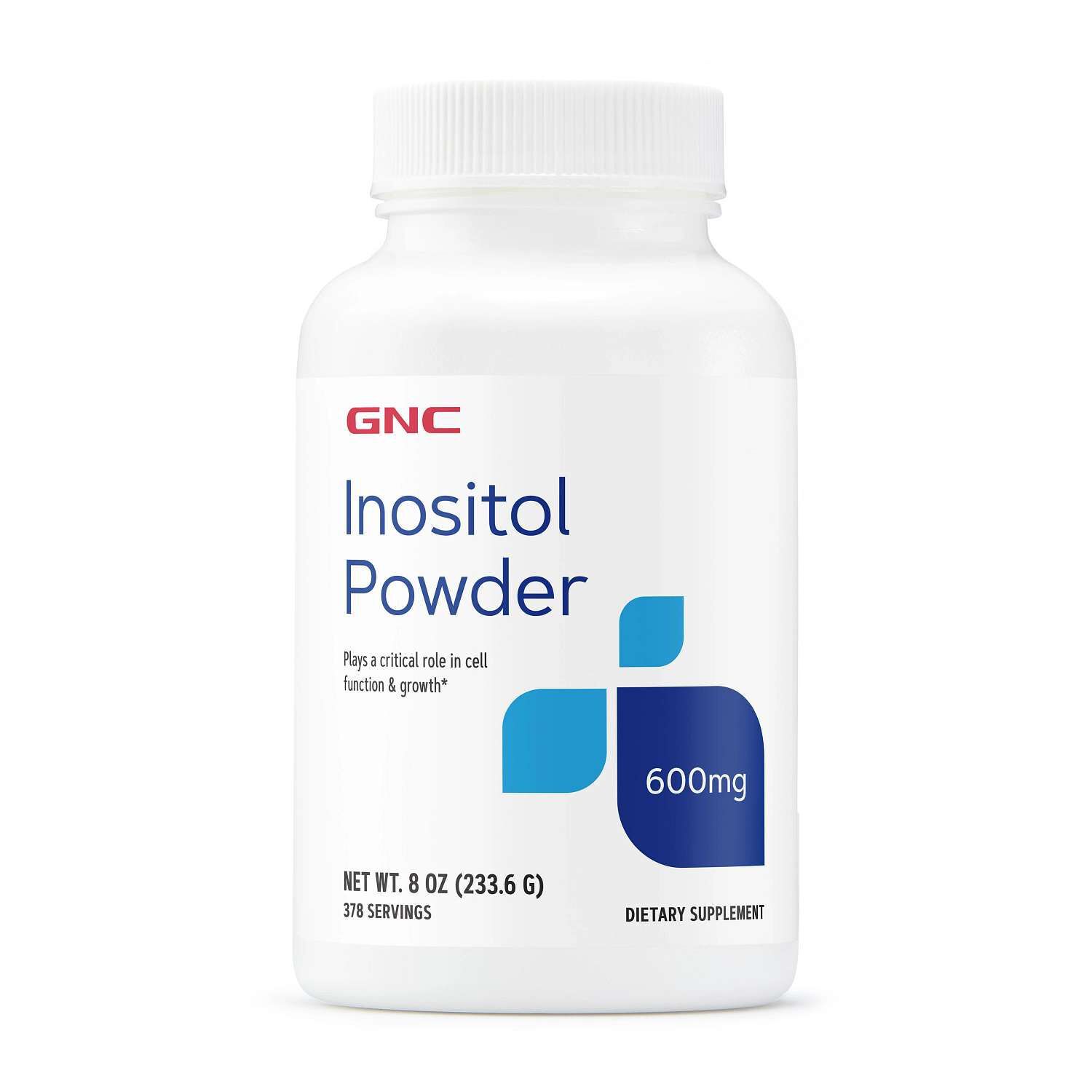
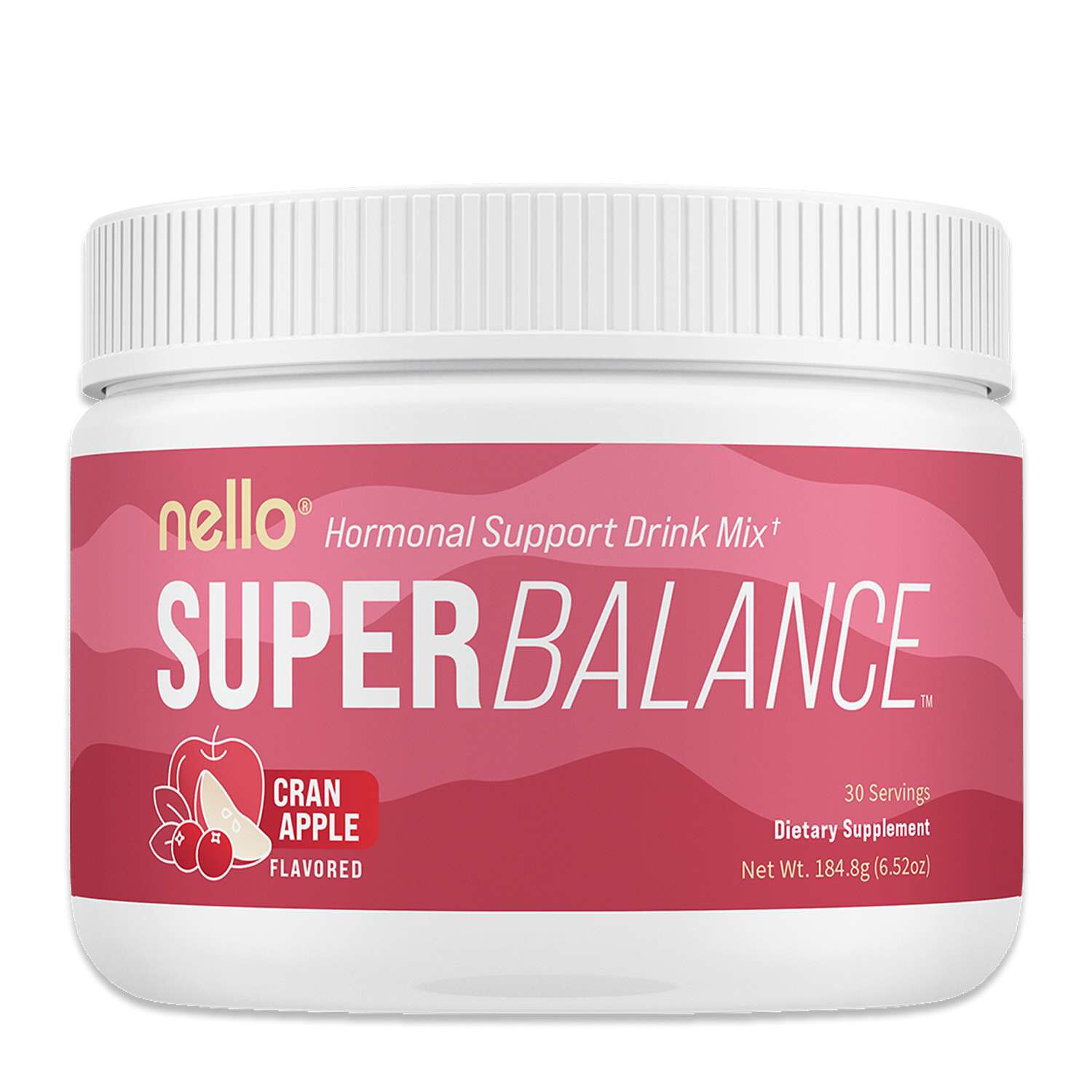

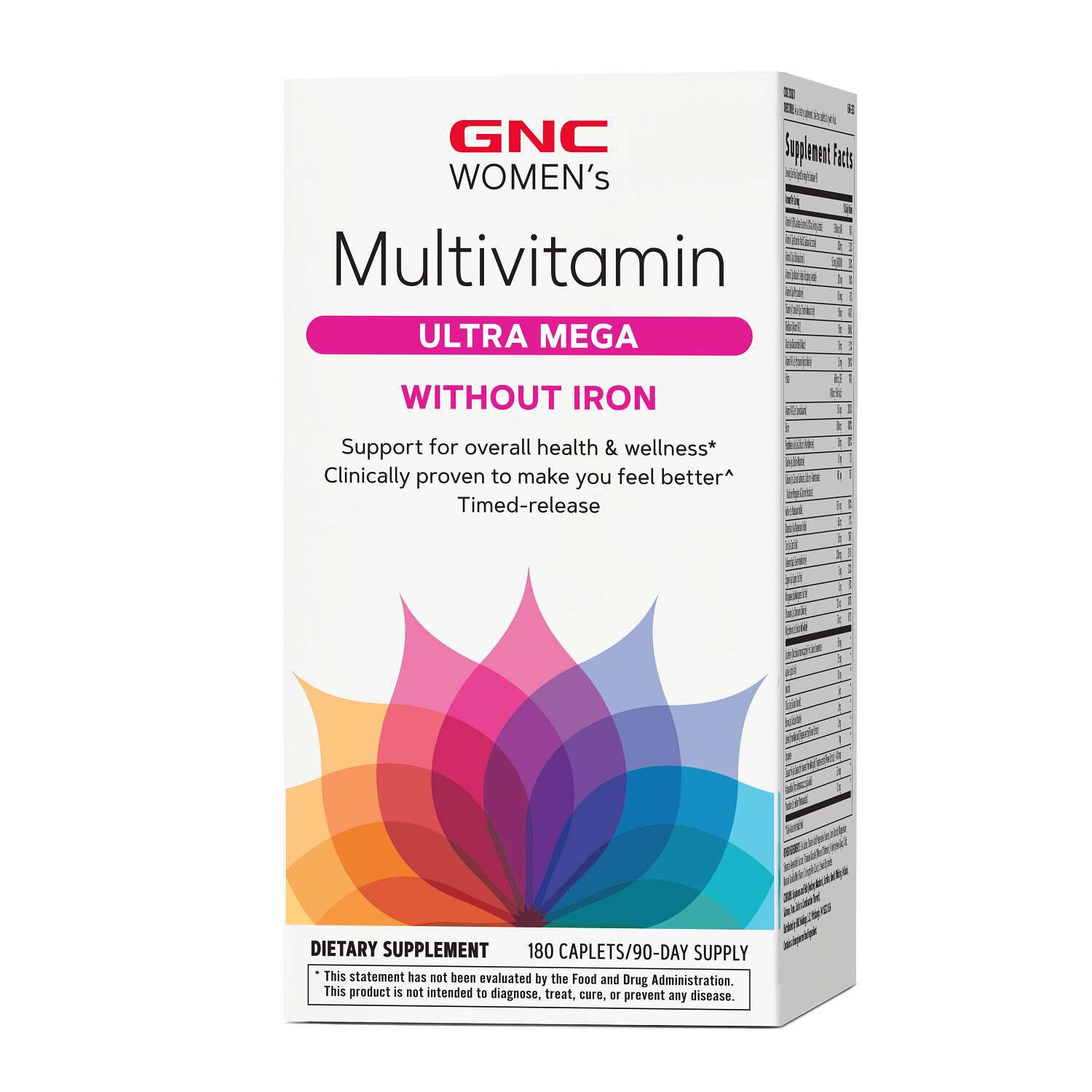
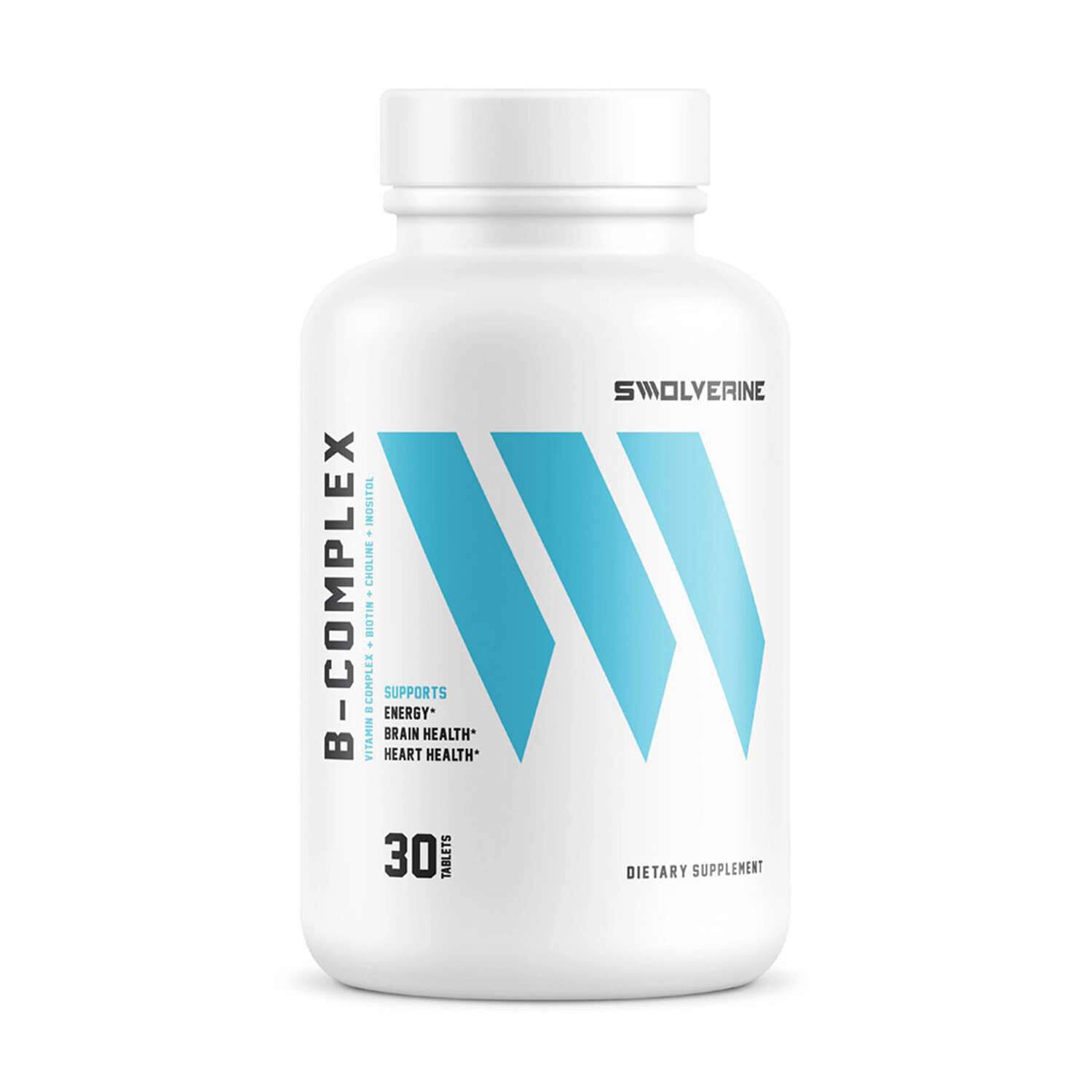
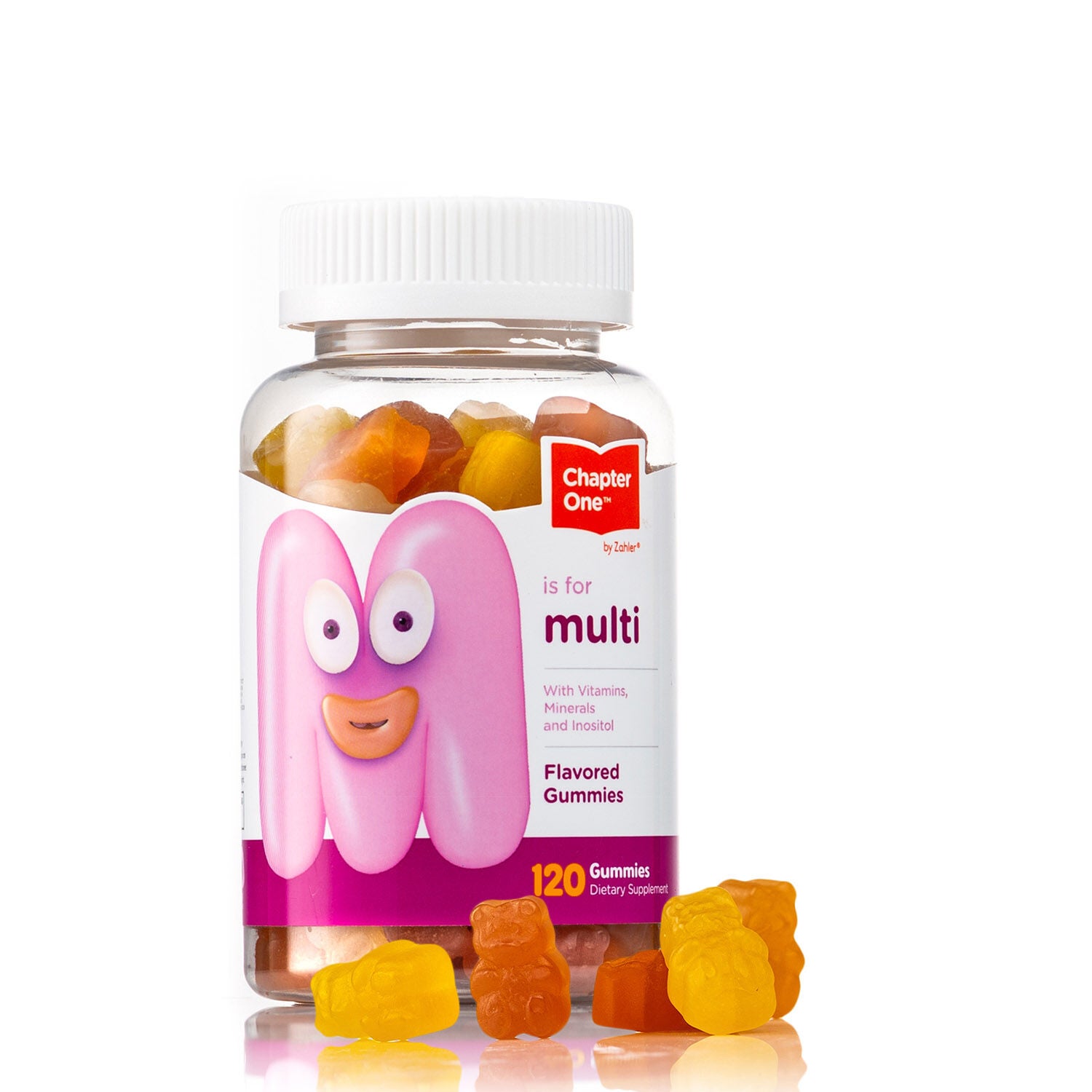
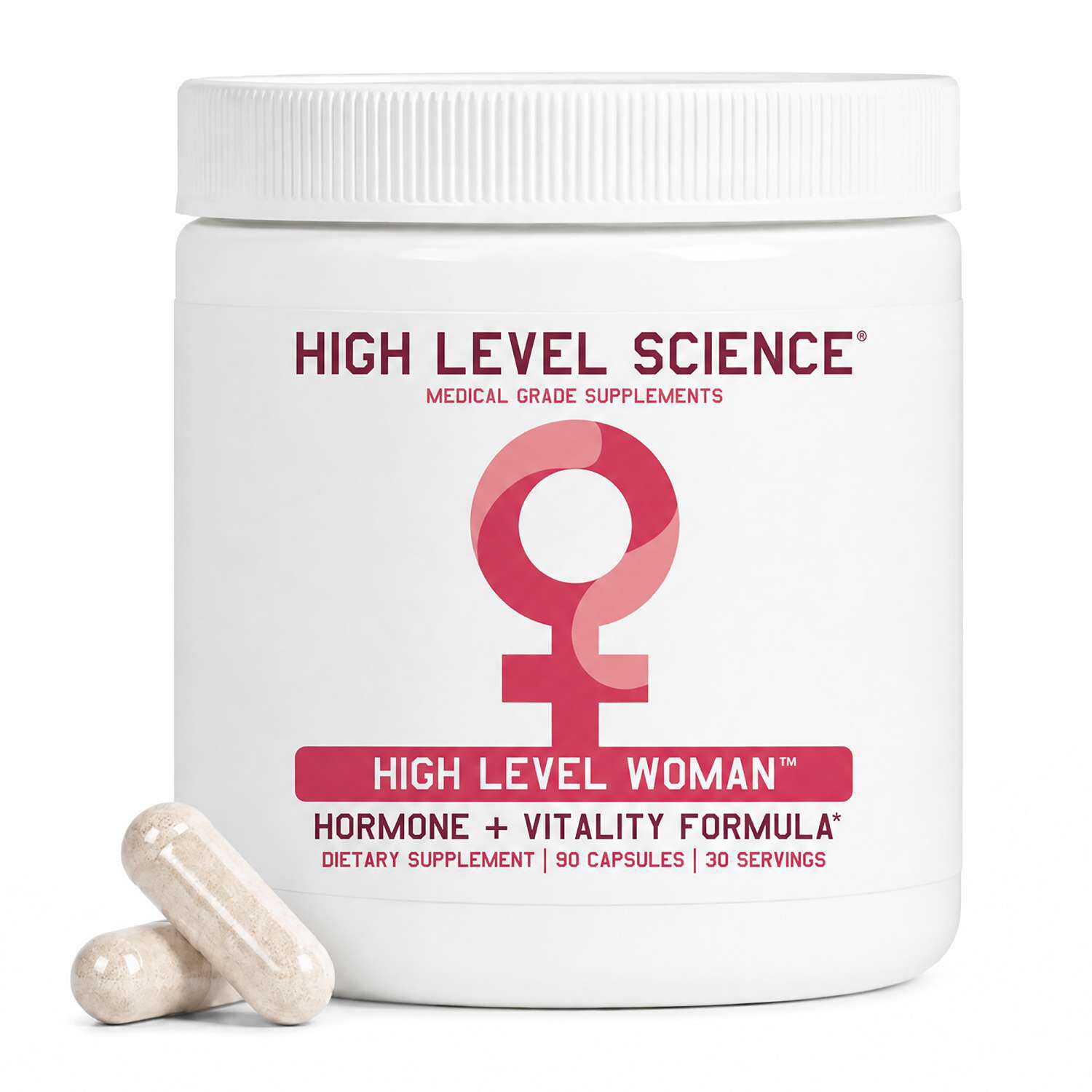
Inositol nutrition for women centers on dietary supplements containing myo-inositol, D-chiro-inositol, or a combination of these forms. Inositol is a naturally occurring, carbohydrate-related compound found in the human body and in foods such as beans, peas, nuts, whole grains, and citrus fruits. It is sometimes called vitamin B8, although it is not classified as a vitamin, and the body also makes its own inositol. Myo-inositol is the most abundant form in the body; D-chiro-inositol is another form with a different molecular arrangement. Those names matter when comparing labels because a bottle labeled simply “inositol” does not necessarily have the same composition as a formula that identifies both forms separately. Some combination formulas display a myo-inositol to D-chiro-inositol ratio, such as 40:1. That notation describes forty parts myo-inositol to one part D-chiro-inositol, not the amount in an individual capsule or scoop. The ratio and the serving amount are separate pieces of information, and neither should be mistaken for a universal measure of suitability. This category is relevant to adult women exploring inositol as part of a personal nutrition routine, whether the preference is for a single-ingredient formula or a blend with other nutrients. The distinction between food sources and supplements is also useful: beans, brown rice, and oranges bring a mix of nutrients to the plate, while an inositol supplement provides a labeled amount of a particular ingredient. A supplement is not nutritionally interchangeable with those foods. For shoppers comparing formulations, the clearest starting point is the ingredient name, followed by the amount per serving and any additional ingredients. Descriptive packaging language offers less detail than the Supplement Facts panel, where the form, serving size, and declared quantities provide a more concrete picture of what is inside. A front label highlighting a ratio, for example, still needs to be read alongside the individual ingredient amounts to understand the formulation.
Format is another meaningful part of choosing an inositol supplement for an everyday routine. Capsules offer a measured portion without a scoop or mixing step, while powders involve measuring and preparing a serving according to the package directions. For someone who keeps supplements beside a breakfast bowl, a powder may be convenient to prepare at that time; someone who carries a small supplement organizer may prefer the portability of capsules. These are practical differences rather than evidence that one format is inherently better than another. Capsule size, the number of capsules per serving, powder texture, and flavoring all shape the experience of using a product. An unflavored powder is not necessarily without a noticeable taste, and a flavored formula may contain sweeteners, colors, or other ingredients that matter to personal preferences. The serving information deserves particular attention because one capsule does not always equal one serving, and one scoop is not a standard measurement across different containers. Amounts may be expressed in grams or milligrams; one gram equals 1,000 milligrams. That unit conversion makes it easier to compare labels without confusing a change in notation with a difference in ingredient quantity. In a blend, the stated amount may refer to an individual ingredient or to a group of ingredients, depending on how the panel is presented. A named blend with one listed amount does not communicate the same detail as separately declared amounts for myo-inositol and D-chiro-inositol. Other nutrients, including folate or additional vitamins, may also appear in combination formulas. Their presence changes the composition, so two supplements with inositol on the front label may still be quite different. Comparisons are most useful when they account for the full serving, the ingredients included with it, and the preparation involved—not just the number of capsules in a bottle or the size of a powder container.
Dietary preferences and ingredient sourcing add another layer to inositol nutrition for women. The inositol ingredient, the capsule shell, and the other ingredients each contribute to whether a formula aligns with a vegetarian or vegan eating pattern. A plant-derived capsule shell does not, by itself, establish the sourcing of every ingredient, just as a plant-based description does not identify the amount of inositol in a serving. The distinction between an ingredient’s source and the finished formula is worth keeping in view. For shoppers interested in this aspect of formulation, Inositol Plant Based Nutrition offers a related category to explore alongside individual ingredient and capsule details. Allergen statements and other package disclosures provide a separate set of facts; dietary descriptions are not interchangeable with those disclosures. Everyday handling also matters, particularly for a container that will be opened repeatedly. Storage directions vary by formulation and packaging, so the printed instructions remain the relevant reference for the container in hand. A firmly closed lid and a clean, dry measuring utensil are practical considerations for powders, while capsules require attention to their original packaging and any stated storage conditions. A bathroom cabinet, kitchen counter, or travel bag presents different storage conditions, making the package directions more useful than assumptions based on where other supplements are kept. Before travel, the original label also preserves the ingredient information and serving directions that a small organizer cannot show. Ultimately, the most useful distinctions in this category are tangible: which form of inositol is named, how much is declared per serving, what else is included, and how the format fits the intended routine. A straightforward capsule formula and a powder blend can appeal to different preferences without needing to be framed as interchangeable choices. Clear labeling, understandable quantities, and suitable packaging give women concrete details for comparing inositol supplements within a broader approach to food and nutrition.
Best Sellers


Related Pages
Top Collections
- GLP 1 Support For Adults
- Joint Mobility Supplement Packs
- Supplements For Balance
- Supplements For Yoga Joint Flexibility
- Zinc Supplements | Top Brands at Great Prices | GNC
- Capsule Supplements For Energy And Stamina
- Supplements For Anxiety Relief Support
- Iron Supplements
- Vitamins For Hair Loss
- Cortisol Supplements