Inositol Supplements With Natural Ingredients
(0 Results)
Explore a curated selection of inositol supplements with natural ingredients, thoughtfully chosen for those seeking options to support their wellness journey. Inositol supplements with natural ingredients may appeal to individuals looking for products that fit into a mindful lifestyle. Discover a variety of formulations designed to fit seamlessly into your daily routine, all crafted with an emphasis on quality and care.
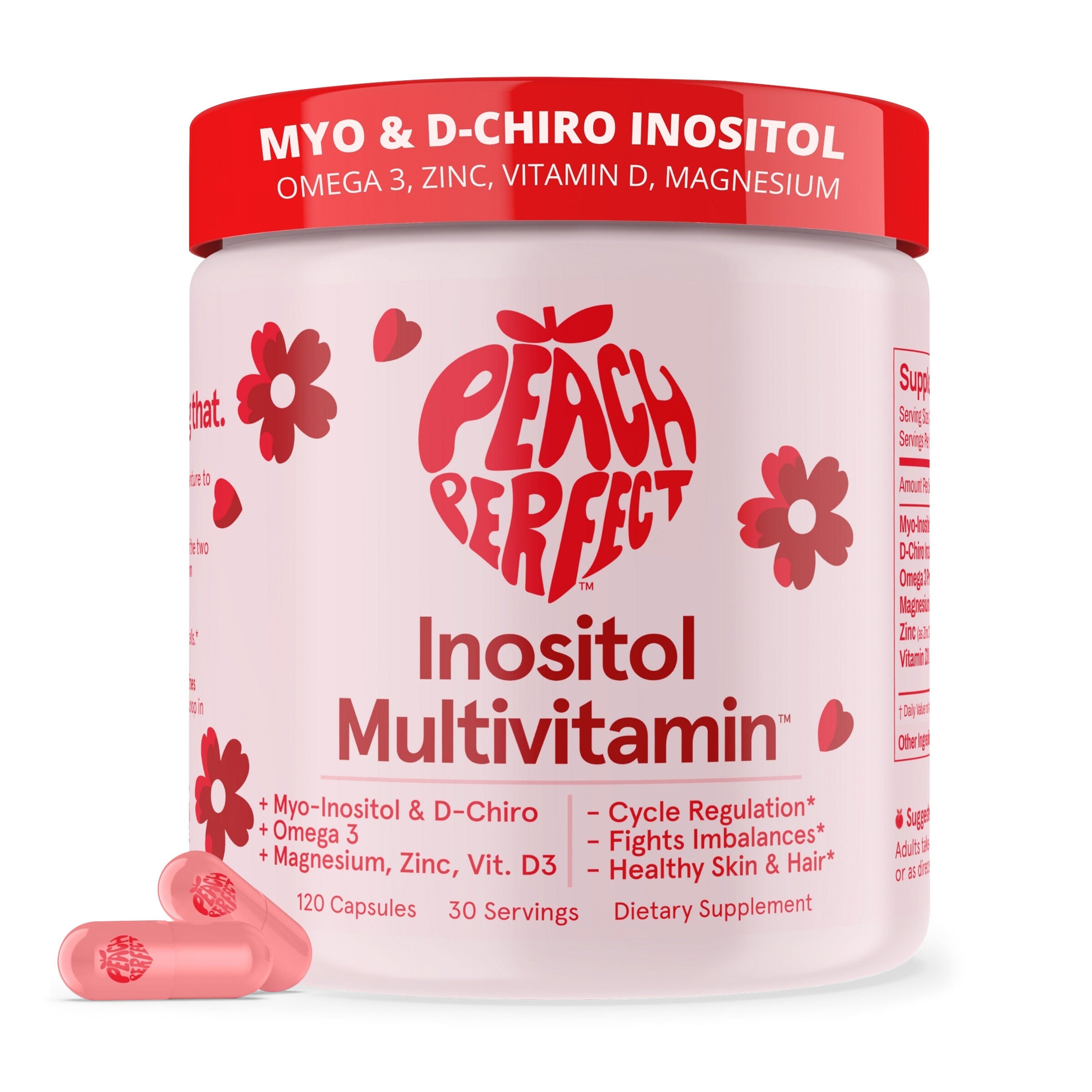
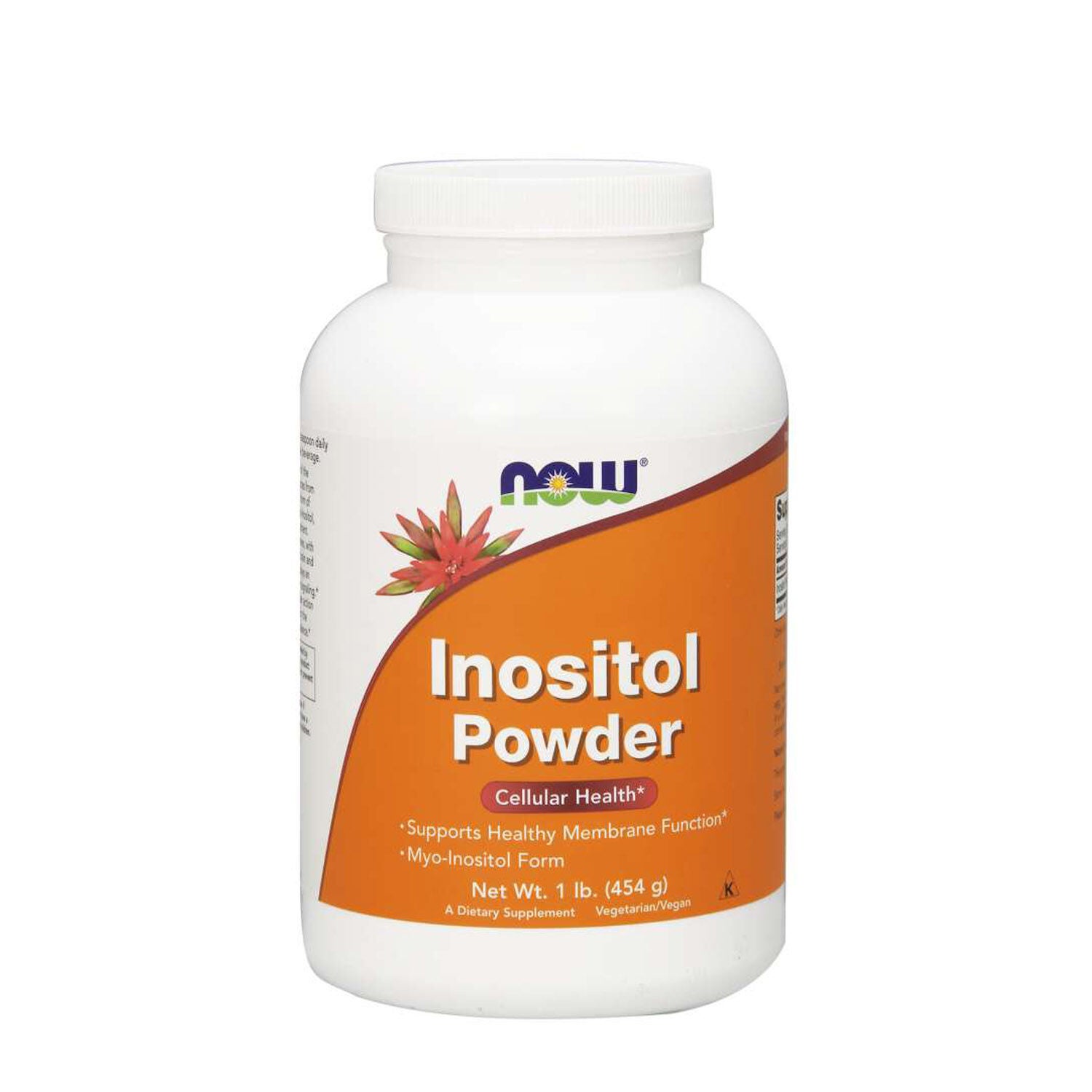
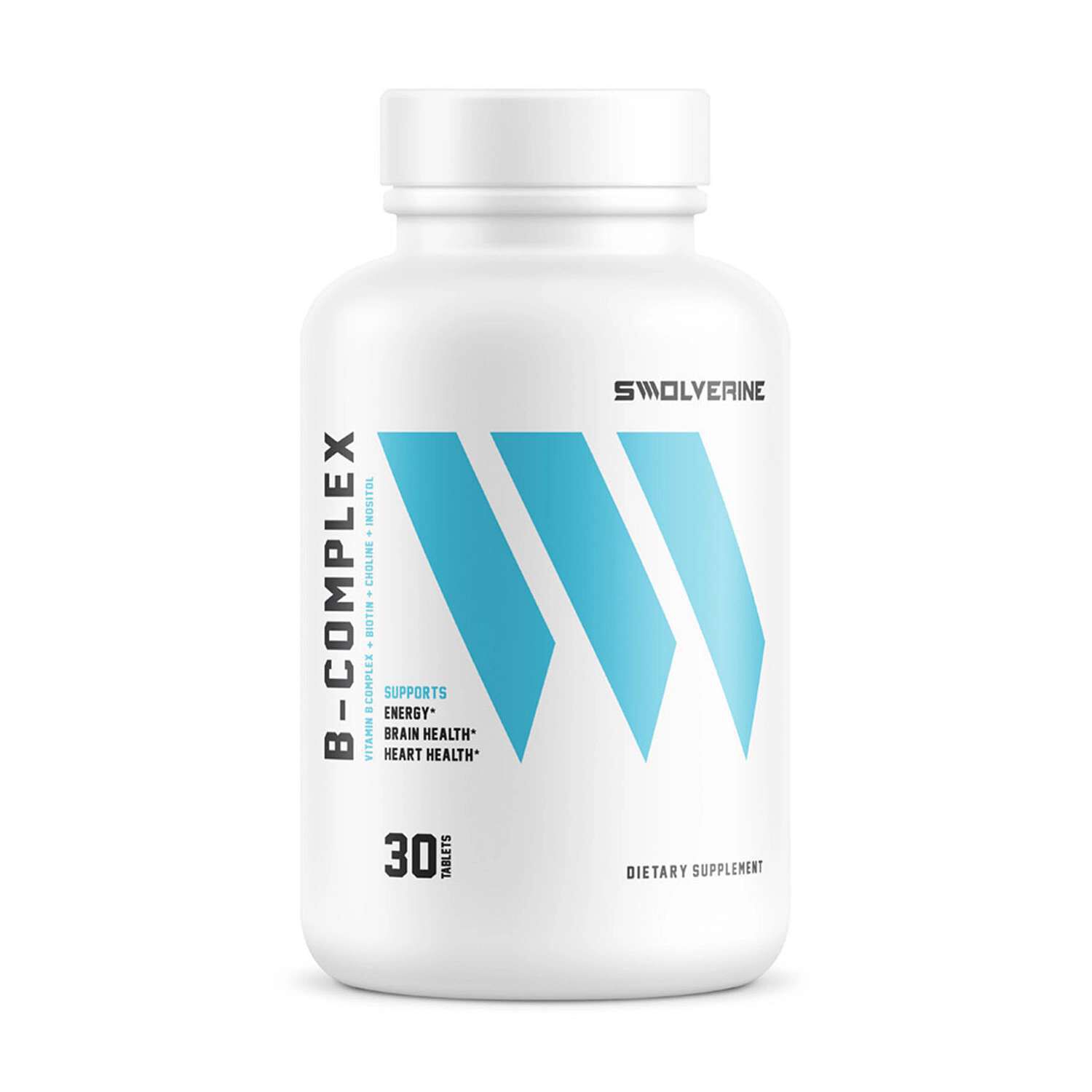

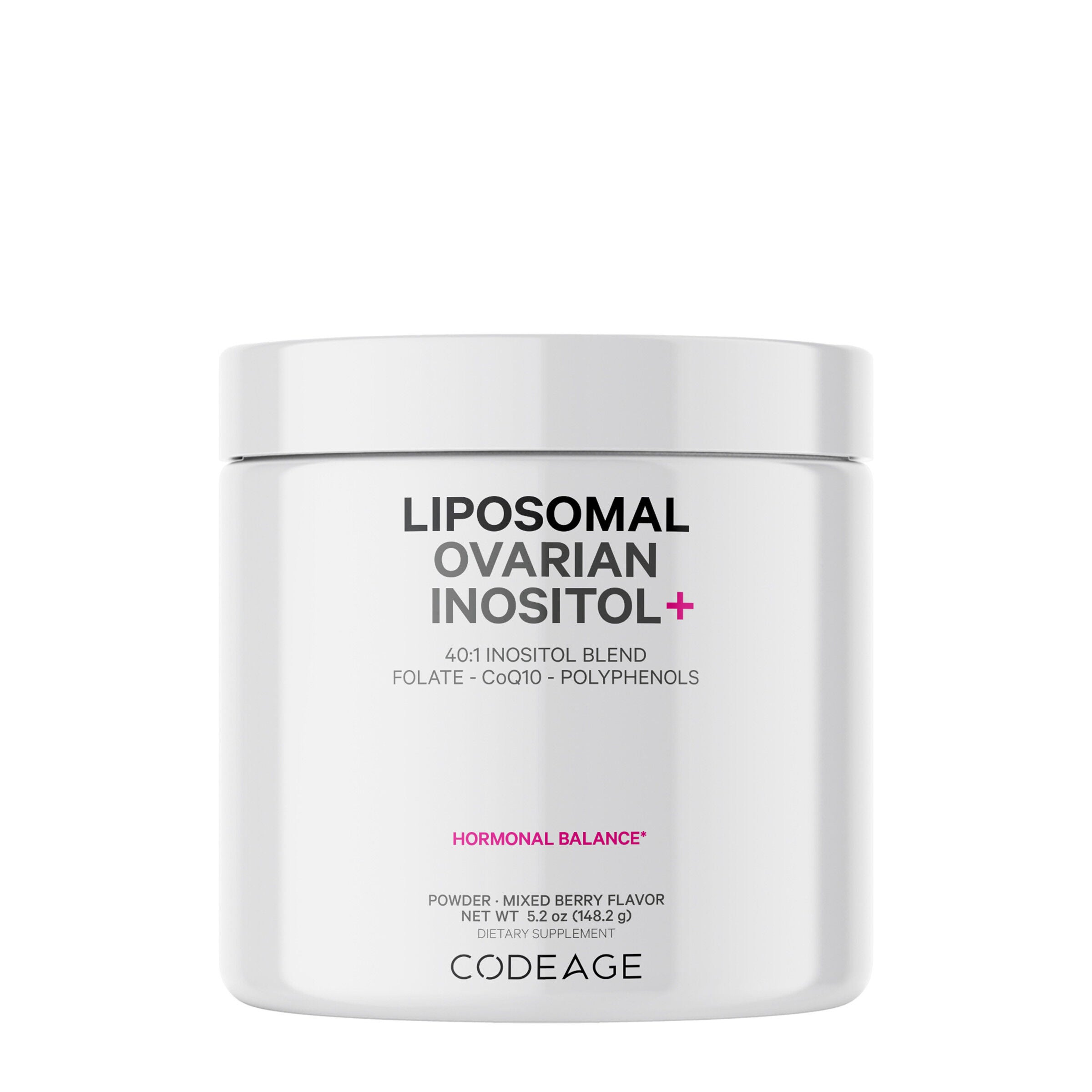

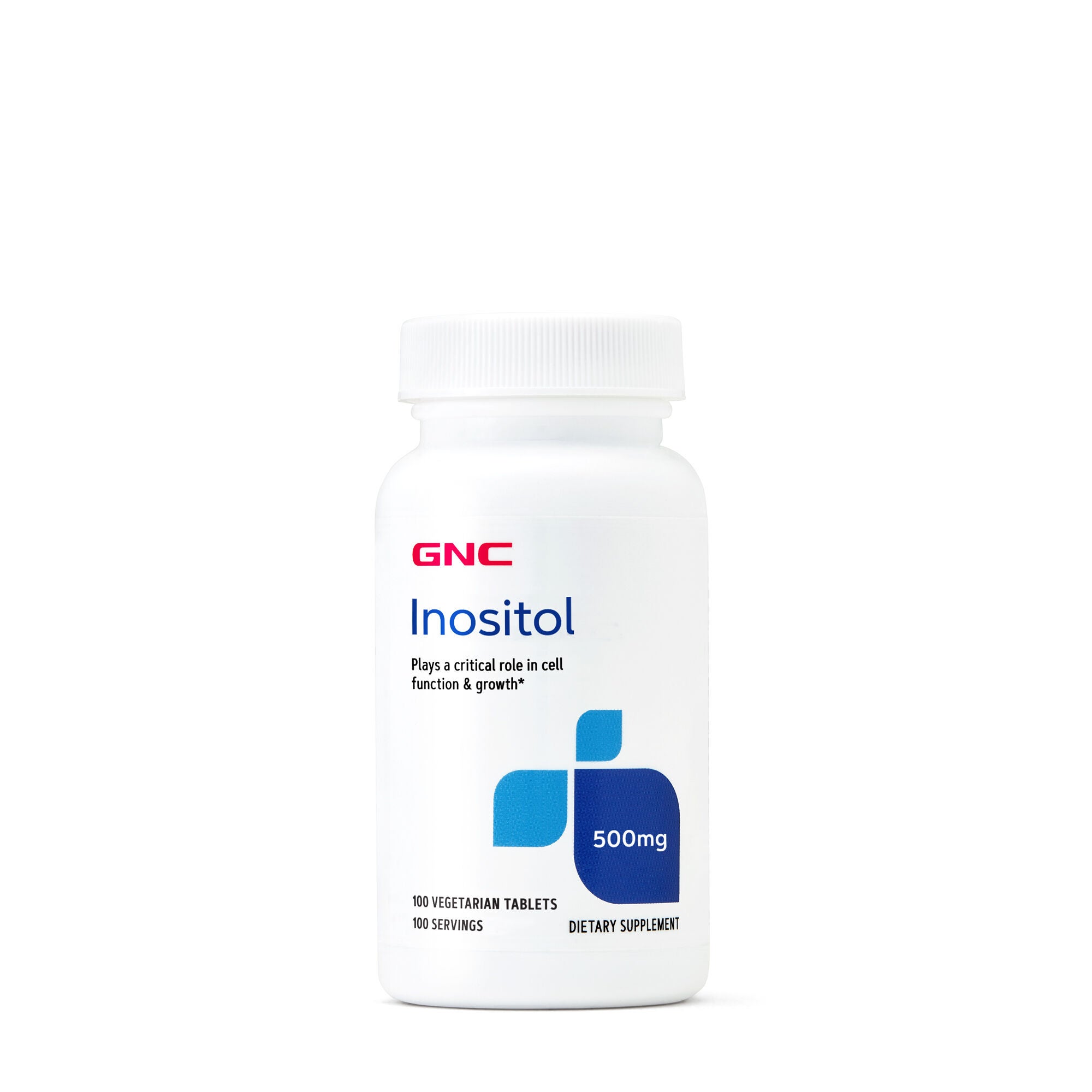


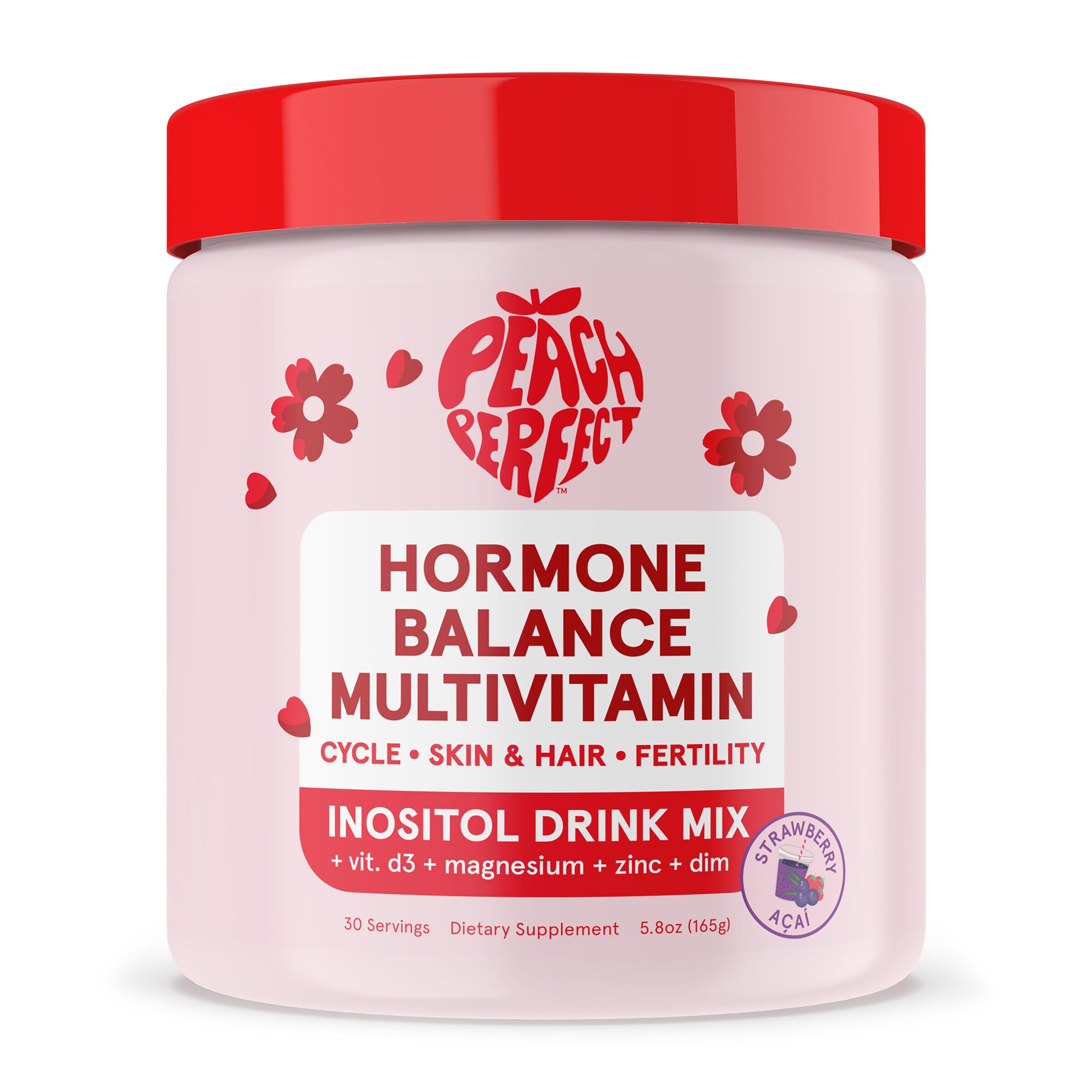
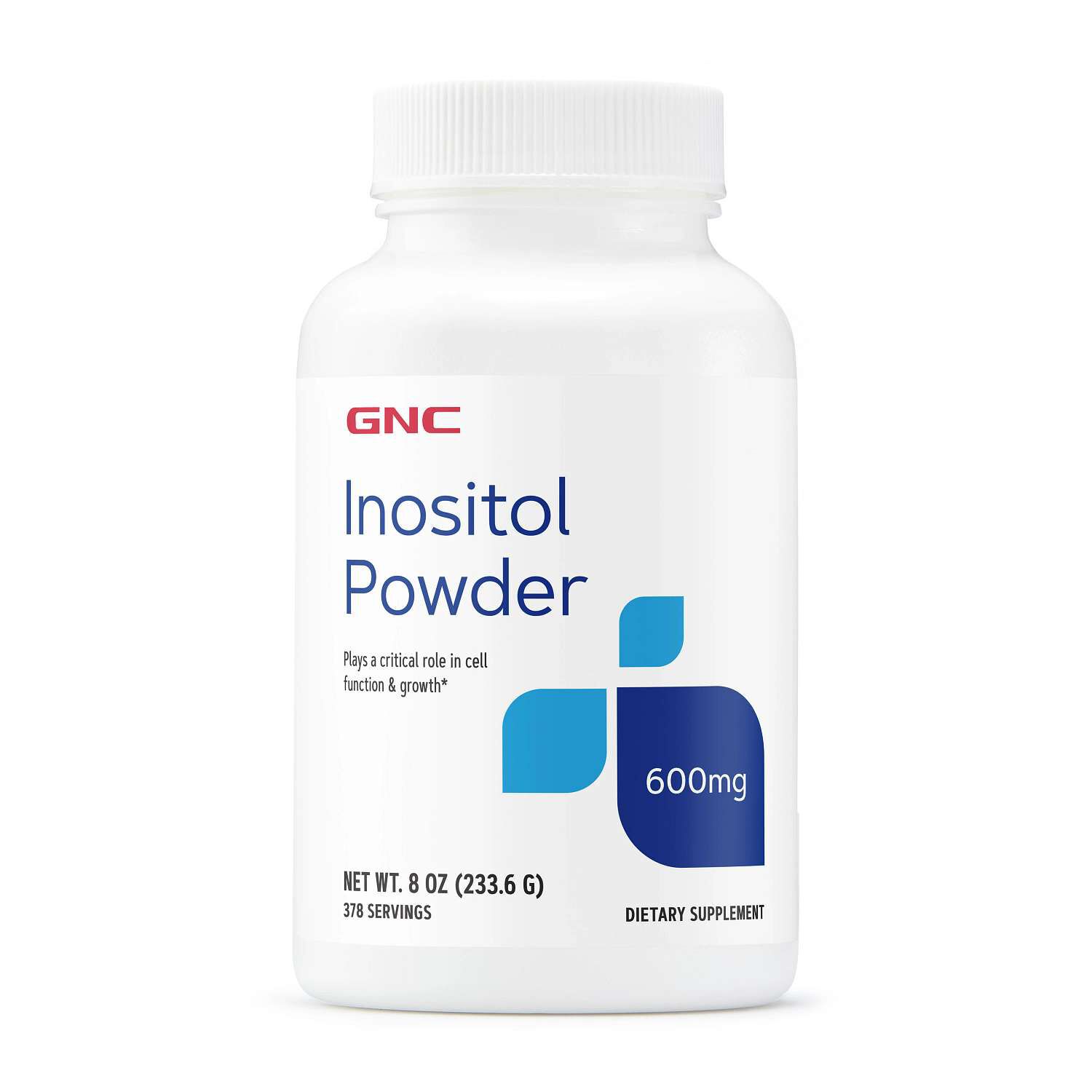
Inositol supplements with natural ingredients appeal to shoppers who want a clearly described formula and a closer look at what goes into each serving. Inositol is a carbohydrate compound that occurs naturally in foods such as fruits, beans, grains, and nuts, and the body also produces it. Although it is sometimes associated with the B-vitamin family, it is not classified as a vitamin. In supplement formulas, myo-inositol and D-chiro-inositol are two forms shoppers may encounter, either individually or together. These names identify different forms of the ingredient, not different capsule materials or flavors. A formula labeled with a 40:1 ratio contains forty parts myo-inositol to one part D-chiro-inositol; the ratio describes the relative amounts, while the Supplement Facts panel provides the quantity per serving. Reading both pieces of information gives a more useful picture than looking at a ratio alone. The phrase “natural ingredients” also deserves a closer look because it does not, by itself, explain an ingredient’s source, processing, or testing. Naturally occurring inositol and the inositol used in a supplement are related concepts, but a label should not be assumed to describe a whole-food extract unless it actually says so. Ingredient sourcing information can help distinguish a formula made with a documented plant-derived ingredient from one whose origin is not specified. For adults comparing options, the most useful details are often straightforward: the form of inositol, the amount in a serving, the number of capsules or tablets in that serving, and any additional ingredients. A single-ingredient powder has a different composition from a blend containing vitamins or other nutrients, even when both feature inositol prominently. Neither a short ingredient list nor a plant-derived capsule shell tells the entire story. Clear labeling makes it easier to understand the formula without relying on broad descriptions such as “pure” or “clean.” That distinction matters when the goal is to choose a supplement that aligns with personal ingredient preferences and an established daily routine.
Format is another practical part of comparing inositol supplements with natural ingredients. Capsules may suit someone who prefers a premeasured format without mixing a drink, while powders may appeal to someone who already keeps a glass and measuring tools near the breakfast table. Tablets offer another premeasured option, although their size, shape, and coating can differ from those of capsules. The serving information matters here: one capsule or tablet is not necessarily one serving, and a powder scoop should be interpreted according to the directions on its label. Capsule shells may be made from plant-derived cellulose or gelatin, so shoppers with vegetarian or vegan preferences can look beyond the featured ingredient to the shell itself. Tablets often include ingredients that help hold their shape, and powders may contain flavorings, sweeteners, or ingredients added to help them flow evenly. These additions have different purposes, making the Other Ingredients section worth reading alongside the Supplement Facts panel. An unflavored powder is not necessarily a single-ingredient powder, and a plant-derived capsule does not automatically establish the sourcing of everything inside it. Some inositol powders may have a mildly sweet taste, but the finished flavor depends on the entire formula and the food or beverage used for preparation. For someone who prefers a familiar morning drink, preparation directions can clarify whether a powder is intended for that use. Shoppers avoiding particular food ingredients can also check allergen statements and any information about shared manufacturing facilities rather than making assumptions from the front label. When independent testing or certification is described, the details are more informative than a badge alone. Testing may address ingredient identity, amounts, or selected contaminants, while a dietary certification may address a different part of the formula or manufacturing process. A clearly explained testing scope helps shoppers understand what was evaluated. The same careful reading applies to sourcing language: “plant-derived,” “organic,” and “non-GMO” describe different attributes and should not be treated as interchangeable descriptions.
The best fit for a daily routine often comes down to ordinary details that are easy to overlook while comparing ingredient names. A person who carries supplements between home and an office may prefer a securely closed bottle with a readable label, while someone preparing a powder at a kitchen counter may care more about the opening, closure, and measuring instructions. Package size should be considered alongside the number of servings, not just the amount of powder or the capsule count printed on the front. Comparing amounts in the same units can also make labels easier to interpret: one gram equals 1,000 milligrams, but that conversion does not change the serving directions. If a formula combines myo-inositol and D-chiro-inositol, check whether the panel lists their amounts separately or describes them as a blend. Additional nutrients deserve the same attention, especially when comparing a focused inositol formula with a multi-ingredient supplement. Keeping the original container preserves access to directions, ingredient information, lot details, and the printed date. For storage, follow the package instructions and choose a location away from moisture and direct sunlight rather than a windowsill or the edge of a sink. A securely closed lid and a dry measuring utensil may help keep a powder in its intended condition. Capsules and tablets also belong in the storage conditions stated on their labels, regardless of whether their ingredients are described as natural. These practical considerations support a more thoughtful comparison without turning a long ingredient list, an attractive package, or a particular ratio into a shortcut for judging a formula. For another related collection, Inositol Supplements For Healthy Glucose Metabolism offers a separate browsing path. Across inositol supplements, a useful comparison stays grounded in what the label actually describes: ingredient identity, documented sourcing, serving size, additional components, preparation, and storage. A formula that matches those preferences may be a more practical addition to an existing routine than one selected solely for a broad front-label description.