





Intra-Workout Carbohydrate Powders
(0 Results)
Explore intra-workout carbs in powder and drink-mix formats for your training routine. Compare carbohydrate-focused formulas with blends that include electrolytes, and review flavor options and nutrition details to narrow your choices.
-
.jpg?sw=305&sh=305&sm=fit "Demo Day Carbohydrate Power - Big Cherries (30 Servings) | GNC")
-
-

-

-
 Axe & Sledge Supplements$39.99
-

-
 Axe & Sledge Supplements$39.99
-
 $34.99
-
 Raw Nutrition$34.99
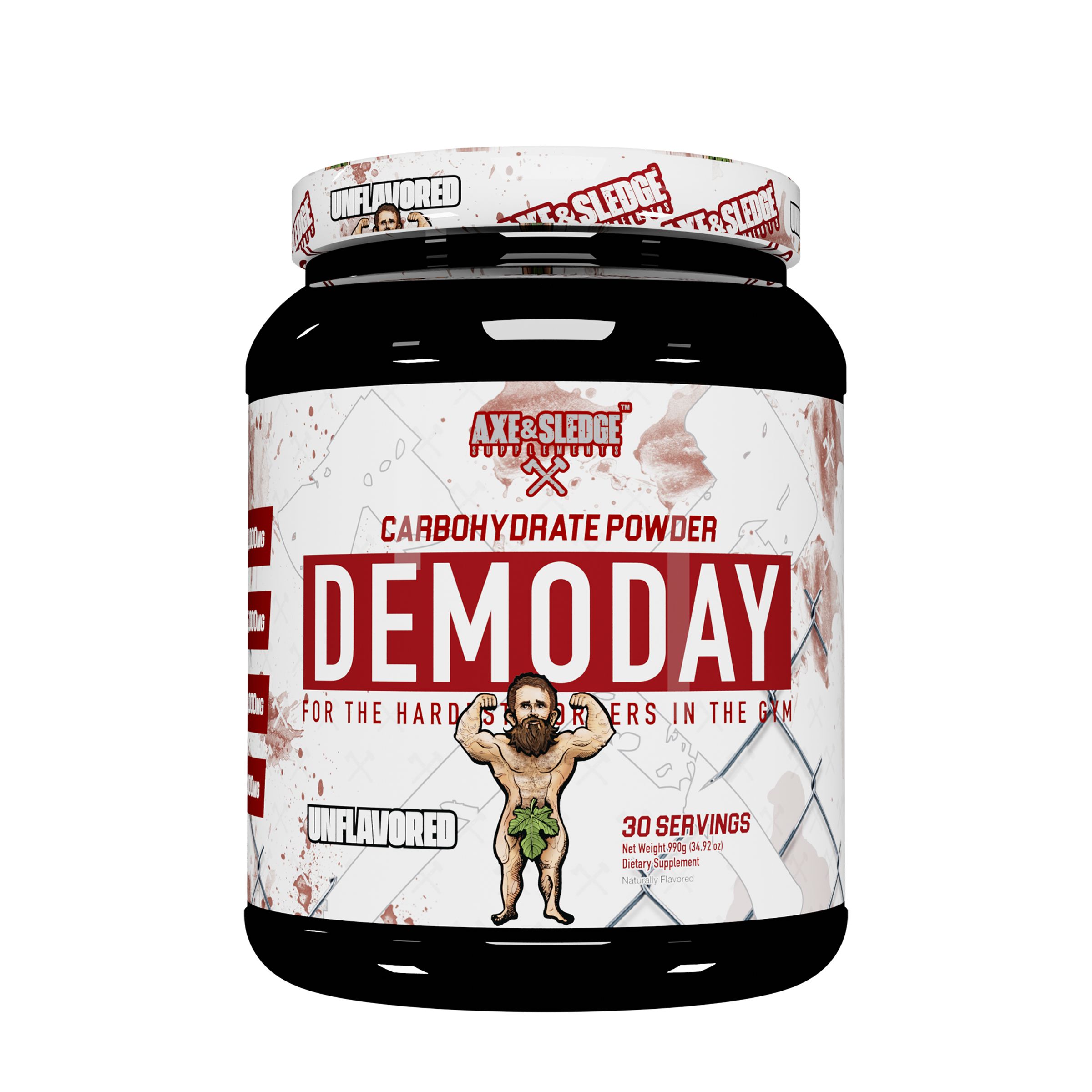
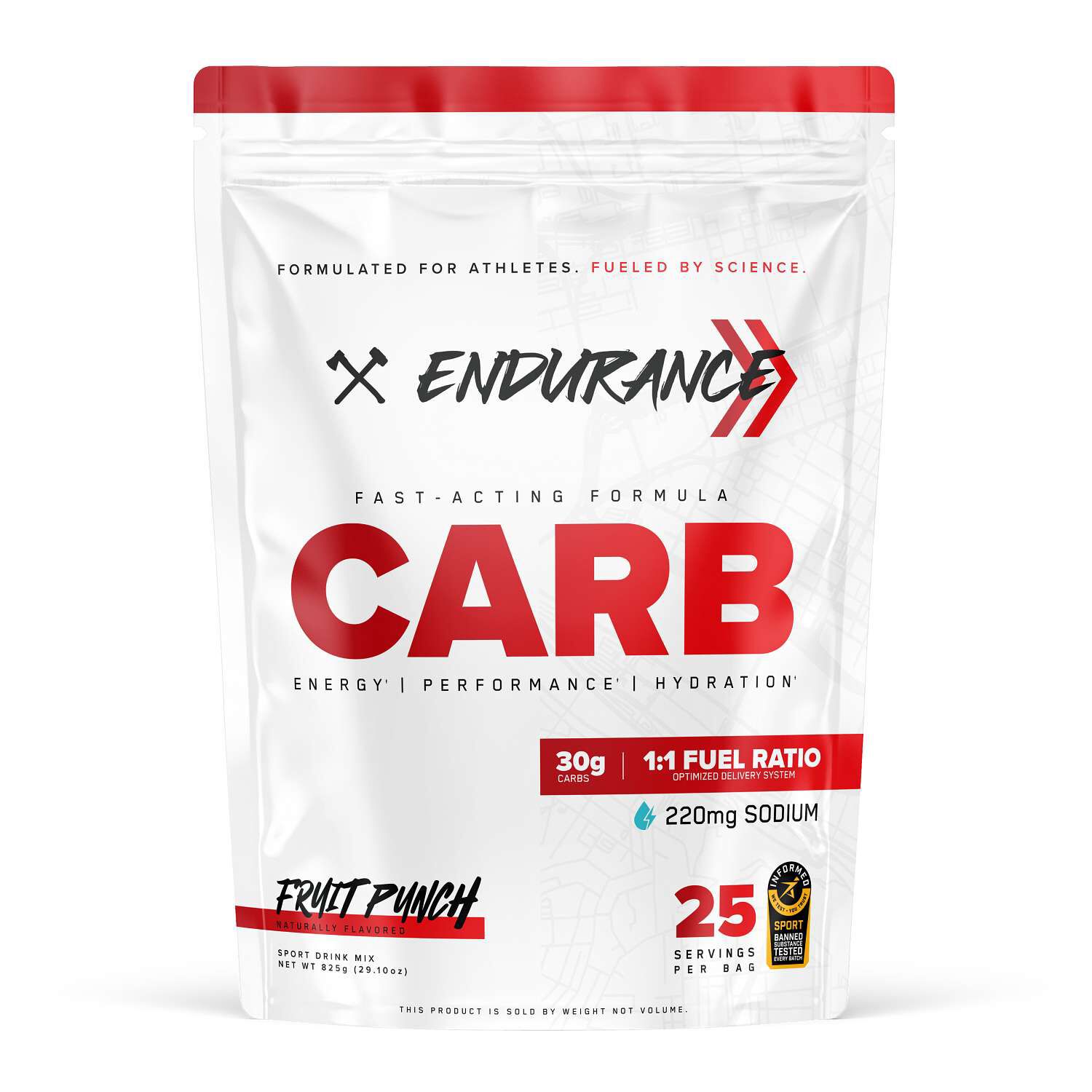
Intra-workout carbohydrate powders are drink mixes designed for use during exercise. Mixed with water, they may offer a convenient way to take in carbohydrates when stopping for a snack would interrupt the session. The name describes when the mix is intended to be used, rather than a particular ingredient or flavor. A pre-workout mix is intended for the time before exercise, while a post-workout mix is intended for afterward. With an intra-workout drink, the bottle stays in reach: clipped into a bike cage on a long ride, tucked into a running vest, or set beside a bench during a lifting session with several blocks of work. A runner planning time on familiar loops might carry a smaller bottle and refill it between laps, while an indoor cyclist could keep a larger bottle within arm’s reach for the whole ride. Session length is one part of the picture, but so are the structure of the workout and the chances to pause. A brief gym visit with plenty of time between sets calls for a different setup than a long training block that moves from one interval to the next. Some people prefer water for shorter workouts and reserve a carbohydrate drink for outings or sessions where they already plan to have a source of carbs along the way. Others alternate between a bottle of plain water and a bottle of mixed powder because they prefer to keep the two separate. The practical appeal of the format is that the drink fits into a bottle already suited to the activity, whether that means a squeeze bottle that can be opened with one hand or a shaker with a lid that closes between sets. The choice often comes down to what is easy to carry, open, and sip without breaking stride or stepping away from the workout.
Carbohydrate powders can differ in their ingredient sources, how sweet they taste, and how much water the label calls for. Dextrose is another name for glucose, a simple sugar. Maltodextrin and highly branched cyclic dextrin are starch-derived carbohydrates, and some blends combine a glucose source with fructose. Formulas may also list electrolytes such as sodium and potassium, while others focus on carbohydrates alone. That distinction matters to someone who already brings a separate electrolyte drink or who prefers to carry a single mixed bottle. The nutrition label puts the ingredient list in context: grams of carbohydrate per serving describe the amount of carbs in the listed serving, while serving weight describes how much powder goes into the mix. Those numbers are not necessarily the same, and the number of scoops on its own does not tell much about how two formulas compare. Sugars are also only one part of the carbohydrate figure, so a starch-derived mix may show more grams of carbohydrate than grams of sugar. Water volume is another detail worth comparing, especially when a bottle has to fit into a running vest pocket or a bike cage. A mix intended for a larger bottle may taste stronger than expected when prepared with less water. Flavor is personal, and a drink that tastes good in a few sips at the kitchen counter might feel too sweet over a long session. Flavored varieties also differ in whether the taste is tart or mellow, while an unflavored powder may suit someone who would rather start with a less noticeable taste. How the drink comes together is part of the experience, too. Fine powder may disperse differently depending on the formula and how much room the bottle leaves for shaking. A wide opening leaves more room to pour in the powder, while clear volume markings make it easier to match the amount of water listed on the label.
Packaging matters when the powder goes back and forth between a kitchen shelf and a gym bag. A rigid tub holds its shape and offers a broad opening for a scoop, while a resealable pouch takes up less room as its contents are used. For either format, a dry scoop and a lid or seal closed firmly may help keep moisture out between uses. Storage directions belong to the powder’s label, and a bottle used for a mixed drink is easier to care for when the cap and spout can be washed as well as the main compartment. A clear bottle may make it easier to see powder that has settled after mixing, while a secure cap is particularly useful when the bottle travels next to a change of clothes. These small differences matter more when the same setup is used several times a week. A person who trains at a gym near home might mix a bottle before leaving, while someone who goes straight from work to a group ride may prefer to carry the dry powder separately and add water closer to the start. As a gift, an intra-workout carb powder may suit a training partner who already uses drink mixes and has a known preference for a certain flavor or a short ingredient list. For a broader look at powdered carbohydrate formulas beyond those intended for sipping during exercise, browse High Carb Powders. Within the intra-workout category, the differences that stand out on the label often come back to how the mix fits the session: the carbohydrate source, any added electrolytes, the amount of water it calls for, and whether the finished drink is something the person carrying it will want to sip from the opening minutes to the last stretch.
- Q: What does intra-workout mean?
A: Intra-workout refers to the period during exercise. For carbohydrate powders, the term describes an intended time of use; each product label provides its own preparation and use directions. - Q: Are carbohydrate grams and sugar grams the same thing?
A: No. Sugars are one type of carbohydrate, while starches are another. Read both entries on the nutrition panel rather than using the sugar amount alone to compare carbohydrate powders. - Q: How do carbohydrate powders differ from electrolyte powders?
A: Carbohydrate powders focus on carbohydrate ingredients, while electrolyte powders focus on minerals such as sodium. Some drink mixes combine both, so compare the carbohydrate and mineral amounts listed on each label. - Q: Does unflavored mean a carbohydrate powder has no taste?
A: Not necessarily. The underlying ingredients may contribute sweetness or other taste notes even without an added flavor. Review the ingredient list and flavor description rather than treating unflavored as a description of every aspect of taste. - Q: What packaging formats are used for carbohydrate powders?
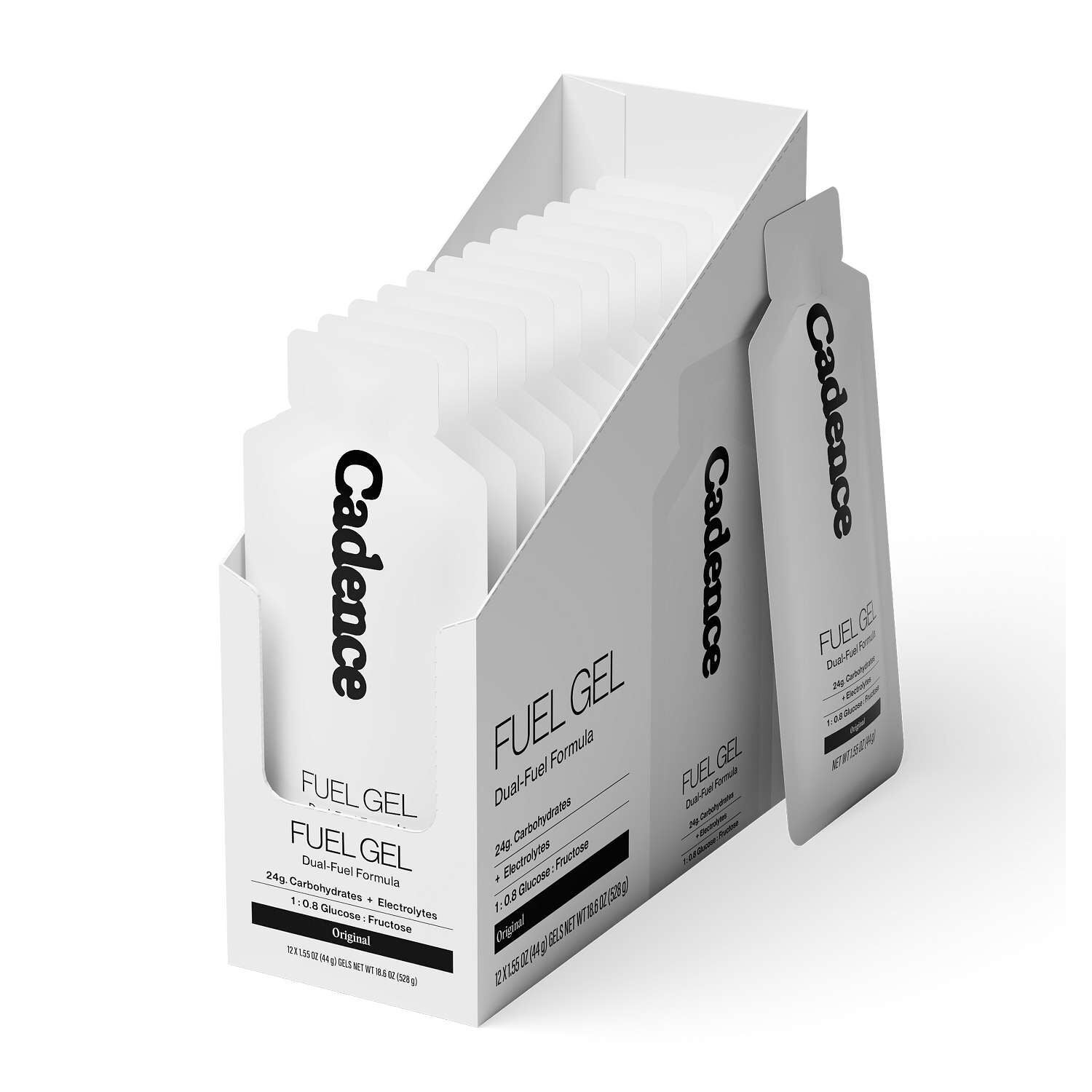
A: Formats include scoopable containers and individual packets. Consider whether you prefer measuring powder from a container or carrying packets to training, and check the preparation instructions for each format.
Best Sellers
-
 Cadence
-
 Raw Nutrition
Related Pages


Top Collections
- Chronic Fatigue Supplements
- Active Supplements
- Zinc Supplements For Men
- Supplements For Yoga Joint Flexibility
- Zinc Supplements | Top Brands at Great Prices | GNC
- Vitamins For Hair Loss
- Joint Mobility Supplement Packs
- Capsule Supplements For Energy And Stamina
- Supplements For Anxiety Relief Support
- Adult Vitamins