





Intra-Workout Supplements
(0 Results)
Elevate your fitness routine with intra-workout supplements, designed to support your performance and endurance during those intense training sessions. These specially formulated products could help keep you energized and focused, potentially enhancing your workout experience. Whether you're aiming to push through a plateau or simply seeking that extra edge, incorporating intra-workout supplements into your regimen may be the key to unlocking new personal best performances. Explore a variety of options tailored to meet diverse fitness goals and discover how these supplements might transform your workouts.
-

-

-
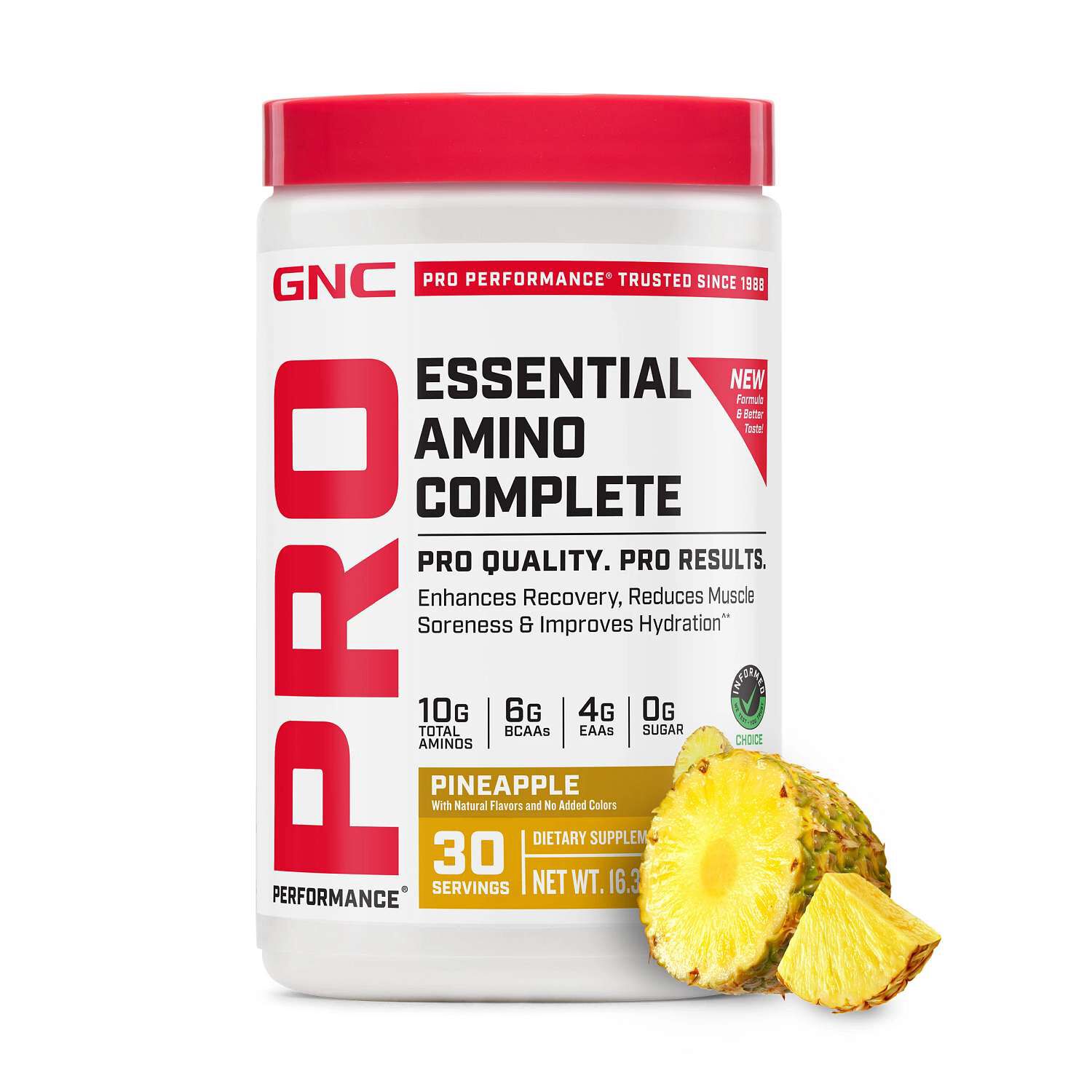
 GNC Pro Performance19$39.99
-

-
 $59.99
-
 $59.99
-

-
-

-

-

-

-
-

-
 Angry Supplements$24.99
-

-

-
-
-
-



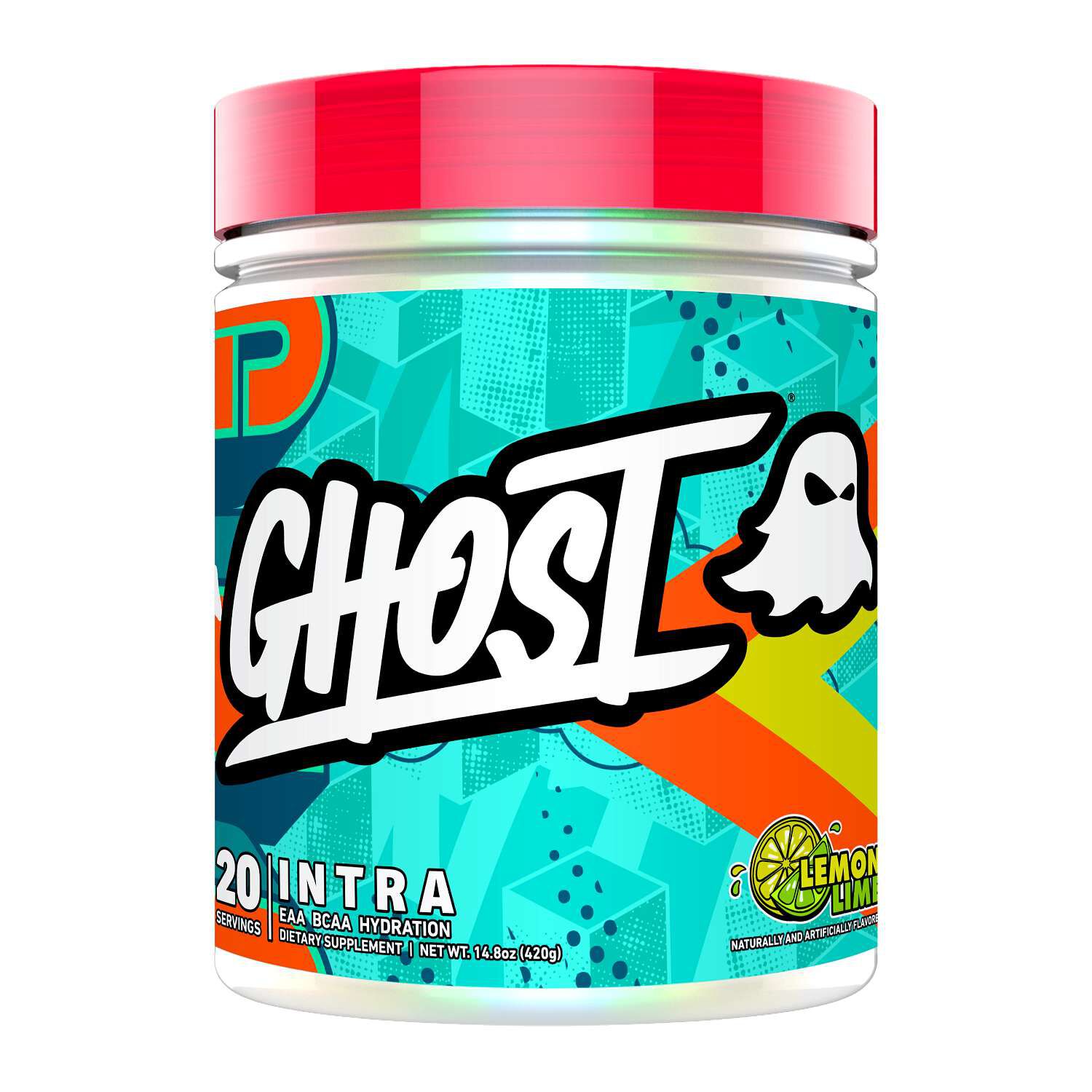
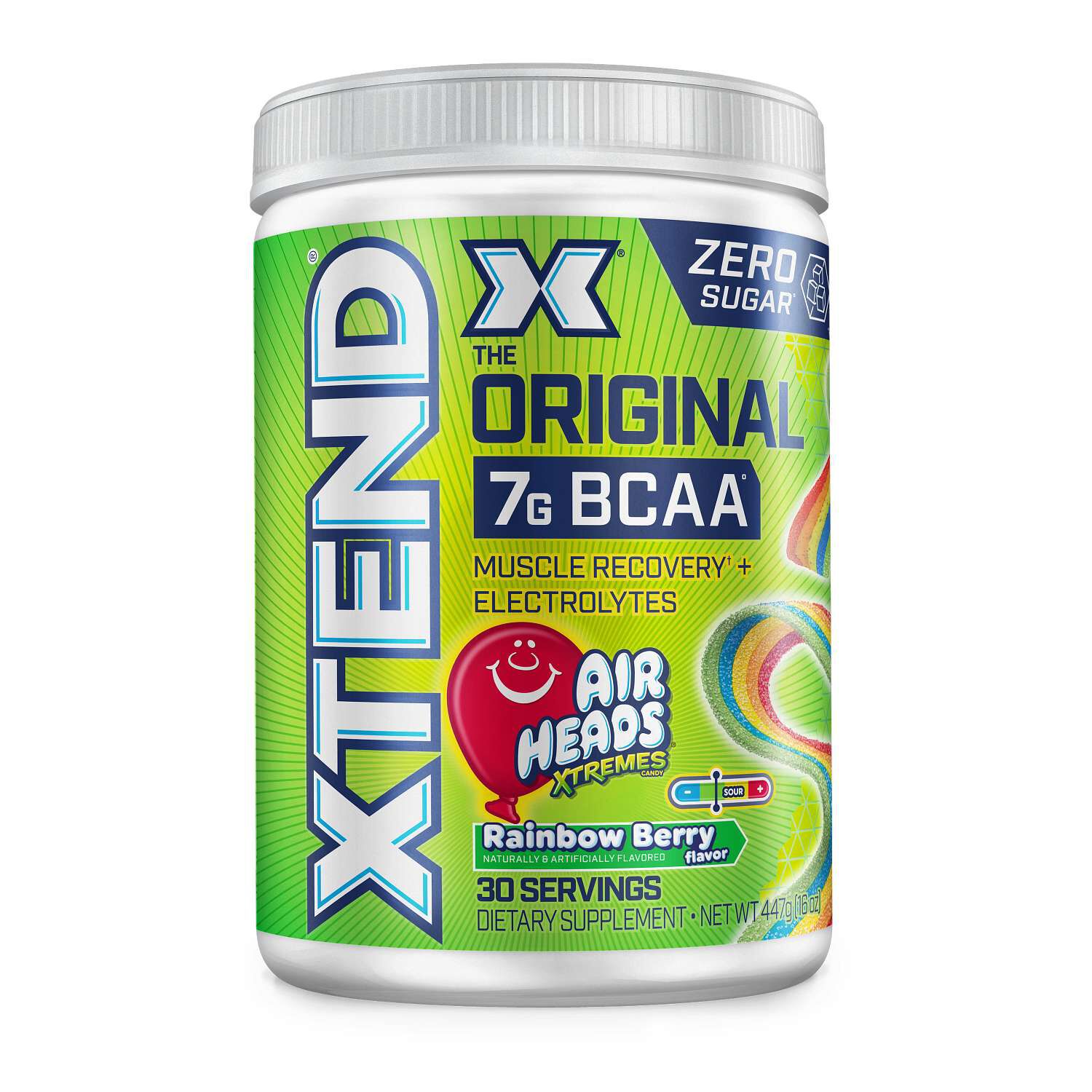
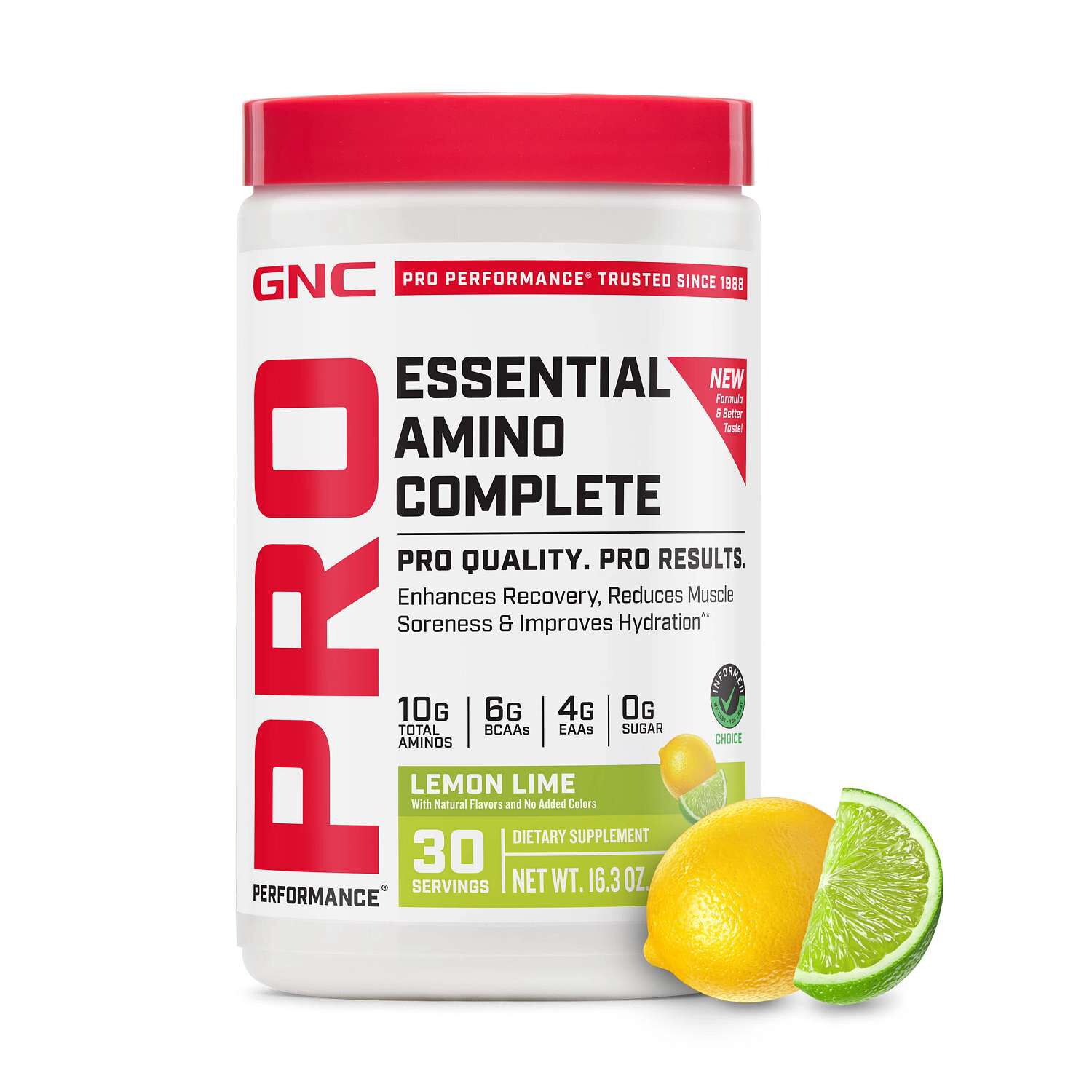
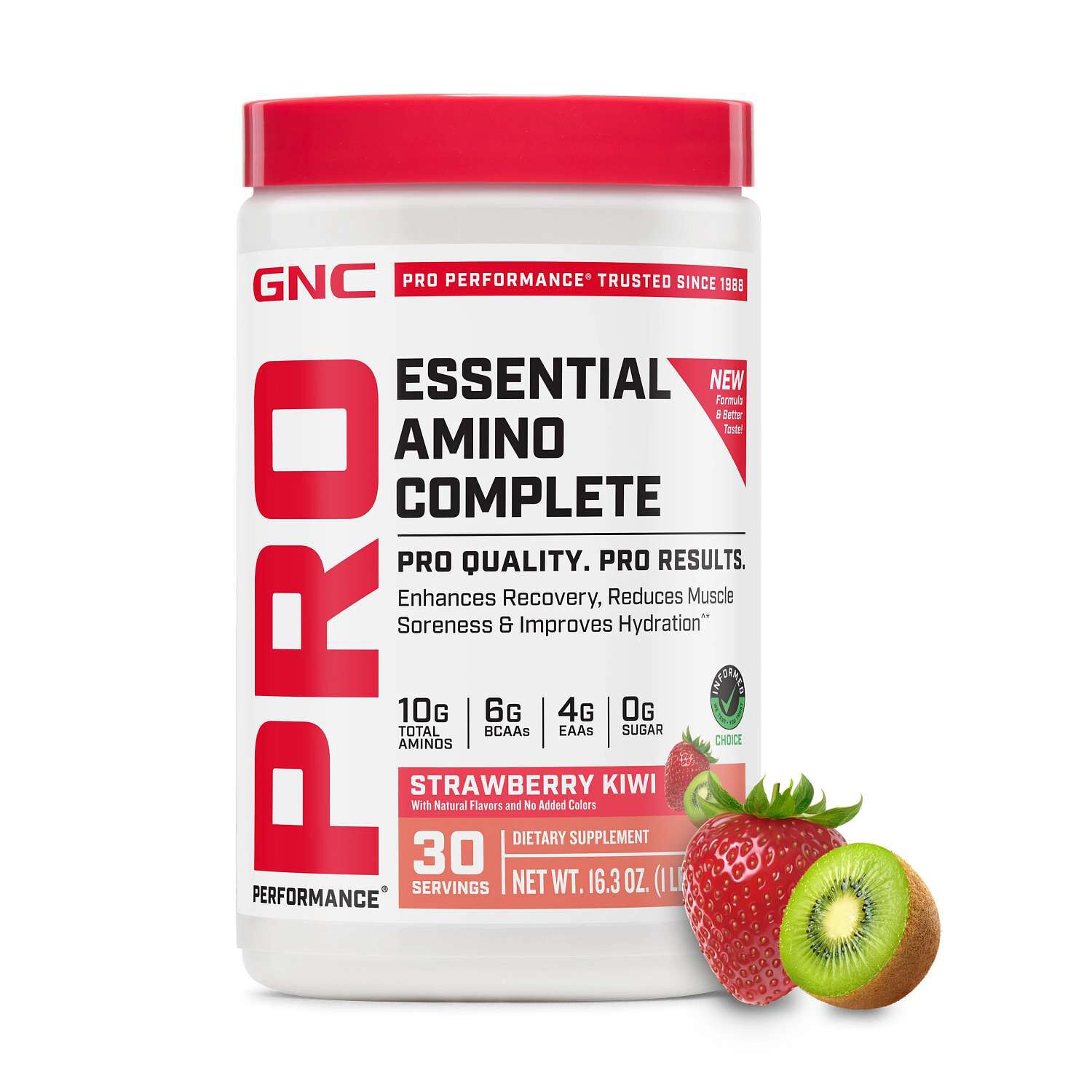
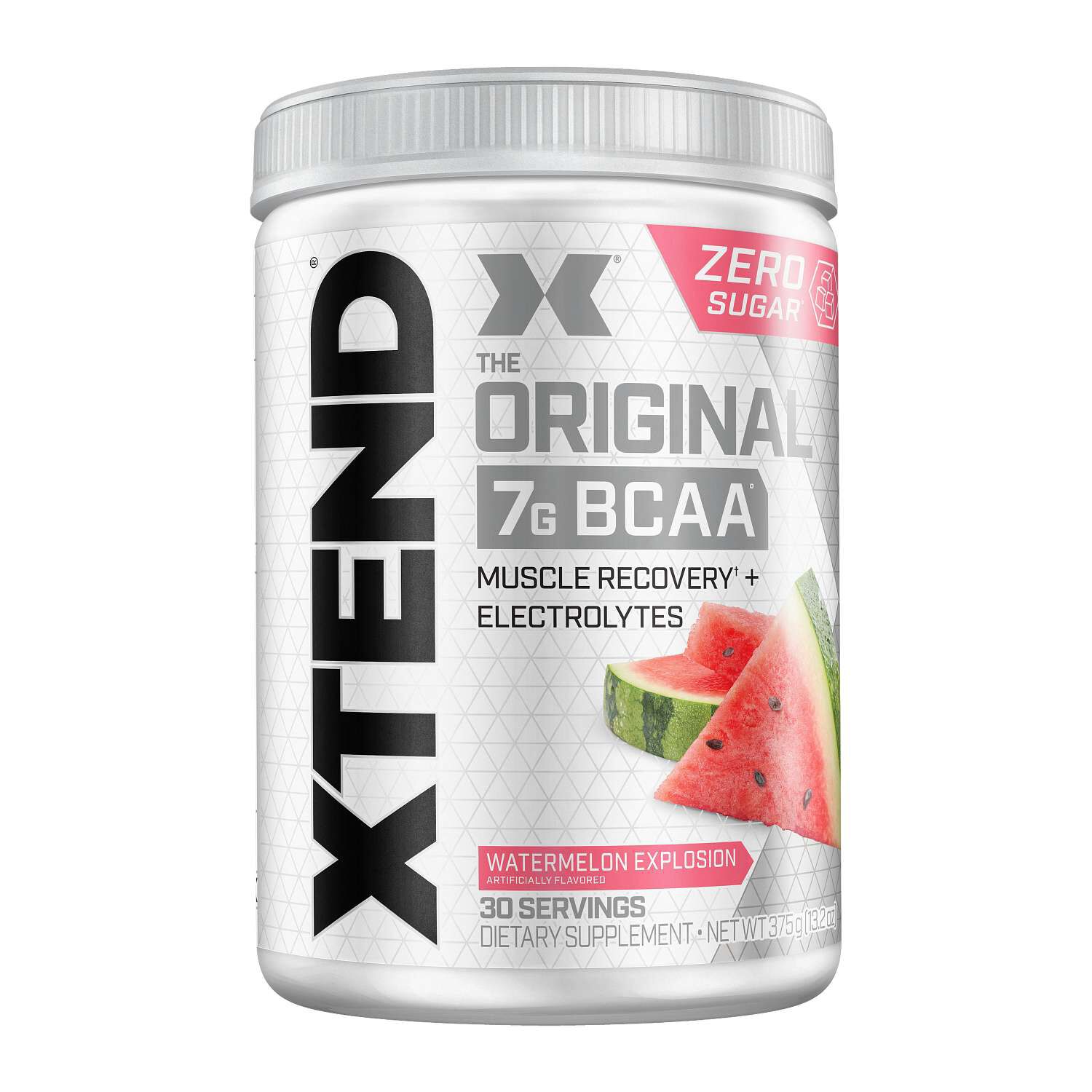
Intra-workout supplements are formulas intended for use during exercise, commonly mixed with water and sipped throughout a training session. Unlike pre-workout supplements, which are intended for use before training, or post-workout nutrition, which fits after exercise, this category centers on what goes into the bottle during the workout itself. Common ingredients include electrolytes, carbohydrates, amino acids, or combinations of these ingredients. Each formula has a different nutritional profile, so two powders with similar flavors can serve different purposes. Electrolytes such as sodium, potassium, and magnesium are minerals found in body fluids, including sweat; formulas containing them may support hydration during exercise. Carbohydrate ingredients, including dextrose and cyclic dextrin, may provide energy during sustained activity. Amino acid blends bring another ingredient profile to the category, with amounts and combinations that vary by formula. Longer cycling sessions, extended strength workouts, and endurance training are common settings for intra-workout drinks, particularly when exercise continues beyond about 60 to 90 minutes. That timeframe is context rather than a universal cutoff: workout intensity, opportunities to eat, individual preferences, and the rest of the day’s nutrition all matter. Someone moving through a brief lifting session after a meal has a different routine from a cyclist spending several hours on the road. Water may be sufficient for many shorter sessions, while a drink with carbohydrates or electrolytes could have a more specific role during longer efforts. The distinction is not simply between casual and experienced exercisers. It is between different demands, schedules, and ways of fueling activity. A recreational runner preparing for a longer-distance event might compare carbohydrate content, while a strength-training enthusiast might focus on an amino acid blend that fits an existing nutrition routine. Intra-workout nutrition is best understood as a category with several approaches rather than one standard drink for every person or every session. Serving size, ingredient amounts, and intended use provide more meaningful points of comparison than a flavor name or a long ingredient list.
The ingredient panel is where those differences become clearer. An electrolyte-focused powder might contain little carbohydrate, while a carbohydrate-focused formula can contribute a substantial amount per serving. A combination formula can contain both, sometimes alongside amino acids and flavoring ingredients. Sodium, potassium, and magnesium amounts deserve individual attention because the presence of an electrolyte blend does not mean every formula contains the same proportions. Comparing intra-workout drinks with Workout Supplements With Electrolyte Complex provides another way to explore mineral-focused formulas alongside broader workout-nutrition blends. For amino acid formulas, familiar label names include leucine, isoleucine, and valine, often grouped as branched-chain amino acids, or BCAAs. Other blends contain a wider selection of amino acids. These are components of dietary protein, but an amino acid drink is not interchangeable with a meal or a serving of protein-rich food. Its place in a routine depends on what else that routine includes. Carbohydrate sources also differ: dextrose, maltodextrin, and cyclic dextrin are examples that may appear on labels, and the grams per serving matter more than the length of the ingredient name. A formula with a small amount of carbohydrate should not be assumed to serve the same purpose as one built primarily around carbohydrate intake. Some blends also contain caffeine, which is worth noting when pre-workout drinks, coffee, or other caffeinated beverages are already part of the day. Flavor, sweeteners, and the recommended amount of water round out the comparison. A lightly flavored drink could be more appealing for repeated sips during a long session, while someone accustomed to a stronger taste might prefer a more pronounced fruit flavor. Label directions establish the intended mixing ratio; adding extra powder changes both the taste and the ingredient amounts in the bottle. Serving sizes also differ between formulas, making scoop-for-scoop comparisons less useful than comparing the listed amounts per serving. A clearly stated ingredient panel makes those distinctions easier to understand without relying on broad front-label descriptions.
Format and everyday handling matter, too, especially when the same bottle moves from a gym bag to a weight-room bench or a bicycle bottle cage. Powdered intra-workout supplements are commonly measured from a larger container or packaged in individual portions. A larger container suits a routine built around mixing a drink before leaving home, while a portioned packet may be convenient for a training bag or an event-day kit. The right fit is practical: the labeled serving needs to work with the amount of water and bottle capacity planned for the session. A small shaker filled to the rim leaves less room for mixing than a larger bottle, and a narrow bottle opening can make pouring powder awkward. Secure lids, readable volume markings, and a bottle shape that fits the intended holder are useful details when pairing drink mixes with training equipment. Texture is another consideration. Some formulas produce a clear-looking drink, while others look cloudy or leave sediment after standing; appearance alone does not describe their nutritional purpose. Following the mixing directions and closing the bottle securely before shaking keeps preparation straightforward. Containers should be resealed after use, with powders stored according to their labels and scoops kept dry. Reusable bottles and shaker parts need regular cleaning according to their care instructions, including lids and seals where residue can collect. These details are particularly relevant for someone who trains away from home and cannot wash a bottle immediately after a session. Intended use should remain the main thread through every comparison. A drink for a long ride may call for a different carbohydrate profile than one carried between sets in the gym, and a formula that suits one person’s eating pattern may not suit another’s. Familiar flavors, clear serving information, manageable preparation, and ingredients that match the planned activity make the category easier to navigate. Intra-workout supplements may complement a considered training and nutrition routine, without taking the place of regular meals, water, or time for rest.
Best Sellers
Related Pages


Top Collections
- Joint Mobility Supplement Packs
- Daily Collagen Supplements | Top Brands & Deals | GNC
- GLP 1 Support For Adults
- Zinc Supplements | Top Brands at Great Prices | GNC
- Supplements For Yoga Joint Flexibility
- Supplements For Balance
- Capsule Supplements For Energy And Stamina
- Adult Mobility Supplements
- Chronic Fatigue Supplements
- Vitamins For Hair Loss