





Workout Supplements With Electrolyte Complex
(0 Results)
Workout supplements with electrolyte complex are a popular choice for those looking to support their hydration and performance goals. Whether you’re hitting the gym, heading out for a run, or taking on an intense training session, these supplements may help you stay refreshed and ready to tackle your next move. Explore a range of options that could fit seamlessly into your fitness routine and help you make the most of every workout.
-
-

-
-

-

-

-

-

-
-
-
 459$24.99
 -
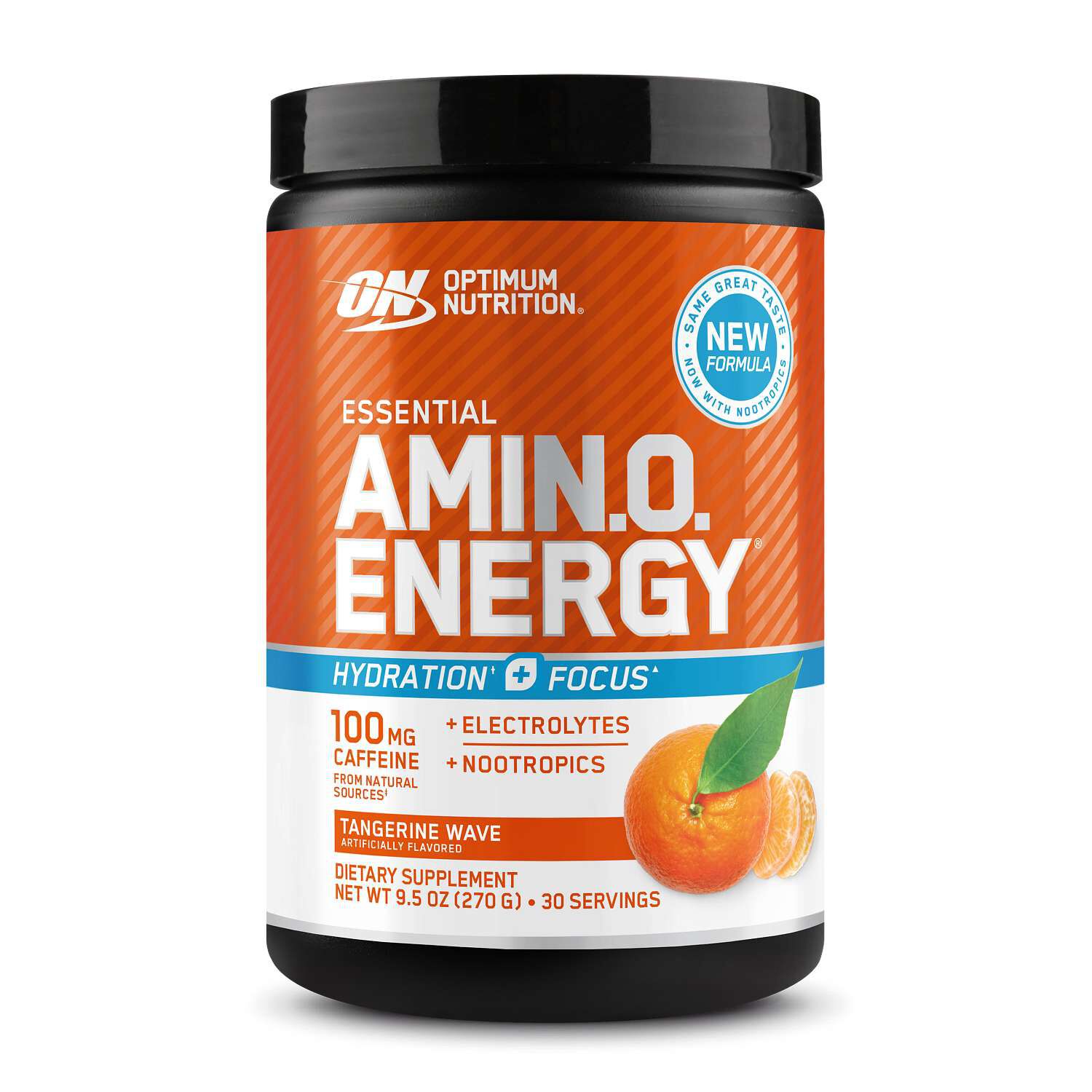
 Optimum Nutrition459$24.99
 -
-
-

-
-
-

-

-
-

-

-

-

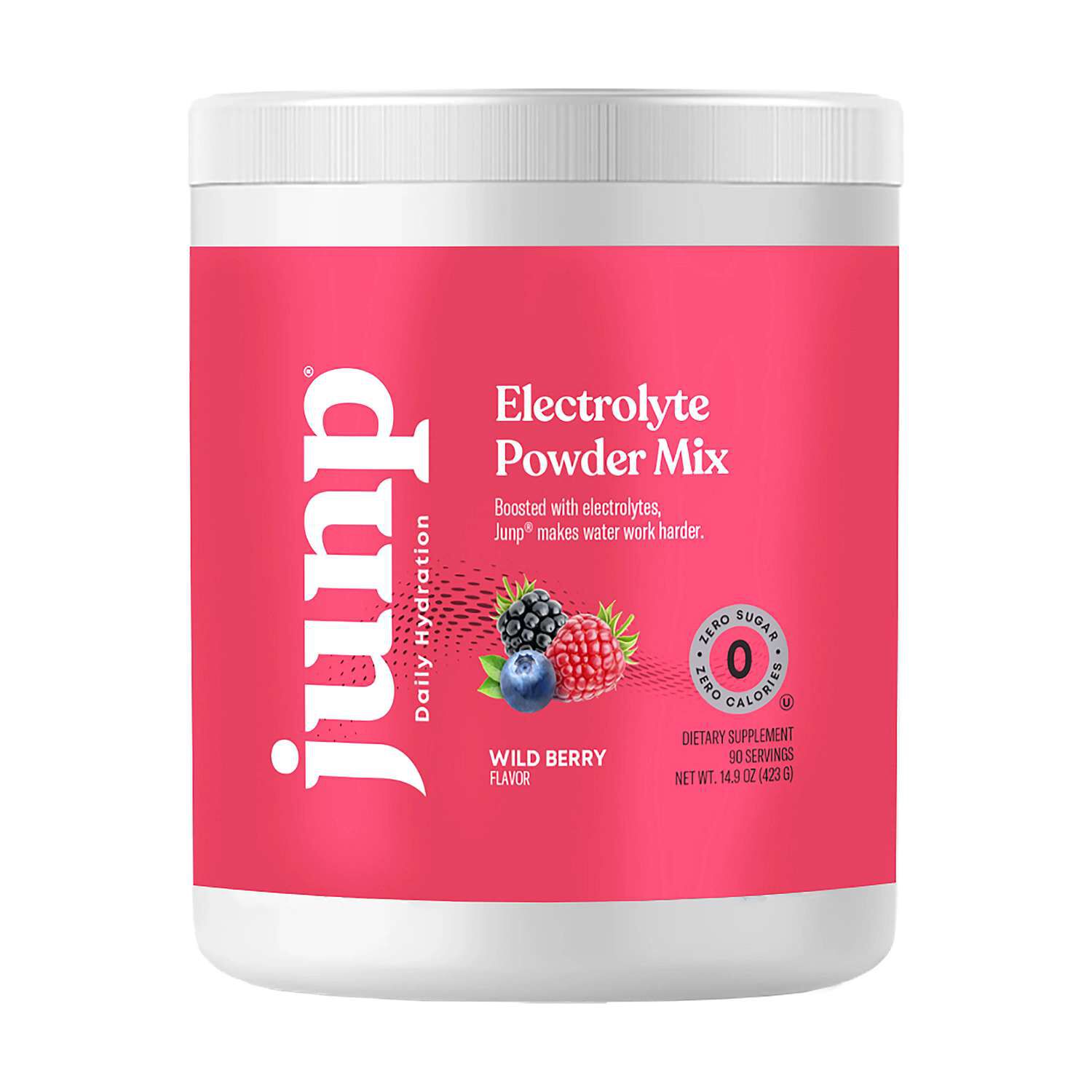
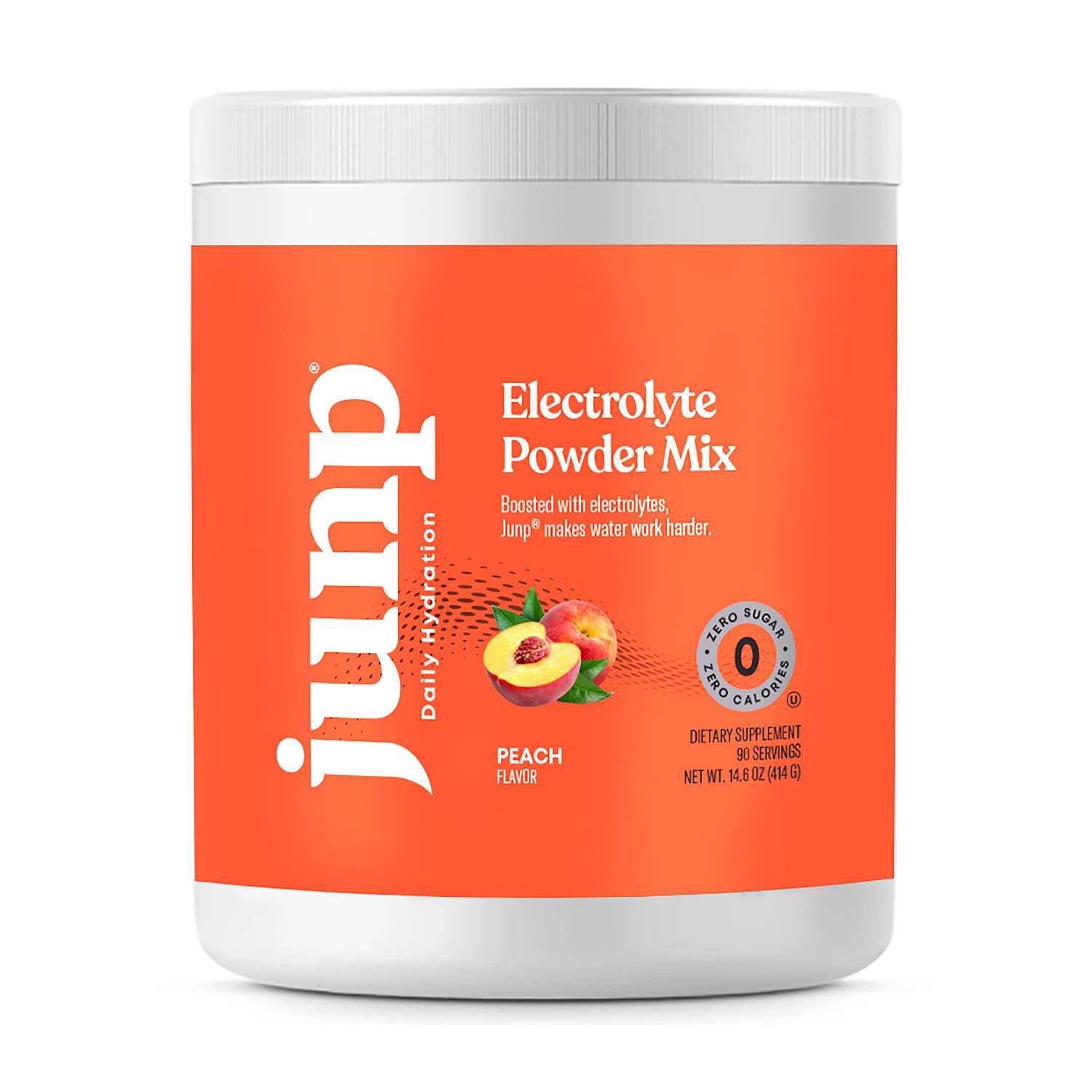
Workout supplements with an electrolyte complex combine minerals in formulas intended for use around exercise. An electrolyte complex generally refers to a blend of minerals such as sodium, potassium, magnesium, calcium, and chloride, although the exact combination and amounts vary by formula. These minerals occur naturally in the body, and sweat contains electrolytes, particularly sodium and chloride. Supplements containing an electrolyte blend may complement a hydration routine during activities that involve sweating, from a lively indoor cycling class to a long afternoon on the trail. The category includes straightforward mineral blends as well as workout formulas that pair electrolytes with carbohydrates, amino acids, caffeine, or other ingredients. That distinction matters: two containers with similar descriptions can have very different ingredient lists and intended uses. An electrolyte-focused drink mix might suit someone who wants a simple addition to a water bottle, while a broader workout formula could appeal to someone looking for several ingredients in one serving. Neither the phrase “electrolyte complex” nor the number of minerals listed tells the whole story. The amount of each mineral per serving, the serving size, and the preparation directions give a clearer picture of what a formula contains. Sodium and potassium are familiar names on these labels; magnesium and calcium may also appear, but not every blend includes all four. Chloride can be present through ingredients such as sodium chloride or potassium chloride. Some labels name the mineral source, such as magnesium citrate, alongside the amount of the mineral itself. For shoppers comparing workout supplements with electrolytes, those details are more informative than flavor names or the appearance of the packaging. The most useful comparison begins with the actual formula and its intended role in a routine, whether that routine centers on strength training, endurance exercise, recreational sports, or a combination of activities throughout the week.
Format is another meaningful difference among electrolyte workout supplements. Powders are designed for mixing with a specified amount of liquid, commonly water, and come in containers with measured servings or individual packets. A container with a scoop may fit a kitchen counter where a bottle is prepared before heading out, while packets could suit a gym bag or a weekend travel pouch. Capsules offer another format for shoppers who prefer not to add flavor to their drinks, though their serving directions and mineral amounts can differ considerably from powdered blends. Ready-to-drink formats require no mixing, but their bottle size and storage directions deserve attention when planning for a commute or a crowded locker. With any drink mix, the recommended water amount is an important part of understanding the serving. A scoop intended for a large bottle will taste different when mixed into a small glass, and adding more water does not change the amount of minerals in that scoop. Flavor preferences also become more noticeable over the course of a workout. A bright citrus profile may appeal during a warm studio session, while a lighter fruit flavor could be more appealing for sipping over a longer stretch. Sweeteners, sugar content, and other ingredients vary, so a flavor description alone does not explain the drink’s composition. Some formulas include carbohydrates; others center on minerals with little or no sugar. Caffeinated and noncaffeinated formulas also serve different preferences, particularly for people who exercise later in the day. Ingredient and allergen statements provide additional context for shoppers with dietary preferences or restrictions. Texture and preparation can matter just as much as flavor in everyday use. The mixing directions indicate whether a powder needs stirring or shaking, and a bottle with enough room for that preparation may make the process more convenient. Comparing serving counts alongside serving sizes also clarifies how much preparation each container represents, without assuming that every scoop or packet is equivalent.
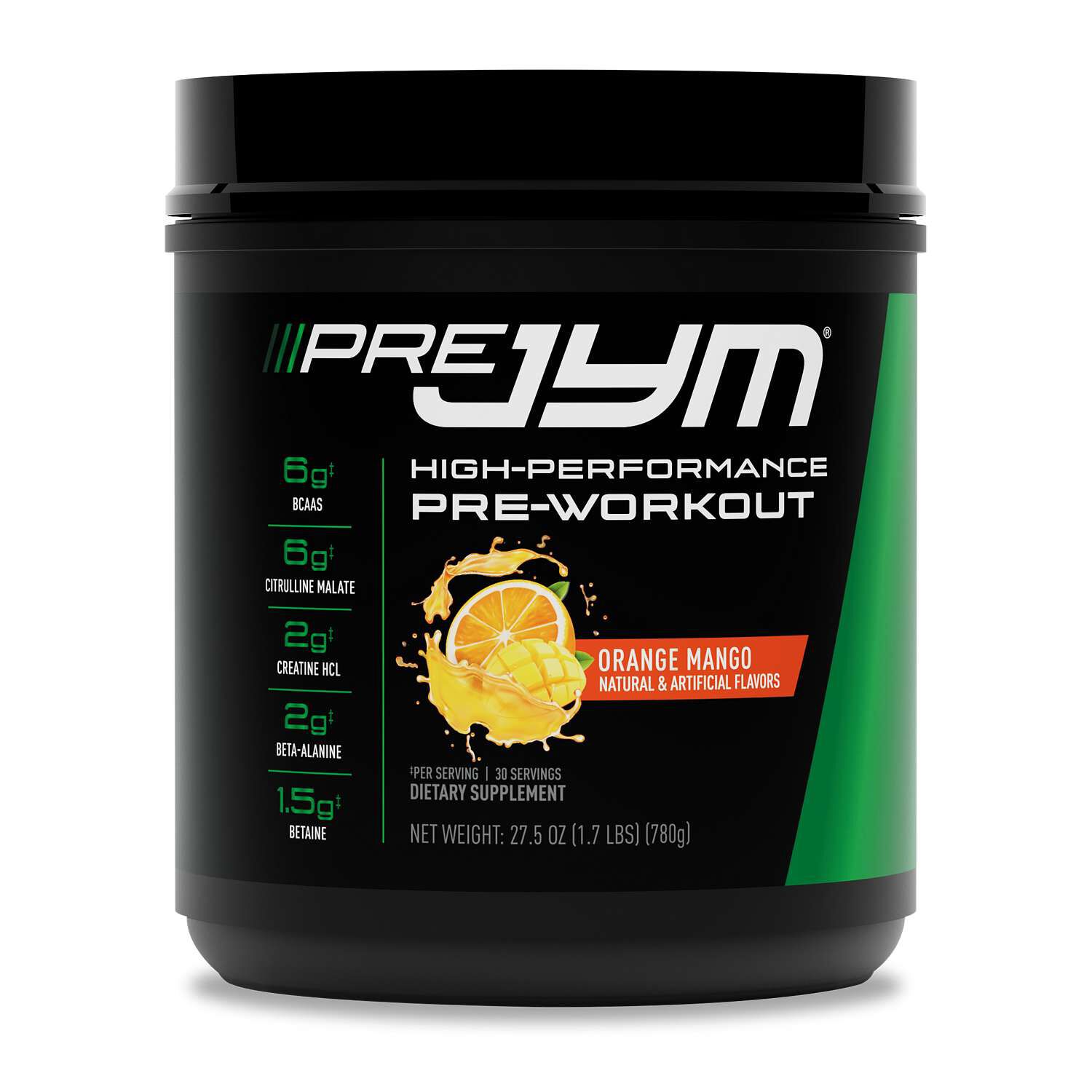
Intended use gives these details a practical setting. A person who goes straight from work to a fitness class may value a format that stays neatly contained in a bag, while someone preparing for a long bike ride may pay closer attention to the mineral amounts and the liquid volume listed in the directions. For a home workout, a scoopable powder could fit easily into a familiar bottle-filling routine. During the cooler months, exercise may shift indoors, but a heated studio, a busy weight room, or layered outdoor clothing can still make sweating part of the experience. Workout duration, surroundings, and personal preferences all shape how an electrolyte supplement might fit; the category is not limited to competitive athletes or especially demanding sessions. At the same time, an electrolyte blend is not interchangeable with every other sports nutrition formula. Protein powders, carbohydrate drinks, and pre-workout supplements have different ingredient priorities, even when their labels also mention electrolytes. Reading the full ingredient list helps distinguish a mineral-centered option from a formula built around another purpose. Shoppers comparing categories can also explore Electrolyte And Focus Supplements for a related selection, with the same attention to serving directions, caffeine content, and other ingredients. Storage and handling are practical considerations, too. Package directions specify storage conditions, and keeping containers securely closed between uses may help protect powders from moisture. A dry scoop, an intact packet, and a clean mixing bottle are useful parts of preparation; mixed drinks should be handled according to their label directions rather than assumed to keep indefinitely in a gym bag. The printed date and condition of the packaging also deserve attention before use. For a training partner or active family member, personal preferences matter more than an adventurous flavor choice, making a familiar format and known ingredient preferences thoughtful considerations for a gift. Across this category, the meaningful differences are concrete: which minerals are included, how much a serving contains, what else is in the formula, and how the format fits the workout routine.